




Combined wooden doors
When they talk about combined wooden doors, many people immediately imagine just a door leaf, where wood is glued with something else - with MDF, with glass, with a metal insert. But this is too simplified, and this is where the first mistakes in choice begin. From my own experience I will say that the key thing in this term is not the fact of the “combination”, but precisely the principle and purpose of this combination. Often, customers, especially in the commercial real estate segment or in premium projects, ask for a 'combined door', implying a simply visually complex design, but in reality they receive a product that does not quite meet their actual operating conditions - for example, in terms of sound insulation or stability in conditions of humidity changes. For a long time I myself believed that the main thing in such doors was design, until I came across a party that, six months later, in one of the office centers began to “lead” along the joints. It turned out that the problem was a different coefficient of expansion of the materials, which were selected purely for aesthetics, without taking into account technical compatibility. This was an important lesson.
What does a 'combined' design consist of in practice?
If we ignore marketing, thencombined wooden doorsusually means a canvas where solid wood (usually a frame, frame or panel inserts) is combined with other materials to achieve specific properties. For example, the base is laminated veneer lumber from pine or, for a higher segment, oak, and the internal panels or inserts can be high-density MDF, tempered glass, even ceramics or composite panels. For what? Solid wood gives strength and 'soul', that very natural look and status, but it can also be heavy, sensitive to moisture and expensive. And other materials make it possible to reduce the overall weight, add decorative elements of complex shapes (which are unprofitable or impossible to make from solid wood), increase fire resistance or improve sound insulation performance.
Here is a specific example from practice: for a restaurant project in a historical building, internal doors were needed that would not visually stand out from the interior with oak panels, but at the same time had to effectively separate the noisy kitchen area and the hall. A solid oak door of the required thickness would have been too heavy for the old opening design and incredibly expensive. The solution was found in a combined version: the frame and frame were made of solid oak, and the internal space was filled with an MDF-based sandwich panel with a sound-absorbing mineral filler. Externally, it is a noble tree, tactile sensations are the same, and in terms of characteristics, it is a modern product that meets strict standards. But here it was important not just to glue the materials, but to calculate the attachment and connection points so that cracks would not appear over time.
A common mistake in production, especially when chasing speed, is neglecting the technology of drying and acclimatization of all components before assembly. Wood is 'living', it breathes, but, say, glass or metal is not. If you assemble a door from materials with different residual moisture content or that are not resistant to future operating conditions, problems are guaranteed. I saw how at one of the facilities in Sochi, beautiful doors with a combination of ash and frosted glass literally warped over the course of a season in the area of the glass fastenings. The reason is that the wood was brought from a production site in a continental climate and immediately put into assembly, without allowing it to get used to the local high humidity. The glass insert, of course, did not change size, and the created internal stress led to deformation of the wooden part.
Where and why it works (and where it doesn’t)
Main scope of applicationcombined wooden doors- these are, of course, projects where there are specific technical requirements that cannot be met by a classic array. Office partitions, entrances to boutiques, doors to technical rooms inside residential complexes. In residential interiors, they are often chosen for zoning space - for example, between a living room and an office, where both aesthetics and the possibility of privacy are important.
But there is also a downside. You should not consider combined doors as a universal and always more profitable solution. For a standard apartment in a new building, where the conditions are stable and the design requirements are simple, a high-quality solid pine door or a veneered MDF door may be more practical and cheaper. The complexity of a combined design automatically means more points of potential failure - joints, adhesive seams, different types of fastenings. If production control is not up to par, these points will become weak points.
Here I would like to note the approach of some manufacturers who rely specifically on manufacturability and control. Take, for example, the companyAnhui Wantai Woodworking Co.,Ltd (https://www.anhuiwantai.ru). Their product range includes lines of combined solutions. From the company description it is clear that they are focused on the international market and focus on a combination of design and practical characteristics. This is exactly the case when a combined door is not just a pretty picture, but an engineering product. Their philosophy of 'building a business on precision, winning on quality' is not just empty words for a catalogue. In practice, this means that at the stage of selecting raw materials for the same wooden frame and its further processing, a margin of strength and stability is already laid down for further integration with other materials. The modern manufacturing base they write about typically has the ability to perform precision milling, controlled drying and pressing, which is critical for composite structures.
Pitfalls in installation and operation
Even perfectly madecombined wooden doormay be damaged by improper installation. This is not a door that can be roughly fit into place with a circular saw. This is especially true for models with glass or mirror inserts. An incorrectly assembled or skewed box will create stress on the joints, and the fragile glass may burst, or cracks will appear in the varnish coating at the junction of materials.
One of the most unpleasant moments I have encountered is when a customer saves on installation by entrusting it to “universal” specialists. As a result, for a heavy composite door with a massive wooden frame, standard three hinges were installed instead of reinforced four. After a few months of active use, the hinges began to become loose, the door sagged and began to touch the threshold. Solving the problem required complete dismantling, strengthening the box and installing the correct fittings. It turns out to be more expensive than if it had been done correctly from the very beginning.
Another nuance is care. A combination door cannot be maintained in the same way. Wooden parts may require periodic treatment with oil or wax (depending on the coating), and, for example, frosted glass or metal fittings must be cleaned with special compounds that will not damage the adjacent wooden surface. They are rarely warned about this when selling, and then owners are surprised by drips or tarnishing at the joints.
Trends and personal perspective on development
Nowadays there is a clear trend in the market towards environmental friendliness and naturalness, but at the same time towards manufacturability.Combined wooden doorsfit perfectly into this trend if they are made wisely. Increasingly, in combination with wood, they use not just MDF, but boards based on recycled wood or bamboo. Interesting solutions are emerging with inserts made of textolite or composites that imitate stone - they are lighter and more stable than natural stone.
As for design, the fashion for pretentiousness is going away. Instead of complex carved inserts from different types of wood, minimalism comes: clean lines, large but simple panels, a combination of warm wood and strict frosted glass or metal. This, by the way, simplifies production and increases reliability, as it reduces the number of complex connections.
If we talk about the future, then, in my opinion, the potential lies in precision engineering. That is, behind doors where the combination of materials is calculated to the smallest detail for specific parameters: a certain noise level, heat transfer coefficient, weight, burglary resistance. This is no longer a mass product, but piece or small-scale production for projects. And here the role of companies with a strong production and design base that are capable of this is precisely important. Returning to the exampleAnhui Wantai Woodworking Co.,Ltd, their stated focus on meeting the diverse needs of global clients and the presence of an experienced development team are precisely the assets that allow us to move towards complex, technologically combined solutions, and not just do 'wood plus something else'.
Instead of a conclusion: what to look for when choosing
So, to summarize my experience, when choosingcombined wooden doorsyou need to look deep. Not the picture in the catalog, but the design. Ask the supplier: how are the different materials connected to each other? For glue, for a tenon, for mechanical fastenings? How are the ends and joints processed? What is the warranty period specifically for delamination or deformation in combination areas?
Be sure to ask for information about materials. What type of wood, what is its humidity, what is the density of the board materials. A good manufacturer who is confident in their process will provide this information. Look at the weight of the door - it often indirectly speaks about the density and quality of the filling.
And most importantly, clearly define why you need a combined door. If the reason is just design, perhaps there are simpler and more reliable alternatives. If there is a real technical challenge (sound, weight, special finish), then a combined door is your choice, but only subject to high-quality production and professional installation. In this case, the products of companies that, likeAnhui Wantai Woodworking Co.,Ltd, with an emphasis on precision and control at all stages, from raw materials to finishing, has every chance to live up to expectations and last for many years without surprises.
Correspondingproducts
Related Products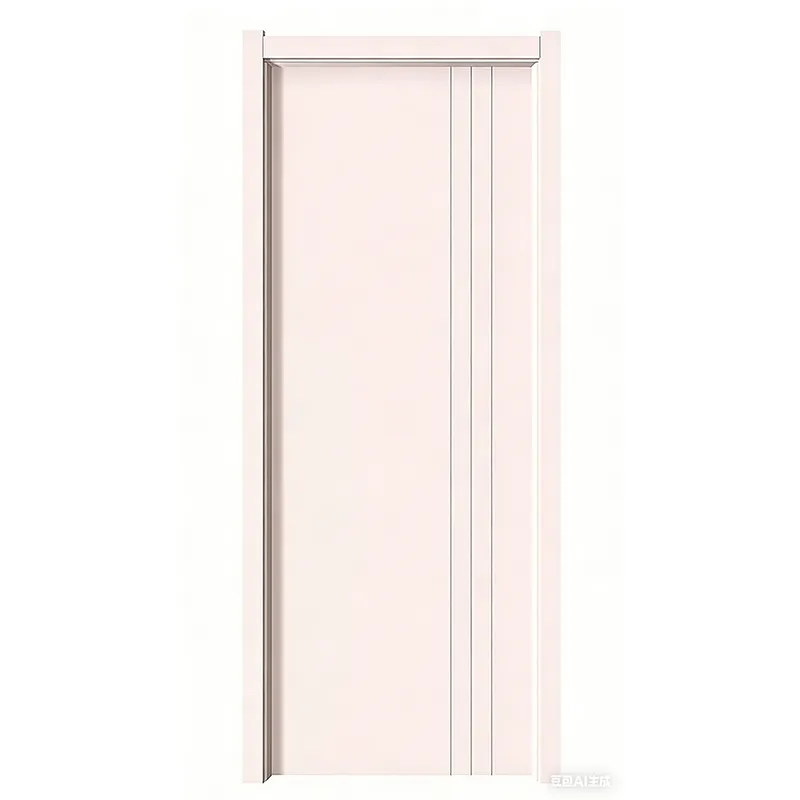
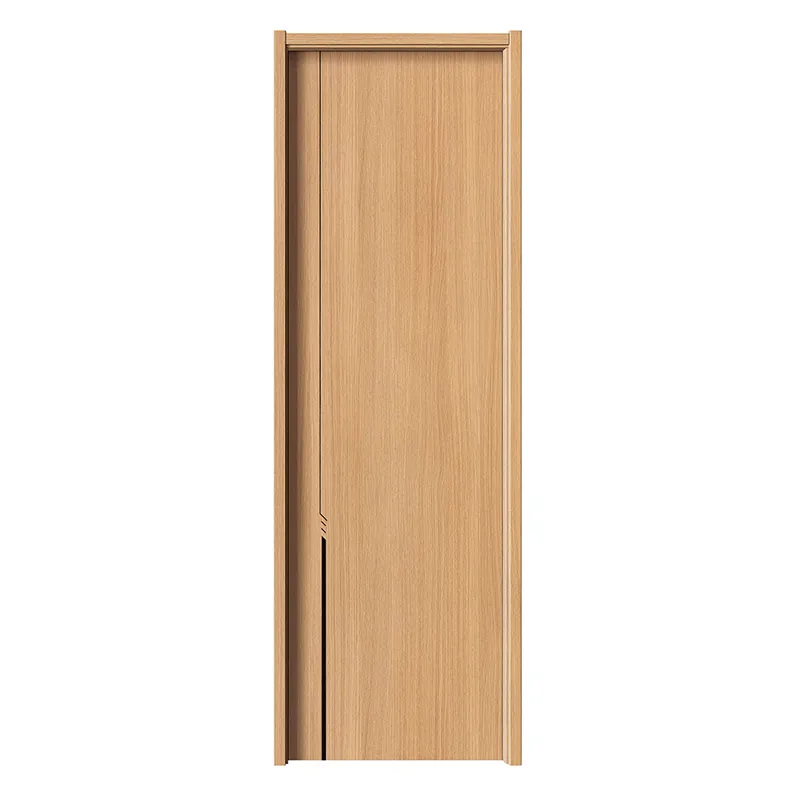
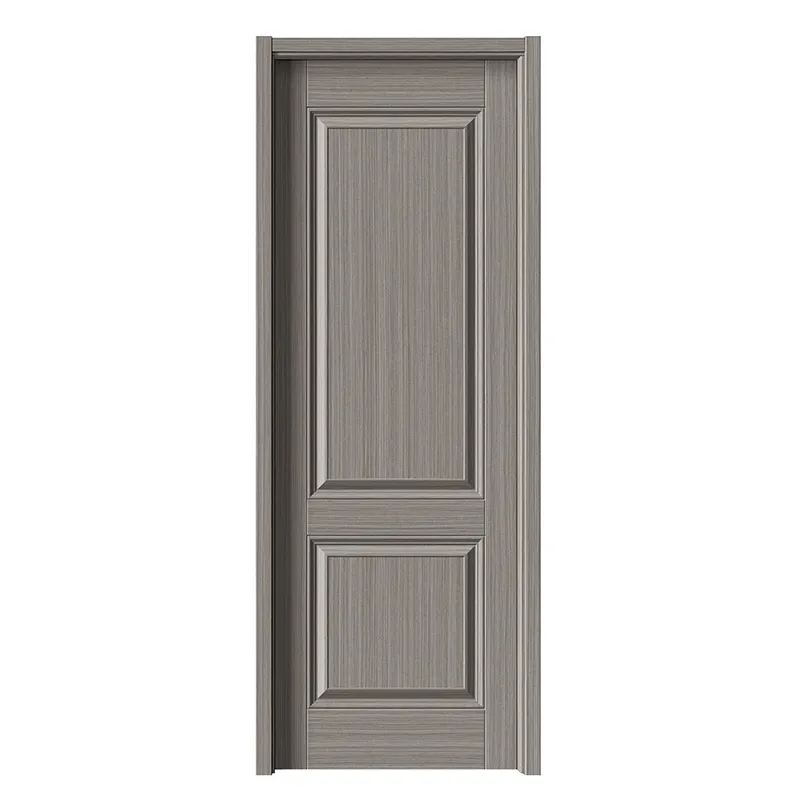
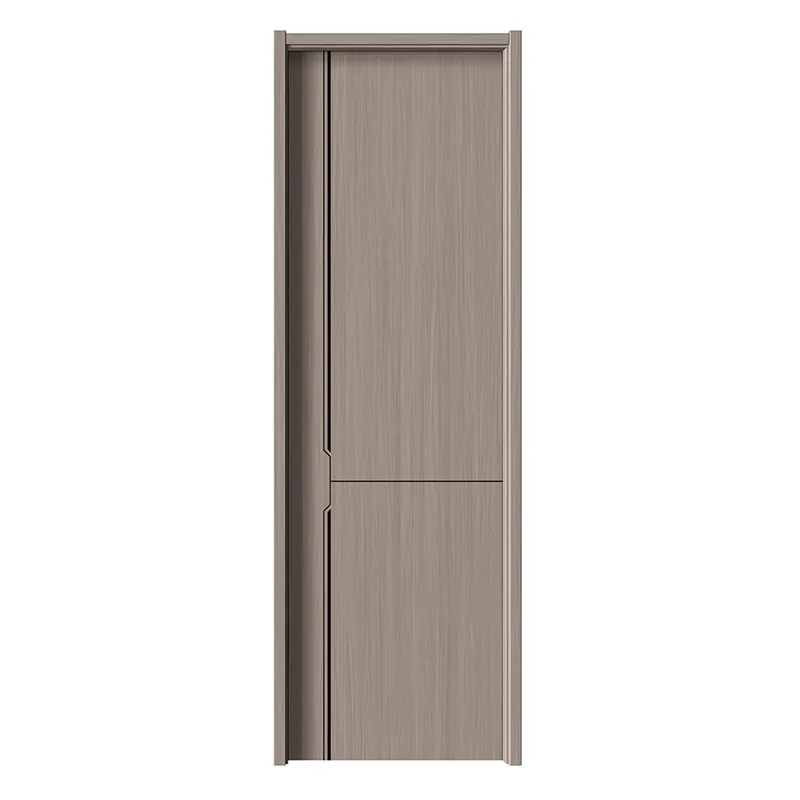
Best Sellingproducts
Best Selling Products-
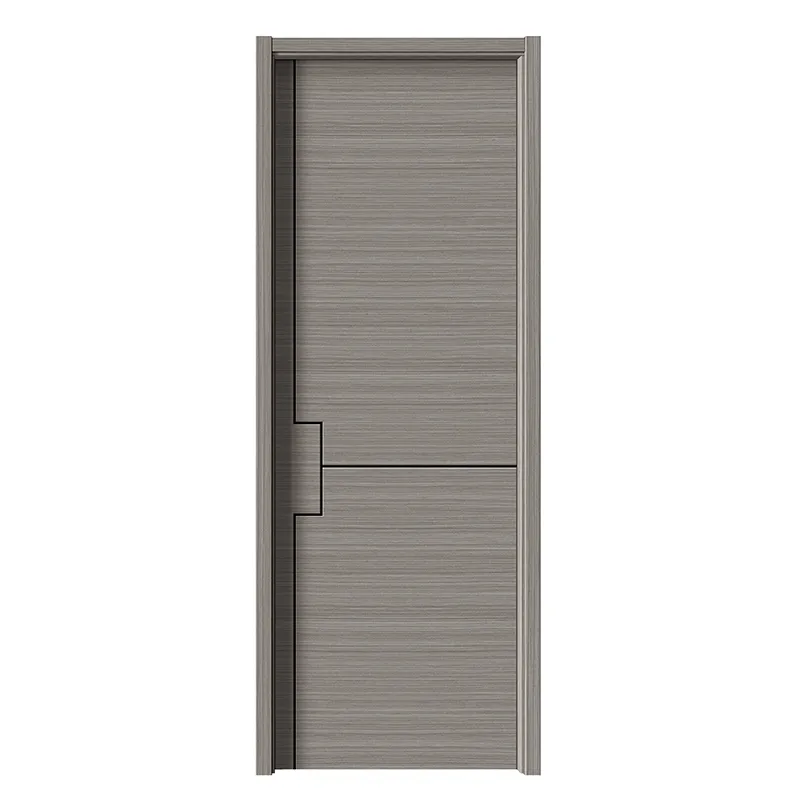 YST-1005 Technotree Door 2
 -
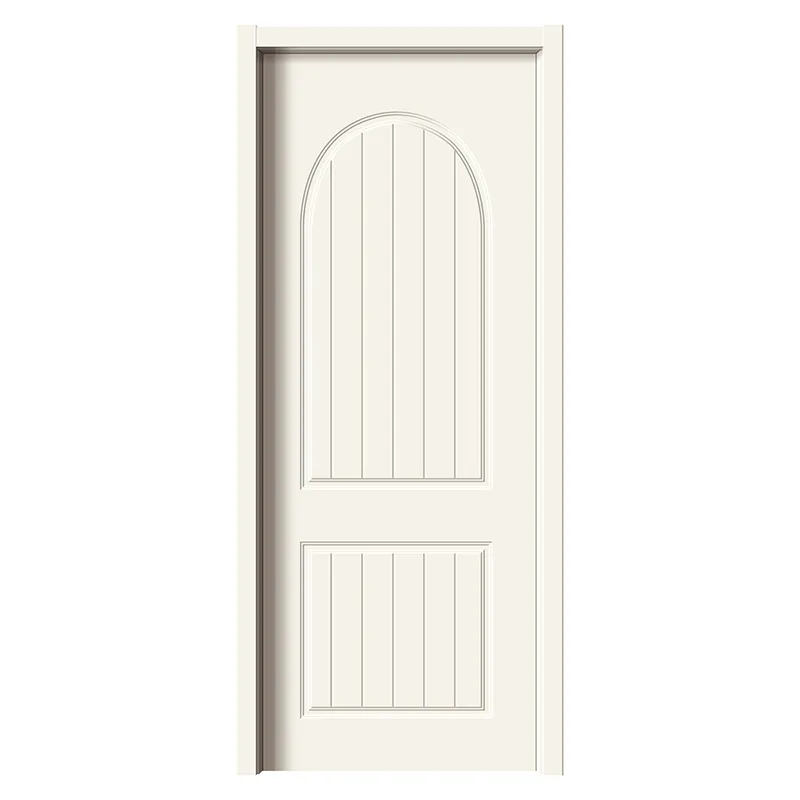 YST-236 Door White ivory
 -
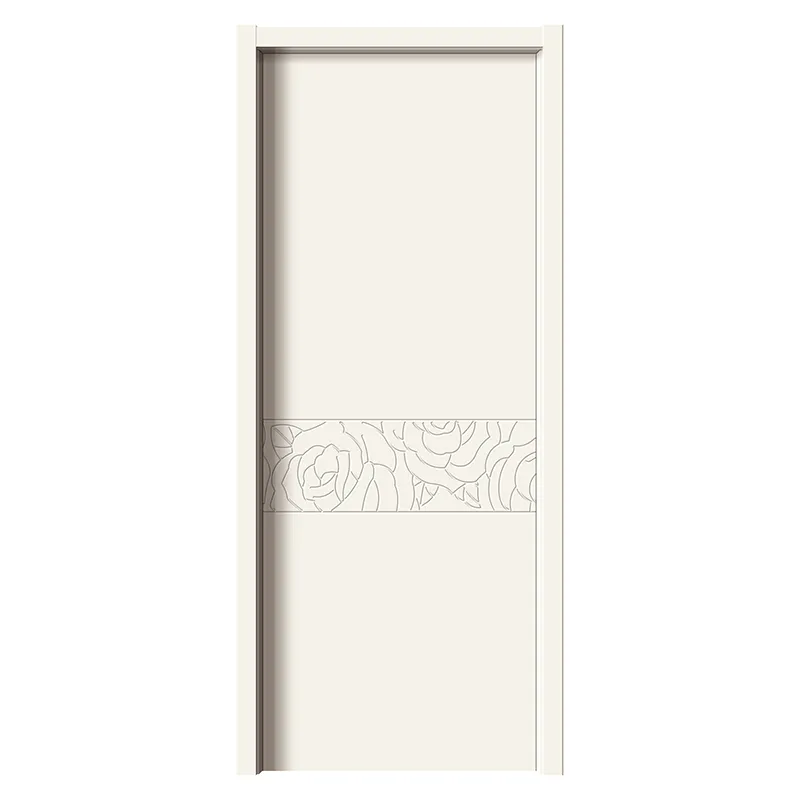 YST-238 Door White ivory
 -
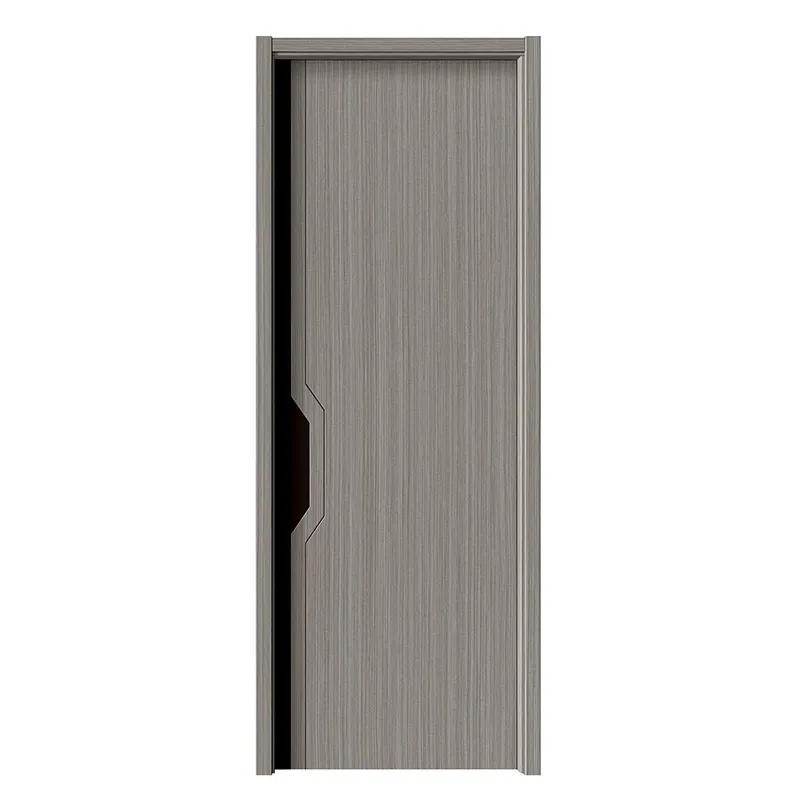 YST-1007 Technotree Door 2
 -
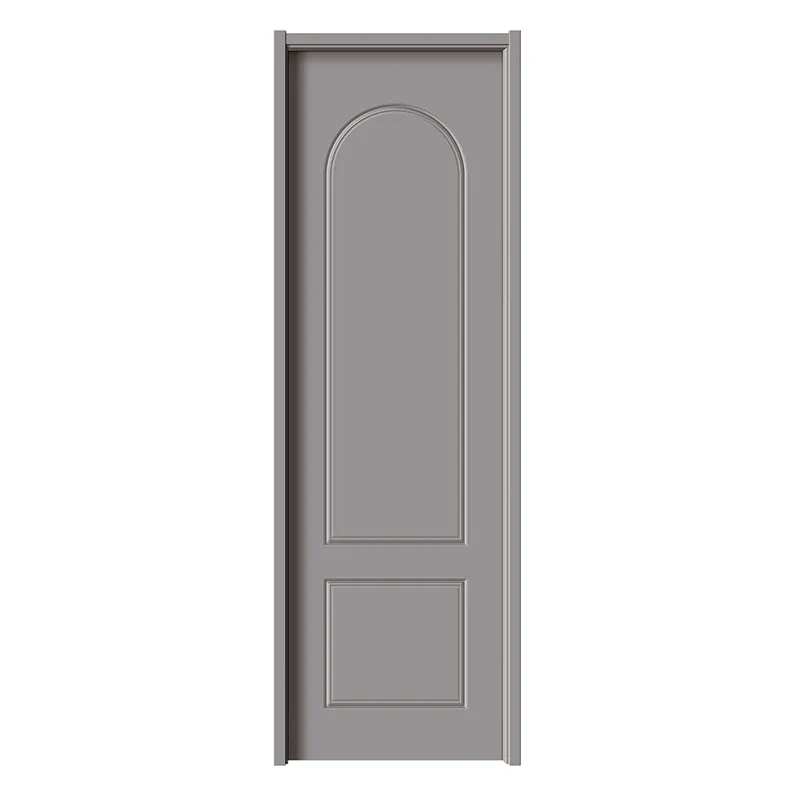 YST-241 French Door 1 soft stone gray
 -
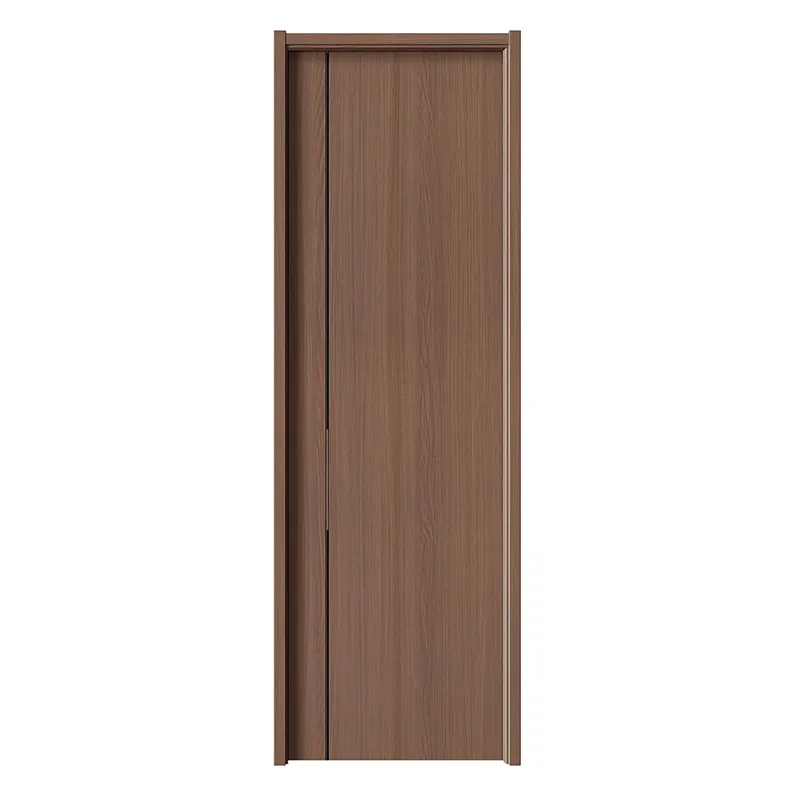 YST-1043 Door Techno-walnut 3
 -
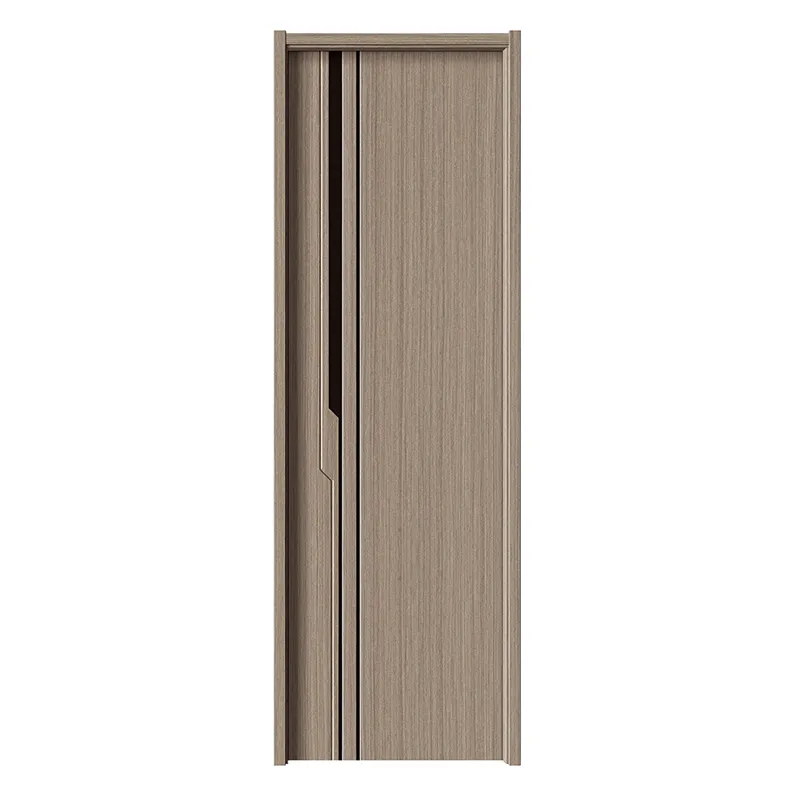 YST-1018 Technowood Door 1
 -
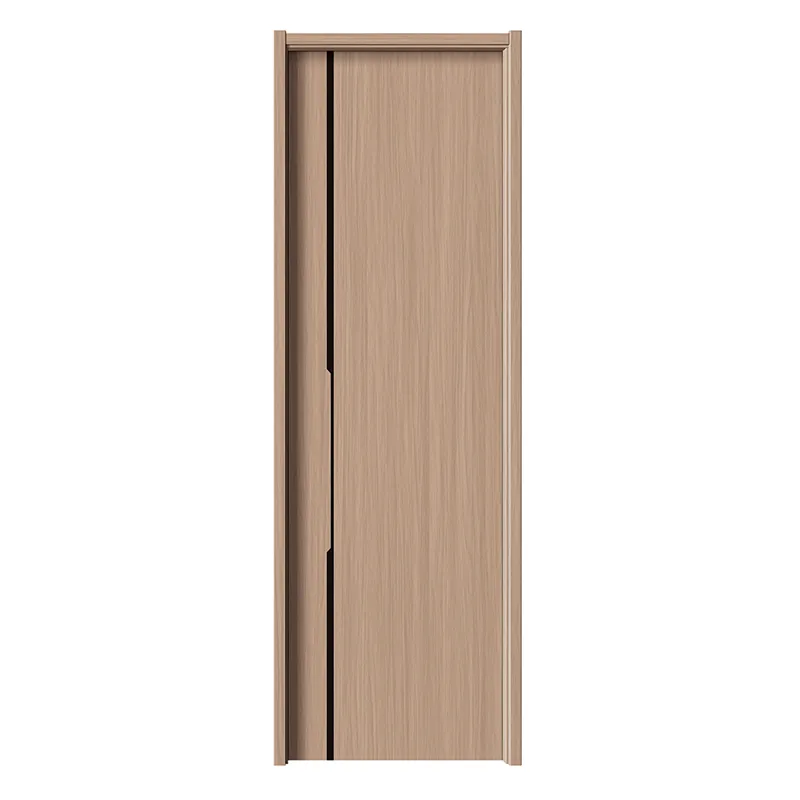 YST-1029 Door Translucent light shade 1
 -
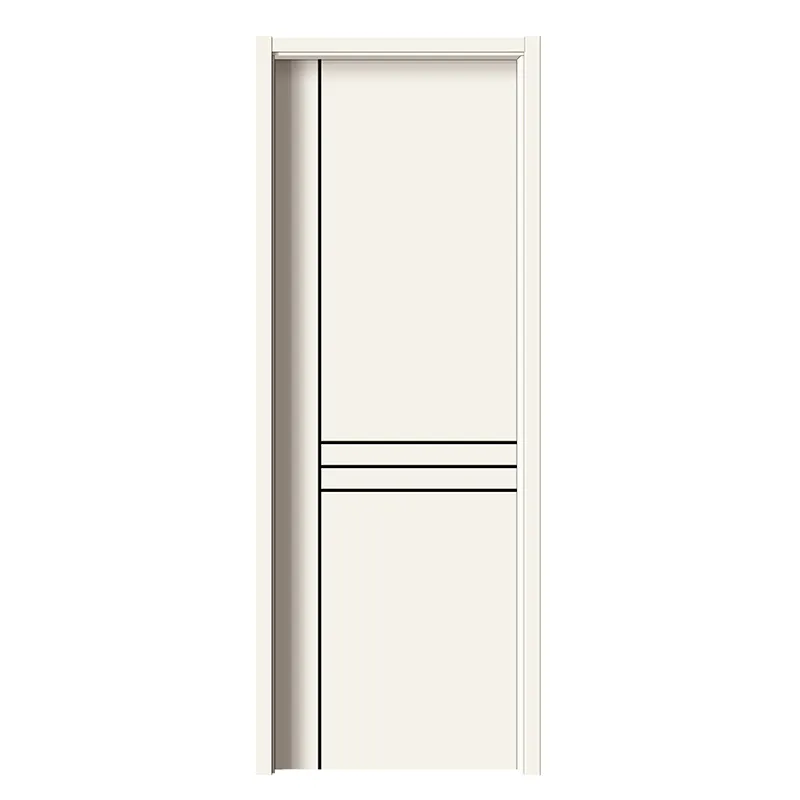 YST-220 Door Warm white
 -
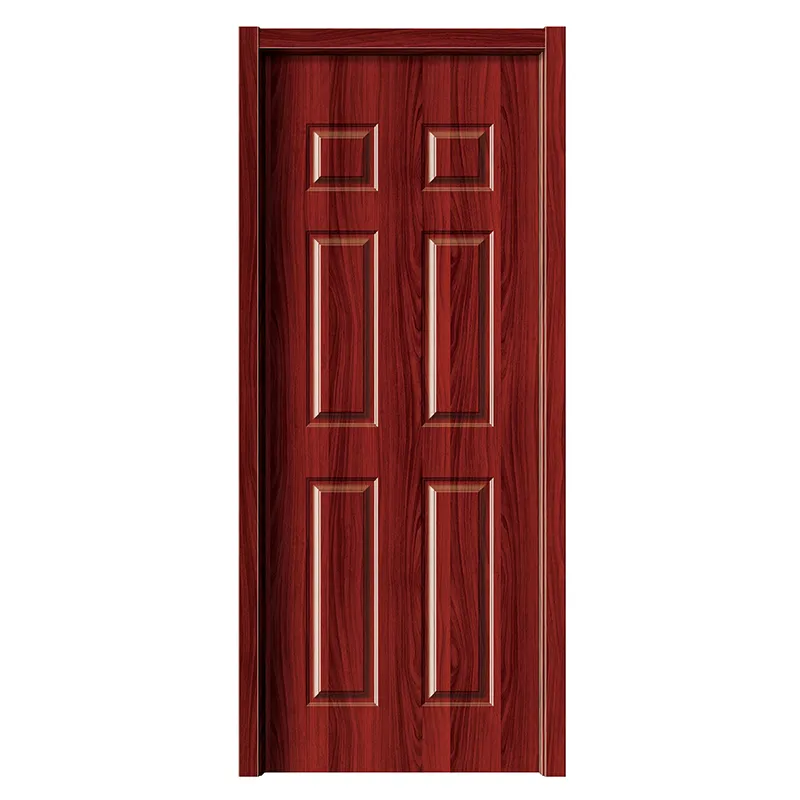 YST-201 Door Red team
 -
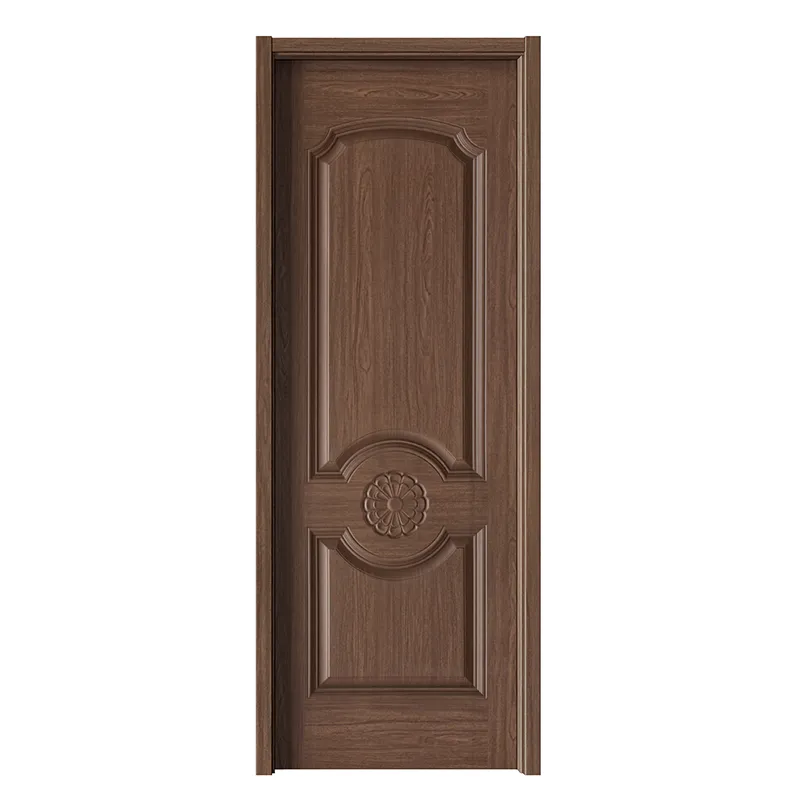 YST-212 Door North American Oak 2
 -
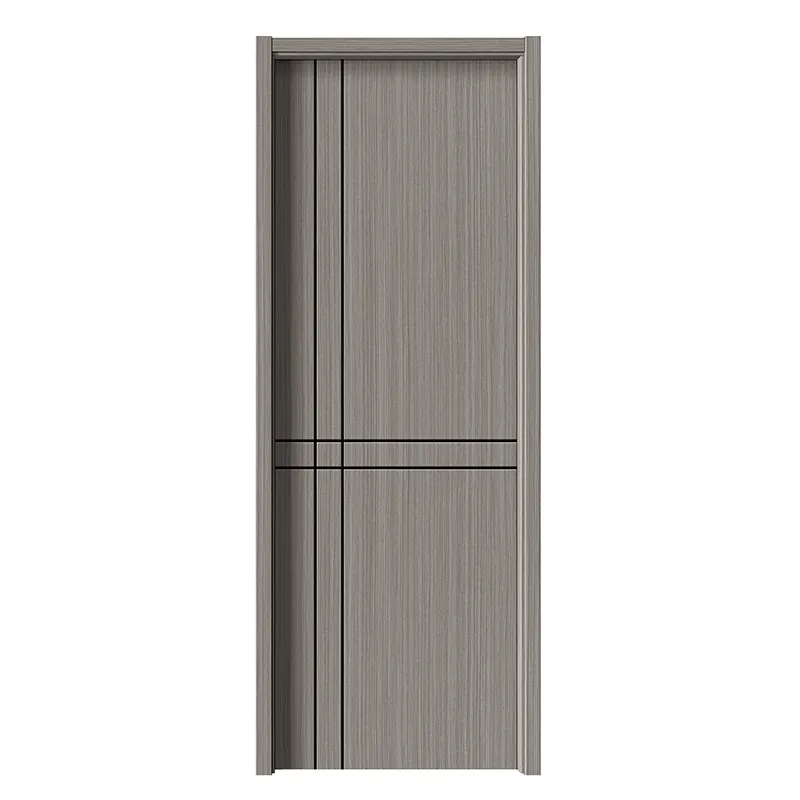 YST-1004 Door Technotree 2