



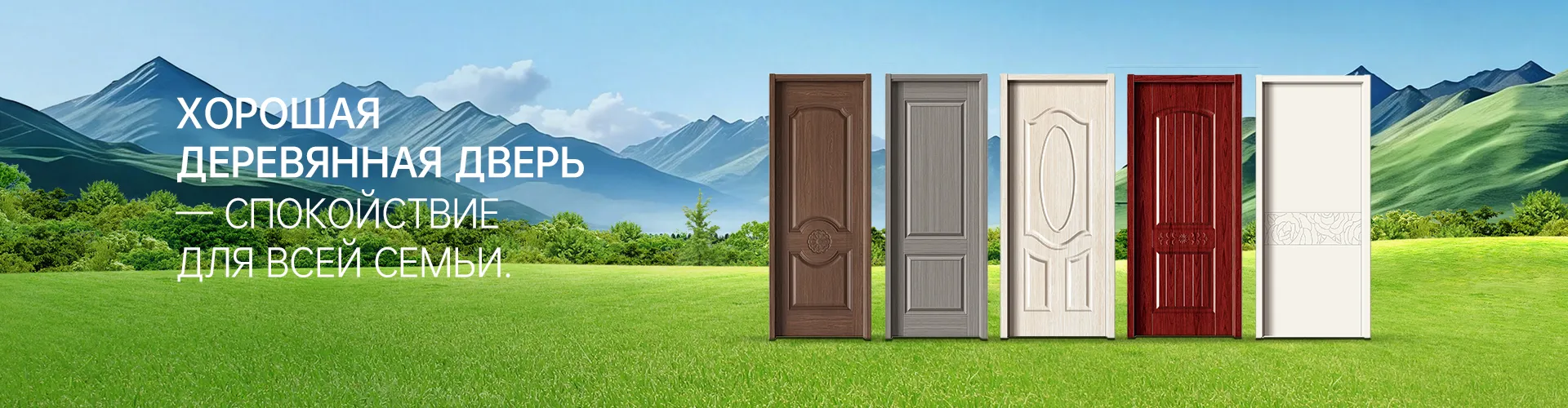
Dark wooden doors
When they say “wooden doors of a dark color?”, many people immediately imagine a panel simply painted black or wenge. But in practice, it’s a whole story about texture, perception of space and, most importantly, the correct preparation of the material. A common mistake is to think that a dark color is universal and will hide everything. Quite the opposite: it requires a flawless foundation.
Why dark? Not just fashion
Demand for dark tones, especially deep browns, grays and almost black shades, has been stable for several years. This is not just a trend from a magazine. In residential interiors, such a door often becomes not a border, but a design element that sets the tone for the entire space - an office, a living room with dark parquet. In commercial projects, say, restaurants or premium offices, a dark door works to create a sense of solidity and privacy.
But here lies the first professional nuance.Dark wooden doorsvisually “heavy” wall, reduce the space if the lighting is not thought out. I have seen projects where the customer insisted on matte wenge for a small hallway with one window - the result was a “black hole” effect. I had to redo it, adding frosted glazing in the canvas and strengthening the lamps.
Therefore, the first thing I discuss with the client is not the color catalog, but the operating conditions. North side, small corridor? It may be better to consider dark oak with a distinct grain that will play in the light, rather than a completely smooth, dull surface.
The basics: wood type and preparation
Any dark color, especially opaque covering enamels, is a litmus test for the quality of solid wood or veneer. All defects: knots, changes in fibers, even the slightest unevenness in sanding - will be visible under a dark coating, as if it were snow. Or they will appear over time.
When working with suppliers, I always look at the stage of raw material selection. For example, in productionAnhui Wantai Woodworking Co.,Ltd (https://www.anhuiwantai.ru) this moment is stated as key. Their philosophy is to “build a business on precision?” - these are not just words. For dark series they use dense, stable species like oak or ash, where the risk of “suction” is minimal. resin or staining after staining. The company's website talks about a combination of aesthetics and practicality, and in the context of dark doors this is exactly what it is about: beauty must be reliable.
Personal experience: we tried to make a pine door with dark stain and varnish for an economy class project. Even with primers and insulators, after six months yellowish stains began to appear in the places of knots. I had to remove it and repaint it in a covering color, which increased the cost of the project. Lesson learned - for translucent dark coatings only hard, homogeneous rocks.
Coloring technology: where the problems lie
Many people think that painting it black is as easy as shelling pears. In fact, getting deep, uniform, long-lasting color is an art. Matte surfaces are now in favor, but they are easily soiled and all fingerprints are visible on them. Gloss requires a perfectly smooth substrate, otherwise the gloss will highlight every sanding scratch.
Modern approaches are multi-layer application. First the primer, often tinted to avoid the base showing through. Then several layers of stain or enamel with intermediate sanding with microabrasives. The final layer is varnish or oil with protective properties. An important point that is often missed in the pursuit of color is protection from UV rays. Without special additives, even the most beautiful darkwood door coloron the sunny side it may fade or turn red in a couple of years.
In this regard, the approach of companies that work for export is interesting, like the sameAnhui Wantai. They have to take into account different climatic conditions - from dry Russian heating to the humid maritime climate. Their stated compliance with international standards at all stages, in fact, is a guarantee that the coating system has been selected and tested for stability.
Installation and operation: what is not said in the instructions
The best quality door can be damaged during installation. For dark models this is especially critical. The gaps around the box should be perfectly smooth and uniform. Any distortion, even a couple of millimeters, will cast a shadow that will hurt the eye, emphasizing the curvature.
Another practical piece of advice I give to clients is to pay attention to the fittings. Handles, hinges, locks on a dark canvas become an important accent. Matte black chrome and aged brass look great. But standard polished stainless steel can look cheap and alien.
In operation, the main enemy is abrasive dirt and aggressive chemicals. It is better to wash such doors with a soft cloth and special products for caring for wooden surfaces. Ordinary household chemicals can leave matte spots on the gloss or, conversely, “gloss” it. matte finish in areas of frequent touch.
Summary: When a dark door is the right choice
So, is it worth choosing?dark wooden doors? Definitely yes, if this is a conscious design move, supported by the right materials and technologies. This is not a product that you should save on by buying “what’s cheaper?” from a dubious array.
You should focus on manufacturers who openly talk about technology, such asAnhui Wantai Woodworking Co.,Ltd, positioning itself as a company with a modern base and development team. For the global market they describe, quality is not just a word, but a necessity for competition. Their doors must withstand different conditions, and dark color is one of the most difficult tests in this regard.
Ultimately, a successful dark door is when, a year or two after installation, you walk by and don’t notice any changes: the color is just as deep, the surface is solid, the texture is pleasing to the eye. And it simply works as part of the interior, and not as a constant source of headaches and additional care. This is what we should strive for.
Correspondingproducts
Related Products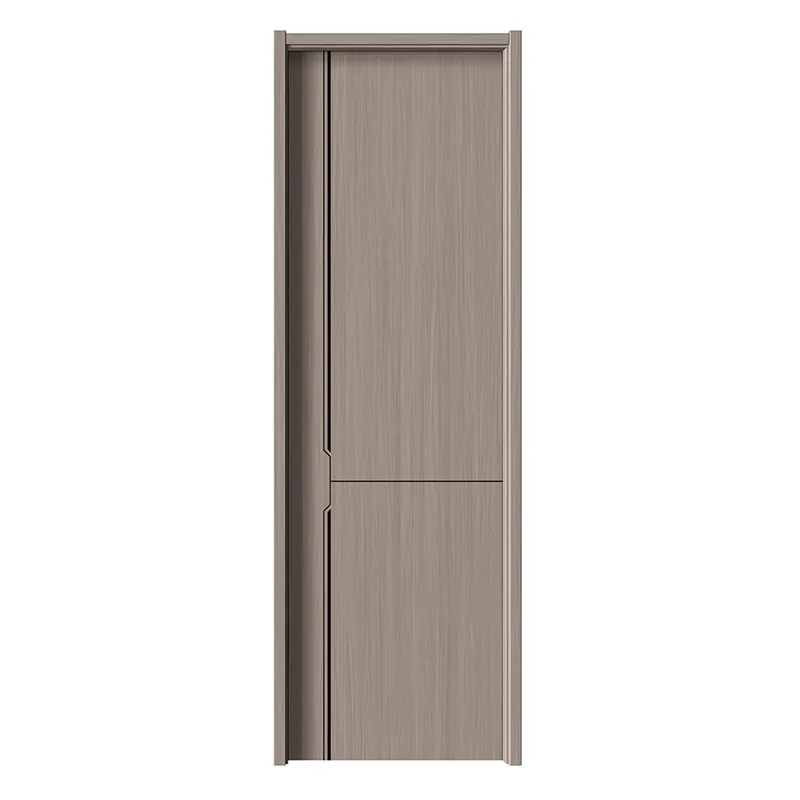
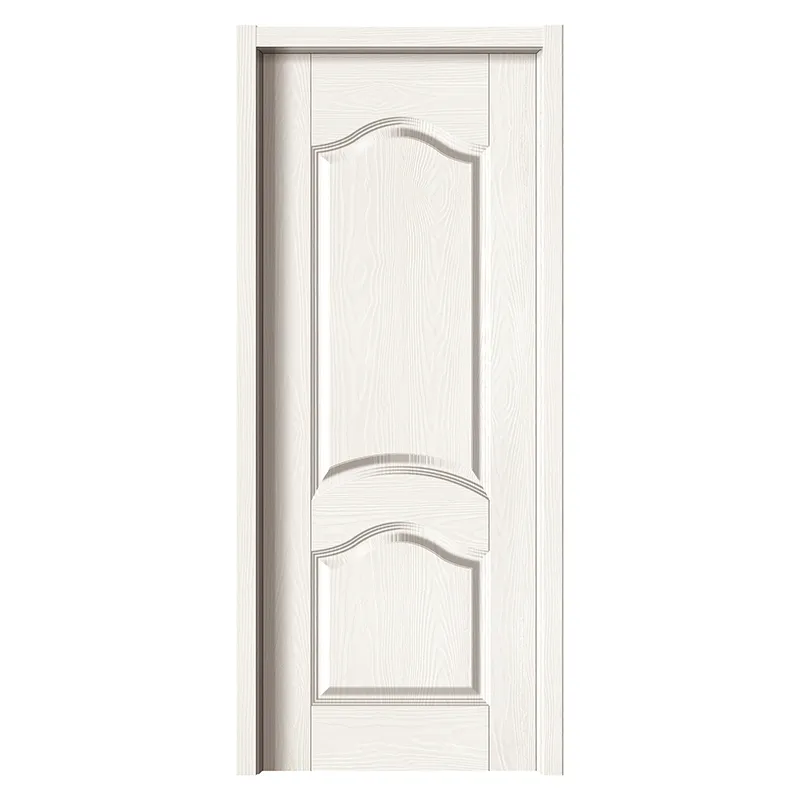
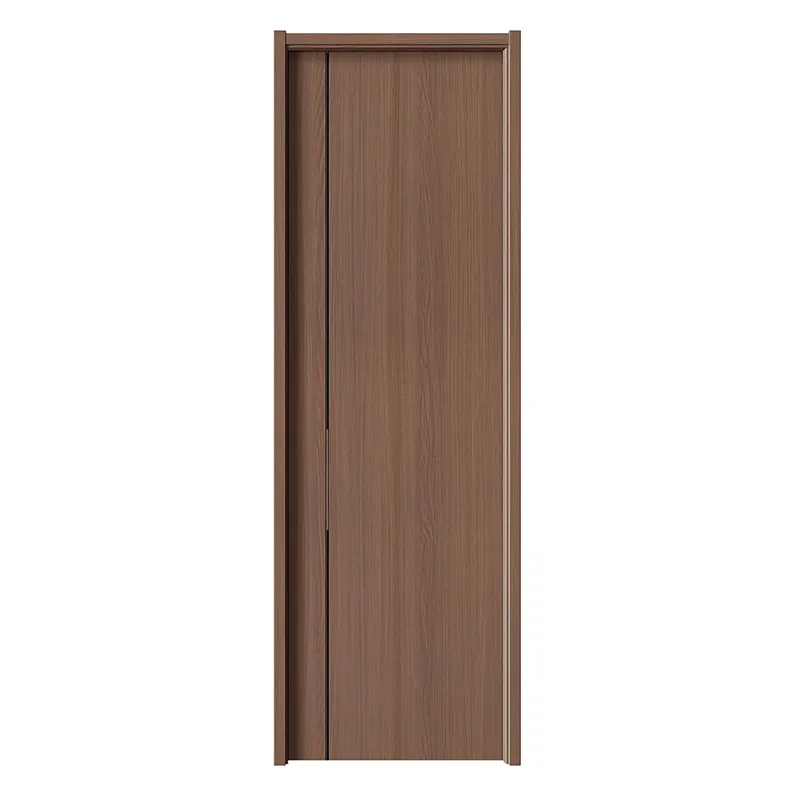

Best Sellingproducts
Best Selling Products-
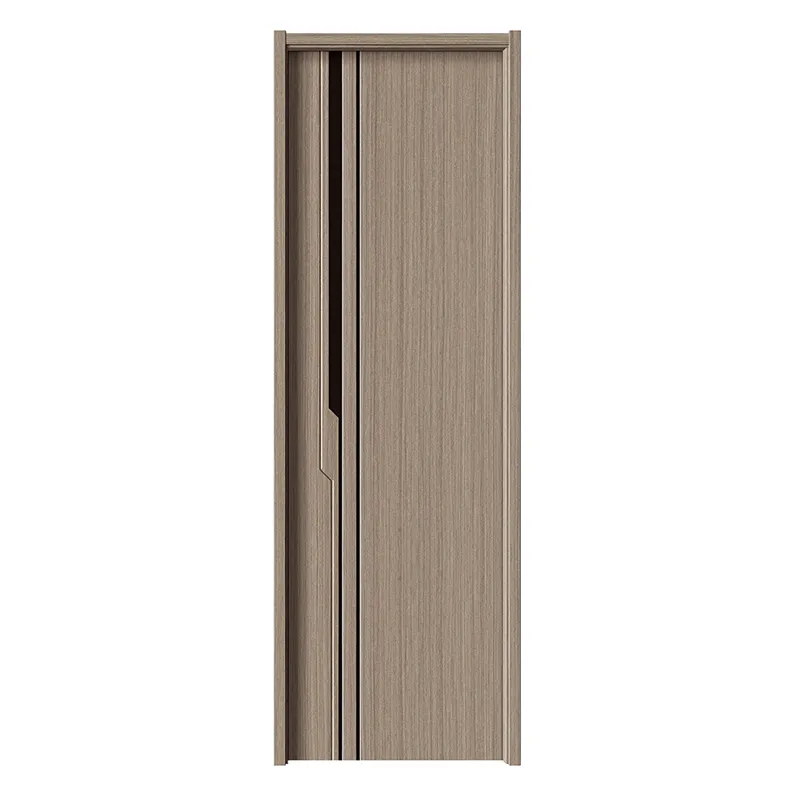 YST-1018 Technowood Door 1
 -
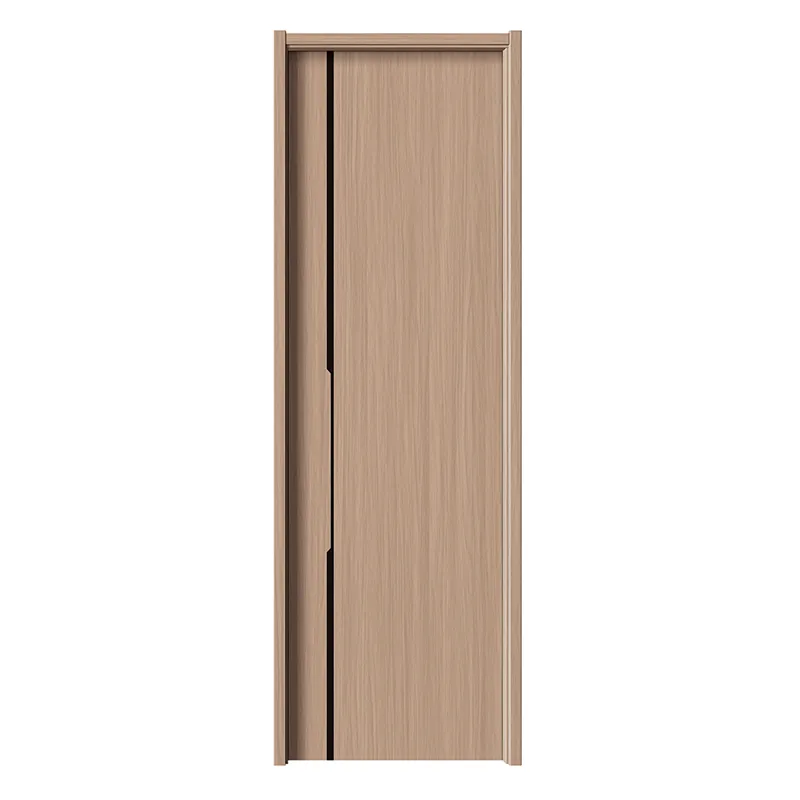 YST-1029 Door Translucent light shade 1
 -
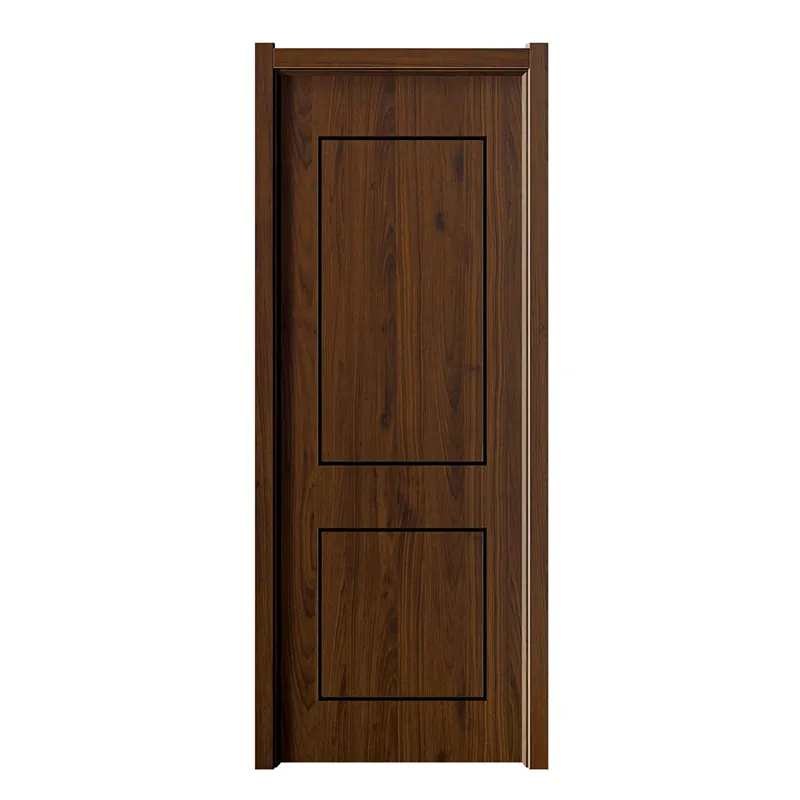 YST-WPC2 Door
 -
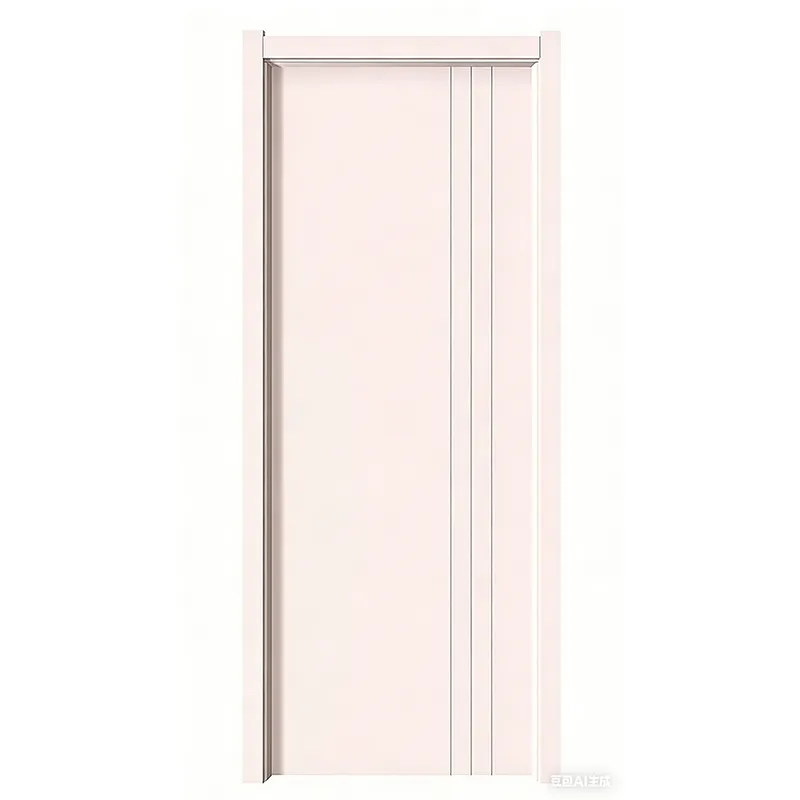 YST-WPC4 Door
 -
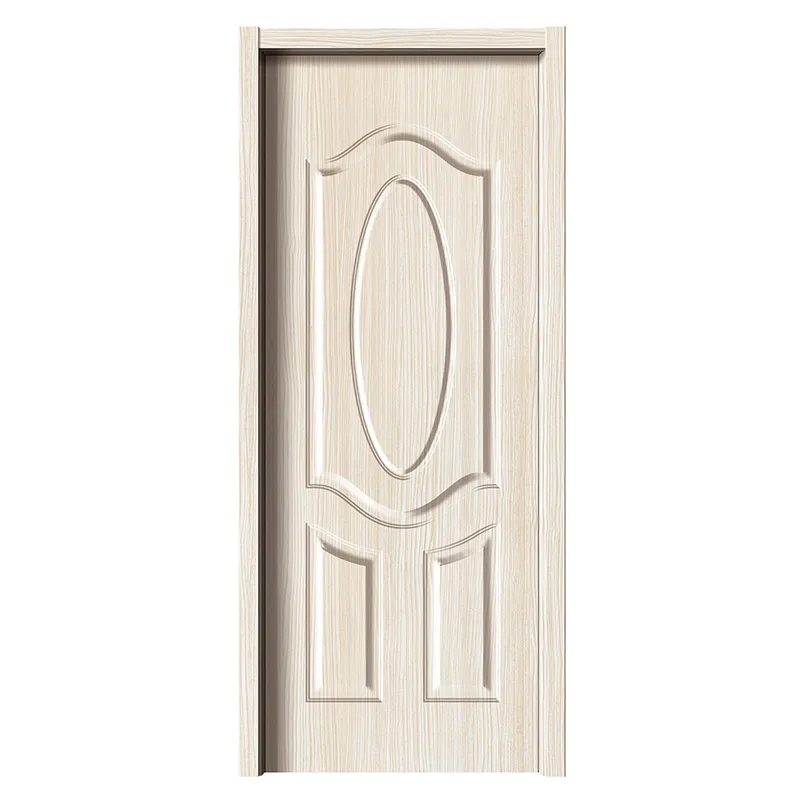 YST-216 Door White Maple
 -
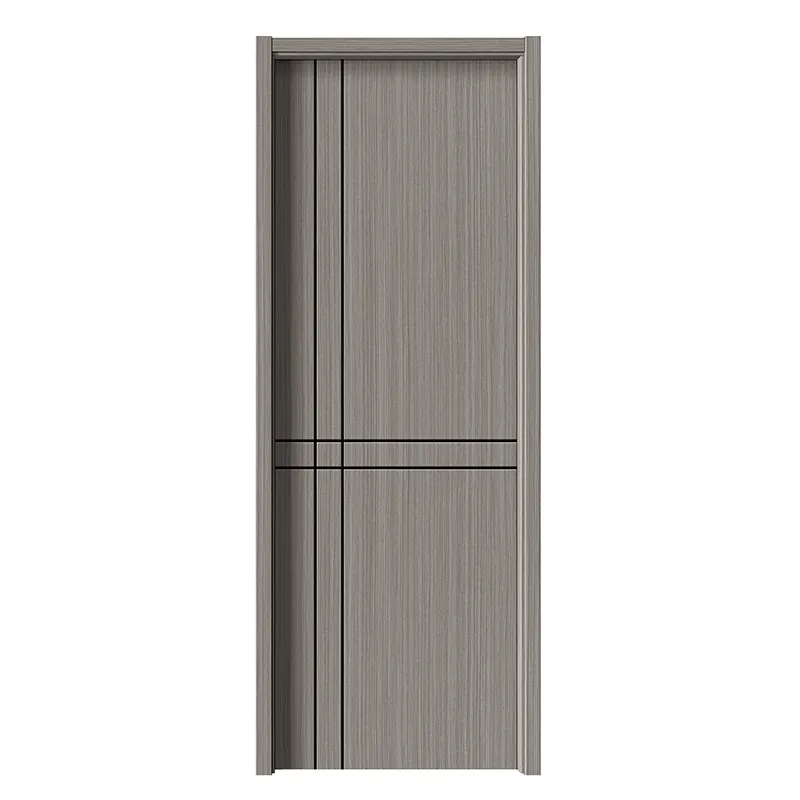 YST-1004 Door Technotree 2
 -
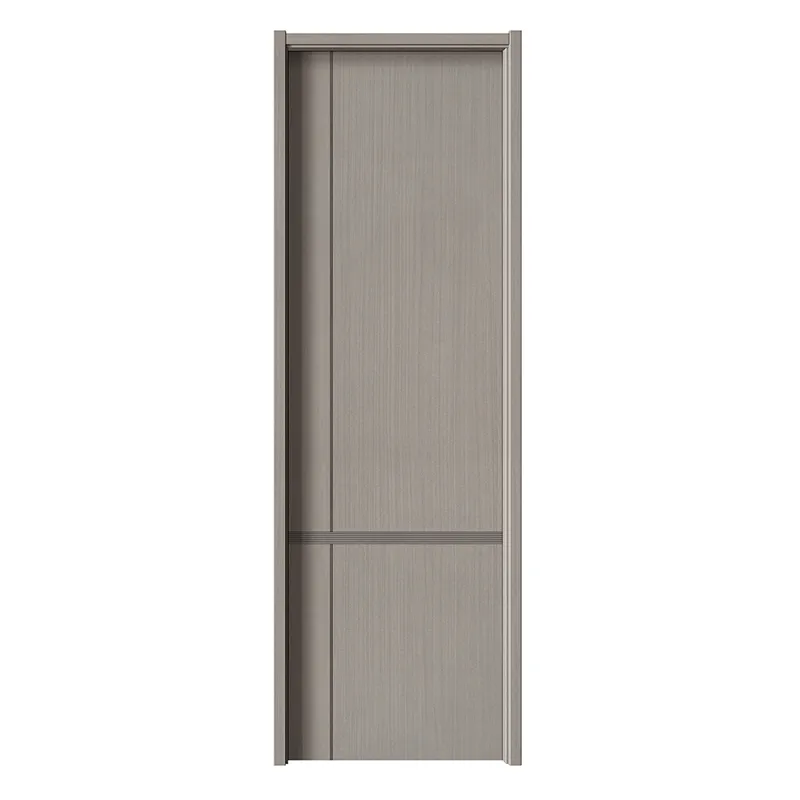 YST-1013 Door Cloud Walnut 1
 -
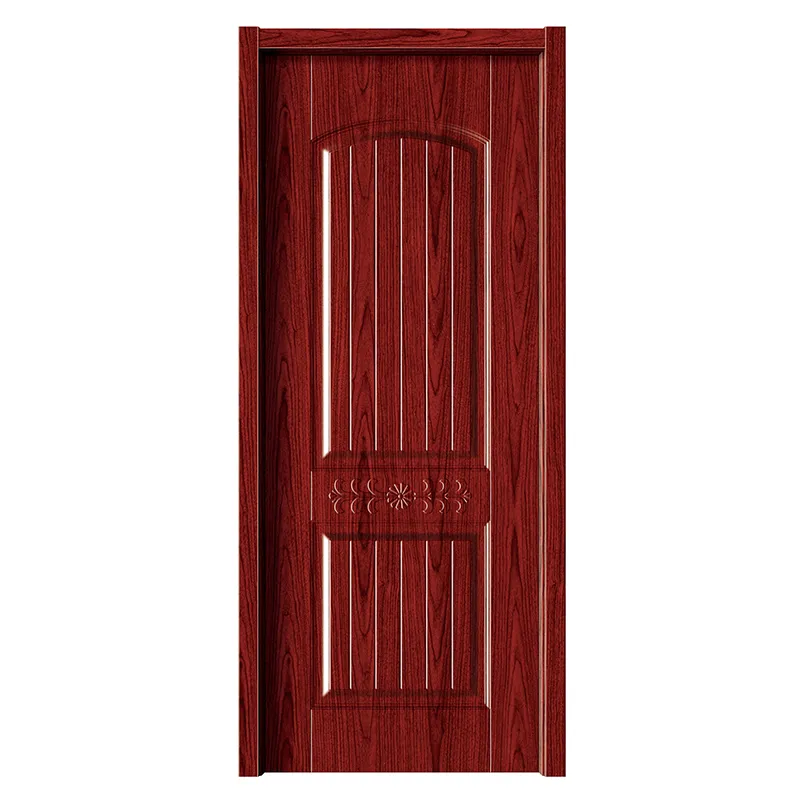 YST-233 Door Mahogany
 -
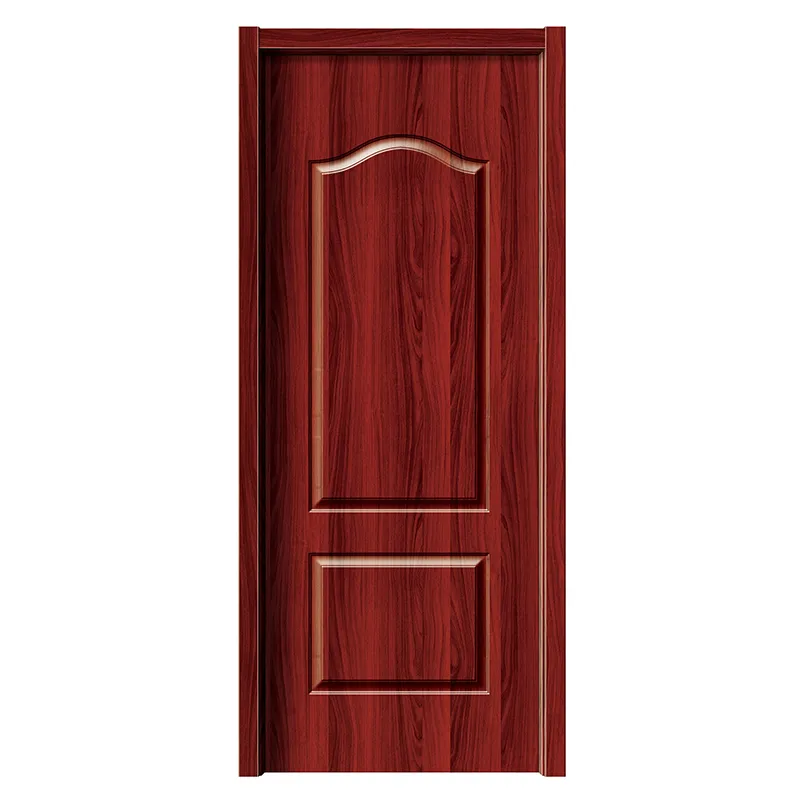 YST-207 Door Red team
 -
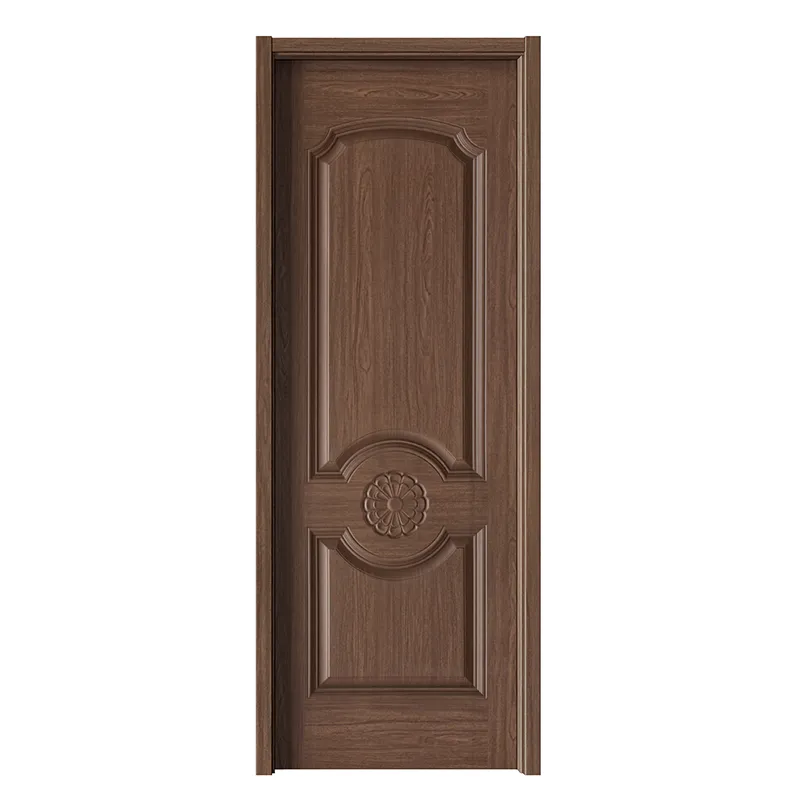 YST-212 Door North American Oak 2
 -
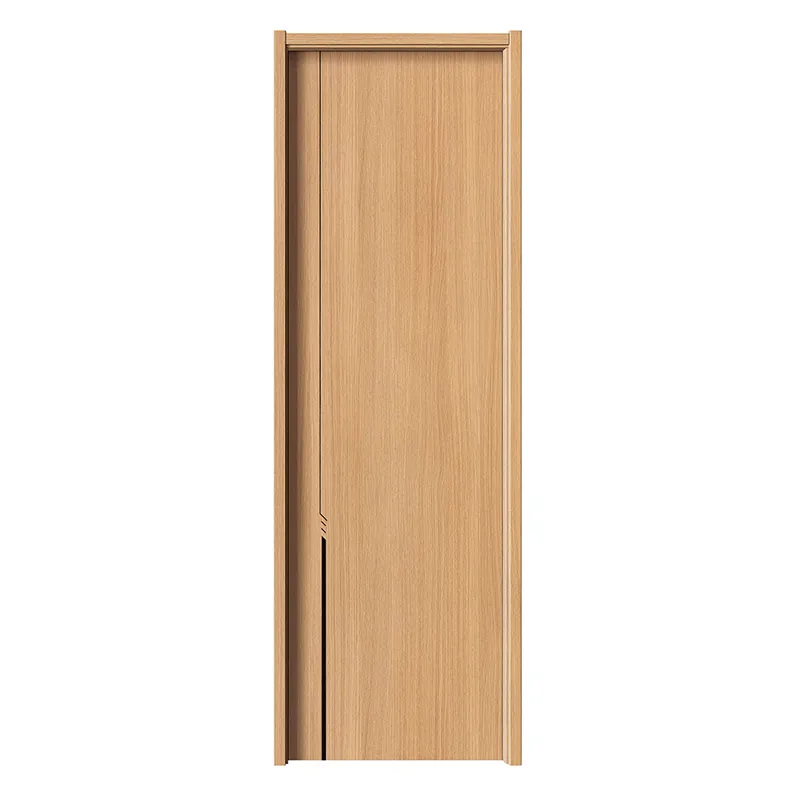 YST-1041 Door Oak Shutter
 -
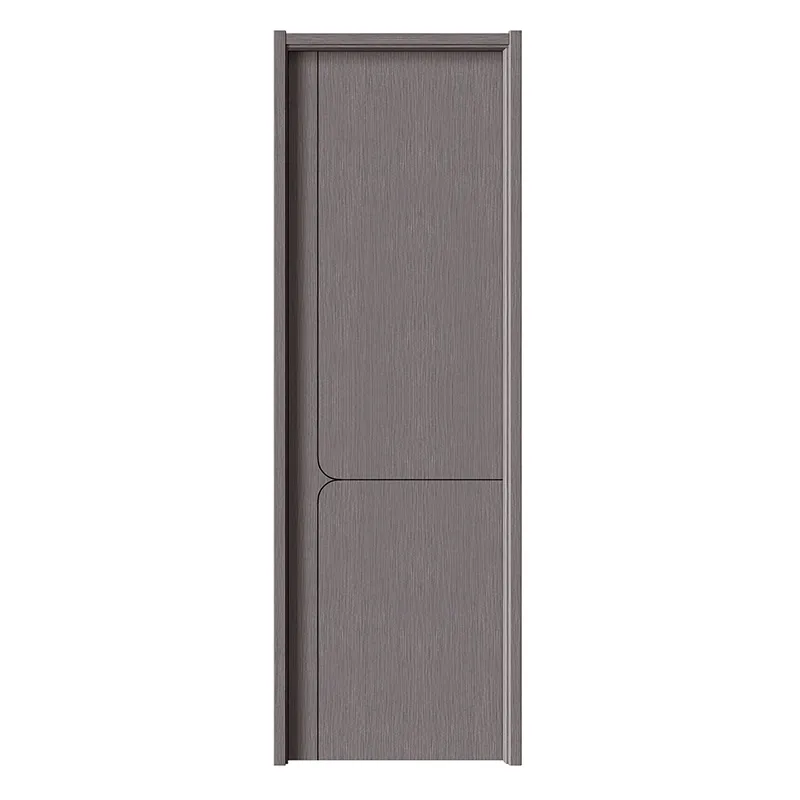 YST-1001 Door Chiaroscuro tree 2