




Light wooden interior doors
When clients look for “light-colored wooden interior doors,” many think that we are only talking about painting them white or beige. In fact, this is a whole philosophy of working with space, light and wood texture. A common mistake is to simply choose “light” door according to the catalogue, without taking into account how it will behave in a particular interior under different lighting conditions. I have seen more than once how a door made of alder or ash, beautiful in the sample, gave a cold, hospital-like tint in real life, because the tone of the varnish did not match the warm light of the lamps. Or vice versa - the warm honey shade “ate up”? a feeling of lightness in a Scandinavian interior. Therefore, the first thing I tell clients is that light is not one color, but a range from cold matte whites to warm, almost natural shades of bleached oak. And the key is in the details: the type of wood, the cutting method, the finishing coating and even the width of the panels.
From raw material to finish: what makes the “right” one? light tone
Let's start with the base - wood. For light interiors they often use ash, alder, maple, and less often oak, but it needs to be specially tinted. Each breed behaves differently. Ash, for example, has a bright, expressive texture. If you simply cover it with transparent varnish, you will get a rather contrasting, even colorful door. To achieve that calm, uniform light background, craftsmen often use brushing (combing out soft fibers) and subsequent tinting in white or gray - the pigment lingers in the softer areas, smoothing out the natural contrast. It's labor-intensive, but the result is worth it - you get a deep, noble surface, and not just a flat white plane.
But with alder it’s easier - its texture is initially softer and more uniform. It accepts any tint perfectly and is often used to imitate more expensive breeds. But there is a pitfall here: alder is a soft tree. If the door leaf is large and does not have enough stiffeners, a slight sag may appear over time. Therefore, when choosing light-colored alder doors, you should pay attention to the frame design. By the way, some manufacturers, likeAnhui Wantai Woodworking Co.,Ltd, pay special attention to this, using reinforced frame systems even for light-looking models - this can be seen from the weight of the canvas and the reliability of the hinges.
Finishing is a science in itself. Matte varnish is now in trend; it hides minor scratches and gives a noble velvety surface. But he can “eat”? light, making the door visually darker than the sample under gloss. Semi-matte or satin are a more versatile option. Personally, I always ask to bring a sample not just “to the office under the light of fluorescent lamps,” but to take it to the site for a day or two, look at it in natural light in the morning, in the afternoon and in the evening under artificial light. The difference can be colossal. On the websiteanhuiwantai.ruproduct descriptions often focus on the multi-layer varnish coating that is resistant to UV radiation - this is precisely the important nuance that prevents light-colored doors from yellowing over time, which is critical for south-facing windows.
Design features: where lightness is deceptive
When talking about light-colored doors, many people imagine something airy and perhaps flimsy. This is a dangerous misconception. High qualityinterior wooden door, even a light shade, should be heavy and monolithic. Weight is an indicator of the density of the internal filling and the massiveness of the frame. Hollow structures are lightweight, but they do not dampen sound well and can rattle when slammed. In my practice, there was a case when a customer insisted on the lightest and thinnest possible model for a small child’s room. As a result, the door did not keep out sounds or smells, and a year later a dent appeared on it from an accidental blow with a toy.
So now I always look at the end and the weight. The optimal thickness of the canvas is from 35 to 40 mm. Inside there should be either an array (joined to avoid deformations) or a high-density honeycomb core. A good sign is the installation of three loops instead of two for canvases above 210 cm. This is not reinsurance, but a necessity to prevent sagging. Companies that work for export, like the sameAnhui Wantai, often set such standards from the very beginning, because their products must withstand different climatic conditions - from the dry air of heated apartments to high humidity.
Another point is glass inserts. They are often found in light-colored doors for additional light transmission. But here it is important not only the glass itself (matte, satin, with a pattern), but also the method of its fastening. A cheap option - the glass is simply inserted into the groove and fixed with a glazing bead using glue. Over time, the glue may dry out, the glazing bead may come off, and an unpleasant squeak will appear. A more reliable, albeit expensive, method is to use silicone sealing profiles that absorb and compensate for microdeformations of the wood. This is a detail that you should pay attention to when choosing.
Installation: on which 50% of success depends
You can choose the perfect door, but ruin everything with crooked installation. With light-colored doors this is especially noticeable - any cracks, distortions, or loose fits are noticeable. The main problem is uneven slopes. Often builders leave openings “as is”, and installers then try to level the frame with wedges, which leads to stress in the structure. The right thing to do is to put the opening in order before starting installation, check it for level and diagonals.
The second critical point is the gaps. There should be a uniform gap of 2-3 mm between the canvas and the box around the perimeter. If it is smaller, the door may rub and rub off the paintwork; if more, there will be drafts and poor sound insulation. After installation, I always ask the client to pay attention to the operation of the hinges: the door should open and close smoothly, without jerking, and stop in any position if the floor is level. If it opens or closes spontaneously, this is a sign of improper installation of the box or a crooked floor.
And, of course, finishing work - installation of platbands and additions. For light-colored doors, I strongly do not recommend using polyurethane foam without limiters - as it expands, it can deform the light frame. It is better to use wedges and anchor plates. And it is better to seal the joints between the platband and the wall not with white sealant (which turns yellow over time and contrasts with the door), but with acrylic putty followed by tint. This is painstaking, but the joint becomes almost invisible.
Practical cases and common mistakes
Let me give you an example from recent experience. We were renovating a Khrushchev-era building, living room and kitchen. The owner wanted to visually unify the space, but with zoning. We chose a double leaflight wooden doorwith frosted glass inserts in the tone of bleached oak from a supplier who cooperates with manufacturers like Anhui Wantai Woodworking LLC. The door was beautiful. But they didn’t take into account one nuance - heating. The battery was located directly under part of the doorway. The constant flow of hot dry air led to the fact that after six months one of the doors (the one closer to the battery) slightly changed its geometry - a small gap appeared at the top. I had to adjust the hinges and install a humidifier. Conclusion: when planning an installation, you need to take into account not only aesthetics, but also the microclimate around the opening.
Another common mistake is skimping on fittings. A beautiful light door is equipped with rough, dark handles or, worse, cheap chrome hinges that begin to creak after a month. The fittings must be stylistically and qualitatively compatible with the canvas. For modern light doors, matte black or, conversely, hidden hinges and handles in the color “matte brass” are good. or “light chrome?”. They don't draw attention to themselves, but they work flawlessly. In the description of the company philosophyAnhui Wantaiwe are talking about a combination of aesthetics and practicality - this fully applies to the selection of components.
And the last thing is care. Light doors require care. Do not use abrasive or alcohol-containing cleaning products. Ideally, a soft cloth lightly moistened with water and neutral soap. Once every six months you can treat with polish for matte wooden surfaces. This will preserve the color and protect against minor scratches. Many people think that light is marco, but modern varnishes, especially those used in export-oriented production and strict standards, are quite resistant to household pollution.
Instead of a conclusion: light as a tool
In the end, returning to the beginning, I want to say that the choicelight wooden interior doors- This is not choosing a color from a palette. This is the choice of space management tool. A correctly selected and installed door does more than just close the opening. It reflects light, visually enlarges the room, sets the tone for the entire interior and, importantly, works for years without problems. The key is attention to detail: from the type of wood and the way it is processed at the factory (where the principle of “building a business on precision, winning with quality”, declared by serious manufacturers, is not just words) to the subtleties of installation and subsequent maintenance. Don’t be afraid to ask suppliers questions about the technology, ask for samples, or check certificates. After all, in the end you are buying not just an item, but a long-term element of your home.
Correspondingproducts
Related Products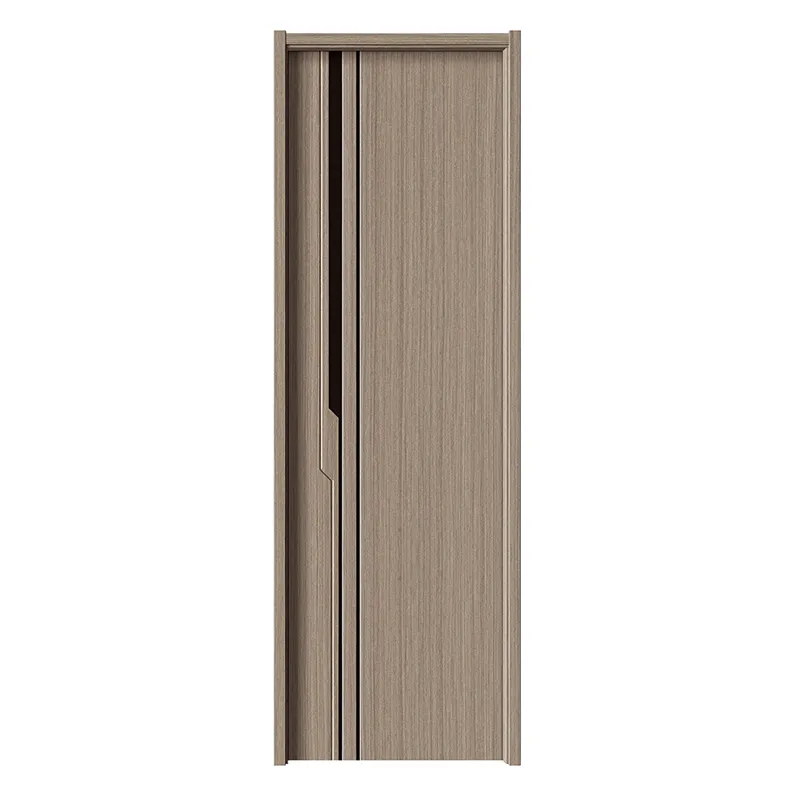
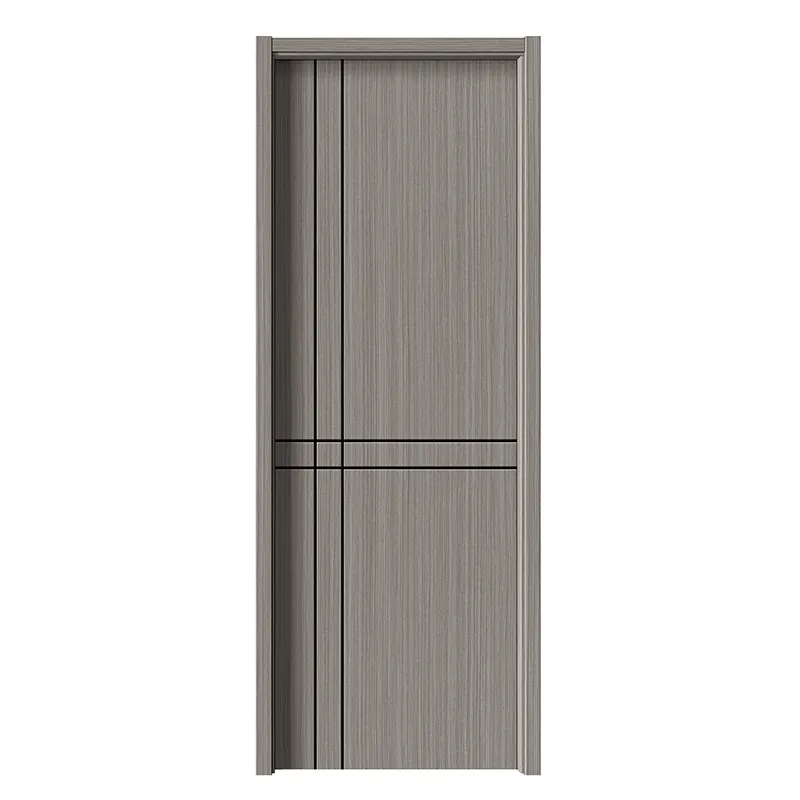
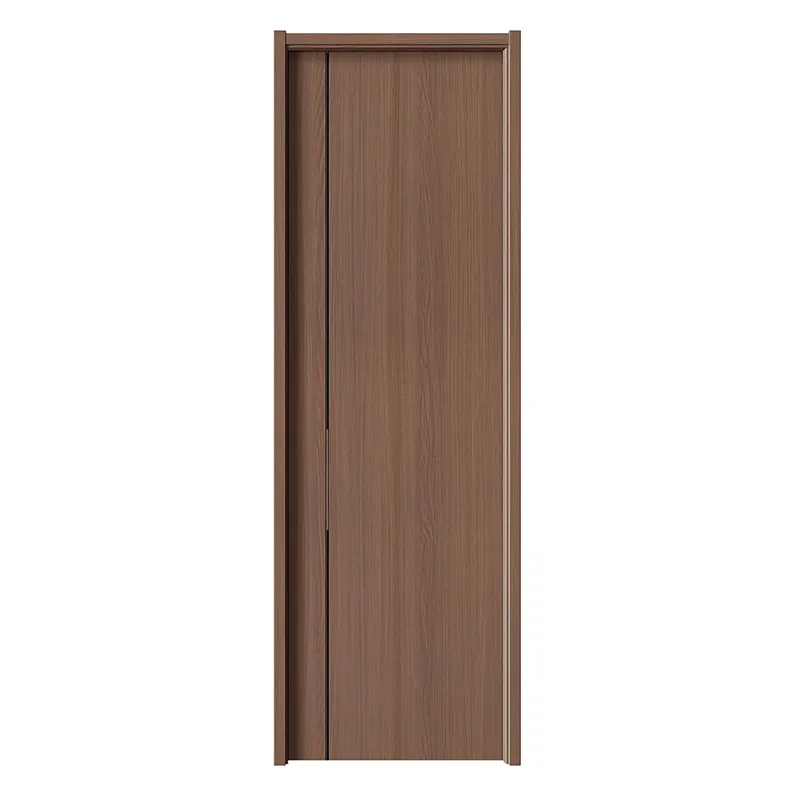
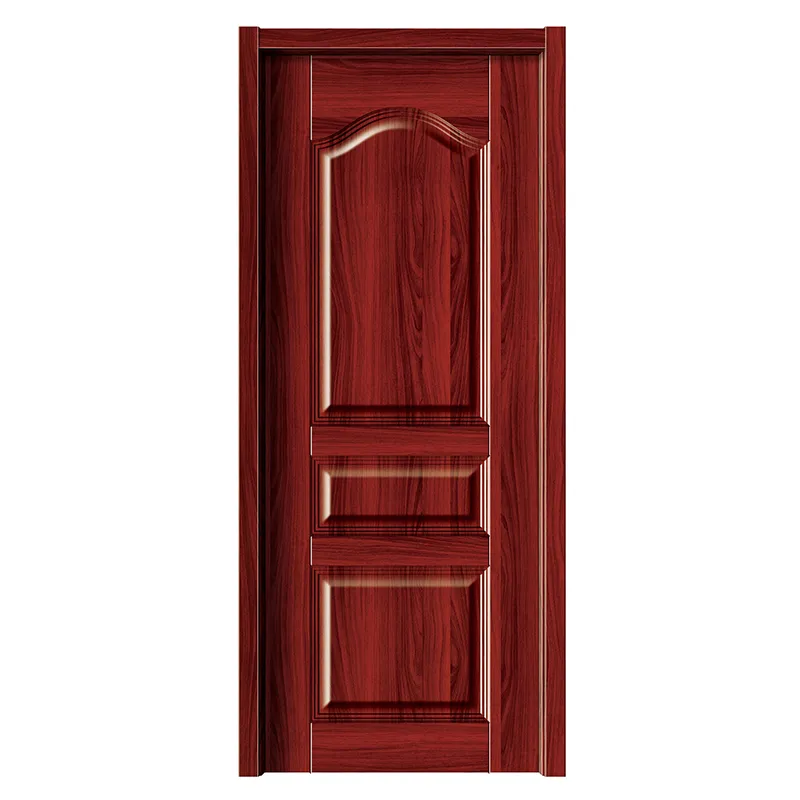
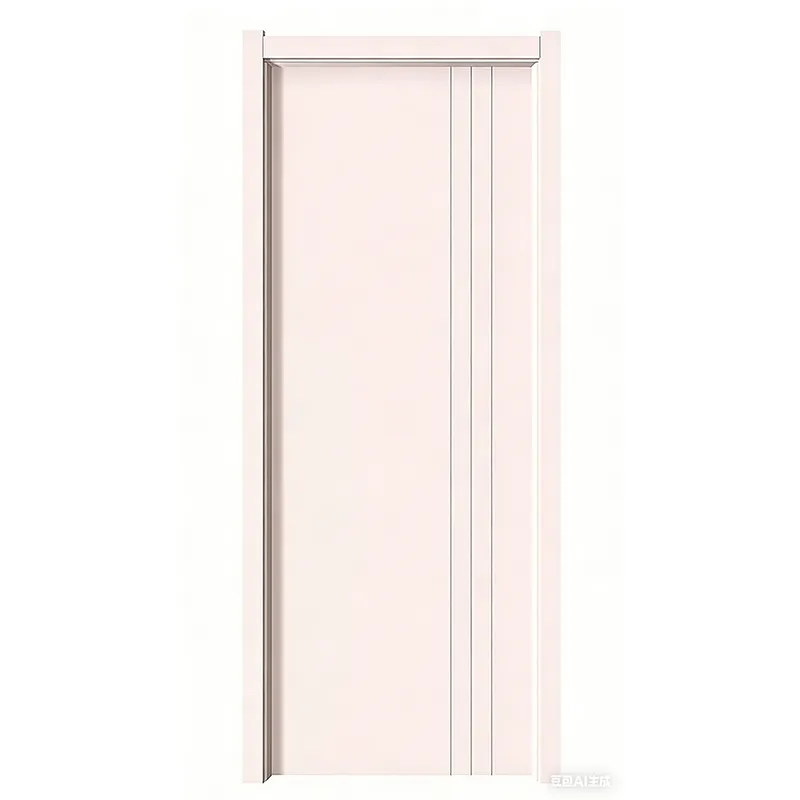
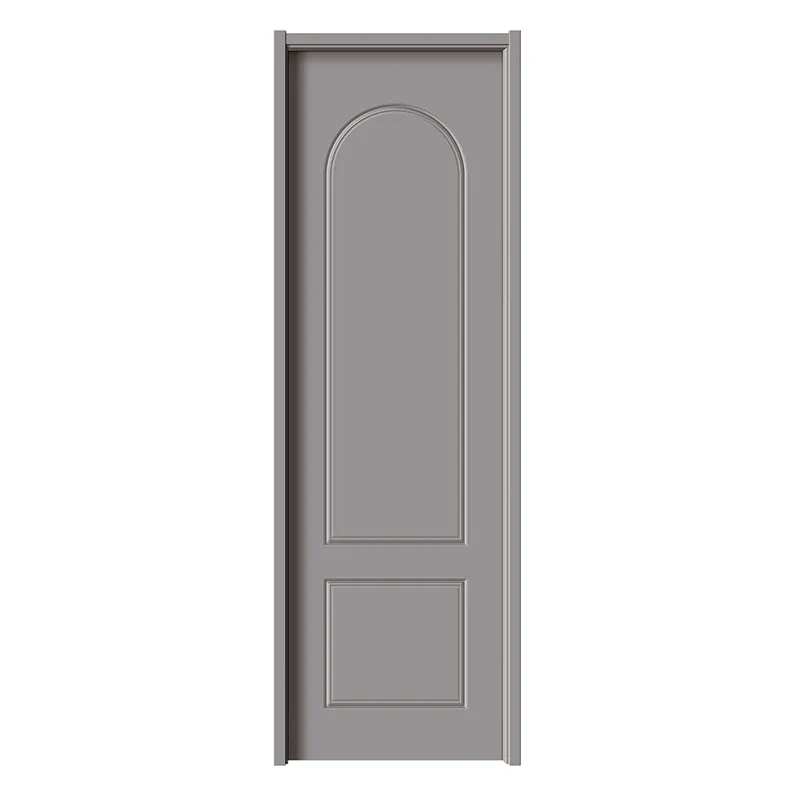

Best Sellingproducts
Best Selling Products-
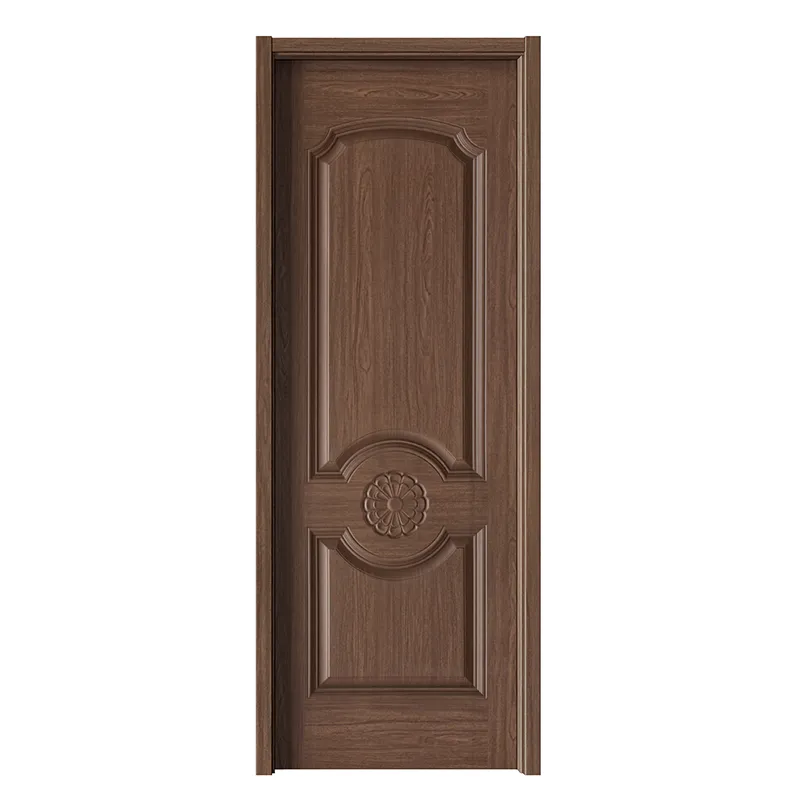 YST-212 Door North American Oak 2
 -
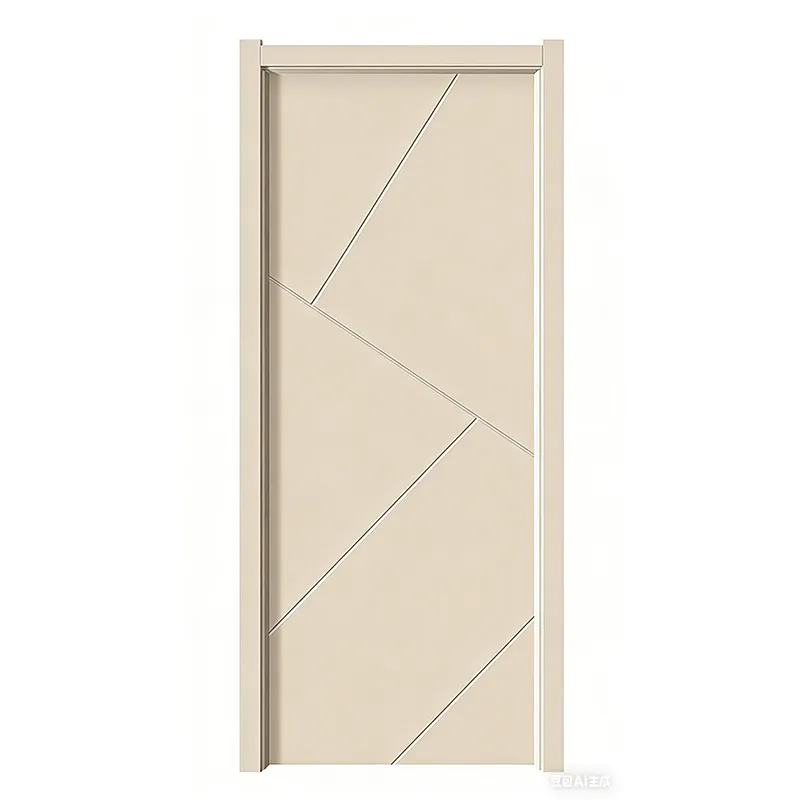 YST-WPC3 Door
 -
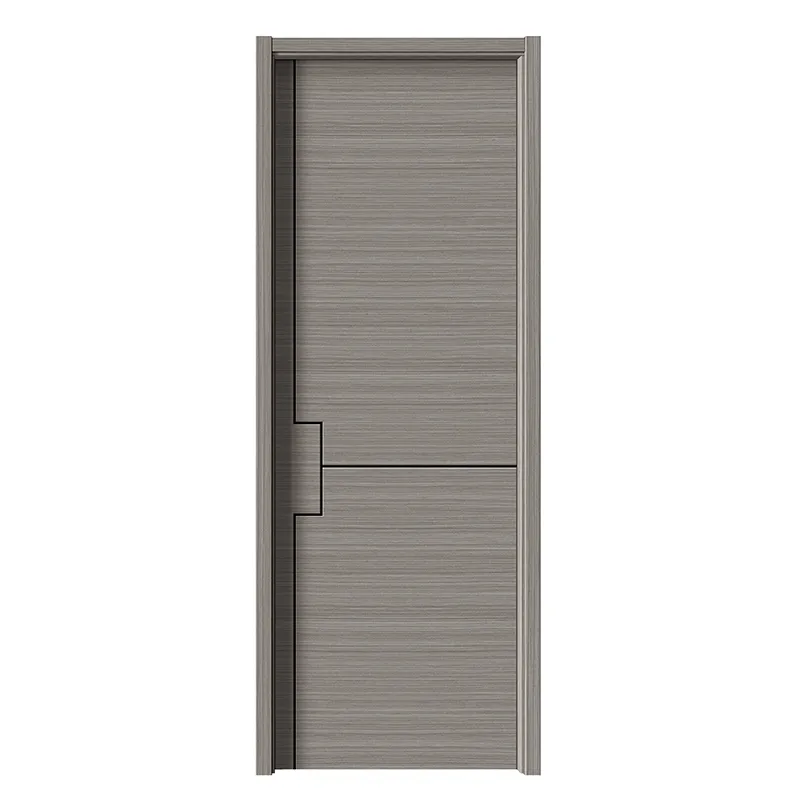 YST-1005 Technotree Door 2
 -
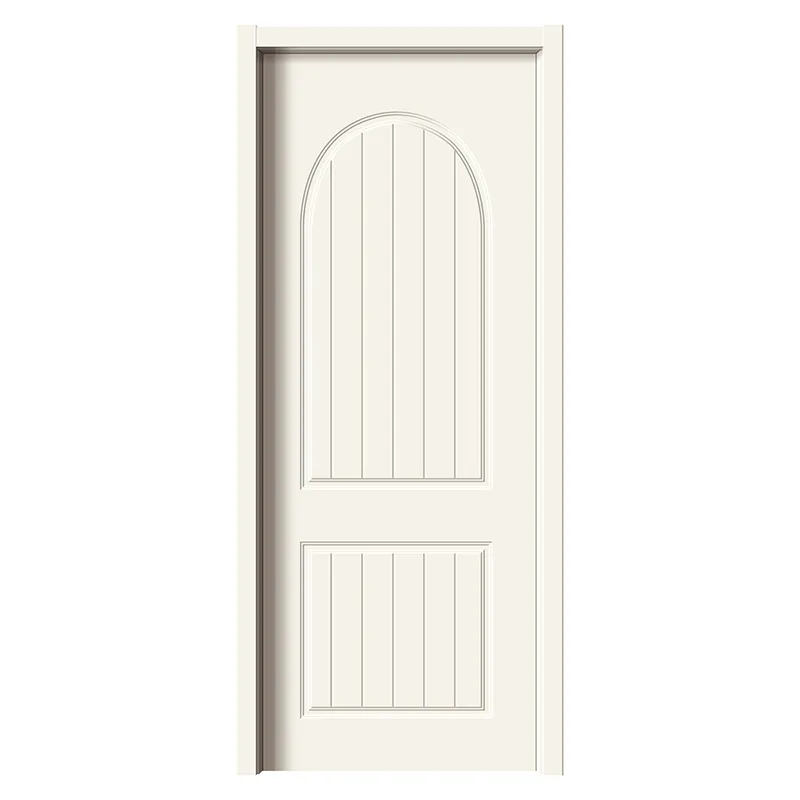 YST-236 Door White ivory
 -
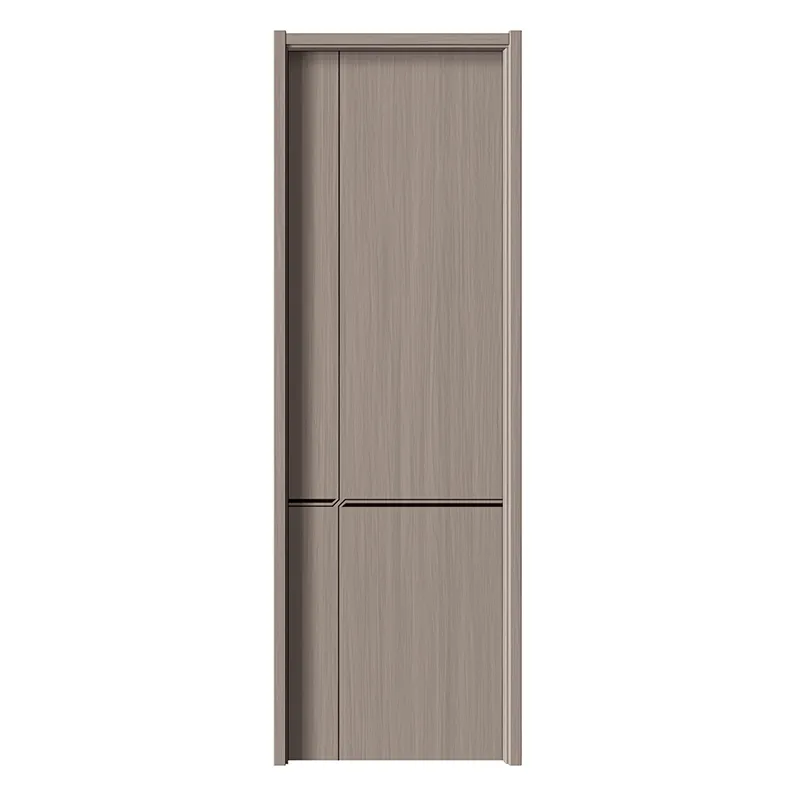 YST-1010 Door Translucent light shadow 3
 -
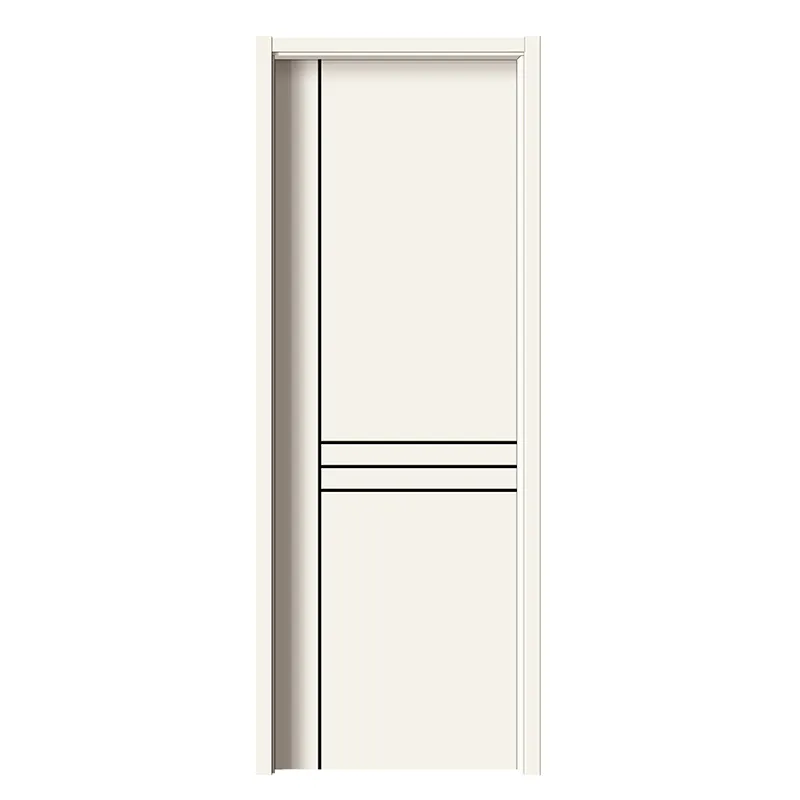 YST-220 Door Warm white
 -
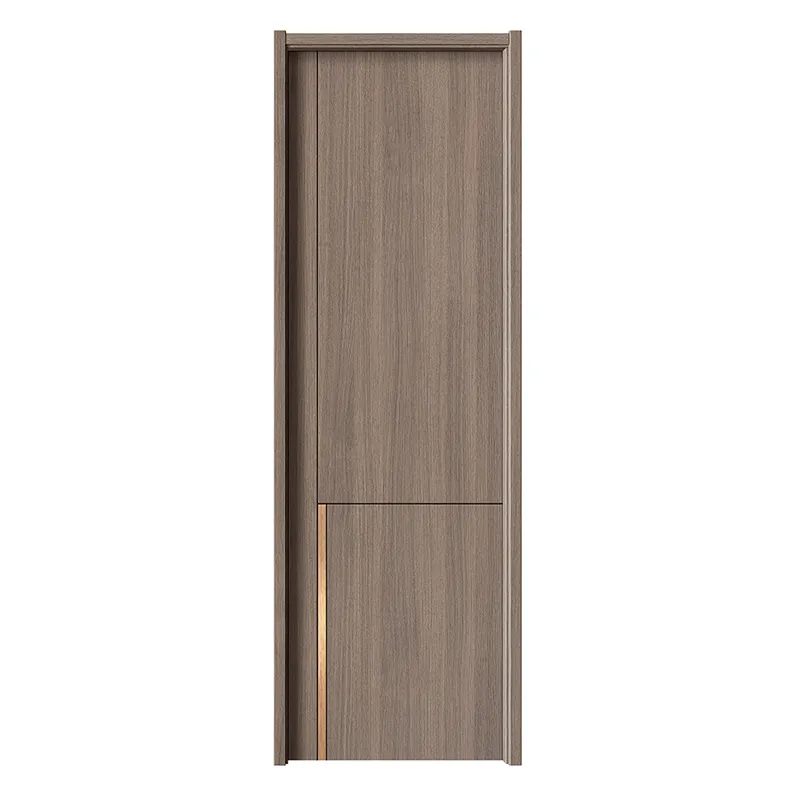 YST-1003 Door Oak gray
 -
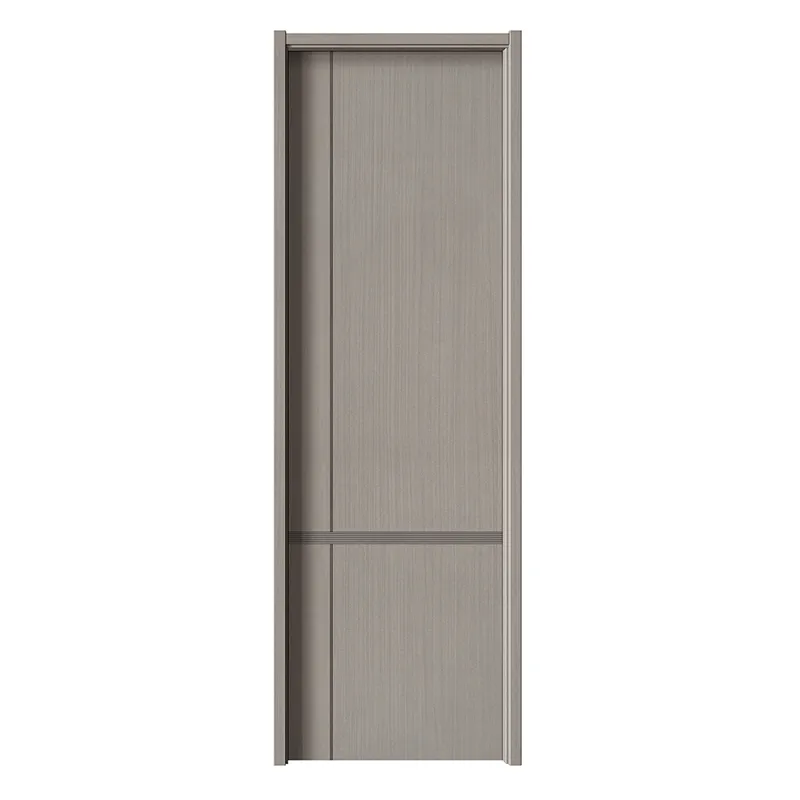 YST-1013 Door Cloud Walnut 1
 -
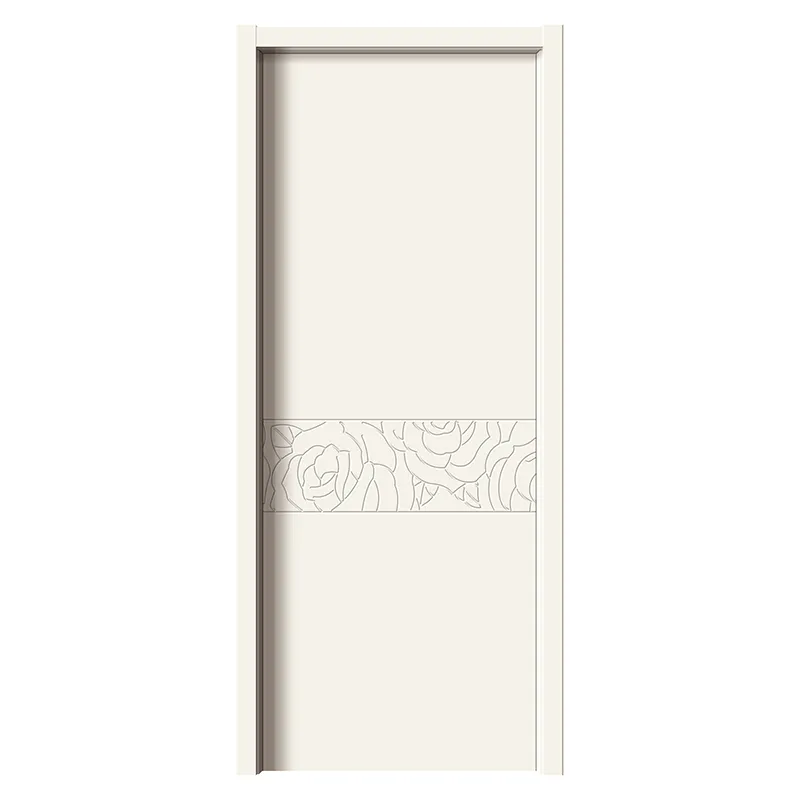 YST-238 Door White ivory
 -
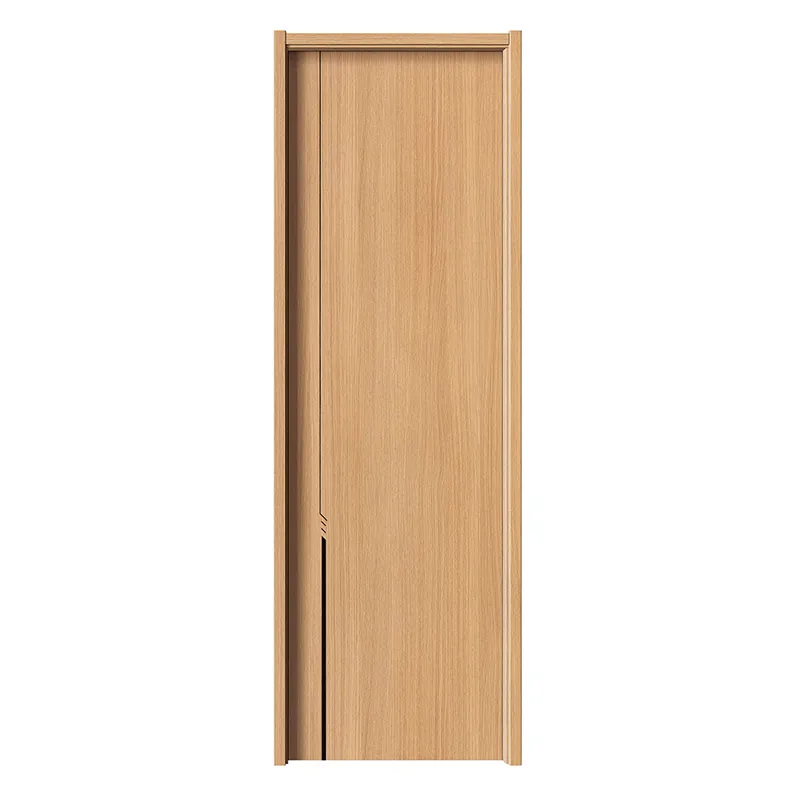 YST-1041 Door Oak Shutter
 -
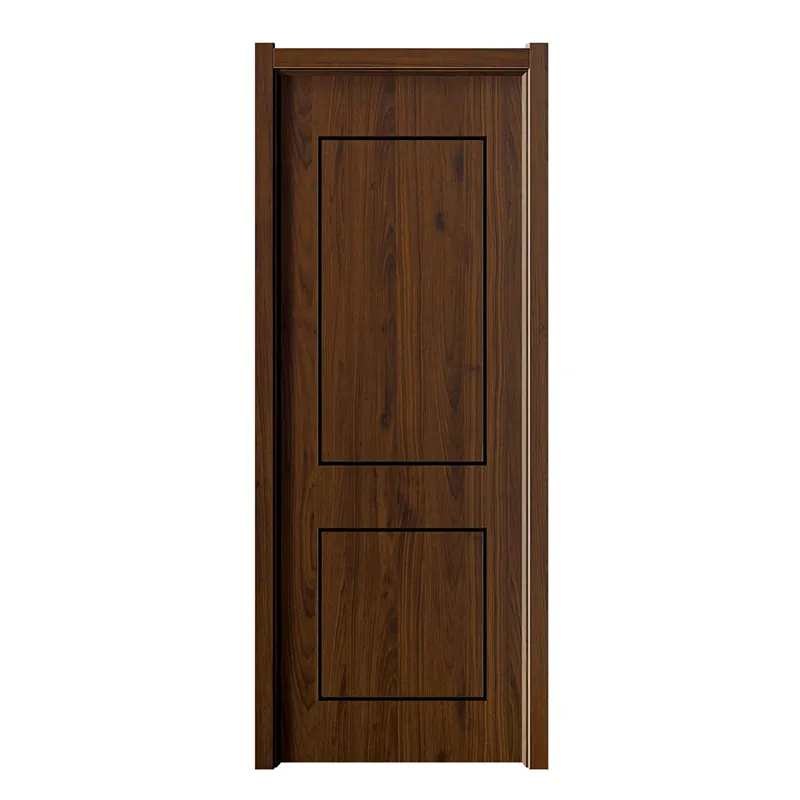 YST-WPC2 Door
 -
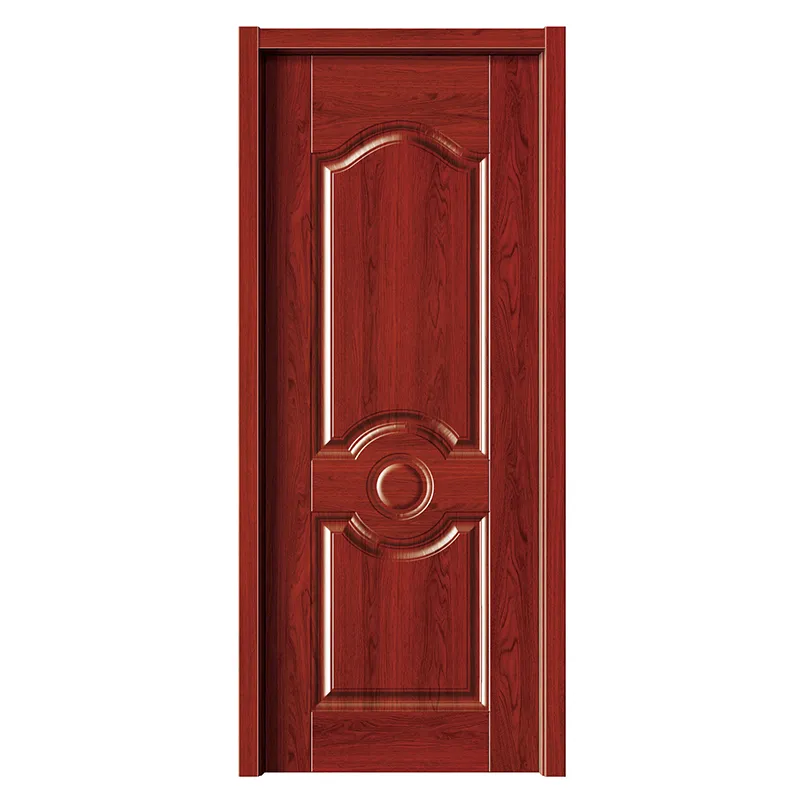 YST-208 Door Red Sandalwood