




Thick wooden doors
When people say 'thick wooden doors', many people immediately imagine just a heavy slab of solid oak. In fact, this is one of the most persistent misconceptions. The thickness of the canvas is not an end in itself, but a tool for solving specific problems: sound insulation, thermoregulation, safety, and simply the perception of space. A door that is too thick without the correct design of the frame and fittings is guaranteed to have problems with the geometry in a year or two. I went through this myself, when at the beginning of my career I thought that the thicker, the more respectable. The mistake was costly - the client later complained about creaking and distortion.
What does 'thickness' actually consist of?
A modern thick door is most often a sandwich. The outer panels are made of valuable wood or veneer, and the inside is an engineered core. It can be made of laminated veneer lumber, honeycomb core for lightness, or a combination of materials for rigidity. This is where many manufacturers save money by making the core uniform. But for doors with a width of 90 cm and a thickness of 50 mm, this is fatal - without cross reinforcement, the door leaf will move. For example, after several unsuccessful experiments we switched to a lattice system of bars of different sections, with alternating fiber directions. This is not according to GOST, this is our own technical process, perfected by defects.
An important nuance is the junction of the thickness of the canvas and the box. You can make a door 60 mm, but if the frame is weak, the whole concept collapses. You need either a massive telescopic profile, or, which is more reliable, a box made of the same solid material as the canvas, with a quarter-length recess for the seal. Otherwise, the bridges of cold and sound will be at the junction. I often see projects wherethick wooden doorsthey put a 30x80 mm box - this is absurd.
Raw materials. Thickness requires perfectly dry wood. Humidity above 8% for glued elements is a death sentence. You have to work with suppliers who provide guarantees for chamber drying. Not everyone can stand it. I remember that a batch of supposedly dry oak from a new supplier went wild already at the priming stage in the workshop. I had to stop the order. Now we have our own control at the entrance, the moisture meter is a sacred instrument.
Where are they really needed, and where are they superfluous?
The main orders for doors with a thickness of 50 mm or more go to the commercial segment: meeting rooms, executive offices, boutiques. There, the requirements for sound insulation (Rw at least 32 dB) are dictated by the parameters. In residential interiors, such a request is often emotional - the client likes the feeling of monumentality, weight. Here it is important to explain the consequences: the load on the hinges, the need for a threshold, possibly strengthening the opening. Sometimes it is possible to offer an alternative - a 40 mm door with a high-quality seal around the perimeter, but with a massive visual facade. The effect is the same, but there are fewer problems.
There are also purely technical applications. For example, in boiler rooms or home theaters where low-frequency noise needs to be suppressed. Here thickness alone is not enough; heterogeneous layers in the core are needed. We once made a door to a private cinema: between the MDF sheets and oak panels there was a layer of mineral board and an air gap. The thickness ended up being 70 mm, but it was not just a wooden door, but rather an acoustic shield. We worked in collaboration with sound specialists.
But for a standard apartment in a high-rise buildingthick wooden doorsoften redundant. The main noise comes through the ceilings and walls, and not through the door block. You rely on physics, but sometimes you can’t convince the client. In such cases, we honestly talk about costs and minimal gains.
Hardware: the weak link of a heavy door
The most common problem after installation is sagging. Hinges, even four of them, don’t always save you. For canvases over 50 kg, you need hidden hinges with a bearing or, better yet, floor closers with a built-in axis of rotation. But the latter are a different story with the preparation of the opening. In most projects we use hinges with three-axis adjustment, but they also require perfect installation. Once we had to redo the entire opening in a historical building because the old walls were “playing” and the hinges did not hold the geometry.
Locks and handles. A conventional cylinder system may not be able to support the weight, especially if the door is slammed frequently. You need either a reinforced lock with a massive plate, or additional steel reinforcements inserted into the end. This increases the cost, but without this, cracks in the end of the canvas around the lock are guaranteed. I saw this on the doors of a famous Italian brand - beautiful, but structurally weak.
Seals. The thicker the door, the larger the gap between the leaf and the frame. A two- or even three-circuit seal is needed. The threshold is often forgotten. If you do not make a warm threshold with a seal, then the whole point of sound and heat insulation is lost. The best option is an automatic lowering threshold controlled from the door closer. But this is already aerobatics and an appropriate budget.
Production subtleties and quality control
In our production, we have gone from simple gluing of solid wood to pressing of layered structures. The key is to control pressure and temperature during gluing. I squeezed the press - squeezed out the glue, created stress points. If you didn’t do it enough, you ended up with voids that will appear with changes in humidity. Operator experience is everything here. Automation does not always help, because each batch of wood is slightly different in density.
Finishing. Thick fabric dries differently. The primer must be applied in several thin layers with intermediate sanding, otherwise the internal stress of the wood will cause the coating to bubble out. We found the optimal cycle: primer, dry for 12 hours, sand, repeat. And so three times. Only then - the finishing coat. Yes, it's slow, but the doors don't crack after a year.
Package. It would seem like a small thing. But a thick door can easily be damaged along the edges during transportation. We switched to corner cardboard boxes with foam inserts that follow the profile of the canvas. Previously, they simply used bubble wrap - there were several cases of veneer chipping. The client from Vladivostok then waited a month for a replacement - an expensive lesson.
Market and prospects: where to look for quality
Now there are many offers on the market, but real specialists inthick wooden doorsnot enough. Often these are simply factories that increase the standard panel without changing the technology. Look for those who openly talk about the core design, show drawings, and give a guarantee on the geometry. For example, a companyAnhui Wantai Woodworking Co.,Ltd(website:https://www.anhuiwantai.ru) positions itself precisely as a manufacturer working for the international market with an emphasis on a combination of design and practical characteristics. From their description it is clear that the emphasis is on a modern production base and control from raw materials to process. This is an important signal. The company declares the principle of “building a business on precision, winning with quality” - this is exactly the key for thick doors. Without precision in millimeters, the whole idea loses its meaning.
What's next? I think the trend towards individualization will intensify. A thick door is often a piece product for a specific opening and design. The conveyor won't work here. The demand for hybrid solutions will increase: wood plus hidden metal strength elements for particularly heavy canvases. And, of course, smart fittings - door closers with integrated access control, position sensors.
In the end, make or orderthick wooden doors- this is not about fashion, but about technical specifications. You need to clearly understand what functions it should perform besides decorative. And choose a manufacturer who understands this engineering background, and does not just sell “solid” facades. Like the sameAnhui Wantai Woodworking Co.,Ltd, which appears to be focusing on a holistic approach, catering to a variety of needs in residential and commercial spaces. This is the right way. The main thing is not to chase centimeters, but to count each layer and each fastening point.
Correspondingproducts
Related Products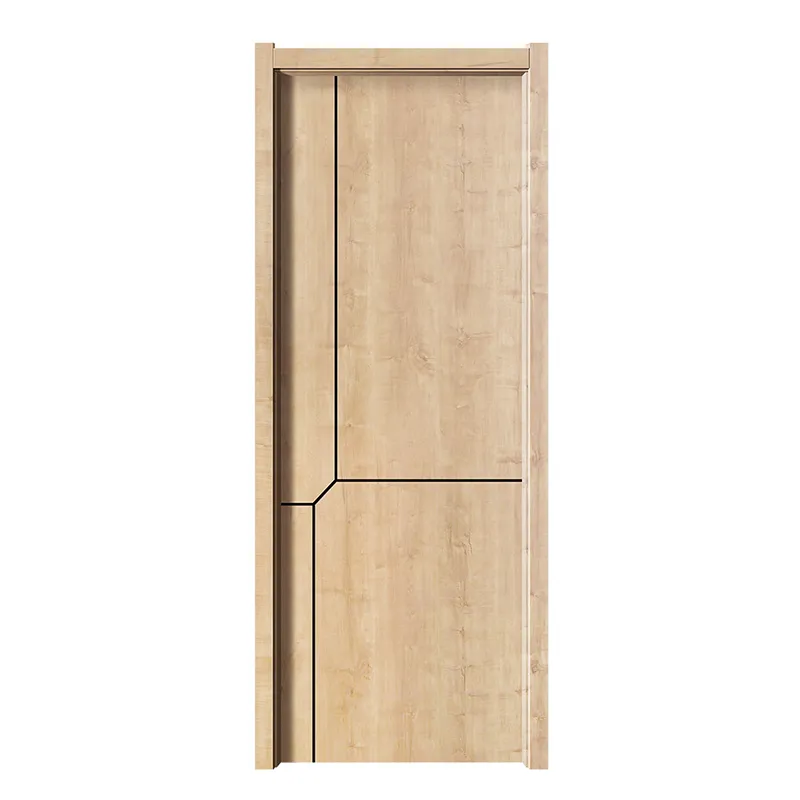
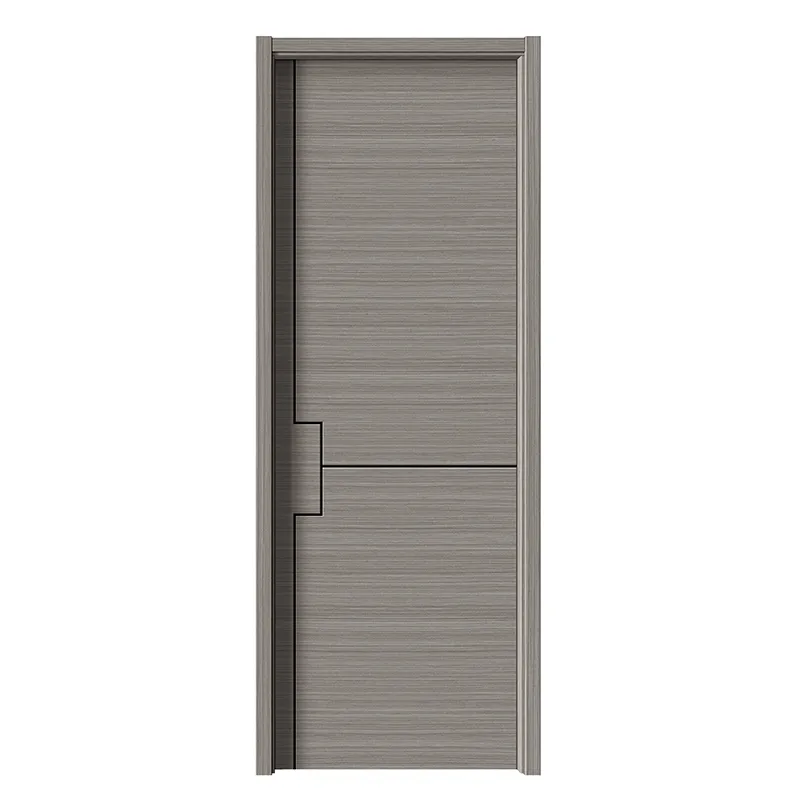
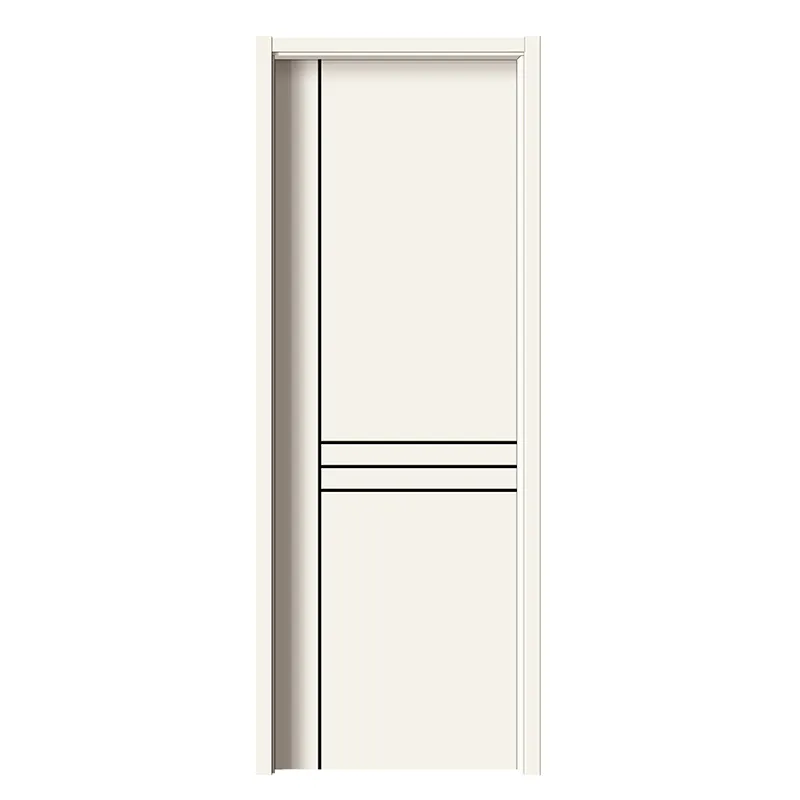
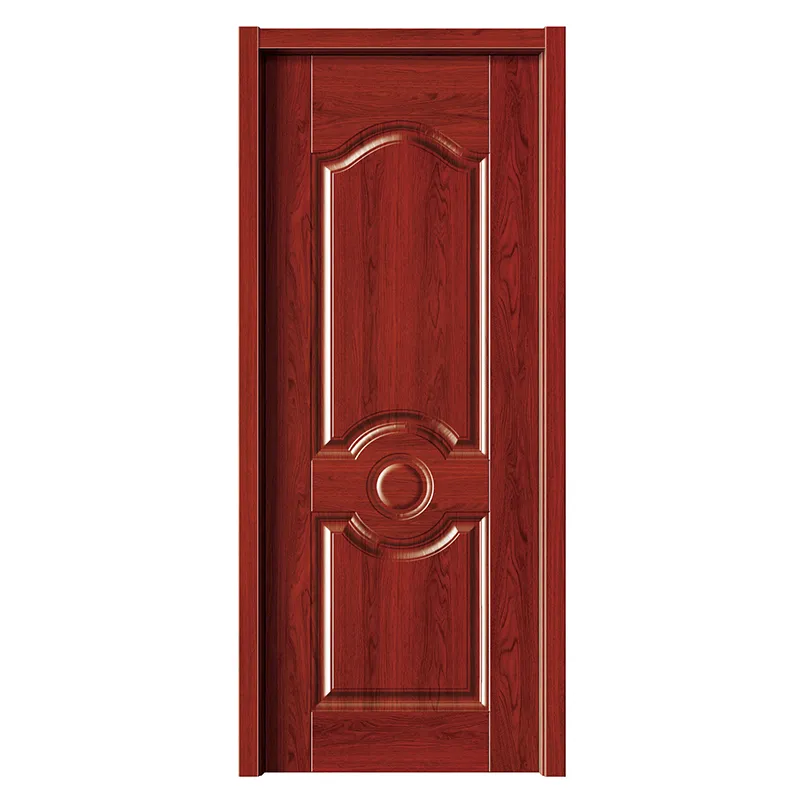
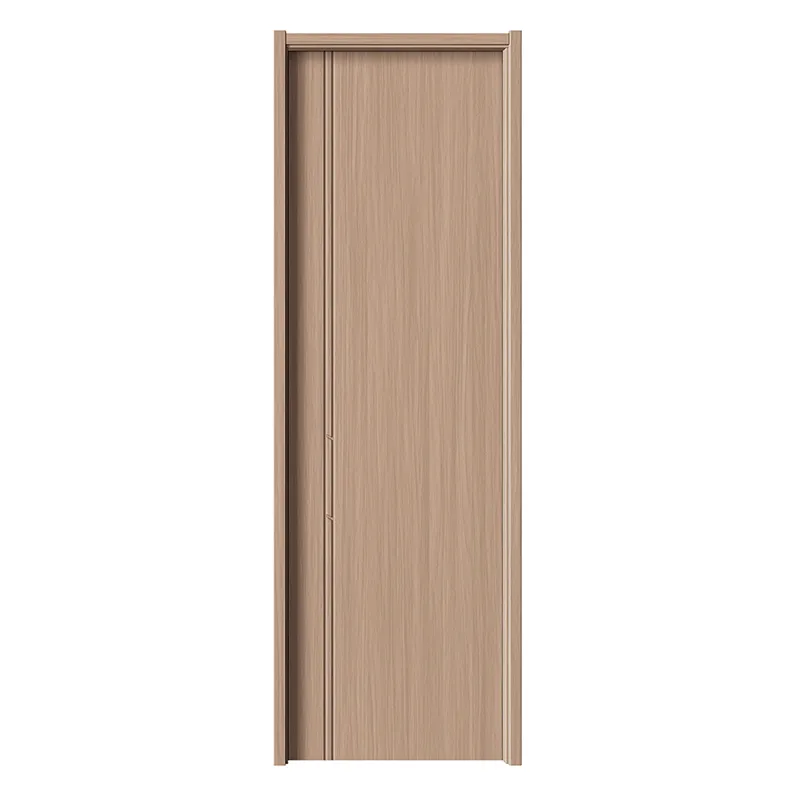

Best Sellingproducts
Best Selling Products-
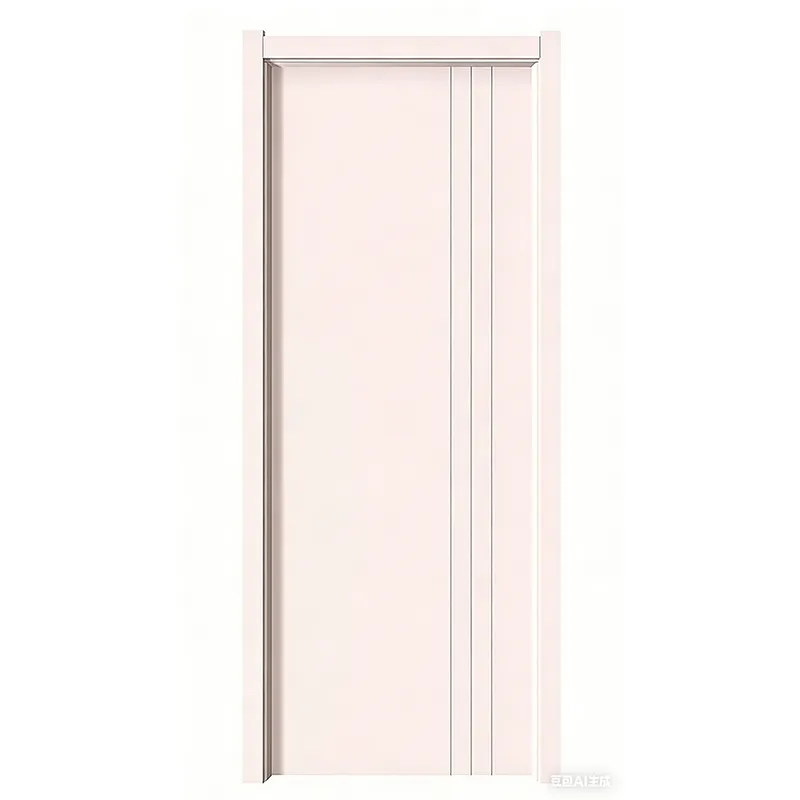 YST-WPC4 Door
 -
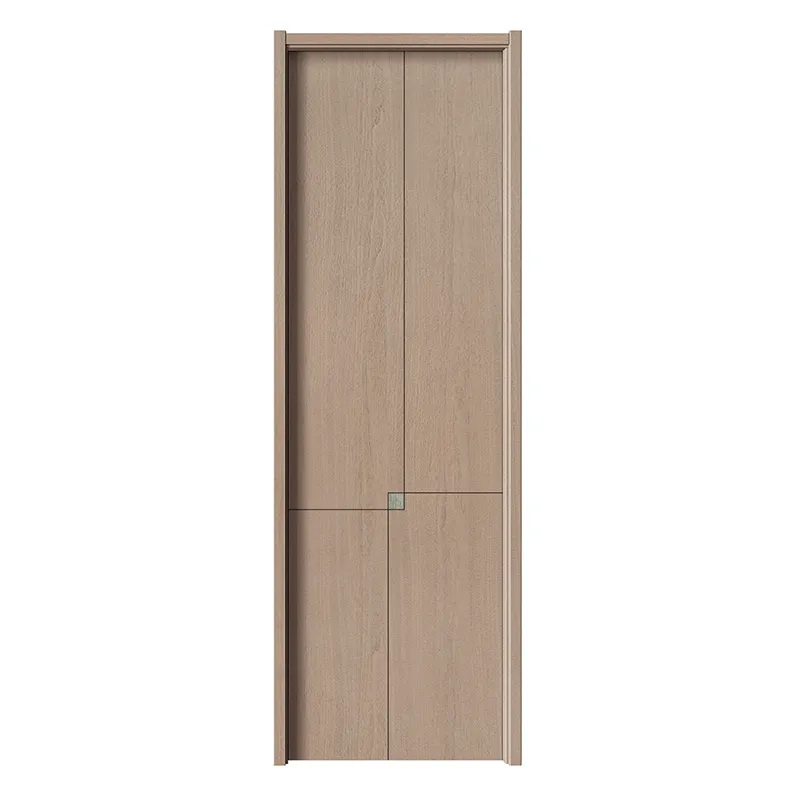 YST-1008 Door Natural walnut 2
 -
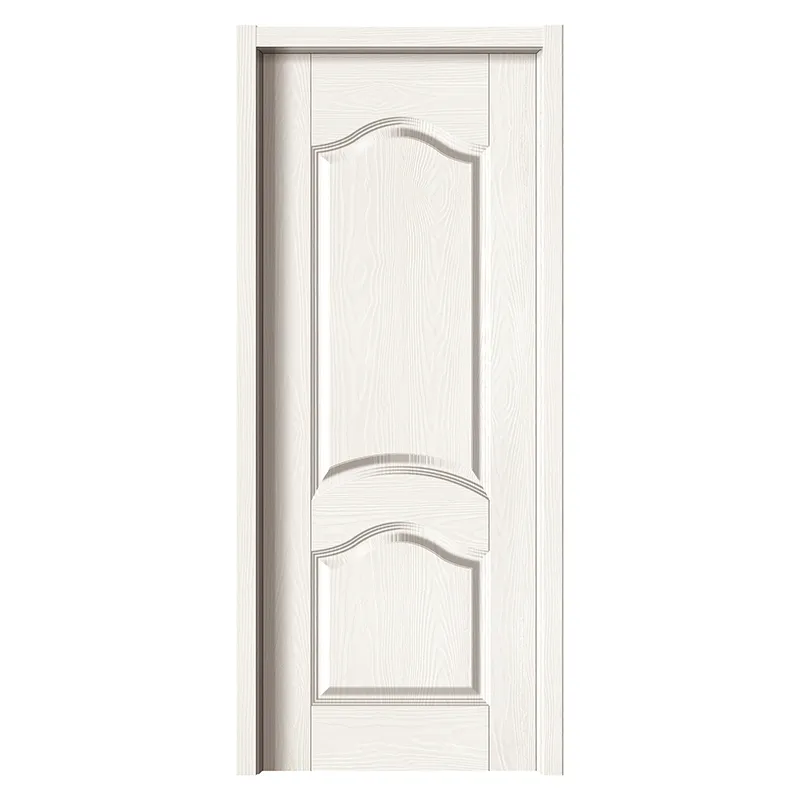 YST-224 Door Warm white with relief
 -
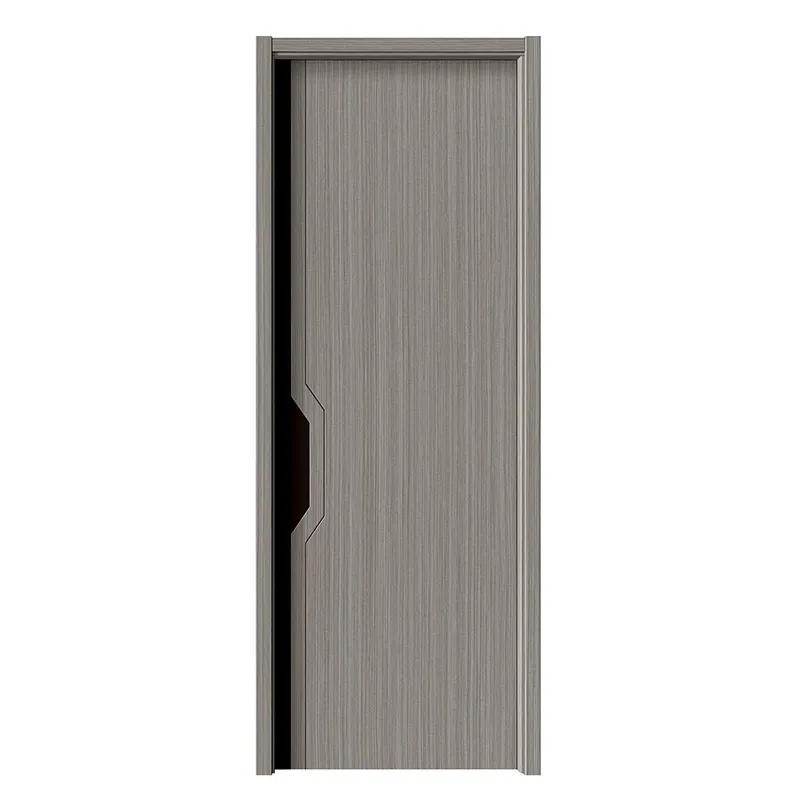 YST-1007 Technotree Door 2
 -
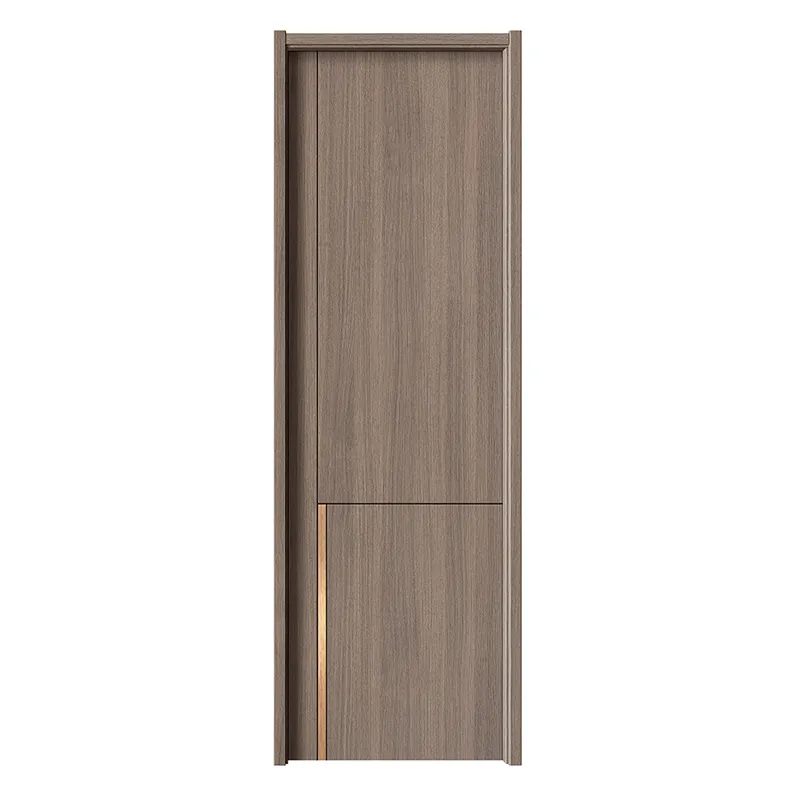 YST-1003 Door Oak gray
 -
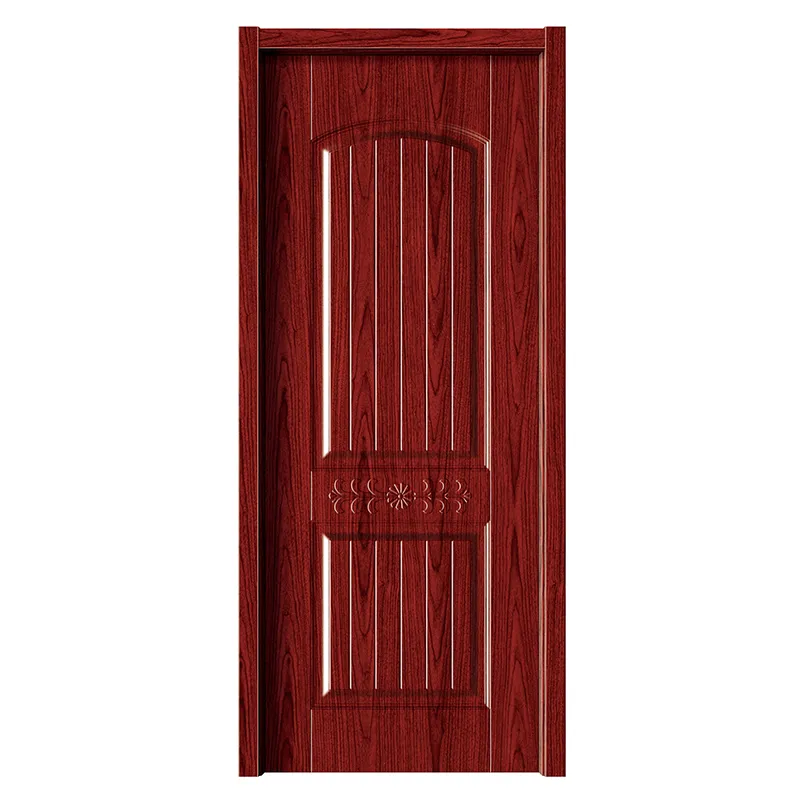 YST-233 Door Mahogany
 -
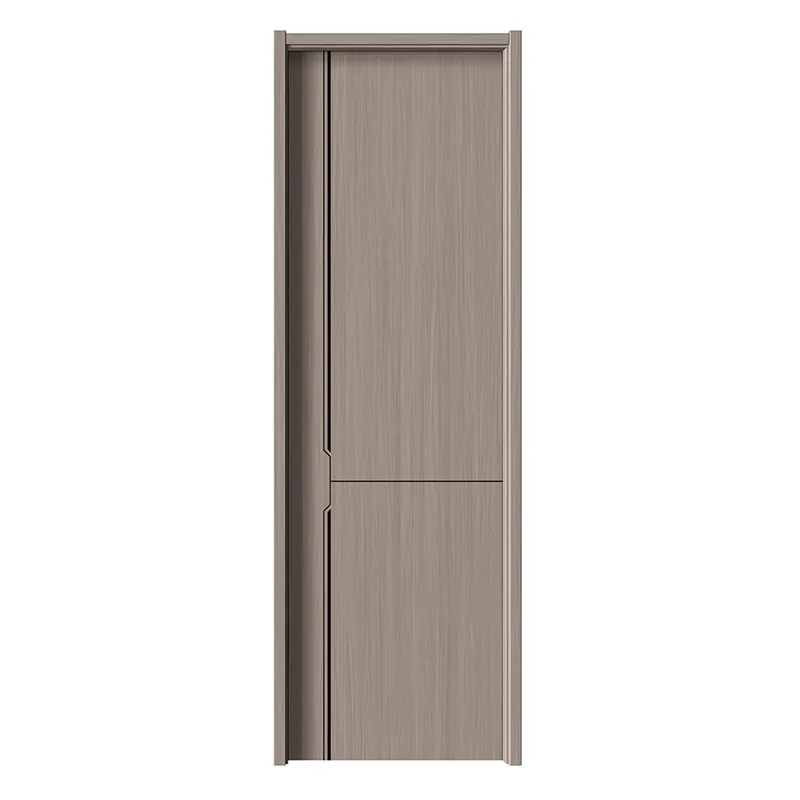 YST-1011 Door Translucent light shadow 3
 -
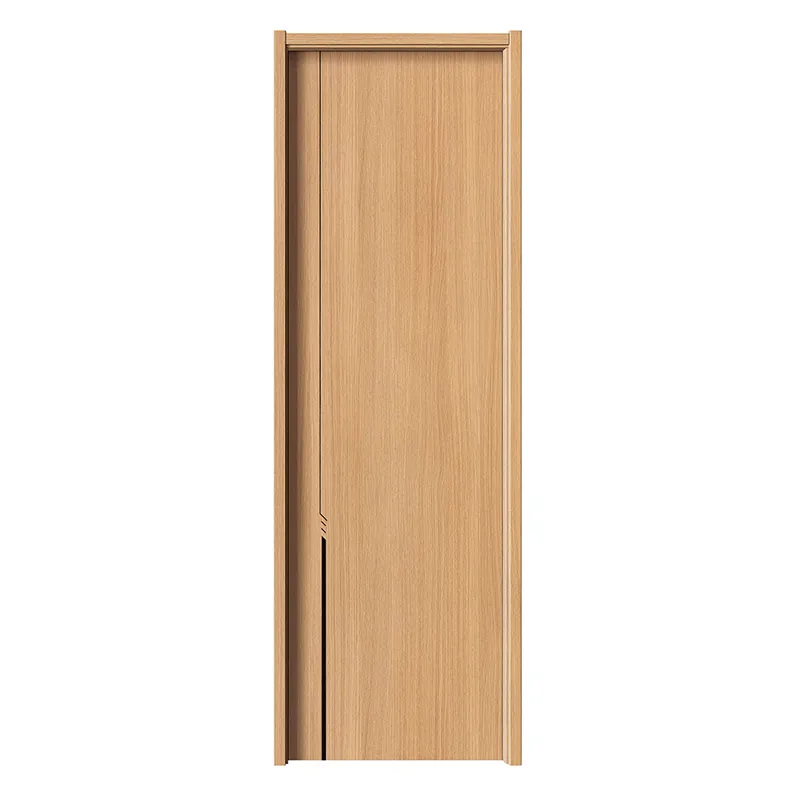 YST-1041 Door Oak Shutter
 -
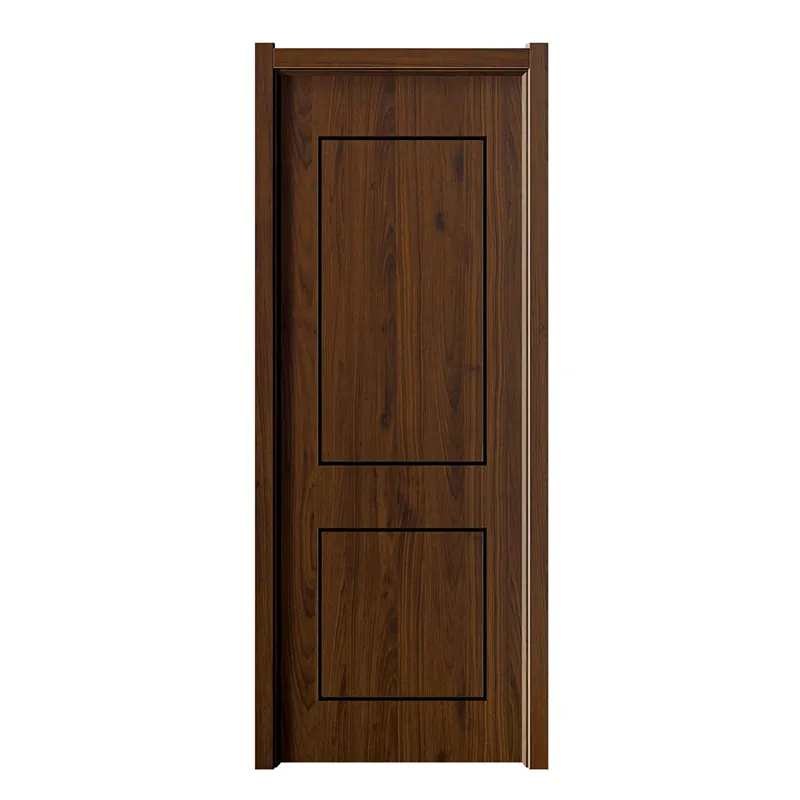 YST-WPC2 Door
 -
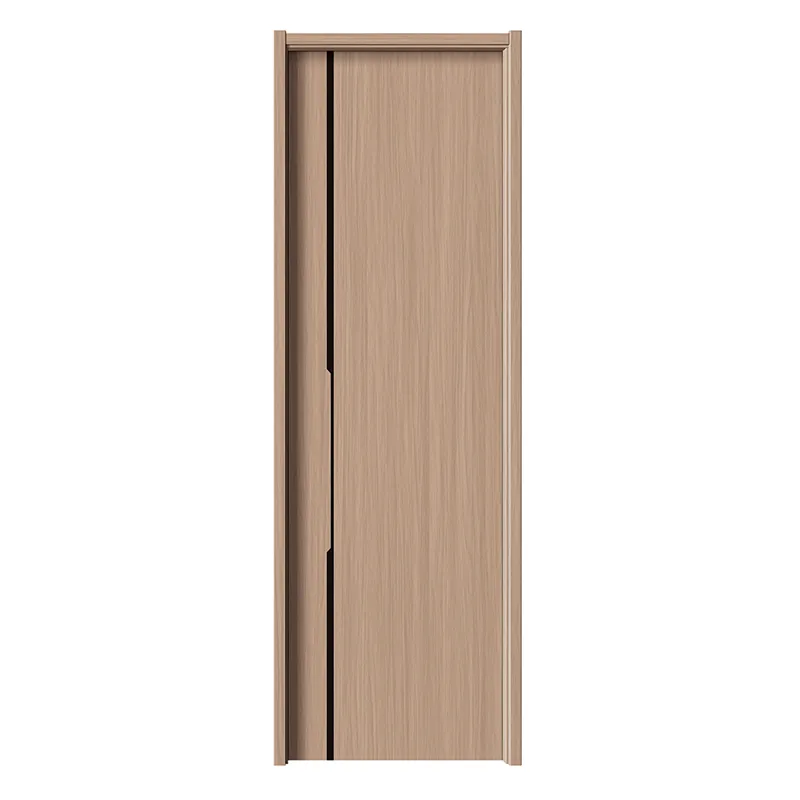 YST-1029 Door Translucent light shade 1
 -
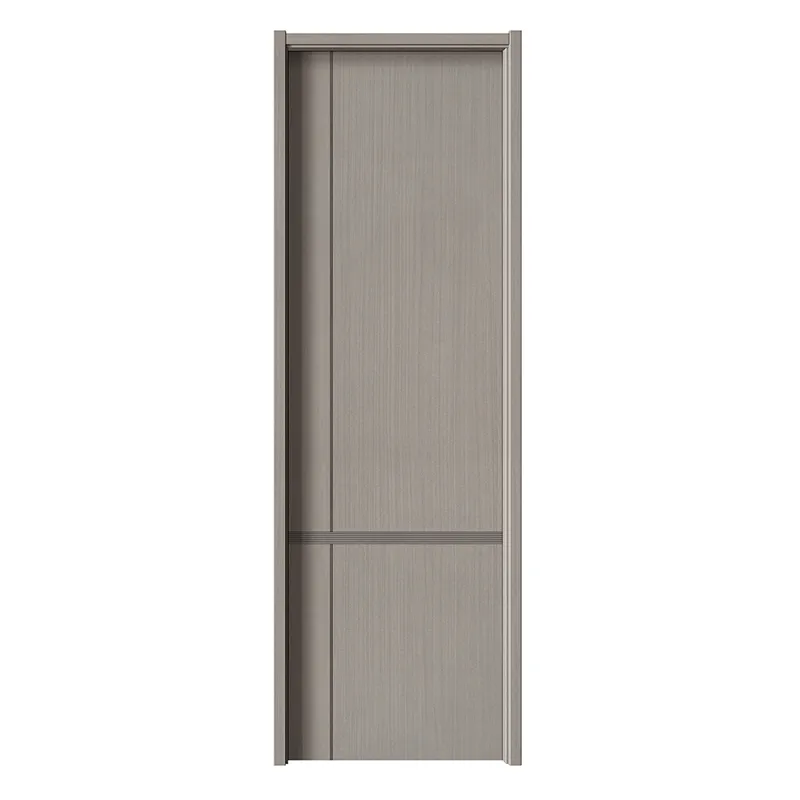 YST-1013 Door Cloud Walnut 1
 -
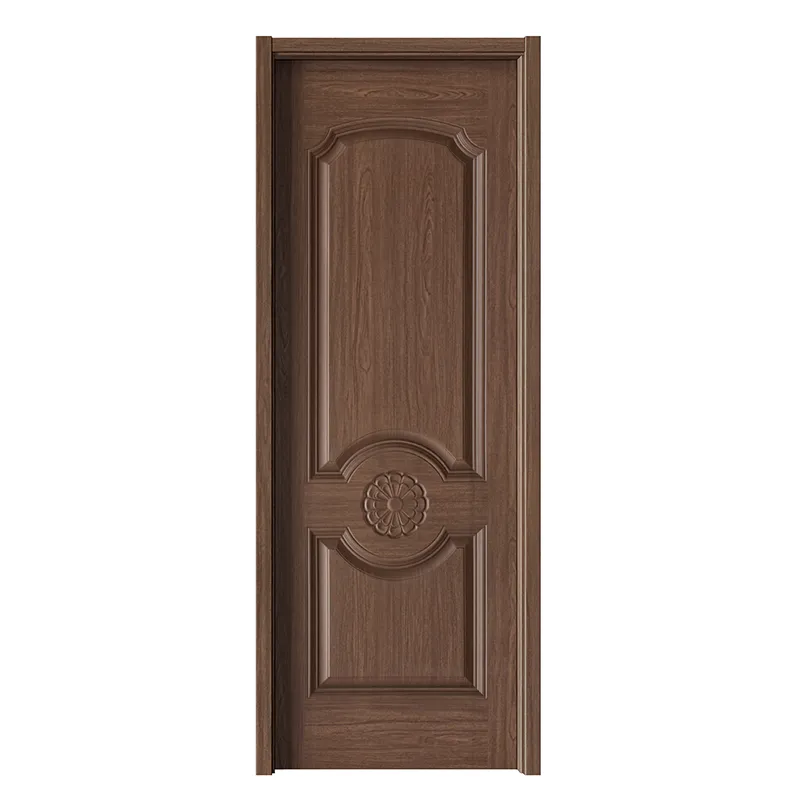 YST-212 Door North American Oak 2