




WPC door
I’ll say this right away: when the customer first hears aboutdoor made of wood fiberboard, an image of something plastic, cheap, for the dacha usually pops up in his head. And this is the main mistake we face. In fact, modern wood-polymer composite is no longer the same “plastic?” from zero. But you shouldn’t idealize him either. I myself was skeptical about it for a long time, until I had to deal with an order for a wet dressing room, where the array began to “walk?” after the first season.
What are these doors actually made of?
Marketing aside, the key here is composition and density. I saw samples where WPC was more like pressed dust with polyethylene - such panels behaved terribly in the sun. A high-quality composite, the one that goes on the profile fordoors made of wood fiberboard, is usually 60-70% hardwood flour and a polymer matrix based on PVC or, less commonly, polyethylene. It is the balance that is important: too much wood and the material loses stability, too much plastic and the very idea of “wood” is lost. appearance and tactile sensations.
For example, some Chinese manufacturers are guilty of using cheap recycled PVC, which affects durability. But if we take the products supplied by, say,Anhui Wantai Woodworking Co.,Ltd(their website isanhuiwantai.ru), then it is clear that the company is relying on the accuracy of the composition. They position themselves as a provider of solutions that combine design and practicality, and in their case, the WPC profile for doors is not a by-product, but a separate line with elaboration. On their website you can see that the emphasis is on control of raw materials and processes, and for composites this is critically important.
And here’s another point: a profile fordoors made of wood fiberboard- This is most often a hollow multi-chamber structure. And here many are mistaken, thinking that this is only for relief. The main thing is rigidity and thermal break. Inside these chambers there may be foamed PVC or simply air gaps. In conditions of our temperature difference, this often saves us from cold bridges, which are inevitable in a thin massif without additional insulation.
Where they work and where they don’t (personal experience)
Let me make a reservation right away: I am not a fan of composites everywhere. But there are niches wheredoor made of wood fiberboardthere is practically no alternative. A classic example is premises with a direct threat of constant moisture: the same dressing room that I already mentioned, a summer kitchen in a gazebo, the exit from the pool to the house. I installed such doors at a site near Sochi, where the air is salty and humid - three years later the customer sent a photo: except for the natural color fading (which was minimal thanks to the high-quality co-extrusion layer), no deformations, swelling, or delamination.
But there was also a bad experience. We tried to install such a door as an entrance door to a private house, in a region with frosts below -30. The customer wanted “like wood, but without problems?”. The problem turned out to be in the fittings and in the assembly of the box itself. The manufacturer saved on the reinforcement of the box and used thin metal. As a result, after two winters the loops began to be pulled out. profile fastenings. Conclusion: herselfdoor made of wood fiberboardIt may be stable, but if the canvas and the box do not form a single reinforced system with the right fittings, everything goes to hell. This is a system product, not just a set of panels.
Another nuance is psychological. People often touch the door. And here the surface plays a role. Cheap WPC feels smooth, cold, “plastic” to the touch. High-quality - has a fine, almost wooden texture, warmer to the touch. This is important for perception. Companies that seriously work on the international market, like the sameAnhui Wantai Woodworking Co.,Ltd, they understand this. In their approach, which they describe as "building a business on precision, winning on quality", aesthetics and tactility are part of the practical characteristics. For living spaces this is a decisive factor.
About installation and what the instructions are silent about
It is easier to install such a door than a massive one, but there are pitfalls. First, thermal expansion. Although it is smaller than that of pure plastic, it is there. Gaps during installation should be slightly larger than for wood, especially if the door faces the sunny side. I saw a case where the canvas was “pinched?” in the opening on a hot July day, but by September it had expanded and rested against the box - I had to remove it and file it down.
Secondly, fasteners. No self-tapping screws directly into the profile end without pre-drilling! The material is dense, but when overstretched, the cap can sink and create a stress point. It is better to use special fastening plates or, ideally, a hidden system for attaching the box to the opening. By the way, some suppliers, includinganhuiwantai.ru, the kit comes with just such mounting kits, which makes life much easier for installers.
And third is processing. You can cut and mill with ordinary wood tools, but files and cutters become dull faster due to the abrasive effect of the wood component. The dust is a cloud, and it is very fine. A vacuum cleaner is a must. But there is practically no need to grind, except perhaps the cut area, if it is visible.
Design and finishing: not only “wood”
This is where the stereotype is strongest. Everyone thinks thatdoor made of wood fiberboard- this is only an imitation of oak or walnut. Now the possibilities are much wider. Due to the fact that the material accepts paint well in bulk, you can get any solid colors that will not fade as quickly as film or lamination on MDF. I’ve seen interesting projects with deep matte shades of graphite or terracotta - they look modern.
But even with wood imitation, technology has moved forward. We are not talking about simple texture printing, but about the technology of through coloring or the use of several layers in coextrusion. The top layer is responsible for color and texture, the bottom layer is responsible for strength. This is how they ensure that a scratch on the surface does not become a white stripe, but only slightly changes color, as on real wood. The previously mentioned company with its experienced design team offers just such solutions, focusing on the diverse needs of commercial and residential spaces.
Another trend is combination. The frame and box are made of WPC, and the inserts are made of tempered glass or even metal. The result is a lightweight but durable structure. An excellent option for restaurants or office partitions.
Issue price and long-term perspective
Cost is always a sore point. High qualitydoor made of wood fiberboardfrom a trusted manufacturer, the sameAnhui Wantai Woodworking Co.,Ltd, will cost the same as a good solid pine door, and sometimes even more. But here we need to consider not the purchase cost, but the cost of ownership. If we take the same humid microclimate, then in 5-7 years a massive door may have to be sanded and repainted, seals changed, and hinges adjusted due to deformation. As a rule, there is no such story with a composite. Care: wash with soap and water and that’s it.
The main conclusion that I have come to over the years of work:door made of wood fiberboard- this is not a replacement for wood in all cases. This is a separate class of products for specific conditions. When you need stability under changes in humidity, resistance to aggressive environments, and minimal maintenance, this is an excellent choice. When premium weight, a dull closing sound, and the unique texture of solid wood are important, then the composite is not a contender. But it is simply impossible to deny its place in the market, especially looking at the development of technology from serious manufacturers. It is no longer “plastic”, but a technological material with its own clear area of application.
Correspondingproducts
Related Products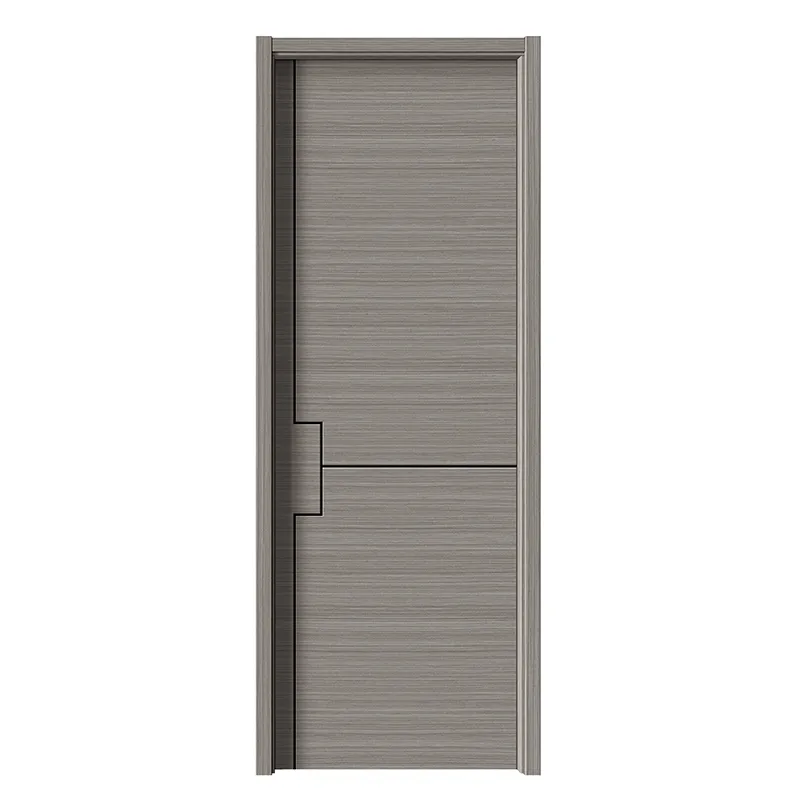
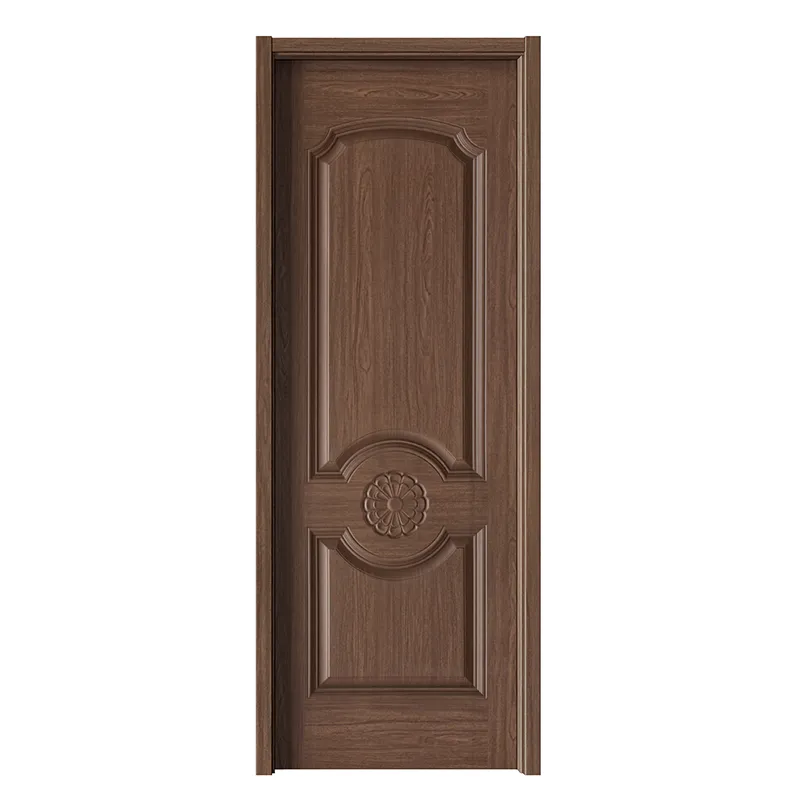
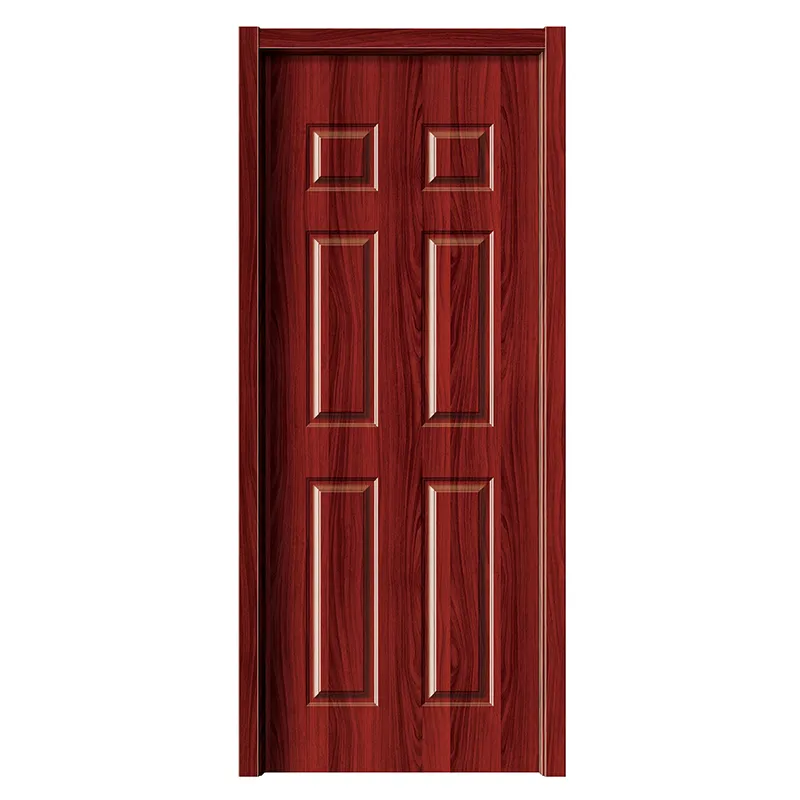
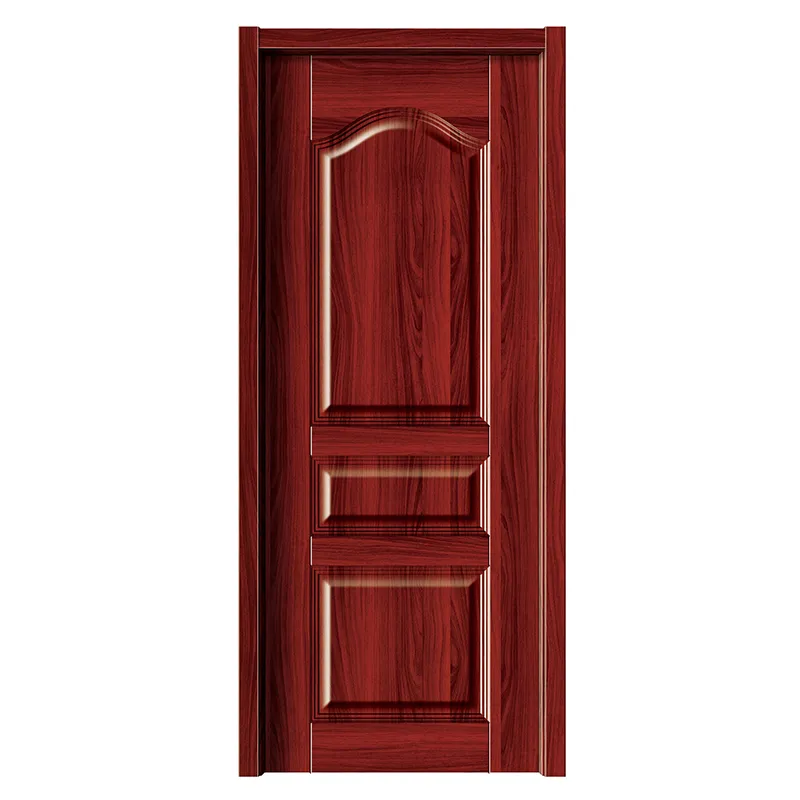

Best Sellingproducts
Best Selling Products-
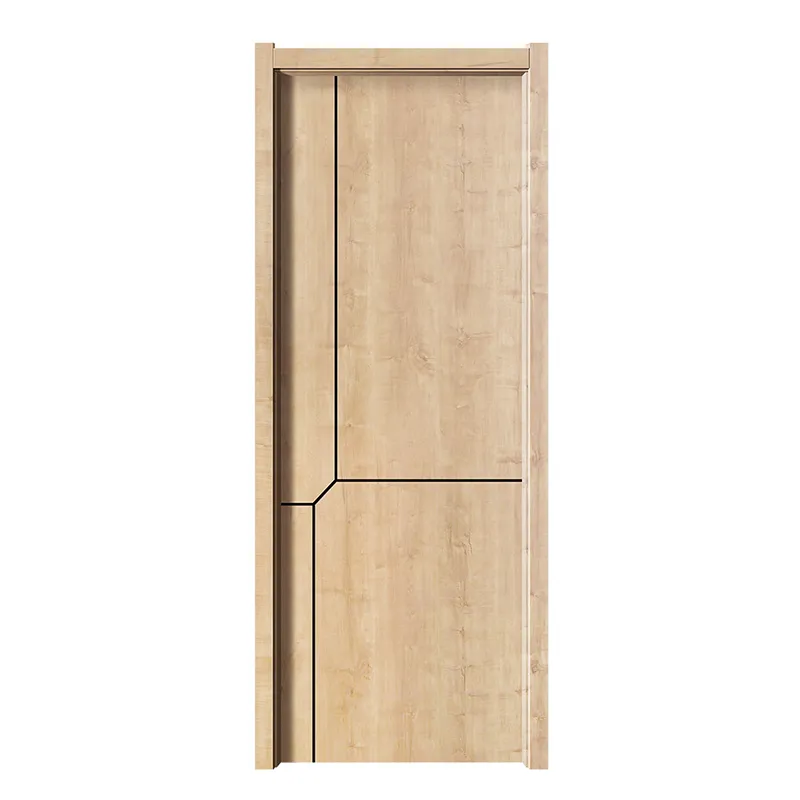 YST-WPC1 Door
 -
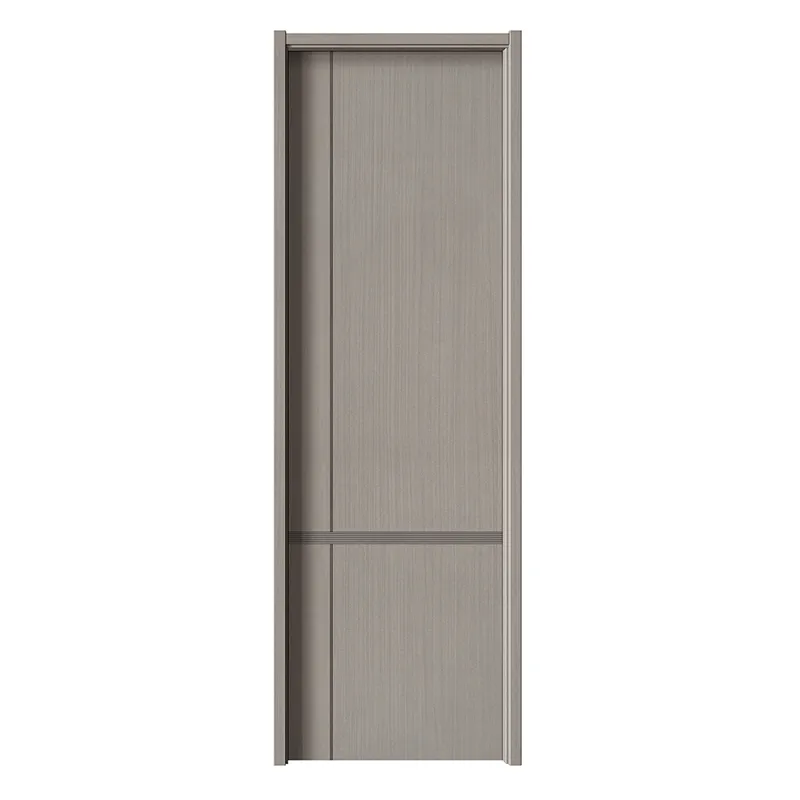 YST-1013 Door Cloud Walnut 1
 -
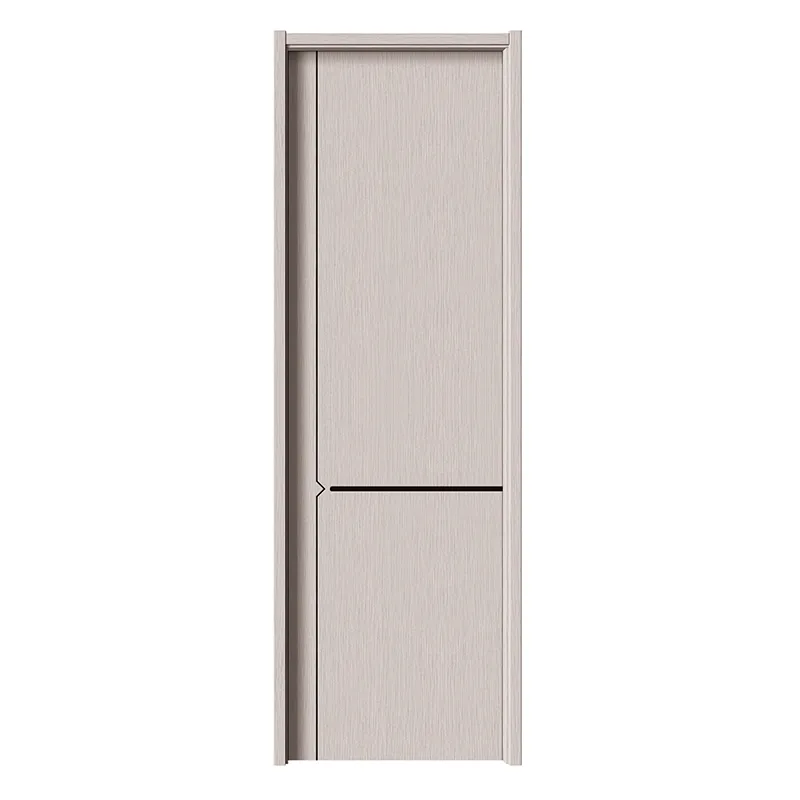 YST-1024 Door Chiaroscuro wood 1
 -
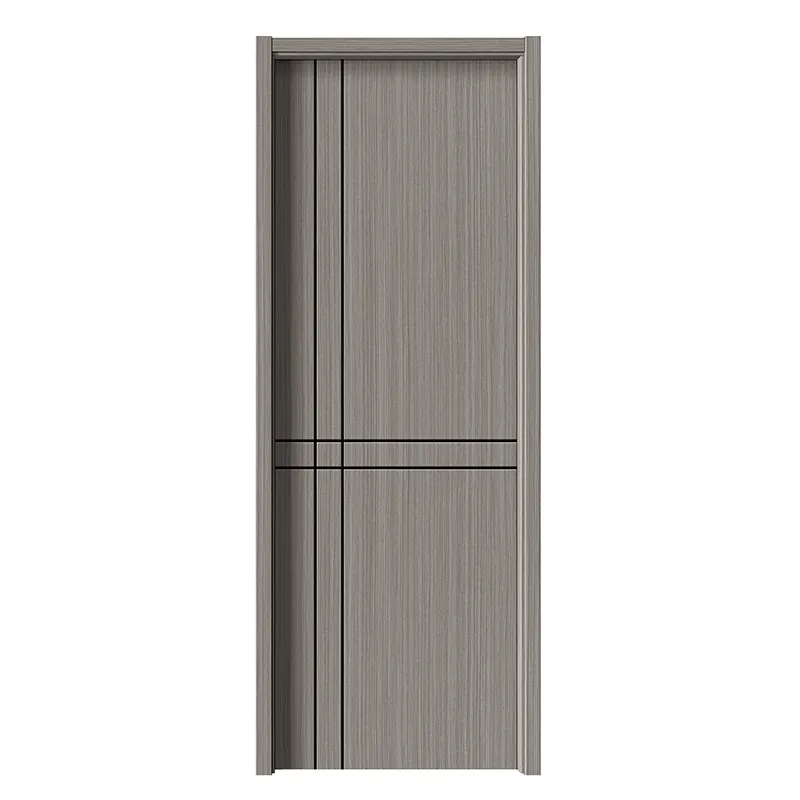 YST-1004 Door Technotree 2
 -
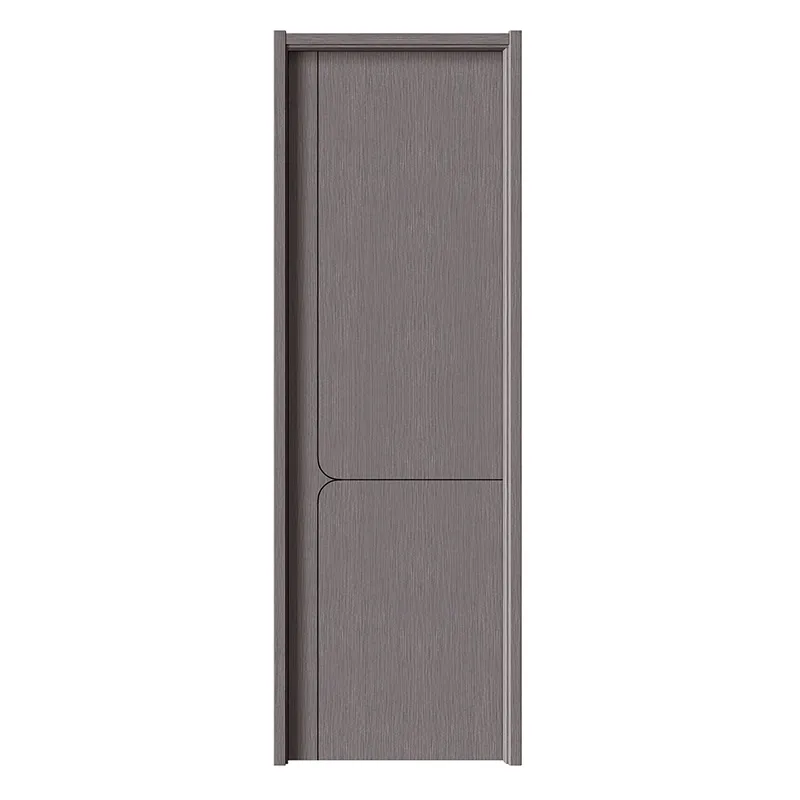 YST-1001 Door Chiaroscuro tree 2
 -
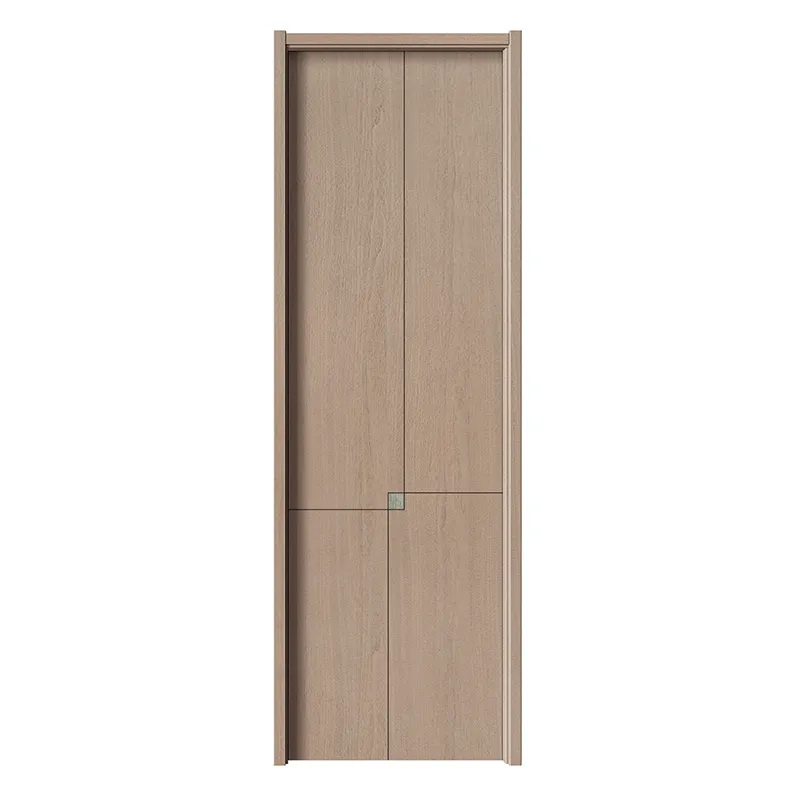 YST-1008 Door Natural walnut 2
 -
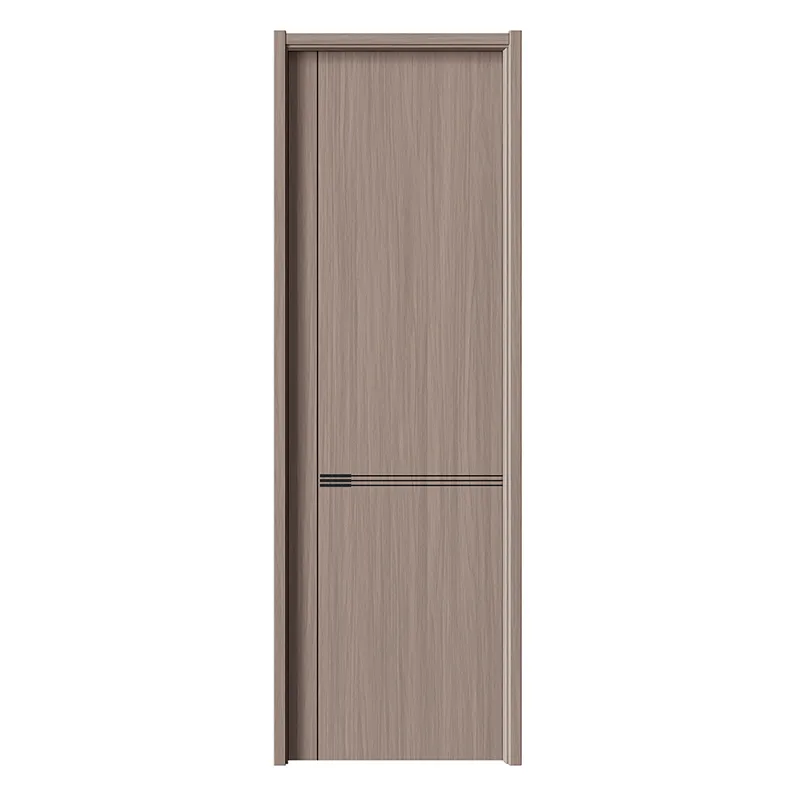 YST-1039 Door Translucent light shadow 3
 -
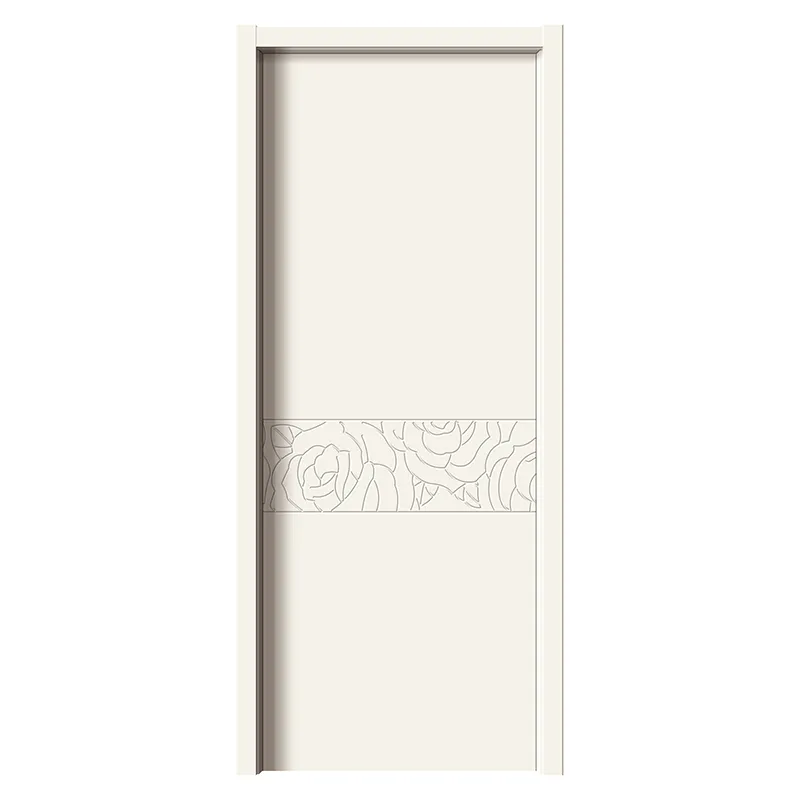 YST-238 Door White ivory
 -
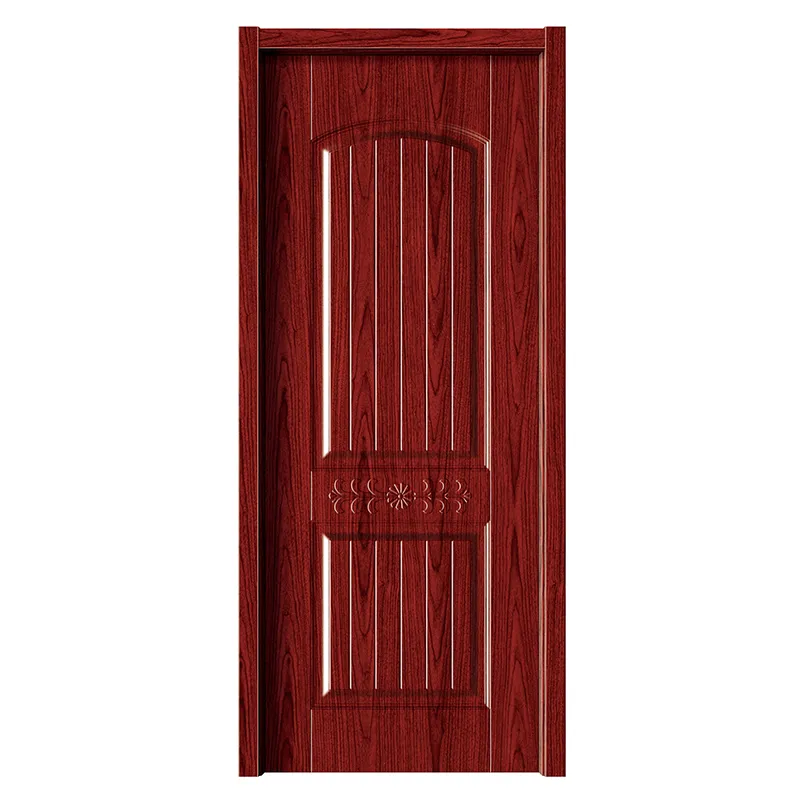 YST-233 Door Mahogany
 -
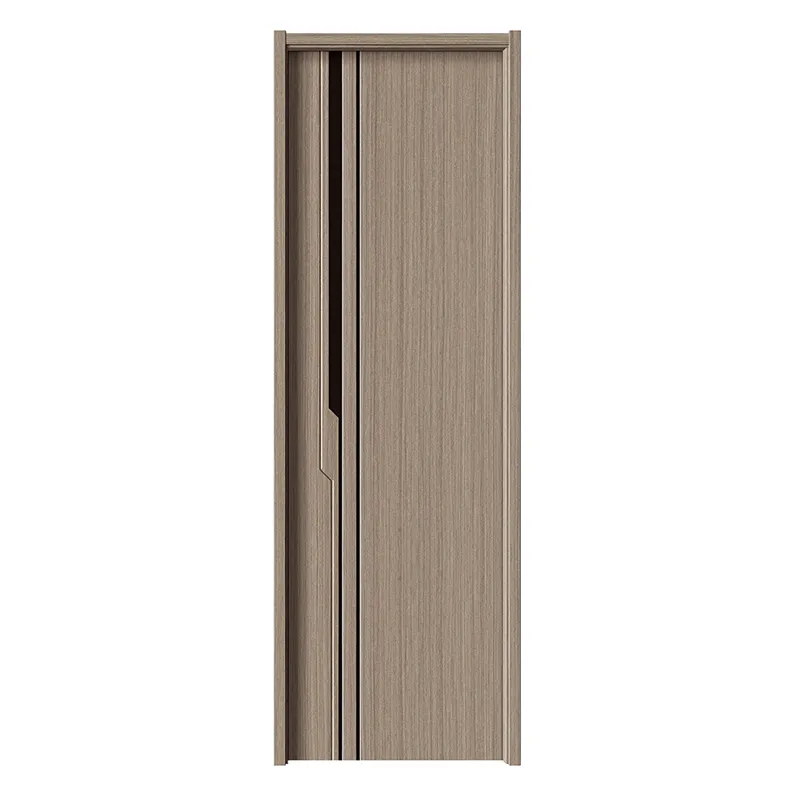 YST-1018 Technowood Door 1
 -
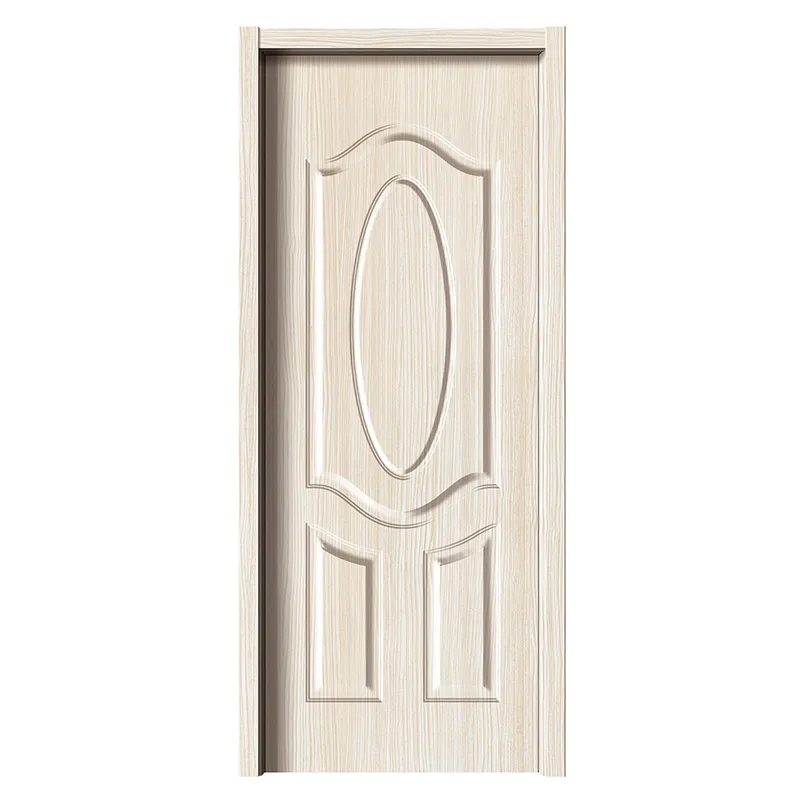 YST-216 Door White Maple
 -
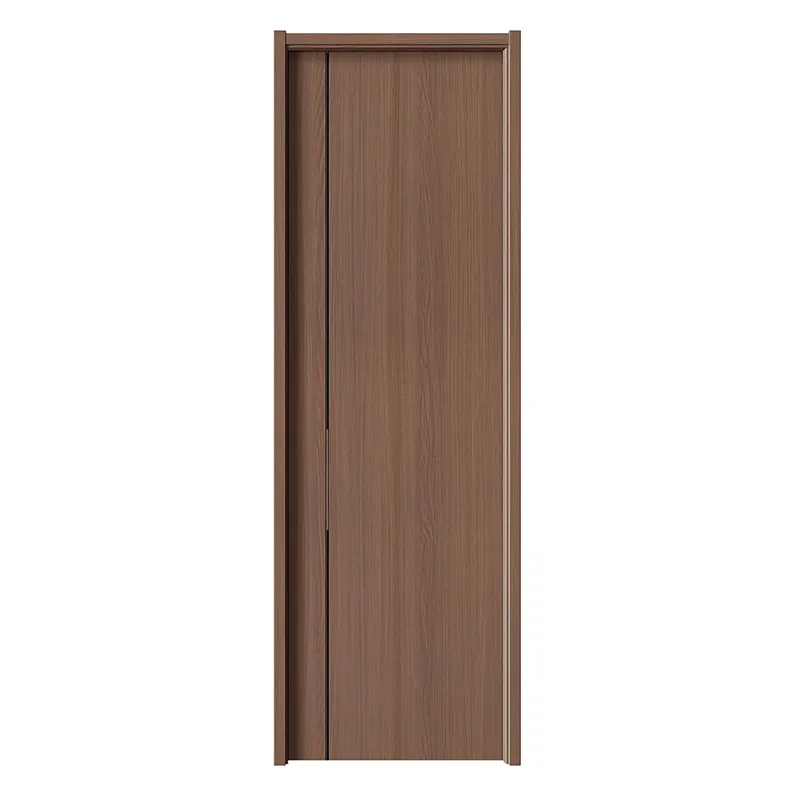 YST-1043 Door Techno-walnut 3