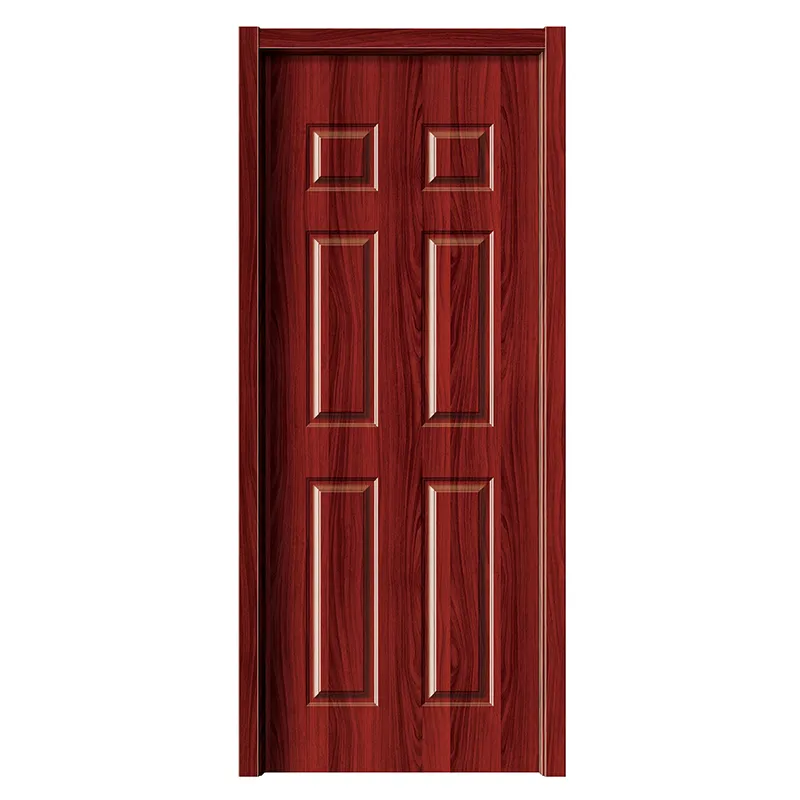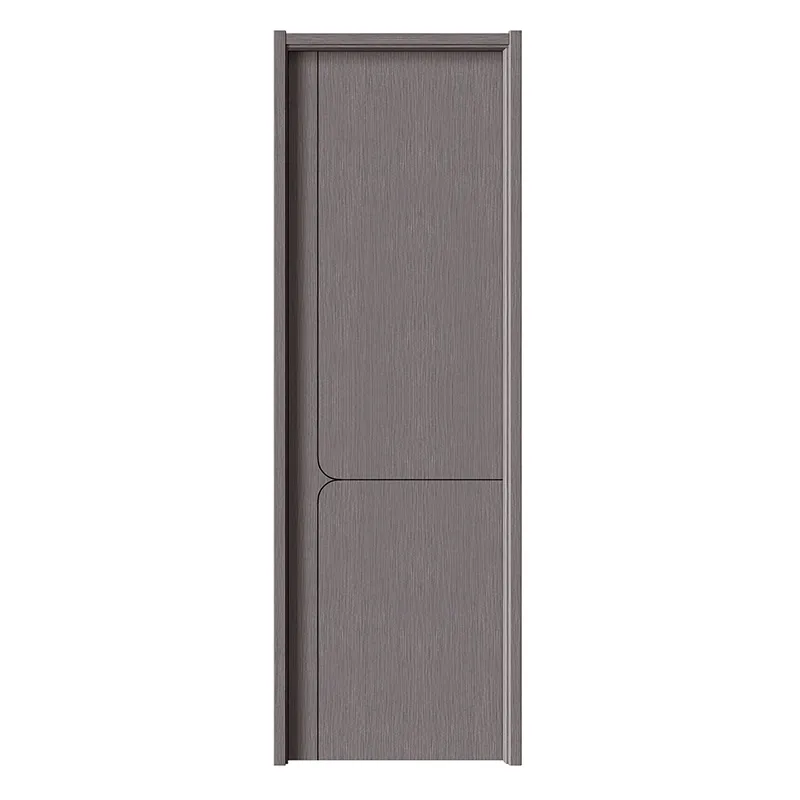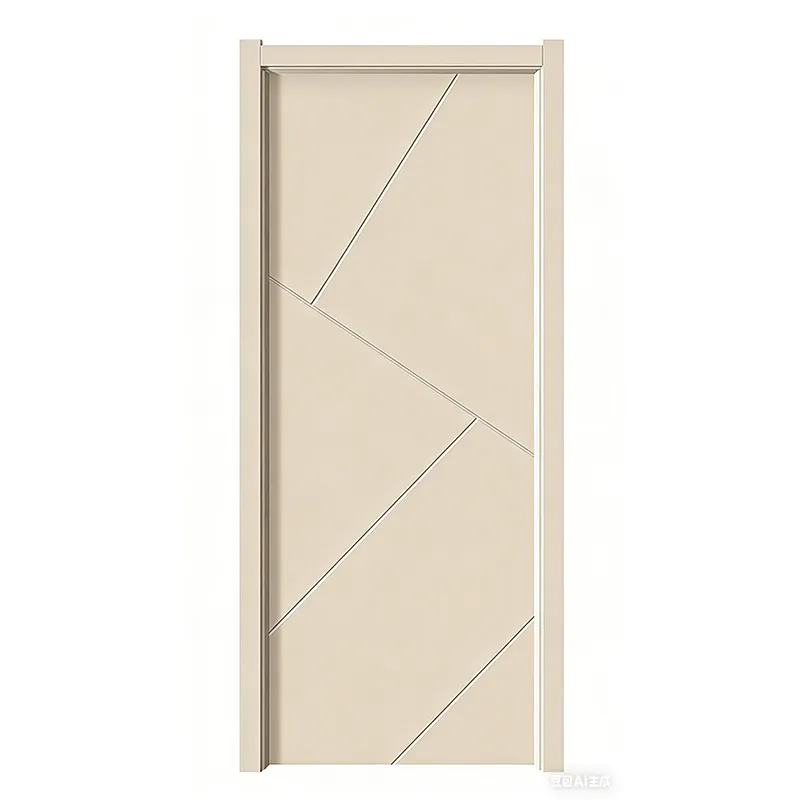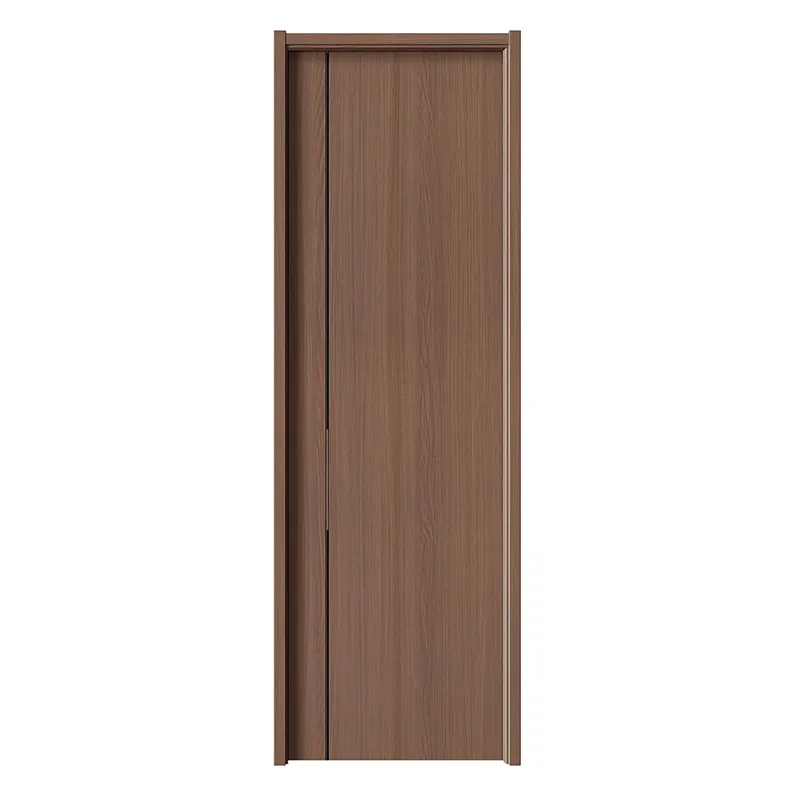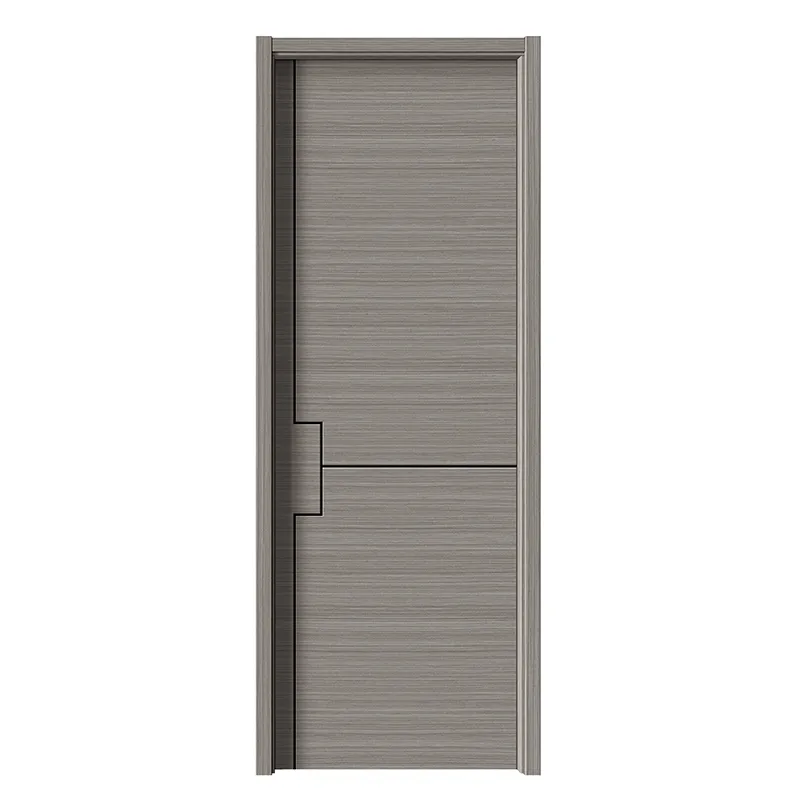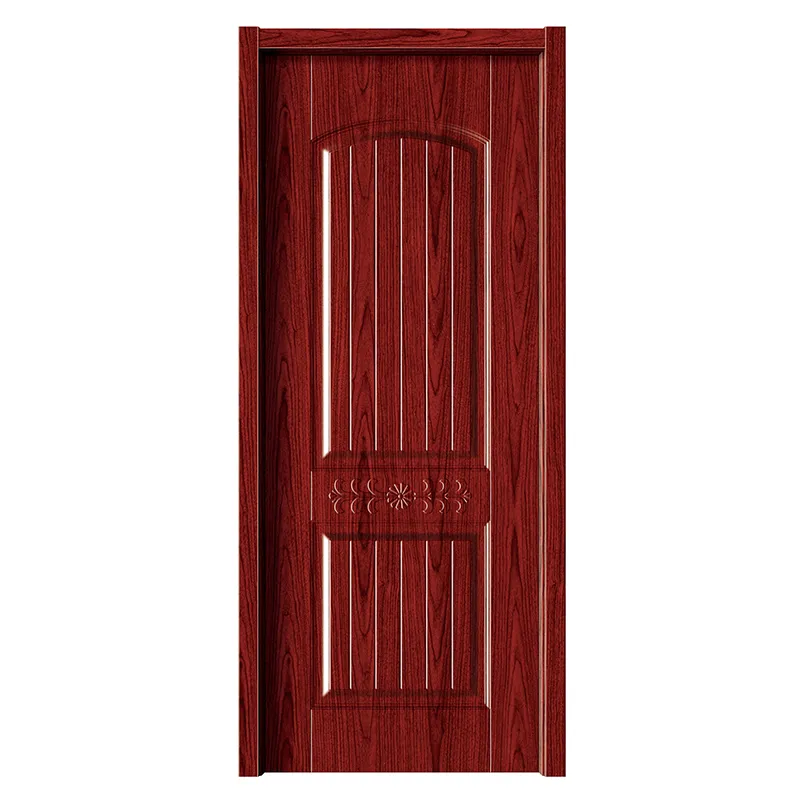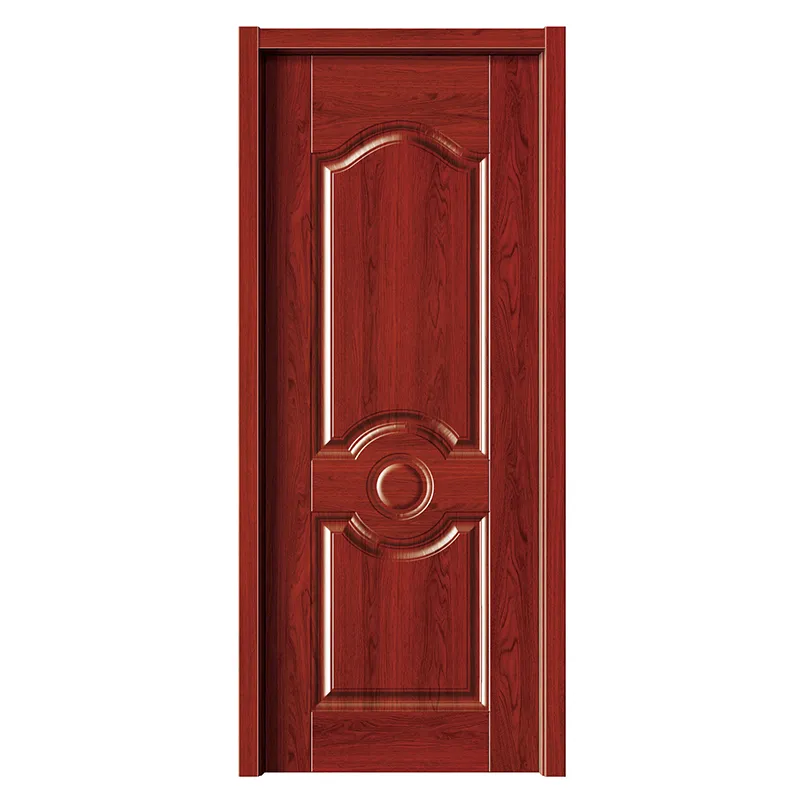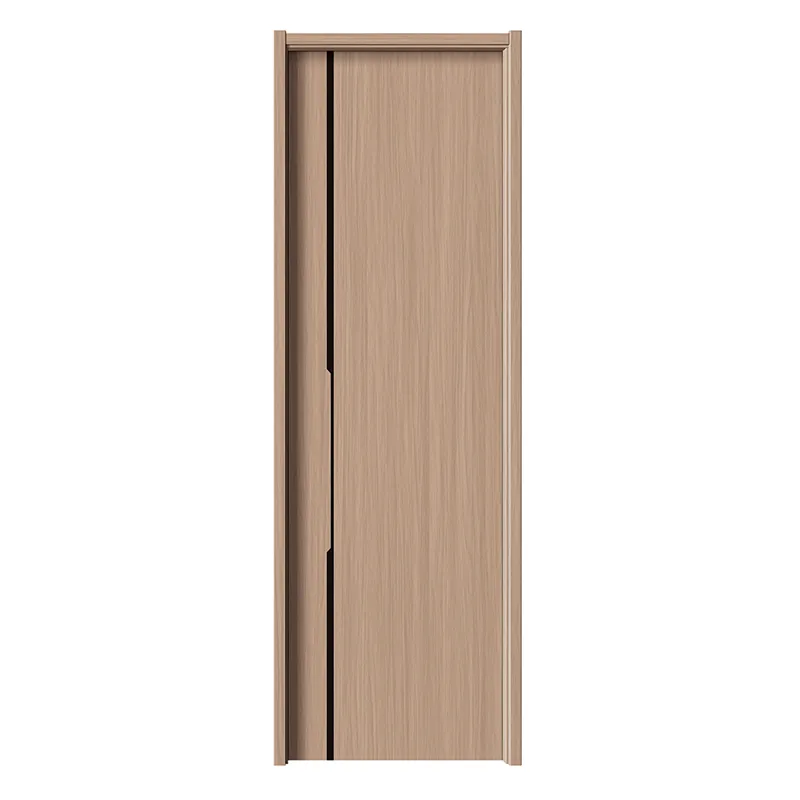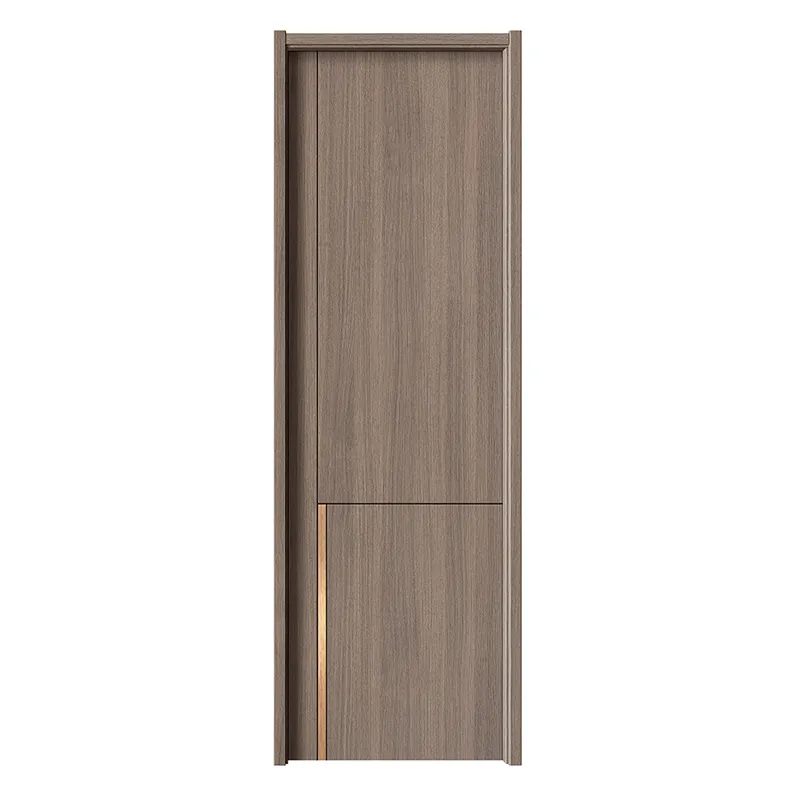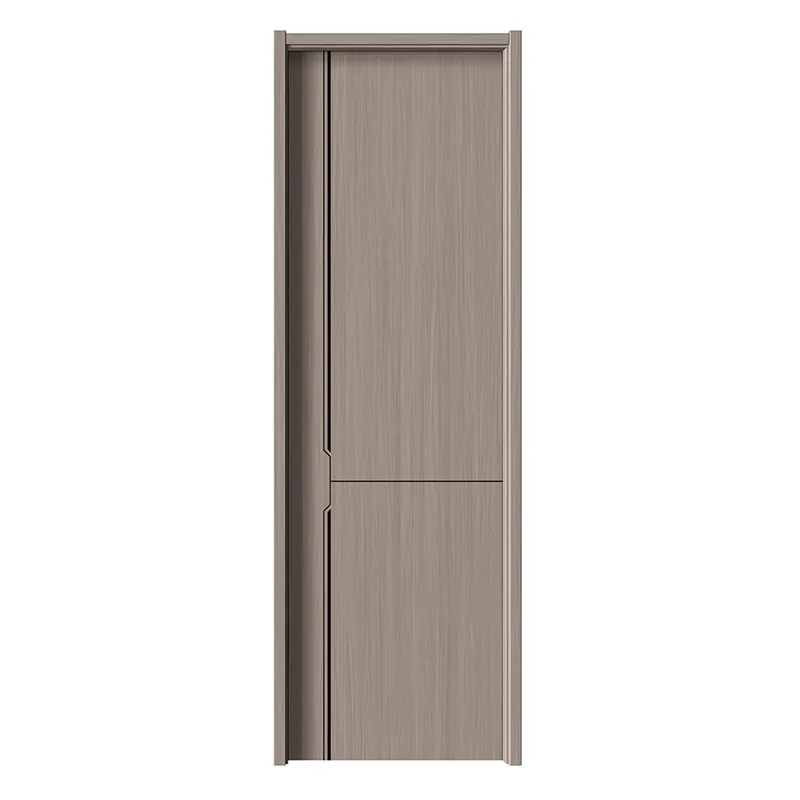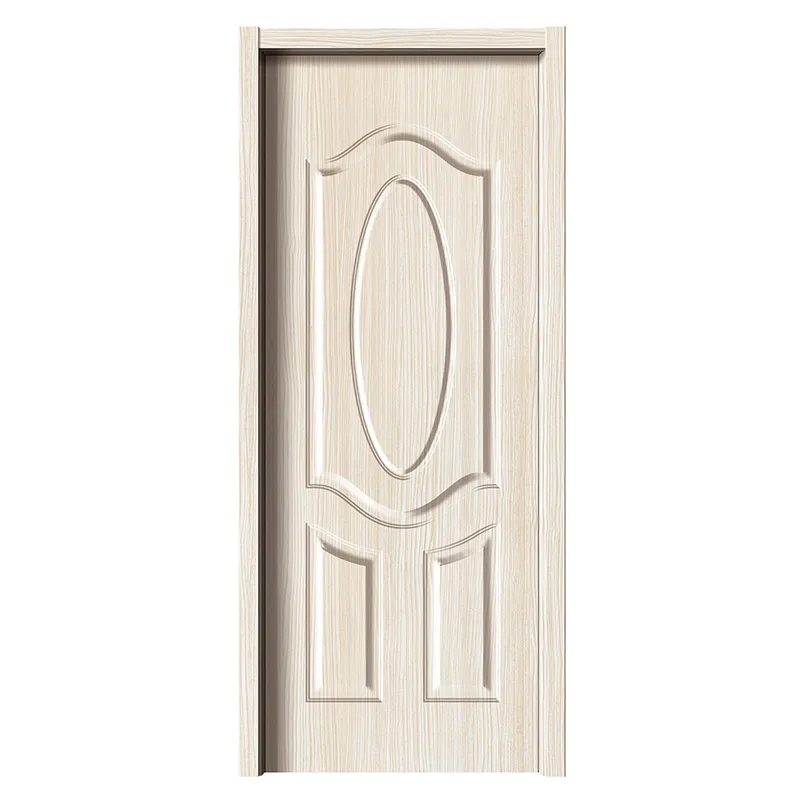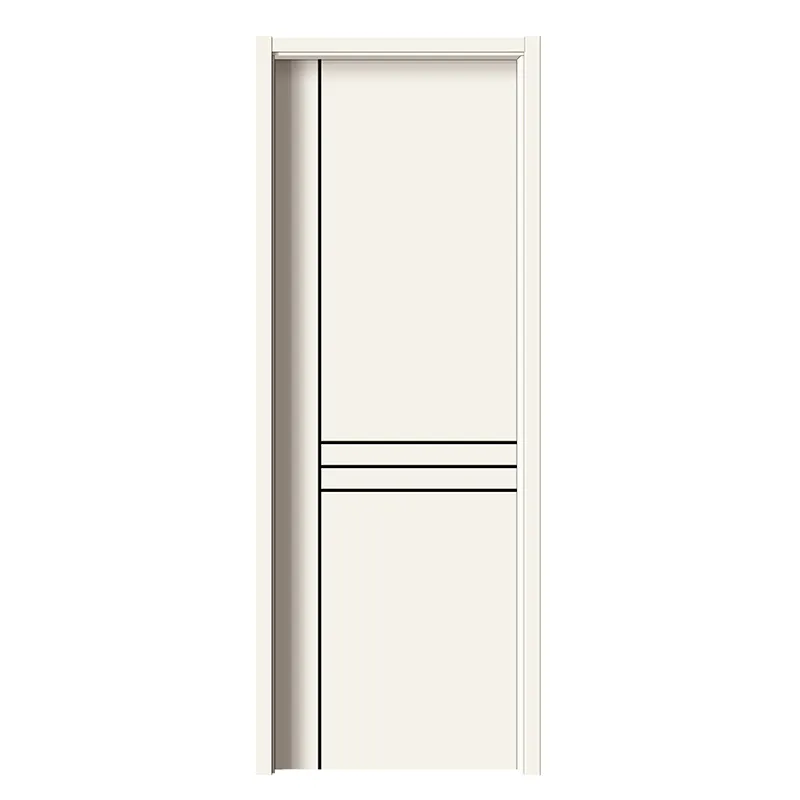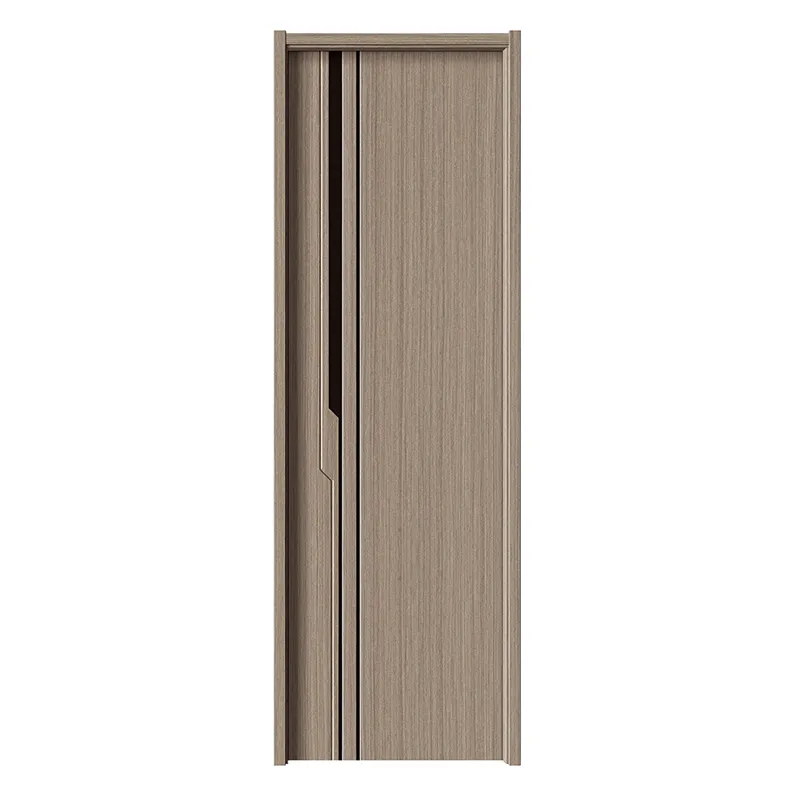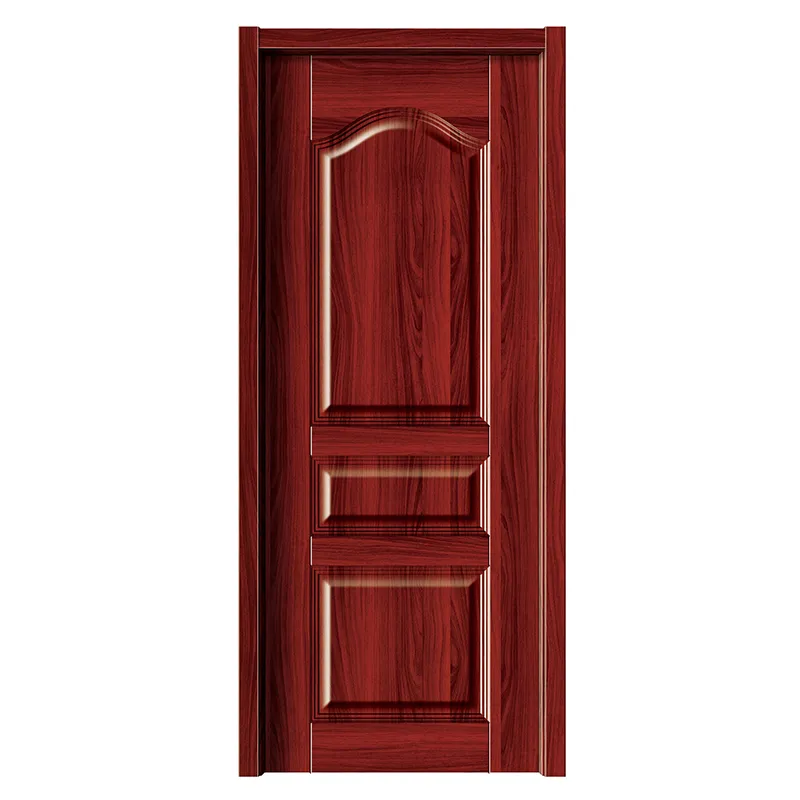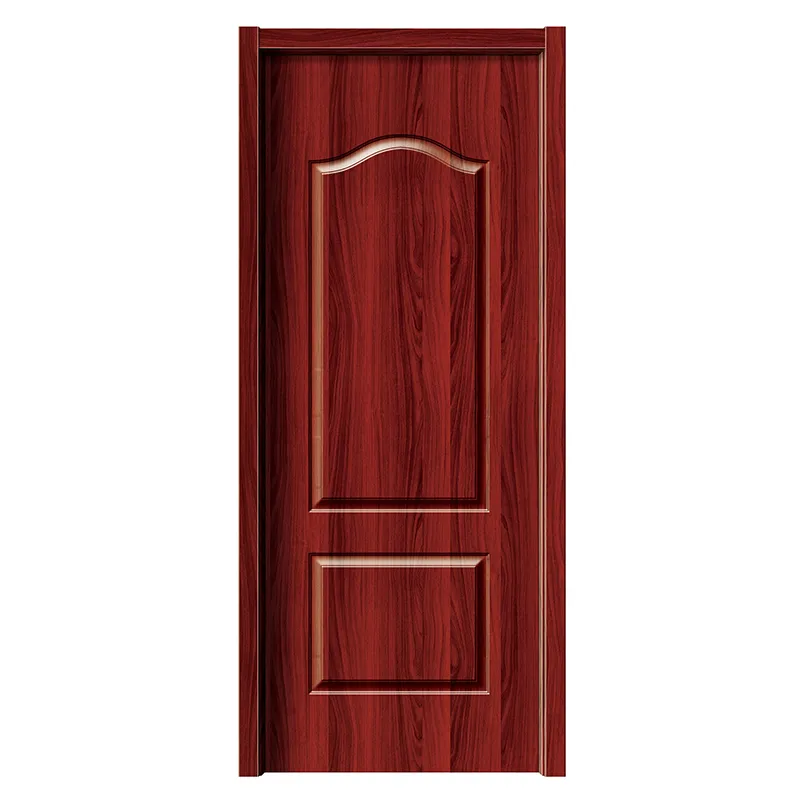




Solid wood wooden doors
When do you hear?solid wood doors?, the first thing that comes to mind for most is simply “solid wood, that means it’s good?”. But in reality, this is at least half the battle. Solid wood is different, and the biggest mistake the customer makes is to chase the thickness of the canvas, forgetting about the species, cutting, seasonality of drying and frame design. Too often I see how people pay for oak, but get a door that starts to “play” six months later during the heating season. or show gaps because the internal bridges were assembled without taking into account the movement of the fibers. It is these nuances that are not written in glossy catalogues, and I would like to speculate.
What actually lies behind the word ?array?
In production, an array usually means a non-monolithic slab - this is expensive, irrational, and fraught with deformations. We are talking about a glued board made of lamellas. But here lies the first pitfall: the direction of the fibers. If all lamellas are glued with the growth rings parallel, the risk of warping is high. The right technology, which, for example, usesAnhui Wantai Woodworking Co.,Ltd, assumes the opposite direction of the fibers in adjacent lamellas. This compensates for internal stress. On their websiteanhuiwantai.ruIn the section on production, you can notice the emphasis on control of this stage - for a reason.
The second point is the breed. Oak, ash, walnut - classics. But it is important where the wood comes from and how it was dried. Chinese manufacturers, such as Wantai, often work with oak from North America or Europe, where logging standards are more stringent. Their declared principle is “to build a business on accuracy?” just about this: the humidity of the workpiece should be stable 8-10%, and achieving this in a changeable climate is an entire art. I remember a case when a batch of doors from a supposedly well-dried solid wood arrived at a warehouse in the Moscow region in winter. After installation in a heated room, several panels developed cracks along the glue. The reason is the under-dried core in some lamellas. The manufacturer, of course, replaced it, but you can’t return the time and nerves to the client.
And the third aspect is not only the canvas. The box, platbands, extensions - they must also be from an array of similar quality, otherwise different degrees of shrinkage and expansion will occur. Manufacturers often save money on the frame; they make it from simpler spliced timber, and then they wonder why the door warps. You need to look at the whole set.
Construction: why the frame is more important than it seems
Many people think that since the door is made of solid wood, it is heavy and durable in itself. In fact, a massive canvas is a large load on the hinges and the box. Therefore, there must be a competent frame system inside (most often from the same solid wood or high-quality laminated pine), which prevents sagging. This is especially critical for double-leaf or high doors.
There is often a compromise here: to reduce overall weight and cost, some manufacturers make MDF panels lined with solid veneer. It's not a bad thing if it's done well and labeled honestly. But it's not quite anymoresolid wood doorsin its purest form. Completely solid models, just the ones made by Wantai, mean that both the panel and the frame are made of laminated solid wood. This is a different price segment and different durability.
From practice: for openings in damp rooms (for example, exit to a terrace), it is better to make even a massive door with a thermal break in the frame and mandatory impregnation not only with a decorative, but also with a protective composition. Otherwise, even the best oak will darken over time or begin to absorb moisture. One of our projects with a restaurant by the water showed this - we had to redo it and strengthen the protection.
Finishing and processing: where individuality lies
The smooth, varnished surface is just the finale. Before this comes priming, sanding, possibly brushing or patination. Each stage affects how the door will age. Cheap doors made of solid wood often suffer from the fact that only the front sides are sanded, the ends and edges of the panels remain rough - this then collects dust, and the varnish on the edges chips faster.
A good sign is when the manufacturer specifies not just an “oil-wax coating,” but a specific brand of varnish or oil (for example, Saicos, Osmo). This speaks of a conscious choice. On the websiteanhuiwantai.ruThe product descriptions show attention to the environmental friendliness of the finish, which is critical for residential spaces. There should be no strong odors after installation.
Color. There is an interesting point here: dark tones (wenge, graphite) on solid oak always risk a more noticeable manifestation of texture and micro-irregularities after coating. Ideal surface preparation is required. A common request is “to make it look like the picture?” But natural wood is a living material, and two doors from the same batch may differ slightly in shade. This is not a marriage, but a feature. We need to warn clients.
Installation: the most common point of failure
You can buy the perfect door fromAnhui Wantai Woodworking Co.,Ltd, but spoil it with installation. The array requires accuracy and understanding of how it will behave in a specific microclimate. You should never install such a door immediately after repair, until the humidity in the room has returned to normal. Ideally, let the canvas “acclimatize?” in the future installation room 2-3 days.
Gaps. They are often made minimal, striving for ideal density. But the array requires a technological gap around the perimeter (usually 3-4 mm) in case of seasonal expansion. Otherwise, in the summer the door may begin to rub against the threshold or frame. The hinges must be reinforced, at least three per sheet with a height of 2 meters. Saving on one loop guarantees misalignment in a year.
Personal experience: there was a site where the builders installed expensive oak doors without checking the verticality of the opening. Six months later we had to remove, strengthen the box and rehang it. The client was dissatisfied, although the fault was not in the product. Now I always insist that installation be carried out by proven teams who are familiar with the features of the array.
Market and choice: what to look for besides price
Segmentsolid wood doorsoverflowing with offers. The price range is huge. A cheap option often means not only saving on fittings, but also at the stage of selecting raw materials - lamellas with knots or uneven texture can end up in the panel, which are then puttied and painted in a dark color. This isn't always a bad thing, but you need to understand what you're paying for.
A reliable manufacturer, like the company from the description, which strives to supply doors to the international market that combine design and practicality, usually provides detailed specifications: wood type, type of cut (radial, tangential), class of lamellas, thickness of the leaf, type of coating, warranty. Having your own design department, like Vantai’s, is a plus; it means they can adapt the model to a non-standard opening.
The final advice that I always give is: ask the supplier for a sample - not just a piece, but a fragment assembled with the same coating. Feel the end, estimate the weight, look at the joint of the lamellas. And be sure to ask about case studies and problems their doors have encountered in different climates. If they answer honestly and in detail, this is a good sign. A solid door is an investment for decades, and there are no trifles here. It should not just cover the opening, but live with the house, changing as naturally as the material from which it is made.
Correspondingproducts
Related Products