




Natural wooden doors
When you hear “natural wooden doors?”, the first thing that comes to mind for most is just solid oak or ash. But in reality, if you dig deeper, everything turns out to be much more interesting and... capricious. I have been in the industry for many years, and I still encounter the fact that clients confuse the concepts of “natural”? and “durable”. It was as if I had taken a thick board and everything was in order. In fact, there is a whole science here, where the type of wood is only the beginning of the story.
What is hidden behind the word “natural”: let’s break it down into layers
Look here. Let's take oak, for example. It would seem like a classic. But oak is different from oak. The one that grew in a dense forest has narrower annual rings and the wood is denser. And the one in open areas is wider and softer. For a door that will stand in a private house with changes in humidity, this is critical. The first option, with proper drying, will behave more stable. The second one can bring surprises, even if it looks impeccable in appearance. Therefore, when a company seemsAnhui Wantai Woodworking Co.,Ltdspeaks of strict selection of raw materials - this is not marketing. This is a necessity. On their website, by the way, you can clearly see how the emphasis is on control from the very beginning of the chain:https://www.anhuiwantai.ru. Without this stage, all talk about quality is empty words.
And there is also a nuance with the cut. Radial, tangential... For the uninitiated - woody jungle. But for a door, this determines not only the design, but also how the door will react to climate changes in the room. Radial cutting is more stable, has less “play”, but is also more expensive due to the greater amount of waste. I often see how in pursuit of a beautiful variegated pattern (which is produced by a tangential cut) on a door for a humid climate - this is a direct path to cracks. An experienced manufacturer knows this and offers solutions consciously, and not just “what board is available?”.
And varnishing! That's where the dog is buried. You can take perfectly dried, properly sawn wood and kill it all with the wrong finish. Oil, varnish, wax - each has its own philosophy. Oil, for example, will emphasize the texture and “breathe”, but requires more careful care. The varnish will create a durable film. But if you apply it to wood that is not dry enough or in the wrong workshop conditions, bubbles may develop over time. I saw this at sites where doors from unknown small workshops were installed. A sad sight.
Production myths and the harsh reality of the workshop
Many people think that modern production consists of robots that do everything perfectly. Partly yes. But when working withnatural woodThe human eye and experience often play a decisive role. The machine may not notice a hidden knot or the beginning of internal stress in the array. Therefore, the stage of manual control before assembly is sacred. In the sameAnhui Wantai Woodworking Co.,Ltdthey mention an experienced team - this is exactly what it’s about. The machines ensure the accuracy of the grooves and tenons, but the final “I approve” the master gives.
I remember one incident at a construction site. We ordered expensive oak doors for a restaurant. They delivered it, but during installation it turned out that the hinges were shrinking. not perfect, there is a millimeter distortion. The installers began to blame the wall. But when we figured it out, it turned out that the canvas moved a little during transportation. due to a sudden change in temperature from a warm workshop to a cold warehouse. The manufacturer did not provide for proper packaging and acclimatization at the site. I had to return it and redo it. Loss of time, money, nerves. Now I always insist that the client check with the supplier not only about production, but also about logistics and storage conditions before installation.
Another important point is adhesive connections. A real scourge for cheap products. They save on glue, do not withstand the pressing time - and after a year or two, cracks appear at the junction of the panel with the frame. A good manufacturer uses adhesives designed for multiple cycles of expansion and contraction of wood, and allows time for complete polymerization. This cannot be accelerated. It's like marinating meat - less time, worse results.
Design and practice: where to find balance?
Now the trend is for massive, even brutal doors. Clients bring pictures from Pinterest. But what is beautiful in a photo is not always functional in life. For example, a solid door made of solid dark walnut to a small bedroom - it can be visually “oppressive”. Or glass inserts in interior doors - they look amazing, but if there are small children or pets in the house, this is a constant risk and a problem with cleaning. You must be able to gently guide the client, offering alternatives. Sometimes a paneled structure made from the same type of wood will be lighter, more stable, and cheaper, while maintaining aesthetics.
Companies that operate on the international market, such asAnhui Wantai Woodworking Co.,Ltd, this is well understood. Their philosophy, as stated in the description, is to combine aesthetic design and practical performance. In practice, this means that their catalog will most likely contain not only “pictures”, but also technical specifications and recommendations for use in different types of premises. This is a sign of a serious approach.
Personally, I always advise paying attention to the internal structure of the canvas. Even the most beautiful door can be hollow or have poor-quality filler inside, which will affect sound insulation. goodnatural wood dooris often a sandwich: outer layers made of valuable wood, internal bulkheads made of more stable wood, such as coniferous wood, and high-quality filler between them. This includes strength and optimal physical properties.
Installation is 50% success (that’s how many problems arise here)
You can make a door a masterpiece, but kill it with crooked installation. The most common mistake is an incorrectly assembled box. We couldn’t maintain the 90-degree angles, we didn’t strengthen it for the heavy panel—and now the door sags, doesn’t close, and clicks. The second mistake is gaps. They are made too small, especially in the lower part, without taking into account the possible expansion of the wood during the heating season or high humidity. The result is that the door begins to rub against the threshold or floor.
And about the accessories separately. Loops must be designed for the weight of a particular fabric. Saving on them is a crime. I saw how standard hinges were installed on a door weighing under 50 kg, and after six months they began to be torn out of the box. Same with locks. A heavy wooden panel creates a large load on the mechanism, so the fittings must have a safety margin. A good supplier usually offers proven kits or gives clear recommendations.
And the last thing is post-installation processing. Often the door is installed in still damp rooms where finishing work is going on. And plaster and paint fly on it, they wash it with aggressive agents. It is imperative to cover the canvas with film and protective cardboard until all “dirty” items are completely finished. processes. It seems obvious, but 8 out of 10 properties have a problem with this. Then the client makes a claim against the manufacturer for minor damage that has nothing to do with production.
A look into the future: ecology, technology and a return to origins
Nowadays there is a lot of talk about environmental friendliness. Fornatural wooden doorsThis is not just fashion, but the essence. But ecology is not only about “a tree growing in a forest?”. This is a responsible approach to forest management (FSC, PEFC certificates), these are safe adhesives and varnishes with a low content of volatile substances, and this is energy-efficient production. Clients started asking this. And this makes me happy.
Technology also does not stand still. For example, engineered wood is the same solid wood, but glued together from lamellas under a certain direction of the fibers. It's not "worse" as some people think. On the contrary, such a material is often more geometrically stable than a solid board and allows the creation of large-format products without the risk of warping. This is a smart approach to using the resource.
In the end, what do we have?Natural wooden dooris a complex product at the intersection of nature, craft and engineering. By choosing it, you are buying not just a barrier between rooms, but an element with character that will live and change with your home. The main thing is to approach the choice without illusions, with an understanding of the process, and find a manufacturer who shares this view. Someone who not only sells, but is responsible for every stage - from the forest to the handle on your door. What, judging by their statements, the company strives to doAnhui Wantai Woodworking Co.,Ltd, focusing on precision and quality for a global customer. This, perhaps, is the main secret.
Correspondingproducts
Related Products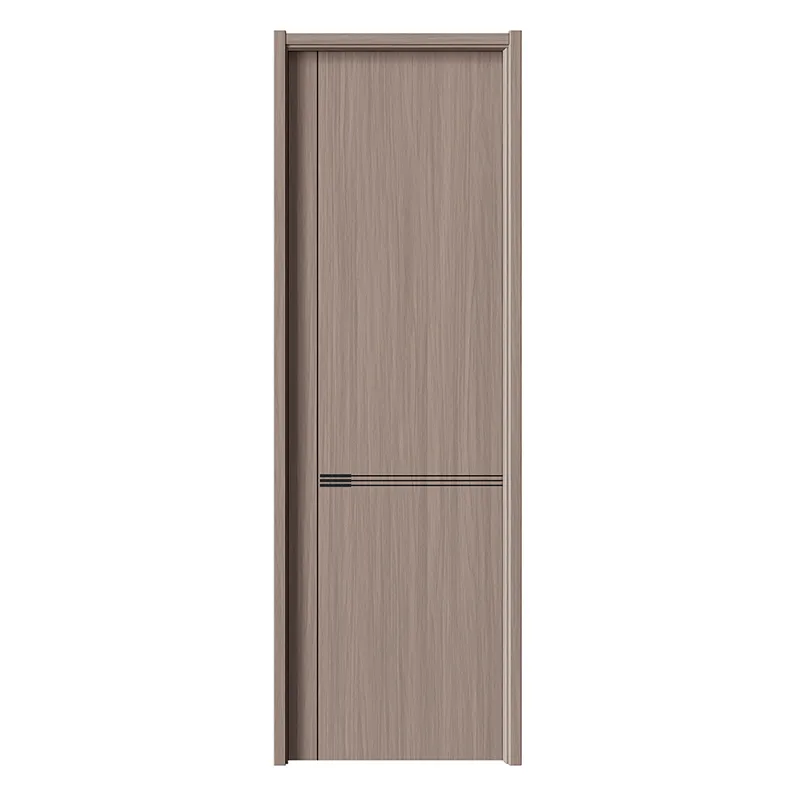
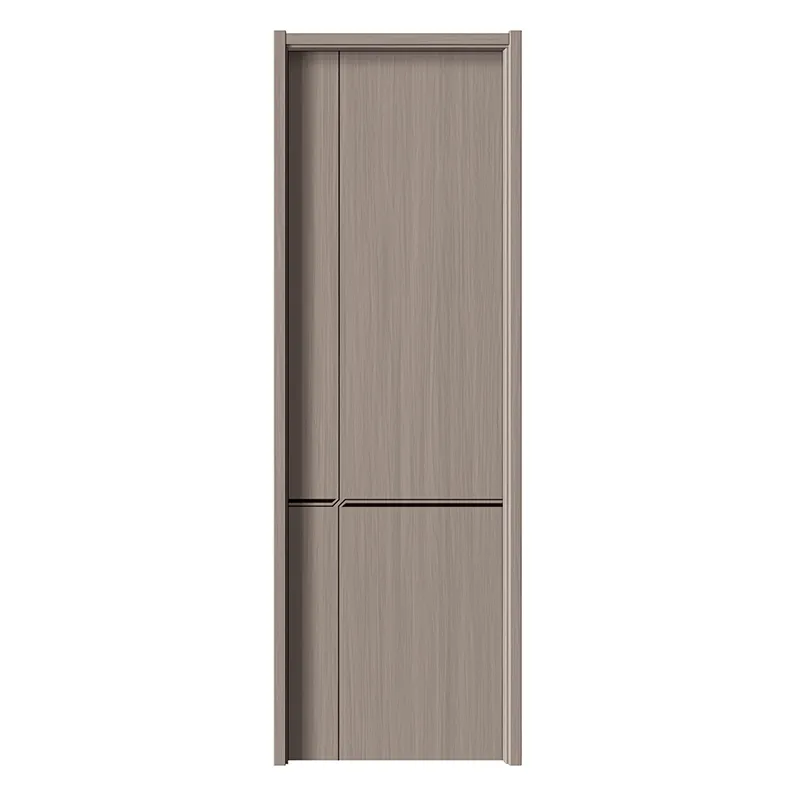
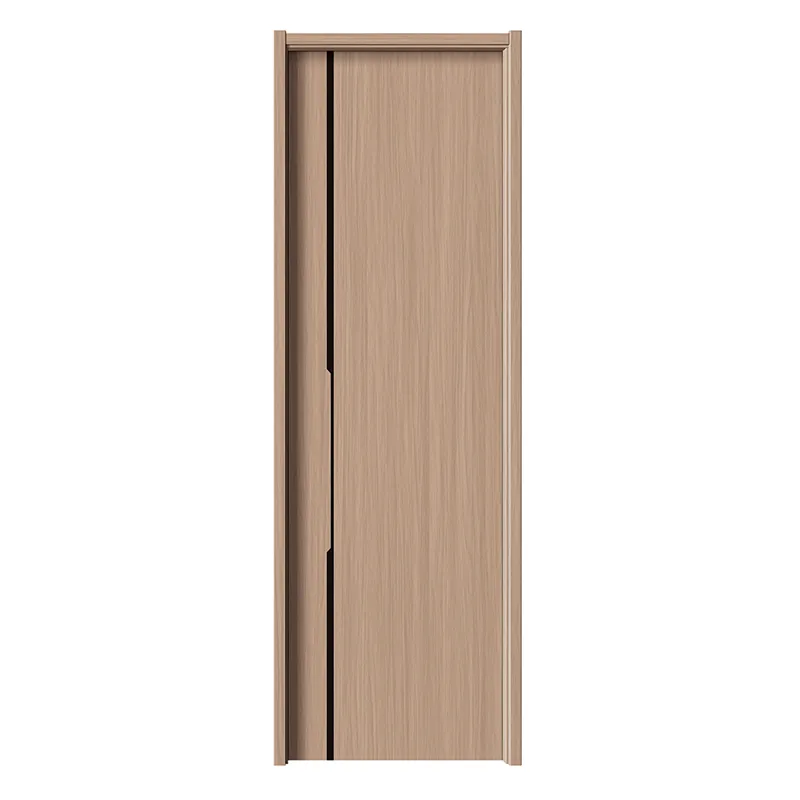
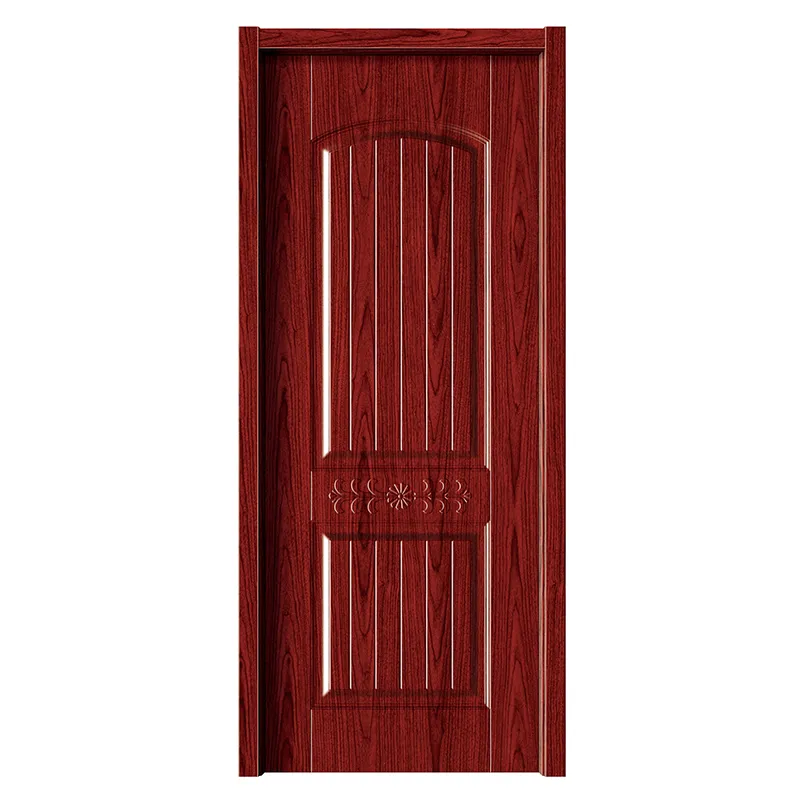
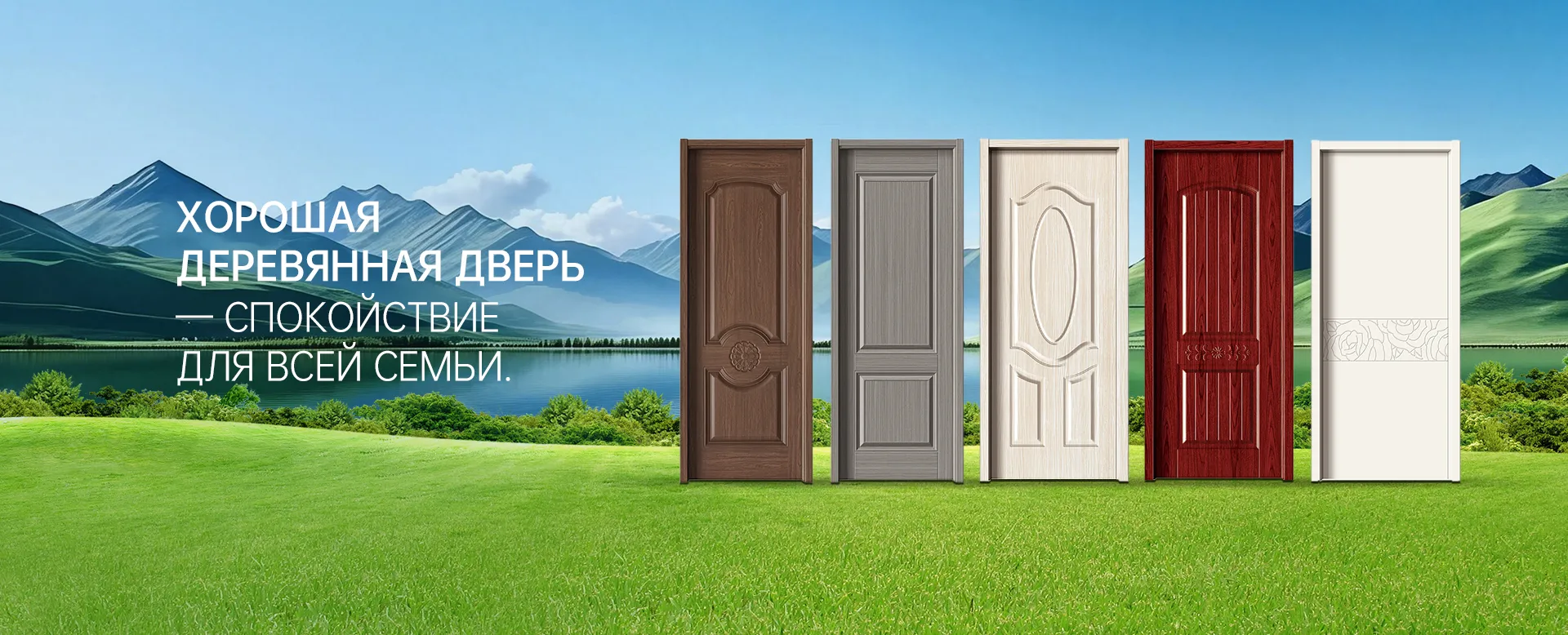
Best Sellingproducts
Best Selling Products-
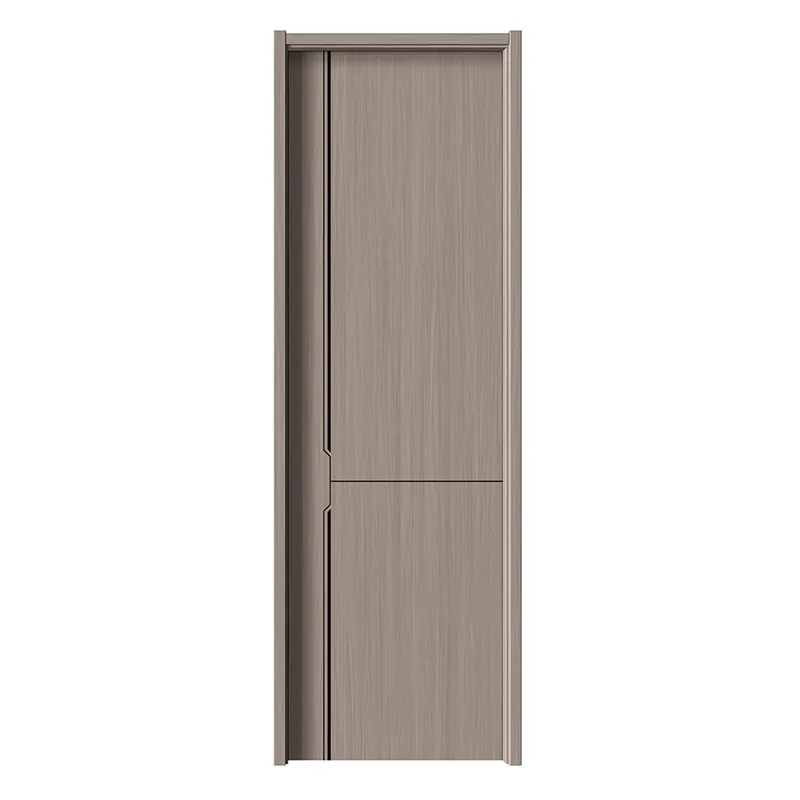 YST-1011 Door Translucent light shadow 3
 -
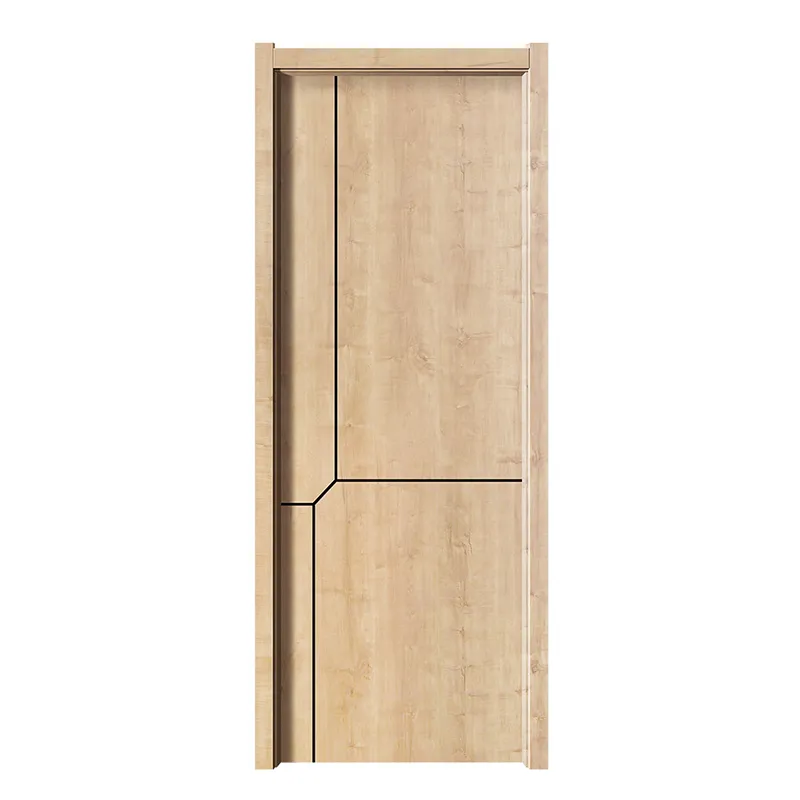 YST-WPC1 Door
 -
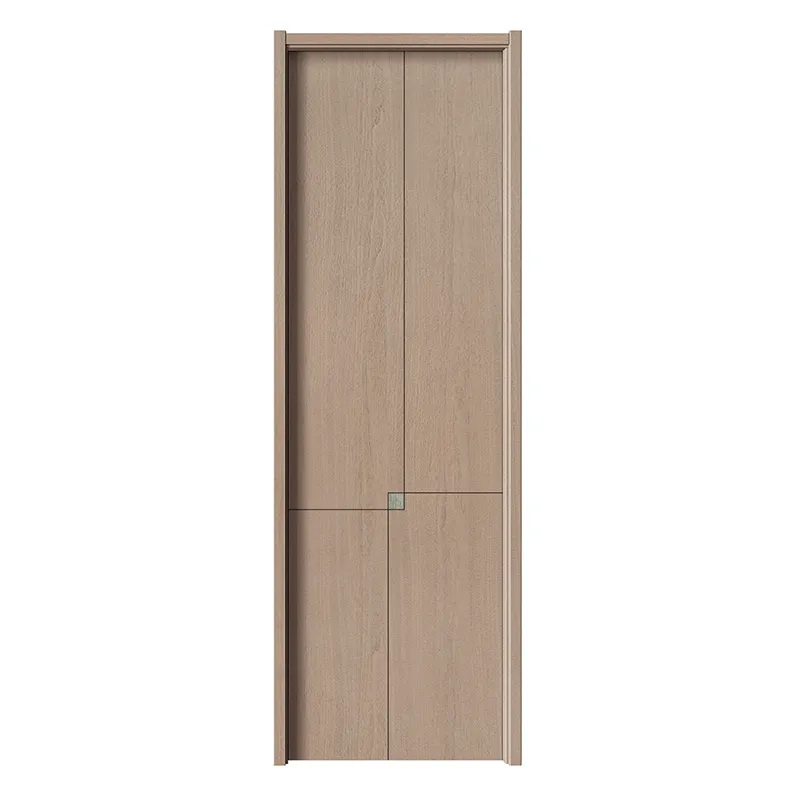 YST-1008 Door Natural walnut 2
 -
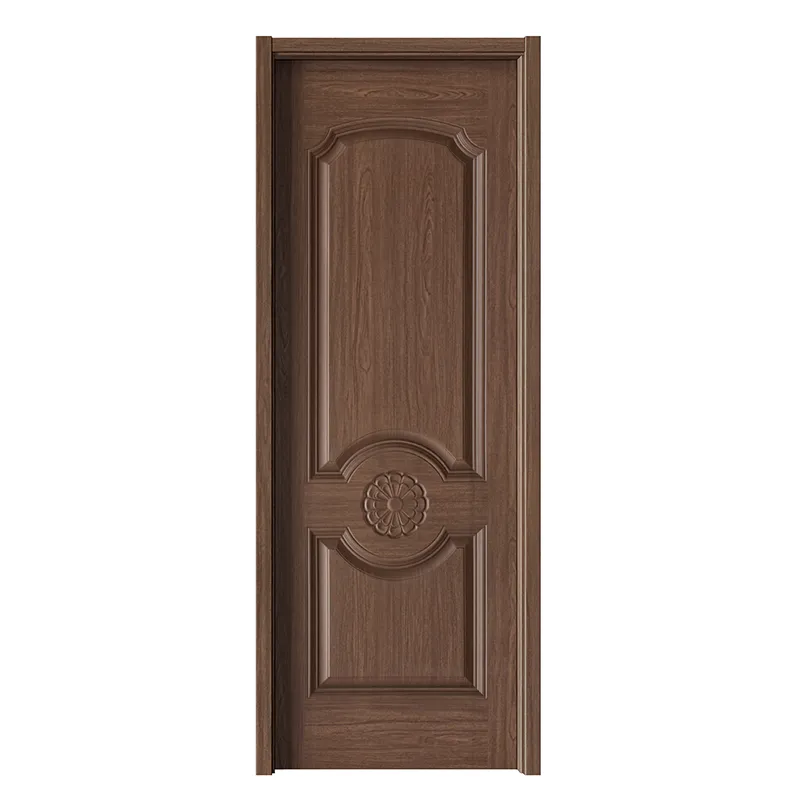 YST-212 Door North American Oak 2
 -
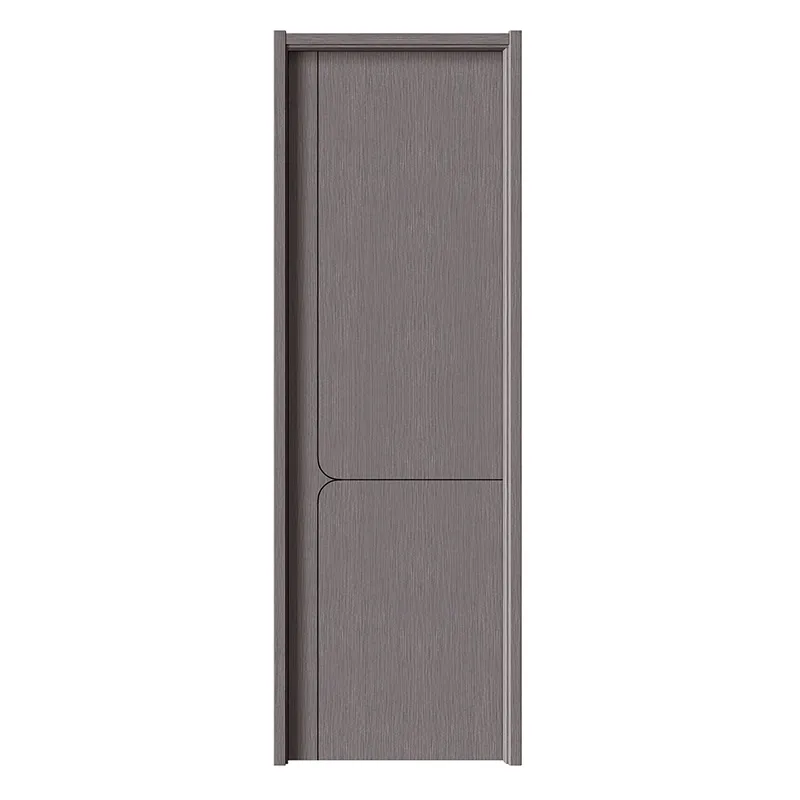 YST-1001 Door Chiaroscuro tree 2
 -
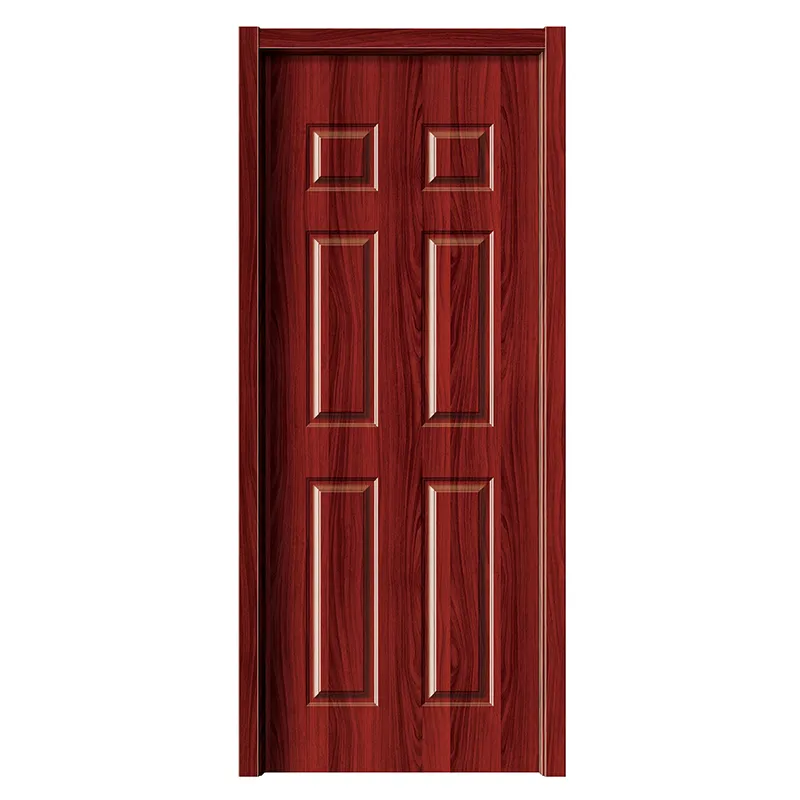 YST-201 Door Red team
 -
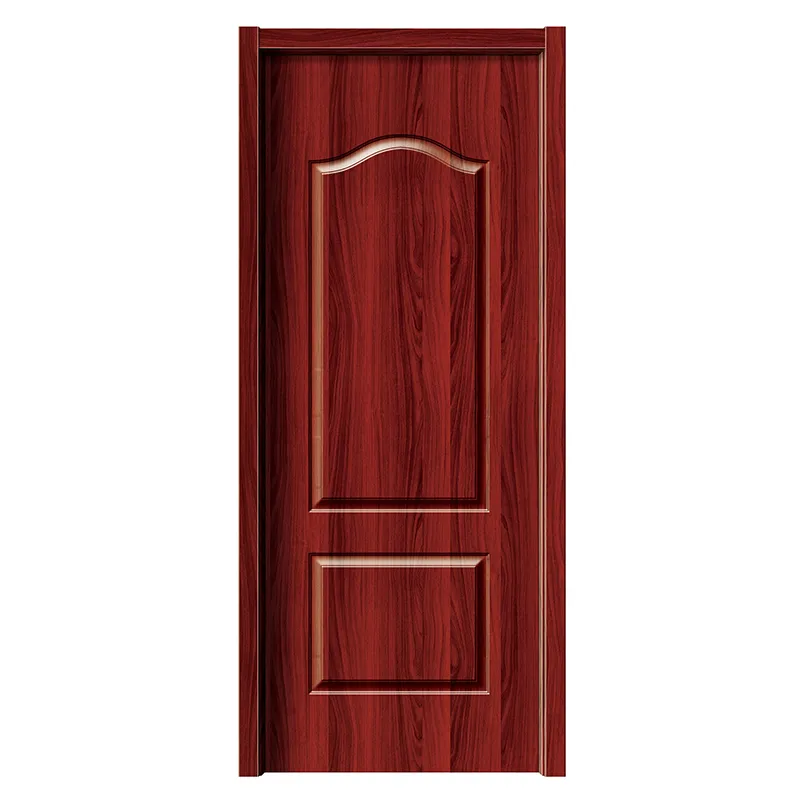 YST-207 Door Red team
 -
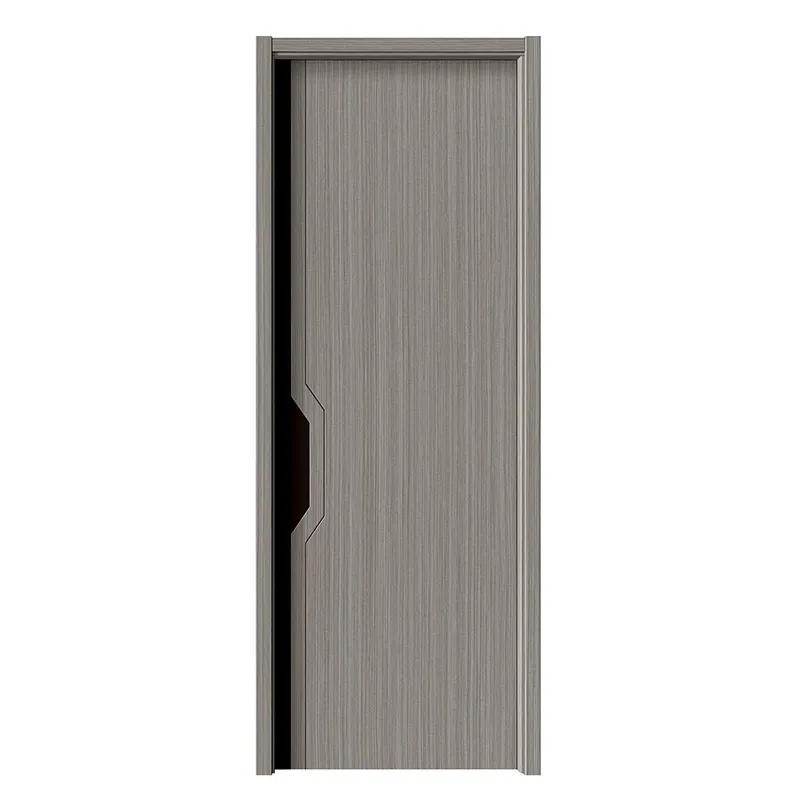 YST-1007 Technotree Door 2
 -
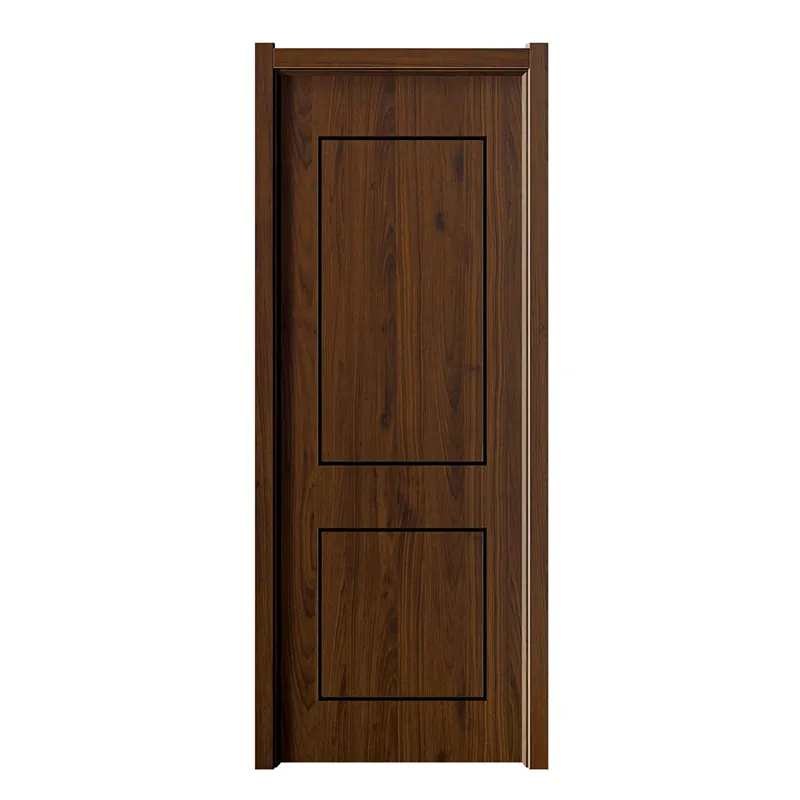 YST-WPC2 Door
 -
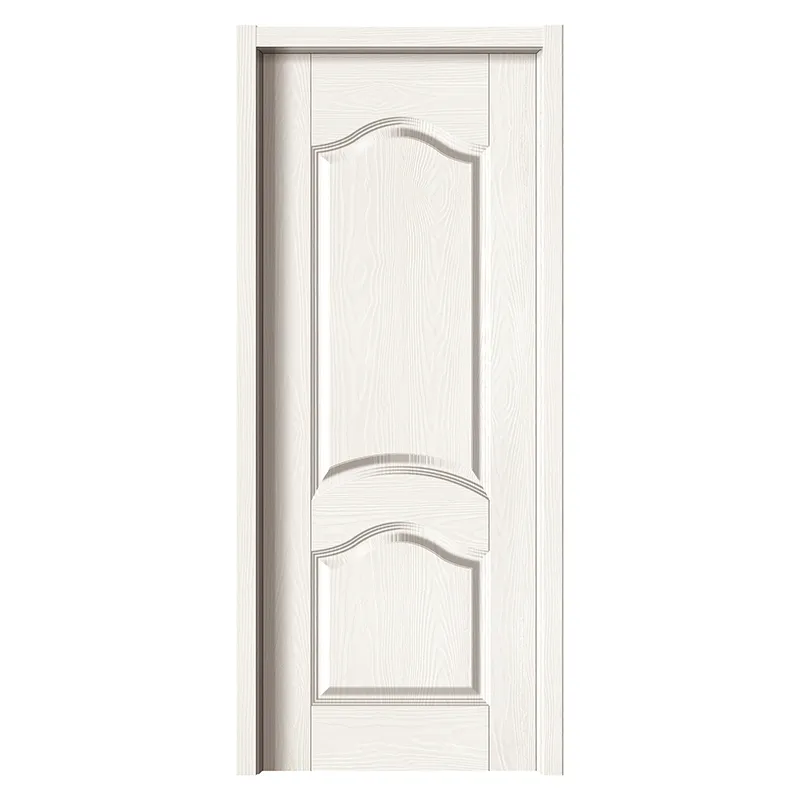 YST-224 Door Warm white with relief
 -
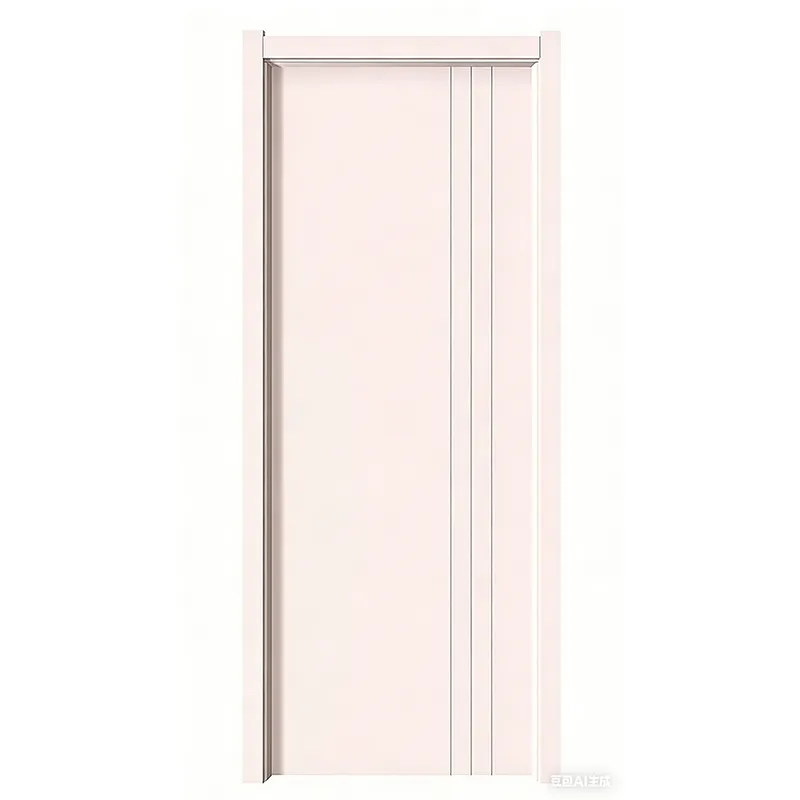 YST-WPC4 Door
 -
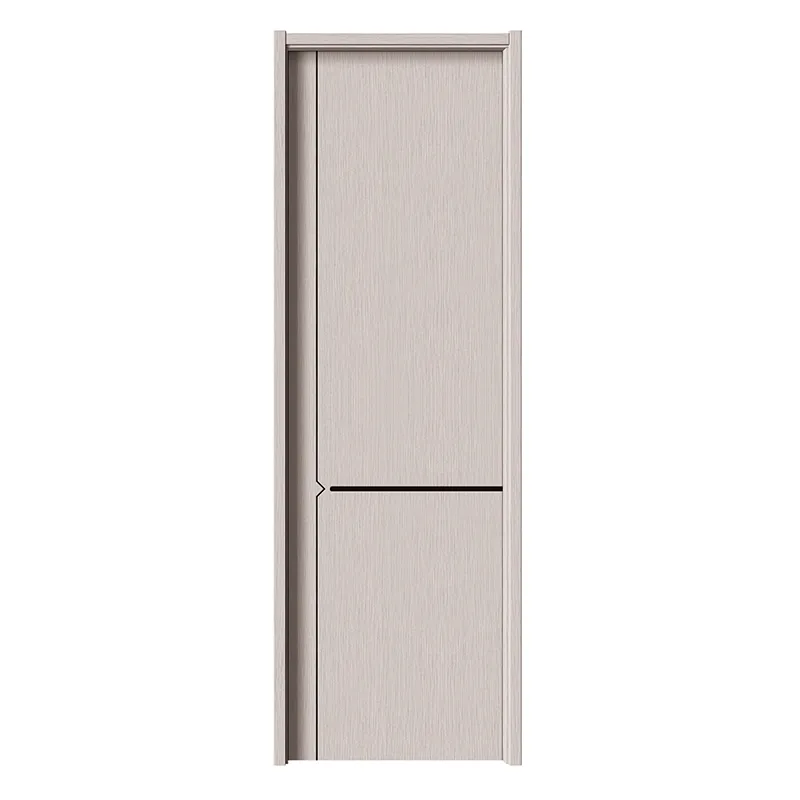 YST-1024 Door Chiaroscuro wood 1