



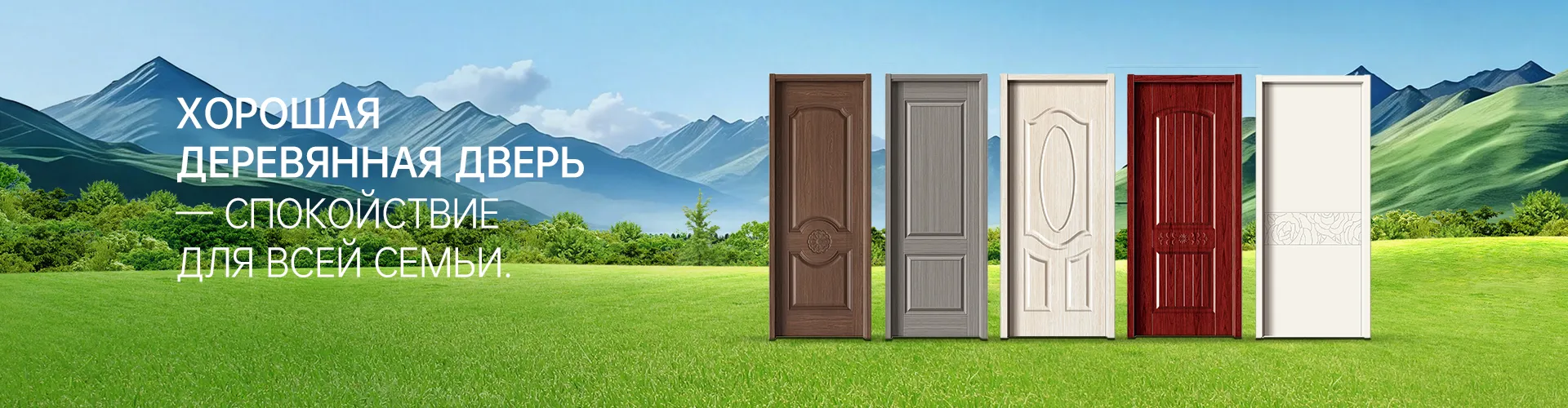
Double hidden door
Here's a term that everyone hears, but, to be honest, they understand it very differently. Many customers, and some “specialists”, believe thatdouble hidden door- it's just a door without platbands, which is stuck to the wall. But in fact, this is a whole system where not only the box is hidden, but also the opening mechanism, the joint with the wall, and often the very idea that there is a passage here. The main mistake is to try to make this out of a standard door, simply recessing it into the partition. The result is always the same: cracks, distortions and that same “hidden” one. a nightmare that creeps into your eyes.
Construction: not a “door in the wall”, but a “wall with a door?”
The approach from the project itself is fundamentally important here. The door is not installed in the opening, but the opening is formed under the door system. Frame, sheathing, sound insulation - everything must be designed for load and movement. The canvas itself, or rather the canvas in the case of a double structure, must have ideal geometry and rigidity. Any deflection, and the gap in the center of the porch will become a black hole that cannot be hidden.
In your work you often come across requests for an array that is supposedly solid. But the massif is a living material, it needs to “breathe”, it moves. For hidden installation this is a risk. It is much more reliable to use engineering solutions: a frame made of aluminum profile or stabilized wood, lined with veneer. For example, some partners likeAnhui Wantai Woodworking Co.,Ltdwho operate on the international market rely on modern processing technologies. They have models in their assortment where the aesthetics of classic wood hides a stable sandwich pie of materials - this is just what you need for a long-lasting hidden system.
And also on the fastenings. The hinges should not just be hidden, but adjustable in at least three planes. And access to them after installation should remain through technological holes, which are then sealed with magnetic covers. Trifle? No matter how it is. Without this, in six months it will be impossible to adjust the sashes.
Editing: where theory breaks down against crooked walls
This is where the fun begins. All the beautiful pictures from the catalogs assume ideal walls with a tolerance of a couple of millimeters. In real life, a difference of a centimeter is still not bad. Therefore, the first thing you do at the site is not to unpack the door, but to check the geometry of the opening with a laser level. Often you have to budget and time for leveling the surface with drywall or wet solutions. Without thisdouble hidden doorwill turn into a monument to construction sloppiness.
I had a case at a premium class facility. The customer bought expensive Italian canvases, but the builders made the opening “by eye”. As a result, it was necessary to develop an individual steel frame box, which compensated for all the unevenness and took on the load-bearing function. The work doubled in cost, but the result was flawless. This is about the question of why you can’t skimp on preparation.
Another nuance is the finishing. The plaster or wallpaper should extend onto the end of the canvas, creating a single plane. The gap here is literally 1-2 mm. If the plasterer climbs onto the end with too thick a layer, the door may begin to cling. Therefore, the best option is when the finishers work after installing the box and the primary canvas (without finishing coating), and the final painting or pasting is carried out in place, with masking tape on the edge.
Fittings and mechanics: the invisible must work perfectly
The hidden closer is a different matter. It must be selected with a large power reserve, especially for a two-field system. A light closer will quickly give up, and the doors will slam or, conversely, not reach the stop. I usually install closers with adjustable closing force and speed in three ranges. And I always leave the customer with instructions and access to the control valves - let him know where to tighten it, if anything happens.
Handles... They are often not made at all, using push-to-open systems. But this is not always convenient, especially if your hands are full. Therefore, sometimes narrow recesses-rails are integrated along the edge of the canvas or hidden magnetic handles are installed that extend when pressed. It is important that the mechanism is reliable and does not break down after thousands of cycles. On one project we had to change such “innovative” ones three times. handles from one European brand - in the end we installed proven mechanics from another supplier, and everything has been working for five years.
Castles If they are needed, then only mortise ones, with a cylinder mechanism, and the key exit point should be neatly inscribed in the end. No overhead strips! Sometimes, for complete stealth, electromechanical locks with RFID or access codes are used, but that’s another story and budget.
Case study: when partnership solves problems
Recently there was a project - it was necessary to make a smooth transition from the living room to the office in an old mansion, where the walls were uneven and the requirements for acoustics were high. Standard solutions were not suitable. We turned to a manufacturer who can work with non-standard sizes and technical specifications. In the end we settled onAnhui Wantai Woodworking Co.,Ltd (https://www.anhuiwantai.ru). Their profile is precisely a combination of design and practical characteristics for global projects.
What's valuable is that they didn't just sell the door. Their technical department requested detailed measurements from the site, including data on noise and humidity levels. They proposed a design with a reinforced aluminum frame, filled with a sandwich panel with mineral wool for sound insulation and faced with oak veneer, matched to the existing parquet. And most importantly, we developed an installation scheme with compensation frames, which made it possible to level out all the unevenness of the walls without completely redoing them.
The installation took longer than usual, but the result was worth it. The doors move silently, the porch is uniform, and when the doors are closed, the wall looks monolithic. This is exactly how the real one should bedouble hidden door- invisible until not needed, and works flawlessly when used. This is the case when the quality of products and the willingness of engineers to delve into the task fully justify the concept of “building a business on precision, winning with quality”, which the company declares.
Conclusions that are not written in advertising
So, to summarize.Double hidden door- this is not a product, but a process. A process that begins with competent design and selection of the right, technologically advanced manufacturer, and not just a beautiful canvas. Savings at any stage - on the design, on fittings, on the work of installers - will come out sideways. And quickly.
It requires ideal preparation of the base and the highest standards of installation. Not every foreman who has installed hundreds of simple doors will cope. You need a specialist who understands how hidden mechanisms, finishing and load-bearing walls interact.
And one last thing. Such a door is always a compromise between absolute invisibility and ease of use. It is possible to make it 100% invisible, but then ergonomics or reliability may suffer. The task of a professional is to find that balance that will suit the customer and be technically sound. And yes, it is always more expensive than it seems at first glance. But the result, when everything is done wisely, is exactly what money is paid for in the premium segment.
Correspondingproducts
Related Products
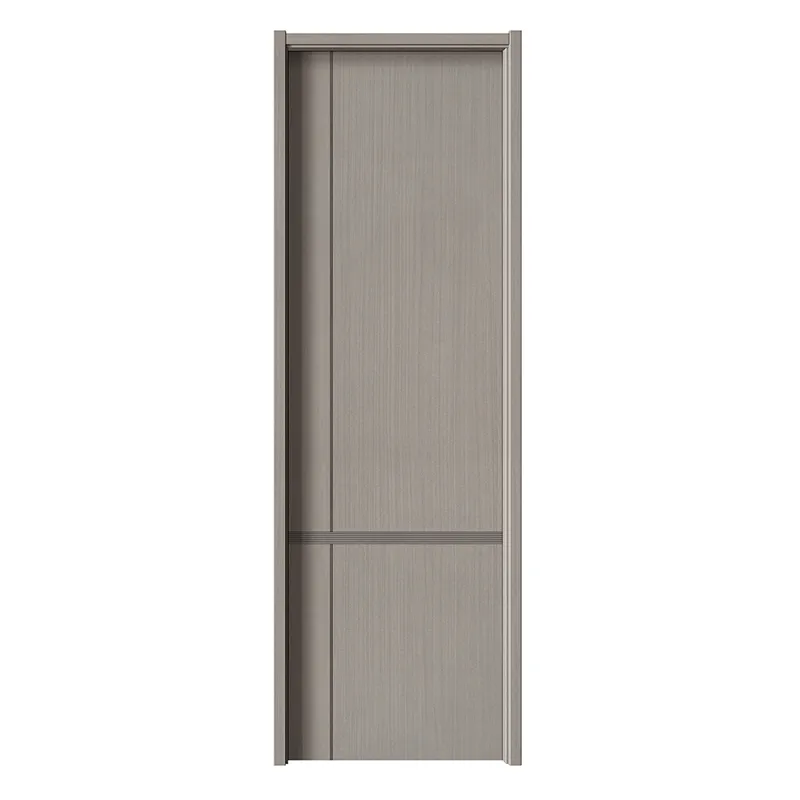

Best Sellingproducts
Best Selling Products-
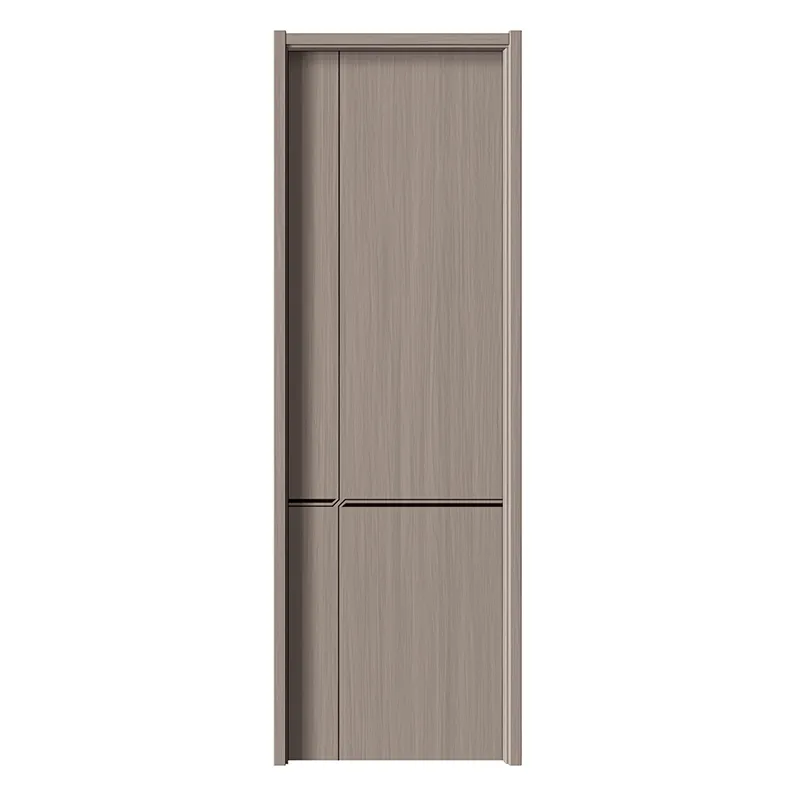 YST-1010 Door Translucent light shadow 3
 -
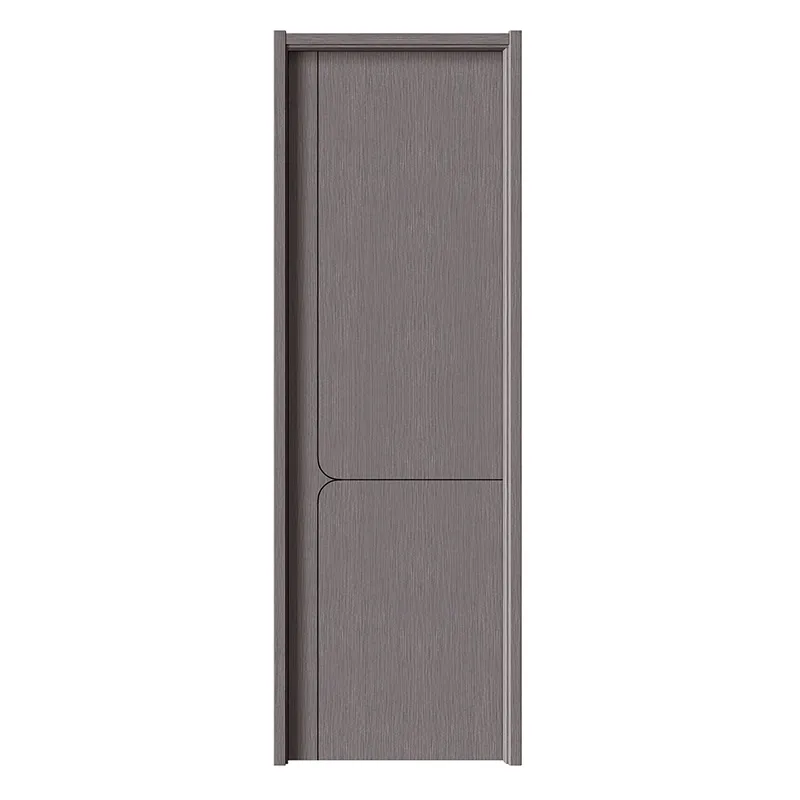 YST-1001 Door Chiaroscuro tree 2
 -
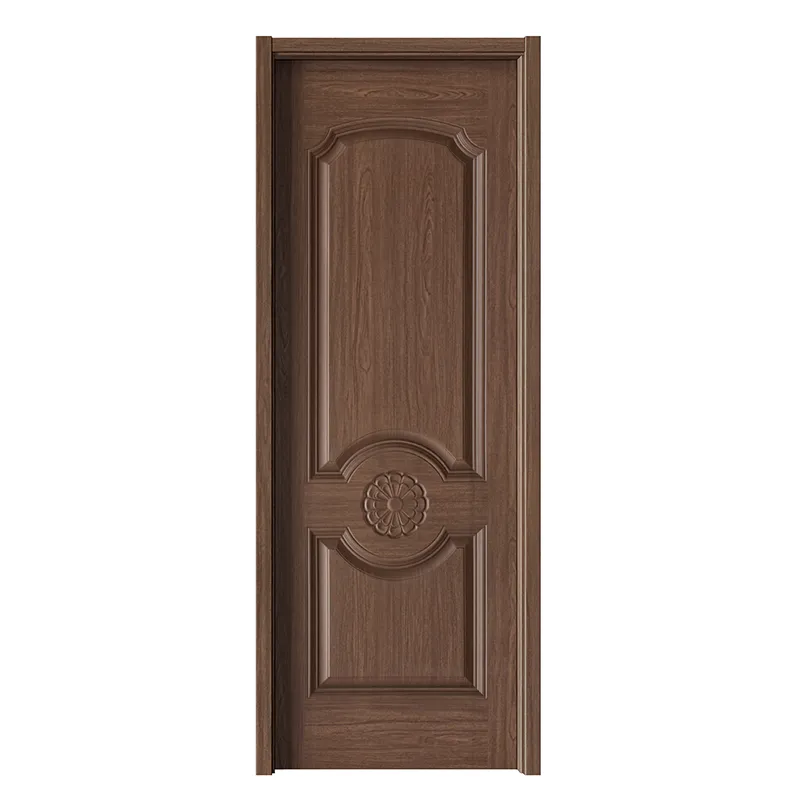 YST-212 Door North American Oak 2
 -
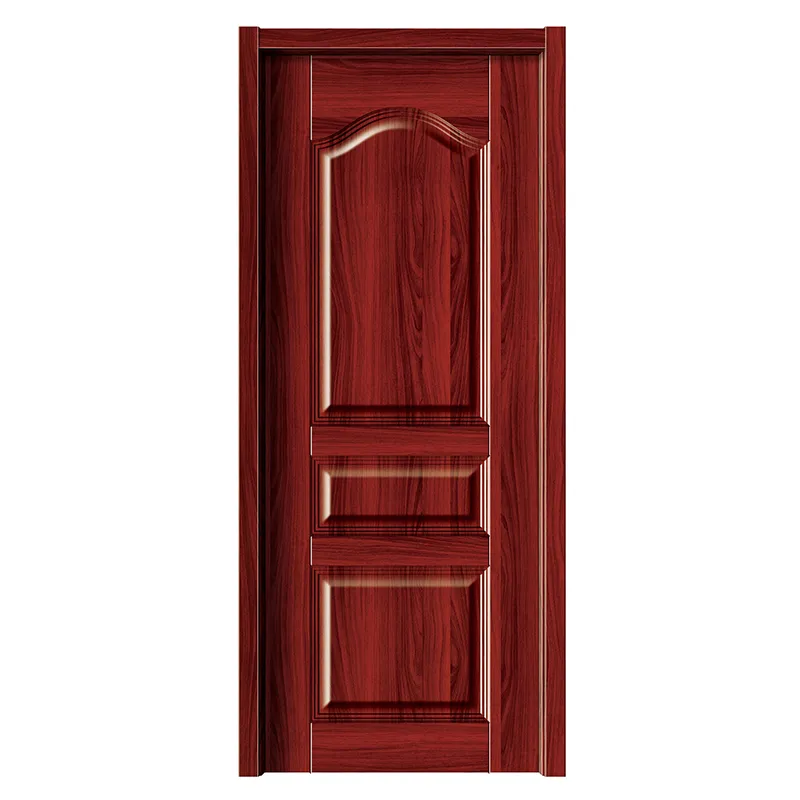 YST-203 Door Red team
 -
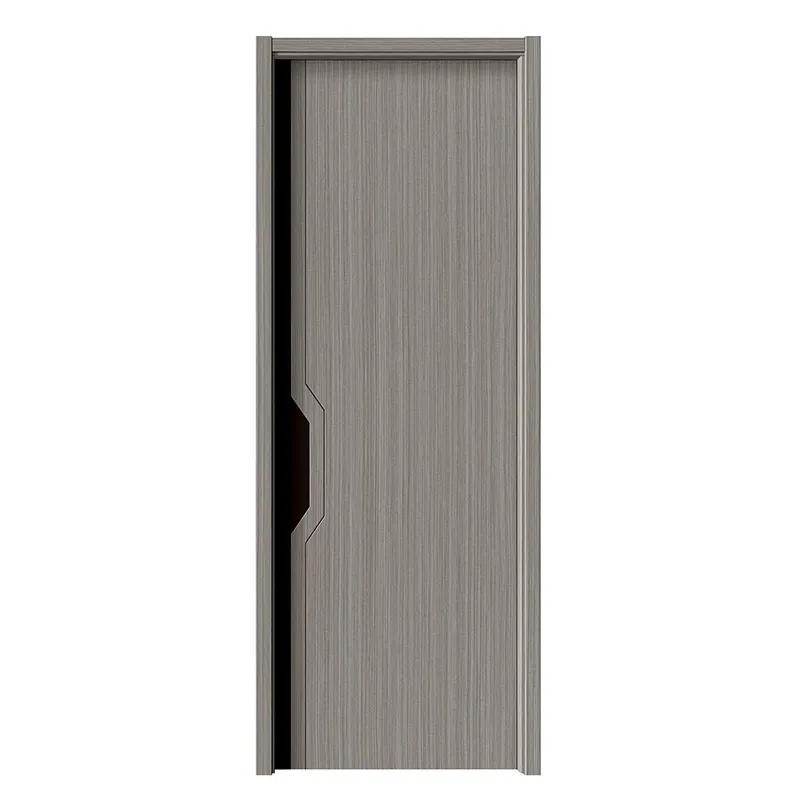 YST-1007 Technotree Door 2
 -
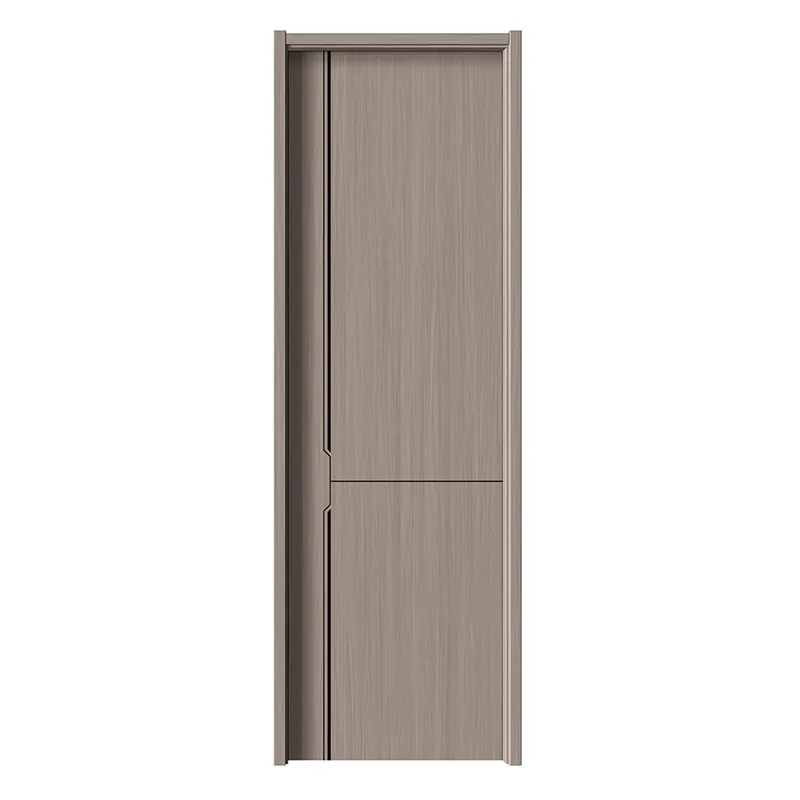 YST-1011 Door Translucent light shadow 3
 -
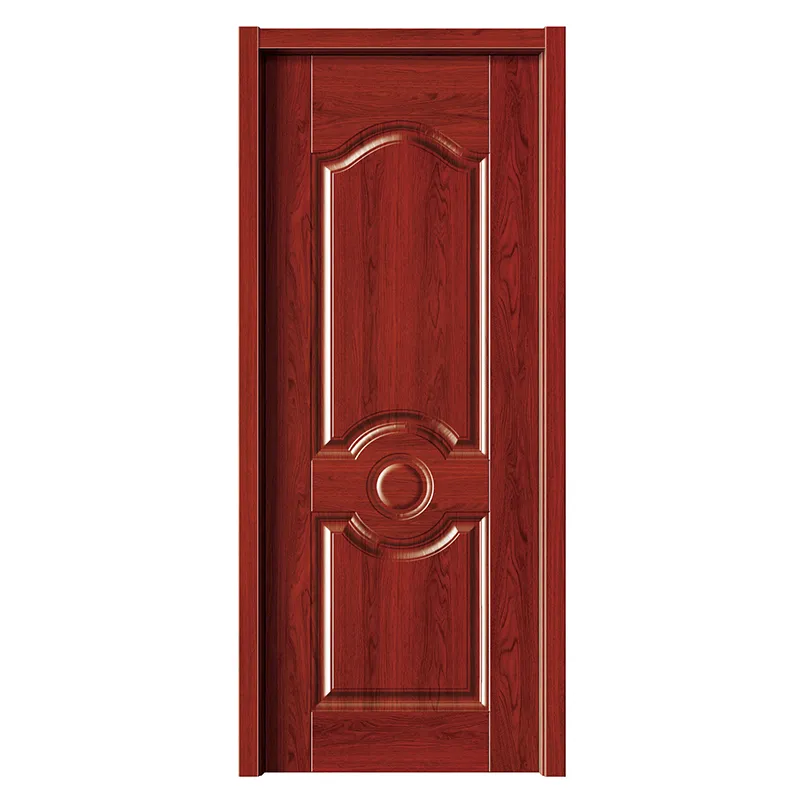 YST-208 Door Red Sandalwood
 -
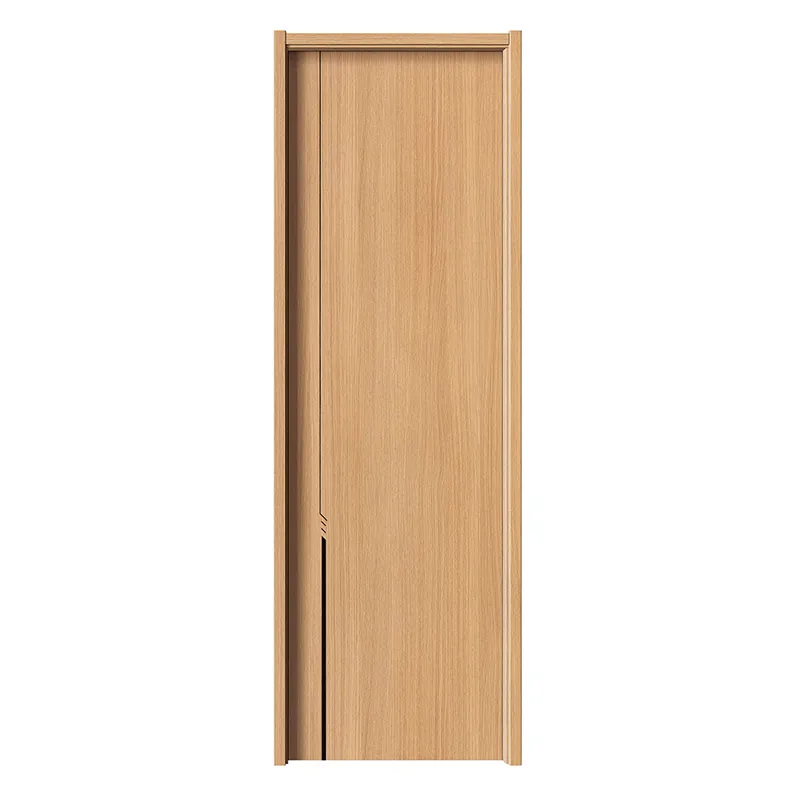 YST-1041 Door Oak Shutter
 -
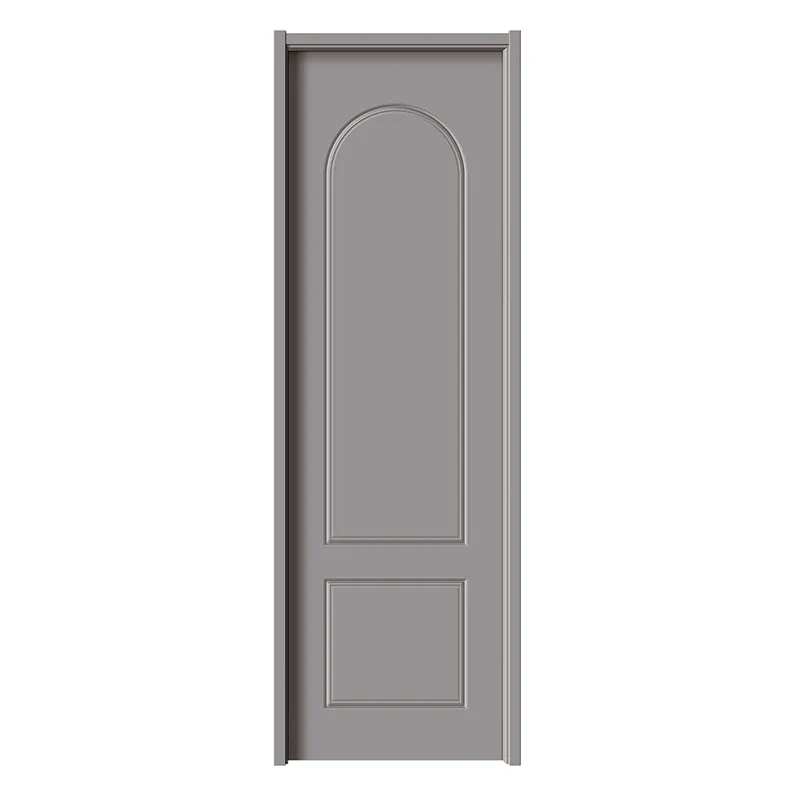 YST-241 French Door 1 soft stone gray
 -
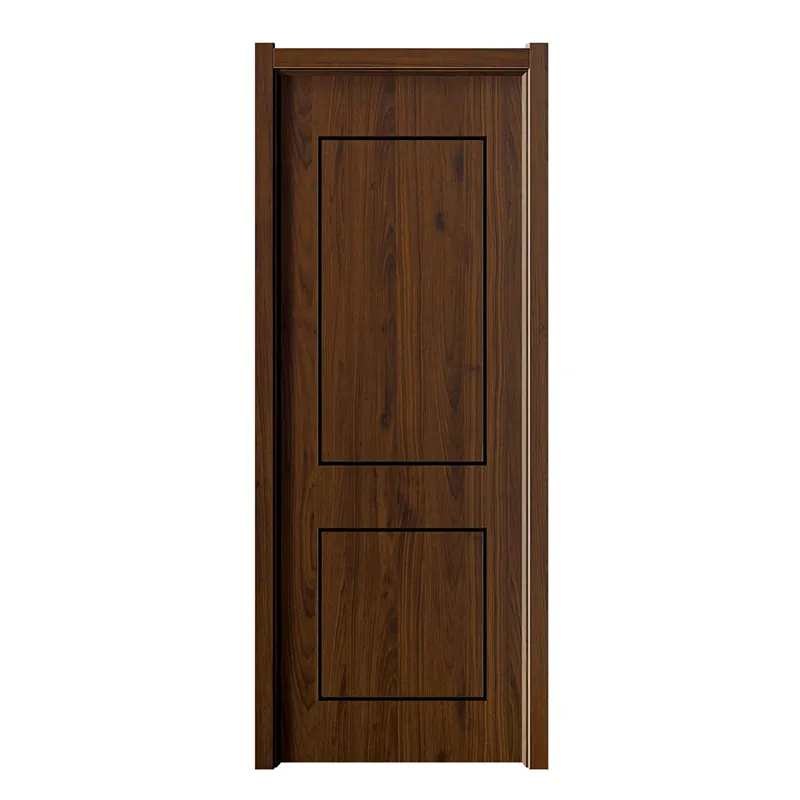 YST-WPC2 Door
 -
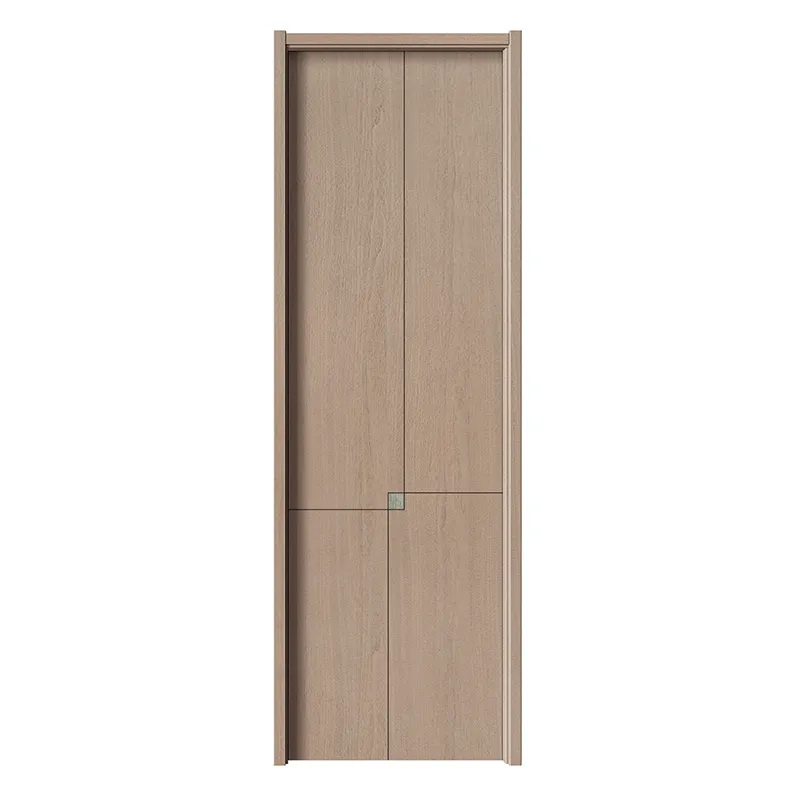 YST-1008 Door Natural walnut 2
 -
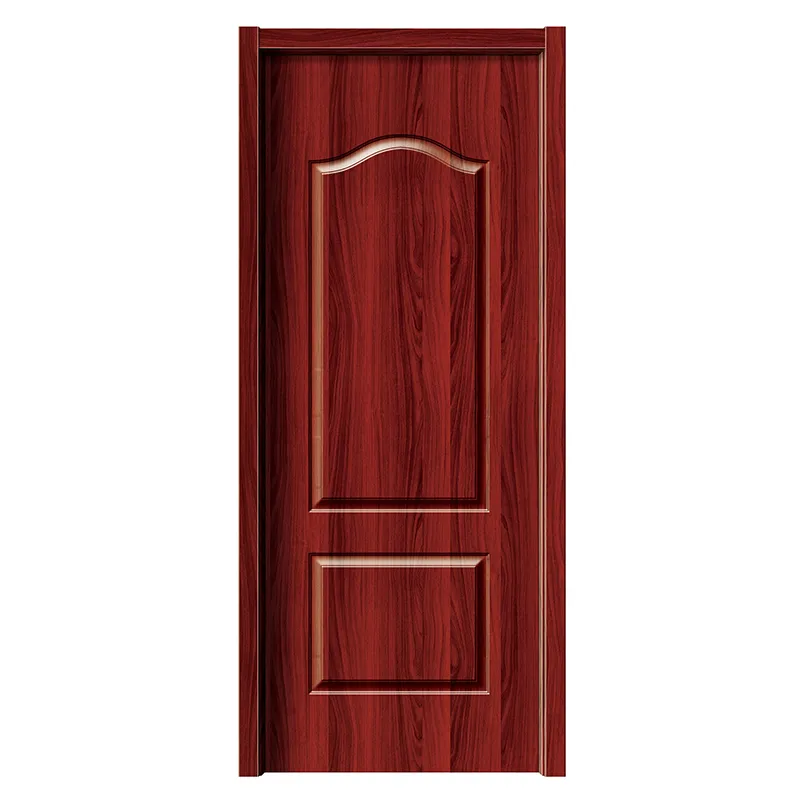 YST-207 Door Red team