




Street entrance door to a wooden house
When they talk aboutentrance door to a wooden house street, many people immediately think about beauty, about how it will fit into the facade. This is, of course, important, but this is the tip of the iceberg. Much more often they make another mistake - they believe that since the house is wooden, then almost any door can be installed, the main thing is that it is wooden. And then - drafts, imbalances across the season, bridges of cold, to which huge heating bills are written off. In fact, this door is the most loaded unit in the entire shell of the house. It takes on the blows of the elements, temperature changes, and hacking attempts, while it must maintain its geometry in conditions of constant “breathing.” wooden walls. It is these pitfalls that I would like to talk about, based on my experience and that of my colleagues.
Main mistake: underestimating “progress?” log house
The most important thing that is overlooked is the shrinkage and seasonal movements of a wooden house. The log or beam dries, the house “shrinks,” and this is a process that takes more than one year. Ifstreet doorput it hard, like in a stone house, it will simply turn out or jam. I’ve seen cases where a beautiful, expensive door was installed in a fresh frame with mounting foam and anchors directly into the casing - after six months it could only be opened with a sledgehammer.
Therefore, a casing is required - this is an independent power frame that compensates for vertical movements of the walls. But here there is a nuance: the door frame itself cannot be tightly attached to the casing. You need sliding fasteners, special grooves or slides that allow the box to “float” a little. vertically relative to the casing. Many manufacturers, especially in the mass segment, do not think about this; their designs are designed for a static wall.
By the way, this is where attempts to save money by purchasing a standard metal door often fail. Its box is a rigid welded contour. In a wooden wall without a competent strapping unit, it is guaranteed to work. We had to redo it - cut out part of the wall, install the correct casing and insert the door block into it, but taking into account the specifics.
Thermal Break and Dew Point: The Invisible Enemy
The second most common problem is condensation and freezing.Entrance door to a wooden house, especially if it is metal, is itself a powerful conductor of cold. In winter, its inside can be icy, and frost can freeze around. The solution is a high-quality thermal break in the canvas and, what is critically important, in the box itself.
But here it is important to look at the structure as a whole. Even if the canvas has a thermal break, but the box is just a bent U-shaped profile filled with foam, the cold will flow through it. Cold box = condensation on the porch, icing, dampness, and then rotting of the adjacent wood of the wall. Ideally, the box is a sandwich structure with an insulating insert.
Worked with the products of one company,Anhui Wantai Woodworking Co.,Ltd, noticed that in their approach tostreet doorsfor wooden buildings this point has been worked out. On their websiteanhuiwantai.ruIt is clear that the emphasis is not only on design, but also on engineering performance. Their philosophy is described as “building a business on precision?” - this is just about such nodes. Their doors, judging by the specifications, are initially designed taking into account the need for installation in movable structures, which is a huge plus for the Russian market with its log buildings.
Canvas material: metal, wood or a combined solution?
There's an eternal debate here. An all-metal door with good insulation and primer paint is a reliable option. But aesthetically it often loses to a wooden house. Solid wood is beautiful, authentic, but requires constant maintenance, is less resistant to burglary and is more capricious to the weather.
In my opinion, the golden mean is combined options. For example, a metal base (frame, sheet), sheathed on the outside with panels made of heat-treated or sustainable wood (oak, larch). This gives strength, protection, and the desired look. Or a wooden panel, but with internal reinforcement and mandatory external finishing with durable varnishes or paints.
An important point that many people do not check is how the glazing is done, if any. Double or triple glazing instreet entrance door- this is an additional cold bridge around the perimeter of the glazing bead. You need to look at how it is planted, what it rests on, whether there is a thermal insulating gasket between the glass and the wood or metal of the frame. Otherwise, all the insulation of the canvas is negated by this window.
Fittings and seals: what you can’t skimp on
Loops. For severedoors to a wooden houseregular card loops won't do. You need either ball-type or hidden, adjustable, designed for heavy weight. And there should be at least three of them, and for a wide canvas - four. Otherwise, sagging is guaranteed.
Seals. Self-adhesive rubber is for one season. You need contours made of high-quality EPDM rubber, built into a special groove around the perimeter of the rebate. They do not harden in the cold and provide a permanent fit. I often see how, after installing a beautiful door, the seal is glued “for tightness?” is a crutch that will fall off.
Castles At least two different types: for example, lever and cylinder. And both are protected against knock-out, with armored linings. And most importantly, their counter parts (hook strips) must be securely screwed not into the box itself, but into a metal amplifier welded or glued into the box. Otherwise, an attacker will uproot them with one blow of a crowbar.
Editing: theory and harsh reality
You can buy the most technologically advanced door, but ruin everything with crooked installation. In a wooden house this is especially critical. The first thing is to check the level of not only the door, but also the casing. The second is foaming the assembly seam. Under no circumstances should you foam the entire perimeter tightly at once, especially between the box and the casing. When foam expands, it creates enormous pressure and can deform the entire structure. It is necessary to foam in stages, using low-expanding foam, and leave technological gaps for movement.
Another practical point is the threshold. The desire to make it low for convenience is understandable, but forstreet doorthis is bad. A high, insulated threshold is a barrier to drafts, water and snow. It is better to make it slightly above the level of the clean floor inside, with a rubber cut-off at the bottom.
As a result, selection and installationentrance door to a wooden street houseis always a search for a balance between aesthetics, safety, energy efficiency and taking into account the specifics of the wall material. This is not something you should save on, because replacing it means a large-scale repair of the entire opening. It is much wiser to immediately turn to manufacturers who understand this specificity, like the one mentionedAnhui Wantai Woodworking Co.,Ltd, whose team, as stated in their description, work to international standards and appear to be exposed to different climatic and architectural conditions. Their approach is to “win with quality” in this segment these are not empty words, but a necessity. After all, such a door is not just an object, it is part of the life support system of the house.
Correspondingproducts
Related Products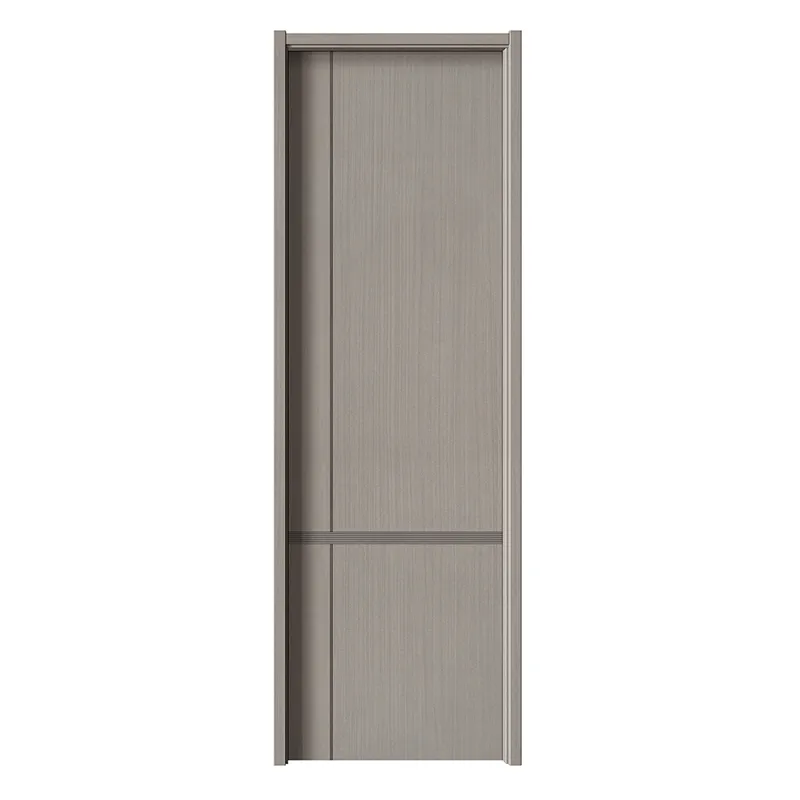
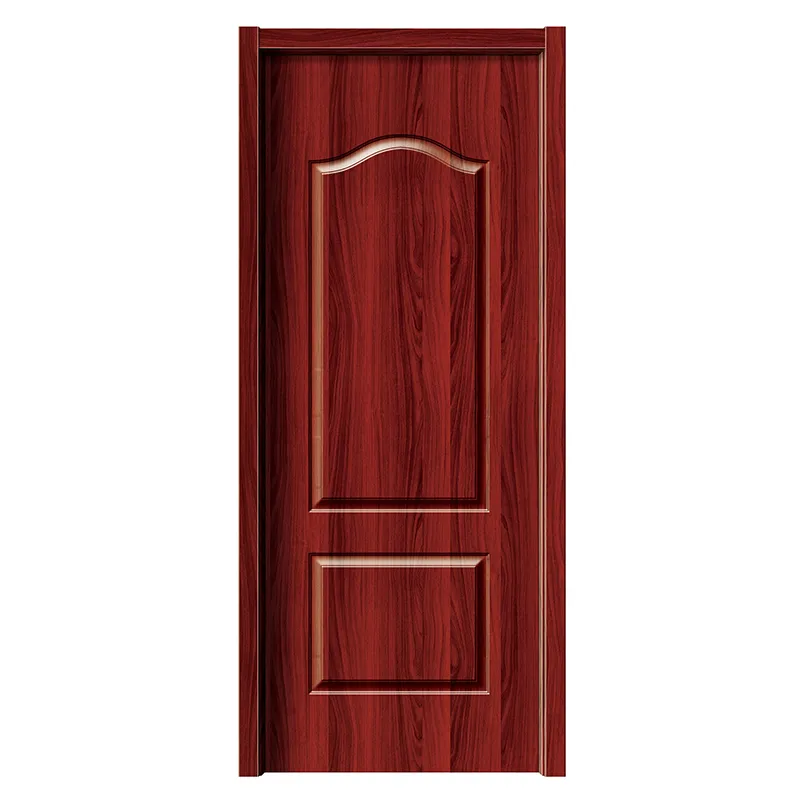
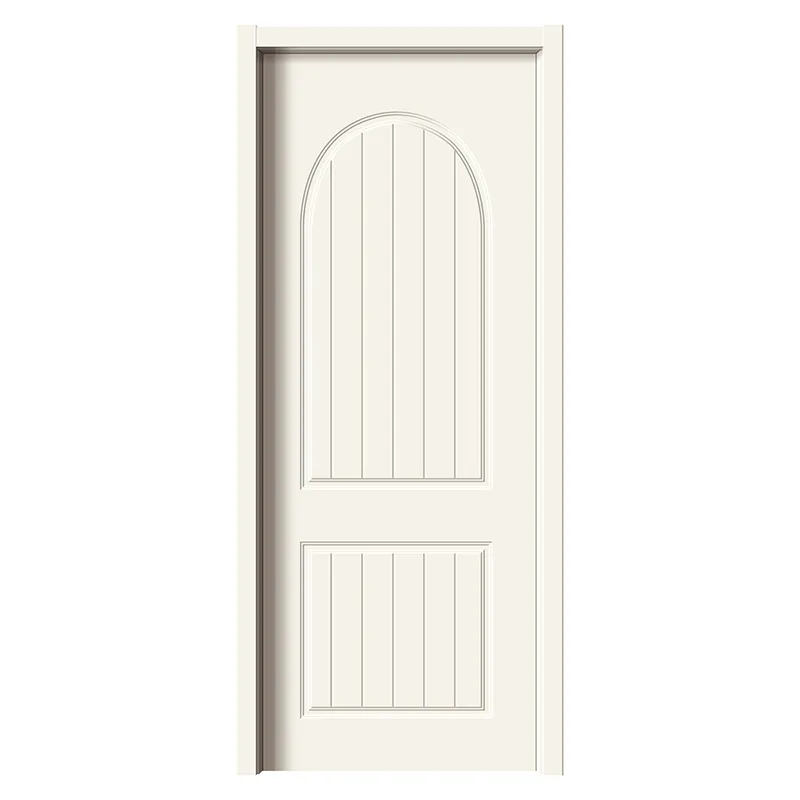
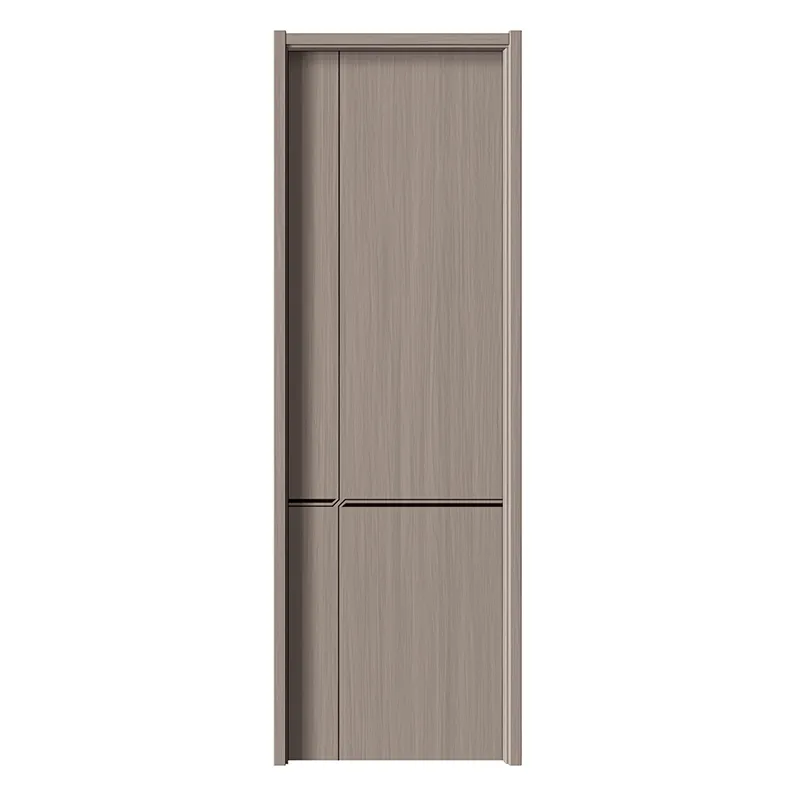
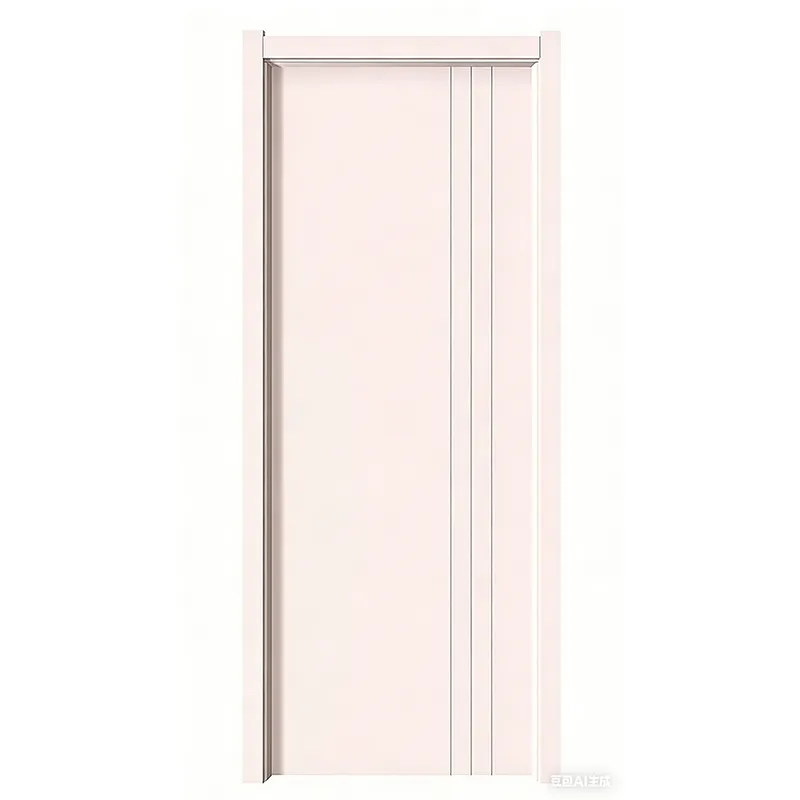
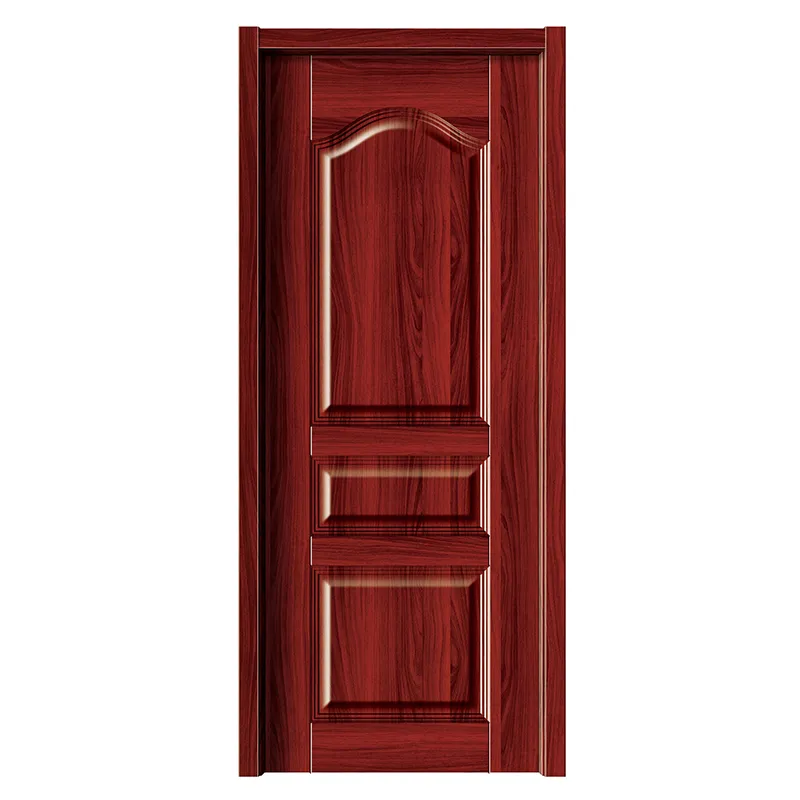
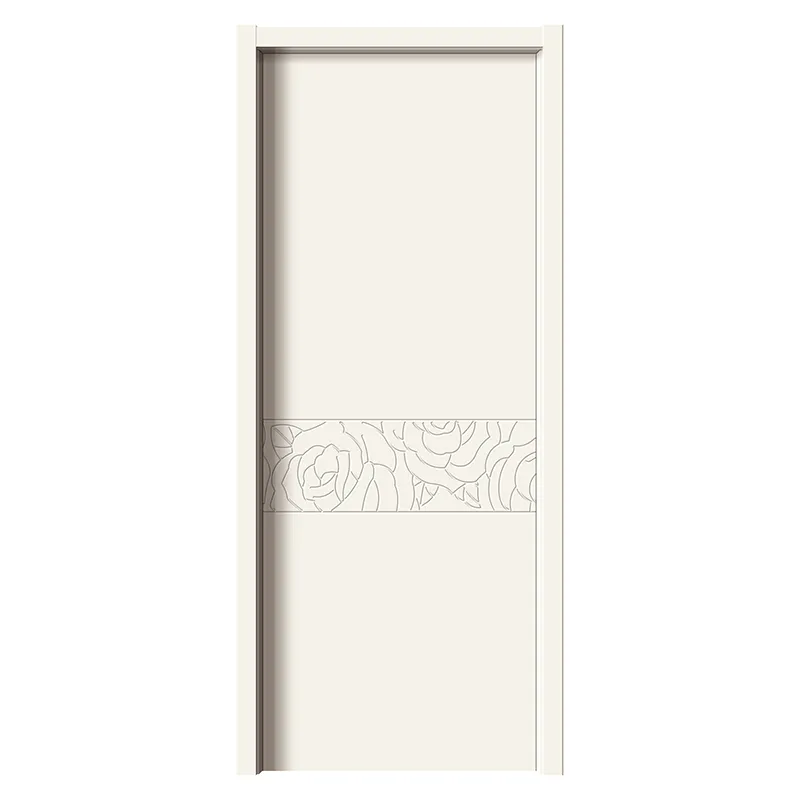

Best Sellingproducts
Best Selling Products-
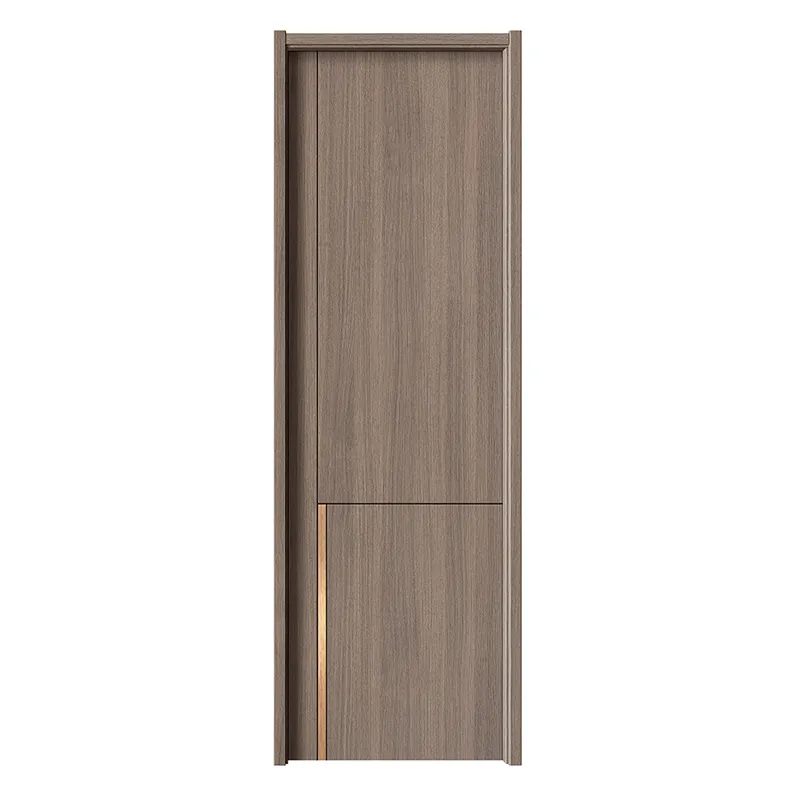 YST-1003 Door Oak gray
 -
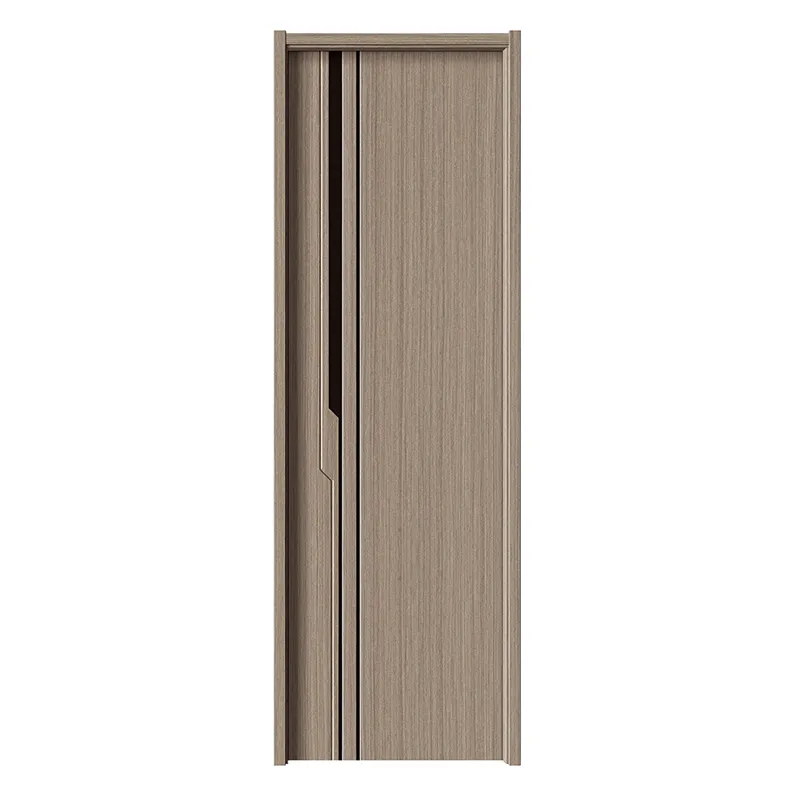 YST-1018 Technowood Door 1
 -
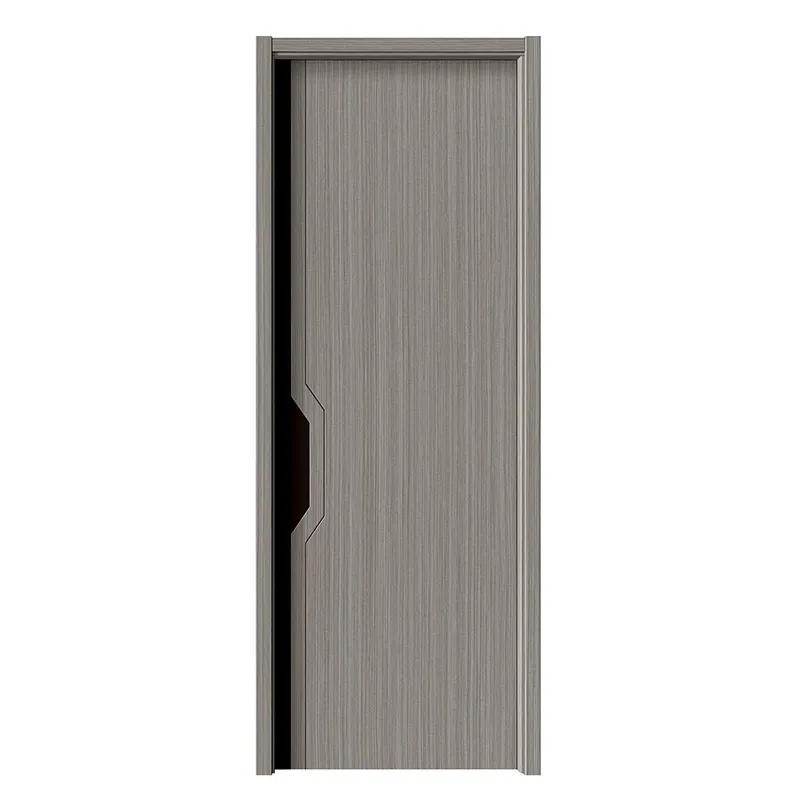 YST-1007 Technotree Door 2
 -
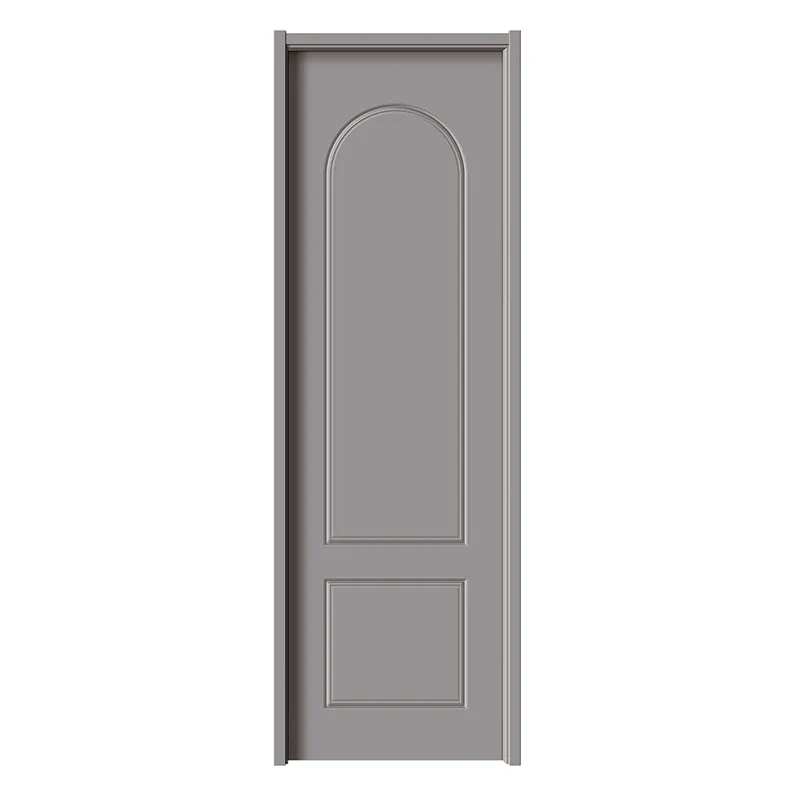 YST-241 French Door 1 soft stone gray
 -
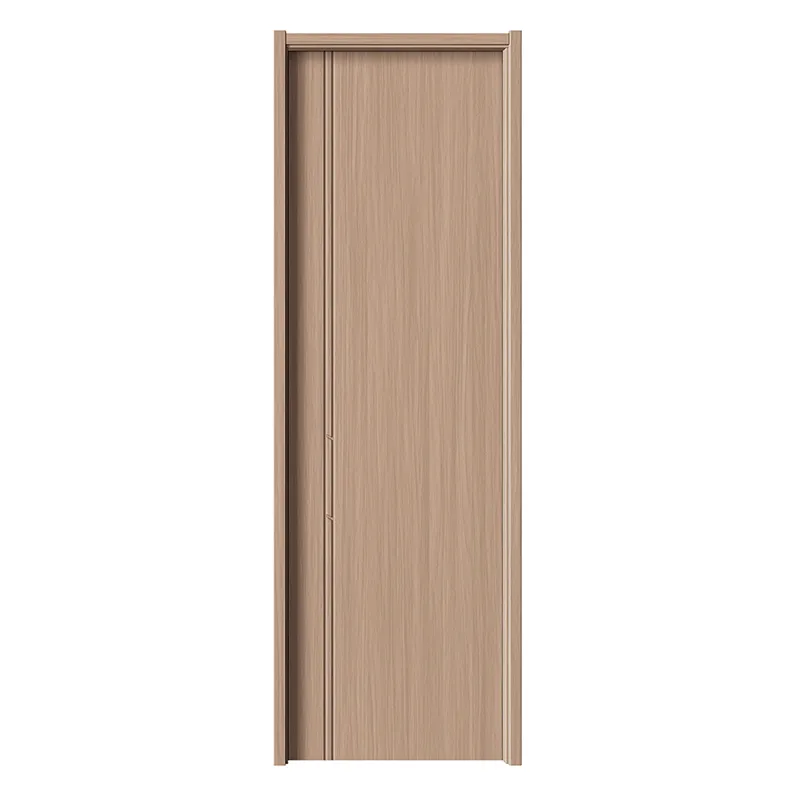 YST-1009 Door Translucent light shade 1
 -
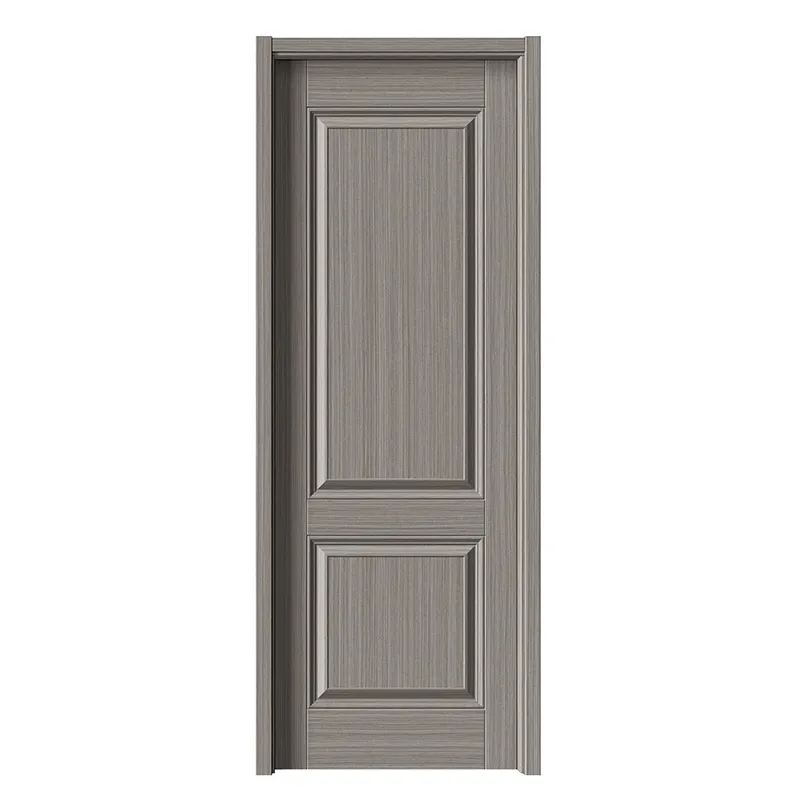 YST-214 Door Technowood 2
 -
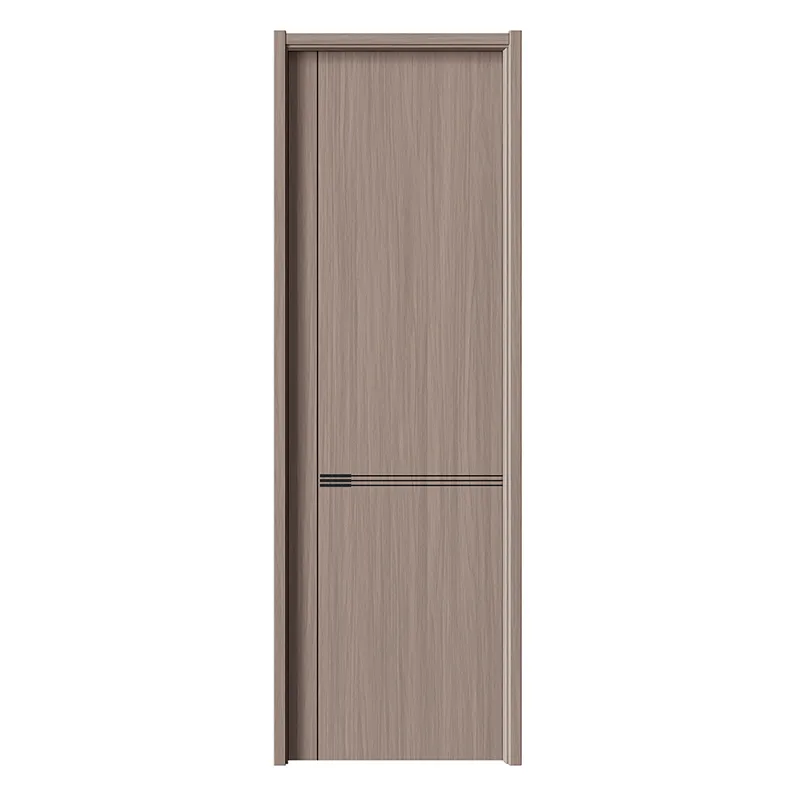 YST-1039 Door Translucent light shadow 3
 -
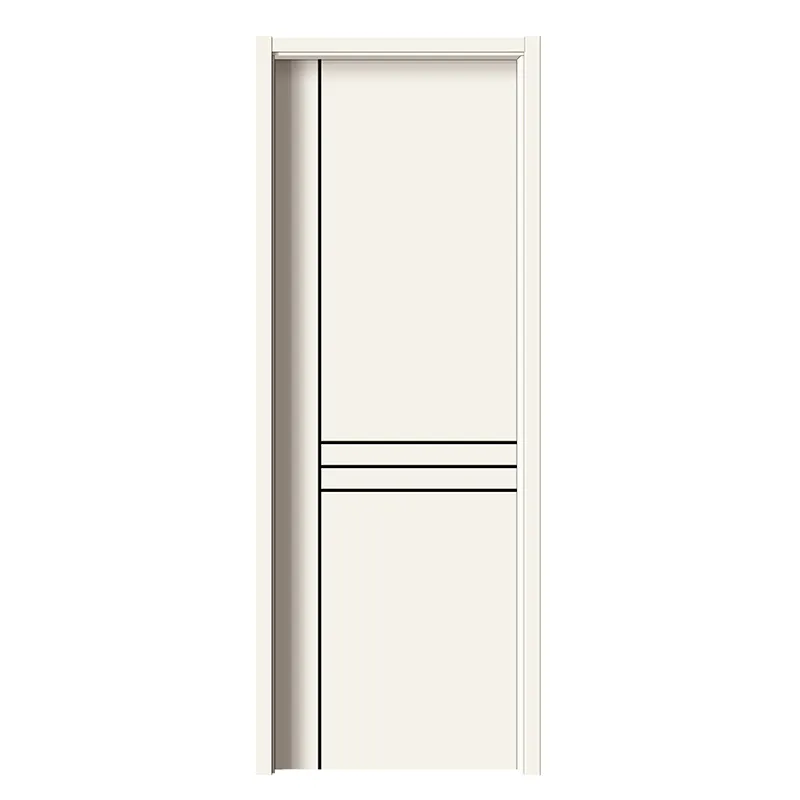 YST-220 Door Warm white
 -
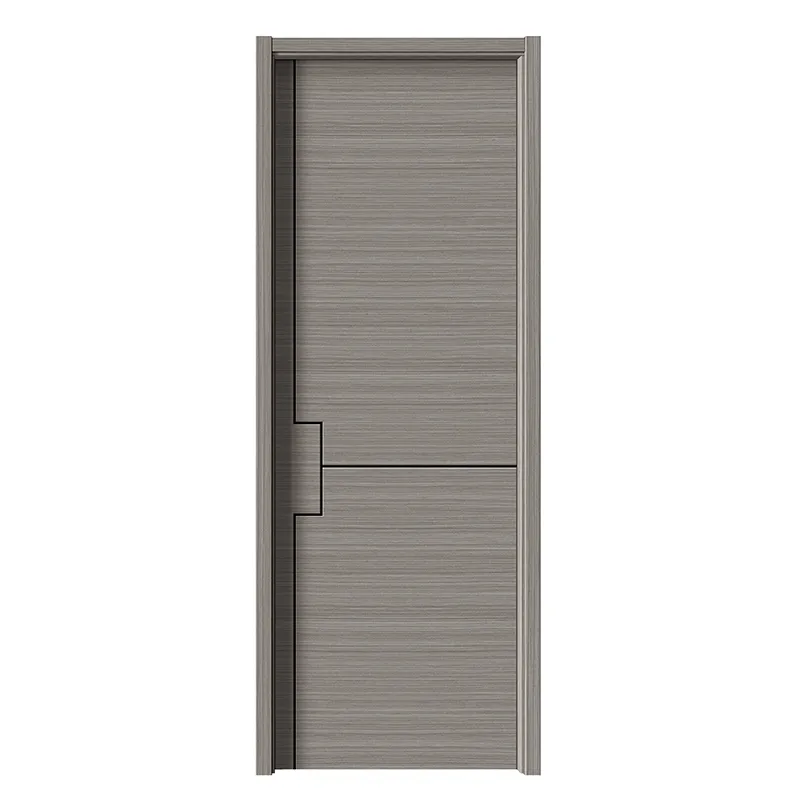 YST-1005 Technotree Door 2
 -
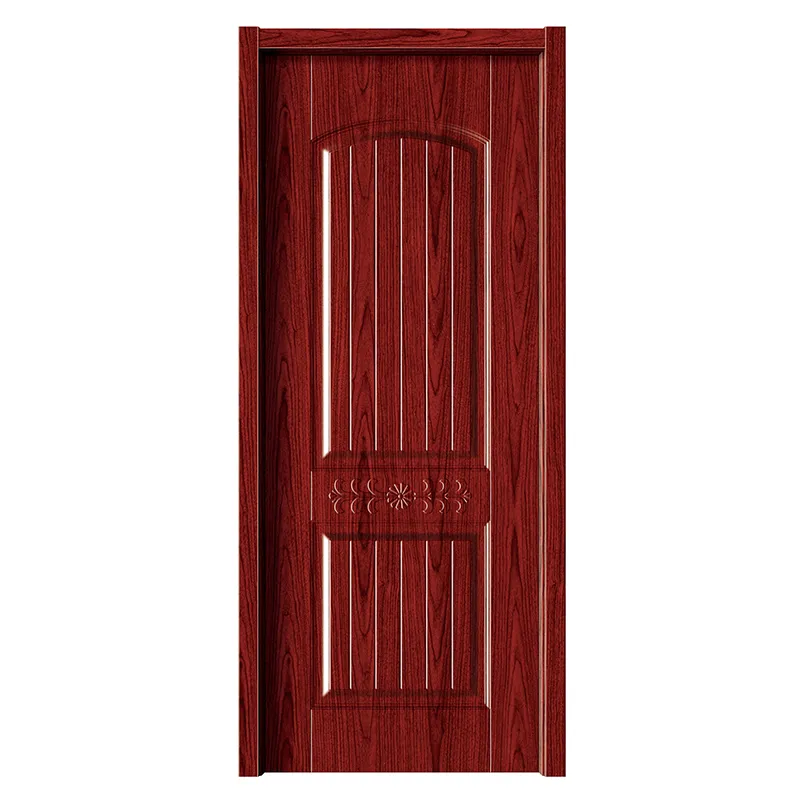 YST-233 Door Mahogany
 -
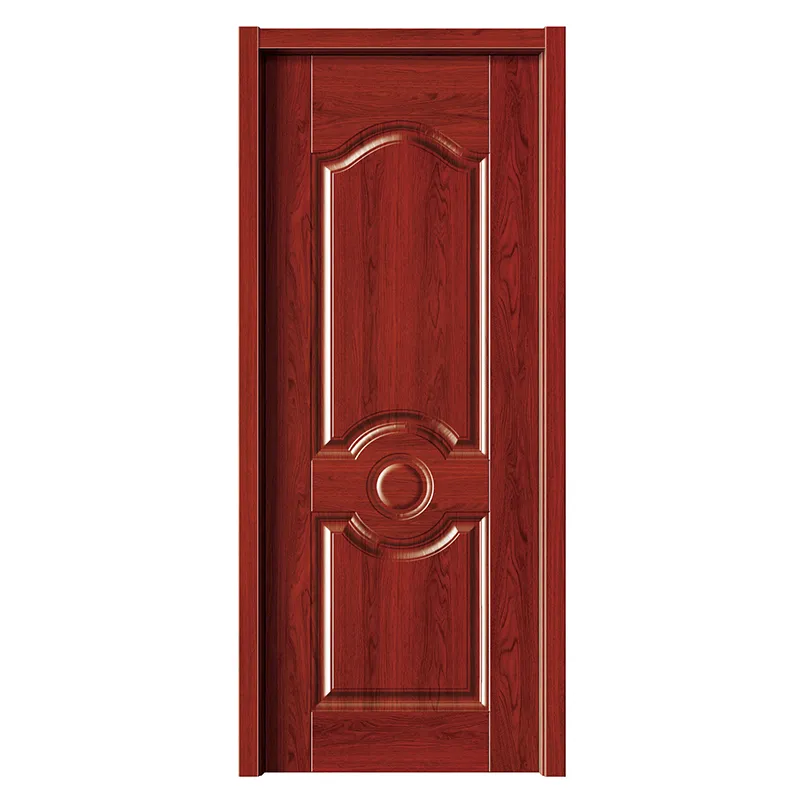 YST-208 Door Red Sandalwood
 -
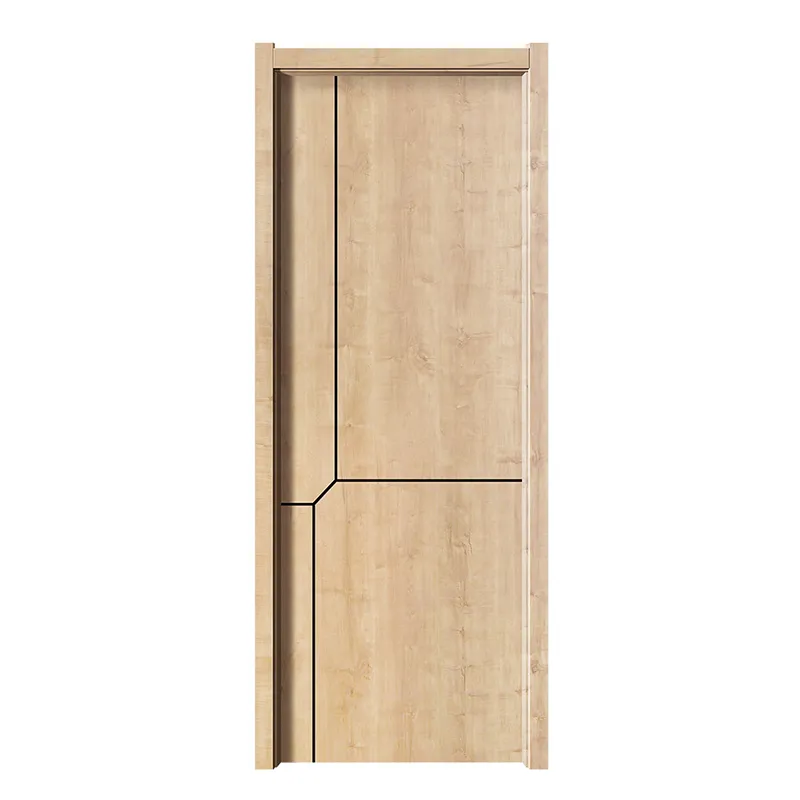 YST-WPC1 Door