



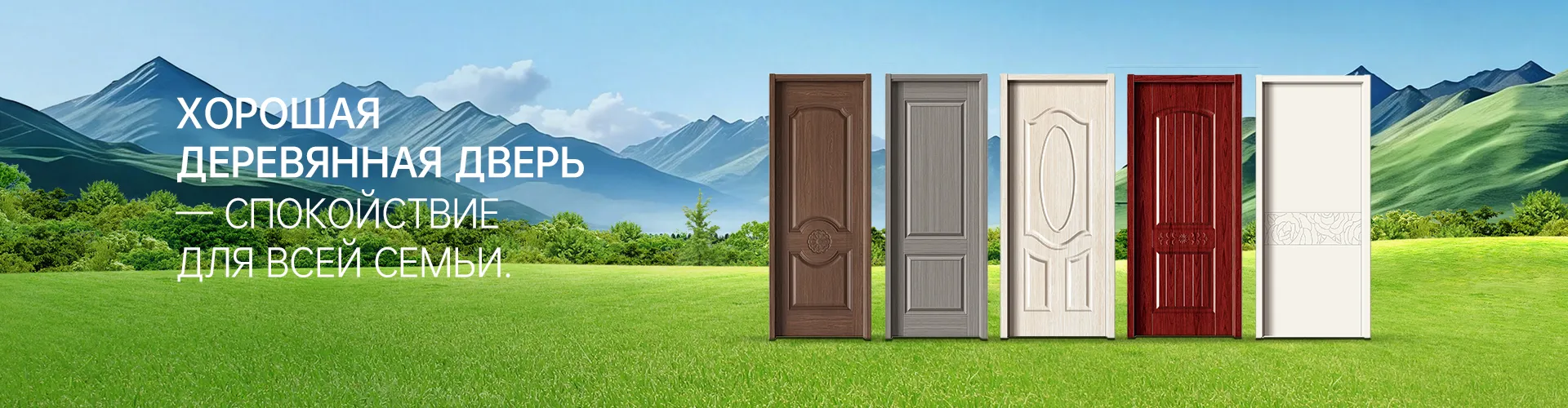
Individual production of wooden doors
When you hear “individual production?”, the first thing that comes to mind is to fit the canvas to a non-standard opening. But if you're in the business, you know: this is just the tip of the iceberg. True customization begins where the catalogs end. And here often lies the main client mistake - the expectation that the door is “like in the picture, but wider?” will not cost much more than the serial version. Reality is harsher. Let's say you take solid oak. Beautiful? Undoubtedly. But if the client wants a panoramic glazed structure for a winter garden, a standard baguette may not withstand the load of a double-glazed window. We have to look for a compromise in the design of the frame or change the species to a more stable one, the same larch. It’s no longer just “cut to size?” is an engineering problem. And at this stage, many small workshops stumble, hampered by a lack of experience or proper equipment.
Raw materials: where they are thin, they tear
Wood is a different story. Everyone talks about drying, but few people actually monitor the humidity in the workshop. We brought you a chamber-drying array, ideal, 8%. And in the workshop it’s +25 and the humidity is 60%. After a week, the blanks are already behaving unpredictably. Therefore, serious manufacturers, likeAnhui Wantai Woodworking Co.,Ltd, maintain climate control not only in dryers, but also in assembly shops. This is not a whim, but a necessity. Otherwise, all your grooves and tenons in six months may either become loose or, conversely, tear the structure from the inside.
Another point is adhesive compositions. For internal interior doors, you can get by with something simpler. But if we are talking about an entrance group or a door to a damp room (the same bathhouse or dressing room), then specialized adhesives are needed, often imported, waterproof. They are more expensive, the polymerization time is different, and the application technology is different. Not every master is ready to tinker with this, preferring a “proven” one. PVA. And then they wonder why the panel came off after the first winter.
And varnishing... Oh, this is a whole science. The fashionable matte silky effect (satin) is achieved not just with matte varnish, but with multilayer technology with interlayer sanding. If you skip a step or rush, the surface will not be velvety, but rough, like sandpaper. The client, of course, will not appreciate this. We got burned by this at one time, trying to speed up the delivery of the order. I had to completely remove the covering and start over - it cost me more.
Structural pitfalls
Here is a seemingly simple task - to make a double door into the living room. The width of the opening is large, the load on the hinges increases. You put standard four hinges on the leaf, just like on a regular door. And a month later the customer calls: the canvas is sagging and is catching the floor. Why? Because when the sash width is more than 900 mm and the height is under 2300 mm, especially if heavy glass decor or forging is used, the load is distributed differently. You need either reinforced hinges with a large number of attachment points, or an additional, fifth hinge in the center. This is not according to GOST, this is already from practice. And there are dozens of such nuances.
Or let's takecustom production of wooden doorswith arched top. Beautiful, stylish. But many people forget about the additions and platbands. They also need to be bent, and from the same type of wood, so that the texture and color match. Steam bending technology is a different matter. If it is overheated, the wood becomes brittle; if it is underheated, it springs and does not hold its shape. Experience is everything here. In our production, by the way, for such tasks there is a special steam box and a set of templates - without this it is better not to take on complex architectural forms.
Another common headache is combining materials. Let's say the client wants a combination of wood and metal (forged elements). Wood “breathes”, changing its geometry with the seasons, but metal does not. The fasteners must be floating, with compensation gaps, otherwise either the wood will crack or the connection will become loose. We once made a front entrance with copper inserts - so we had to develop a fastening system using silicone sealants that remain elastic. We've been looking for a solution for almost a month.
About design and expectations
Often people come with a picture from Pinterest. You look - and there is a door, say, in the loft style, made of the currently advertised American walnut. And the client’s budget is modest. You begin to explain that American walnut is an expensive import, plus this texture requires manual brushing (artificial aging), which also increases the cost of work. You offer an alternative: take more affordable ash, tint it like walnut and process it with a brushing brush on a machine. The effect will be 90% similar, and the cost will be several times lower. This is the real job of a designer-technologist - not to say “no?”, but to find a feasible and high-quality solution.
For example, global players likeAnhui Wantai Woodworking Co.,Ltdare focused on this. Their websiteanhuiwantai.rupositions them as a company that supplies doors that combine aesthetics and practicality to the international market. The key phrase here is “meeting diverse needs.” These are not empty words. Diverse means you need to have in your arsenal not only different types of wood, but also technologies for working with them for different tasks: for humid climates, for rooms with temperature changes, for increased requirements for sound insulation.
We had a case: a customer wanted a solid door to an office with high sound insulation. Just a thick solid wood canvas will not give the desired effect. We had to make a sandwich: two sheets of high-density MDF, an acoustic mineral wool board between them, and a valuable veneer on top. Frame made of laminated veneer lumber for rigidity. It turned out to be a heavy structure; it was necessary to install three hidden hinges with a special power closer. But the result is complete silence. The client was delighted. Such problems cannot be solved using standard methods.
Logistics and installation - the final chord
Making the door is half the battle. It still needs to be delivered and installed. It would seem that what is so difficult here? But no. Especially with large or non-standard products. One day they were transporting a swinging double door with a stained glass window. Packed in polystyrene and cardboard, it seemed secure. But on a bump, one of the vertical slats of the frame still gave a microcrack. You won't notice it right away. They installed it, and two weeks later a crack appeared along the varnish layer. I had to remove the canvas, take it back to the workshop, and restore it. Since then, for such fragile elements we have been using individual wooden lathing, which secures the part tightly. More expensive, but more reliable.
Installation is a separate profession. A good installer is worth his weight in gold. He must understand not only how to level the box, but also how to work with different walls (aerated concrete, brick, drywall), how to compensate for possible building movements, and what fasteners to use. If installed incorrectly, even the most perfectly made door will creak, close poorly, or become deformed. Therefore, companies that value their reputation, be it a local workshop or an international supplier likeAnhui Wantai, with their installation teams, work closely with production. Sometimes an installer, faced with a problem on site, calls the technologist directly to discuss the nuance.
And the last thing is the fittings. Saving on it is a crime. You can make a flawless panel from solid beech, but use cheap hinges and a lock. The hinges will become loose after a year and the lock will begin to jam. All the work is in vain. We always insist on trusted brands, even if this increases the cost. We explain to the client that these are like tires on an expensive car - you cannot save money. In the end, he is grateful because the door has worked flawlessly for years.
Instead of a conclusion: thinking out loud
So, back to the beginning.Individual production of wooden doorsis not a service, but a process of joint creativity between the customer, designer, engineer and carpenter. This is a chain of decisions where every link is important. From the selection of raw materials with their hidden defects to the last screw in the loop. You can simply make a “door to size,” or you can create an interior element that will delight you for decades. The difference is in the details and attitude. And when you see websites of companies that write about a “modern production base?” and “build a business on precision?”, howanhuiwantai.ru, then you understand - they are talking about exactly this attitude. That quality is not about output control, but about hundreds of correct decisions at every stage. And experience is precisely the knowledge of which decision in which situation will be correct. This will not be taught at the institute, only in the workshop and on site, by trial, error and, alas, sometimes rework.
Correspondingproducts
Related Products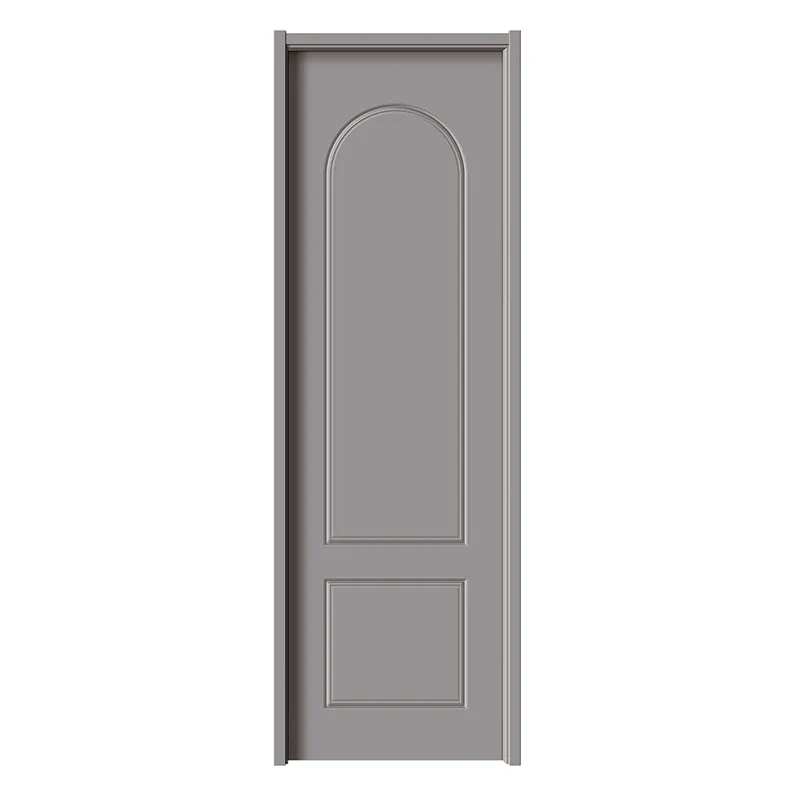
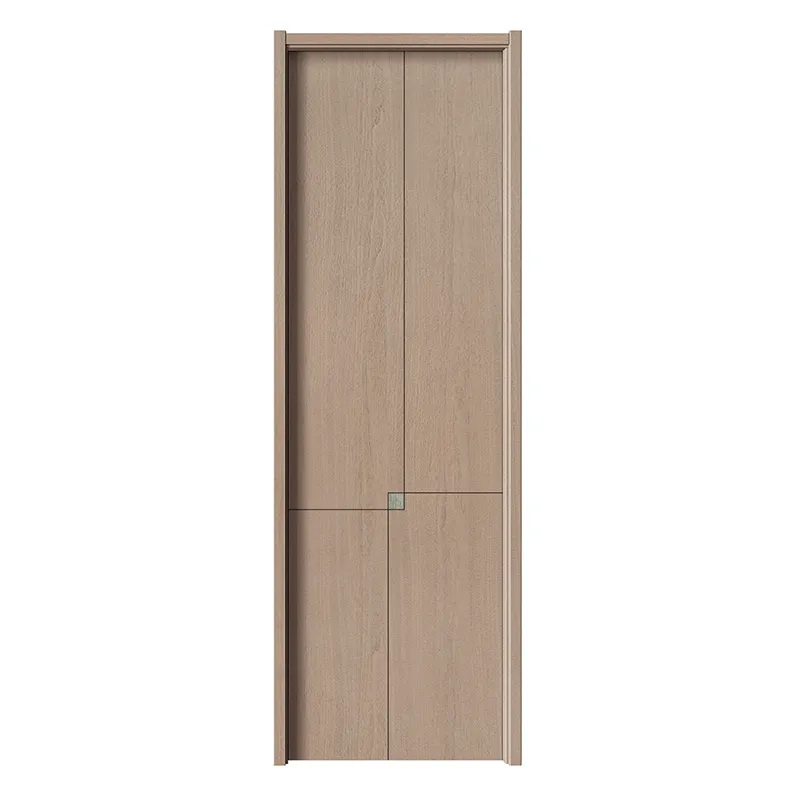
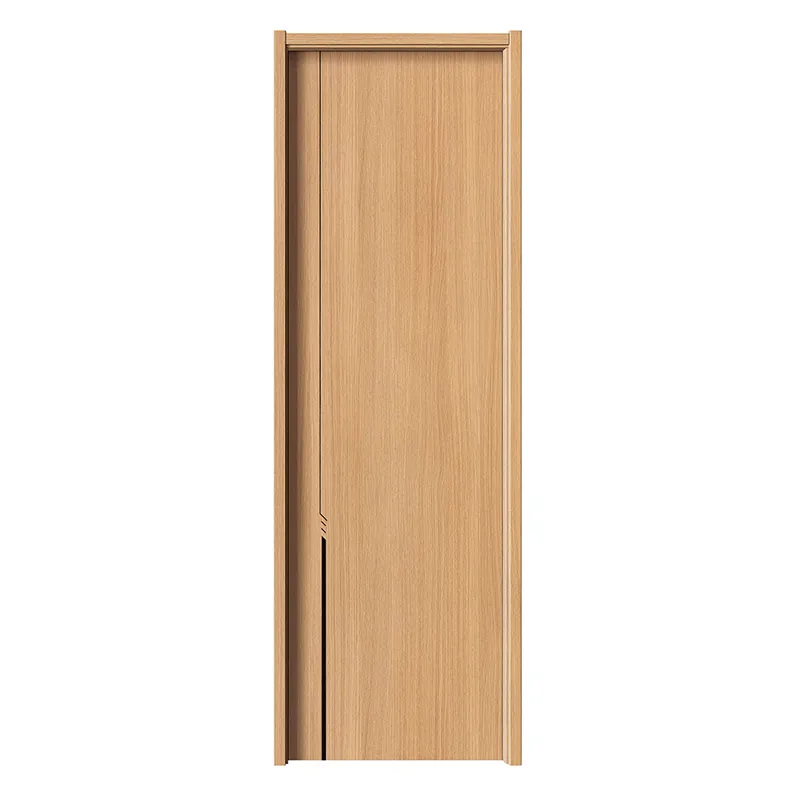
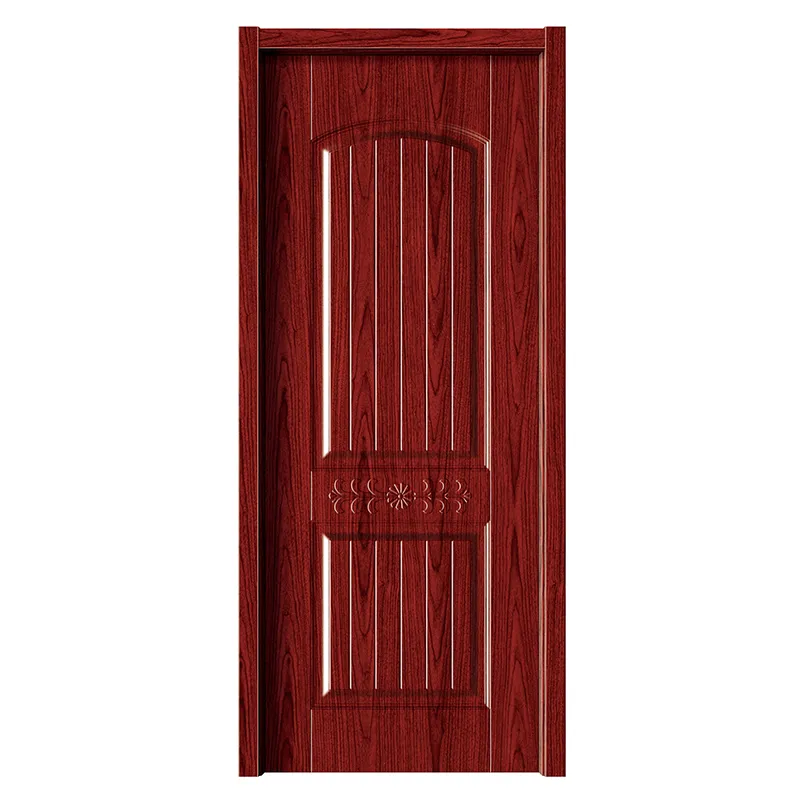
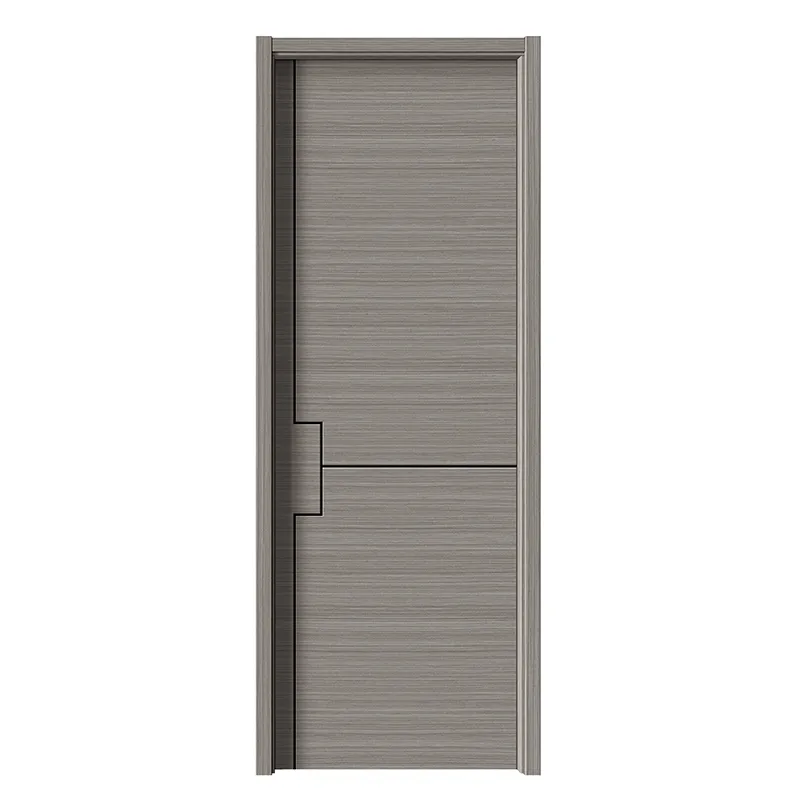
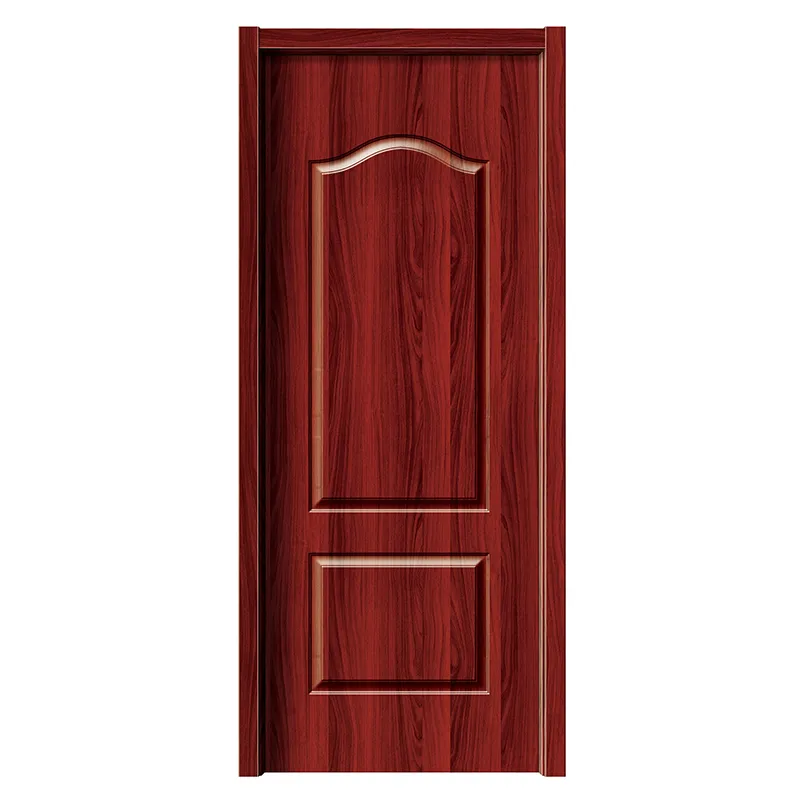
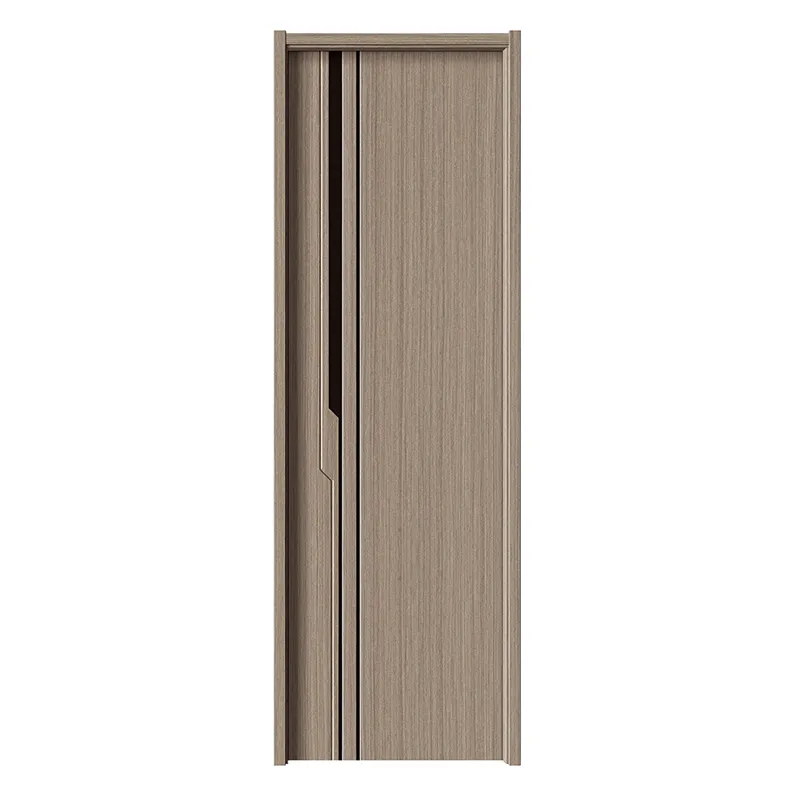
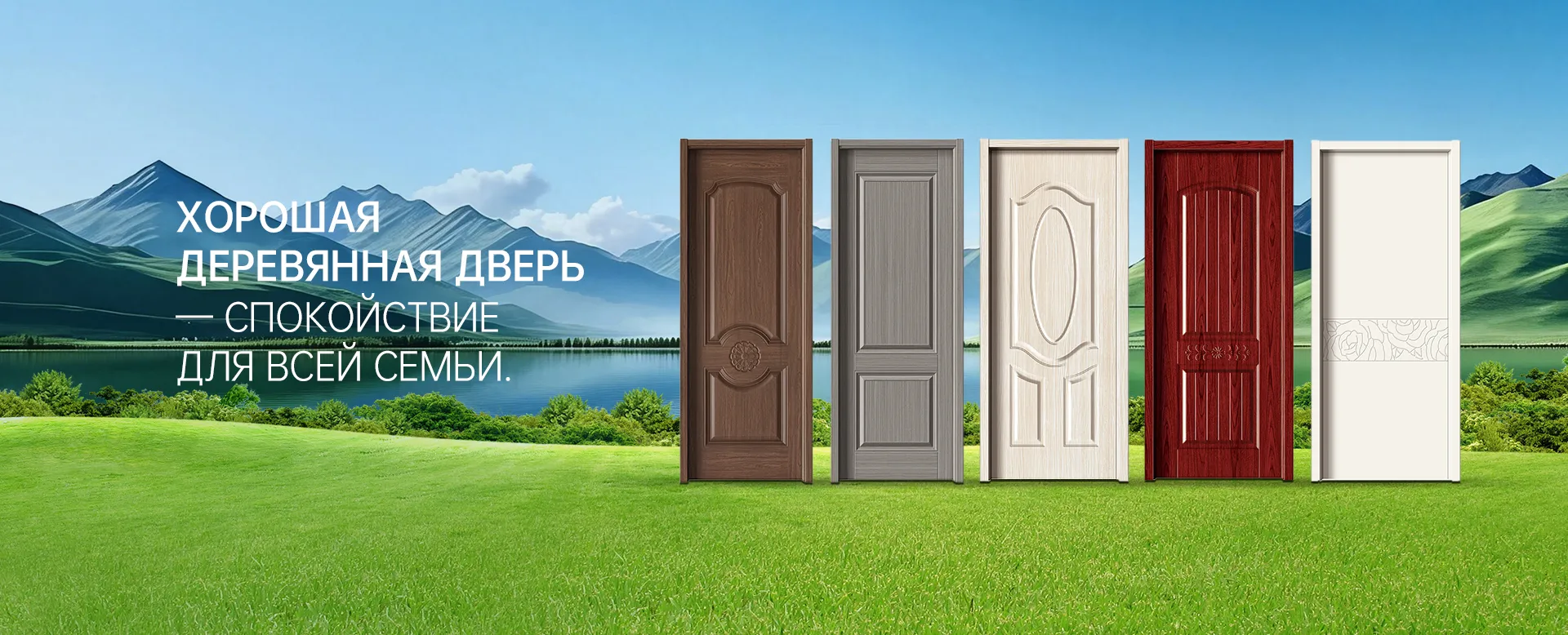
Best Sellingproducts
Best Selling Products-
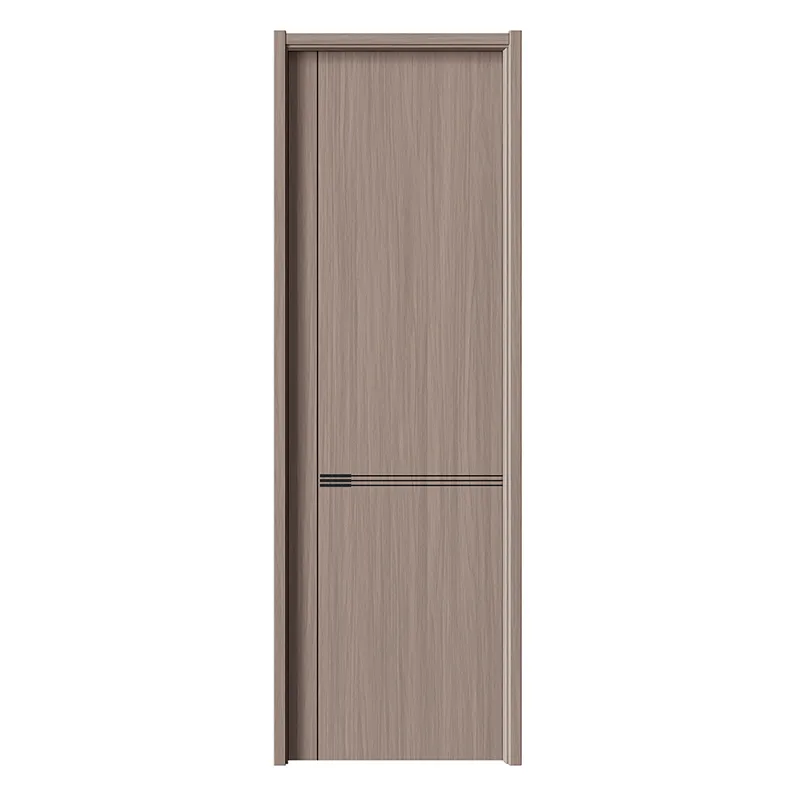 YST-1039 Door Translucent light shadow 3
 -
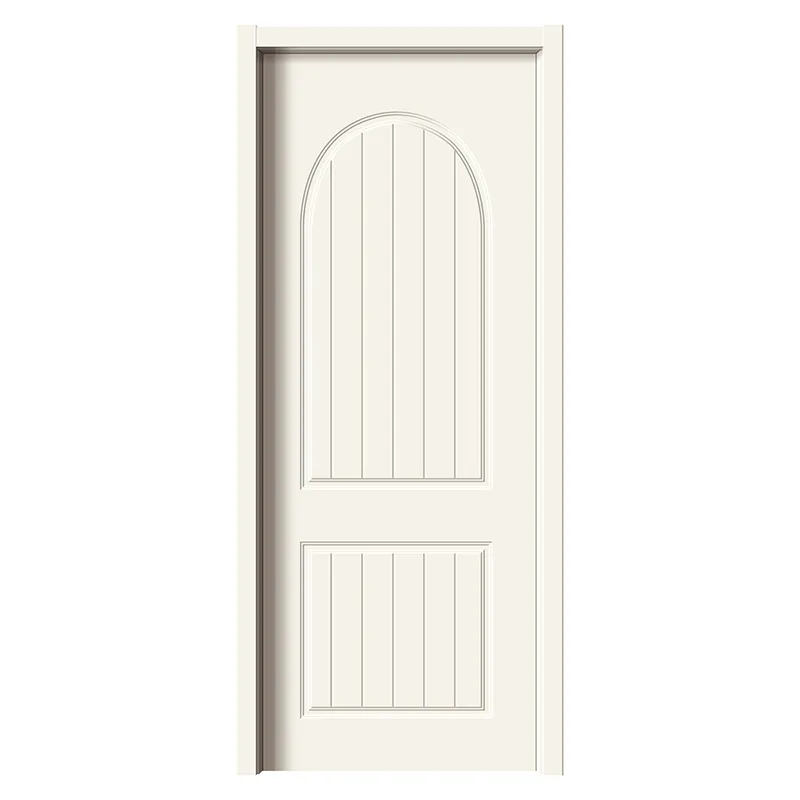 YST-236 Door White ivory
 -
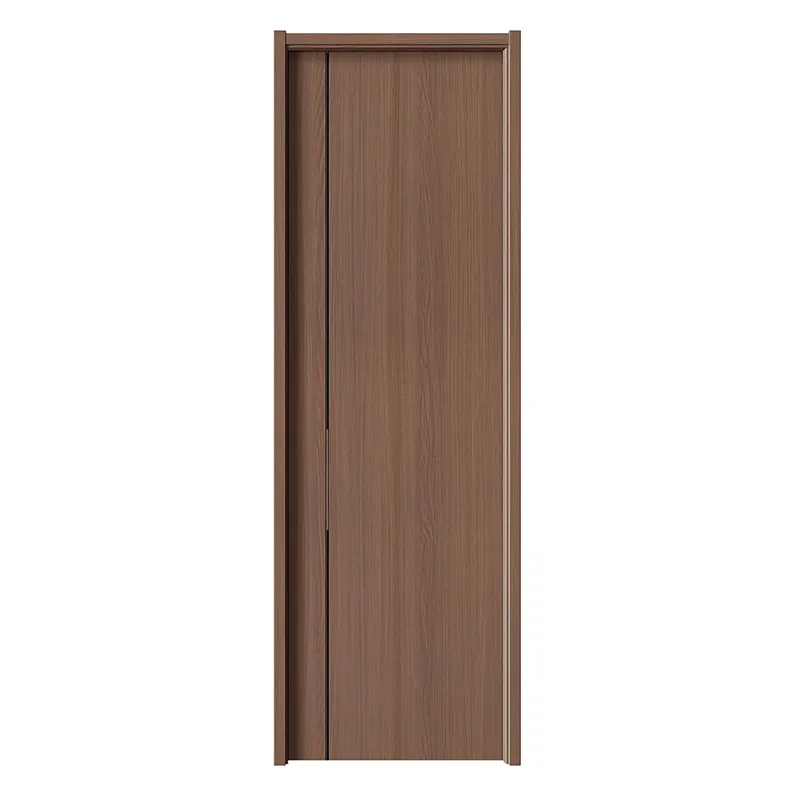 YST-1043 Door Techno-walnut 3
 -
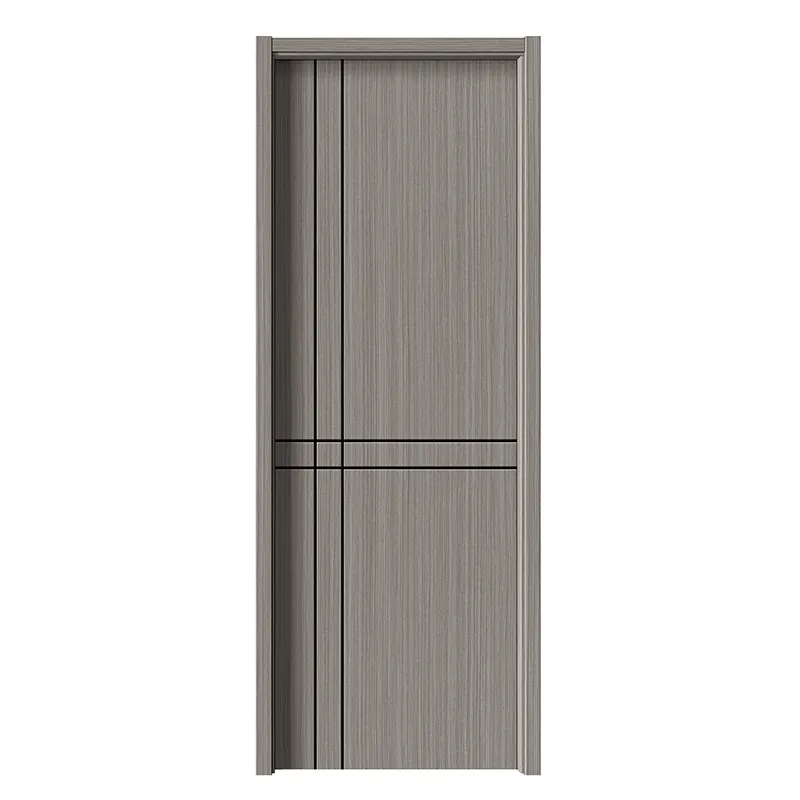 YST-1004 Door Technotree 2
 -
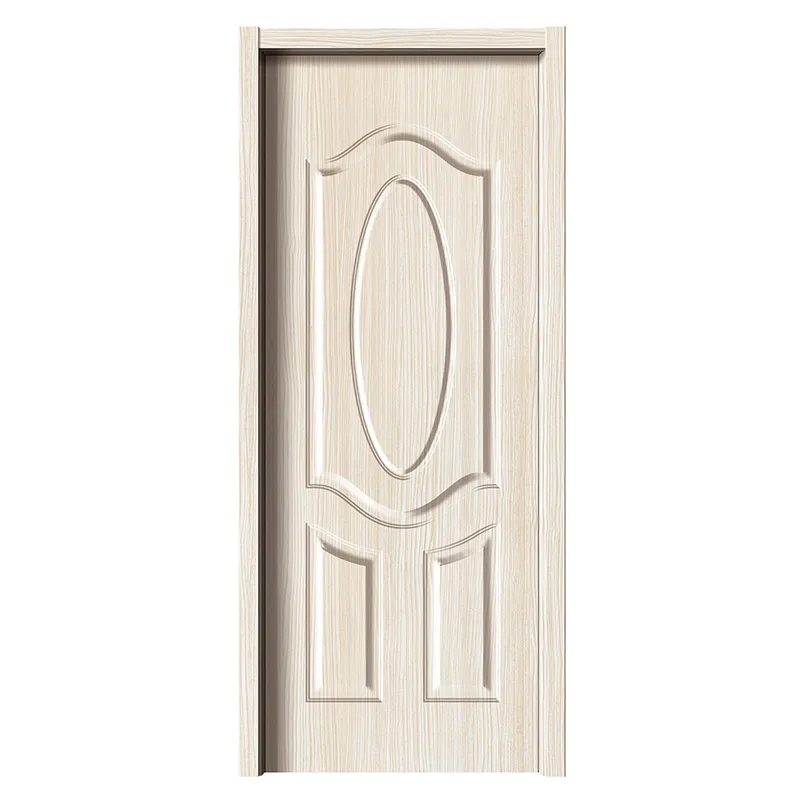 YST-216 Door White Maple
 -
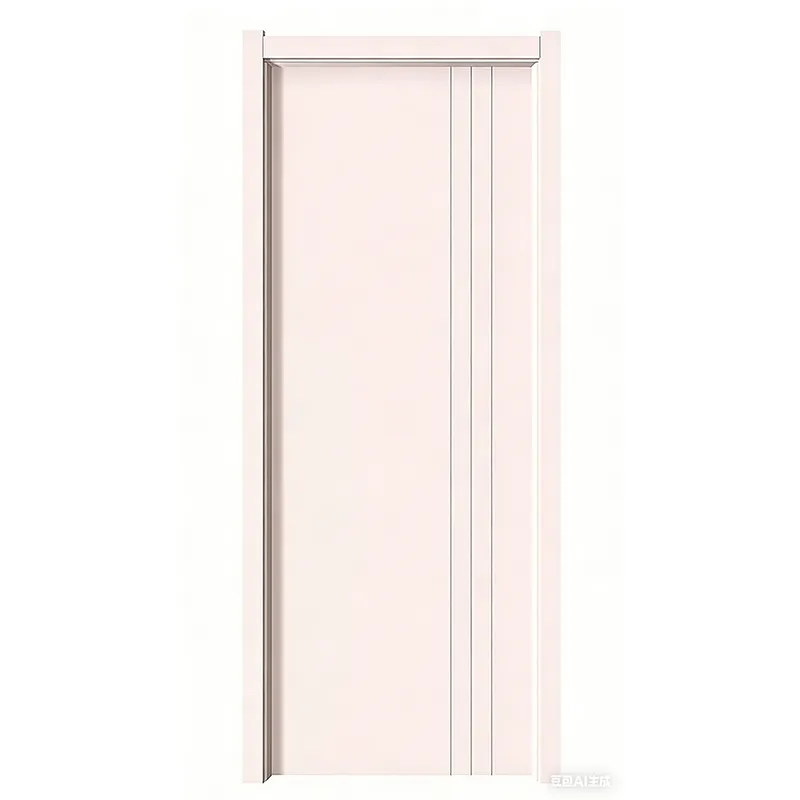 YST-WPC4 Door
 -
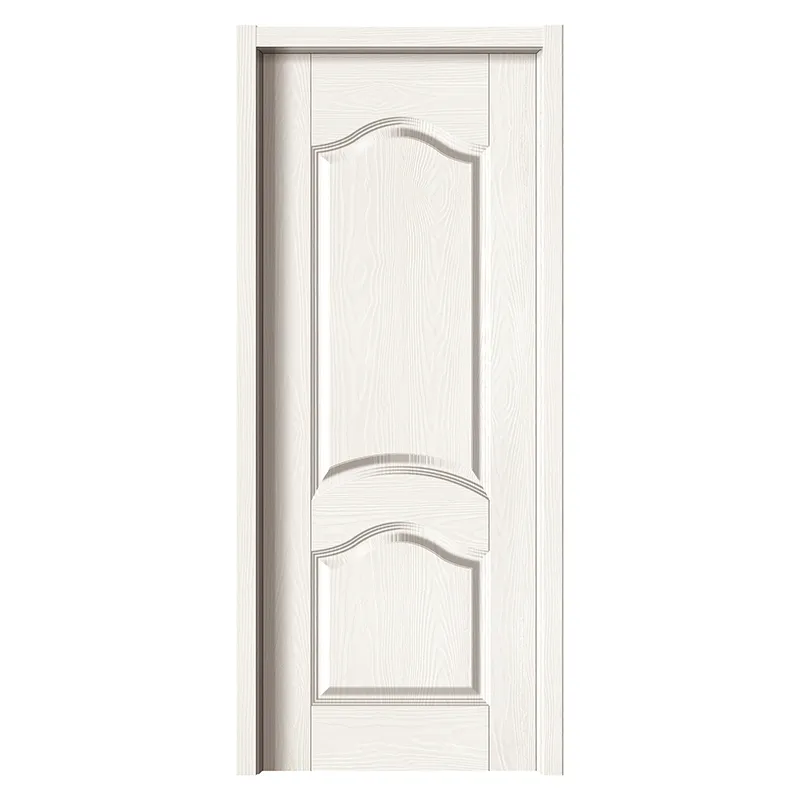 YST-224 Door Warm white with relief
 -
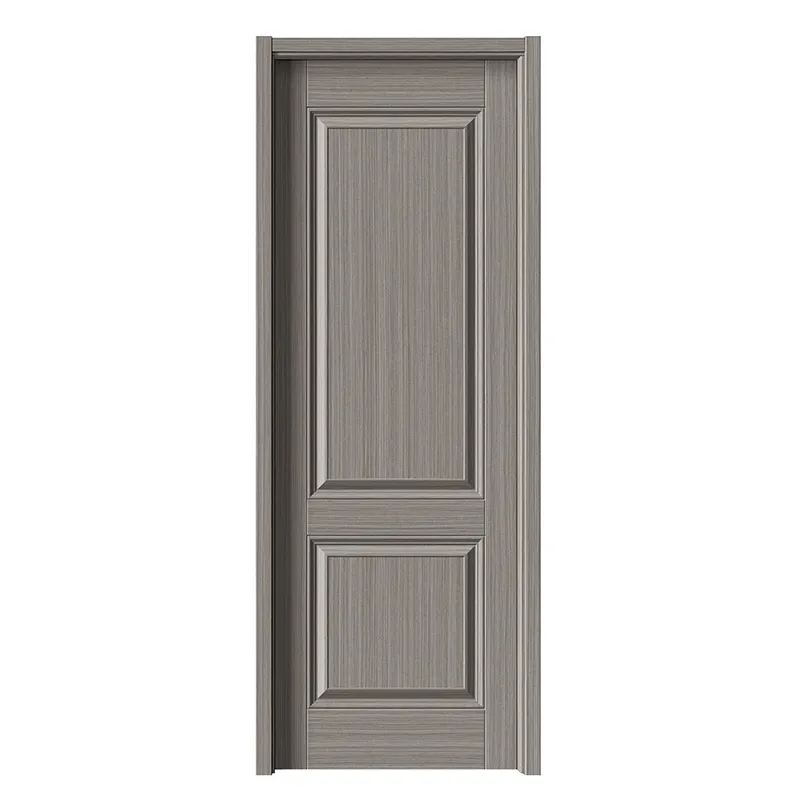 YST-214 Door Technowood 2
 -
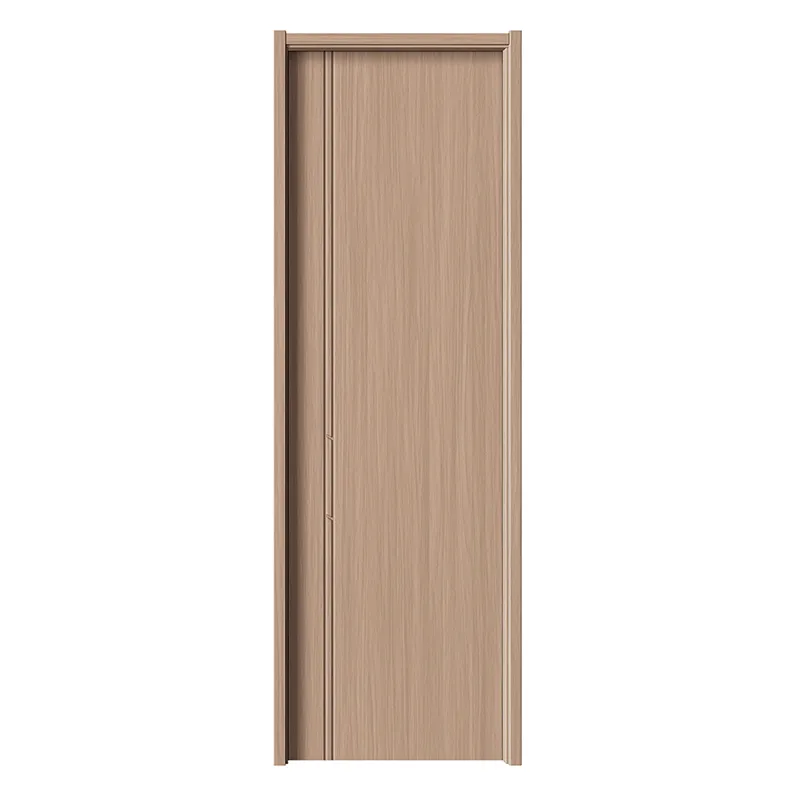 YST-1009 Door Translucent light shade 1
 -
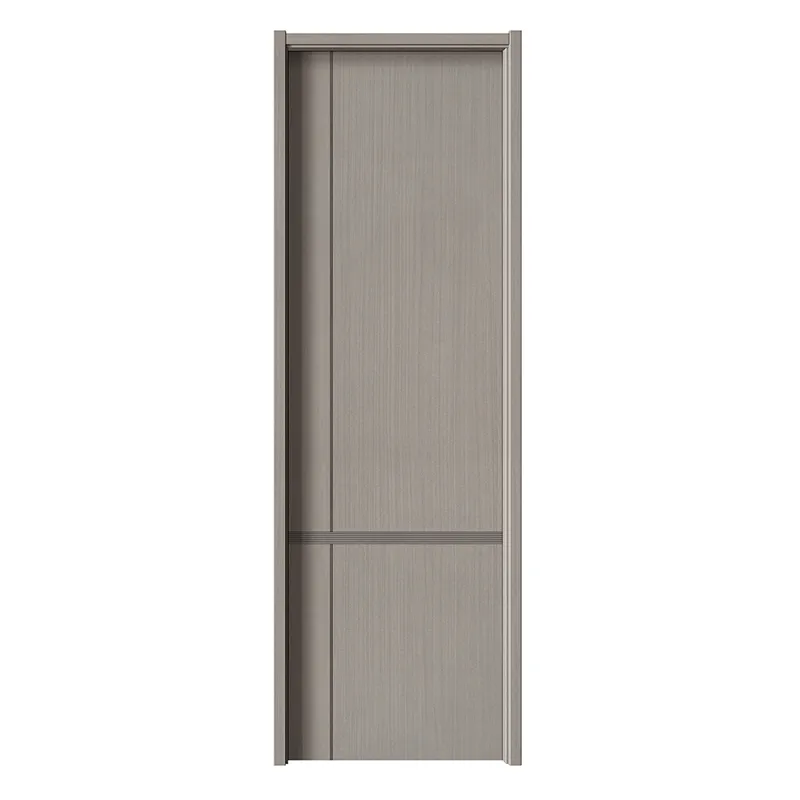 YST-1013 Door Cloud Walnut 1
 -
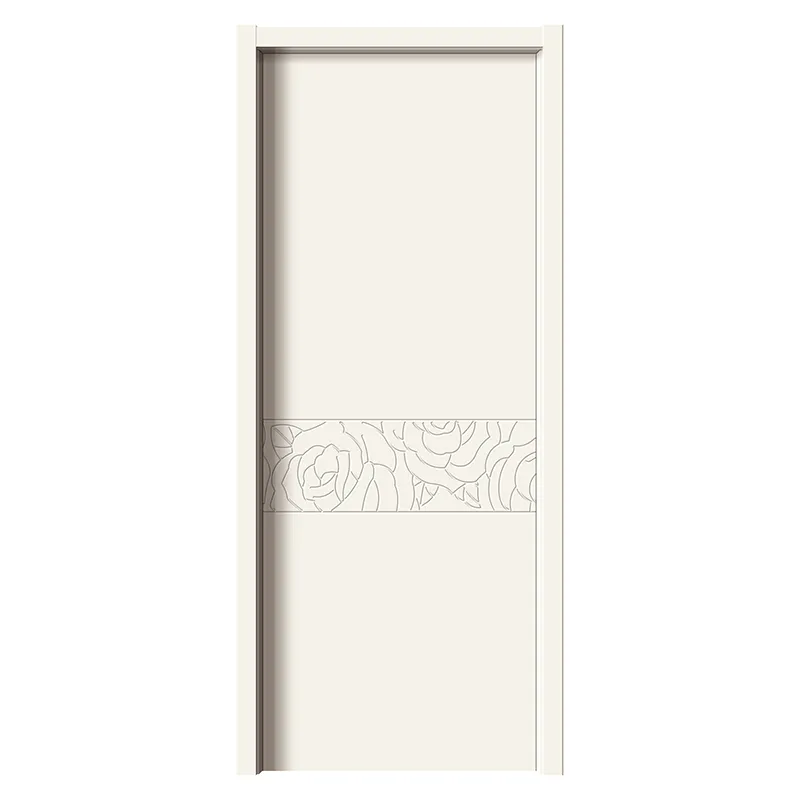 YST-238 Door White ivory
 -
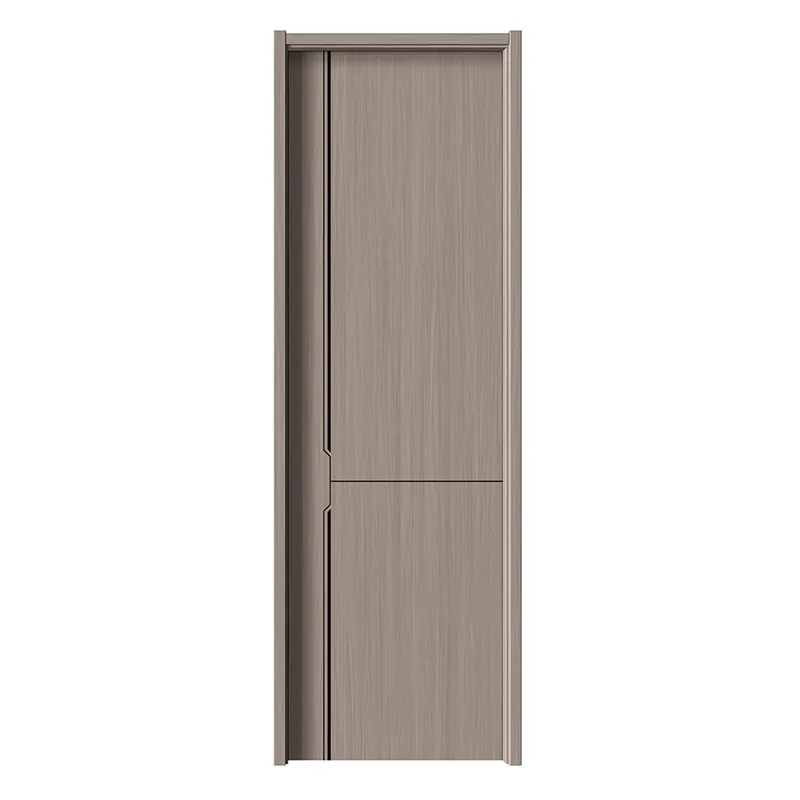 YST-1011 Door Translucent light shadow 3