




Bi-leaf hidden doors
When a customer says “hidden double doors?”, he often imagines an ideal picture: a seamless wall, absolutely unreadable joints, the magical disappearance of the opening. In practice, ?stealth? is always a compromise between the visual effect, the design of the wall and, critically, the budget. Many people confuse them with conventional pendulum or even sliding systems, but the key difference is integration into the plane of the wall, and not superposition on it. This is not just a door, it is an element of an architectural solution, and you need to approach it accordingly.
Structural basis: what is hidden behind the panel
The main mistake at the start is underestimating the condition of the load-bearing wall. You cannot simply fit a double-leaf system into a plasterboard partition without reinforcing the frame. Especially if the sashes are planned to be full-fledged, massive. We always require the client or builders to provide technical maps of the walls in the installation area. There were cases when it was necessary to abandon a purely hidden option in favor of a frame one with minimal platbands - because it was physically impossible to install a box of the required depth and rigidity into an existing thin structure.
The fittings themselves are a different story. Hinges with hidden-mounted closers, guides for precise movement... You can’t save money here. Cheap kits start to “creak” or sag after just six months or a year, and repairs or adjustments mean opening up part of the wall finishing—a nightmare for the client. In recent years, we have been working with proven German and Austrian systems, although some Russian manufacturers have begun to make decent samples. But for each model of fittings, you need to accurately calculate the gap and overhang of the sash.
And here’s another nuance: “bivalve?” - does not always mean symmetrical. Often the customer needs a wide opening, but only one sash is active, the second is fixed or rarely opened. This changes the placement of loops and the load. Sometimes it is more logical to make two active ones, but with an unlocking system so that they can be opened separately. This needs to be agreed upon and calculated at the design stage, and not when the box has already been assembled.
Material and finish: where aesthetics meet physics
Here lies the main stumbling block for those who want perfect “invisibility”. If the wall is painted or covered with thin wallpaper, and the door leaf is made of MDF with a similar finish, it is almost impossible to achieve a matching texture and color. Paint on plaster and on a door leaf, even from the same can, will apply differently due to different absorbent bases. The result is a stain. Therefore, we often follow the path of contrasting highlighting, but in the style of the wall: for example, we make a door an element of a wooden panel or build it into a wall made of decorative stone, playing up the joints as a design element.
For massive wooden doors, especially in classic interiors, hidden installation is a top priority. It is necessary to take into account the natural movement of wood, changes in geometry due to changes in humidity. The gaps here are calculated with a margin, but so that they are then closed by a plinth or decorative strip. By the way, about suppliers: when we need stable, high-quality wood with clear calibration, we sometimes turn to specialized companies working on the international market. For example,Anhui Wantai Woodworking Co.,Ltd (https://www.anhuiwantai.ru) positions itself as a manufacturer that combines aesthetic design and practical performance. Their approach to the selection of raw materials and control of processes is important for critical projects, where the door is not just a functional element, but part of the architectural idea. The company adheres to the principle of “building a business on accuracy, winning with quality”, which when working with hidden systems is not just words, but a necessity.
Glass inserts, metal elements - all this complicates the task. Heavy fabric requires reinforced hidden hinges, and the attachment point must be designed so as not to destroy the end part of the fabric. I often see installers trying to “tighten up” things. loop to eliminate the slack, and split the end. This can only be treated by preliminary calculations and the use of special reinforcing plates at the stage of fabric manufacturing.
Installation traps: an experience paid for in time
The most painful lesson is the misalignment of the floor. It seems that if the walls are vertical, then the door will stand straight. But if the floor has a slope of even 2-3 degrees, the lower edge of the wide double-leaf structure will noticeably “walk”. With a completely hidden threshold, this becomes critical: either a gap appears, or the doors begin to touch the floor covering. Now we always measure the floor level in the opening at four points and agree in advance with the client: either we level the floor, or design a threshold, or make an adjustable installation with a vertical margin, which is then masked.
Another story is the electrical wiring and communications in the wall. Once, when installing a hidden box, a hammer drill landed straight into a power cable, walled up in a load-bearing wall along a completely illogical trajectory, from the point of view of building codes. Now a stroke-survey about what is “hidden?” in the wall is our must-have item. If there is no information, we ask for permission to conduct diagnostic drilling or, as a last resort, sign an additional agreement on liability for possible risks.
Assembly and hanging. Often the canvas and the box are supplied separately. And if the site does not have a perfectly flat, clean floor for assembly, the finishing coating can easily be damaged or become misaligned. We carry with us prefabricated mounting trestles and soft pads. It seems like a small thing, but it’s these little things that distinguish an installation that will last for decades from one that will begin to require adjustment in a month.
When is ?hiddenness? inappropriate: cases from practice
There was a project in an old building where the client required hidden double doors between the living room and study. The walls are brick, but crooked, with layers of plaster from different eras. After analyzing the cost of work on leveling the planes, strengthening the opening and subsequent finishing, we proposed an alternative: narrow antique paneled doors with almost invisible thin trim in the color of the wall. The effect of an ?architectural element? was achieved, and the client’s budget and nerves were saved. Sometimes you need to be able to talk your way out of it.
Another case is a commercial space, a cafe. They wanted a hidden door to the technical room. But taking into account the high traffic, the risk of being hit by carts with dishes and the need for frequent wet cleaning, a purely hidden system with an overlay rebate would be killed in six months. We convinced the customer to make a reinforced door with hidden hinges, but with a metal protective edge around the perimeter and a magnetic door. ?Invisibility? has given way to practical durability.
Conversely, a good example is a modern loft apartment, wherebi-fold hidden doorsmade of painted MDF were integrated into a wall covered with gypsum panels. The joints followed the lines of the panels themselves, becoming their logical continuation. The key to success was co-designing with the finishers at a very early stage so we could get the frame and gaps in place. The door has been working for four years without a hint of problems.
Looking Ahead: Technology and Common Sense
Nowadays there are many “smart” ones appearing. fittings for hidden doors: closers with force adjustment via an app, soft closing systems. This is interesting, but adds points of potential failure. For a private home where the door is used 5-10 times a day, this may be justified. For an office this is an unnecessary complication. Our principle: first we provide impeccable mechanics, and then we think about electronics.
The trend towards minimalism and clean lines in architecture supports the demand for hidden solutions. But, it seems to me, a healthy backlash is also on the horizon. Designers and clients are beginning to value not absolute invisibility, but honest and high-quality execution of the part. The door may be readable, but it is executed so impeccably that it becomes an ornament. Perhaps the future lies in hybrid solutions, where the technology of “stealth” itself? is used not for complete camouflage, but to create a new visual language of openings.
As a result, working withdouble-leaf hidden doorsis a constant dialogue between the designer’s desires, design possibilities, installation skills and the realities of the object. There is no universal solution. There is a careful calculation, an honest conversation with the customer about limitations and costs, and painstaking work on site. When everything comes together, the result is worth it - it’s not just a door, but a part of the space. And if not, it’s always better to offer a workable alternative than to try to sell a pipe dream that will turn into a headache for everyone.
Correspondingproducts
Related Products
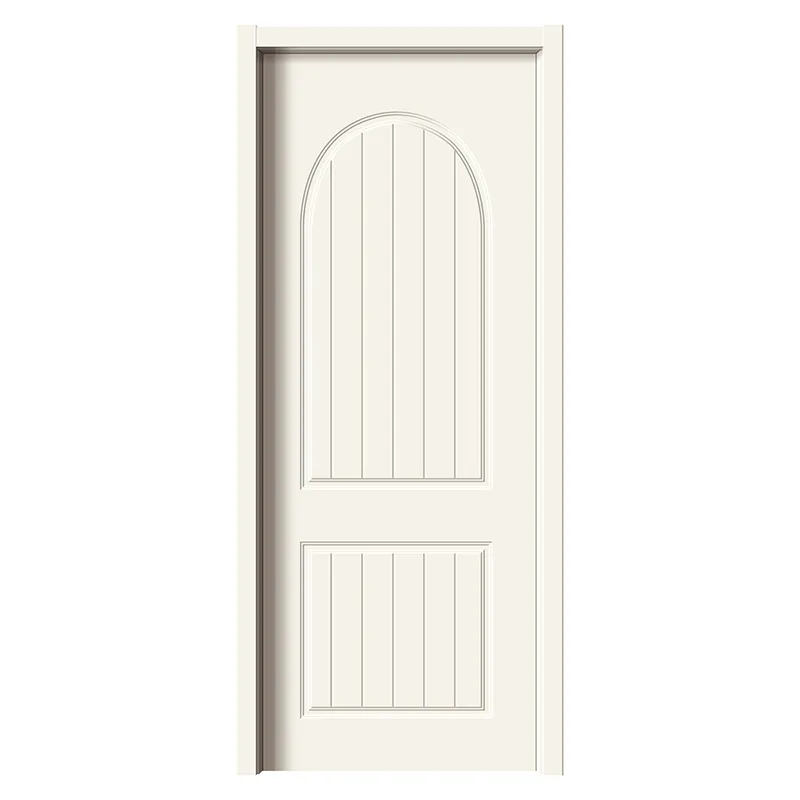

Best Sellingproducts
Best Selling Products-
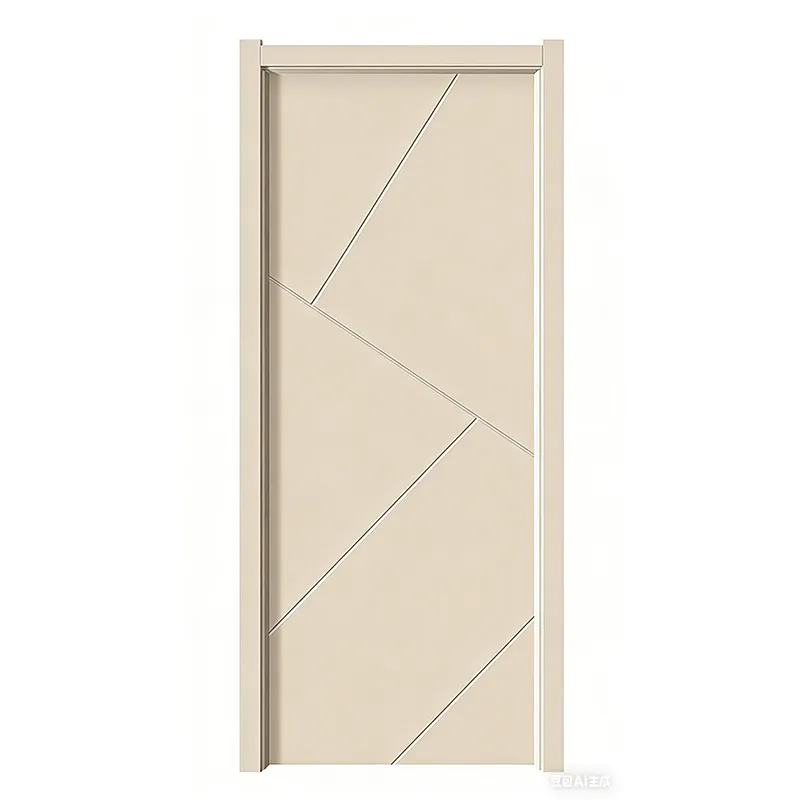 YST-WPC3 Door
 -
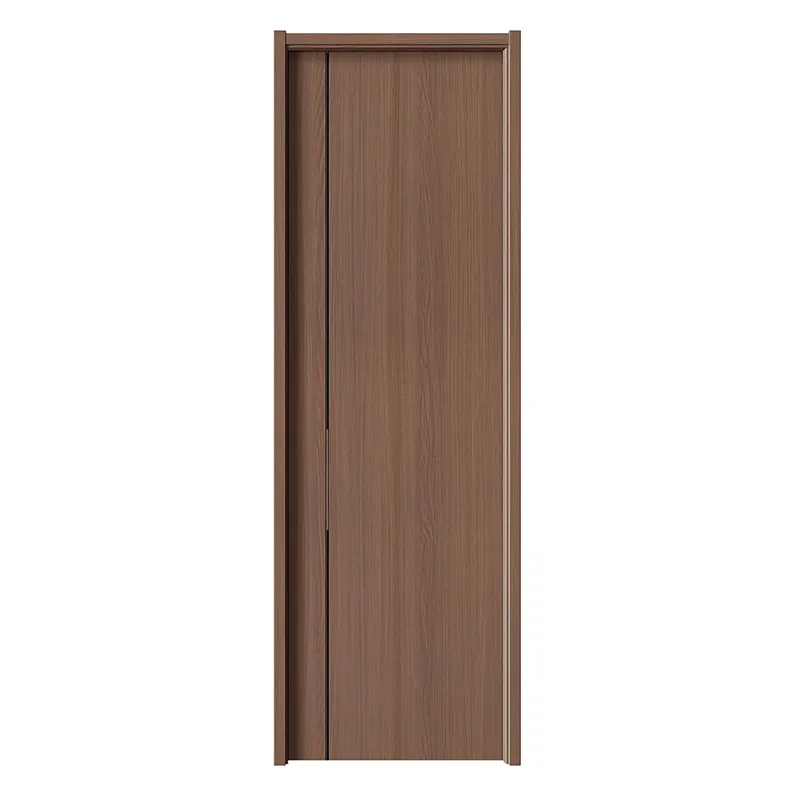 YST-1043 Door Techno-walnut 3
 -
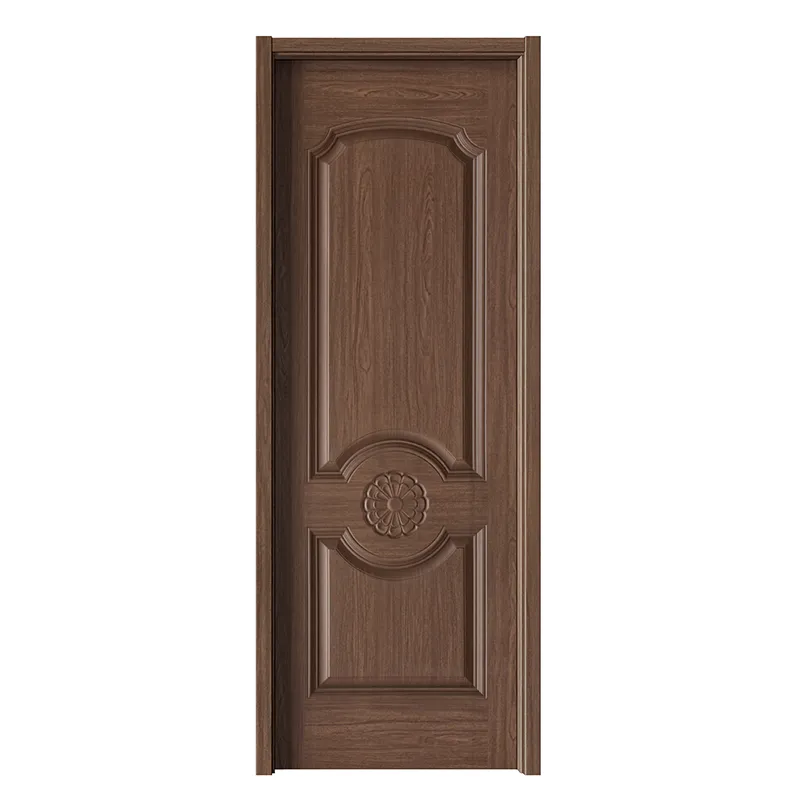 YST-212 Door North American Oak 2
 -
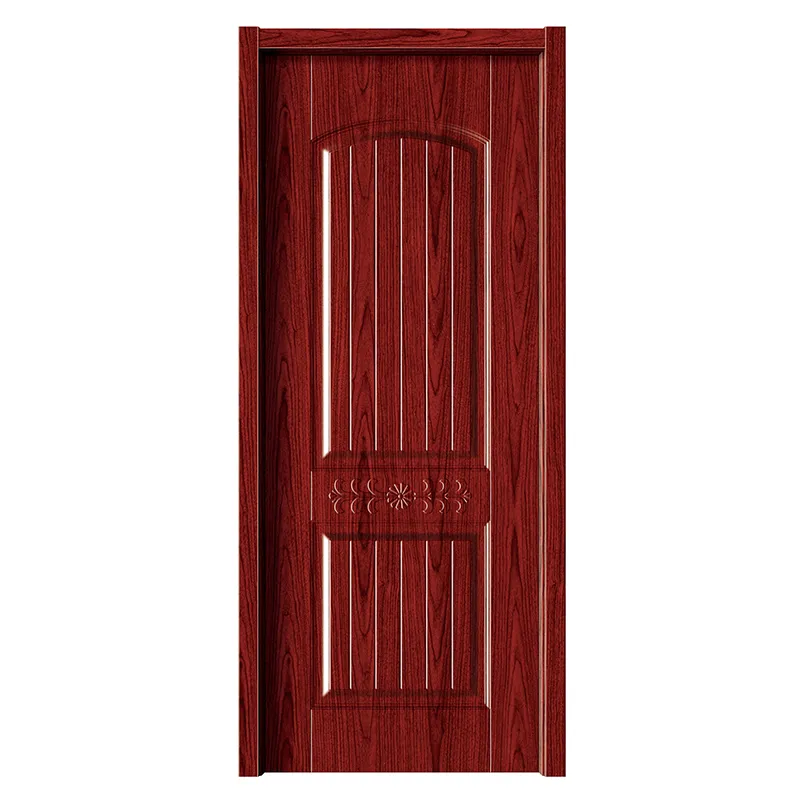 YST-233 Door Mahogany
 -
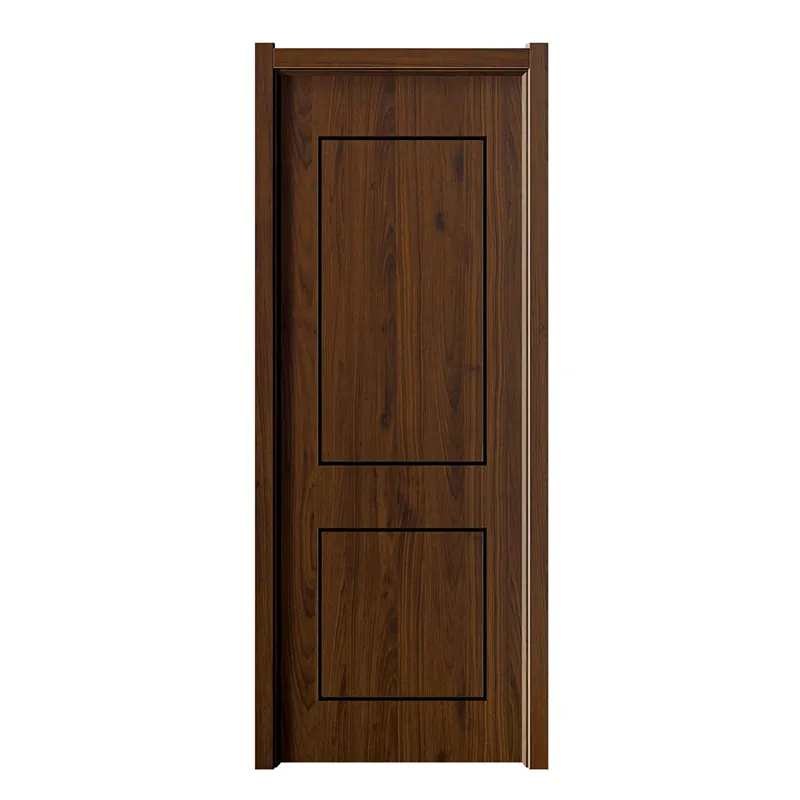 YST-WPC2 Door
 -
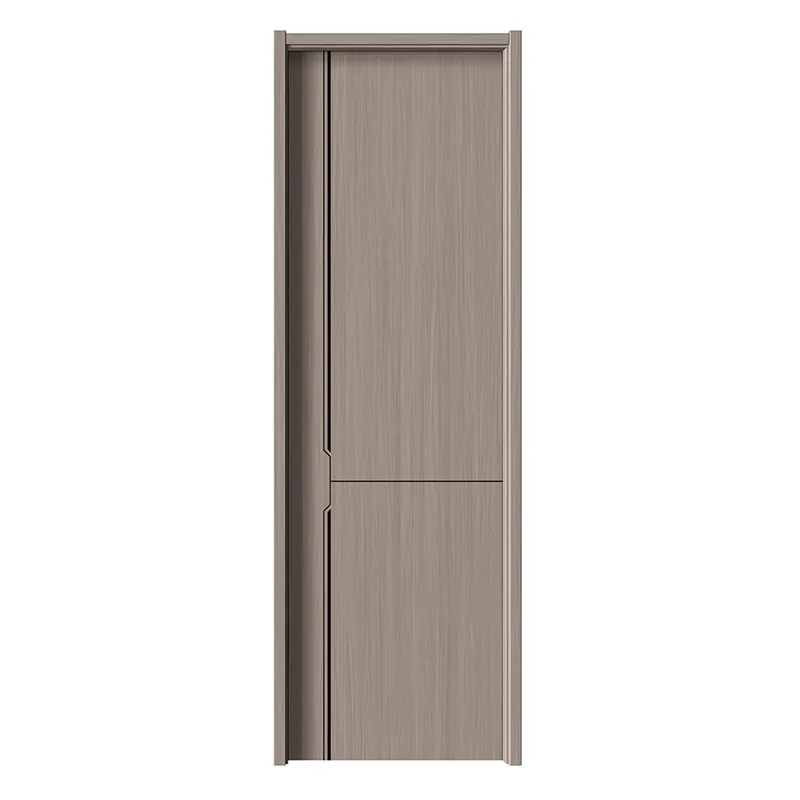 YST-1011 Door Translucent light shadow 3
 -
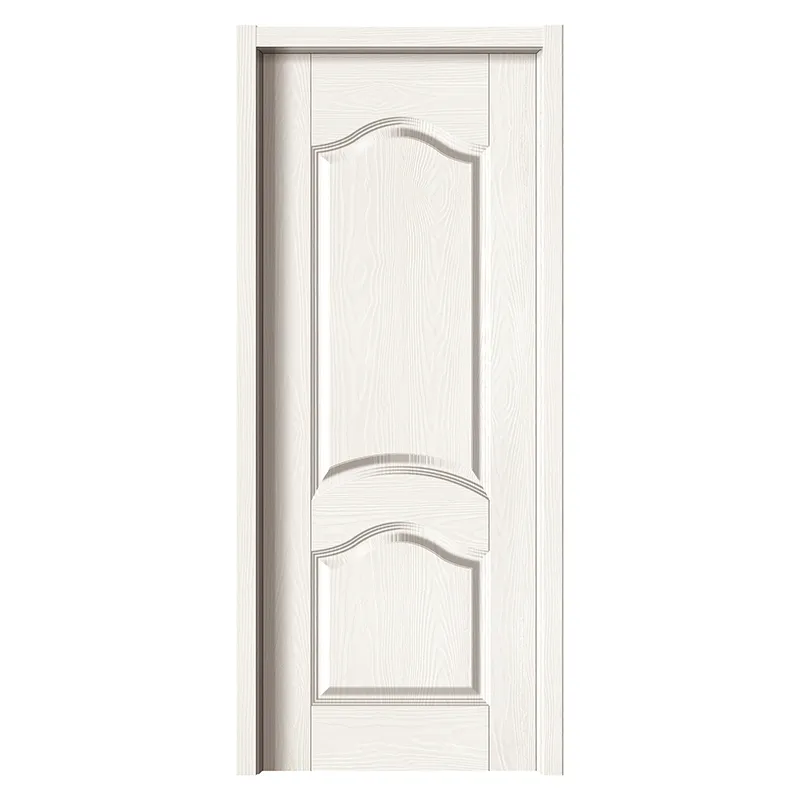 YST-224 Door Warm white with relief
 -
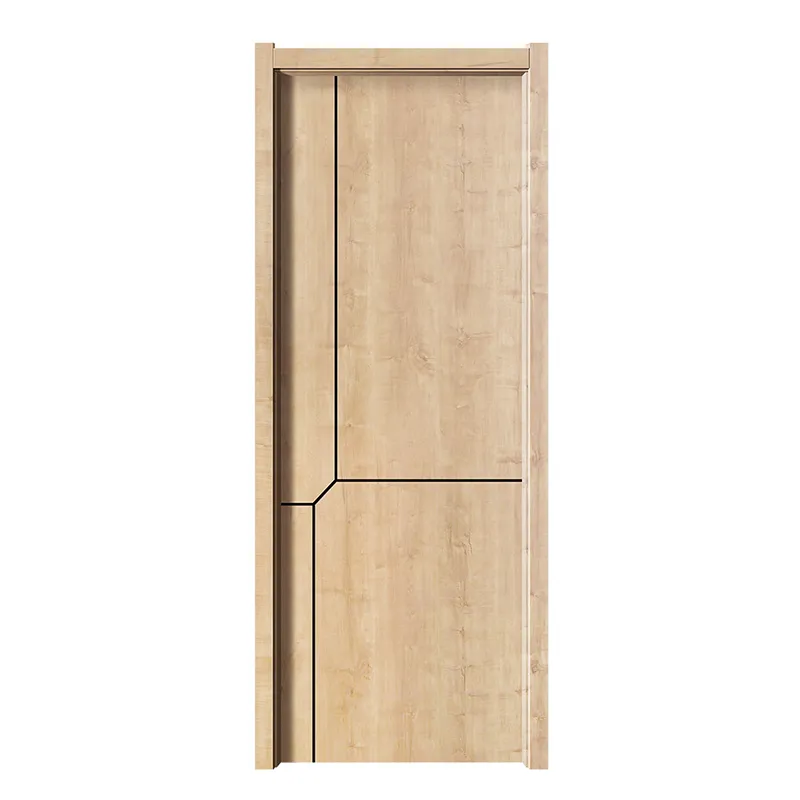 YST-WPC1 Door
 -
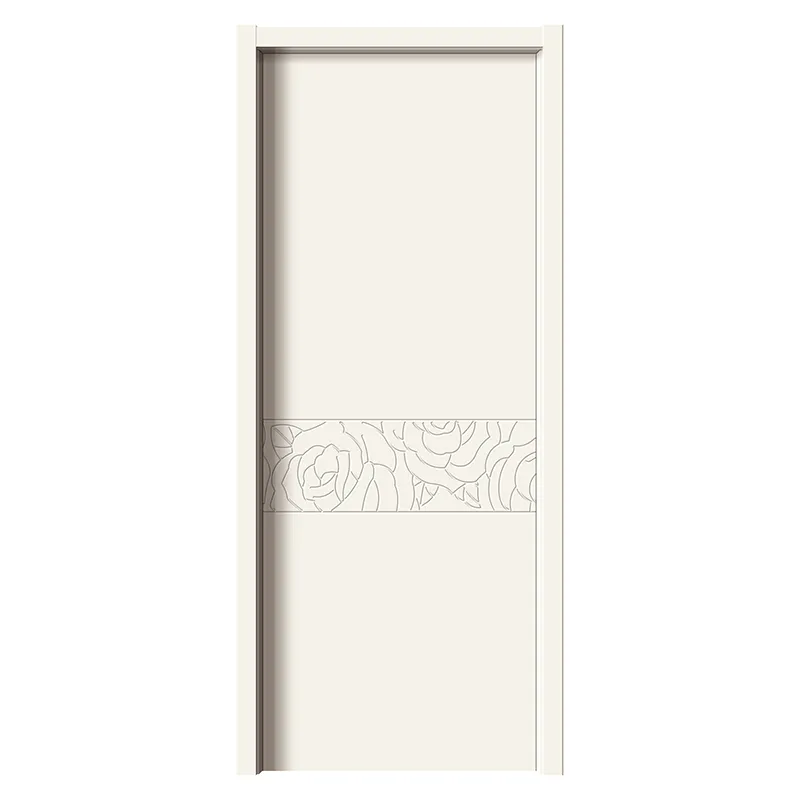 YST-238 Door White ivory
 -
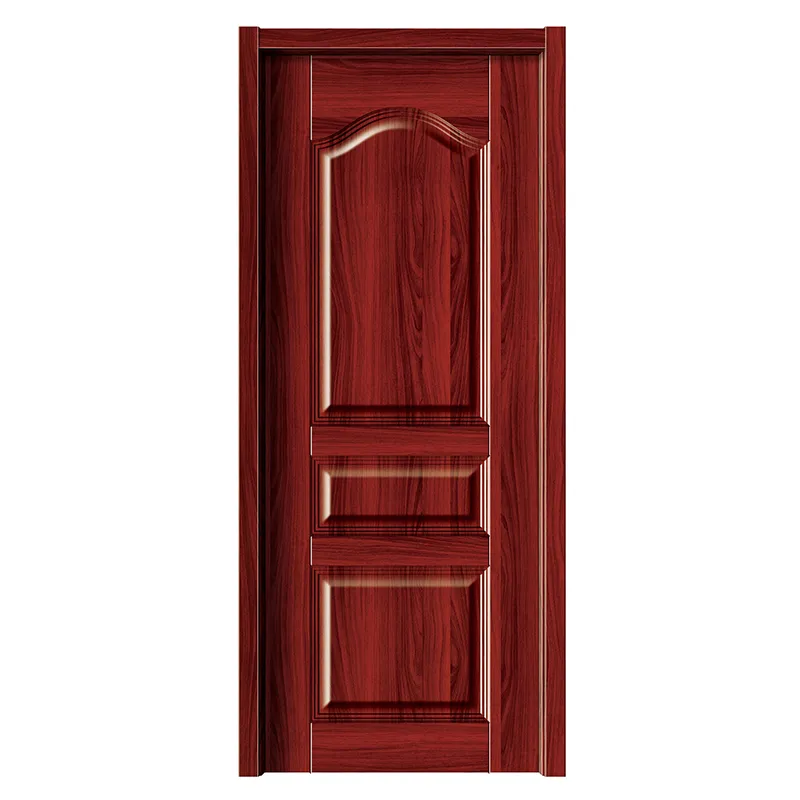 YST-203 Door Red team
 -
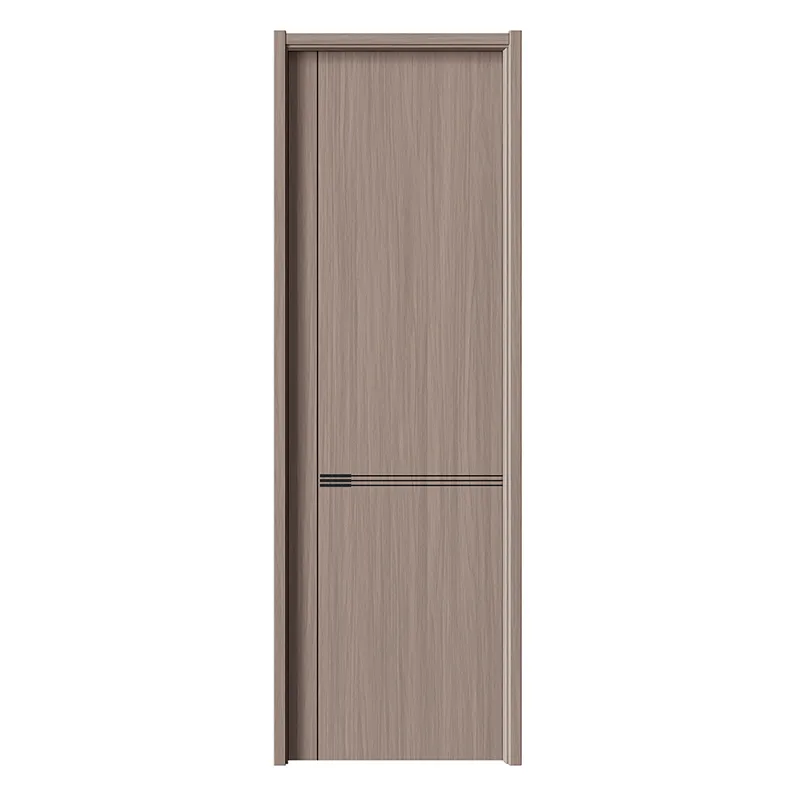 YST-1039 Door Translucent light shadow 3
 -
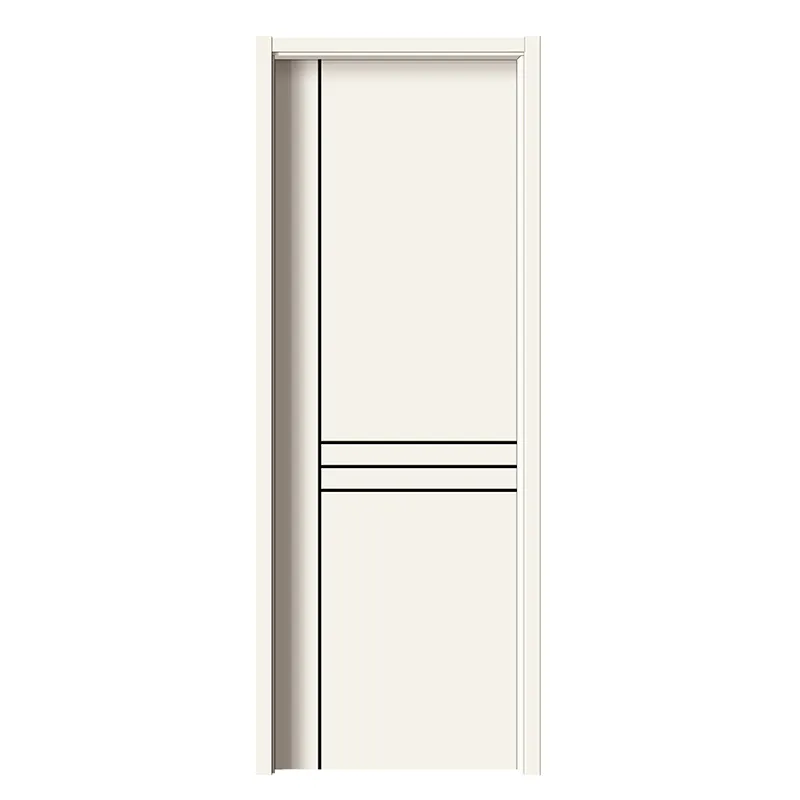 YST-220 Door Warm white