




Composite doors
When they talk about composite, many people immediately imagine something cheap and unreliable, like cardboard with film. And this is the main mistake. In fact, moderncomposite doors- this is a complex “pie”, where the composition of the core, the type of cladding and pressing technology determine whether this door will last five years or twenty. I worked a lot with different factories, including studying productsAnhui Wantai Woodworking Co.,Ltd, and saw how the approach to the composite radically changes the result. Let's go without water, basically.
What is hidden behind the term “composite”?
Here we immediately need to separate. There is a composite based on MDF board, and there is one based on honeycomb core. The first option is heavier, more massive to the touch, and often has better sound insulation. The second is lighter, cheaper to manufacture, but everything depends on the rigidity of the end and cover strips. If the frame is made of damp pine, the door will open. The company I mentioned relies on the first type, with a reinforced MDF base. This can be seen from the weight of their samples - they are significantly heavier than typical “Chinese” ones. doors from the market.
Facing is a different story. Veneer, eco-veneer, HPL plastic, CPL film. Each material dictates its own conditions for the core. For example, natural veneer needs a perfectly stable base, otherwise after a season “ribs” will appear. from the frame. Under rigid HPL plastic, you can use a looser filler, but then the overall bending strength suffers. This is exactly the moment where the design solution must be coordinated with the technologist, but in practice it is often the other way around.
I remember one project where the customer required a perfectly smooth, edgeless surface in a thin aluminum frame. We chose a composite on MDF with CPL film. Everything seemed to fit. But they did not take into account that the thin edge and small thickness of the canvas (40 mm) with such a filler will give poor resistance to impacts. As a result, during installation at the site, several canvases received dents from careless handling of the trolley. We had to urgently strengthen the packaging and revise the instructions for installers. A trifle, but it leads to complaints.
Critical nodes that everyone misses
Everyone looks at the façade, the color, the handle. And the professional first looks at the end and the loop edge. This is where the quality of the composite build shows. If the end of the door is simply covered with a PVC edge, which will peel off over time, this is a lower segment. If the “enveloping” method is used (wrapped door), when the facing material goes to the end, it’s already better. But there is a nuance here: there is often a microscopic gap in the corners, where dirt accumulates over time and water can flow in.
Loop edge. In cheap doors, screws are simply screwed into the filler under the hinges. After a year or two - play, creaking. In normal doors, likeAnhui Wantai, wooden or MDF blocks are placed in the places where the fittings are attached. This is immediately evident from the weight of the sample and the drilling location. Such a door will not come loose. Their philosophy is to “build a business on precision?” This is where it shows up.
Another hidden unit is the locking part. Manufacturers often save money and make a thin locking bar, or it is short and does not extend over the entire height. With active use, especially in offices, the area around the lock sags and cracks appear. You need to request internal design diagrams from the supplier. If they don’t exist or are they “secret”? - this is a red flag.
Myths about moisture resistance and fire resistance
Marketers like to write “moisture-resistant doors?”. But for a composite this is very conditional. Moisture resistance does not depend on the word in the catalog, but on the type of binder in the slab and on the tightness of the edges. A door with a base made of ordinary MDF, even covered with plastic, will swell at the ends with constant contact with steam in the bathroom. What is needed is moisture-resistant MDF (often green in cross-section) and a perfectly glued edge around the entire perimeter.
Fire resistance is even more difficult. A true fire door is a certified product with a specific fire resistance rating (EI 30, EI 60). Most composite doors on the market are simply “non-flammable”. The difference is colossal. In projects where the technical specifications require a certificate, you have to very carefully select a supplier who will provide not only beautiful pictures, but also test reports. It's expensive and time-consuming.
I had an experience when they ordered “fire-resistant” ones for a small cafe. composite doors to technical rooms. The supplier assured that everything was fine. When we requested a certificate, it turned out that it was only available for the cladding material, but not for the door assembly. We had to change the specification for steel structures, which was more expensive and did not fit into the design. Lesson: Always check what the certificate is for.
Editing practice: where theory meets reality
A perfect door in the workshop and a crooked frame on site is a classic. Composite doors, especially lightweight ones with honeycomb core, are very sensitive to the quality of installation. If the box was placed skewed and they began to “pull out?” the canvas is self-tapping, it can be driven with a screw. With massive MDF-based canvases, this trick is less painful, they are tougher.
Another point is the gaps. For composite doors with paintable cladding, a standard gap of 3-4 mm is the norm. But if the door has PVC film or veneer, where the edge is the color of the door itself, too large a gap will be noticeable as a dark outline. You need to either reduce the gap to 2 mm (risking friction), or immediately order doors with a rebate that visually hides this gap. Many people don’t think about this at the ordering stage.
Working with supplies fromAnhui Wantai Woodworking Co.,Ltd, I noticed that they often supply boxes with pre-installed hinges and prepared grooves for the lock. This simplifies installation and reduces the risk of damage to the canvas “on site”. Their emphasis on precision and process control comes through here. But even this does not save you from illiterate installers.
Economics vs. Quality: Where is the Line?
A frequent question: why pay more for a composite if there is an array or a cheap panel option? The answer is a balance between stability and price. A solid door is always at risk of deformation due to changes in humidity. A cheap panel door carries the risk of delamination and voids. Goodcomposite materialproduces predictably stable geometry.
But there is a gradation here too. A door for 15 thousand rubles and a door for 30 thousand rubles may look the same from the outside. The difference is in the filler (MDF density, type of wood in the frame), in adhesives (water-based or urea), and in the edging system. A more expensive door, as a rule, closes more quietly, does not rattle, does not play. in a box. This is difficult to describe in the specification, but you can immediately feel it in use.
Companies that, like Wantai, are focused on the international market and commercial projects are forced to maintain this level. Because their client is not the end consumer who will buy once, but the architect or contractor who, once faced with a problem, will never return. Their concept of “winning with quality” - not a slogan, but a necessity for survival in the B2B segment. And this can be seen in the way they work with complaints: they don’t argue, but first figure out the reason.
Bottom line: what to look for when choosing
So to summarize my experience. Don’t ask “what composite is the door made of?”. It won't do anything. Ask: 1) Core type and density (kg/m3). 2) The presence and type of wood of reinforcing bars in the loop and lock zones. 3) Method of edging (PVC, enveloping, ABS). 4) Formaldehyde emission class (E1 - mandatory). 5) Availability of a cross-sectional sample.
Ask for a sample. Tap it and estimate the weight. Try scratching in an inconspicuous place. Look at the cut. All this will take ten minutes, but will give more information than any catalogue. Idealcomposite doorsdoesn't happen. There are those that are correctly selected for a specific task: for a dry office, for a walk-through corridor in a hotel, for an apartment with children.
And one last thing. Don't just choose a door, choose a supplier. Someone who is ready to provide technical documentation, who adequately responds to design questions, who understands the difference between a “catalog door?” and “a door for real use?”. Those who, like the team from Anhui, have a modern production base and experienced developers, usually behave this way. Because they are not investing in a one-time sale, but in long-term relationships in a market where reputation is everything.
Correspondingproducts
Related Products
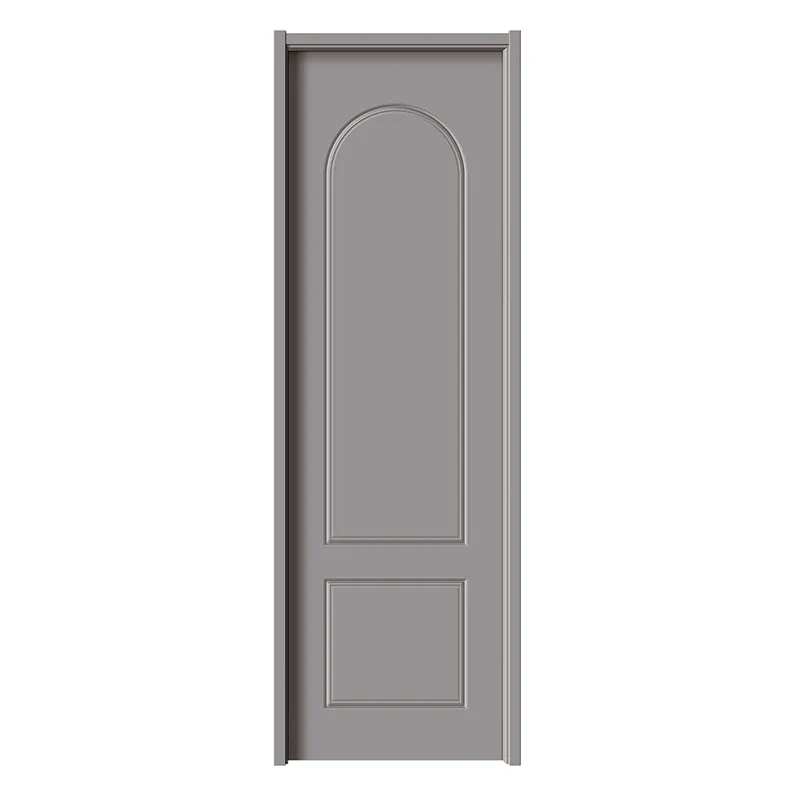

Best Sellingproducts
Best Selling Products-
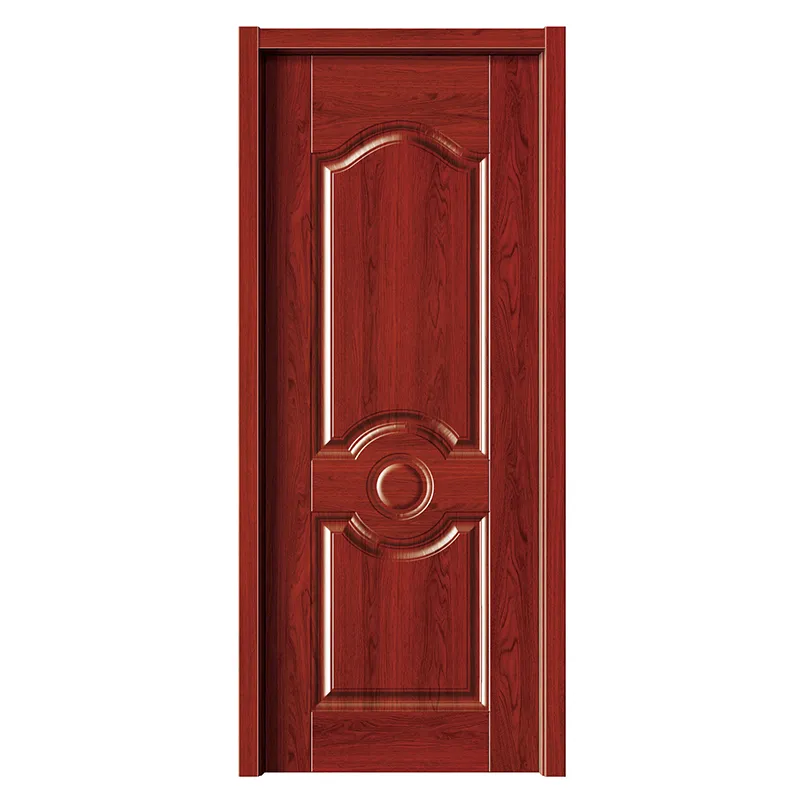 YST-208 Door Red Sandalwood
 -
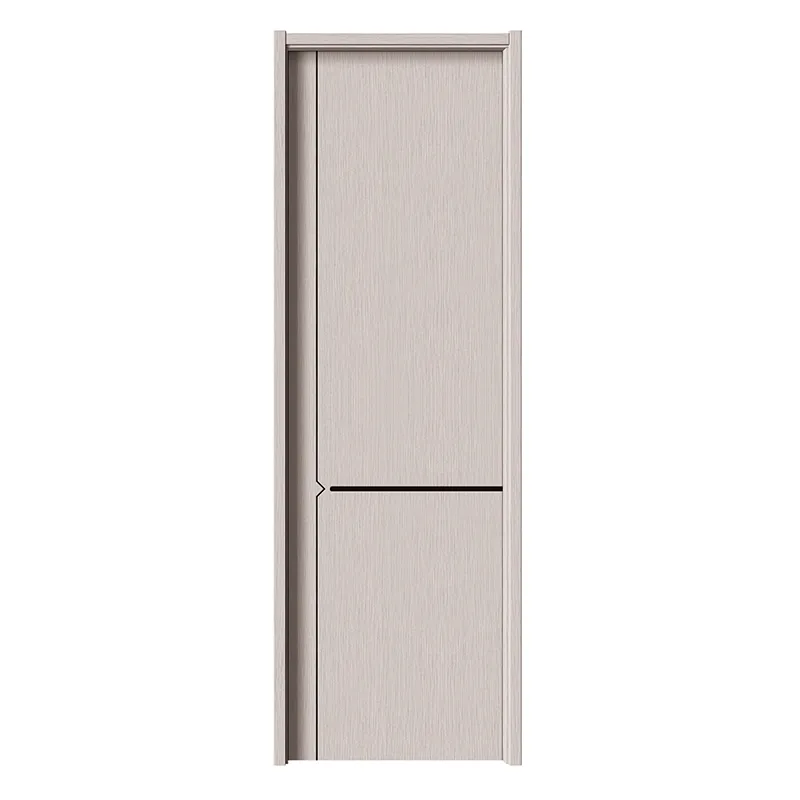 YST-1024 Door Chiaroscuro wood 1
 -
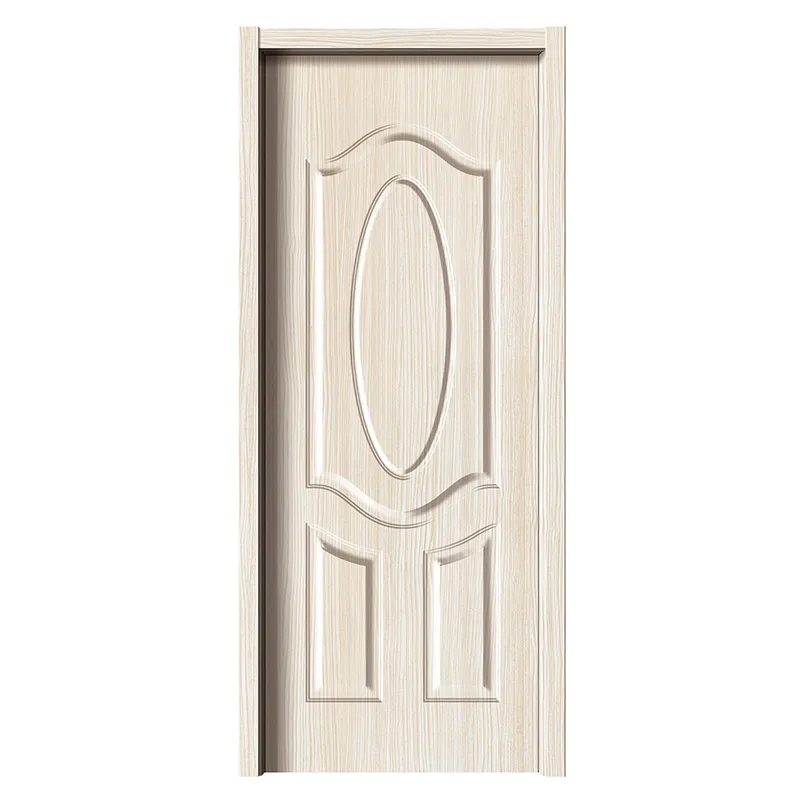 YST-216 Door White Maple
 -
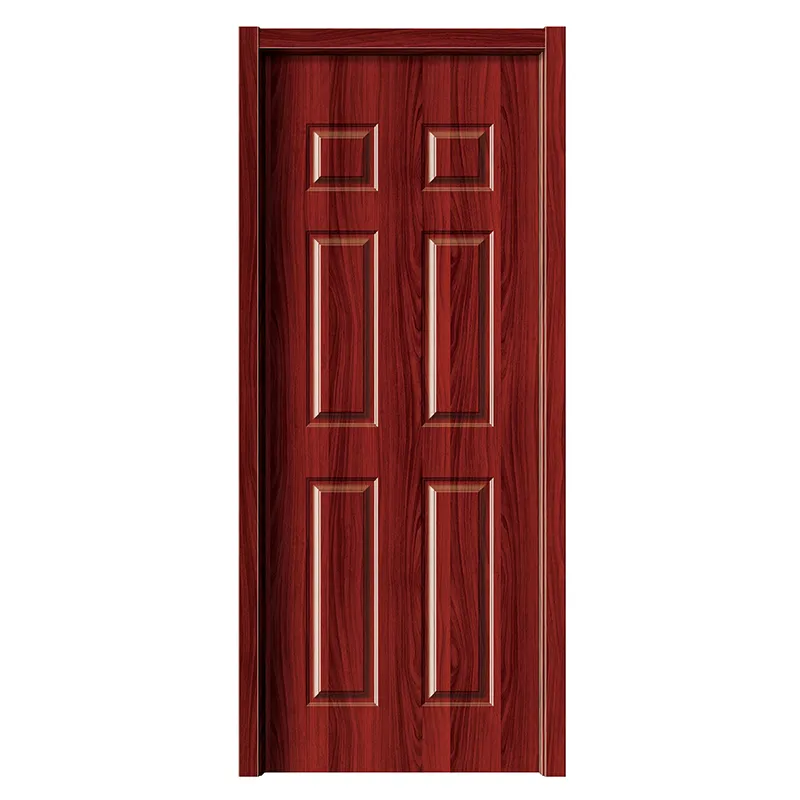 YST-201 Door Red team
 -
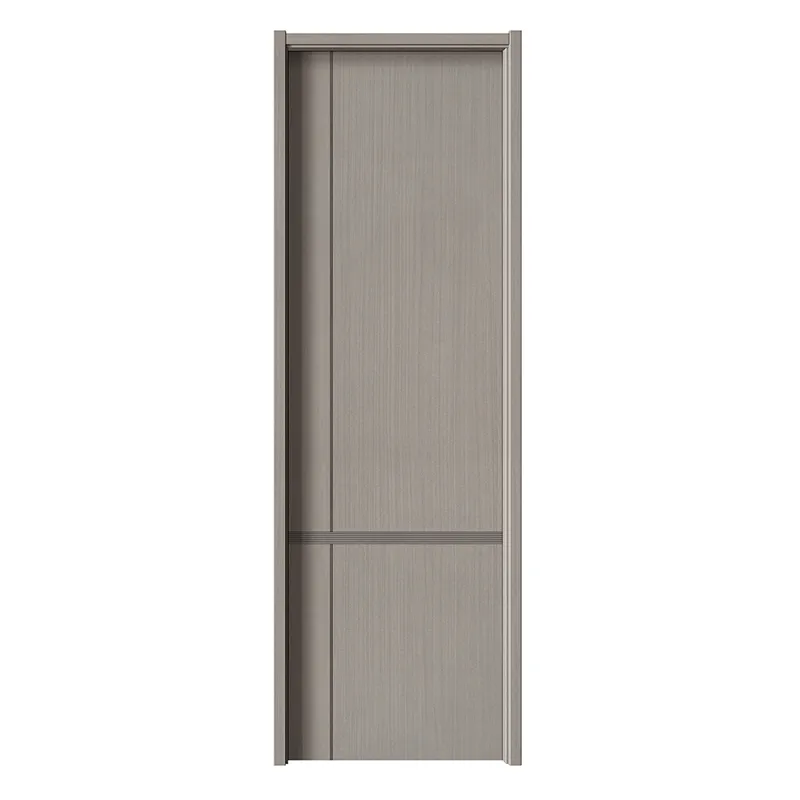 YST-1013 Door Cloud Walnut 1
 -
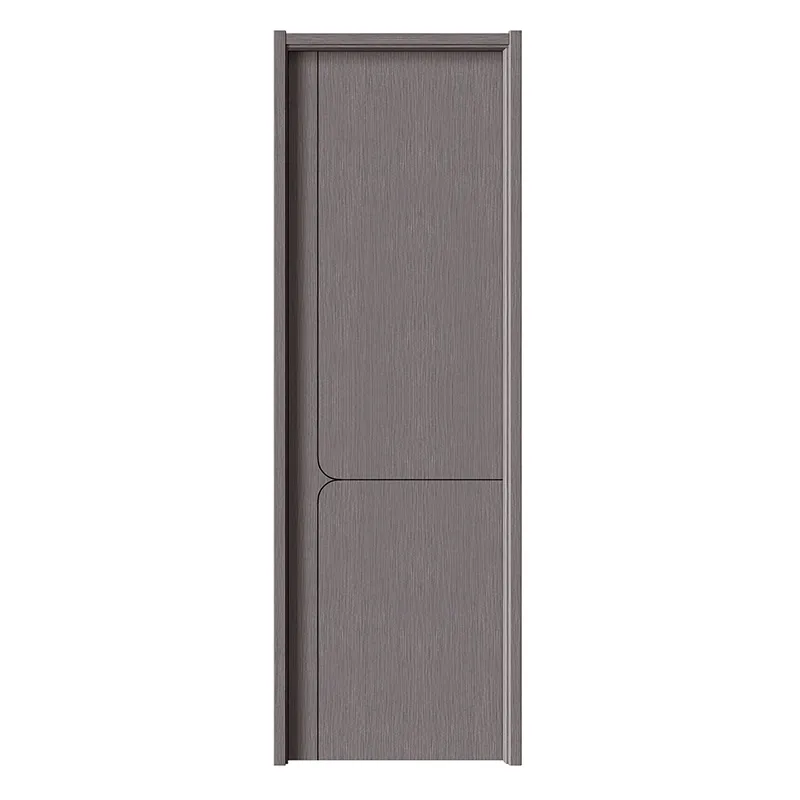 YST-1001 Door Chiaroscuro tree 2
 -
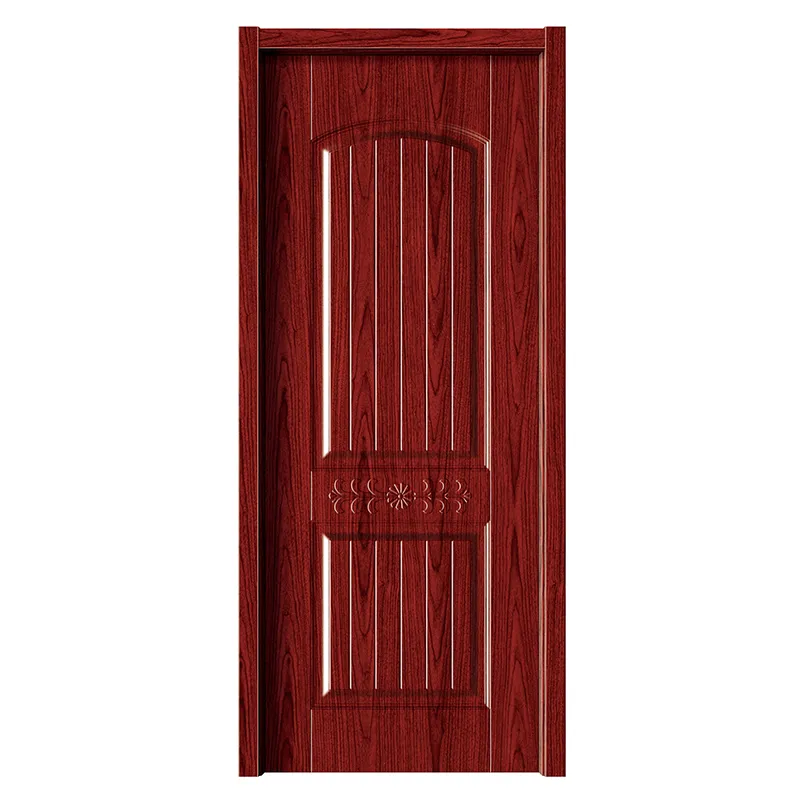 YST-233 Door Mahogany
 -
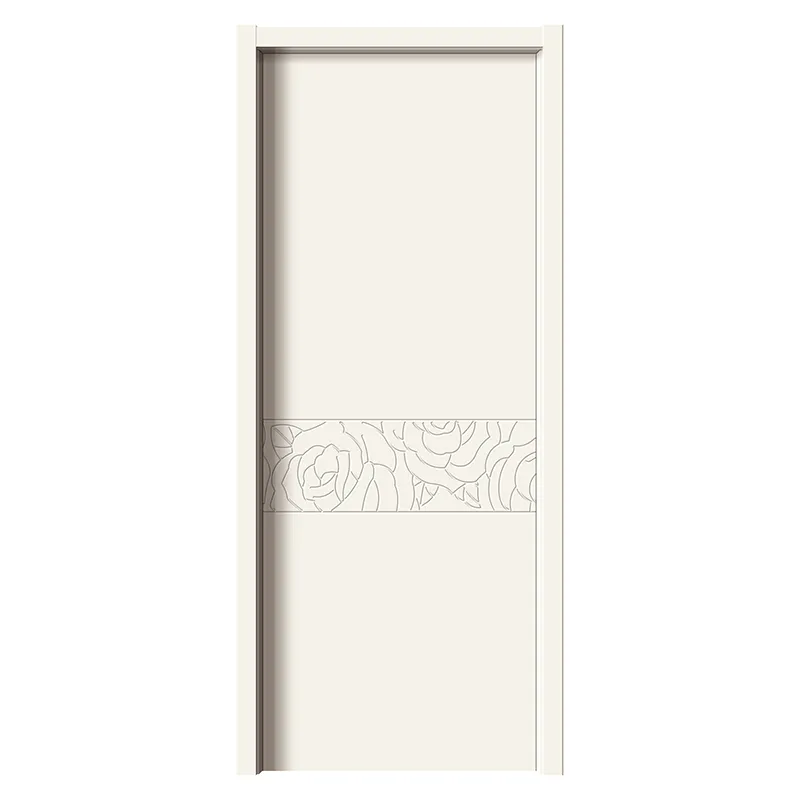 YST-238 Door White ivory
 -
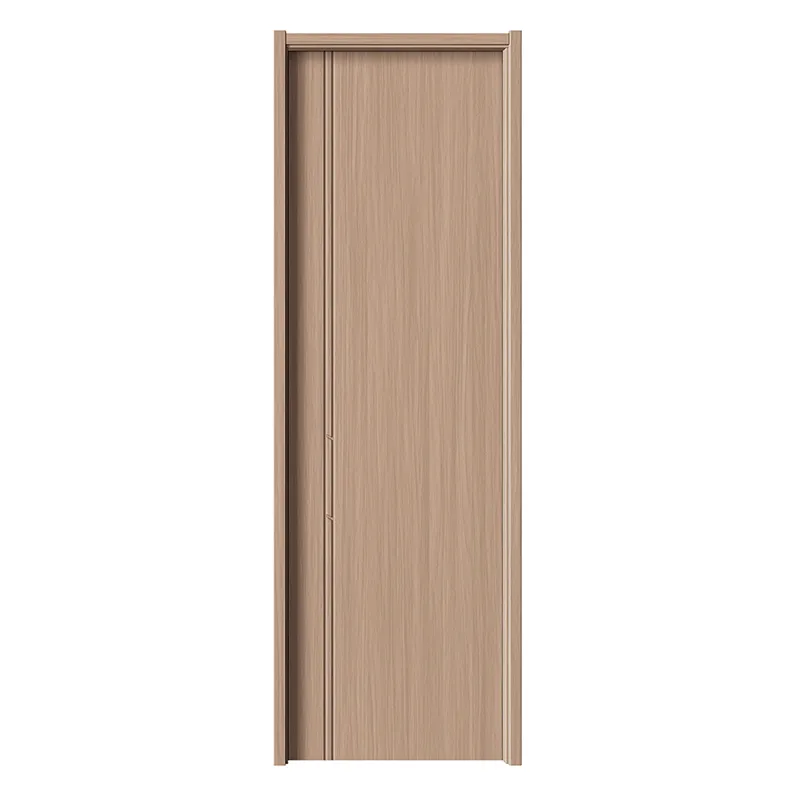 YST-1009 Door Translucent light shade 1
 -
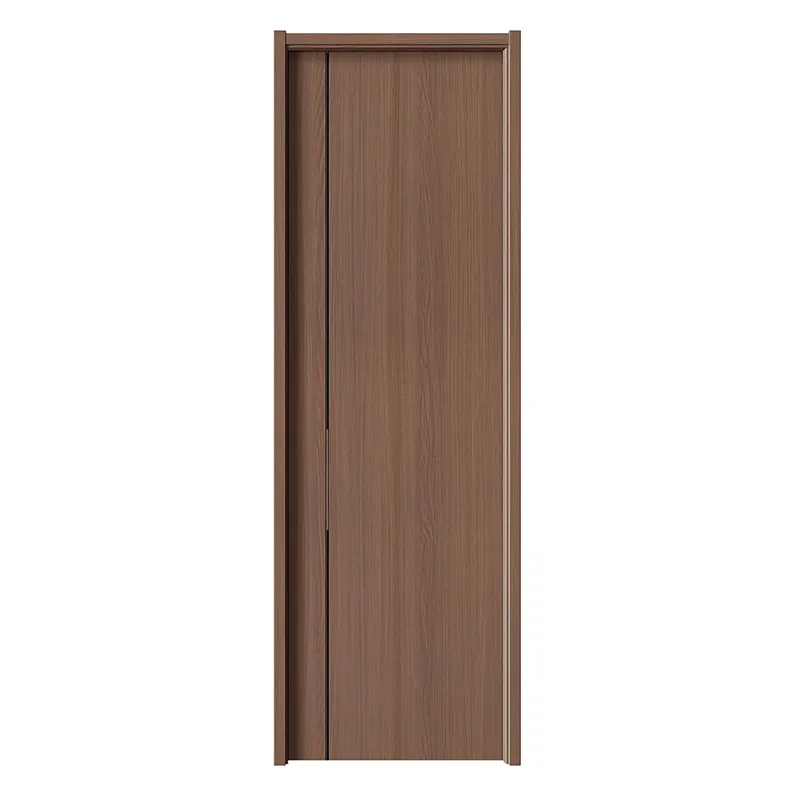 YST-1043 Door Techno-walnut 3
 -
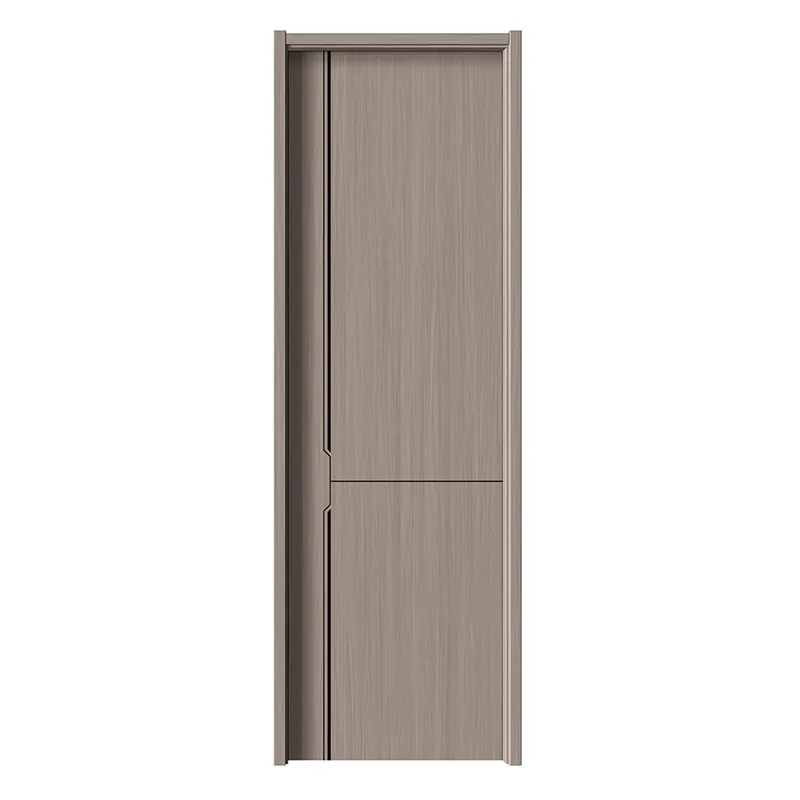 YST-1011 Door Translucent light shadow 3
 -
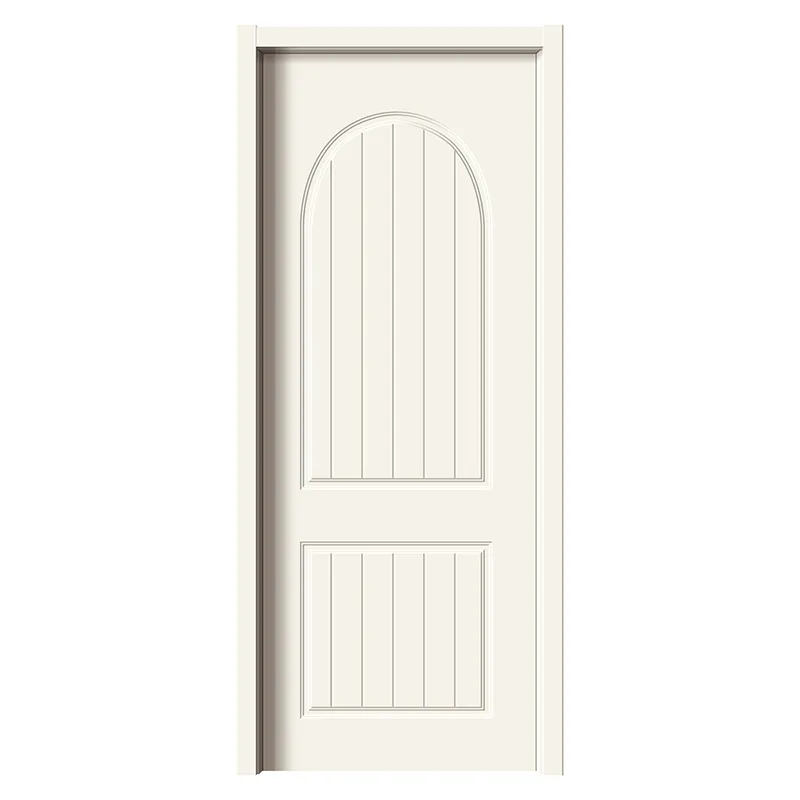 YST-236 Door White ivory