



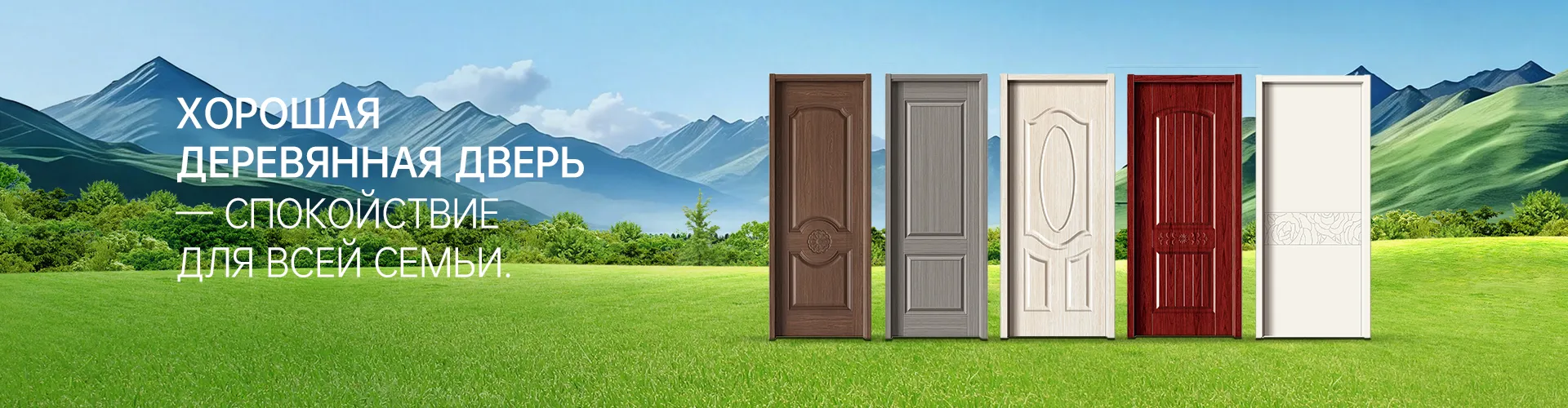
Custom doors made of solid wood
When a client says “I want a solid wood door?”, he often simply means “natural wood”. But here is the first stumbling block. Array is different from array. And it’s not just about the species - oak, ash, walnut. We are talking about how this very breed will behave in the specific conditions of the customer. Is his house dry? Are there constant temperature changes? North side or south side? I have seen many times how beautiful, expensive canvases began to “play” after a season, cracks appeared, a barely noticeable distortion. And the client, of course, is unhappy. But the problem is often not the quality of workmanship, but the fact that at the discussion stage this very “character” was not taken into account. future operation. This is what I want to talk about.
From the choice of wood to the ?mood? doors
Let's take oak, for example. Classic. Durable, status, with a bright texture. But heavy. This imposes restrictions on the fittings - the hinges must be designed to withstand heavy loads, otherwise subsidence is inevitable. And if we talk about large-format openings, say, into a living room-studio, then engineering calculations are absolutely necessary. Ash is more flexible, its fibers create amazing, almost dynamic patterns. But, in my opinion, he is more picky about finishing. Requires a perfectly prepared surface for painting or varnishing, otherwise all minor flaws will appear.
But the nut... This is a special story. Warm, deep, noble. Ideal for offices, libraries. But his toughness is a double-edged sword. It is difficult to process, the cutting tool wears out faster, which affects the cost. But the finished product gains incredible durability. I always advise clients not to just choose from a picture, but to touch the samples, understand tactilely, feel the weight.Custom doors made of solid wood- This is not furniture that you move. It becomes part of the interior, its backbone.
I had experience with an order for solid cedar for a country house near St. Petersburg. The client wanted this particular breed because of the scent and atmosphere. We warned about its relative mildness. Done, installed. Six months later I got a call: dents appeared around the handle from accidental blows. I had to explain that this is natural for such wood, this is its “life”, and offer local restoration. Lesson: even the most exotic wishes must be passed through the prism of everyday reality.
Design: where are the problems hidden ?after installation?
Many people think that solid wood is a single piece of wood. In practice, this is rare for doors and is often irrational due to the risk of deformation. More often, glued solids are used - lamellas glued together at a certain angle of the fibers. This is precisely the technology that dampens the internal stresses of wood. But there are nuances here too. Glue quality, pressing pressure, holding time. The slightest deviation - and after a while a delamination or a “helicopter” may appear. (when the canvas warps diagonally).
Particular attention is paid to the ends and edges. It is they, poorly processed or insufficiently protected, that become bridges for moisture. I always personally check how the end gluing of decorative overlays, if any, is done, and how all hidden cavities are impregnated with a protective composition. I once encountered a situation where a year later, on a seemingly ideal oak door, a dark stripe appeared on the top end - a consequence of condensation in the vestibule. It turned out that the manufacturer saved money on priming the ends before the finishing coat. I had to remove it and redo it.
Here, by the way, it is worth noting the approach of some manufacturers who focus on the full control cycle. Take, for example,Anhui Wantai Woodworking Co.,Ltd (https://www.anhuiwantai.ru). Their description states the principle of “building a business on precision, winning with quality?”. In practice, this should mean strict selection of raw materials for moisture and absence of defects, and, what is critical, end-to-end control at all stages. For the marketdoors to orderThis is a key point, because the defect does not appear immediately, but when the client already has the door.
Finish: varnish, oil and breathable surface
The finish is not just beauty. This is the main barrier. The debate between painting with covering enamels and transparent varnish or oil is eternal. My opinion, based on observations: for interiors with high traffic (offices, restaurants), high-quality polyurethane varnishes perform better. They create a hard, scratch-resistant film. But there is a minus - if damage does occur, it is almost impossible to repair it locally unnoticeably.
Oil (or oil-wax) gives a matte, tactilely pleasant surface that emphasizes the naturalness of the wood. It is more environmentally friendly and easier to update. But! Requires more careful care. Spilled water, if not wiped up immediately, can leave a stain. An excellent option for bedrooms and offices. For kitchen areas or hallways - risky.
I saw works where the finishing was combined: the front of the door was matte varnish, and the side edges and ends were heavily impregnated with oil and wax to protect it from moisture. An interesting solution that shows that real thought was put into the project. This is the very individual approach for which people ordersolid wood doors, and do not buy standard ones.
Fittings: invisible foundation
The most annoying thing is to ruin an excellent canvas with cheap or incorrectly selected fittings. Loops. It would seem like a small thing. But heavy oak leaves require reinforced ball-bearing hinges, at least three per sash, not two. Otherwise, sagging is guaranteed. Lock. If this is a massive entrance or vestibule door, then the insertion of a serious lock should be incorporated into the structure initially, at the stage of designing the drilling map, and not done “on the spot?” milling cutter, weakening the structure.
Handles. Here aesthetics and ergonomics go hand in hand. A massive wooden door with a flimsy, light silumin handle is a dissonance. The handle should be weighty, solid, its tactile sensations should complement the impression of the door. I often suggest that clients consider antique brass or wrought iron options for classic interiors.
A mistake that is often made during installation is incorrect positioning of the hinges. They didn’t take into account the direction of opening, the weight of the leaf - and the door begins to “rip out” hinges from the jamb or, conversely, creaking. Installationdoors to order- this is filigree work, it cannot be trusted to handymen. We need a specialist who understands how the tree will behave in the coming months and will give the necessary clearances.
The price of the issue: where savings are justified and where they are not
Costcustom solid wood doorsconsists of many factors: breed, design complexity (panels, carvings, glass inserts), type of finish, fittings, dimensions. Saving on material is more expensive for yourself. Cheap solid wood often has high humidity or hidden defects (knots, resin pockets) that will come out later.
But what you can (sometimes) save on is complex decor. For example, instead of hand carving, which is incredibly expensive, use high-quality milled overlays from the same type of wood. Or choose a simpler but elegant panel design. The visual effect will be almost the same, but the difference in price will be significant.
The main thing is the transparency of the estimate. A good manufacturer will always describe in detail what the client pays for. As, for example, the company declaresAnhui Wantai Woodworking Co.,Ltd, striving to supply the international market with products that combine design and practicality. For a global client, be it a private home in Europe or a commercial property in Asia, it is important to understand what he is getting for his money: not just a door, but a comprehensive solution that takes into account aesthetics, engineering, and durability. After all, the ultimate goal is not just to close the opening, but to obtain the very character of the space that sets the tone for the entire interior. And solid wood here is a win-win material, if you approach it wisely.
Correspondingproducts
Related Products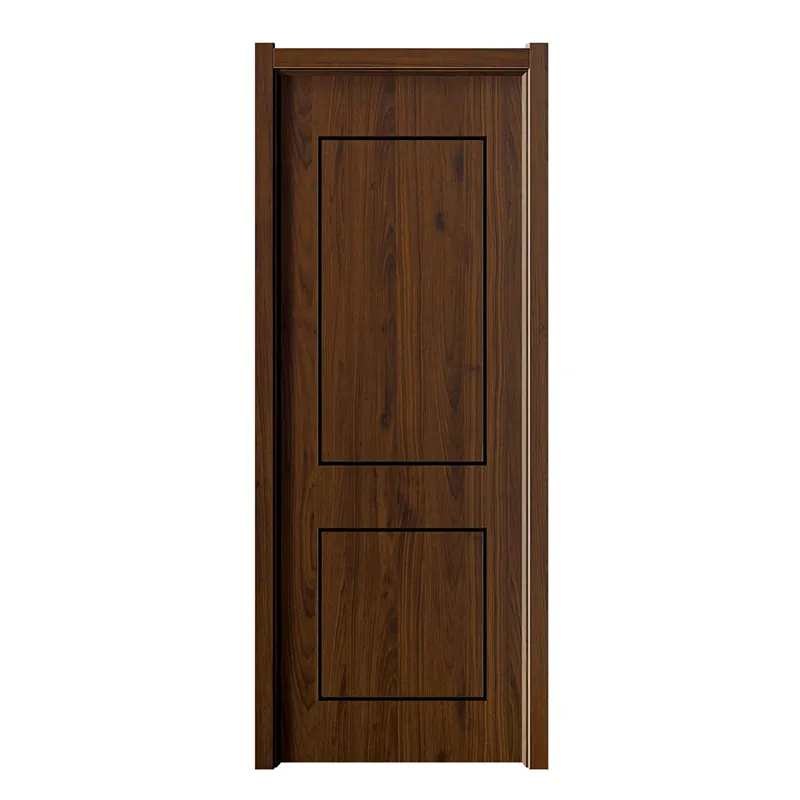
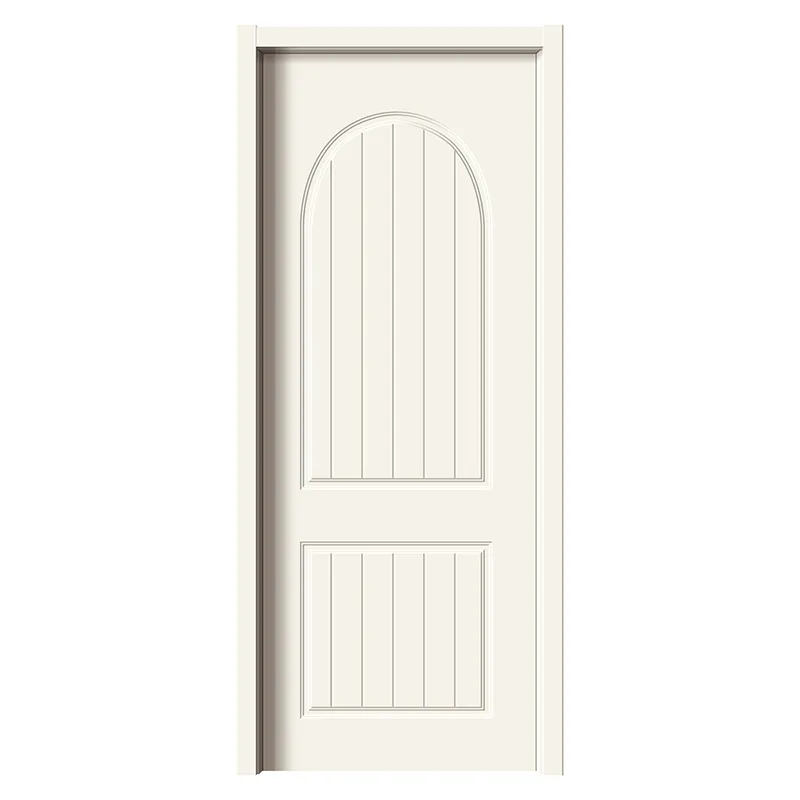
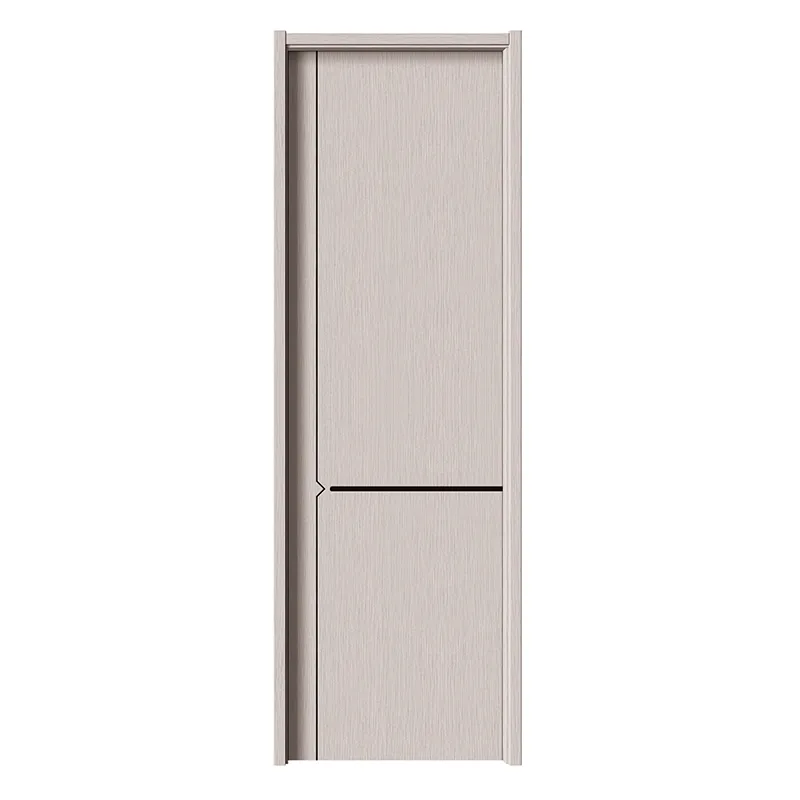
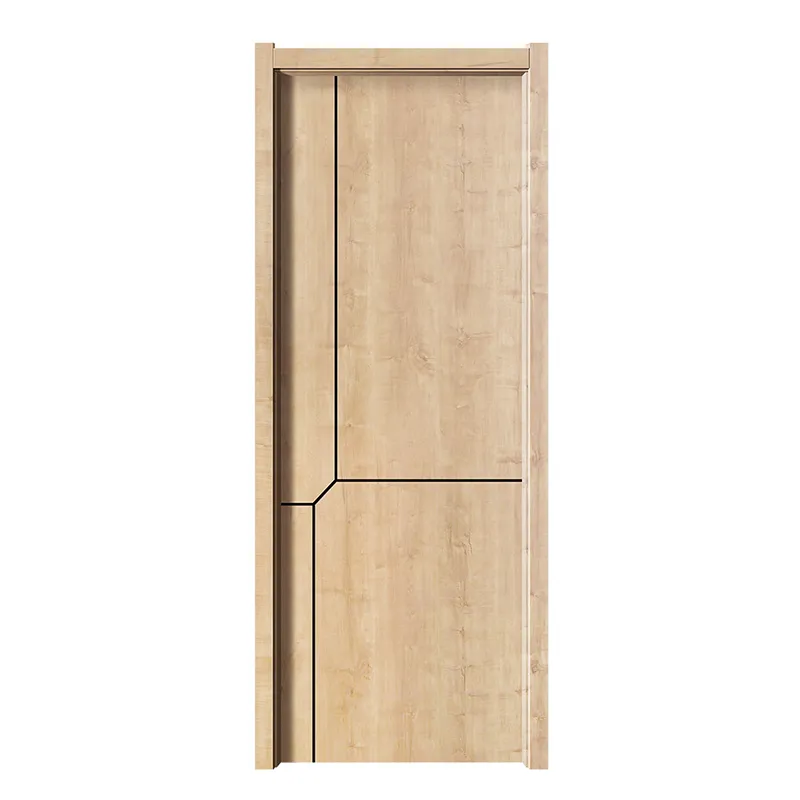
Best Sellingproducts
Best Selling Products-
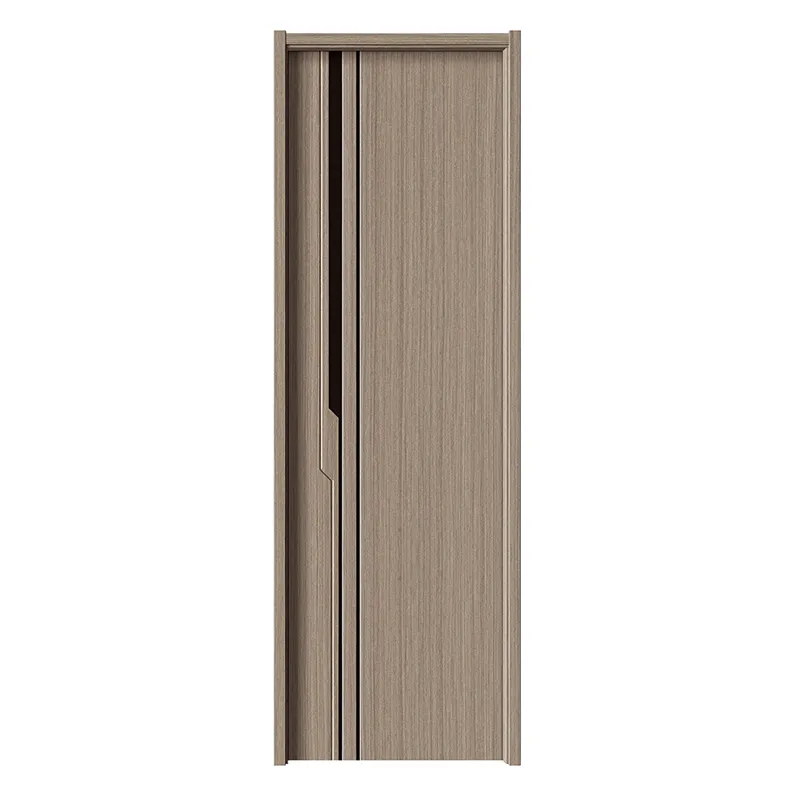 YST-1018 Technowood Door 1
 -
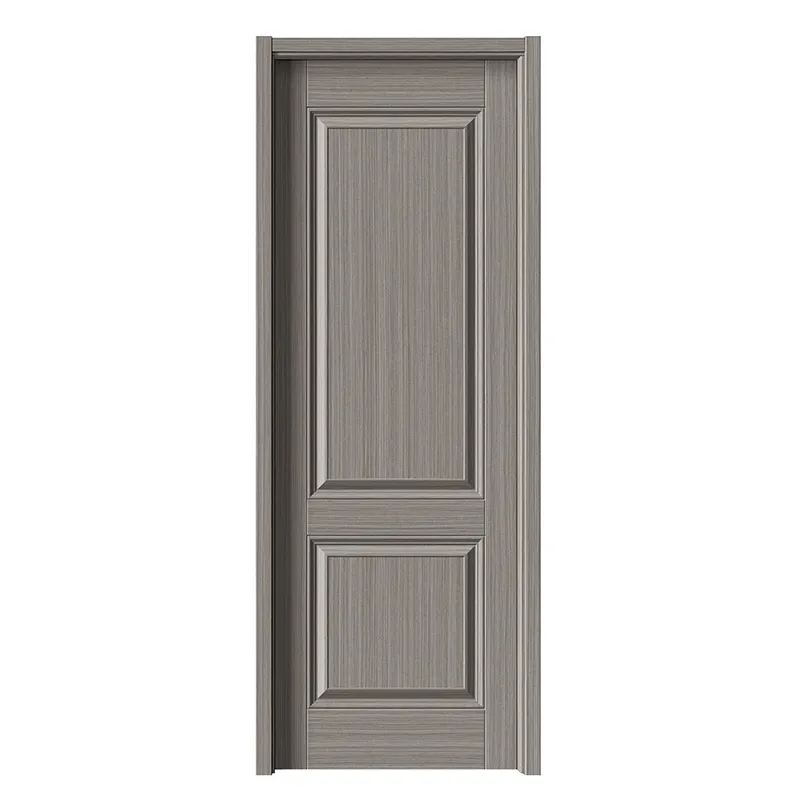 YST-214 Door Technowood 2
 -
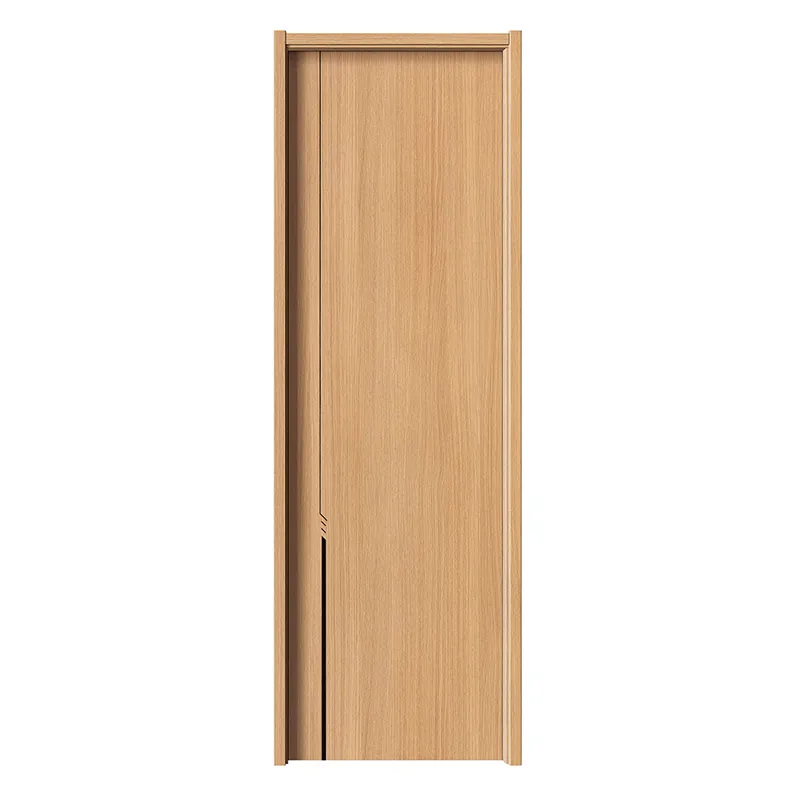 YST-1041 Door Oak Shutter
 -
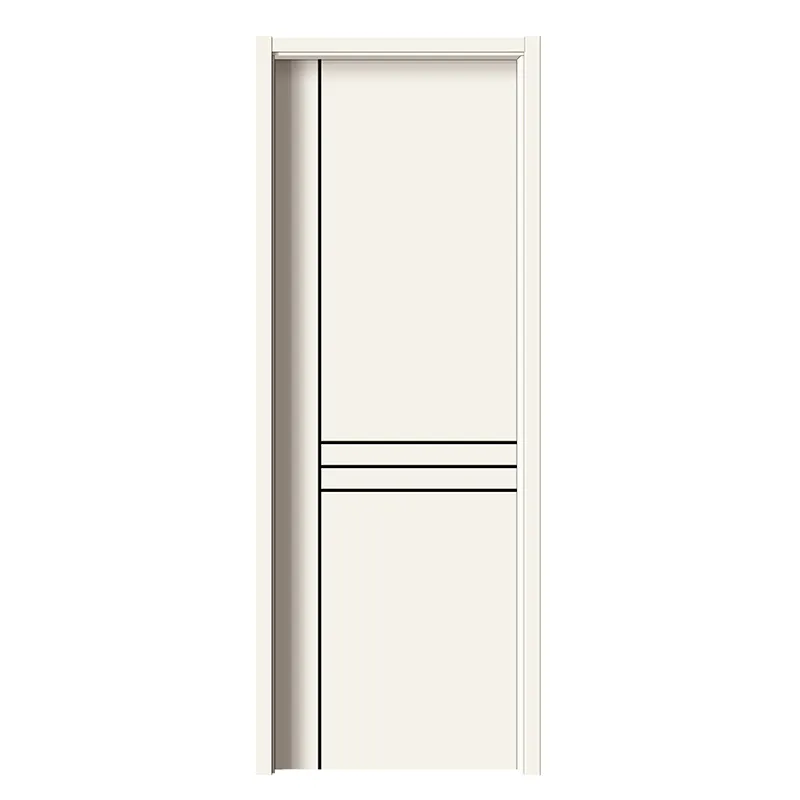 YST-220 Door Warm white
 -
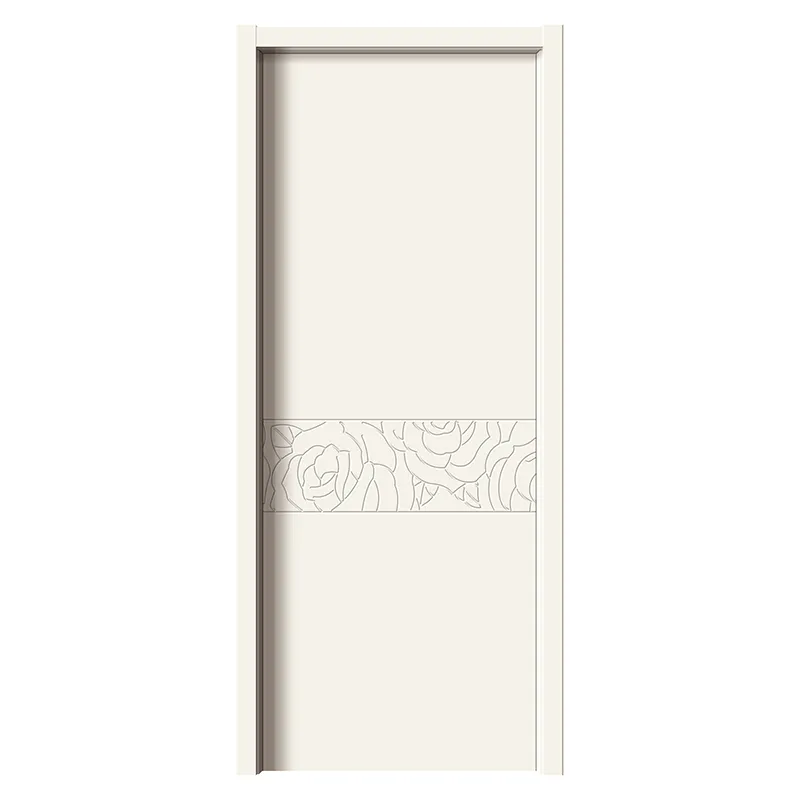 YST-238 Door White ivory
 -
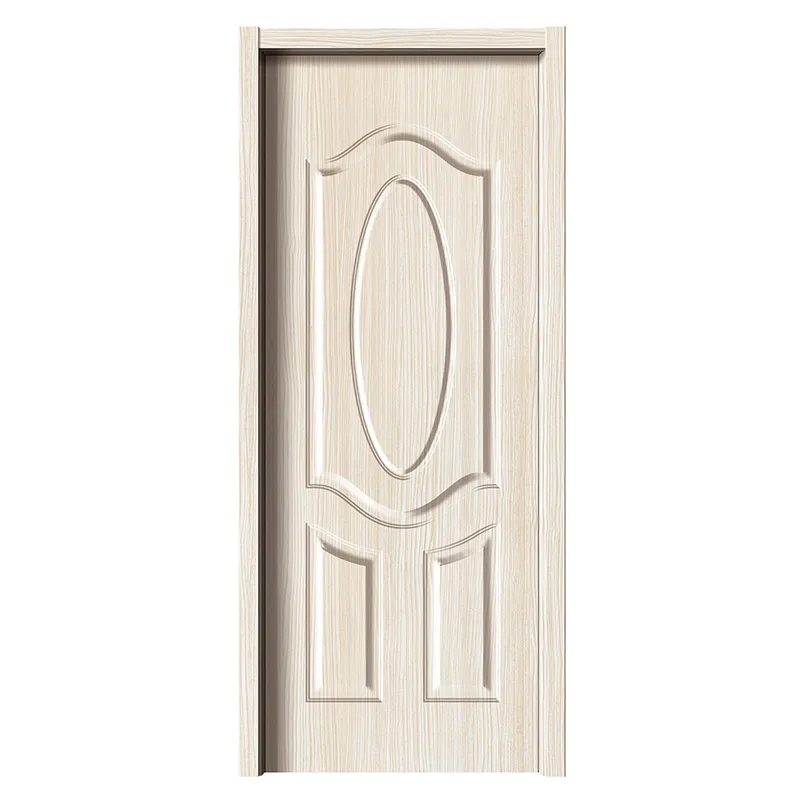 YST-216 Door White Maple
 -
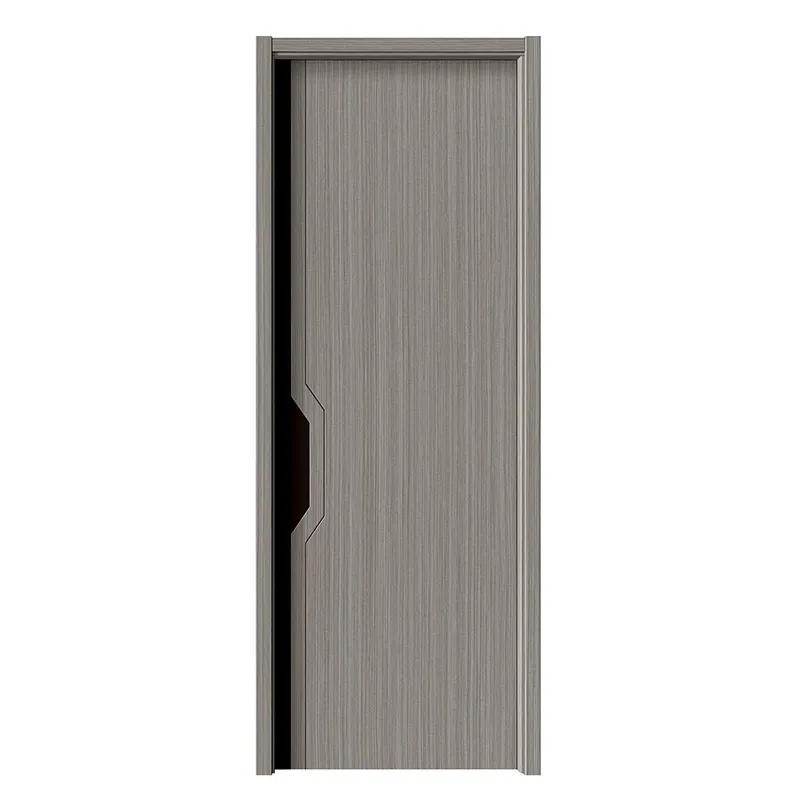 YST-1007 Technotree Door 2
 -
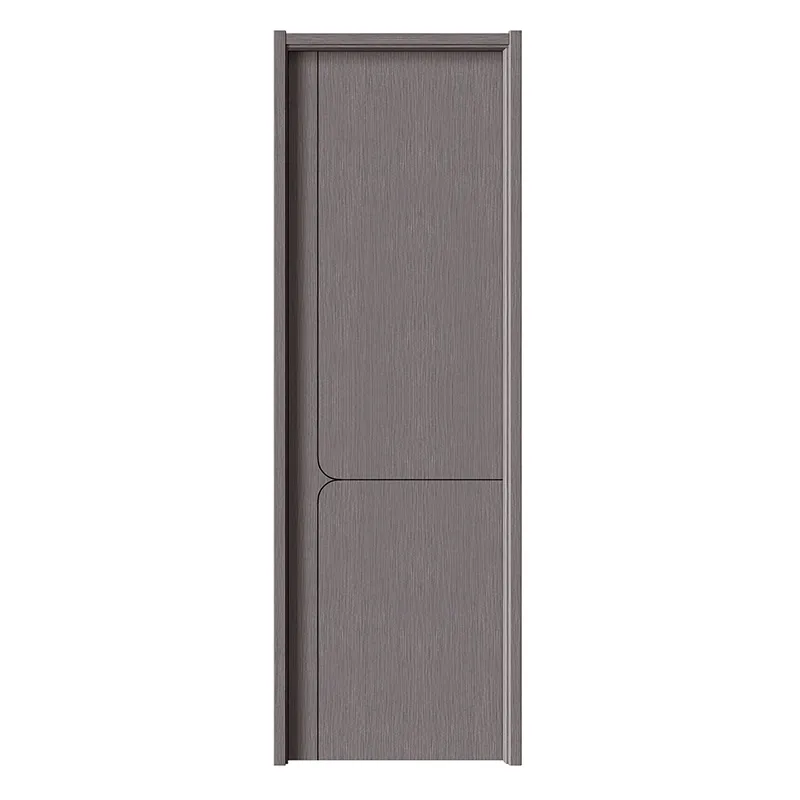 YST-1001 Door Chiaroscuro tree 2
 -
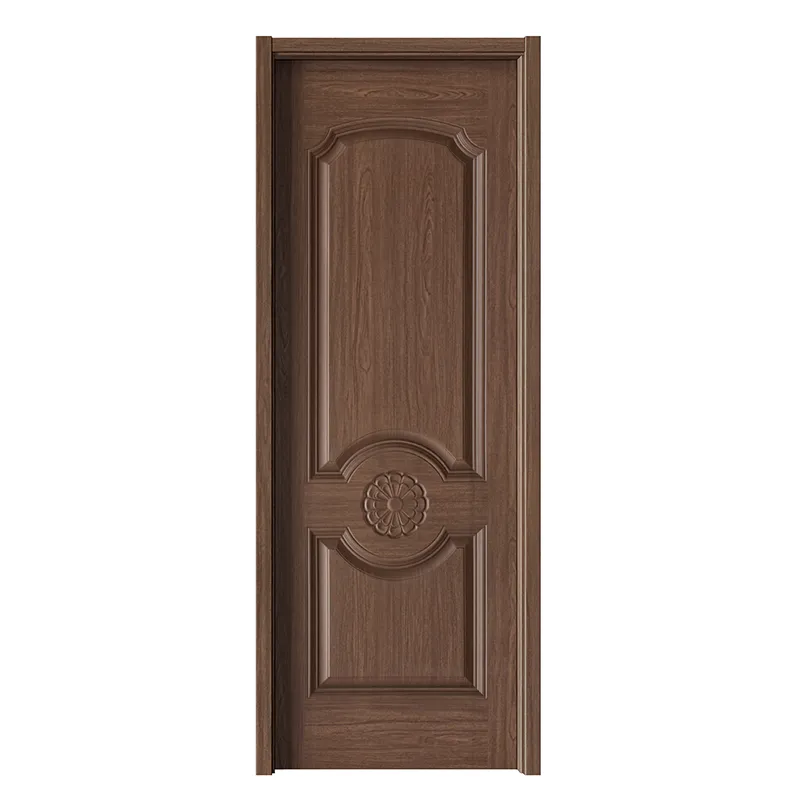 YST-212 Door North American Oak 2
 -
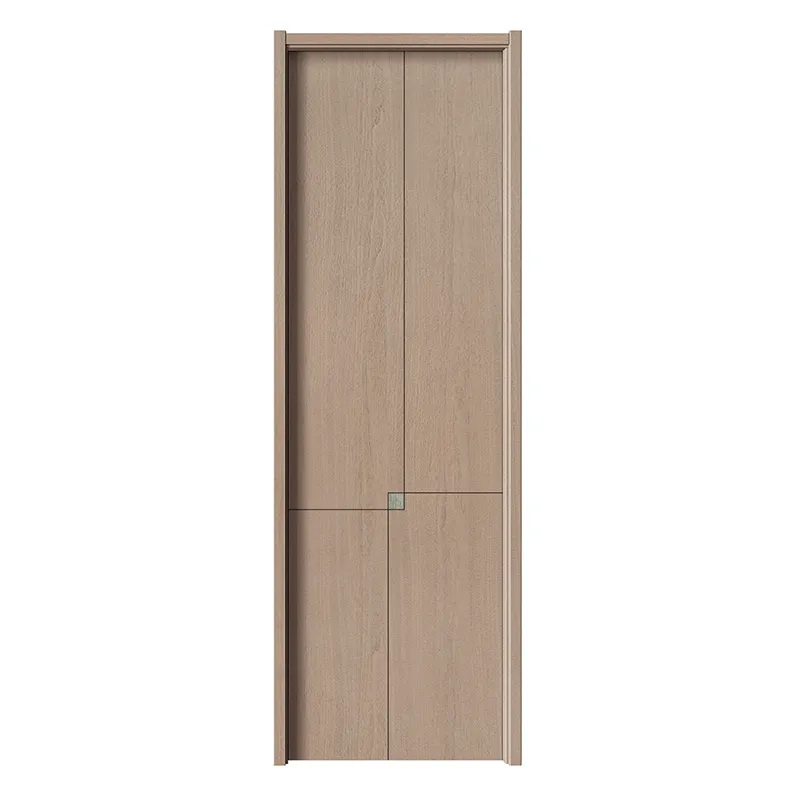 YST-1008 Door Natural walnut 2
 -
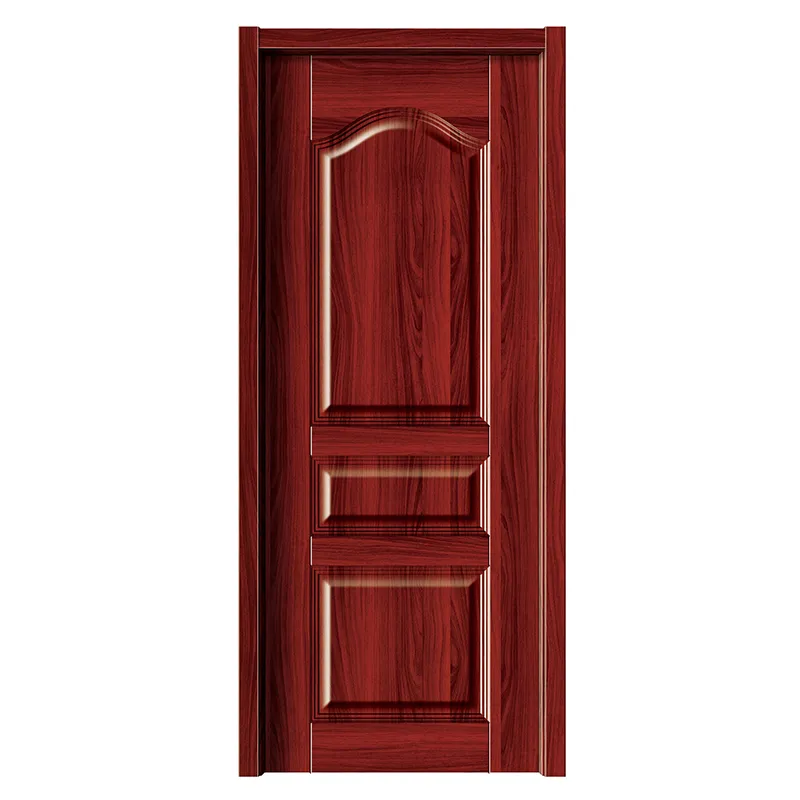 YST-203 Door Red team
 -
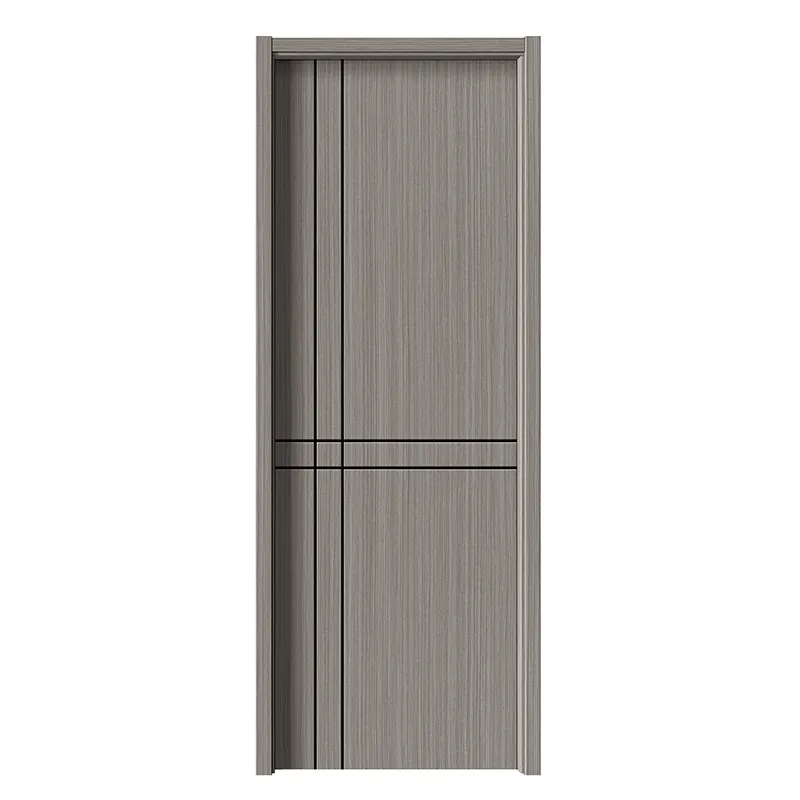 YST-1004 Door Technotree 2