




Wooden door to the landing
When they say “wooden door to the landing?”, many immediately imagine just a massive shield to fence off a neighbor or a stairwell. This is where the first, most common mistake lies. The site is not just a vestibule, it is a transition zone from public to private, with special conditions: temperature changes, possible drafts, high traffic, and sometimes not the most tactful visitors. Putting the first interior door you come across here, even if it’s made of wood, is a surefire way to end up with a warped door with cracks in a couple of seasons.
What does “door to the landing” actually mean?
Here you need to clearly separate: the door to the apartment from the landing and the door that fences off the landing itself from the entrance. We are more often talking about the second option, and its requirements are stricter. The canvas should not only be beautiful, but also resistant to the microclimate of the entrance, where it can smell damp in winter and dusty in summer. This is no longer so much an element of the interior as a functional barrier.
At one time, we experimented a lot with laminated veneer lumber for such tasks. It would seem a stable material. But if the adhesive composition is not of the highest class, and humidity differences are significant (and in the staircases of old houses they are exactly like this), then over time, the finest gluing lines may appear. It’s not critical, but to a professional’s eye it’s a defect. Therefore, now for critical objects I am inclined to use a solid mass that has undergone proper, multi-stage drying. Yes, it is more expensive, but here the savings on material come out later, in the form of service calls.
By the way, about thickness. 40 mm is no longer a luxury, but a necessity for good sound insulation and just a feeling of solidity. A thin door, even made of oak, will look like a toy on the site and will not fulfill its main task - creating a feeling of security.
Fittings: the point where theory meets reality
You can make a perfect canvas, but ruin everything with hinges and a lock. On the site, the door is opened often, sometimes abruptly, not always caring about the smoothness of movement. The hinges must have bearings designed for increased load. In a year or two, cheap ball-type models will begin to creak so much that you can hear them on two floors.
The castle is a different story. Mortise cylinder mechanisms are standard, but I have seen cases where they jammed due to condensation formed during sudden temperature changes. Especially if the door opens directly onto a cold dressing room. Therefore, for such locations it is sometimes more logical to consider leveling systems; they are less capricious to moisture. But this is a matter of coordination with the management company and neighbors.
The sealing contour is a part that is often saved on, but in vain. Rubber must be frost-resistant, otherwise in the second winter it will harden and cease to perform its function. The result is a draft and smells from the entrance. Please check this point upon acceptance.
Design under constraints
Aesthetics here are secondary after functionality, but still important. Solid wood paneling is a classic, but it can make the area dark and oppressive. The option with inserts made of frosted or reinforced glass solves the problem of light from the entrance window, but adds hassle with safety and insulation. We need to find a balance.
Coating. Glossy enamels look impressive in catalogs, but on the site where bags, bicycles and strollers are carried past, the first deep scratch will be like an eyesore. Matte or semi-matte coatings, especially with an oil-like texture. or “waxed”, much more durable. The marks on them are less noticeable, and they are more tactile. CompanyAnhui Wantai Woodworking Co.,Ltd (https://www.anhuiwantai.ru), which supplies doors that combine design and practicality, puts the right emphasis in this regard. Their approach is to build a business on precision and win with quality - these are precisely these non-obvious nuances that distinguish a product for real use from an exhibition sample.
Form. The standard rectangle is not a dogma. In old houses, the openings are often blocked, and sometimes it is easier and more correct to make a canvas with figured additions than to break the walls. This requires precise measurements and an understanding of the design, but the result is worth it.
Installation: 90% success
The most perfectwooden doorcan be hopelessly damaged by crooked installation. The site is a place where there is rarely a perfectly level slope. Distortions of several centimeters are often encountered. Covering them with polyurethane foam is a crime. You need to either level the box with wedges with pinpoint precision, or, what is more reliable, use adjustable anchor plates. They allow you to level the box even in the most hopeless opening and securely fix it.
Gaps. The golden rule is 2-3 mm around the perimeter. Less risk of mashing due to swelling from moisture. More is a loss in heat and sound insulation. After installation, be sure to check the movement around the entire perimeter with a sheet of paper.
One of our early failures was precisely due to ignoring the “bridge of cold”. We installed a beautiful oak door right on the threshold of the landing overlooking the unheated attic. In winter, condensation began to freeze around the perimeter, and then ice. I had to redo it and install a thermal break gasket between the frame and the wall. Lesson: Always consider where the end of the wall faces and provide additional insulation.
Selecting a Supplier: Trust and Clarity
In this matter, it is important to work with those who understand the specifics. He doesn’t just sell doors, but knows how they will behave in the non-standard conditions of an apartment building. For example, I am always wary of suppliers with bloated catalogs, where everything is there, but there is no depth in technical consultations.
You need to look at the production base and process control. When the company is the sameAnhui Wantai Woodworking Co.,Ltd, declares strict adherence to standards from the selection of raw materials to final control, these are not just words for the site. In practice, this means that the wood for their products is acclimated and the finish is applied in a controlled shop environment rather than in a garage. This directly affects how the door will survive its first winter on a cold site.
The final choice is always up to the client, but our task as specialists is to convey thatwooden door to the landingIt's an investment in long-term comfort. This is not something that is changed every five years. Therefore, it is better to invest once in a well-thought-out, high-quality product with proper installation, than to put up with drafts, creaks and the eternal feeling that “something is wrong here” for years. After all, it's the first thing you touch when you get home and the last thing you close when you leave. It should work flawlessly.
Correspondingproducts
Related Products
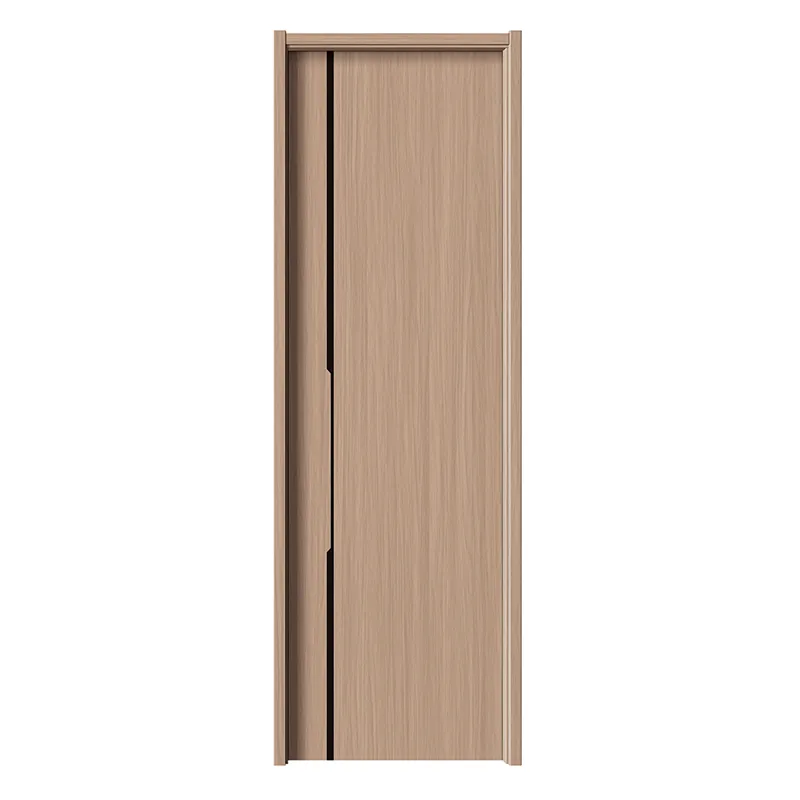

Best Sellingproducts
Best Selling Products-
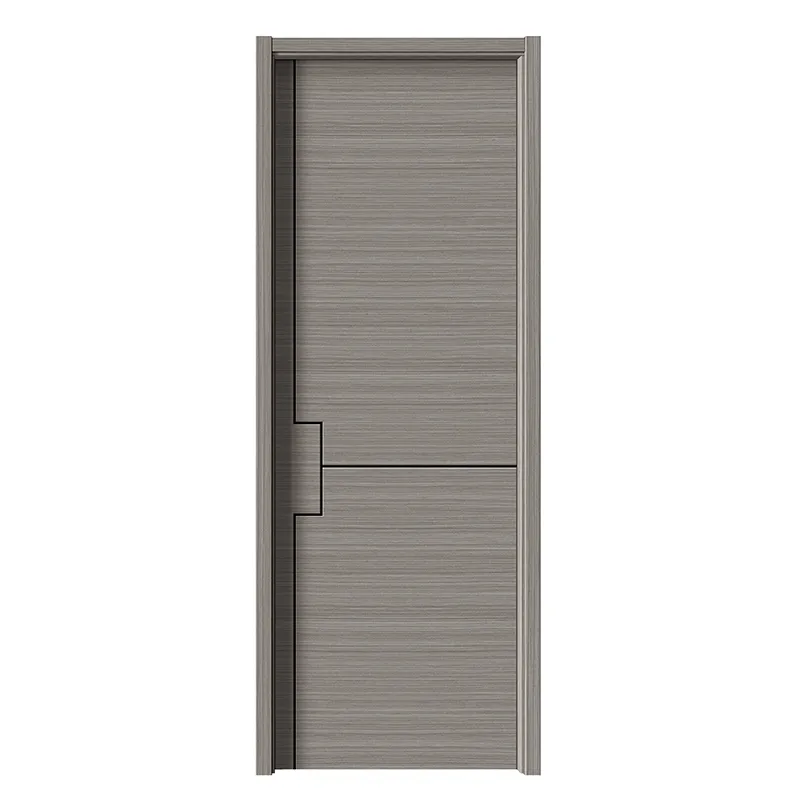 YST-1005 Technotree Door 2
 -
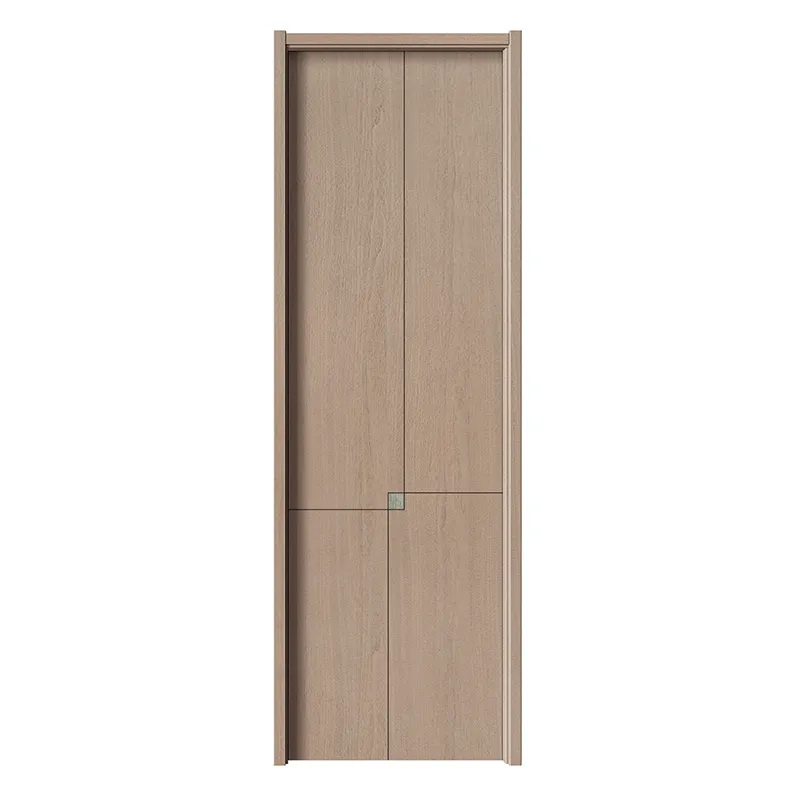 YST-1008 Door Natural walnut 2
 -
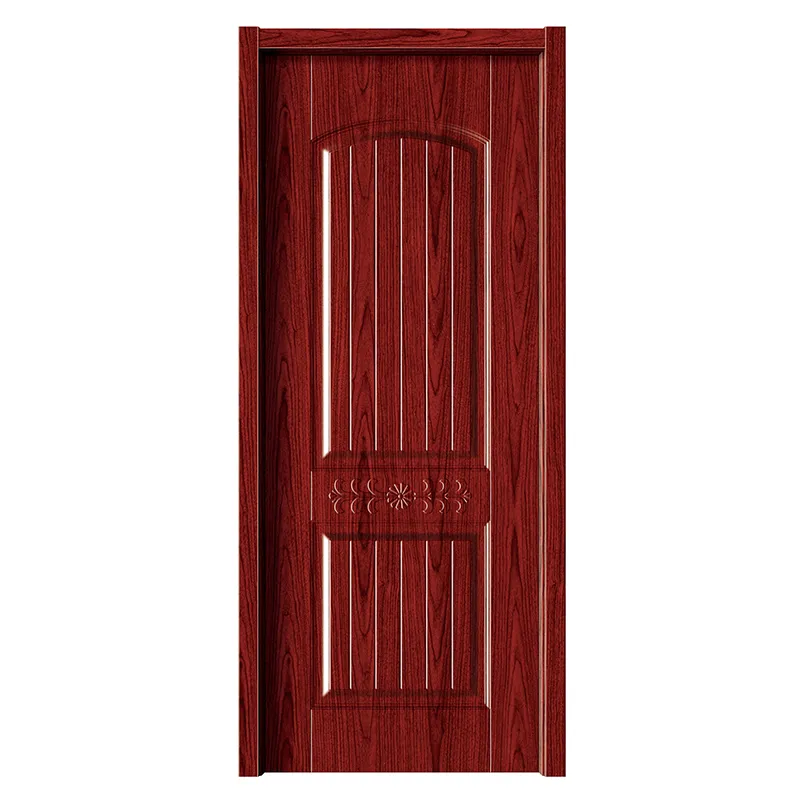 YST-233 Door Mahogany
 -
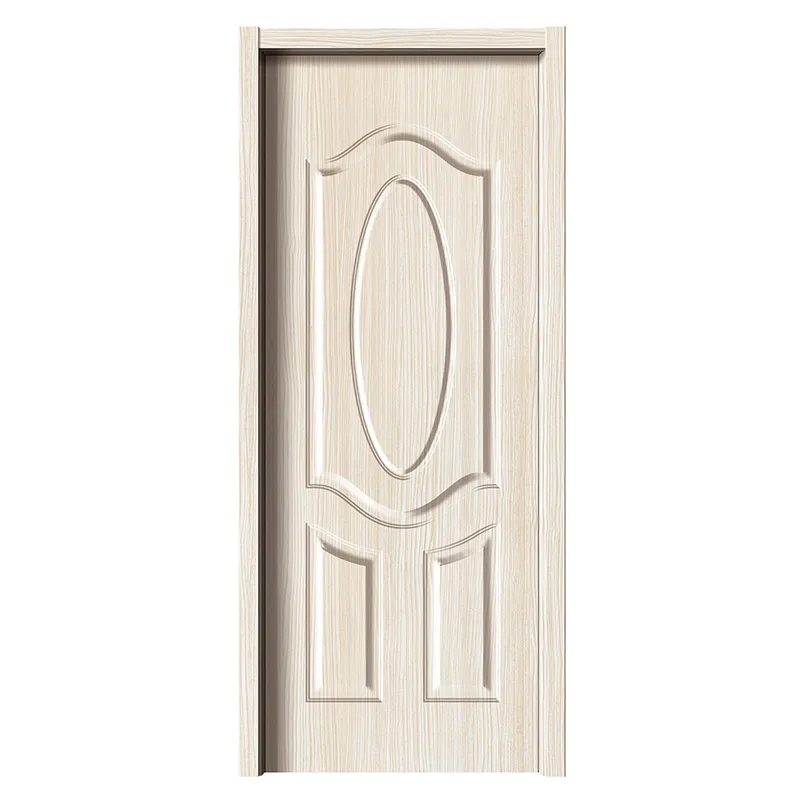 YST-216 Door White Maple
 -
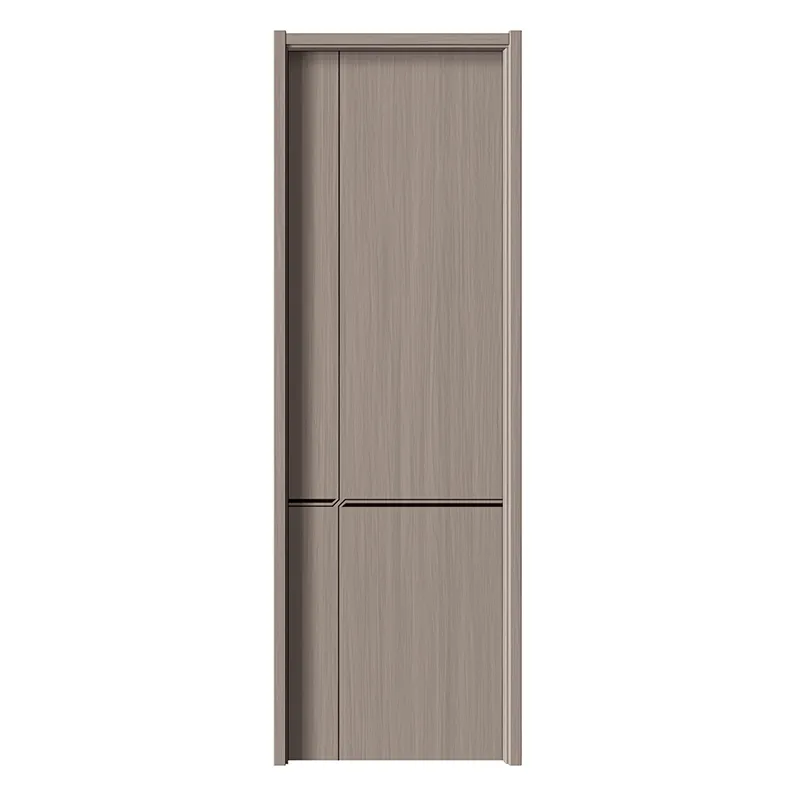 YST-1010 Door Translucent light shadow 3
 -
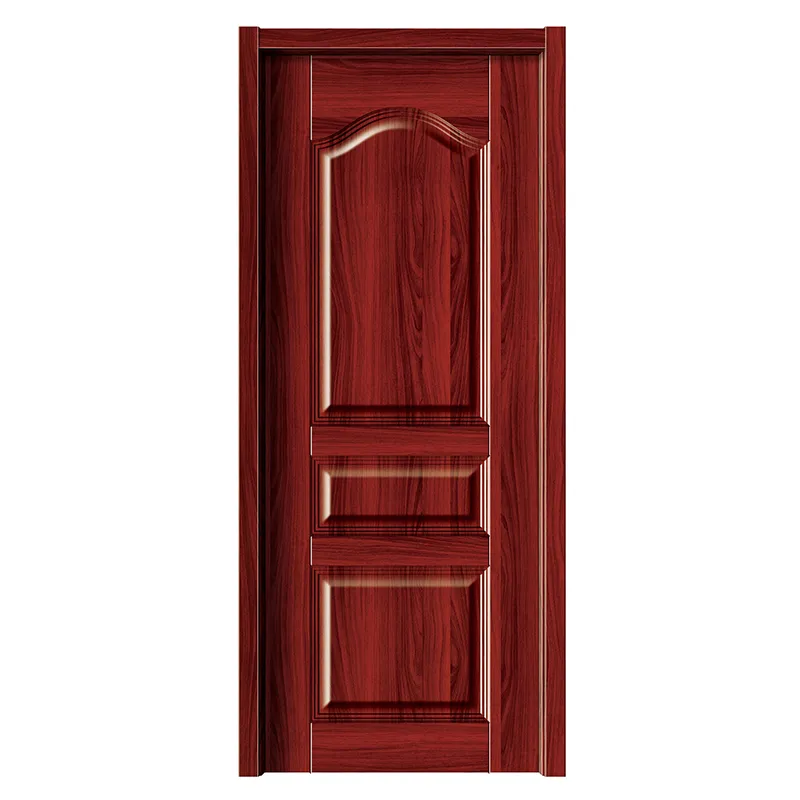 YST-203 Door Red team
 -
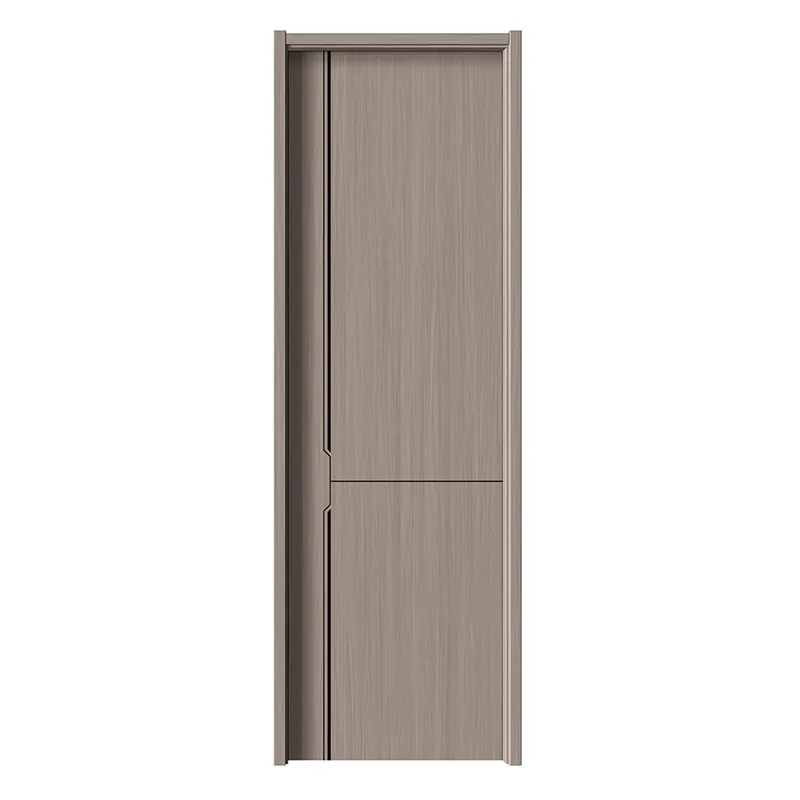 YST-1011 Door Translucent light shadow 3
 -
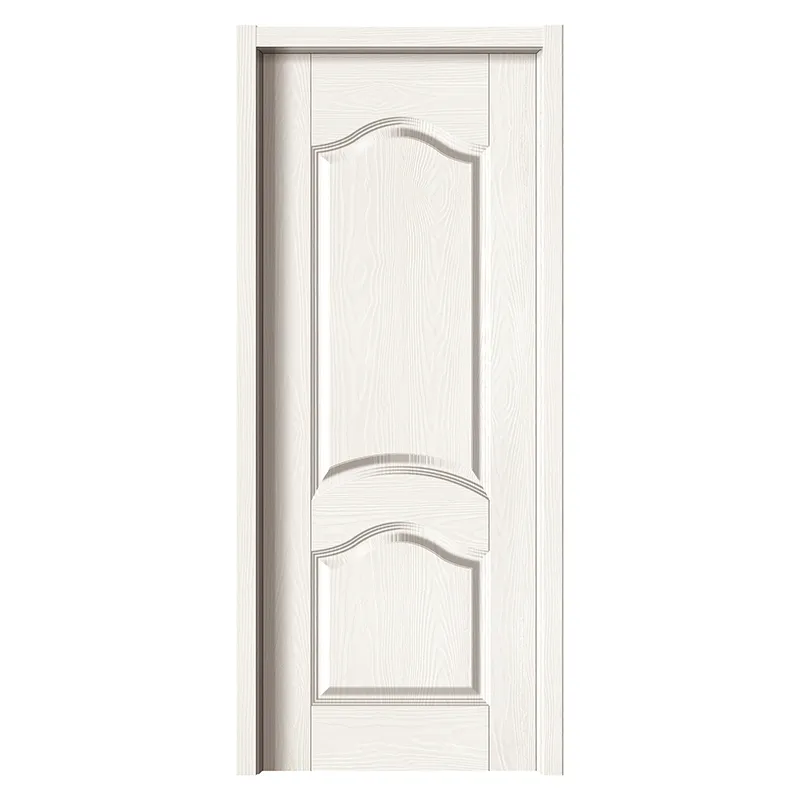 YST-224 Door Warm white with relief
 -
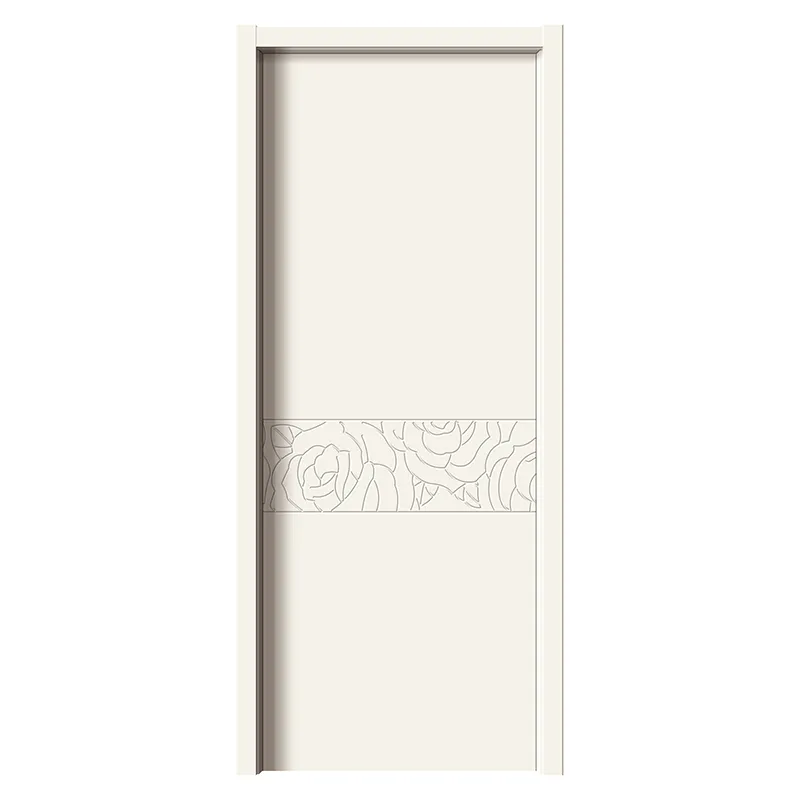 YST-238 Door White ivory
 -
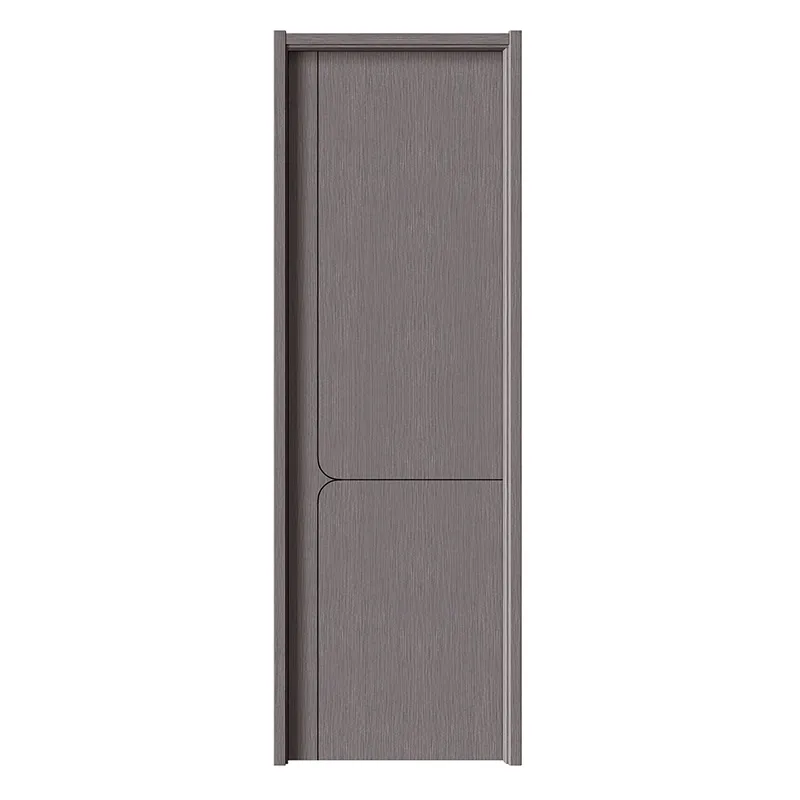 YST-1001 Door Chiaroscuro tree 2
 -
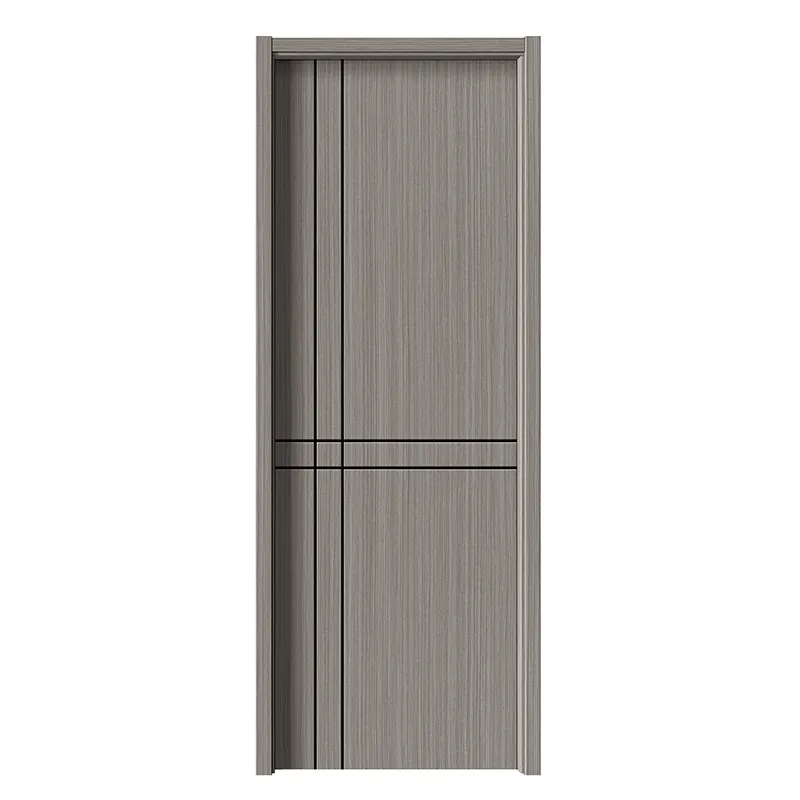 YST-1004 Door Technotree 2
 -
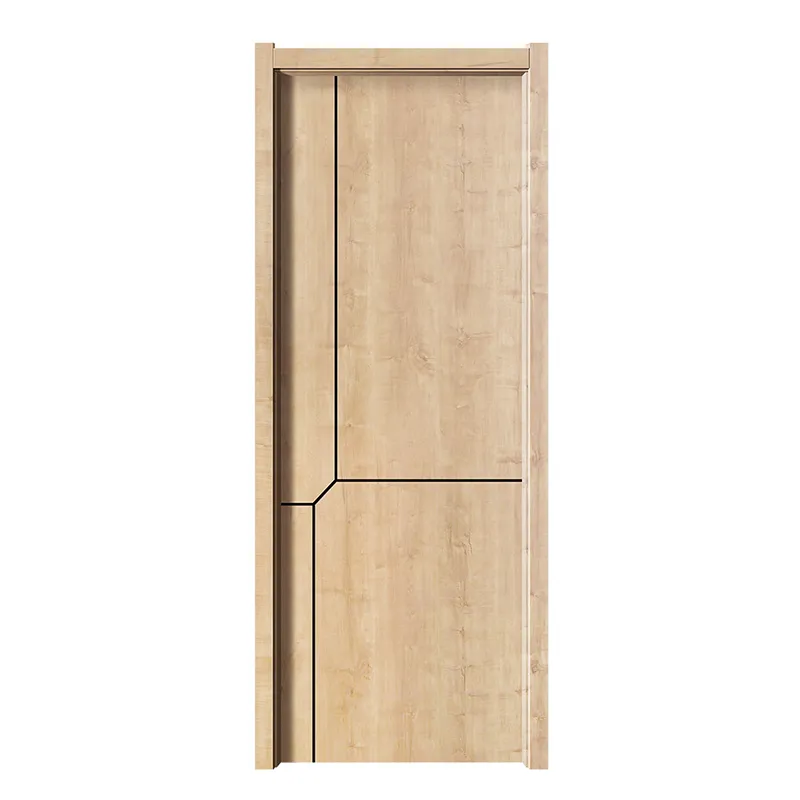 YST-WPC1 Door