




Wooden garage doors
When it comes towooden garage doors, many imagine just a massive shield made of boards. This is perhaps the most common myth. In fact, this is a complex knot where issues of safety, thermoregulation, resistance to deformation and, oddly enough, aesthetics converge. I have been selecting and installing such structures for many years, and I can say: if you approach the matter carelessly, problems will begin after the first winter. Moisture, temperature changes, load on the hinges - all this requires a thoughtful approach to the material and design, and not just buying the thickest board.
Why tree? Let's get to the bottom of things
Metal seems like an obvious choice for a garage - stronger, more reliable. But wood has its own, unobvious advantages. The main thing is the microclimate. In an unheated garage in winter, a metal door becomes a source of condensation, and frost on the inside is common. Wood “breathes” and copes better with changes in humidity. Of course, we are not talking about just any pine from a sawmill. We need wood with a certain density and properly organized drying.
People often make mistakes here. They take dry chambered pine and think - it will do. But for an outdoor structure, especially one as massive as a garage door, it is not just humidity that is important, but the stability of the geometry. I saw how beautiful panels made of solid oak began to “twist” after six months, and cracks appeared at the joints. The problem was in the design of the canvas - the array was glued incorrectly, without taking into account the direction of the fibers. Therefore, now many are looking towards engineered wood and laminated veneer lumber. It is less susceptible to deformation.
By the way, about suppliers. I recently encountered the company's productsAnhui Wantai Woodworking Co.,Ltd(their website ishttps://www.anhuiwantai.ru). They just claim strict control at all stages, from raw materials to production. In their case, these are not just words - they can be seen from the cuts and ends. The fibers are laid correctly, the adhesive seams are almost invisible and, what is important, they do not play around. with seasonal changes in humidity. This is exactly the case when the concept of “building a business on precision” works for results.
Design: what is hidden behind the canvas
Externally, the door is a facade. All the most important things are inside. Frame. Many people save on it by making a simple Z-shaped harness. It will work for a small shed, but not for a wide garage opening. Over time, the canvas will sag and warp. We need a reinforced frame with additional stiffening ribs, especially if we are talking about double-floorwooden garage doors. Here again the material of the frame is important. It is often made from the same solid wood, but I am inclined to believe that it is better to use LVL timber - it is stronger and more stable.
Insulation is a different story. Styrofoam or polystyrene foam is a poor choice. Over time, it crumbles, settles, and may become infested with rodents. Mineral wool is better, but is afraid of moisture. If it gets wet inside the “pie,” then the entire structure will begin to rot from the inside. Therefore, the right pie is: vapor barrier from the inside, then insulation (for example, high-density basalt wool), a windproof membrane on the outside, and only then sheathing. Yes, it's more expensive. But cheaper than replacing the entire door after five years.
The hinges are the critical load point. Simple shed awnings will not work. You need either solid steel hinges with bearings, or, better yet, hidden adjustable hinges. They hold the weight better and allow you to adjust the position of the sash over time. Once we had to redo the entire installation because the customer insisted on decorative forged hinges. A year later, the sash sank by 2 centimeters, the bottom corner touched the asphalt. I had to remove it, strengthen the frame and install the correct fittings.
Protection and finishing: not just for beauty
Painting a wood garage door isn't as simple as picking up a paintbrush. Without proper preparation, any coating will fly off within a season. The wood must be dry, clean, and treated with an antiseptic primer. Particular attention is paid to the ends. These are the most vulnerable places through which moisture is absorbed most quickly. They need to be soaked especially carefully.
The choice of paint or varnish depends on the exposure. If the garage is on the sunny side, a UV filter is required, otherwise the coating will quickly fade and crack. For harsh climates with frequent rain and snow, elastic compounds are needed that will not crack from frost. I often recommend opaque antiseptics or hard wax wood oils. They are smaller than film, retain texture better and, what is important, local repairs (scratches, chips) are easier to do.
And one more nuance - seals. Without them, no paint will save you from drafts and dust. Self-adhesive rubber seal around the perimeter is a must have. But it also needs to be selected correctly in terms of profile and thickness, otherwise the door will either not close or not be sealed. A common mistake is to install a seal that is too thick, the door is difficult to close with a lock, and after a month it crumples and stops working.
Editing: where the main mistakes lie
You can buy the perfect door fromAnhui Wantai Woodworking Co.,Ltd, but ruin everything during installation. The basis of everything is the box. It is often assembled right on the spot, from raw or unprepared timber. This is fatal. The box must be assembled from dry, treated material, perfectly aligned in level and diagonals before fixing it in the opening. And it needs to be mounted not just on mounting foam, but on anchor bolts, with obligatory wedges for adjustment.
Gaps. Their size is critical. Too small a gap - the door will swell from moisture and will not open in the spring. Too big and there will be drafts. Usually leave 3-5 mm around the perimeter, taking into account the future seal. This seems like a small thing, but it’s these little things that determine whether it will lastwooden garage doorten years or will start causing problems in two.
And the most vulnerable place is the bottom end. It is closest to the ground, to the melting snow, to the splashes. Often it is simply painted, like the entire door. But I strongly recommend either installing an aluminum flashing (flashing) from below, or, at a minimum, impregnating this end with a special hydrophobic compound several times. This will add years to the life of the entire structure.
Summary: what you shouldn’t save on
So, to sum up the informal results. If you are consideringwooden garage doors, don't just look for a "wooden shield". Look for a manufacturer who understands the engineering side of the issue. Like the same company from the siteanhuiwantai.ru, which emphasizes process precision and quality control. Their philosophy is “to win with quality?” it couldn't come at a better place here.
Saving on the frame and fittings is more expensive for yourself. A thinner but stable fabric with powerful hinges is better than a massive but ill-conceived design. And most importantly - installation. You need to trust it to people who understand that they are installing not just a door, but a complex assembly that will constantly struggle with the external environment.
Wood is a living material. You need to work with it, anticipating its “movement”. Successfulwooden garage door- this is not something that just looks pretty on the day of installation. This is the one that opens and closes without squeaks or problems after many winters, retaining heat and protecting what’s inside. This can only be achieved by paying attention to details, of which, as you can see, there are many.
Correspondingproducts
Related Products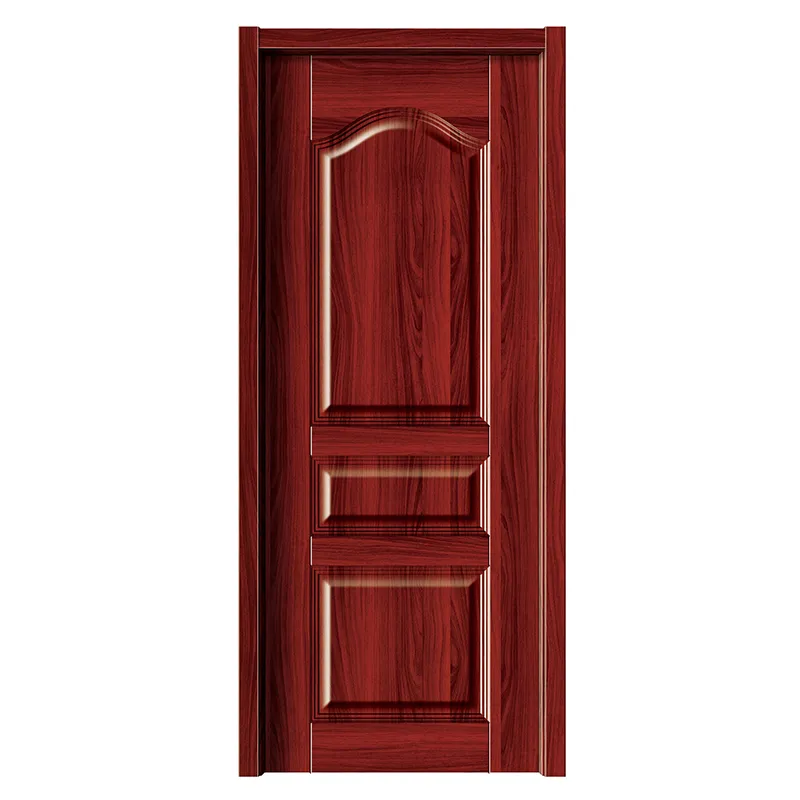
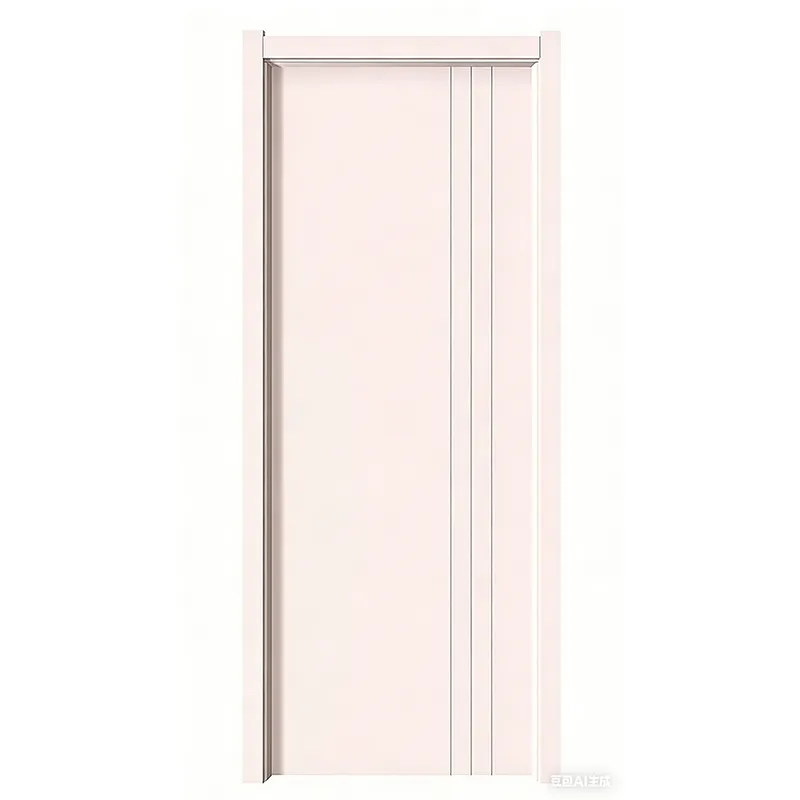
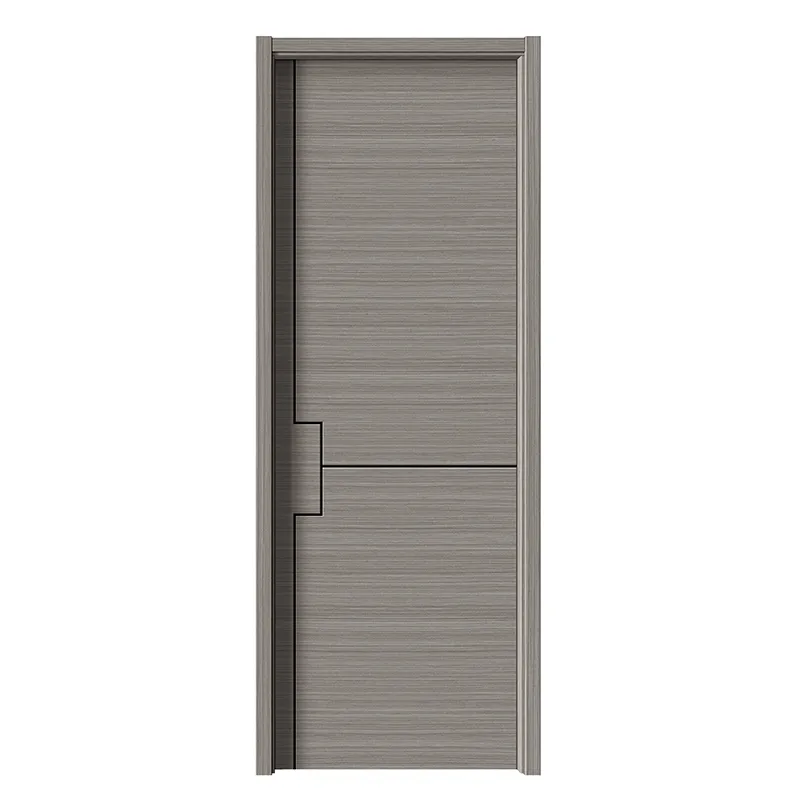

Best Sellingproducts
Best Selling Products-
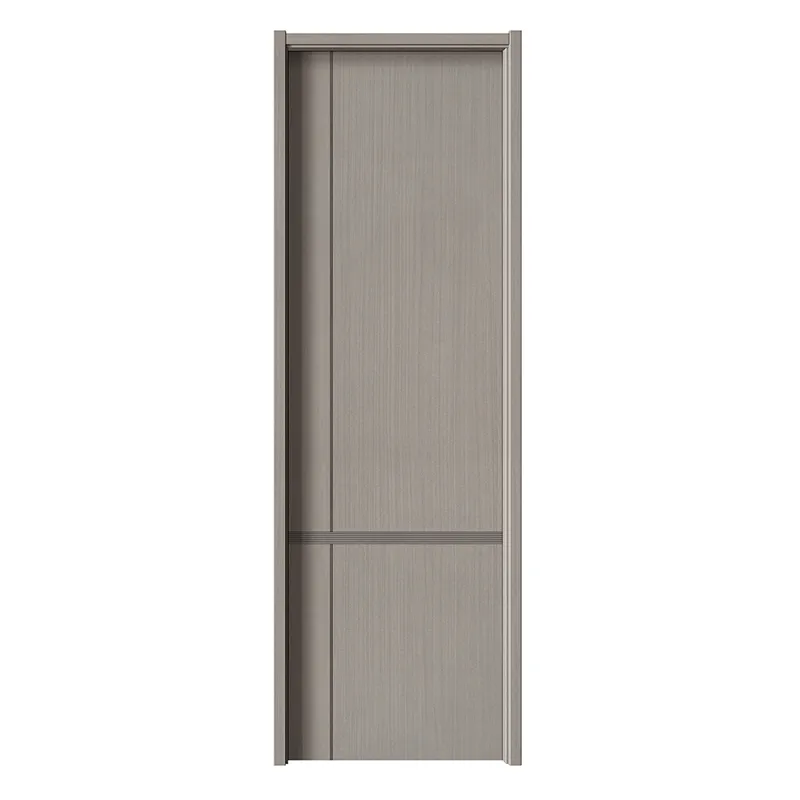 YST-1013 Door Cloud Walnut 1
 -
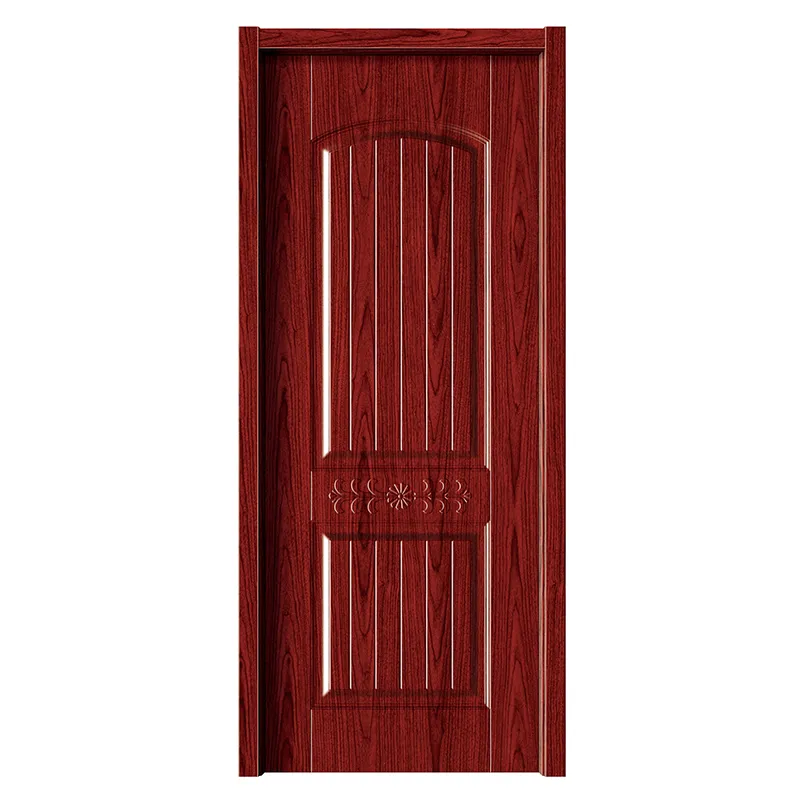 YST-233 Door Mahogany
 -
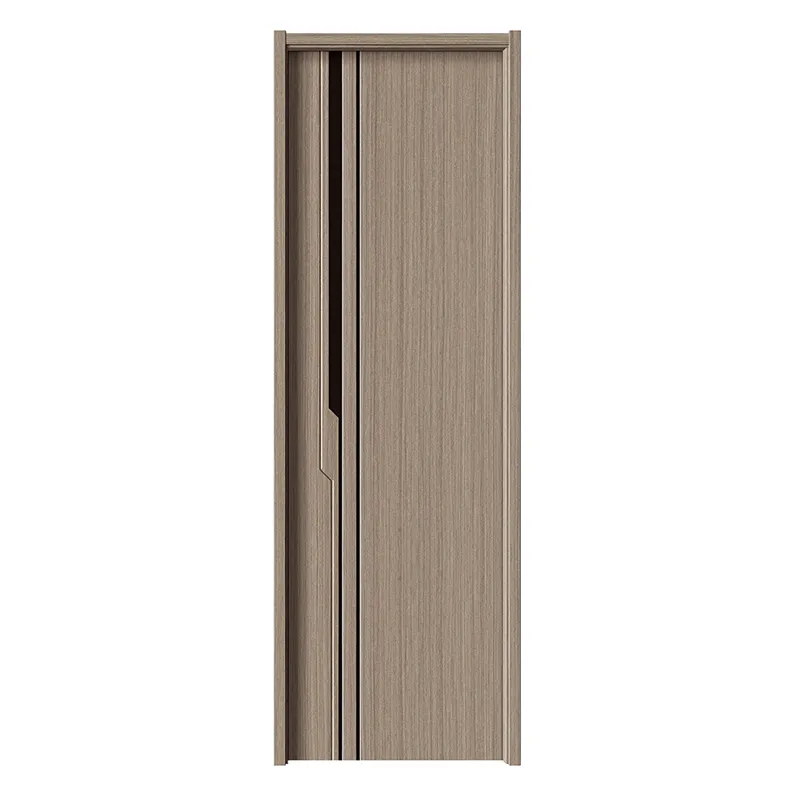 YST-1018 Technowood Door 1
 -
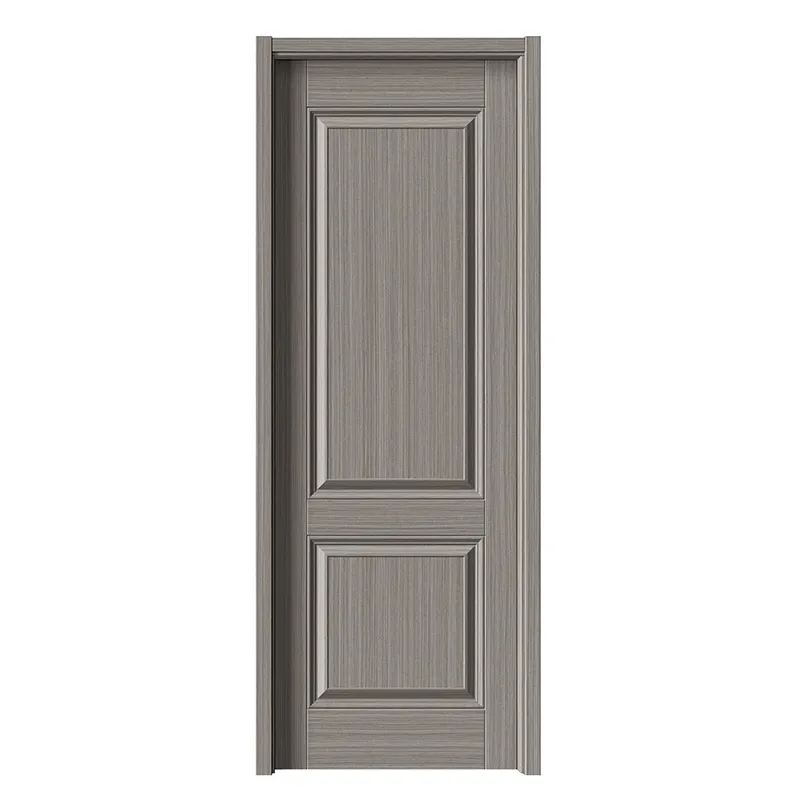 YST-214 Door Technowood 2
 -
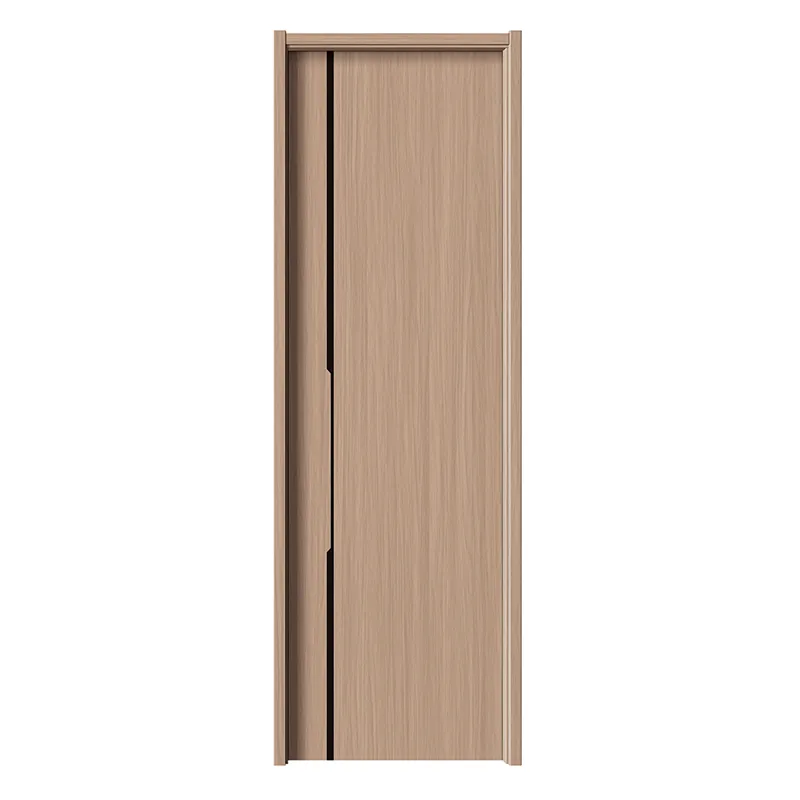 YST-1029 Door Translucent light shade 1
 -
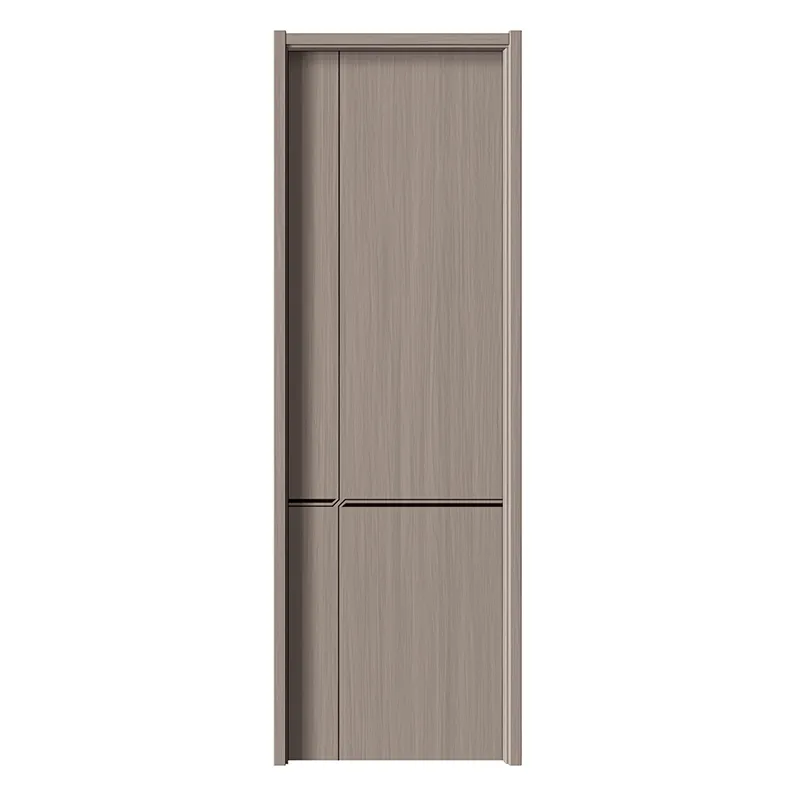 YST-1010 Door Translucent light shadow 3
 -
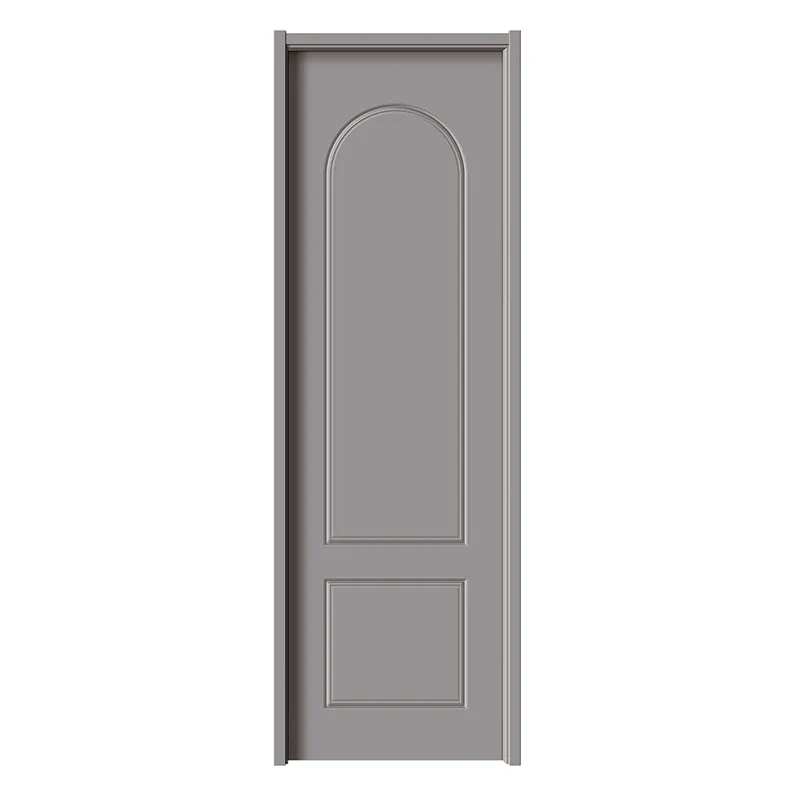 YST-241 French Door 1 soft stone gray
 -
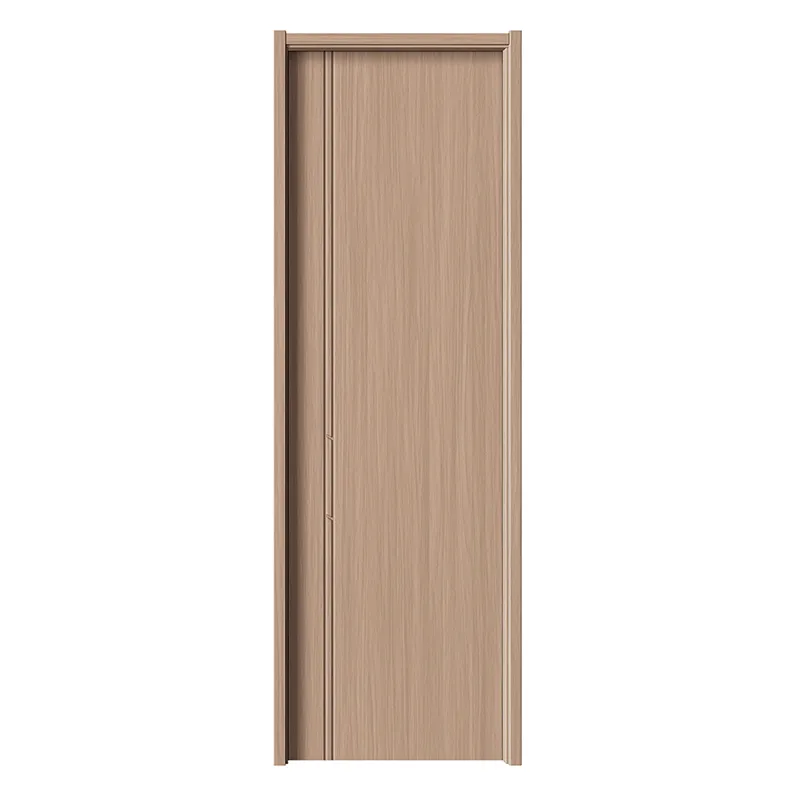 YST-1009 Door Translucent light shade 1
 -
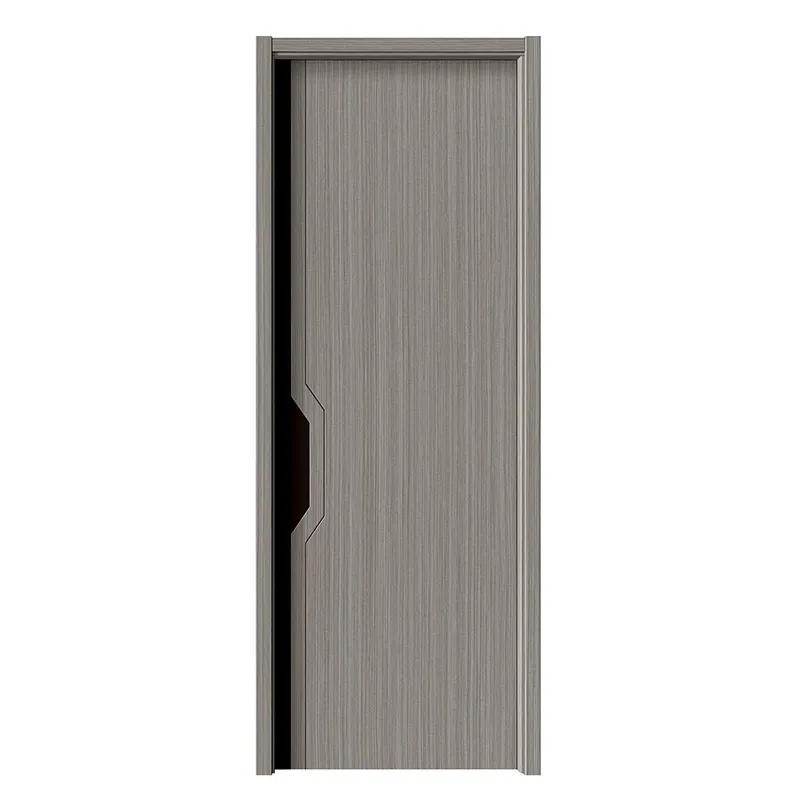 YST-1007 Technotree Door 2
 -
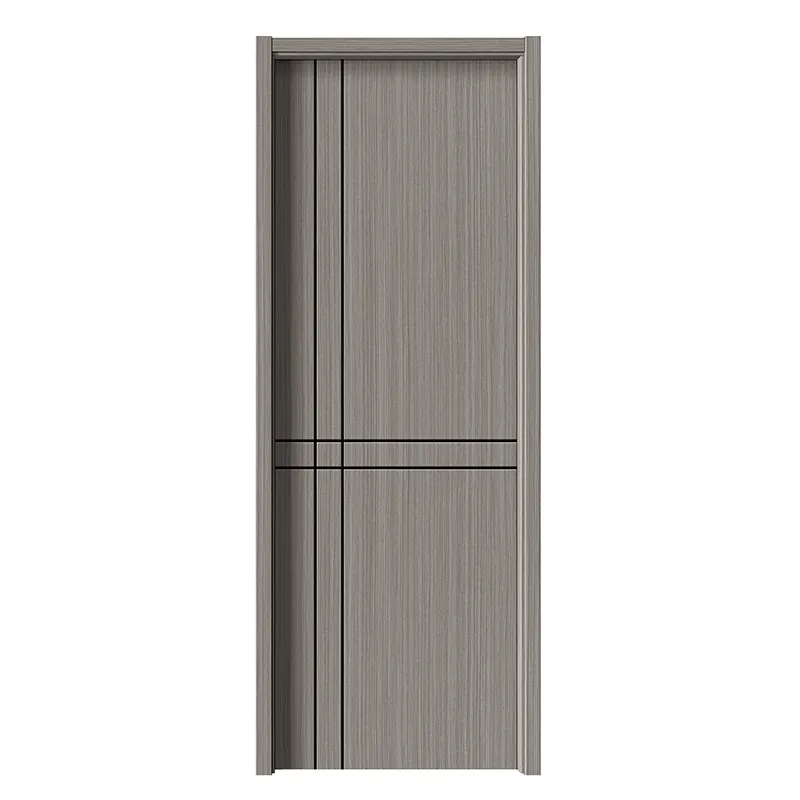 YST-1004 Door Technotree 2
 -
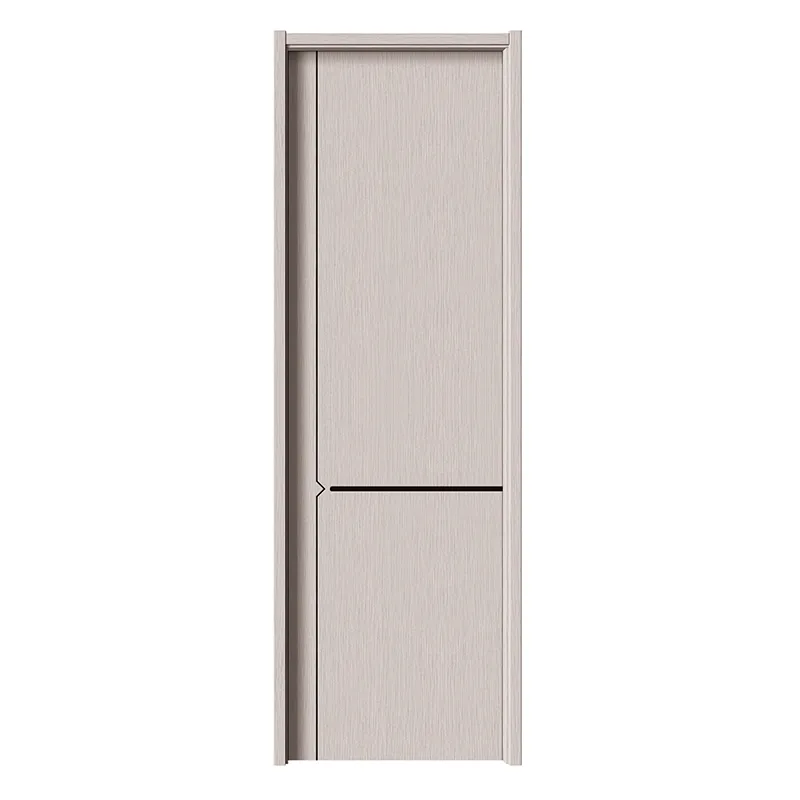 YST-1024 Door Chiaroscuro wood 1
 -
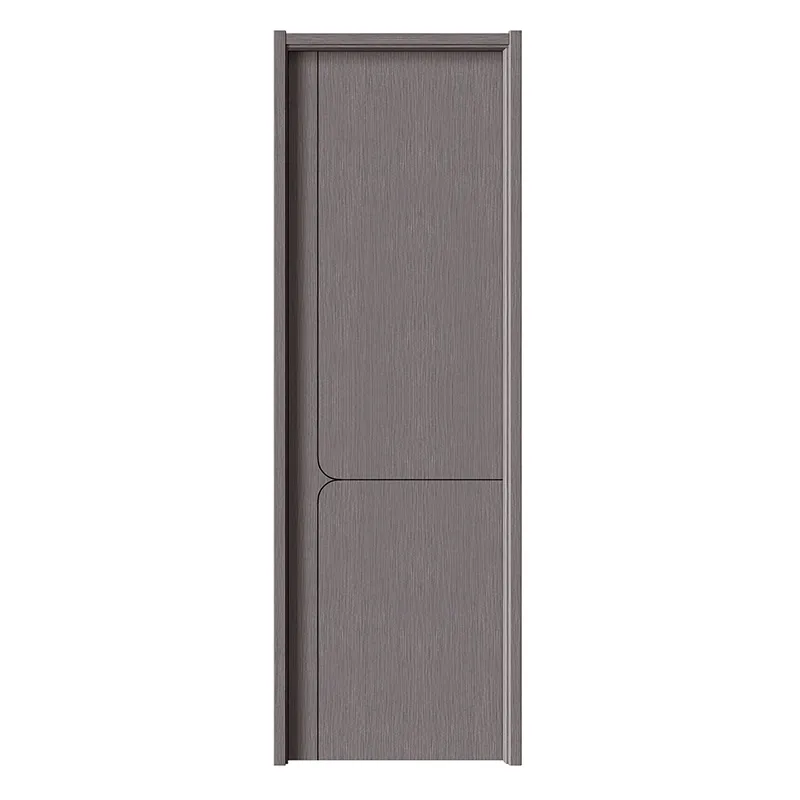 YST-1001 Door Chiaroscuro tree 2
Relatedsearch
Related Search- Wooden door in ultra-minimalist style
- Gray toilet door
- Wooden door in a modern style of light luxury
- Outdoor plastic door for a private house
- Repair the entrance plastic door
- Wooden door to the bathroom
- Wooden door economy
- Order a wooden door to your house
- Installing a plastic entrance door
- Wooden entrance door