




Wooden door in vintage style
When a client asks for a “vintage wood door,” what they often have in mind is a picture from a magazine: aged paint, patina, maybe paneled construction. But real vintage is not just about “making it old”. This is a story that must be true in detail. Many people think that the main thing is the aging technique, brushing or patination. This is a mistake. The basis is the door itself, its design, type of wood, proportions. Without this, any aging looks like a cheap masquerade.
What's really behind the "vintage style"?
Vintage is a reference to a specific era, most often to the turn of the 19th-20th centuries or to the early Soviet period. Doors were then made thoroughly, often from solid oak or pine, with massive panels, sometimes with carvings, but without frills. The glass inserts are small and bound in lead. The fittings are forged or cast, massive. This is what needs to be reproduced first, and not started with stain.
In practice, you often come across the fact that the customer wants “vintage”, but at the same time the door must be perfectly smooth, without knots, and so that it “smells like wood, not varnish”. This is a contradiction. Real old doors had a living texture, knots, small irregularities - a trace of manual processing. Modern factory production, such as atAnhui Wantai Woodworking Co.,Ltd, allows you to achieve historical accuracy in profiles and connections, but the material must be appropriate - a selected, but not sterile mass.
By the way, about production. When you see their catalog onhttps://www.anhuiwantai.ru, you understand that their approach is just a balance. They don't just churn out ?old? doors. Their philosophy is to “build a business on precision, win with quality?” it works to its full potential here. A vintage model is first an accurate engineering drawing that recreates a historical prototype, and only then an artistic treatment. This is the correct procedure.
Pitfalls in working with solid wood and finishing
The main problem you encounter after installing such a door is its behavior. Solid wood is a living material. If proper drying and stabilization is not carried out, even the most beautiful door after a season can fail and cracks will appear. Companies with a serious approach, like the one mentioned, control humidity at all stages. This is the invisible but most important part of the job. The client will not appreciate it immediately, but will appreciate it after years.
Finishing is a different story. Artificial aging is aerobatics. Brushing (scraping out soft fibers) should be shallow and natural, simulating long-term abrasion. Patination is not a single-color application of dark paint in the corners, but multi-layer work: a base color, an interlayer layer, which is then partially erased. I've seen failed attempts where the door just looked dirty. Success here depends on the experience of the master, and not on technology.
And more about the accessories. You can make the perfect door, but put a standard Chinese handle on it - and the whole image will collapse. You have to look for or order antique casting, which significantly increases the cost of the project. But we can’t do without it. This is the “finishing touch” that makeswooden door in vintage stylecomplete, not just stylized.
Practical case: when is ?vintage? meets modern requirements
I had a project for the reconstruction of a loft in a brick building from the early 20th century. The customer wanted to preserve the spirit, but create a warm and quiet home. Here a conflict arises: an authentic thin paneled door is a poor sound insulator. The solution was non-standard. Together with technologists, we developed a design where the outer panels and profile exactly repeated the historical original, but inside the door leaf had a sandwich structure with an insulating layer. From the outside of the room it is completely invisible.
This example illustrates well how modern manufacturing can solve complex problems. Simply taking an old drawing and copying it is not enough. It is necessary to adapt it to today's heat and noise protection standards. It is the integrated approach, from design to engineering, that declaresAnhui Wantai Woodworking Co.,Ltdin its mission, this is where it works. Their team of designers and developers is dedicated to this adaptation of classic forms.
In that project we used solid oak with a pronounced texture. After brushing and applying multiple layers of wax, the door looked like it was a hundred years old. But at the same time, it closed perfectly, did not creak, and retained heat perfectly. This is the very balance of aesthetics and practicality that everyone talks about, but few achieve.
Mistakes to avoid (based on bitter experience)
The first and main mistake is saving on material. An attempt to make ?vintage? from low-grade pine board, covering everything with a spectacular finish. In six months, such a door will dry out, warp, and all the artificial “scuffs” will appear. will lie down in new, unpredictable places. Vintage style requires a quality foundation. The same selected raw materials, control over which is the cornerstone for any serious manufacturer.
The second is excessive zeal in decor. True antiquity is reserved. There is no need to apply carvings, stained glass, and forged overlays to one door. Often, a simple paneled design with well-chosen fittings and fine work with color looks most beautiful. Overloaded with details, the door looks fake.
And third is ignoring the surrounding context.Wooden door in vintage stylewill not look good in a modern concrete opening with plastic slopes. It is necessary to think through the entire box, platbands, and perhaps change the shape of the opening. This increases the budget and complexity of the work, but otherwise the result will be poor. Integration is the key word.
Instead of a conclusion: thinking out loud about the future of the trend
There's an interesting shift happening now. Vintage is no longer just a design whim for interiors. More and more people in new buildings want a door “like grandma’s in the village?” - warm, solid, alive. This is a reaction to plastic and cold gloss. Demand creates supply, and manufacturers who can offer not just styling, but a technologically advanced product with soul will be the winner.
I look at the projects that are now coming off the production lines of leading companies. You can see how the approach is evolving. It’s no longer just “make a door and make it old?”. This is a complex: door, frame, fittings, recommendations for installation and further maintenance. Full cycle. Just what is needed for the global market, where the client does not have the opportunity to come and “finish” something is in place.
So, back to the beginning.Wooden door in vintage style- this is not about a fashion that will pass. It is rather a return to the value of things made with an understanding of the material and history. And it’s good that there are enterprises that see this not as a short-term trend, but as a long-term philosophy of working with wood. Working with such a product is a pleasure, because you are selling not just an item, but a character for the home.
Correspondingproducts
Related Products

Best Sellingproducts
Best Selling Products-
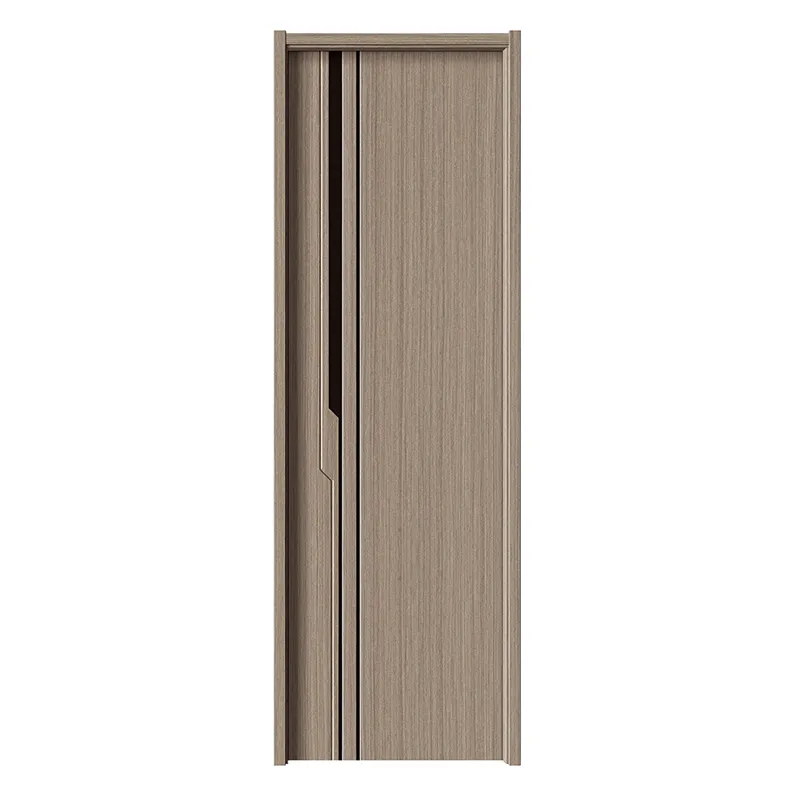 YST-1018 Technowood Door 1
 -
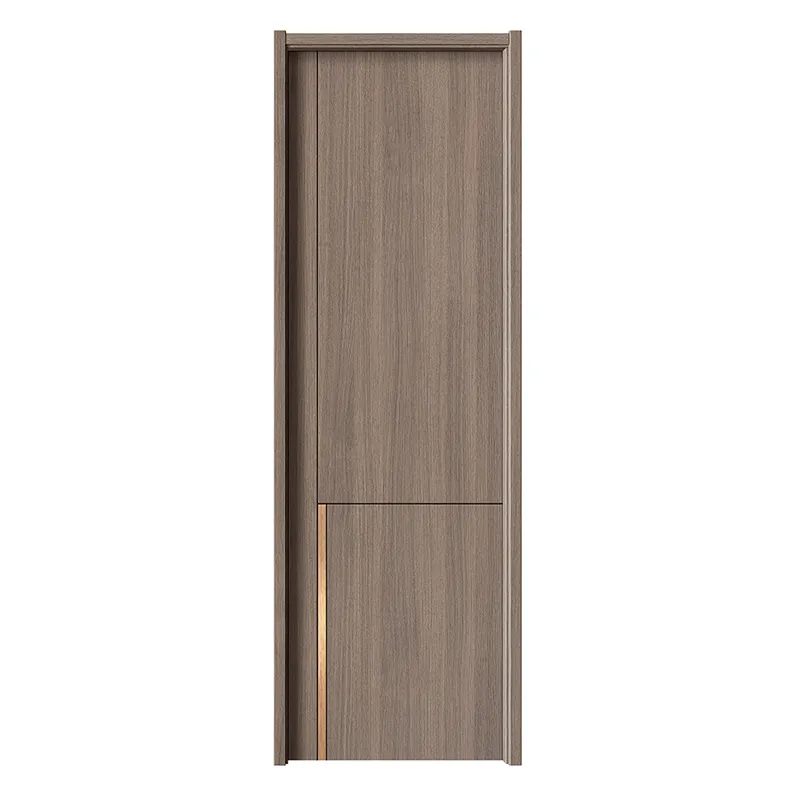 YST-1003 Door Oak gray
 -
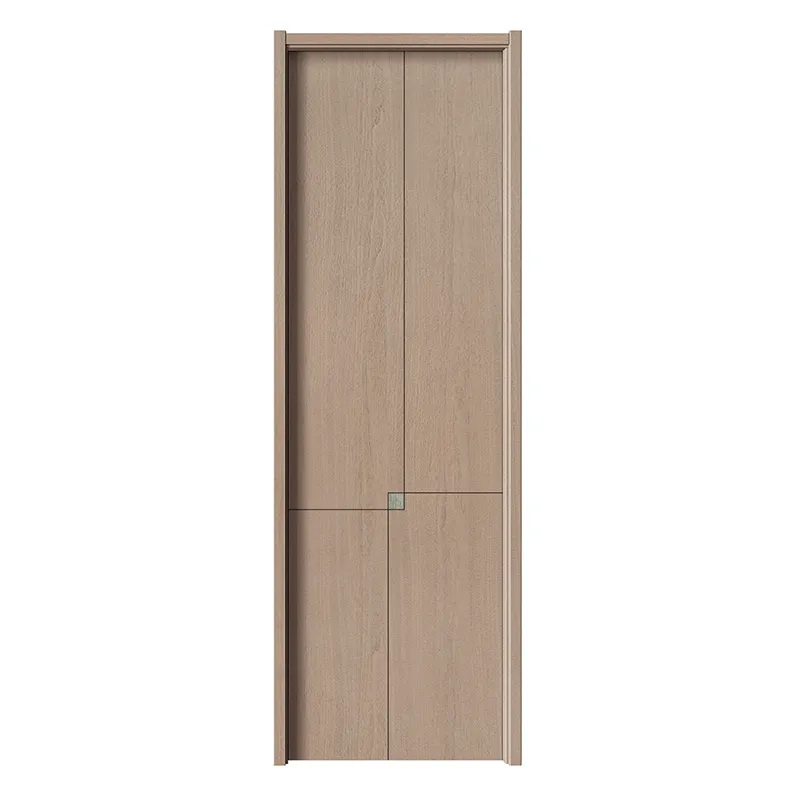 YST-1008 Door Natural walnut 2
 -
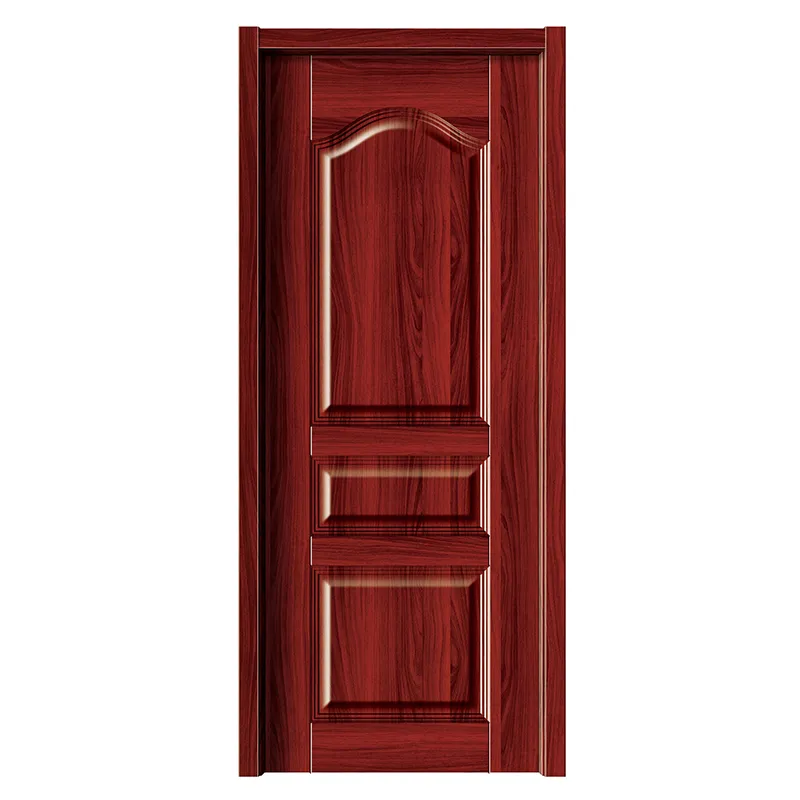 YST-203 Door Red team
 -
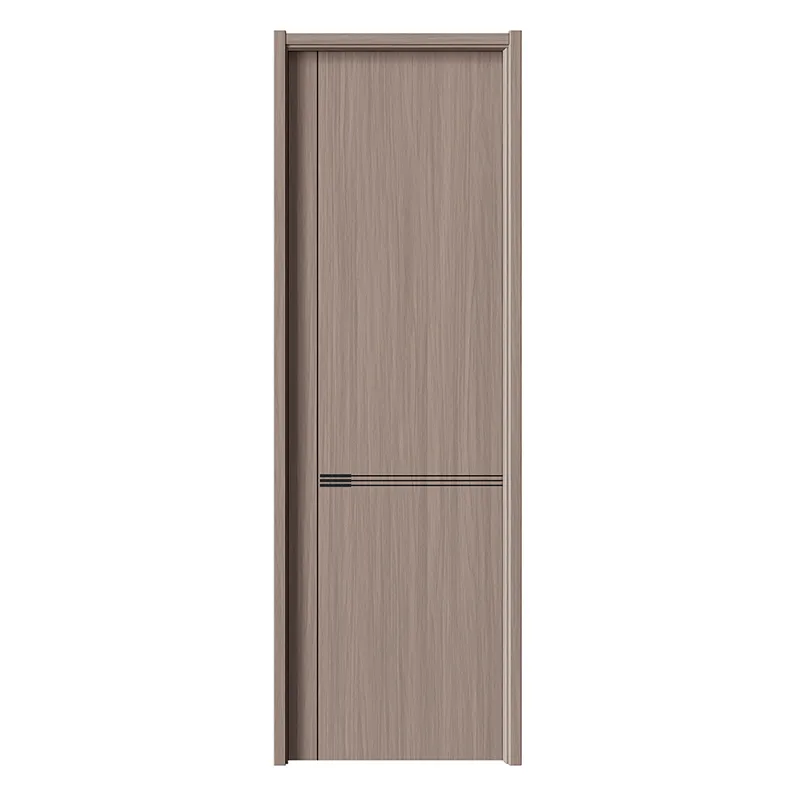 YST-1039 Door Translucent light shadow 3
 -
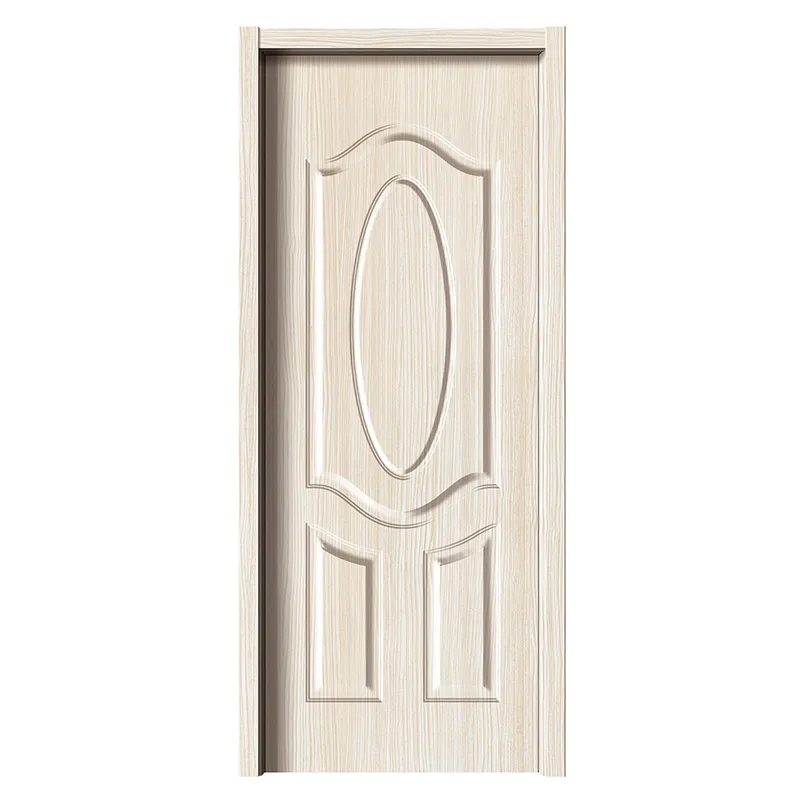 YST-216 Door White Maple
 -
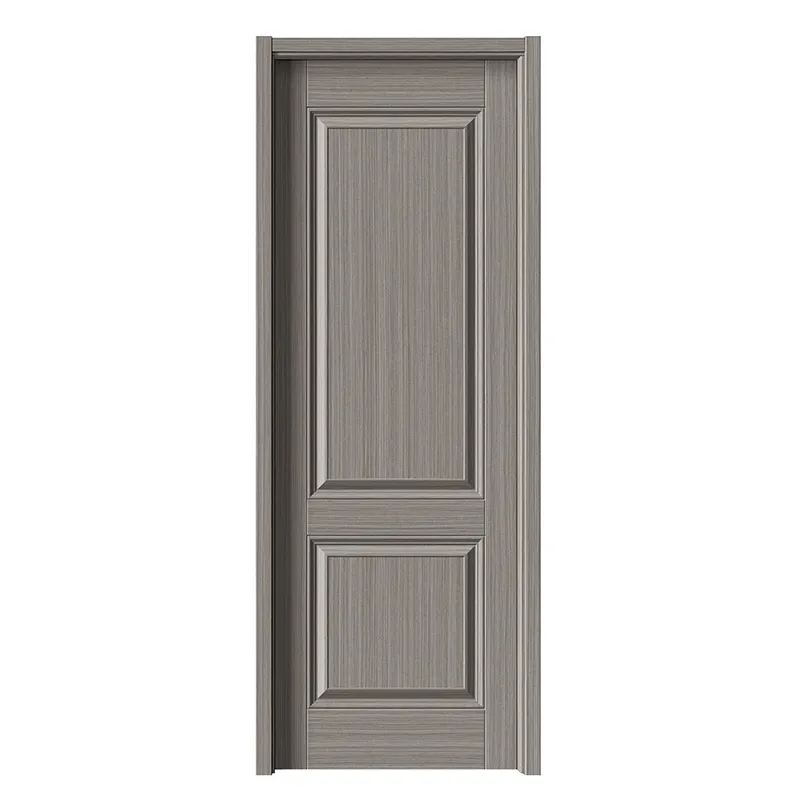 YST-214 Door Technowood 2
 -
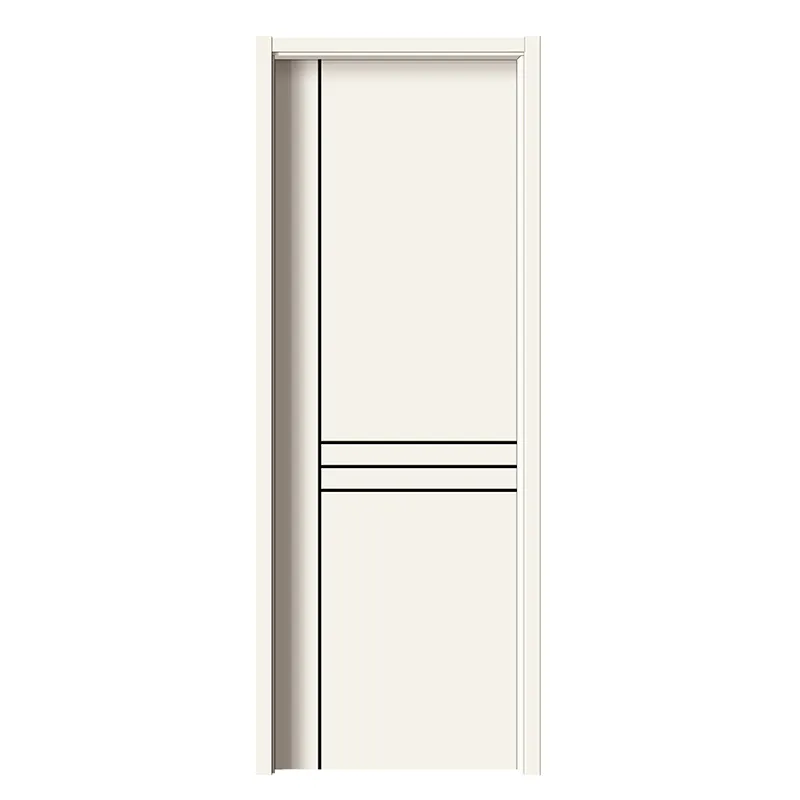 YST-220 Door Warm white
 -
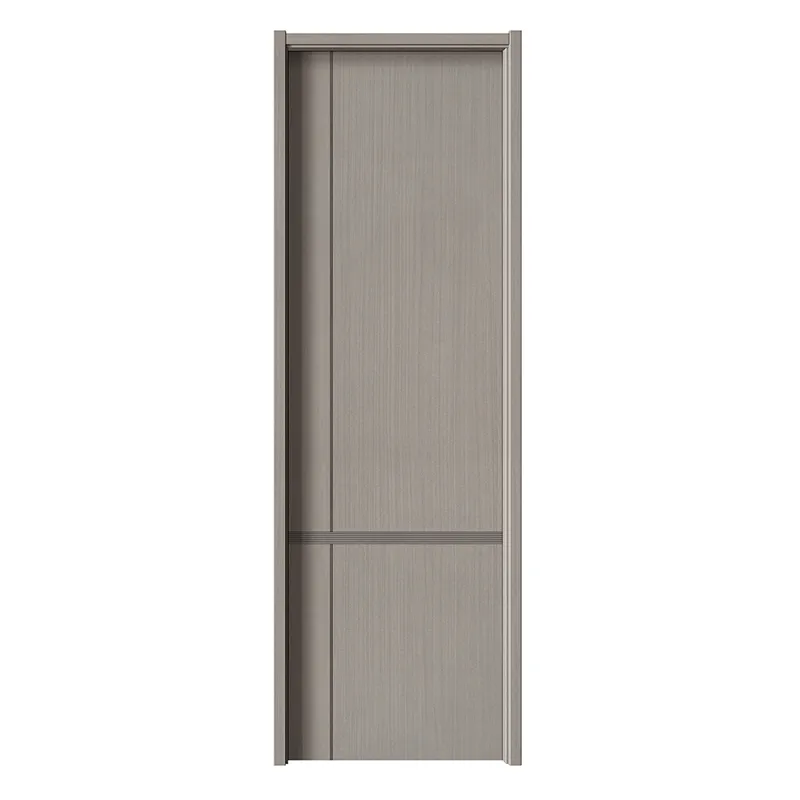 YST-1013 Door Cloud Walnut 1
 -
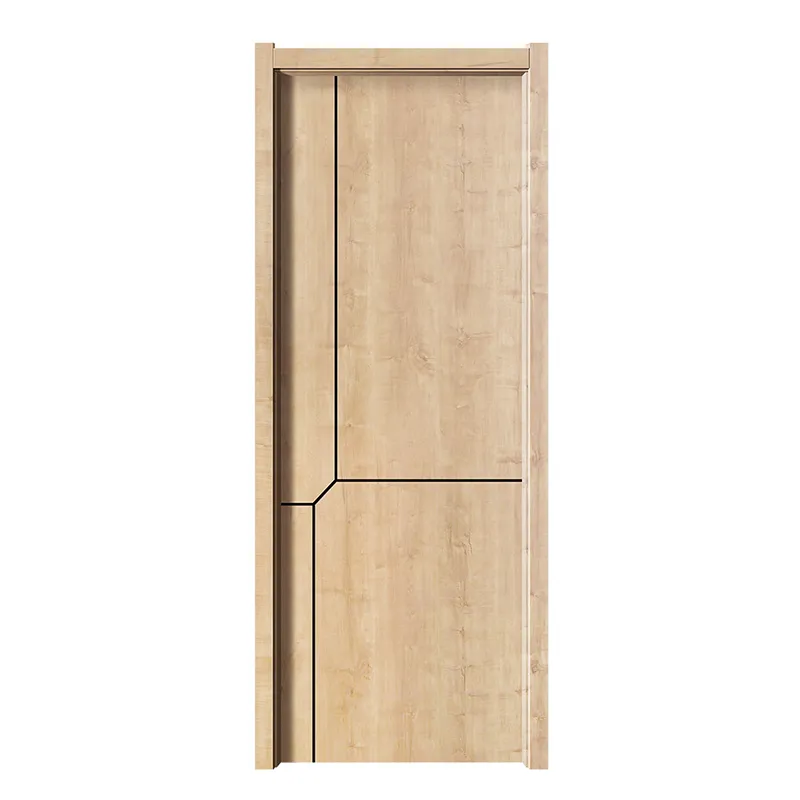 YST-WPC1 Door
 -
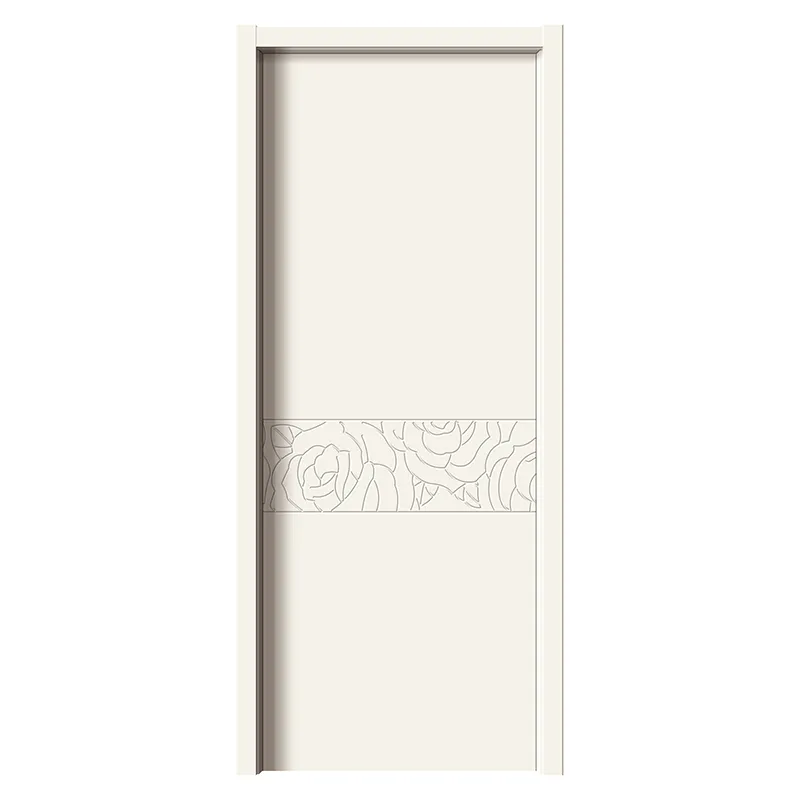 YST-238 Door White ivory
 -
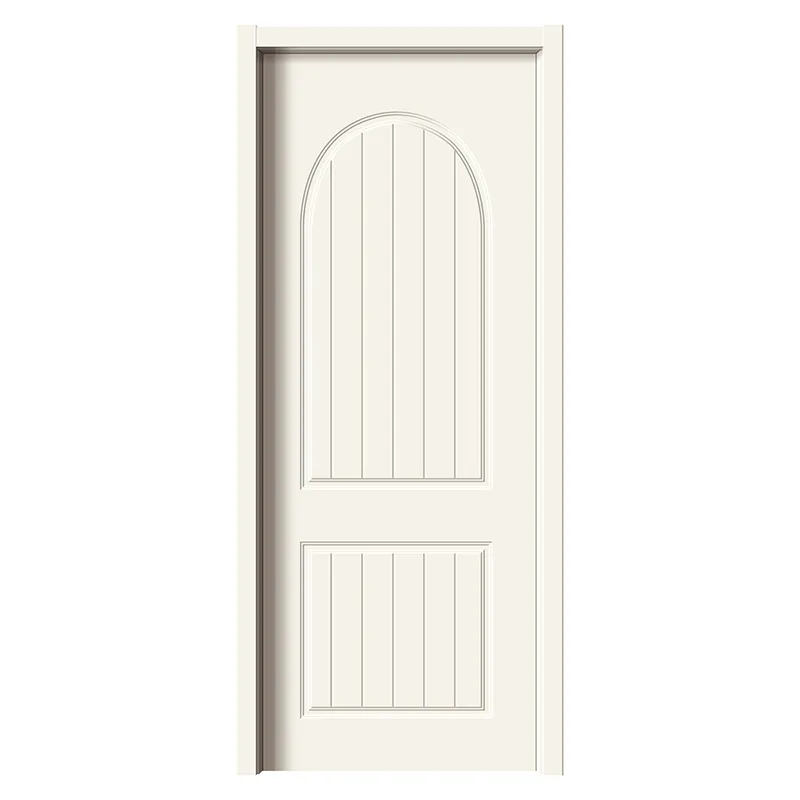 YST-236 Door White ivory