




Production of wooden doors
When you hear “wooden door production”, many people immediately imagine a workshop with saws, shavings and assembly of finished products. But in reality, this is just the tip of the iceberg. The main battle occurs earlier, at the wood selection and design stage. A common mistake for beginners is to chase a complex design, forgetting how a particular array will behave in a particular climate. For example, we had an episode with a batch of ash doors for a facility in Sochi. Beautiful texture, solid... and six months later they received photos with complaints about “mobility?” canvases. The humidity did its job, although the drying seemed sufficient. That's when you realize that the theory from the textbook and the realproduction of wooden doors- these are two big differences.
Raw materials: where the foundation of quality lies
I'll start with a trivial but critical one: without the right wood, you won't get a good door. I'm not talking about the species now, but about the history of the tree. Where they brought it from, how they dried it, how long it was in the warehouse. At one time, we tried several suppliers until we found those who were ready to provide a complete passport for the shipment. This is not bureaucracy, but a necessity. For example, pine is often used for interior structures - it is affordable. But if the drying was accelerated, microcracks may later appear in the canvas, which are not visible after priming, but will appear after painting.
Now many people are talking about environmental friendliness and FSC certificates. This is important for the market, yes. But in practice, for the production itself, the key parameter is the uniformity of humidity in the array. Let's say we take laminated veneer lumber. It would seem that the technology has been worked out. But if lamellas from different batches or with different residual moisture are glued together, internal tension may appear after a year or two. The door will not warp, but there may be gaps at the junction with the frame. Control here is not just journal entries, but daily measurements with a hygrometer in the workshop and warehouse. This is a routine, without which all talk about quality is just words.
By the way, about our experience. When we started working withAnhui Wantai Woodworking Co.,Ltd, their approach to raw materials was one of the deciding factors. They don’t just purchase wood, but have long-term contracts with forestry enterprises, which guarantees stability of characteristics. On their websitehttps://www.anhuiwantai.ruThis may not be obvious, but it is clearly stated in the specifications for the materials. For production, this reduces risks significantly.
Construction and glue: invisible frame
Let's move on to what's inside. A solid array is beautiful, but not always practical and economical. Most modern wooden doors are a sandwich. The frame is made of timber, internal stiffeners, filling (sometimes honeycomb core for lightness, sometimes MDF for sound insulation), and external linings made of valuable wood or veneer. The main enemy here is saving on glue. Poor quality glue loses its elasticity over time, and the structure begins to “breathe”. in parts rather than as a single piece. The result is joints and creaks.
We had a sad experience at the beginning of our activities. We made a batch of doors with beautiful panels. They used, as it seemed then, good PVA. And two years later, during one of the harsh winters, several complaints came: the panels “failed” and gaps formed. It turned out that the glue could not withstand the cyclic changes in temperature and humidity in the unheated vestibule. We had to change the entire gluing system, switch to polyurethane compounds with clear regulations on the temperature in the workshop during gluing. This increased the cycle time, but killed the problem in the bud.
Now, looking at the products of the same “Wantai”, it is clear that they learned this lesson or knew it from the beginning. Their philosophy is to “build a business on precision?” - this is just about such nuances. Control at the gluing stage is not a protocol, but an obligatory part of the process. Their production has a clear rule: if the temperature in the workshop drops below normal, the gluing line stops, even if this disrupts the schedule. Expensive? Yes. But cheaper than reputational losses.
Fittings and fit: moment of truth
You can make the perfect canvas, but ruin everything with hinges and a lock. Hardware for a wooden door is not just hardware. This is a calculation for weight, opening frequency, and lateral load. A common mistake is to install strong hinges on a light pine door. It seems like a margin of safety. But in reality there is excess tension at the end of the sheet, where the self-tapping screws are screwed in. Over time, the wood around the hinges may begin to crumble.
Or the opposite situation: “economy class” hinges were installed on a heavy oak door. They will not break right away, but they will sag, the door will begin to sag, and will cling to the frame. I had to redo it. Nowadays we always make a test pendant on a sample from the same batch of wood. We open and close the week with a special mechanism that simulates the load. Only after this we approve the fittings for the entire batch.
Here, by the way, the accuracy of milling for hinges and locks is also important. An error of half a millimeter and the door will no longer be perfect. In modern conditions, likeAnhui Wantai Woodworking Co.,Ltd, CNC machines solve this problem. But they also require calibration and the right programs. On their website, the company description mentions a modern production base - this is exactly what equipment is about. It is not only for complex designs, but also for jewelry precision in routine operations.
Finishing: where design meets physics
Painting and tinting is the stage where all previous flaws either appear or can be hidden. But I'm not talking about cosmetics. The main task of finishing is protection. The wood must breathe, but at the same time be protected from moisture, UV rays and mechanical influences. Multi-layer coating - primer, several layers of varnish or paint with interlayer sanding - is the standard. But here’s a nuance: the composition for internal and external doors should be fundamentally different.
For external doors, we have been looking for a long time for a varnish that remains elastic in the cold and does not crack. We settled on German polyurethane-based compounds with a UV filter. They are more expensive, but their durability is many times higher. For interiors, especially in bedrooms and children's rooms, another parameter is important - the rate of weathering of solvents and complete safety after polymerization. Here we are already working with water formulations from leading Italian brands.
Interesting point about the design. Clients often want ?designer? door, antique, with patina. Brushing technology (artificial aging) is now popular. But if you make it shallow and poorly fix the stain, after a couple of years of active use the door will not look “antique”, but simply shabby and dirty. You need to clearly understand in which room it will stand. For a restaurant or office with high traffic, such finishing is a big risk.
Logistics and installation: the final frontier
And now the door is ready, the quality control department has passed. It would seem that's it. But the most offensive defect can happen during transportation and installation. Packaging is a separate science. Wrapping in bubble wrap is not enough. The corners should be protected with hard cardboard or foam corners; the canvas should not “play?” inside the package. We once shipped a shipment to another region without taking into account temperature changes in the truck. The doors arrived intact, but when they were unpacked in a warm room, condensation appeared on some of them under the film. I had to dry it urgently to prevent mold from growing.
Editing is a different story. You can make a perfect door, but install the frame crookedly. And all the geometry will go down the drain. We always insist on providing our customers with not just doors, but detailed installation instructions, or better yet, recommending trusted installers. Sometimes we even conduct short technical briefings for them. Because the installer must understand that he is working with wood, a living material, and not with plastic or metal. Gaps, expansion joints, proper foaming - this determines how the door will serve for years.
In this context, the global orientation of a company likeAnhui Wantai Woodworking Co.,Ltd, which operates on the international market, adds complexity, but also disciplines. It is necessary to take into account the standards and climatic characteristics of different countries. Their desire to meet the diverse needs of global customers is not marketing, but the daily work of technologists who adapt processes to specific delivery and operating conditions. This can be seen in the way their production regulations are formed.
Instead of a conclusion: thinking out loud
So, back to the beginning.Production of wooden doors- this is not just a craft. It is a constant balance between aesthetics, material physics, finishing chemistry and application practice. This is a chain of decisions where an error at an early stage kills the result at the output. Experience comes precisely with such jambs as the ones I described. There are no ideal technologies, there are more or less proven ones.
Now, watching the market, I see a trend towards individuality and environmental friendliness. But behind this there should be not words, but real processes: from certified wood to safe varnishes and competent installation. Companies that understand this, like the one I linked to, and build their business on precision and quality, end up winning. Because the door is the face of the house, and it should not only be beautiful, but also reliable. And reliability in our industry is the sum of hundreds of small, invisible operations done correctly.
Correspondingproducts
Related Products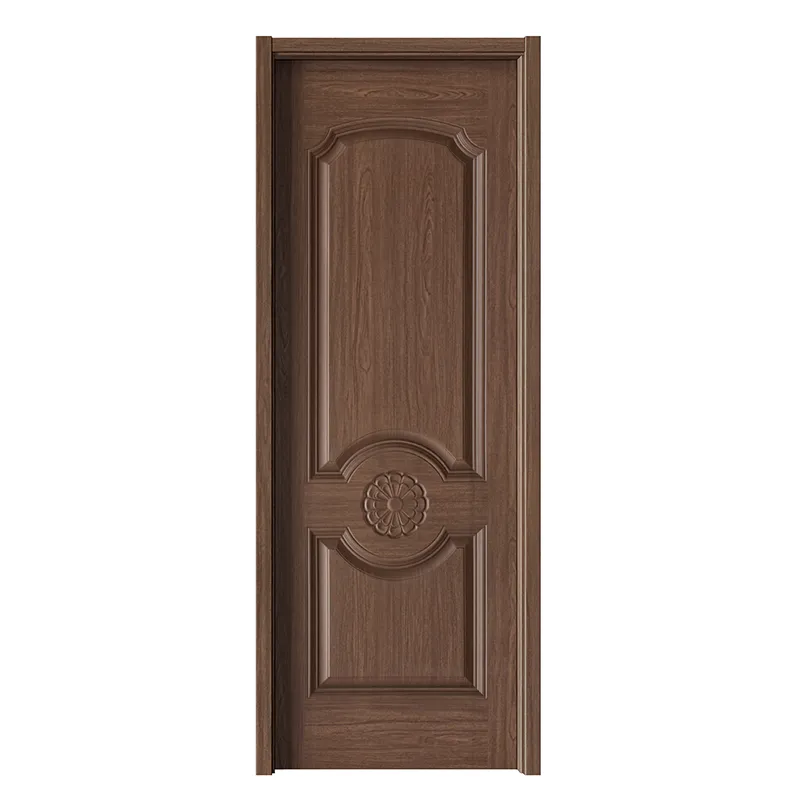
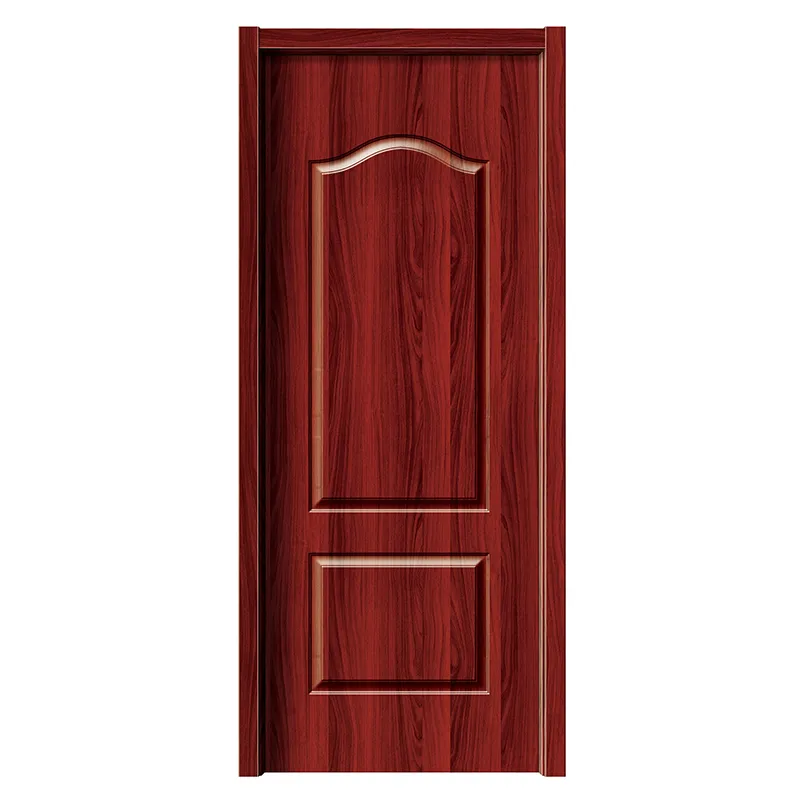
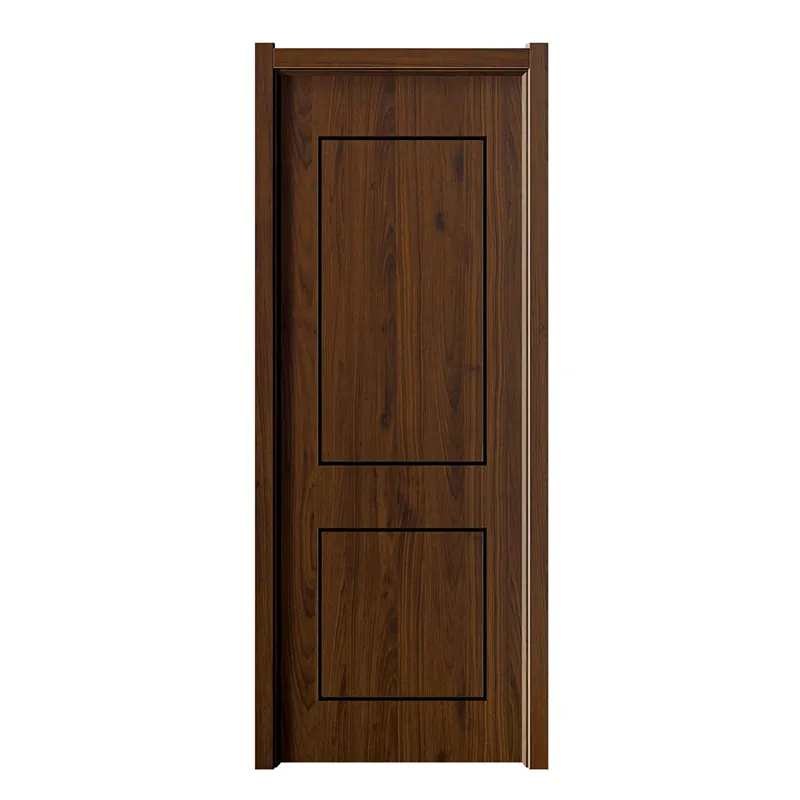
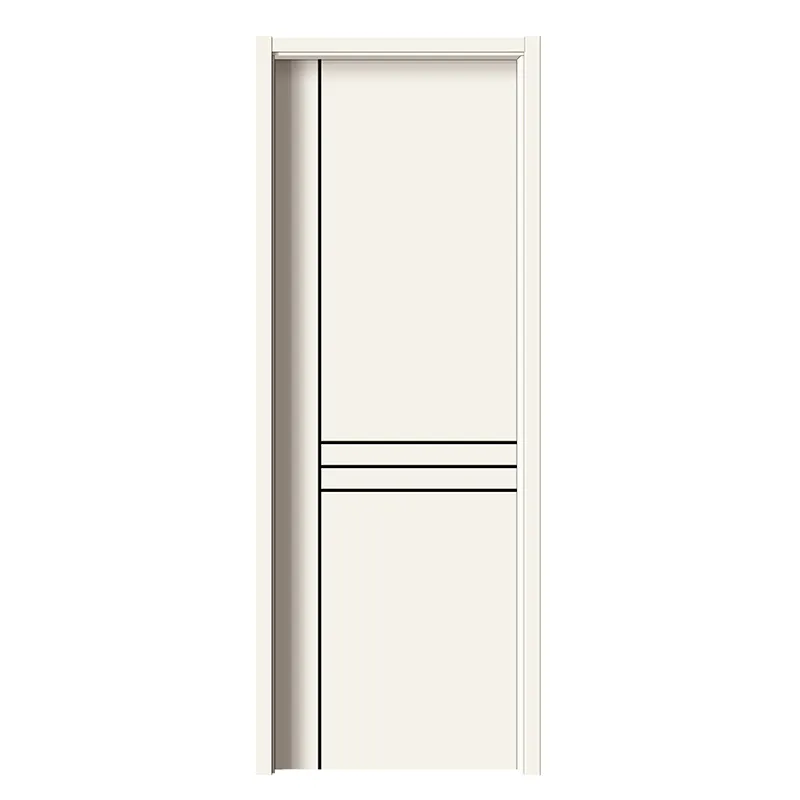

Best Sellingproducts
Best Selling Products-
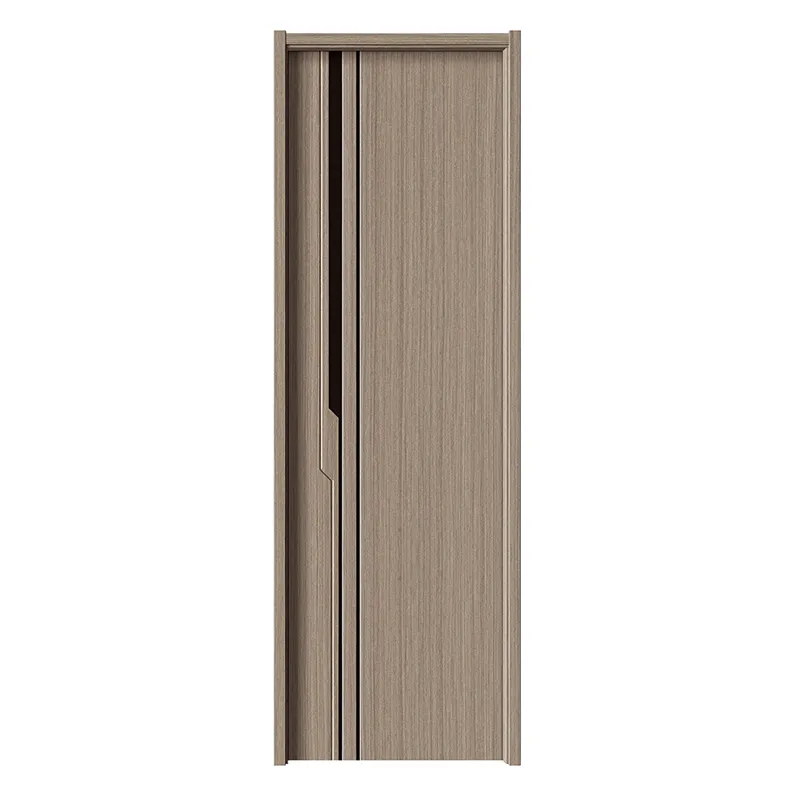 YST-1018 Technowood Door 1
 -
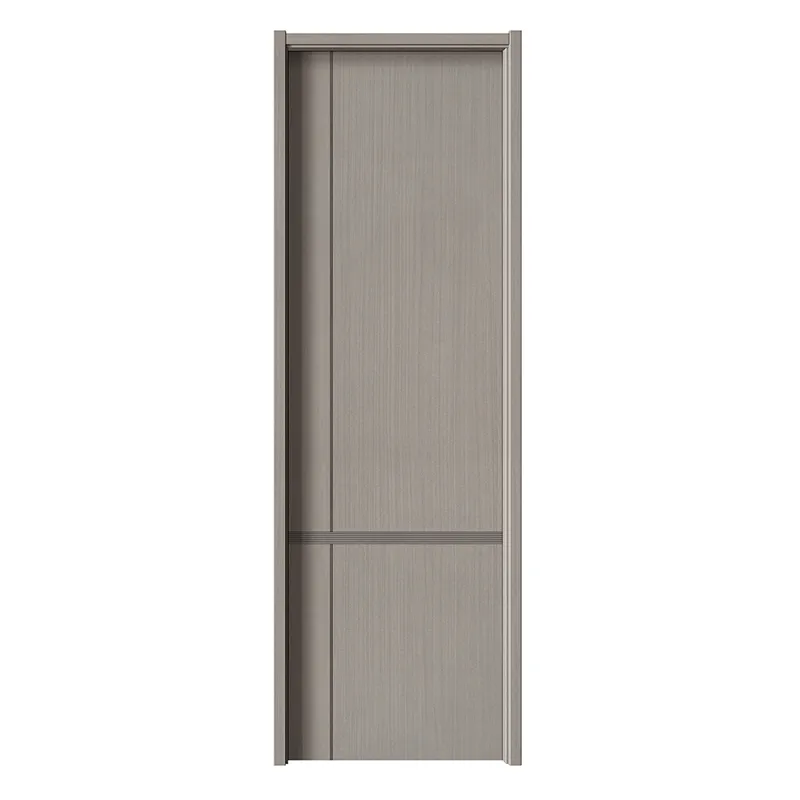 YST-1013 Door Cloud Walnut 1
 -
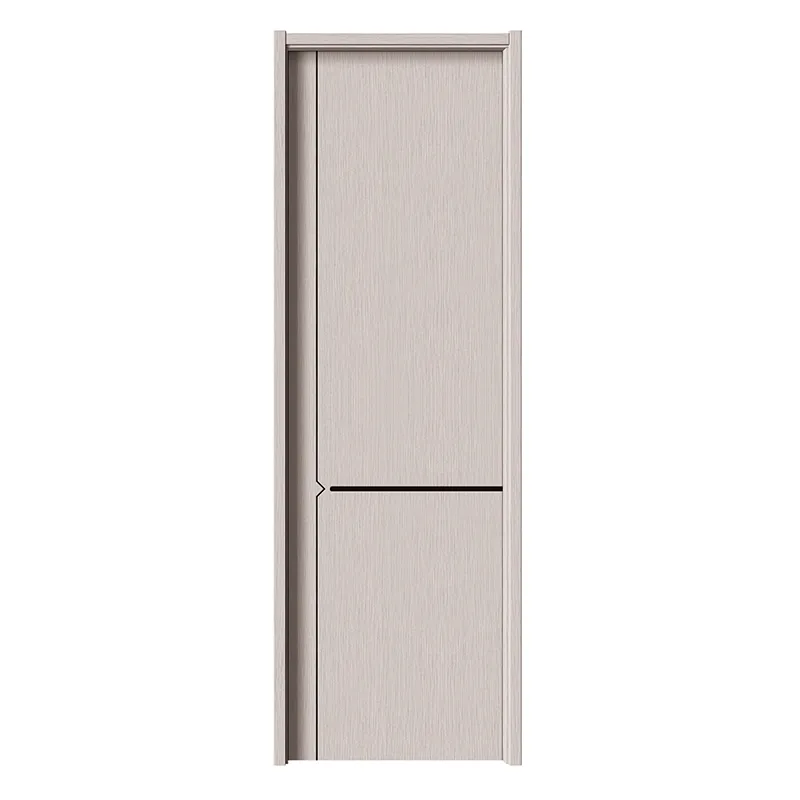 YST-1024 Door Chiaroscuro wood 1
 -
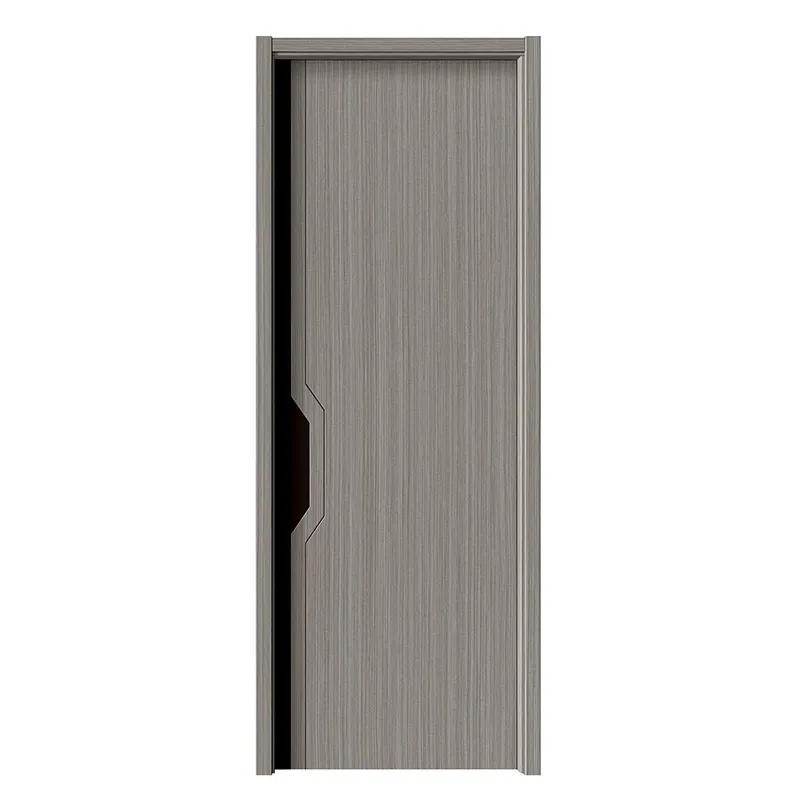 YST-1007 Technotree Door 2
 -
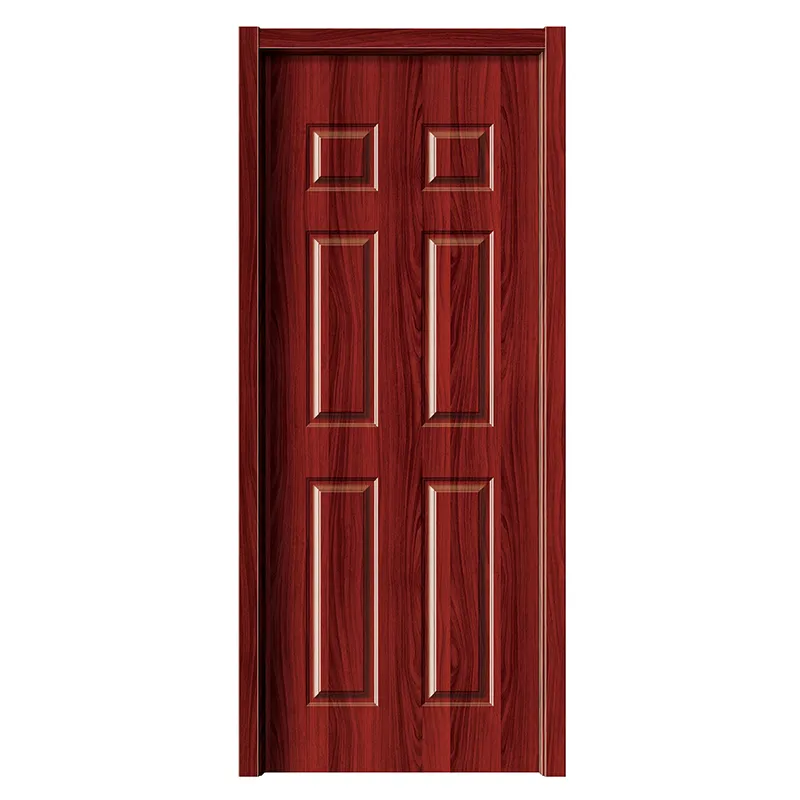 YST-201 Door Red team
 -
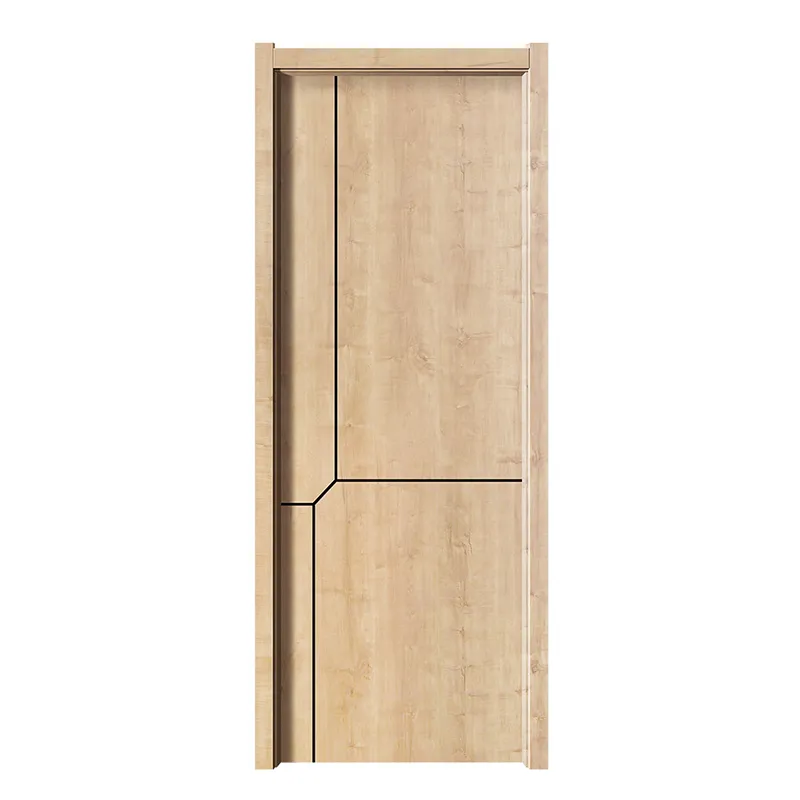 YST-WPC1 Door
 -
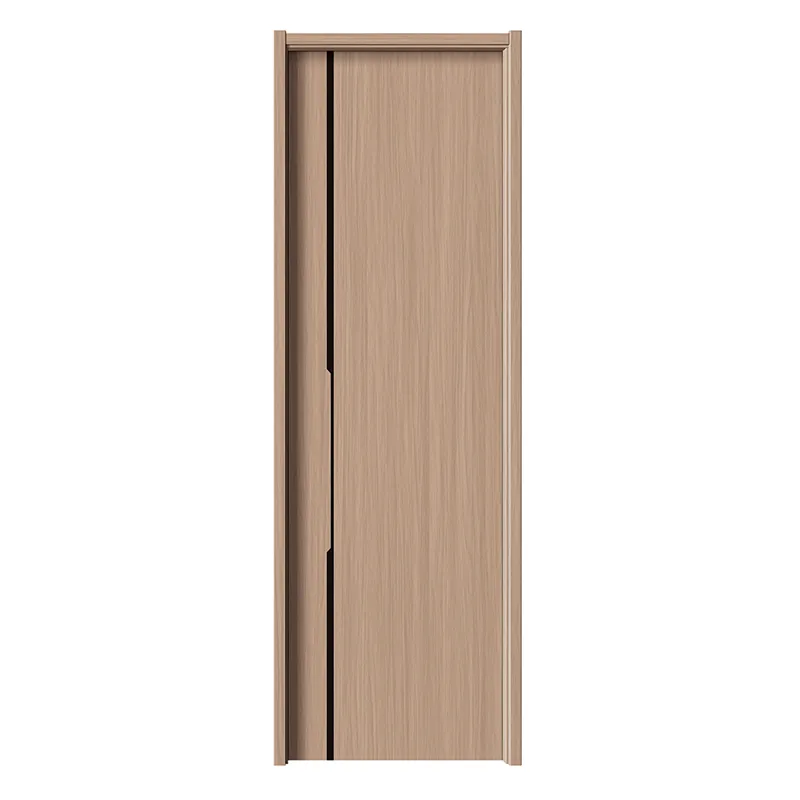 YST-1029 Door Translucent light shade 1
 -
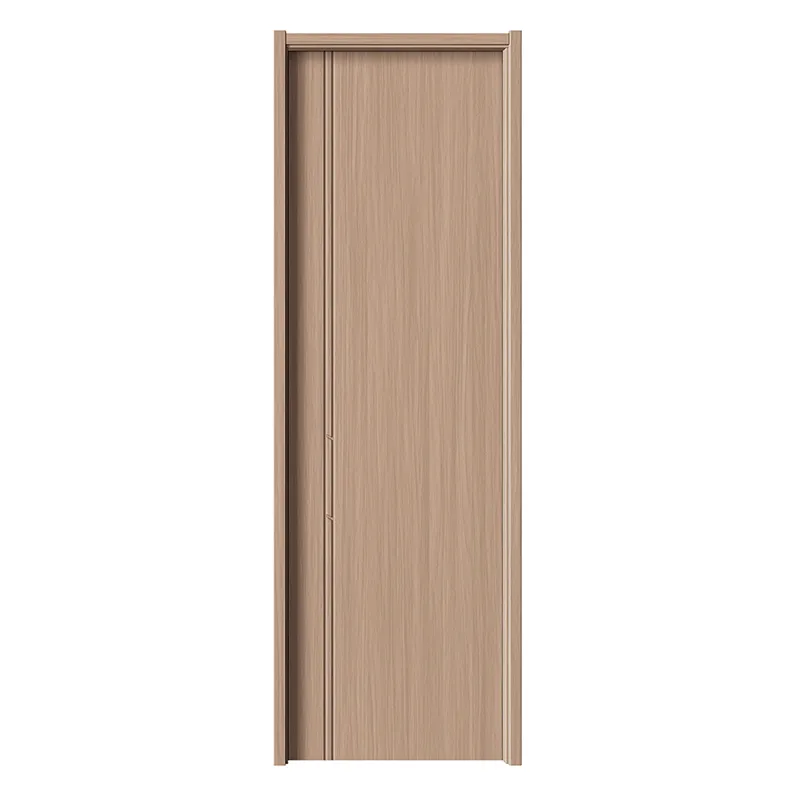 YST-1009 Door Translucent light shade 1
 -
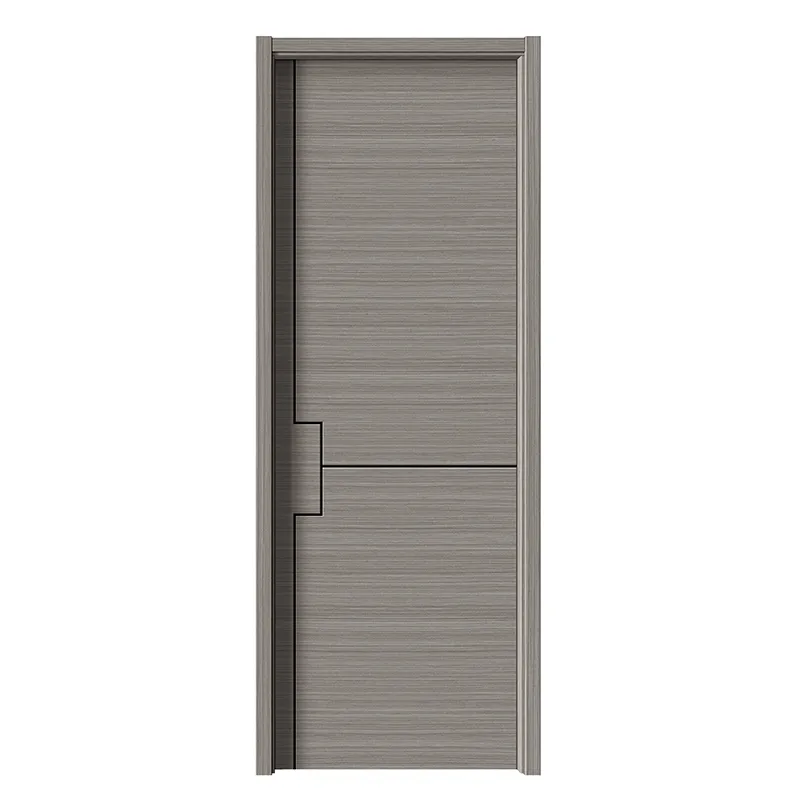 YST-1005 Technotree Door 2
 -
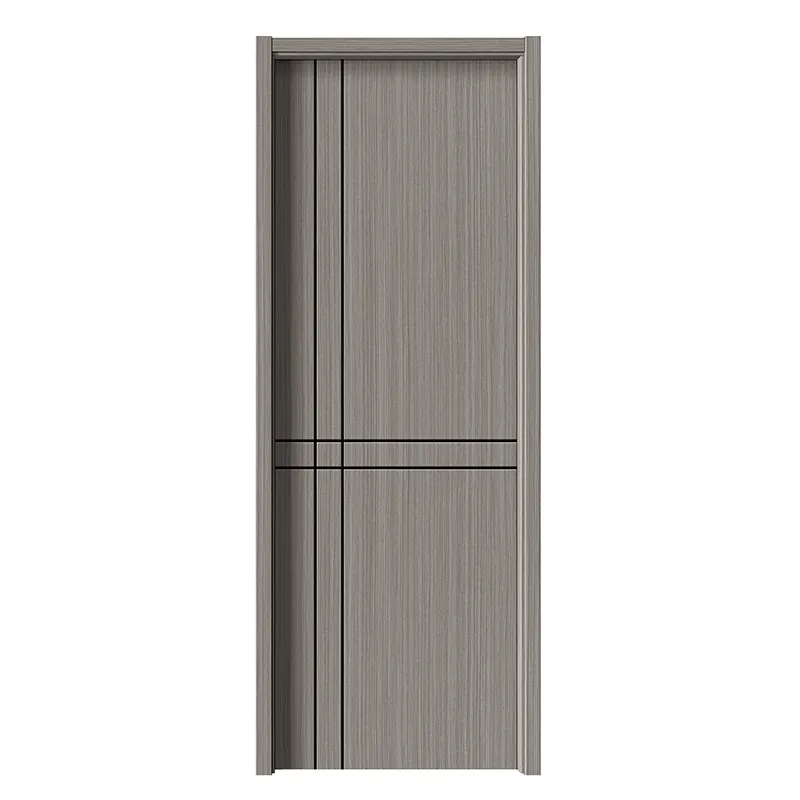 YST-1004 Door Technotree 2
 -
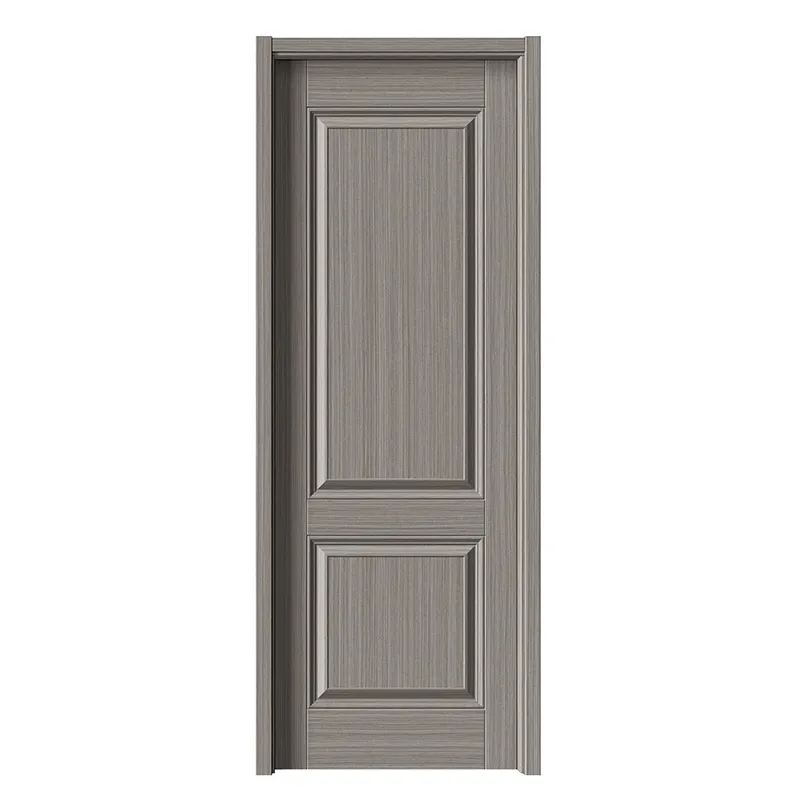 YST-214 Door Technowood 2
 -
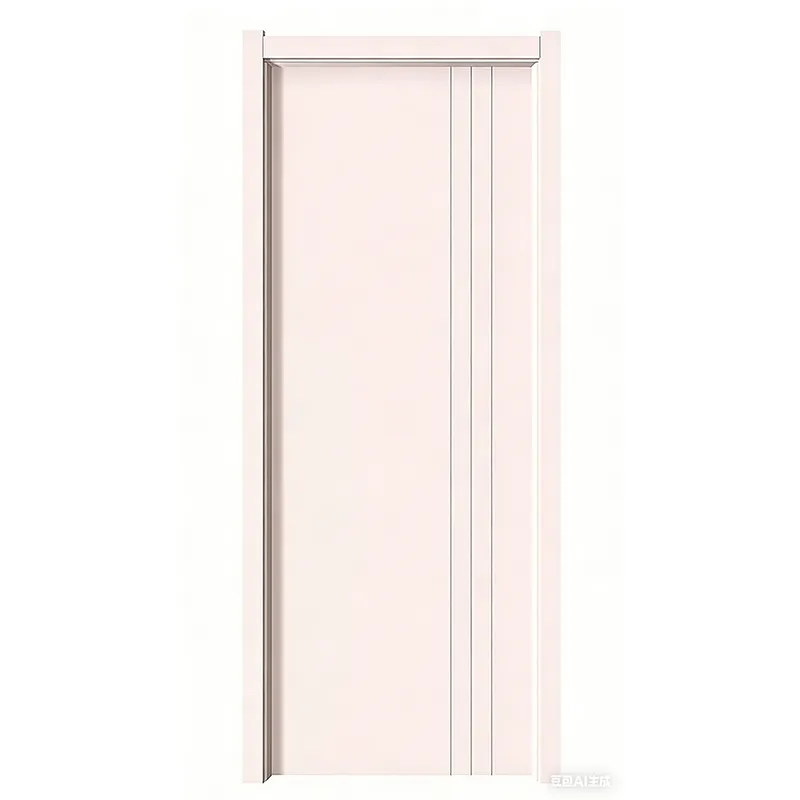 YST-WPC4 Door