




Thin wooden door
Here's a term for you -wooden thin door. Many people immediately imagine something flimsy, temporary, almost cardboard. And this is the main mistake. Subtlety is not synonymous with weakness. We are talking about a canvas with a thickness of, say, 30-35 mm, and not the standard 40 or more. For what? Interior solutions, visual lightness, space saving in small apartments or niches. But this is where all the pitfalls begin, which are not written about in catalogs.
The myth of ?unreliability? and what really matters
The main objection from clients is “it’s not serious, it will sag and creak?” Yes, if it's homemade. The key is not in the thickness of the canvas as such, but in the design and material. A frame made of spliced timber, the correct cross insertion of stiffening ribs, and the type of filling - this is what determines the resistance to moisture changes and load. A thin door can be stronger than a standard hollow door if its “filling” - not honeycombs made of cardboard, but, for example, an engineered lattice.
I remember a project in a new Moscow building, where the developer decided to install thin interior doors to visually expand the corridors. First, all the contractors brought canvases that really played in the slightest draft. The problem was the lightweight frame and the lack of proper strapping. When we switched to products with a reinforced frame made of laminated pine timber, even with a thickness of 32 mm, the canvas stood monolithically. The difference is in the engineering approach.
It is worth noting here that some manufacturers, likeAnhui Wantai Woodworking Co.,Ltd, focus on precisely this balance. On their websiteanhuiwantai.ruIt can be seen that the assortment includes models where the thin profile is compensated by the multi-layer structure of the blade and precise milling. Their philosophy is to “build a business on precision?” this is just the place - for thin doors, geometry tolerances should be minimal, otherwise distortions are inevitable.
Raw materials: wood species and its behavior
With thin panels, the choice of wood is critical. Solid oak or beech 30 mm thick is risky, it can lead to a “propeller”. with improper drying. More often, engineered wood is used - finger-joint timber, high-density MDF, veneer panels. These are stable materials that are less susceptible to deformation. But there is a nuance here: the quality of the glue and pressing.
There was an incident at a site in St. Petersburg: they ordered thin veneered doors in the Scandinavian style. Six months later, small bubbles appeared under the veneer on several canvases. The reason is non-uniform pressure during pressing and, possibly, residual moisture in the base. I had to change it. Experience has shown that for the Russian climate with changes in humidity, it is better when a manufacturer, like Anhui Wantai, declares strict control of all stages - from the selection of raw materials to finishing. These are not just words for the site, but a necessity.
Personally, I am inclined to think that for most interior tasks, a thin door based on stabilized MDF with natural veneer is optimal. It is both stable and aesthetic, and allows you to make interesting paneled profiles even at small thicknesses. But you need to look at the end - the layers must be tightly compressed, without gaps.
Hinges and fittings: installation details
Another point that is often missed. For thin fabric, standard hidden hinges may not be suitable - the milling depth is not enough. You have to select special models with a reduced seating area or use overhead hinges, which does not always fit into modern design. The weight of the canvas is less, but this does not mean that weak loops can be installed - they must ensure accurate and rigid movement.
A mistake that I myself made about ten years ago: I installed three thin doors on light detachable hinges, saving money. The result is that over time they began to sag and play appeared. I had to reinstall it using reinforced hinges with bearings, although the canvas weighed little. Conclusion: the fittings must have a safety margin, even for a light door. Now some suppliers immediately complete theirwooden thin doorsspecialized fittings, which is correct.
By the way, about installation. The box also requires attention. If the wall is uneven, the thin canvas will immediately reveal this - there will be noticeable gaps. Careful preparation of the opening and the use of adjustable frames where possible is mandatory.
Soundproofing and warmth: realistic expectations
You need to be honest here. The thin wooden door is not armored. You should not expect significant sound insulation from it, especially if it is a panel sheet without dense filling. But this can also be partially solved. For example, the use of perimeter and threshold sealing contours significantly reduces noise penetration. And sometimes mineral wool or polyurethane foam is used as filling, but this increases the weight slightly.
In commercial spaces, for example, for meeting rooms in an office, where visual lightness but also privacy is needed, sometimes a compromise is made: they install a thin but heavy sheet of dense wood board with a sound-absorbing layer. It's more expensive, but it works. In the company descriptionAnhui Wantai Woodworking Co.,Ltdthey just mention meeting the various needs in commercial spaces - I think they are familiar with such technical tasks.
Thermal insulation is easier - for interior spaces this is rarely a critical parameter. The main thing is that the door is not literally “cold?” to the touch, which depends more on the finish.
Market and choice: what to look for when ordering
Now there are many offers, from artisanal workshops to large international suppliers. Price forthin wooden doormay differ significantly. A cheap option often means saving on the frame and filling - the canvas will be light, but empty and ringing. When choosing, you need to require information about the design in section, the type and processing of the wood.
For serious projects, I sometimes turn to full-cycle manufacturers, like the company mentioned above. The reason is quality control at all stages. When a production facility has a modern facility and a development team, as stated on their website, there is a greater chance of getting a product where thinness is a thoughtful feature rather than an attempt to save material.
As a result, a thin wooden door is a completely viable and often the only correct architectural element. It requires a more thoughtful approach to design, selection and installation than the standard one. But if everything is done correctly - with an understanding of mechanics, materials and operating conditions - it will last no less, maintaining the very visual effect of lightness and spaciousness for which it was designed. The main thing is not to chase ephemeral “cheapness”, but to look for technological literacy in execution.
Correspondingproducts
Related Products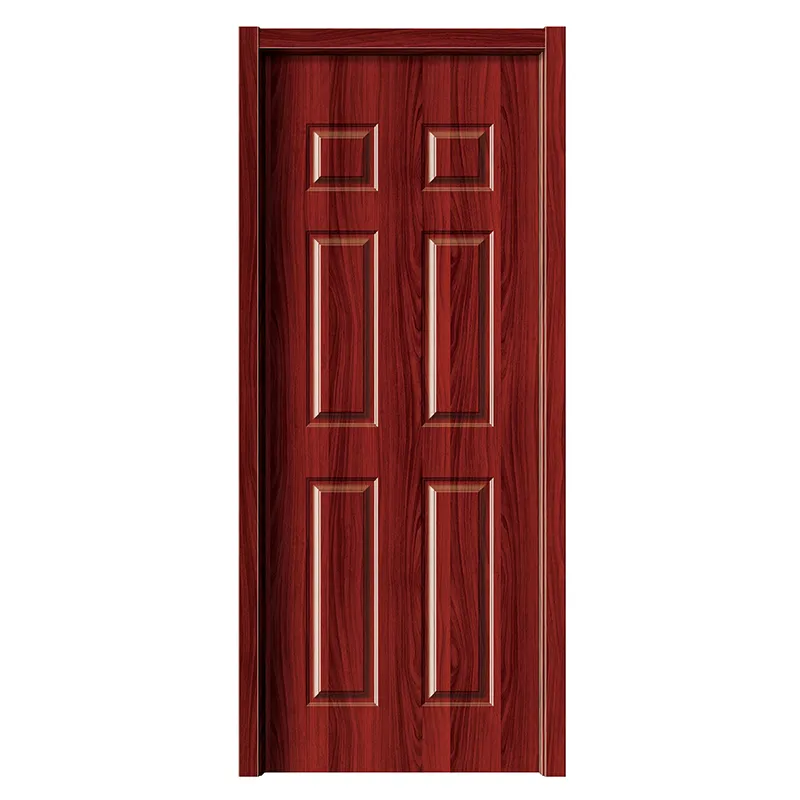
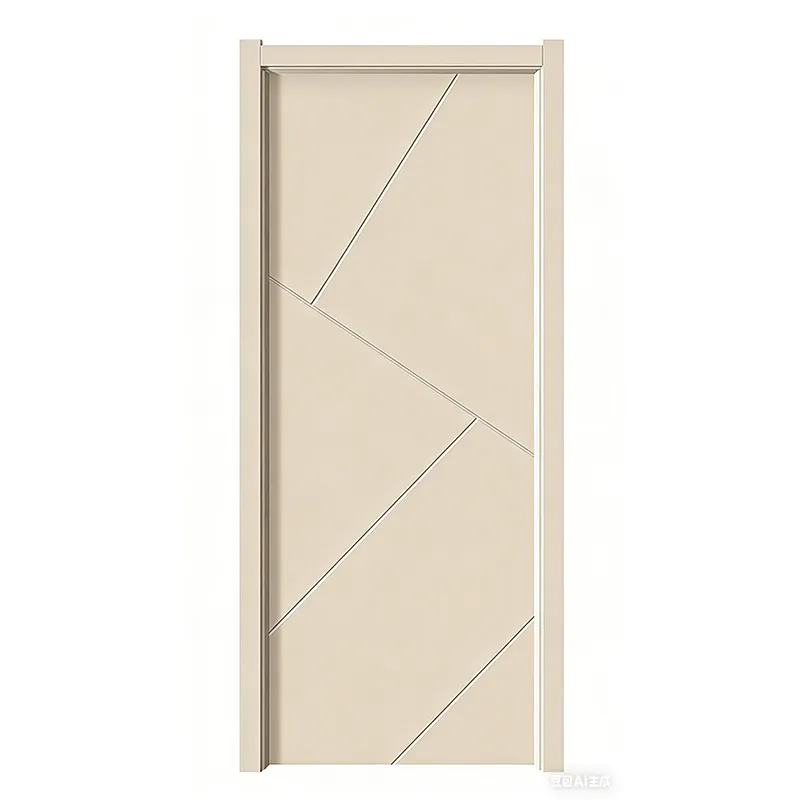

Best Sellingproducts
Best Selling Products-
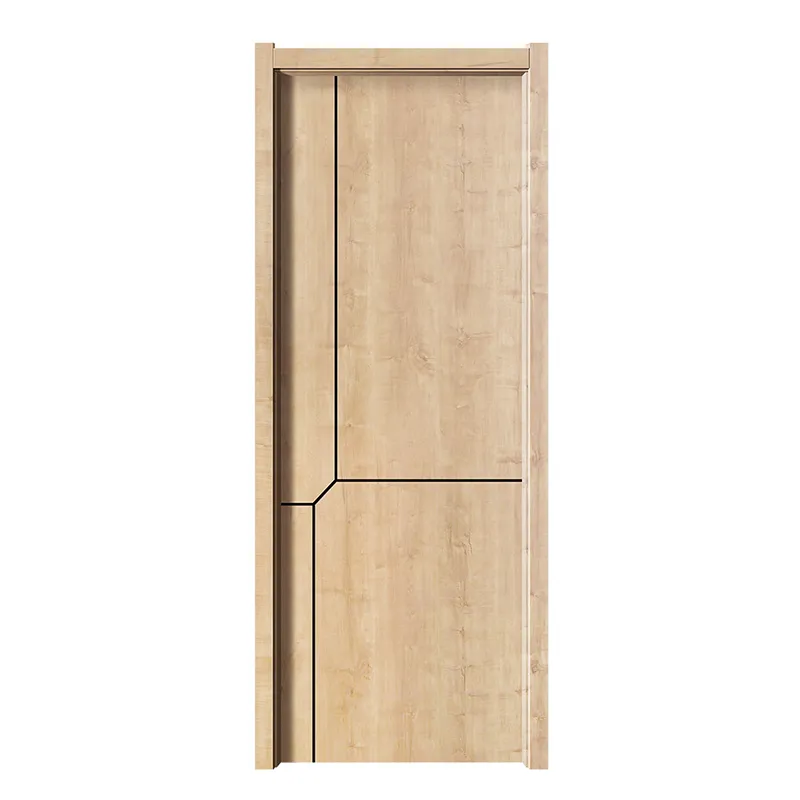 YST-WPC1 Door
 -
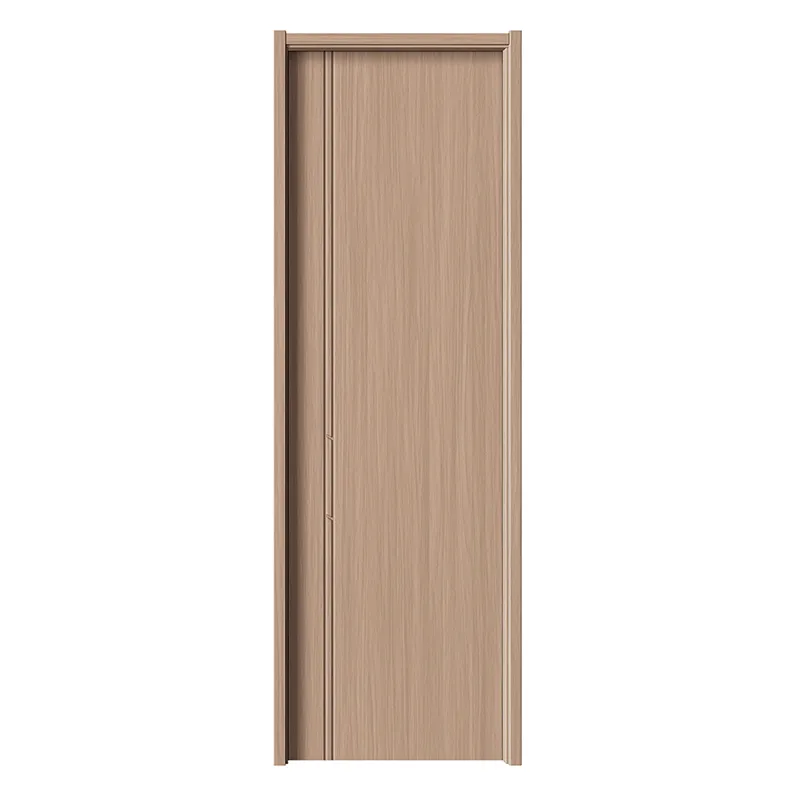 YST-1009 Door Translucent light shade 1
 -
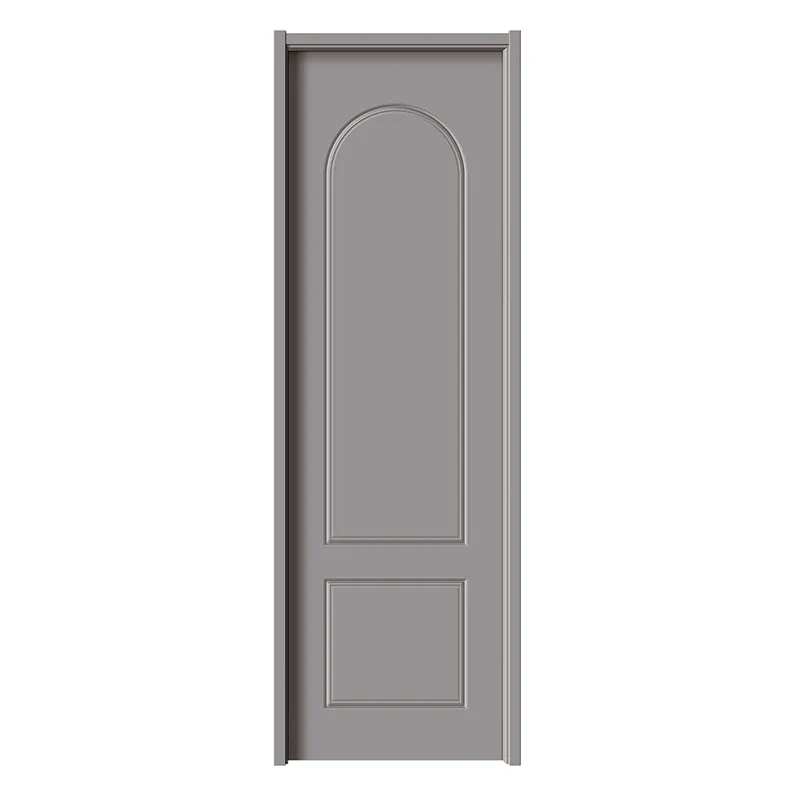 YST-241 French Door 1 soft stone gray
 -
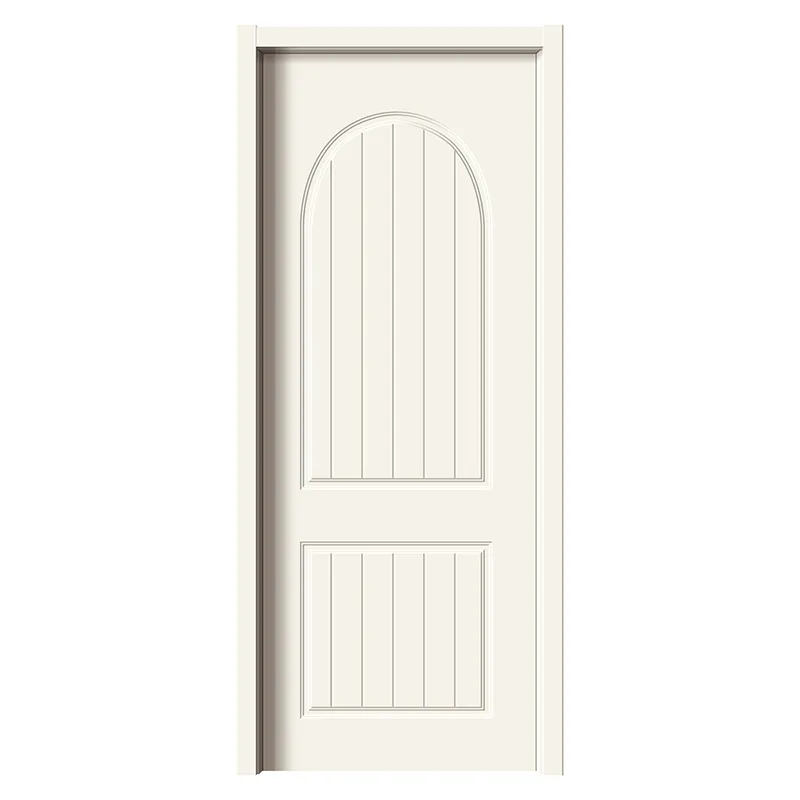 YST-236 Door White ivory
 -
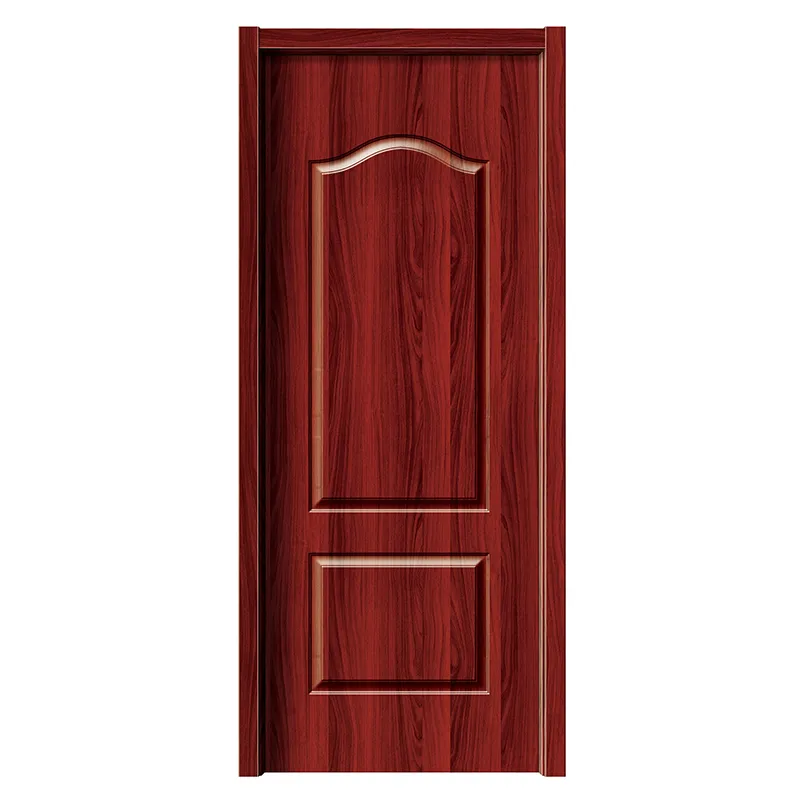 YST-207 Door Red team
 -
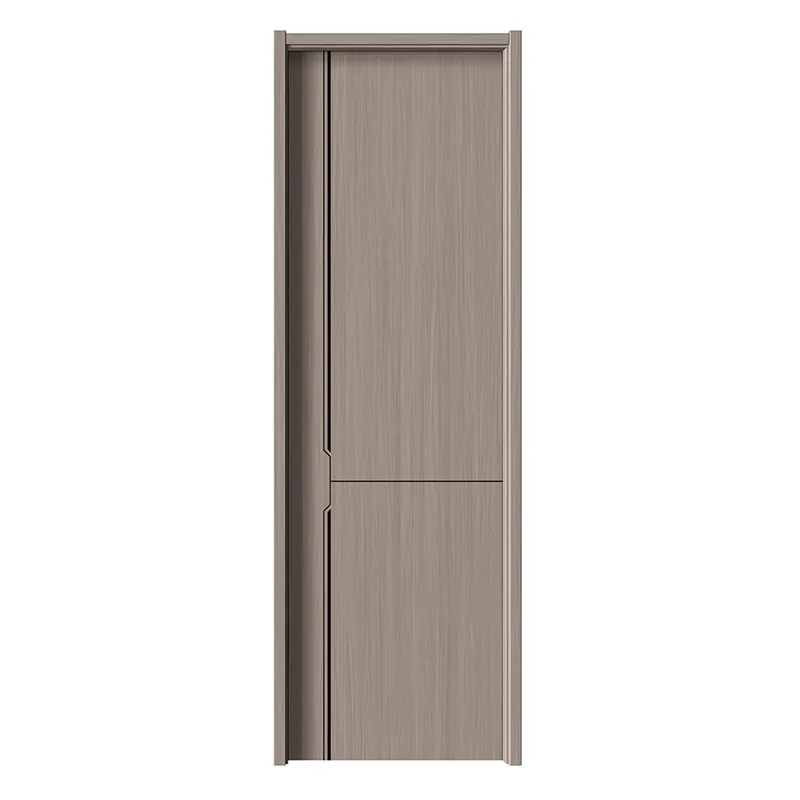 YST-1011 Door Translucent light shadow 3
 -
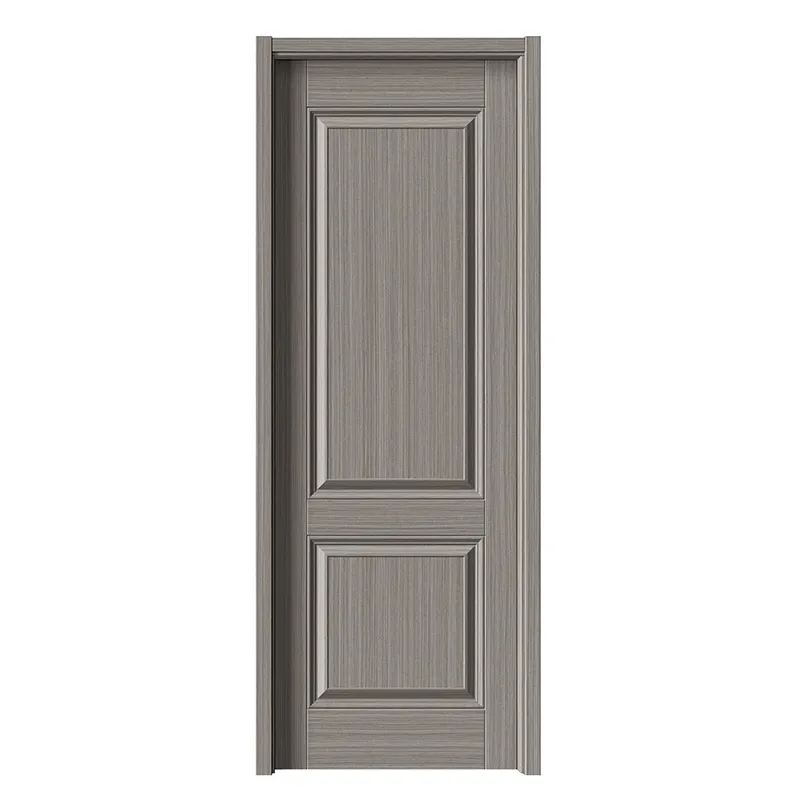 YST-214 Door Technowood 2
 -
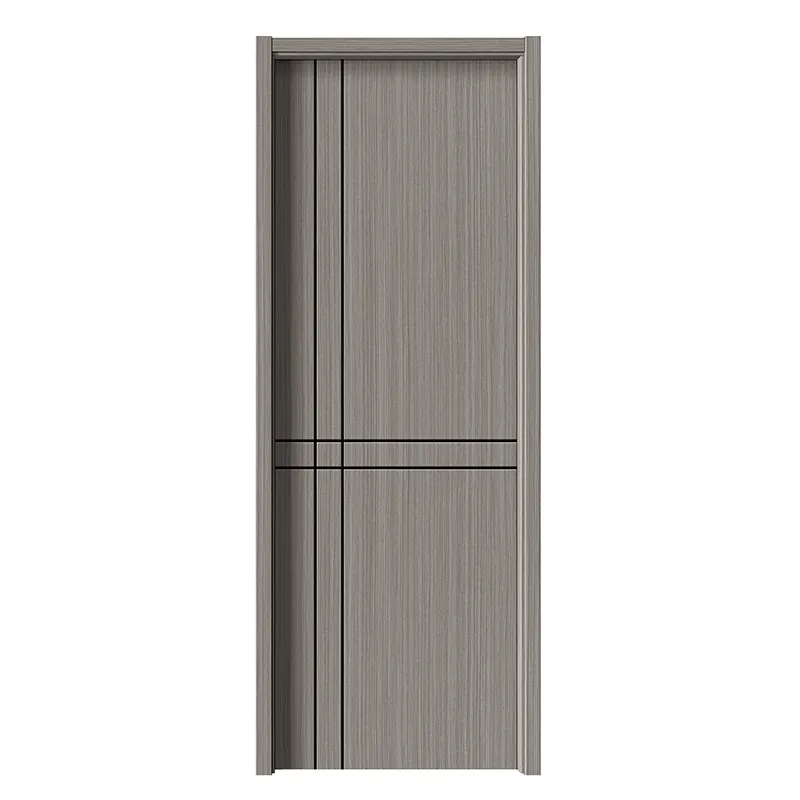 YST-1004 Door Technotree 2
 -
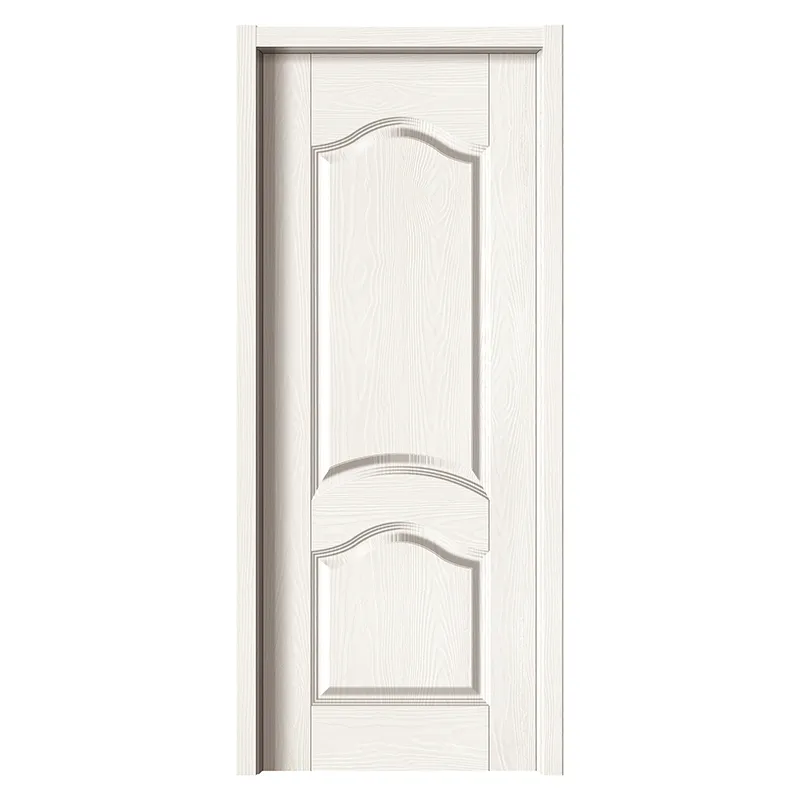 YST-224 Door Warm white with relief
 -
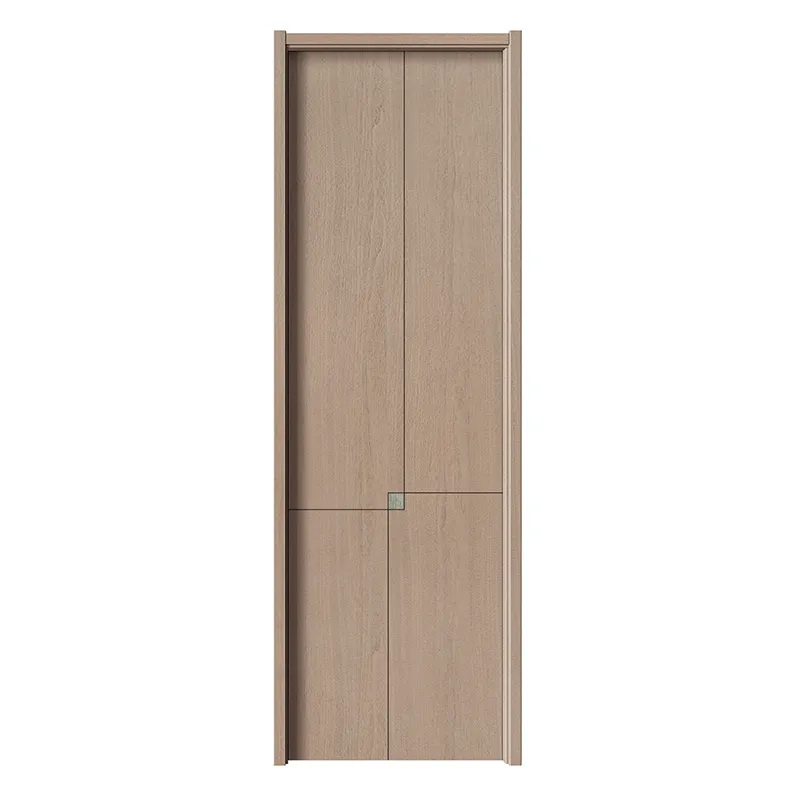 YST-1008 Door Natural walnut 2
 -
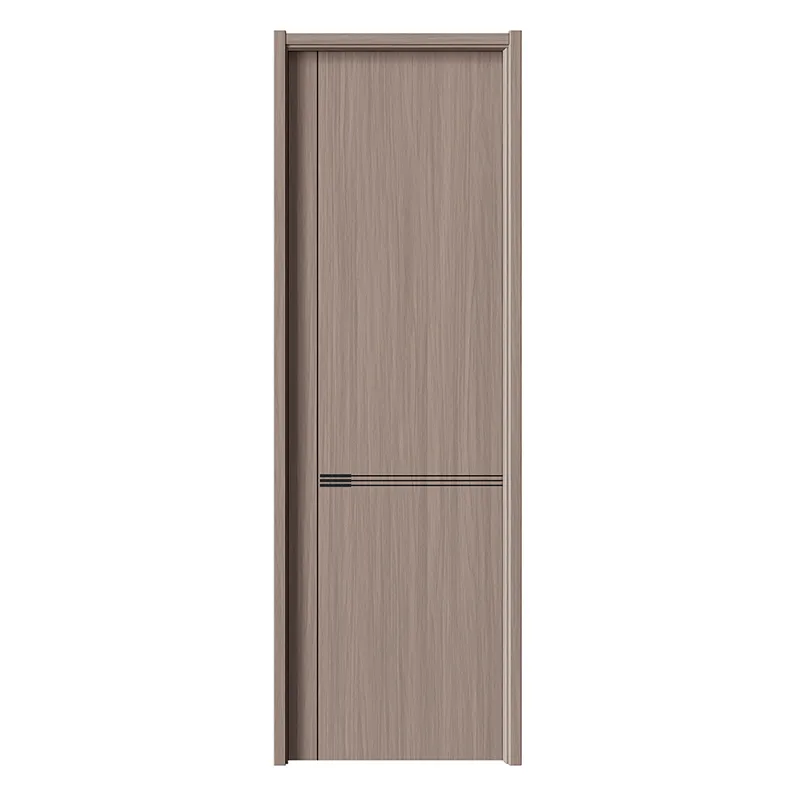 YST-1039 Door Translucent light shadow 3
 -
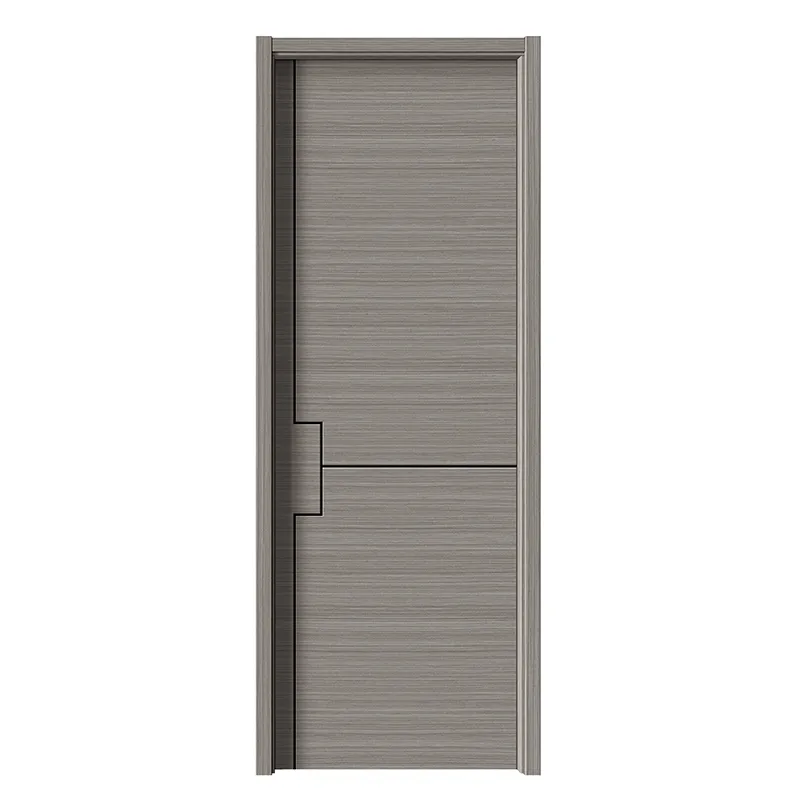 YST-1005 Technotree Door 2