




Order a solid wood door
When the client is looking for whereorder a solid wood door, there is usually a picture in my head: solid, warm, forever. But solidity is not just a thick board. And “for centuries” greatly depends on what kind of solid wood it is from, how it is dried and collected. A common mistake is to chase the exoticism of a breed without understanding the basics: drying, fabric design, processing. I myself saw how people ordered doors from expensive oak, and then encountered cracks or a “propeller” due to broken technology. So let's take it in order.
An array is not a monolith, and that's okay
Many people imagine a door leaf as a single slab cut from a giant trunk. In reality, they almost never do this, and rightly so. A solid mass of a large area is a huge risk of deformation. Therefore, high-quality doors are assembled from spliced lamellas. The manufacturer’s task is to select these lamellas according to texture and color so that the joints are minimally noticeable and the structure itself is stable.
Chamber drying plays a key role here. If the wood is not completely dried, the lamellas will begin to “lead” after installation. We had a case with one order, when, due to the rush at the partner’s production, they skipped the stage of conditioning the wood after drying. It seemed that the humidity was normal, but the internal tensions were not relieved. Six months later, microcracks appeared on the panels. I had to figure it out and prove it. Now I always check with the supplier not just about humidity (8-10%), but about how long the material “rested” after drying in a workshop with a controlled atmosphere.
By the way, about breeds. Oak and ash are classics, stable but heavy. Walnut is beautiful, but softer. Beech can “play” a lot with changes in humidity. For our conditions, with harsh winters and heating, I often advise paying attention to doors made of solid oak or, alternatively, from trusted manufacturers who work with adapted wood. For example,Anhui Wantai Woodworking Co.,Ltd (https://www.anhuiwantai.ru) just declares strict control at all stages, from raw materials to finishing. Their philosophy of “building a business on precision” is precisely about those very technological nuances that the client does not see, but feels for years.
Construction: panel, drawstring or blind? Not only about design
The choice of design is a matter of not only aesthetics, but also practicality. Solid wood paneling is the most solid, but also the most massive. You need very reliable hinges and, often, a closer. Paneled construction (when panels are inserted into a solid frame) is lighter and has less risk of deformation, since the wood “breathes” within the sections. But here the quality of the connection between the panel and the frame is critical - there must be a compensation gap; a 'floating' mount is often used.
The tsar system (when a frame made of solid wood forms a frame, and the internal space is filled either with solid wood or with a sandwich) is a good balance of stability and weight. It often allows you to create interesting modern designs without losing strength. Whenordering solid wood doorsBe sure to ask the manager what kind of design is offered. If they tell you “a solid mass”, but the door is light and has large panels, you should be wary. Perhaps there is not an array inside, but a panel insert.
From personal experience: for interior openings in an apartment with normal humidity, paneled doors made of solid ash work well. For the entrance to a private house or apartment with an unstable microclimate (for example, if it is often ventilated in winter), a solid oak panel with a reinforced frame is better. One of our clients insisted on a beech paneled door for a vestibule in a country house. In winter it was a little warped and had to be adjusted. Conclusion: design is by design, but operating conditions are primary.
Fittings and installation: what you definitely can’t save on
The most perfect door can be spoiled by poor fittings and careless installation. Hinges for a solid door should be designed for a weight of 60 kg or more, with bearings, preferably adjustable. The lock is mortise only, with a massive front plate. Saving on hinges leads to sagging of the canvas, creaking, and ultimately to destruction of the fastening in the box.
Installation is a different story. The master must understand how to work with wood. Incorrectly set gaps, overtightened screws, lack of expansion joints - all this will come back to haunt you. I once watched how “specialists” installed an expensive oak door, filling all the cracks with polyurethane foam without any spacers. A day later, the door jammed - the foam, expanding, moved the frame. I had to take everything down and redo it.
Therefore my advice:ordering a solid wood door, immediately budget for professional installation from a company that provides a guarantee on it. It is better if it is the same contractor who makes the door. At the sameAnhui Wantai Woodworking Co.,Ltdthe description shows that they control the entire cycle. Such manufacturers usually have well-developed instructions for installers and supply doors complete with selected fittings, which minimizes risks.
Finishing and care: varnish, oil and what will happen in five years
The finish is more than just a 'color'. This is protection. The main options for solid wood are varnish and oil. Varnish (polyurethane, acrylate) creates a durable, scratch-resistant film. It protects well from moisture and dirt. But if the coating is damaged, it is difficult to restore locally - you need to sand and varnish the entire surface.
Oil (most often solid oil-wax) penetrates deep into the pores, emphasizes the texture, and leaves a natural feeling of wood. It's easier to update locally. But such a coating requires more careful care and is less resistant to stains from water and alcohol. For the kitchen or bathroom (if we are talking about moisture-resistant species), I would recommend varnish. For the living room or office - oil, for tactile comfort.
Don't believe the myth that a solid door requires no maintenance. Every few years the coating needs to be renewed, even if it is varnish. Dust, micro-scratches, ultraviolet radiation (if the door is in a sunny room) - all this has an effect. Ask the manufacturer for care recommendations and a small supply of material for spot repairs. It's a good sign when a company likeAnhui Wantai Woodworking Co.,Ltd, positions itself as a supplier for the international market - usually their products are adapted to different climatic conditions and are accompanied by clear instructions.
Summary: What to look for before you order
So, in short. The first is technology. Ask about wood drying, blade design, assembly method. The second is the breed and conditions. Correlate the hardness and stability of the rock with the room where the door is being installed. Third - equipment. Check what is included in the price: box, trim, accessories, accessories from which manufacturer. Fourth - installation. Don’t save money, trust only proven teams with experience working specifically with arrays.
Search whereorder a solid wood door, is not about finding the lowest price. This is a search for a balance between price, quality of material and, most importantly, the competence of the manufacturer. The price consists of the cost of raw materials (mature oak is more expensive than pine), the complexity of processing, the level of finishing and logistics. A price that is too low should alert you: it is possible that low grade wood was used or with improper drying technology.
Ultimately, a good solid door is an investment. It doesn’t just close the opening, it sets the tone for the interior and has been working for decades. And the main selection criterion is not the brightness of the catalog, but the depth of elaboration of the technological processes of the one who makes it. That is why it is worth paying attention to companies with a full control cycle, where stated principles like “winning with quality” are confirmed not by words, but by clear standards at every stage, from the workshop to your doorway.
Correspondingproducts
Related Products
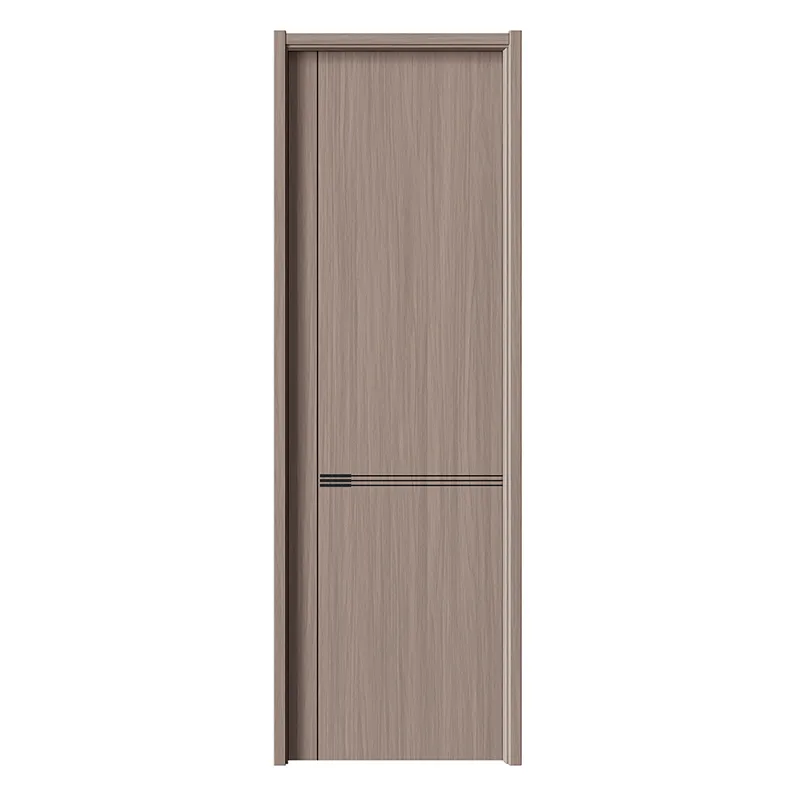
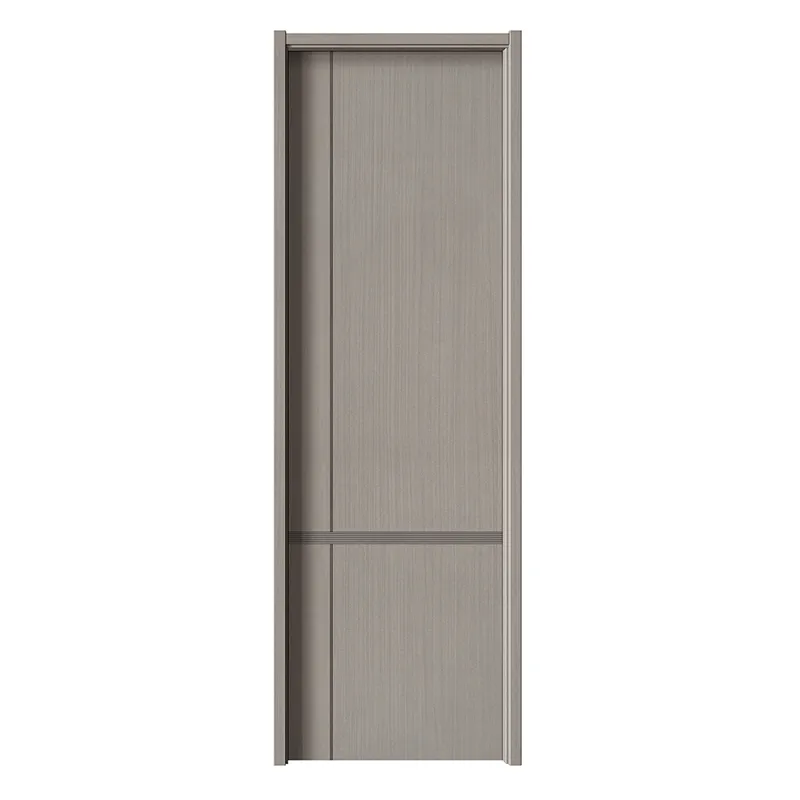

Best Sellingproducts
Best Selling Products-
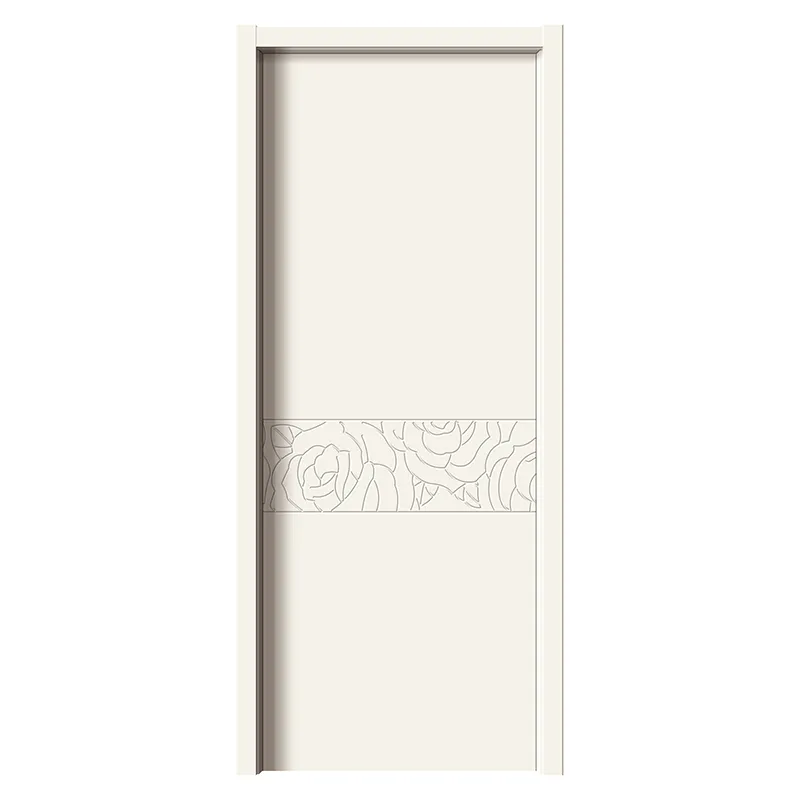 YST-238 Door White ivory
 -
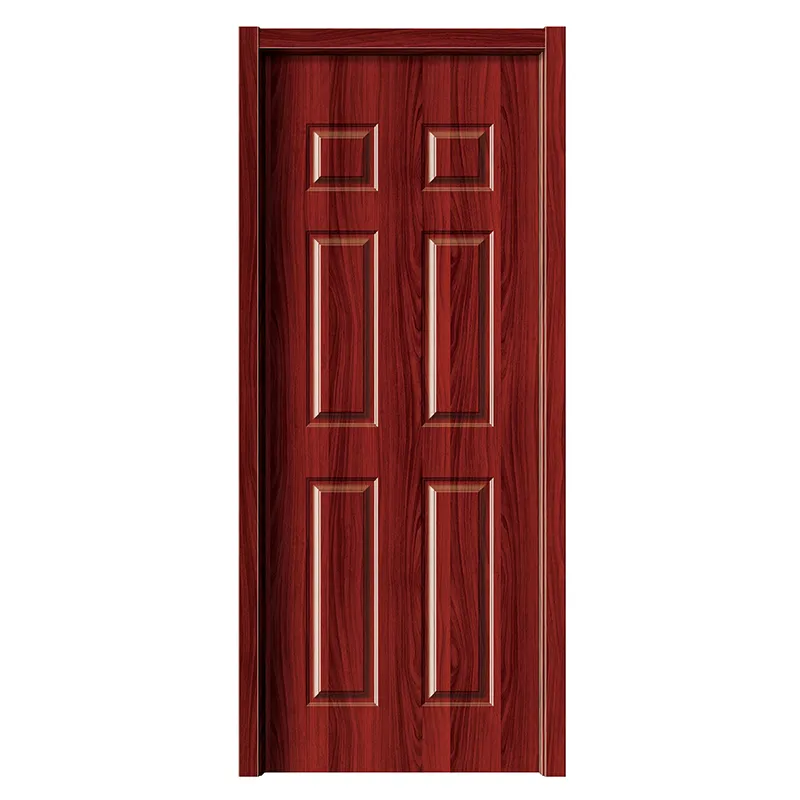 YST-201 Door Red team
 -
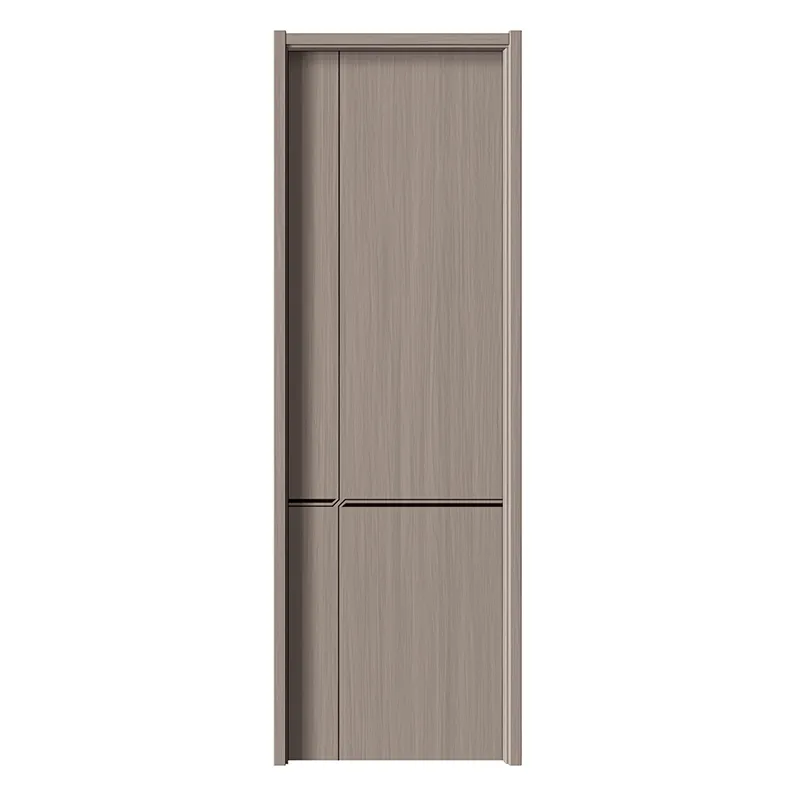 YST-1010 Door Translucent light shadow 3
 -
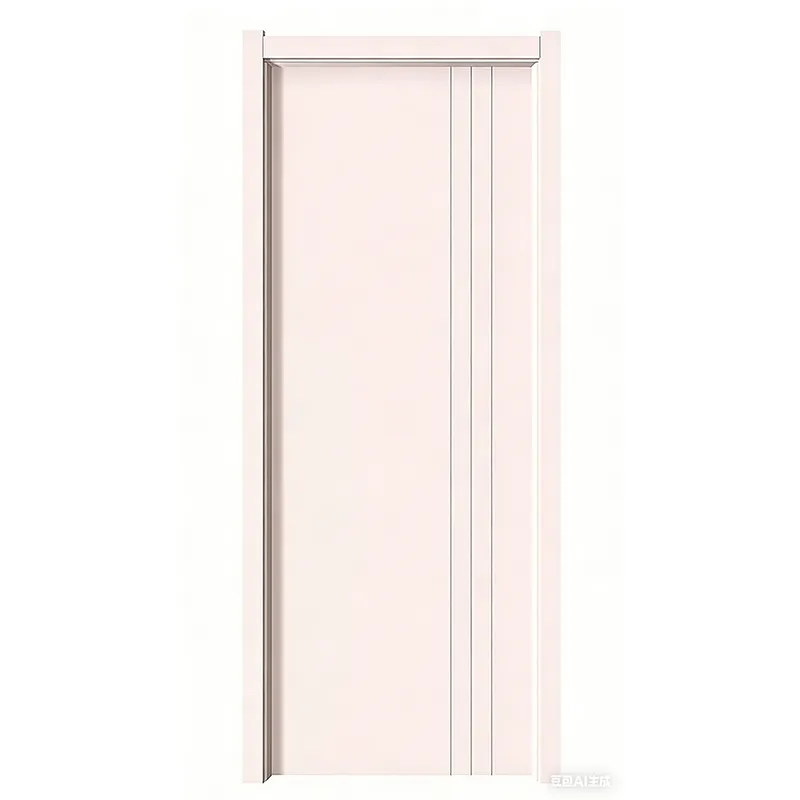 YST-WPC4 Door
 -
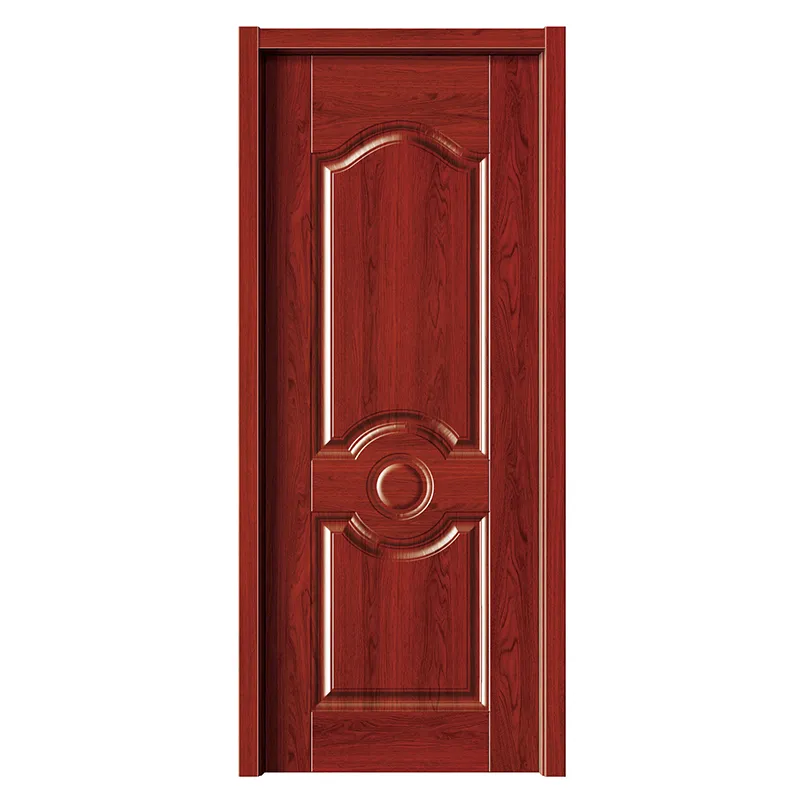 YST-208 Door Red Sandalwood
 -
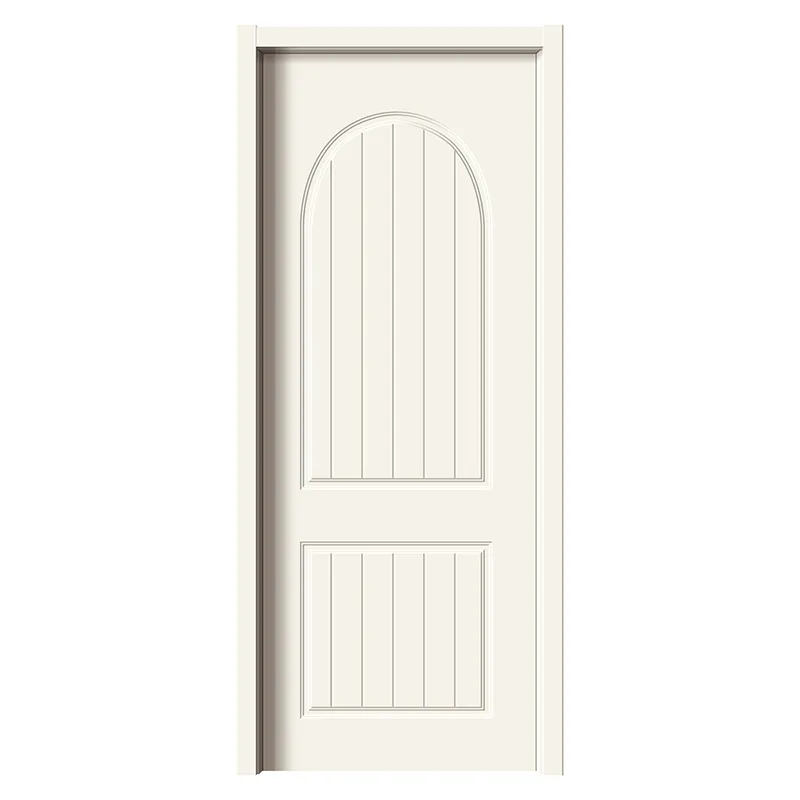 YST-236 Door White ivory
 -
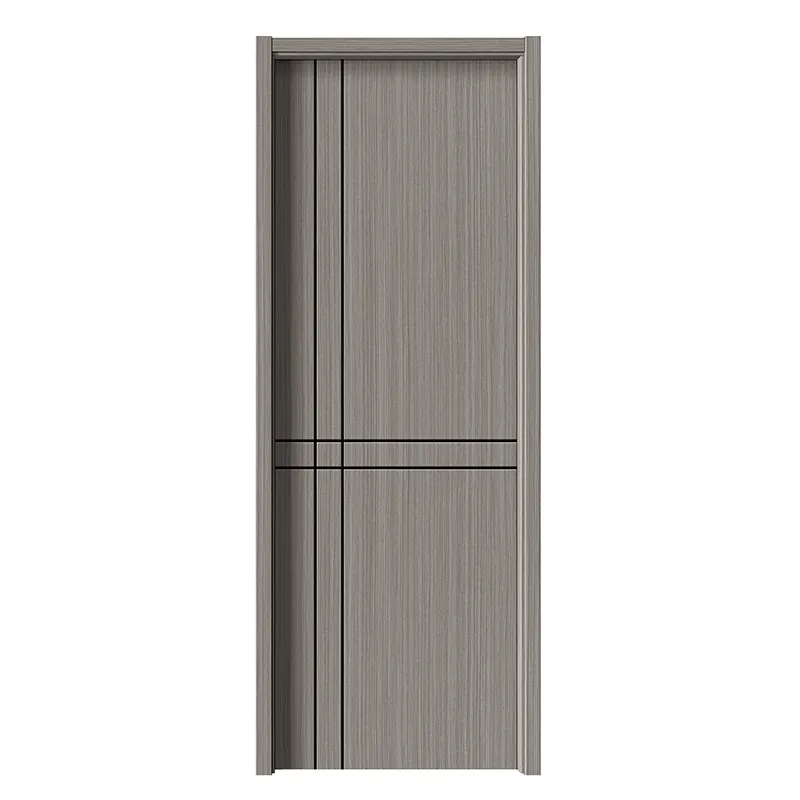 YST-1004 Door Technotree 2
 -
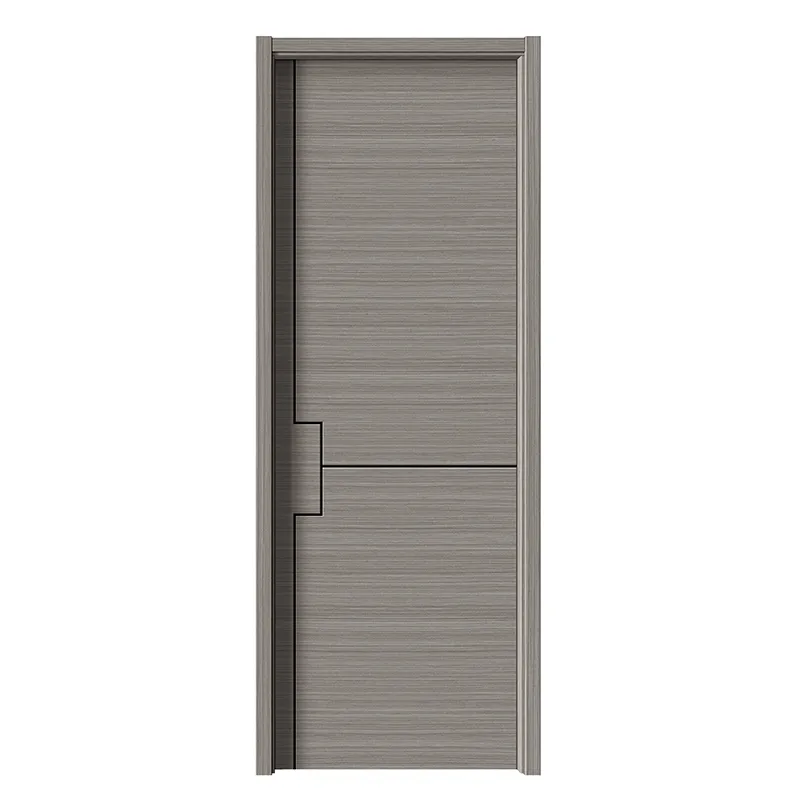 YST-1005 Technotree Door 2
 -
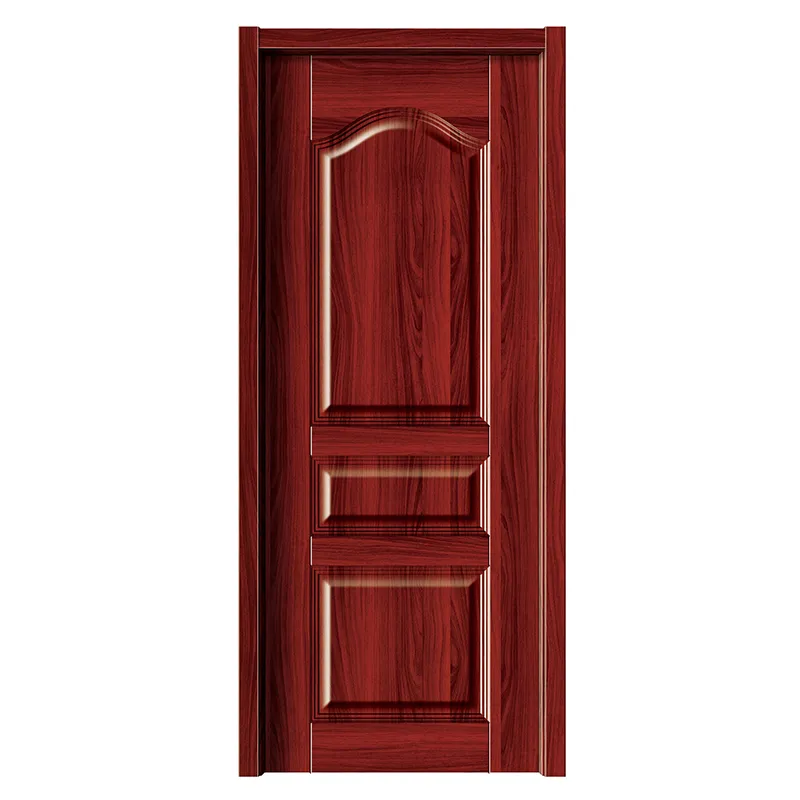 YST-203 Door Red team
 -
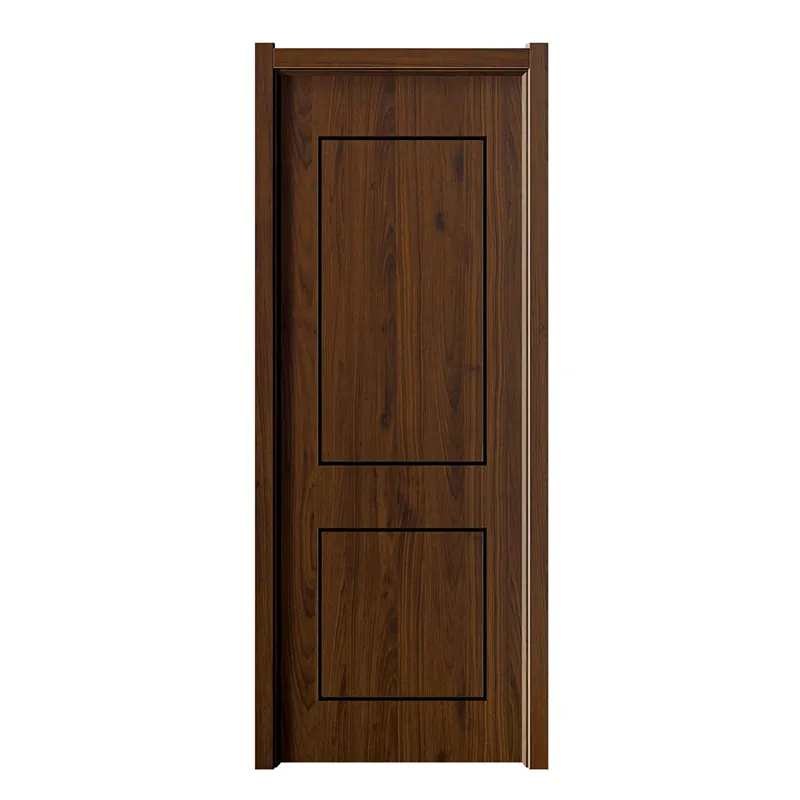 YST-WPC2 Door
 -
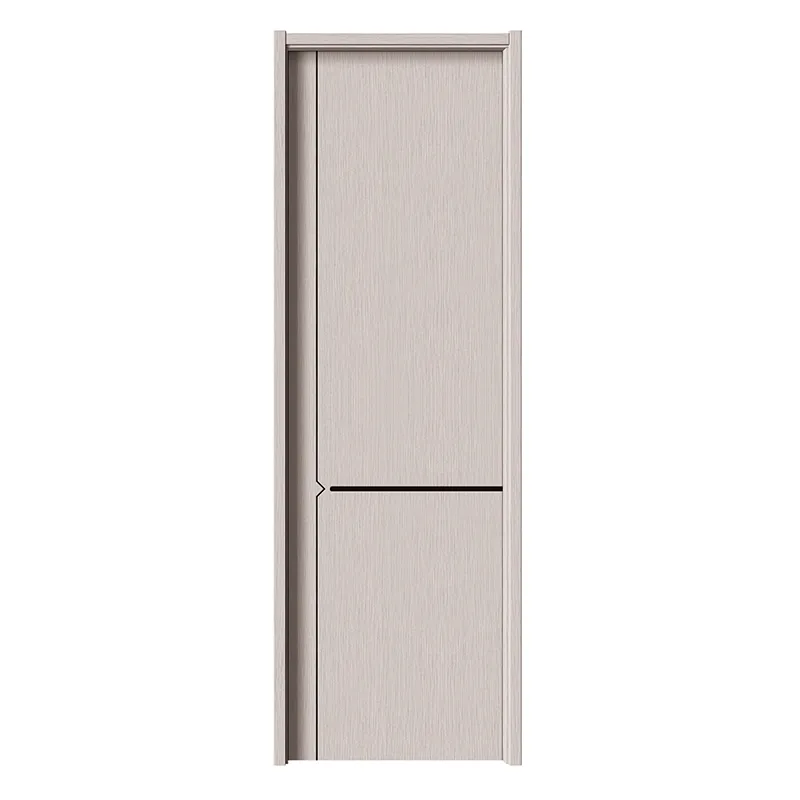 YST-1024 Door Chiaroscuro wood 1
 -
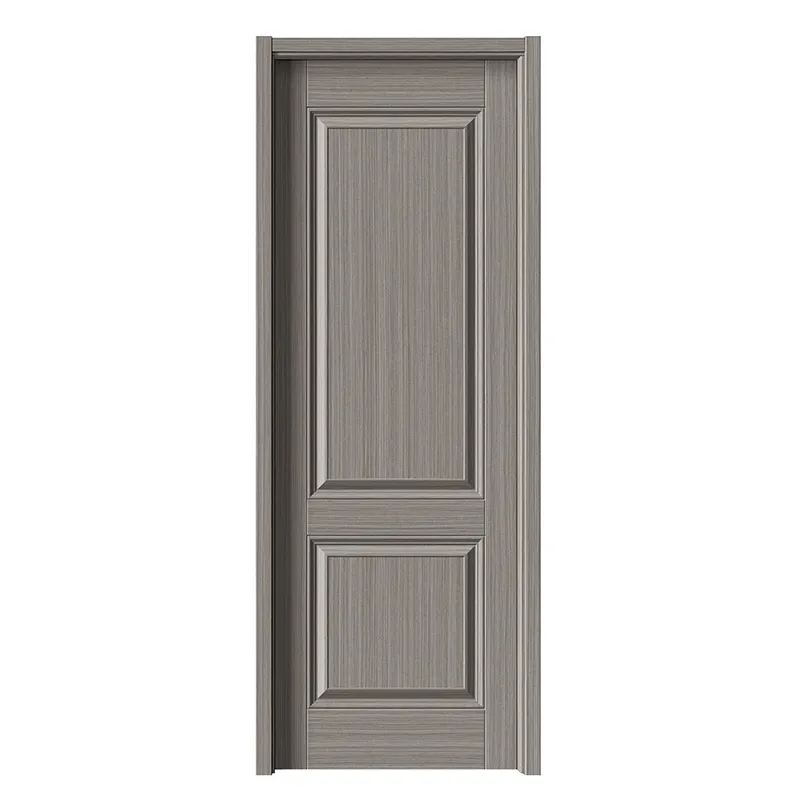 YST-214 Door Technowood 2