




Wooden door to match
When a customer says “door to match?”, many imagine simply selecting paint or stain based on a sample. In fact, this is a whole philosophy, and this is where the main mistake of most suppliers and even craftsmen lies. ?To match? - this is not only about the color now, but about how this color will behave in a year, how it will look in different lighting conditions in the interior and, what is critical, how it combines with the texture and type of wood. You can take the perfect example from the kitchen facade, but put a pine door painted in the same RAL as the solid oak on the walls - and you will get a visual break. Different wood densities, different absorbency, different light reflection. This is the first and main lesson.
The depth of the concept “in tone”: from sample to integration
Working, among other things, with productsAnhui Wantai Woodworking Co.,Ltd, I appreciated their systematic approach to this issue. On their websiteanhuiwantai.ruthe emphasis is on a combination of aesthetics and practicality, and these are not empty words. When we talk about global projects - residential complexes, hotels - there is no “one door” there. We are talking about batches of hundreds of units, which must be identical to each other and fit perfectly into an existing or newly developed finish.
The key here is phasing and control. ?To match? It starts not in the paint shop, but in the lumber yard. For a serious contract, say, for the supply of doors for a chain of boutiques, where the walls are covered with American walnut,Anhui Wantai Co.,LtdFirst, it analyzes the customer’s sample: species, age of wood, type of finishing coating (varnish, oil, wax). Then the rock closest in texture and properties is selected from its raw material pool. Their principle is “to build a business on accuracy?” it works 100% here. If you use different wood, even the most expensive tinting complex will not help - the base will “play?” differently.
Personal experience: There was a restaurant project where the client required matching antique oak paneling. We provided samples from three suppliers. Those from Wantai passed not only a laboratory color test, but also a “field test”: the master glued plywood samples directly to the panel, and we observed them for a week in daylight and artificial light. The winner was the option where not only the color matched, but also the degree of dullness and depth of texture after applying the protective layer. This is true integration.
Technological pitfalls and how to avoid them
The biggest headache is metamerism, where color changes depending on the light source. A door that matches perfectly in a showroom under an LED strip can turn purple in a hallway with halogen lamps. Professional manufacturers, including the Wantai team, know this. Therefore, their technologists make tinting not for one source, but create a recipe that is resistant to different lighting. This is more expensive and requires more testing, but this is the only true way.
Another nuance is the thickness of the coating and the method of application. Spray gun, roller, swab - each method gives a different texture. Forwooden door to matchWith matte plaster on the walls, you often need a light, subtle roughness, rather than the glossy smoothness of factory paint. In our workshop, we sometimes modified finished canvases coming from the factory with soft abrasive sponges in order to “remove” them. factory gloss and give the surface a more organic look. Interestingly, some manufacturers now seem to be offering a "rustic" option, including Wantai. or ?aged? processing the finish precisely for such purposes - so that the door does not look like a foreign remake.
A failed case from practice: an attempt to save money on a furniture panel for a box. The canvas was made perfectly, from solid wood, and the box was ordered from cheaper laminated board. Different degrees of shrinkage and reaction to humidity led to the fact that after six months the gap between the box and the canvas began to differ in tone. Lesson: ?in tune? - this is a system: canvas, box, platbands, additions. Everything must be made from compatible materials processed in the same technological chain.
Selection practice: not only color, but also character
When a designer approaches me with a pantone, the first thing I ask is: “What is the mood of the space?” Should the door dissolve or be a quiet accent??. Often a task?wooden door to match? is solved not by complete merging, but by playing on halftones. For example, a door can be half a shade darker than the wall, creating a light, barely readable outline. Or, conversely, half a tone lighter, visually lightening the design.
Here I am impressed by the approach that declaresAnhui Wantai Woodworking Co.,Ltd— satisfaction of various needs. Their catalog is not just an album with doors, but a set of solutions: from ultra-matte coatings to plaster finishes. to deeply tinted oils that enhance texture. A commercial space, say a hotel lobby, often needs a door that can withstand thousands of touches and is easy to clean while maintaining its color. Here it is not so much the tinting that comes to the fore, but the quality and durability of the finishing layer, which is also part of the “tone-on” concept. in the long term.
While working with their products, I noticed an important detail: the stability of the batch. We once ordered 30 identical doors for apartment corridors. All canvases arrived in perfect condition, and, most importantly, absolutely indistinguishable from each other. This indicates the highest control on the production line, on which the success of the entire turnkey project directly depends.
Beyond the visual: tactility and acoustics
An often overlooked point: a matching door should not only visually, but also tactilely match its surroundings. If the walls are covered with rough textured plaster, and the door is perfectly smooth, like glass, the dissonance will be felt on a subconscious level, even if the color matches. Therefore, sometimes it is necessary to add special fillers to the varnish to create a micro-relief or choose brushing (artificial aging) methods to make the surface more expressive.
Another aspect is sound. A dull, heavy click of the lock of a massive door or a light, almost silent move? This is also part of the ?tonality? space. In a bedroom or office it’s one story, in a restaurant kitchen it’s another. When selecting a door, you need to take into account its acoustic characteristics, which largely depend on the design of the door leaf, filling and quality of fittings. Manufacturers focused on the international market, like Wantai, usually offer different filling options (cellular, solid, soundproof), which allows you to fine-tune this parameter.
I remember a library project where it was necessary to hide the technical door to the utility room in a wall trimmed with oak panels. The color was chosen perfectly. But when the door closed with a characteristic empty sound, it was immediately “read” like a light interior room, destroying the illusion. I had to make the canvas additionally heavier and install a closer with a smooth, silent move. After that, she completely “dissolved”.
Bottom line: accuracy is an art
Thus, the creationwooden door to matchis always a comprehensive work at the intersection of design, technology and logistics. This is not a service, but a process that requires a deep understanding of materials, lighting technology and the final purpose of the object. Success comes to those who, like a companyAnhui Wantai Woodworking Co.,Ltd, relies on precision and quality control at all stages - from raw materials to packaging of the finished product.
Their focus on international standards is not just a nice phrase for a websiteanhuiwantai.ru. This is a necessary condition for working in a segment where a client from Europe or the Middle East expects not just a “similar door”, but an absolutely predictable, certified product that will become an organic part of the architectural design. In this segment ?approximately? doesn't work.
So, the next time you hear the request “door to match?”, think not about a can of paint, but about the full cycle: analysis, material selection, painting technology, finishing and installation. This is the only way to achieve that seamless effect when the door ceases to be just a functional element and becomes part of the space. And yes, it is worth the effort and resources that are invested in it. Tested in practice.
Correspondingproducts
Related Products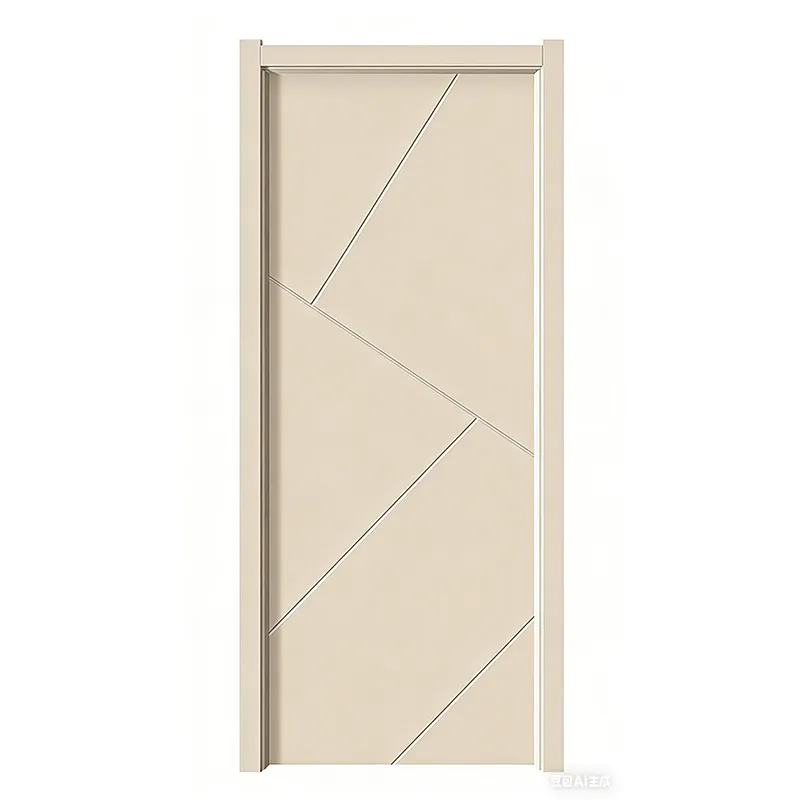
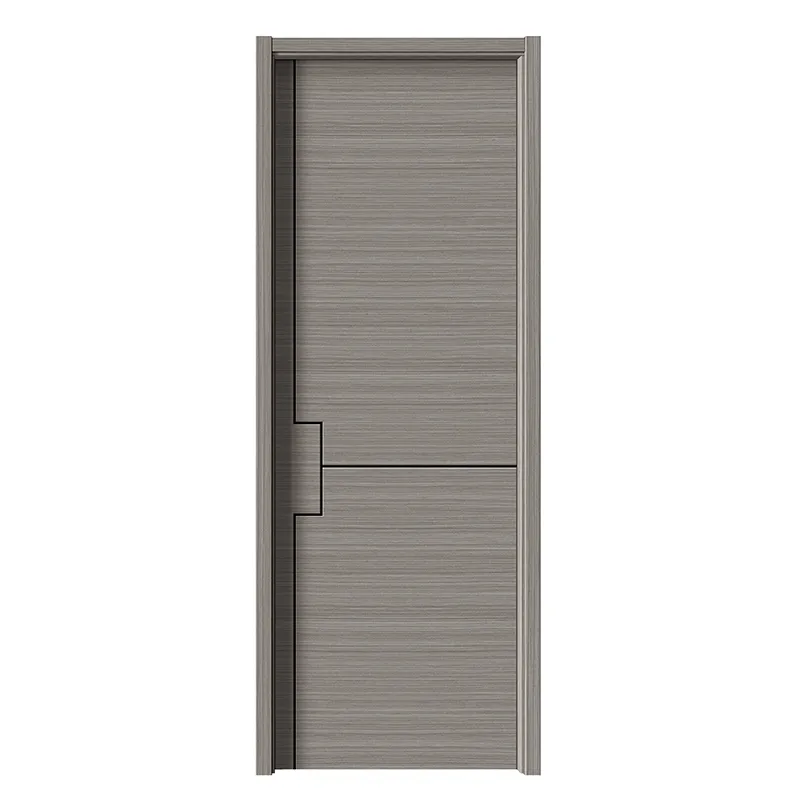
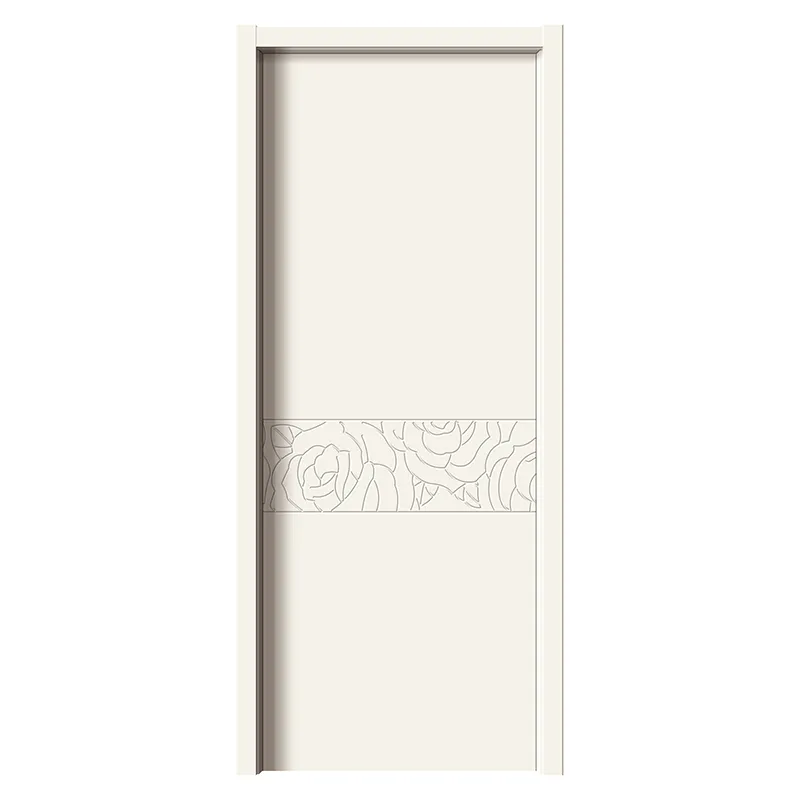
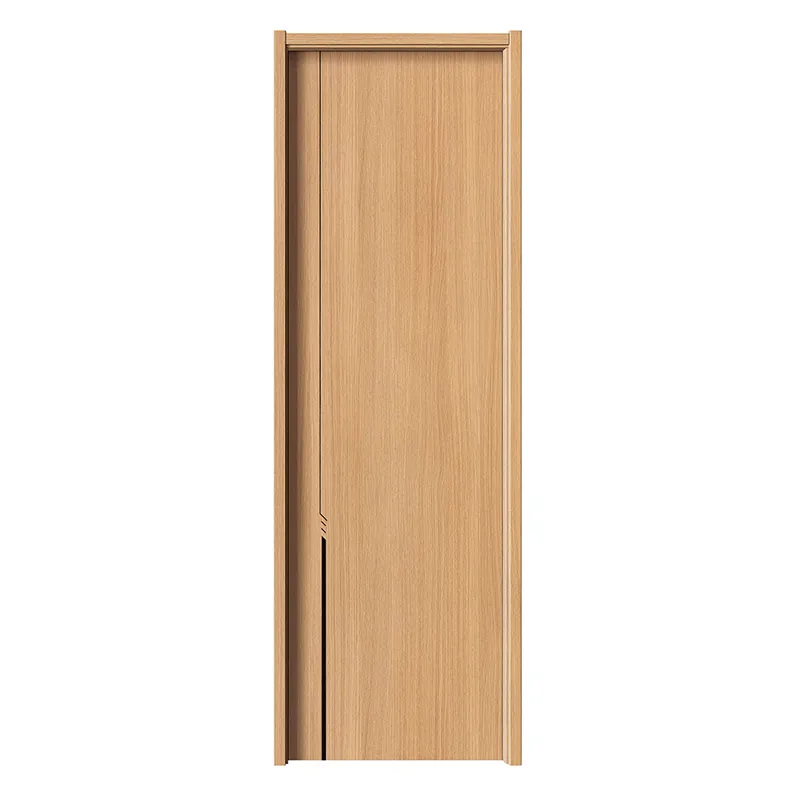

Best Sellingproducts
Best Selling Products-
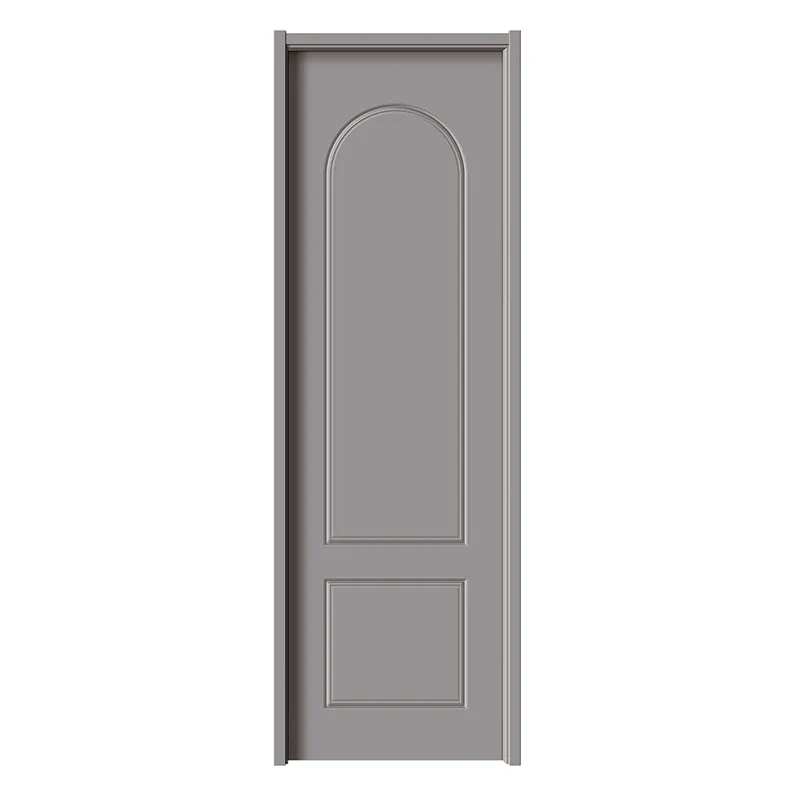 YST-241 French Door 1 soft stone gray
 -
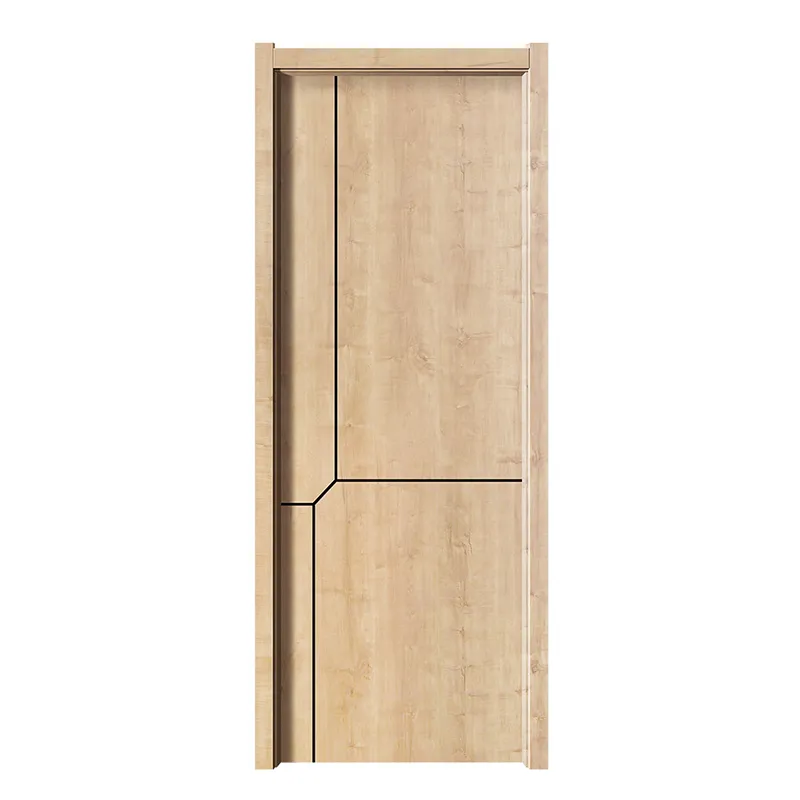 YST-WPC1 Door
 -
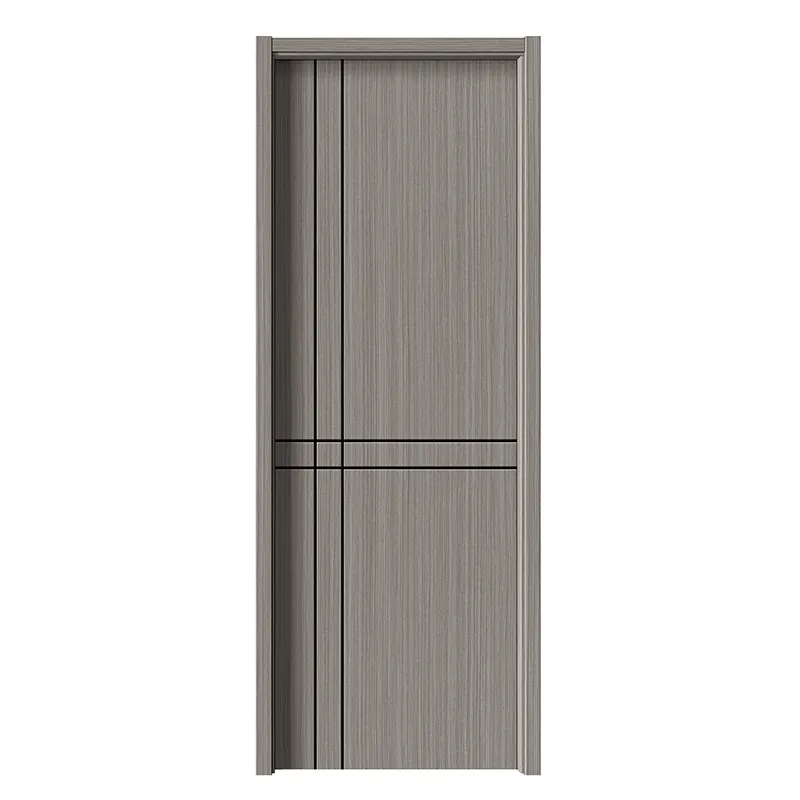 YST-1004 Door Technotree 2
 -
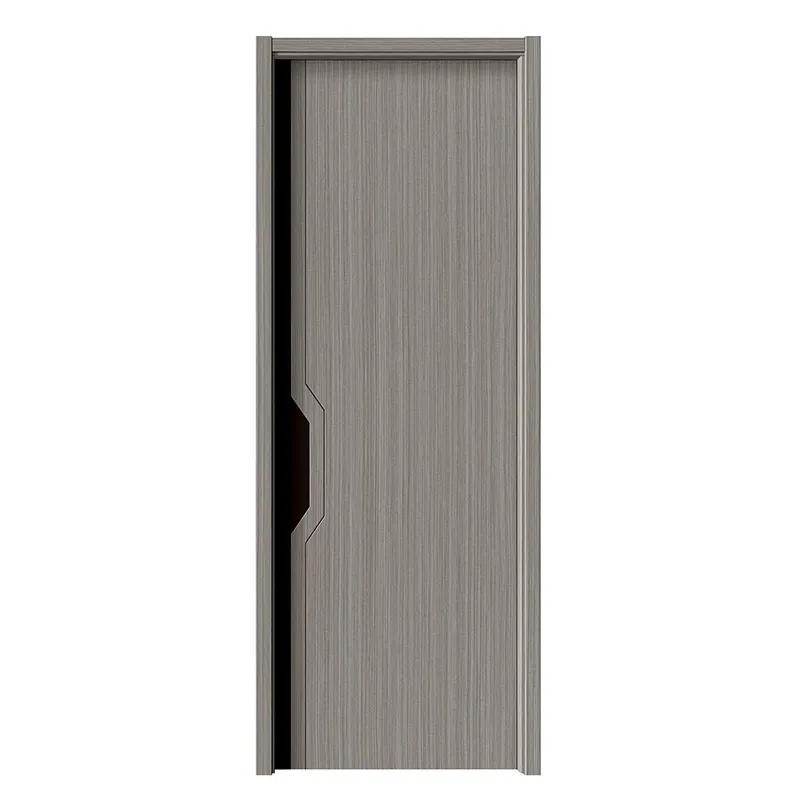 YST-1007 Technotree Door 2
 -
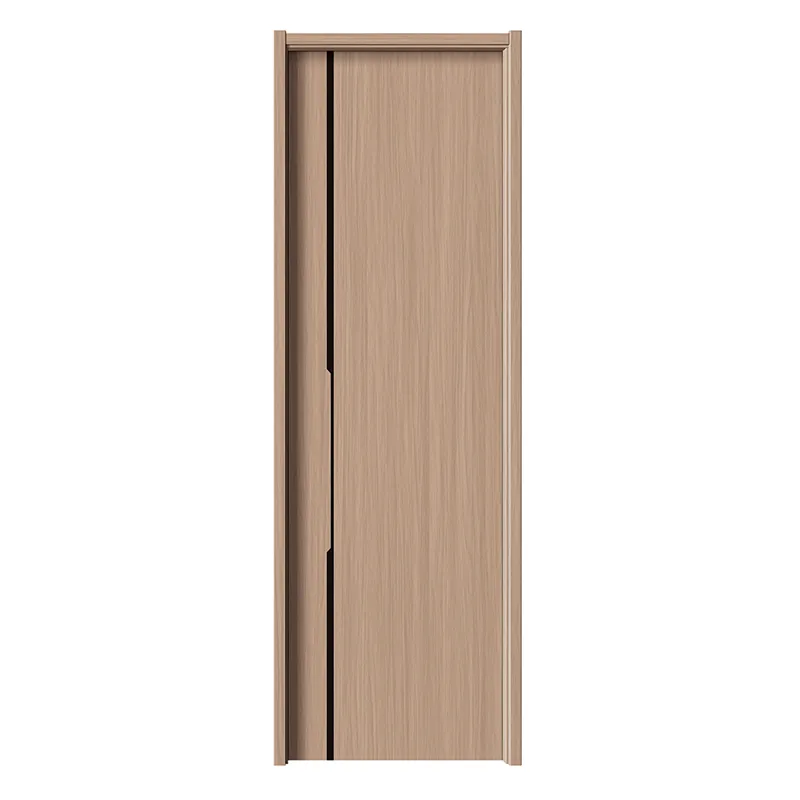 YST-1029 Door Translucent light shade 1
 -
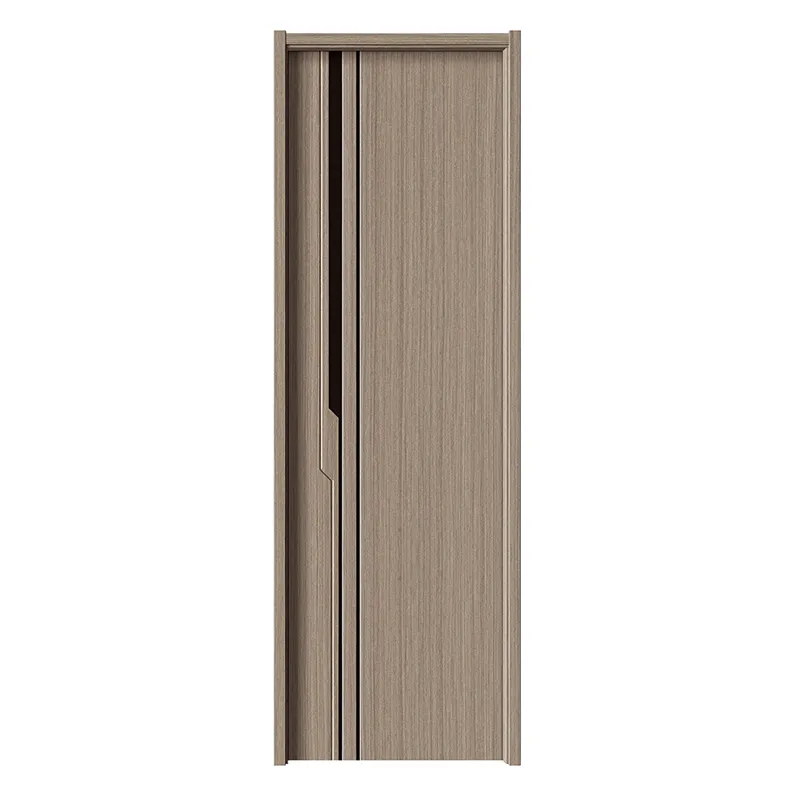 YST-1018 Technowood Door 1
 -
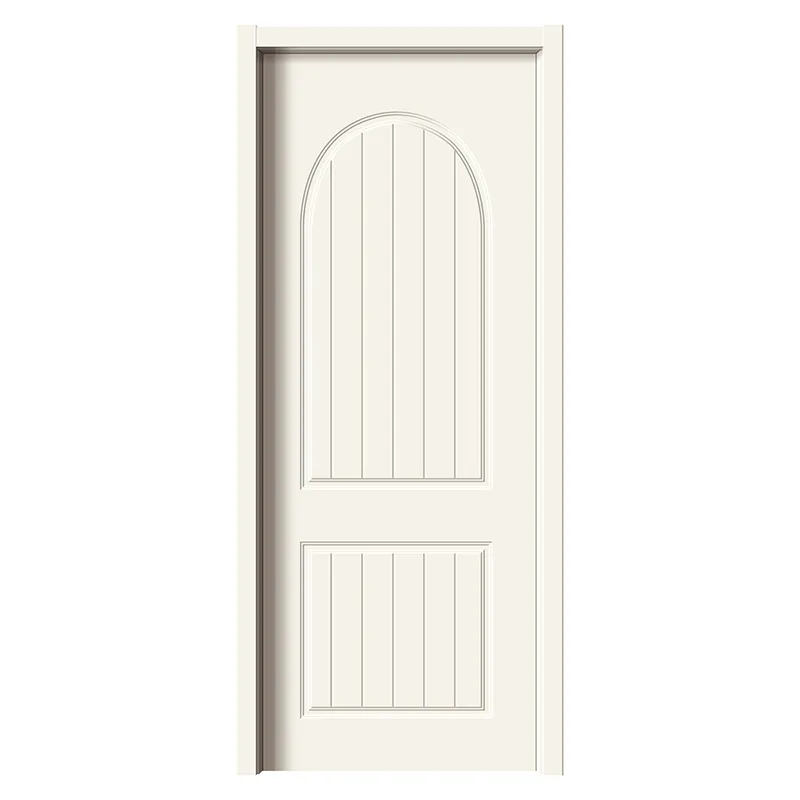 YST-236 Door White ivory
 -
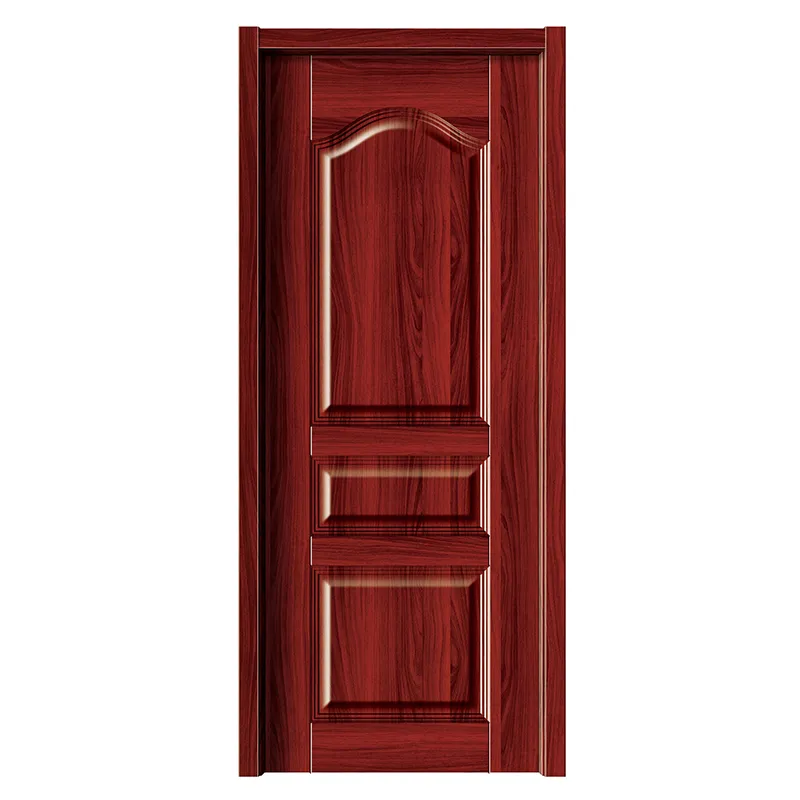 YST-203 Door Red team
 -
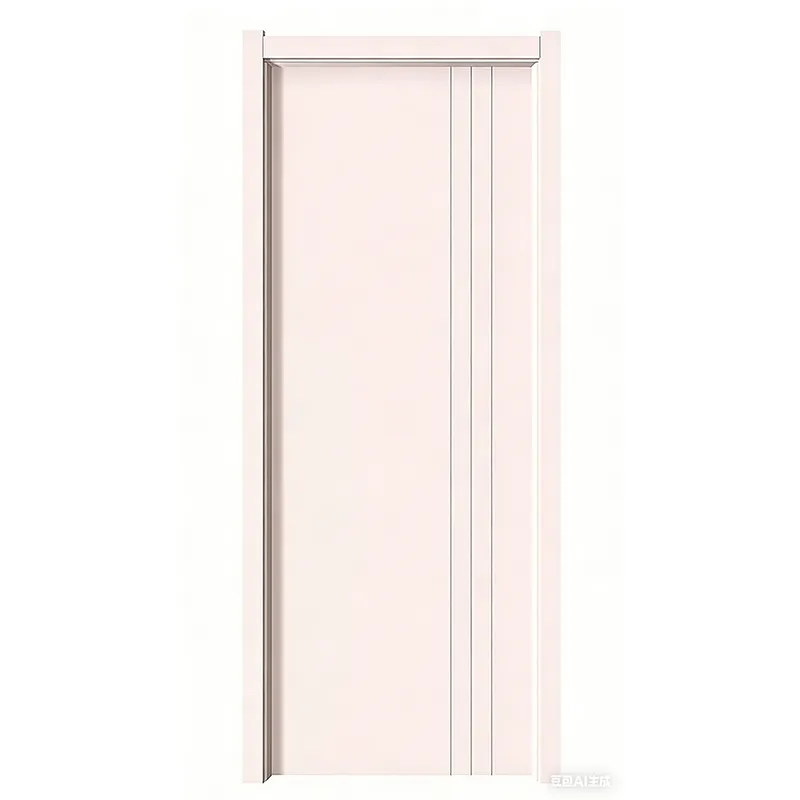 YST-WPC4 Door
 -
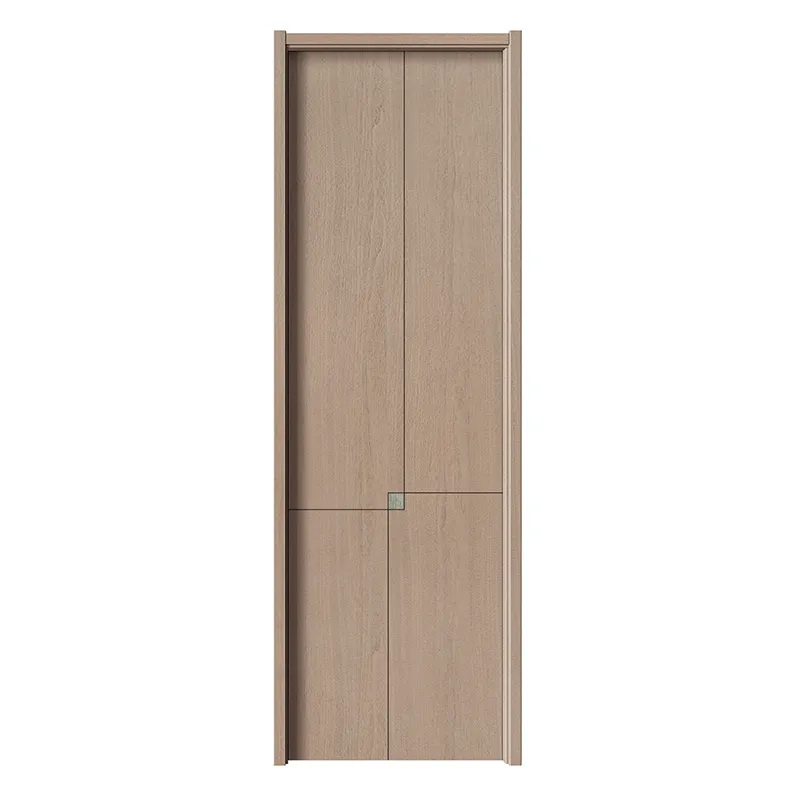 YST-1008 Door Natural walnut 2
 -
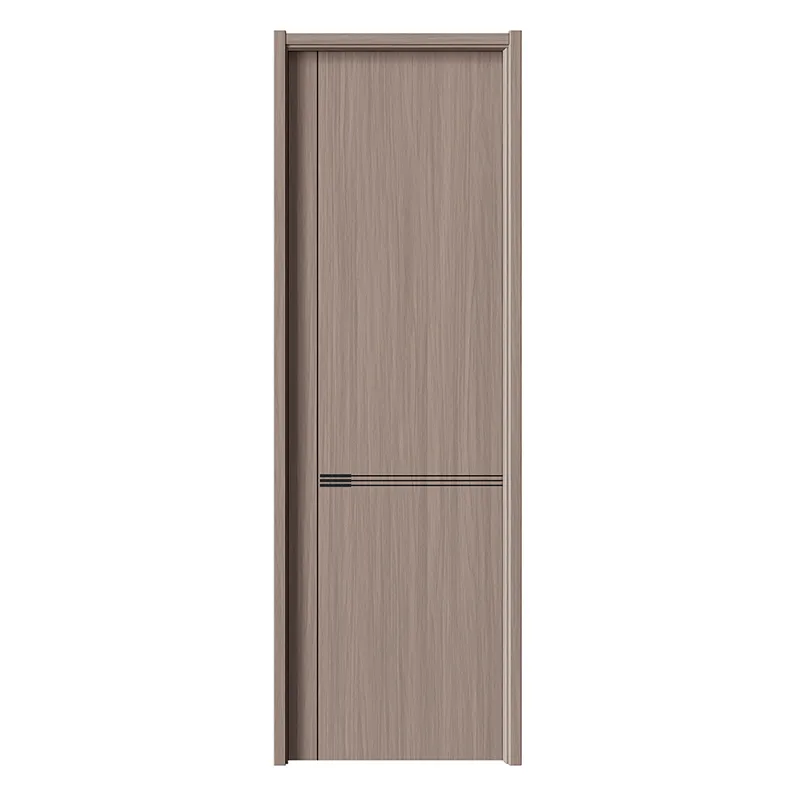 YST-1039 Door Translucent light shadow 3
 -
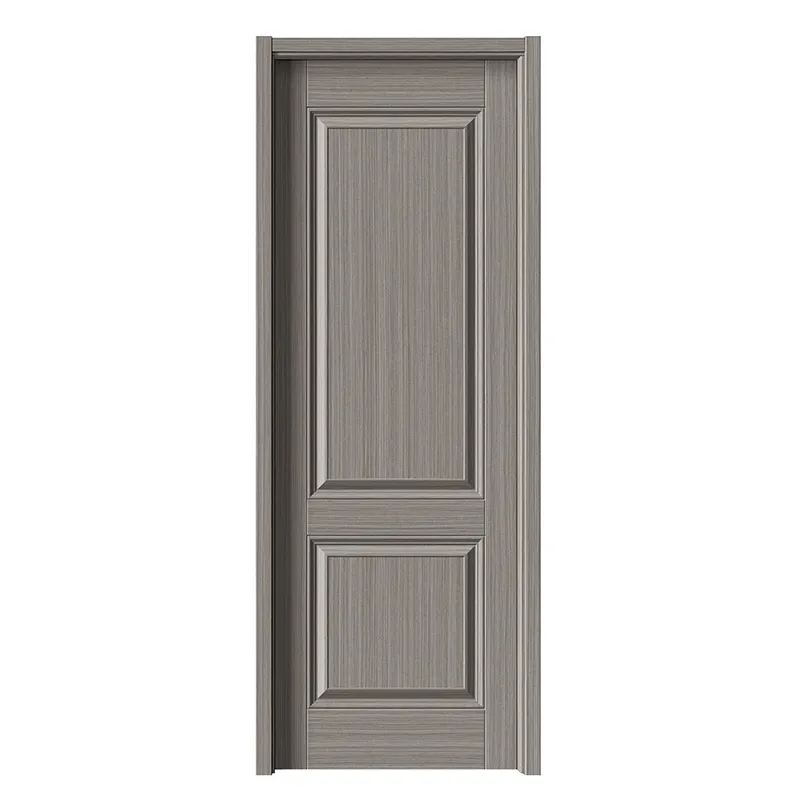 YST-214 Door Technowood 2