




Hidden hatch doors
When they talk abouthidden doors hatches, many immediately imagine Hollywood films: click on a book in the closet - and here is a secret passage. In reality, everything is more prosaic and complex. The main mistake is to assume that the main thing is camouflage, and the mechanism and reliability are secondary. In fact, if the hatch jams or its hinges squeak after a month, all the magic of “invisibility?” is collapsing. I myself have come across projects where the customer skimped on fittings by choosing beautiful, but unreliable hidden hinges, and then had to literally open up the finish to fix everything. This is the very point where aesthetics must meet engineering.
From concept to drawing: where the pitfalls lie
It all always starts with an idea: you need a hatch in the wall, in the floor, in the furniture façade. And here the first professional filter is load and purpose. A hatch in the floor in a living room and a technical hatch in a high-traffic commercial space are two different stories. For the first, a design on standard hidden hinges may be suitable, for the second, calculations for reinforced steel guides and, possibly, gas elevators are already needed. Once developedhidden hatchin a library shelving system - it would seem like a trifle. But the weight of the books, plus the constant opening and closing... I had to redo the project three times, increasing the thickness of the load-bearing frame so that the façade would not “sink”. over time.
The material is a separate story. Solid wood looks noble, but it is “alive” and can react to humidity. Veneered MDF is more stable, but requires perfect edge work. I saw projects where forhidden doorsThey even used aluminum frames with HDF overlays - for modern interiors, where geometry and minimal gaps are important. Here you can’t do without a precision machine. By the way, about accuracy. The company seemsAnhui Wantai Woodworking Co.,Ltdwith their focus on accuracy and quality control at all stages - this is exactly the case when the approach to the production of ordinary wooden doors directly affects the ability to make complex hidden structures. If there is no culture of millimeter precision at the base level, then seamless integration of the sunroof can be forgotten.
And one more nuance that is often missed at the design stage is access to the mechanism for maintenance. We made a perfectly hidden hatch into a plasterboard partition, puttyed everything and painted it. And after six months you need to tighten the adjusting screw on the hinge. If you do not provide a removable technological element or hatch, you will have to destroy the finish. Bitter experience.
Installation: the moment of truth for any hidden system
You can have the perfect hatch, but ruin everything during installation. And this is not about “screwing it tighter?”. It's about preparing the opening. It should be perfectly smooth, with clear corners. Any curvature that they try to compensate for with polyurethane foam will later result in distortions, difficult movement and cracks. I worked with teams who believed that polyurethane foam was a panacea. Until I saw how, a year later, such a “sandwich” made of wood, foam and drywall begins to live its own life, and the hatch door stops closing.
Fastening is a separate issue. For heavy structures, anchors and mortgages in the wall or floor are required. This is especially critical for floor hatches leading to technical undergrounds or safes. I remember an incident at a restaurant site: they orderedhidden hatchin the floor for access to the wine cellar. The hatch was excellent, made of solid oak. But the builders attached it to the wooden joists with ordinary self-tapping screws. After several months of active use, the fasteners became loose and dangerous play appeared. We had to urgently strengthen the entire assembly by installing steel plates.
Finish integration is the art of disguise. Puttying joints, selecting paint or varnish that will not change color over time differently than the main surface. Sometimes you have to resort to tricks: for example, for a hatch disguised as part of a wooden panel, use not paint, but the same veneer from the same batch as the main finish. This is about suppliers who can ensure the stability of the material. If we take the sameAnhui Wantai Co.,Ltd, then their experience in working with wood and veneering for the international market just speaks to the possibility of solving such delicate problems where not just a piece of wood is important, but its texture, color and behavior in different conditions.
Fittings: the heart of the invisible mechanism
Hinges, locks, pusher handles are what make a hidden door work. Saving here is more expensive for yourself. Good hidden hinges (like Soss or some German brands) allow you to adjust the position in three axes even after installation. This is a lifesaver for the installer. But cheap analogues often lack this capability, and if the sunroof “starts up,” nothing can be fixed.
For hatches that must be not only invisible, but also imperceptible to the touch, systems with hidden-mounted closers or magnetic latches are used. But there is a nuance here: the magnet should be strong enough to hold the door, but not so strong that it requires excessive force to open, risking breaking the disguise. It is selected experimentally, often by trial.
A special story is automation. Electric drive forhidden hatch doors- this is already aerobatics. Requires cabling, control unit, safety sensors. We did this project for a private house: a hatch in the floor of the garage leading to the workshop. It was triggered by the radio key fob. The difficulty was not in the automation itself, but in ensuring complete tightness and protection of the mechanism from dust, moisture and temperature changes. I had to design a custom casing.
Failures and lessons: what went wrong
There is no specialist without mistakes. One of the most significant failures was connected precisely with the desire to make the “most invisible” one. Luke. The customer wanted nothing at all to be visible in the painted MDF wall: no cracks, no handles. We made a push-to-open opening system. Everything worked perfectly in the workshop. But at the facility, in a dry, heated room, the MDF showed minimal shrinkage, and the mechanism stopped working clearly. Sometimes you had to press five times. The solution turned out to be simple, but not obvious: it was necessary to replace the standard springs in the mechanism with less rigid ones, with less actuation force. Now, remembering, I understand that it was necessary to immediately test the mechanism in conditions as close as possible to operational conditions, and not in the ideal atmosphere of the workshop.
Another case is incorrect load estimation. They made it bighidden hatchinto the wall, which was essentially the door to the dressing room. Heavy full-size mirrors were used as camouflage. We calculated on standard hinges for heavy doors, but did not take into account the lever and frequency of use. After six months, the hinges began to sag. Lesson: for non-standard heavy solutions you always need a margin of safety and, possibly, consultation with a calculation engineer, and not just with a designer.
And finally, a common but common mistake is the lack of instructions for the user and final finishers. You hand over the object, and a week later you get a call: “The hatch won’t open!?” You arrive, and it turns out that the painters have painted over the barely noticeable technological groove for opening or sealed it with masking tape. Now I always leave the diagram and verbally explain to the foreman what can be touched and what cannot be touched until the hatch is finally put into operation.
Looking forward: what else can be improved
Now I see a trend towards smart home integration.hidden doormay not just open, but be part of a scenario: for example, arming automatically blocks the hatch to the technical room. Or an underground leak sensor can initiate automatic opening of the hatch for ventilation. This requires an interdisciplinary approach and working with programmers.
In materials, I think the future belongs to composites. Lightweight, stable, taking any shape. This will allow you to create truly curvedhidden hatches, which repeat not only the wallpaper pattern, but also the texture of decorative plaster or natural stone. It is still expensive and often done piecemeal, but the technology is moving forward.
And the main conclusion that comes with experience: the ideal hidden door is not one that cannot be found at all. This is the one that is found exactly when it is needed, and which opens with one precise, confident movement. The balance between secrecy and functionality is the real magic, which is done not in Hollywood, but on the shop floor, on the drawing board and on site, with a level in hand and a head full of calculations. And companies that understand this philosophy at the basic product level, like the one mentionedAnhui Wantai Woodworking Co.,Ltd, with their focus on precision and quality, are exactly the kind of potential partners with whom you can discuss complex custom projects where there are no details.
Correspondingproducts
Related Products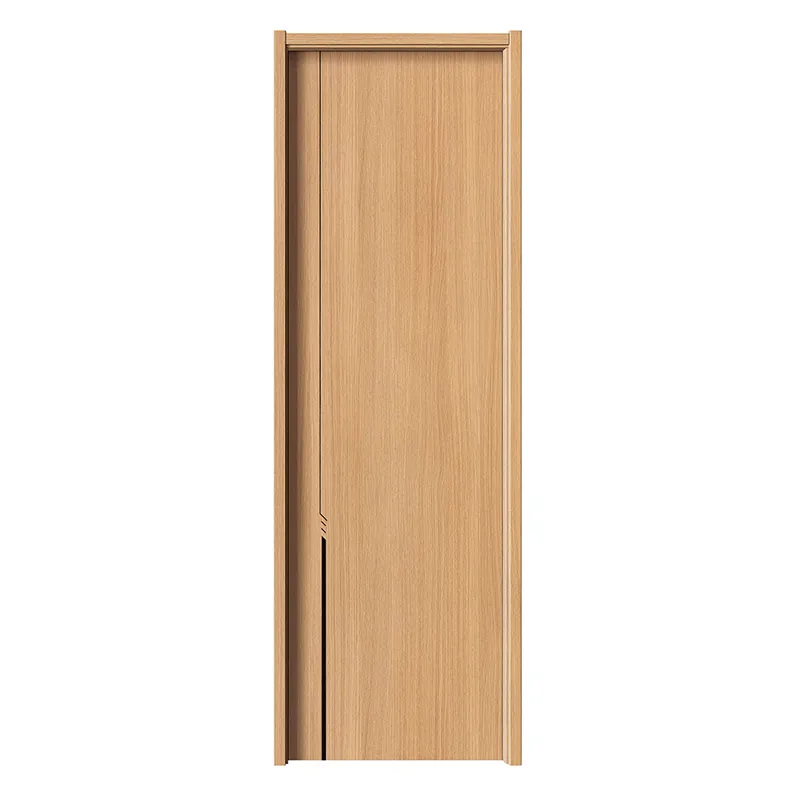
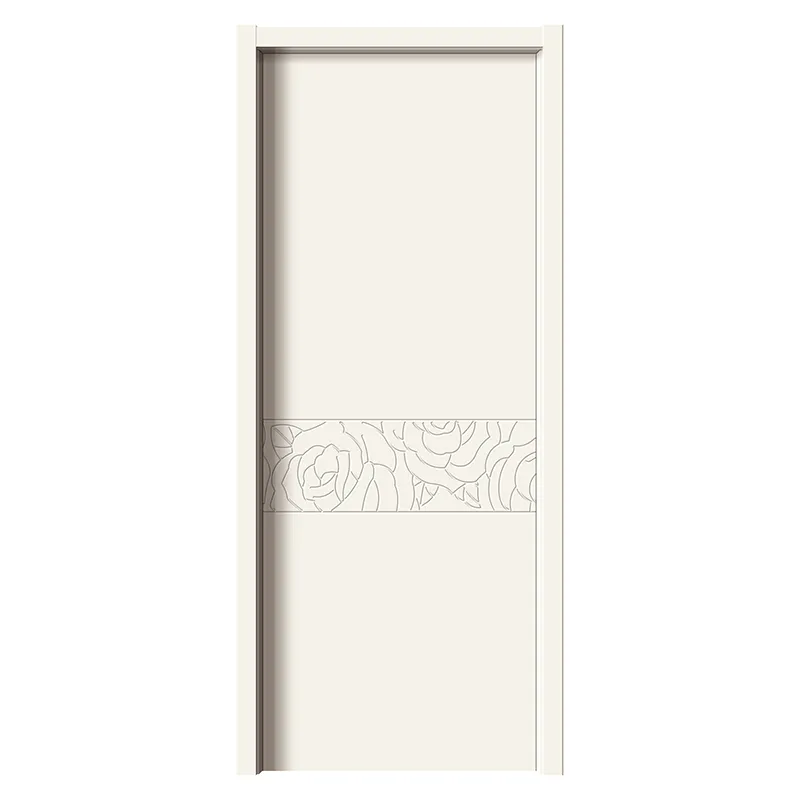
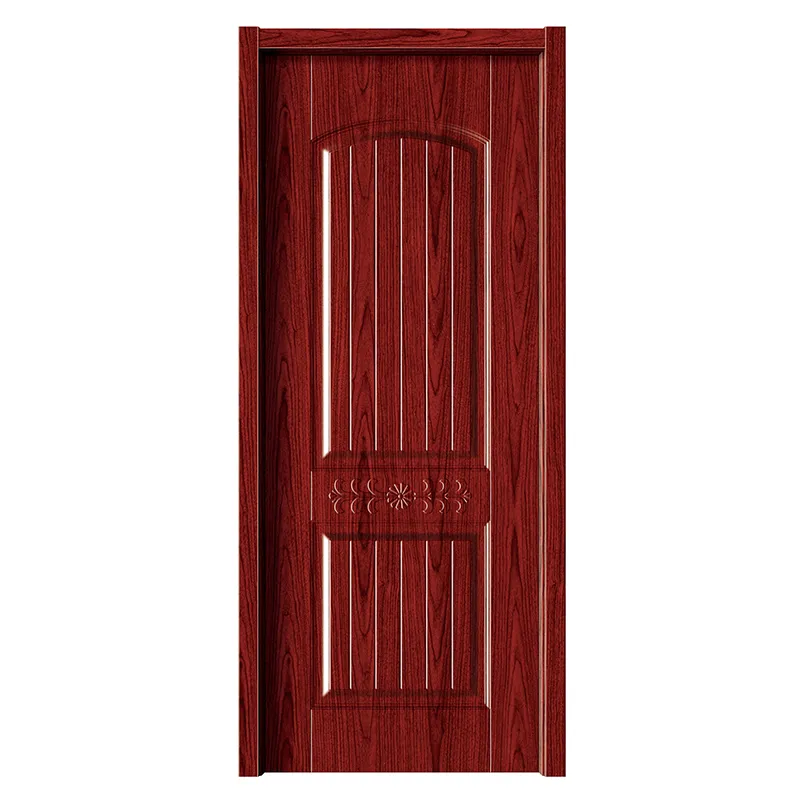
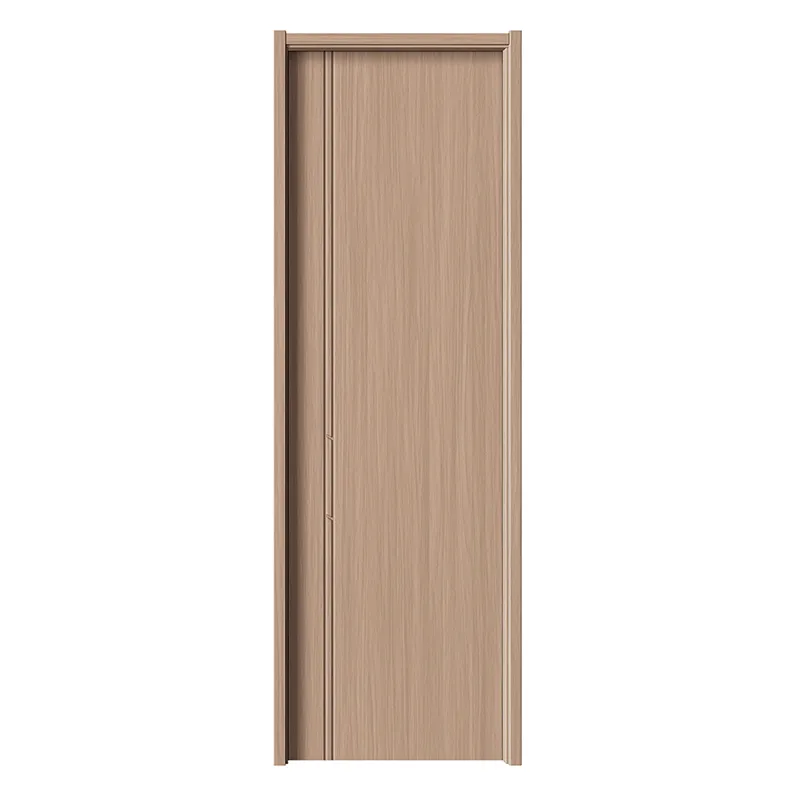
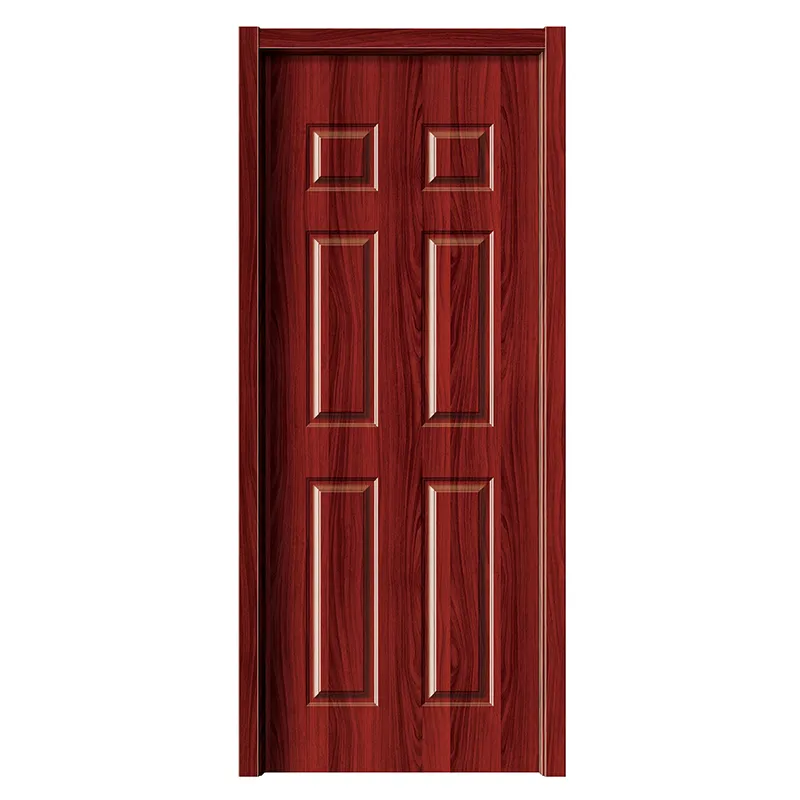

Best Sellingproducts
Best Selling Products-
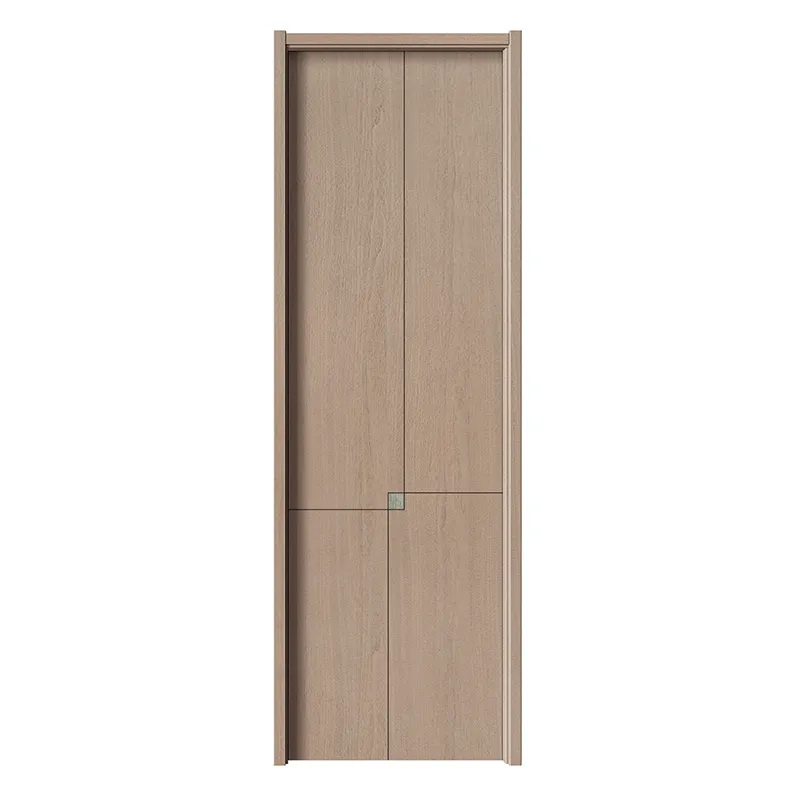 YST-1008 Door Natural walnut 2
 -
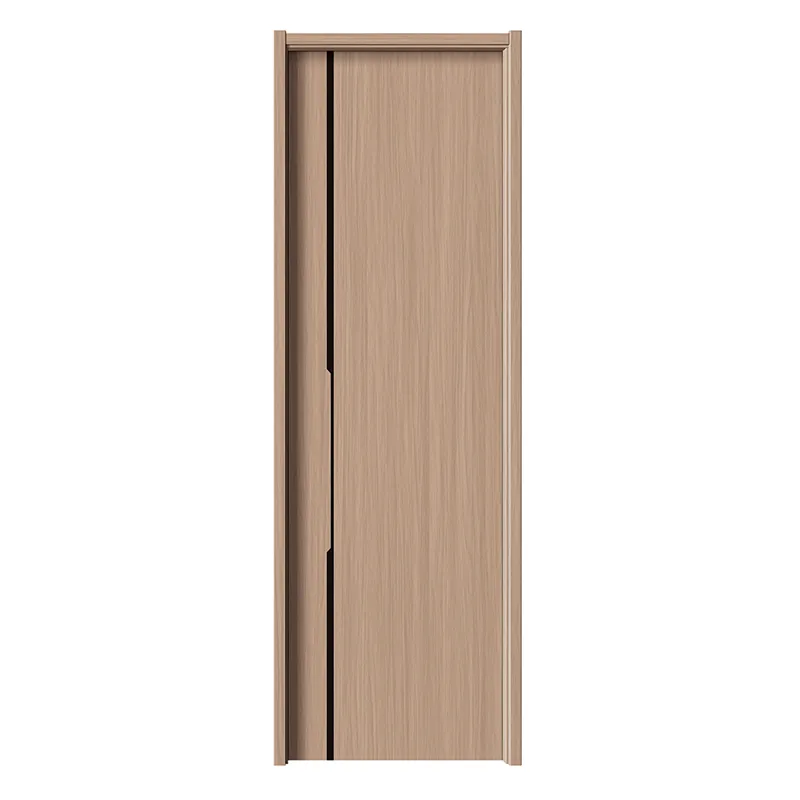 YST-1029 Door Translucent light shade 1
 -
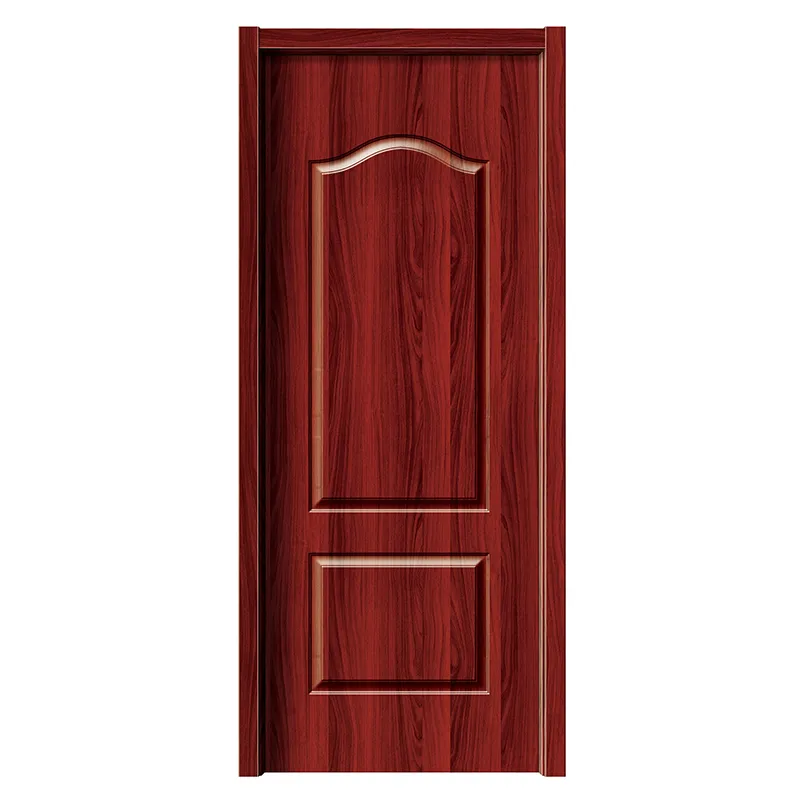 YST-207 Door Red team
 -
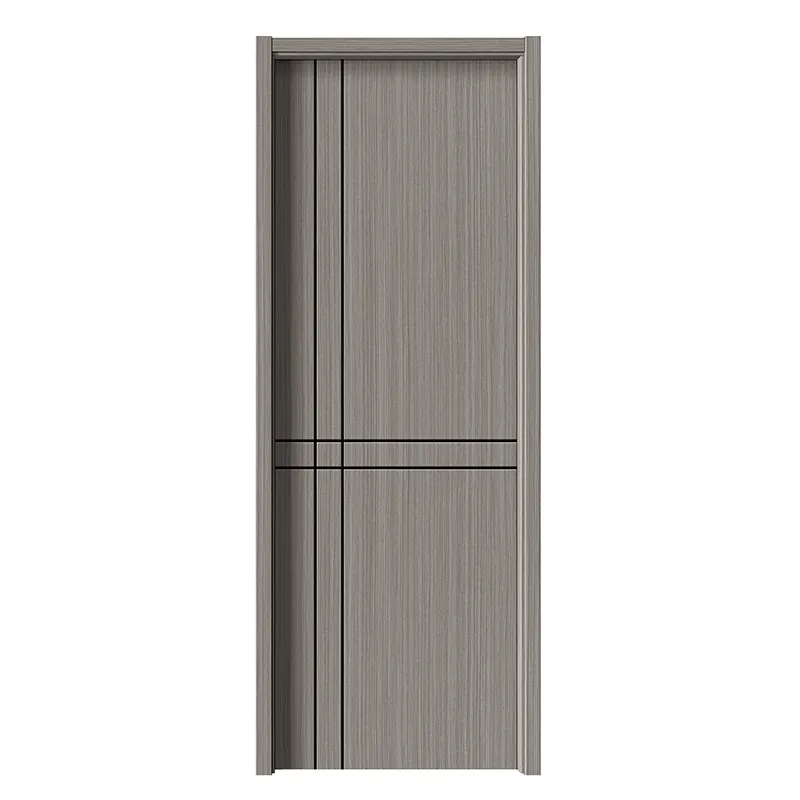 YST-1004 Door Technotree 2
 -
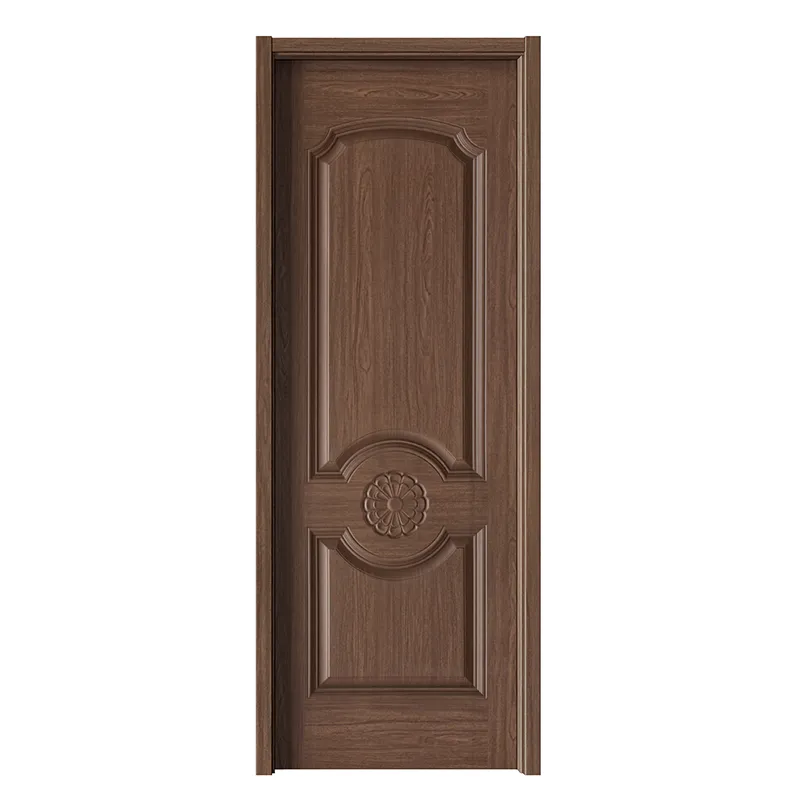 YST-212 Door North American Oak 2
 -
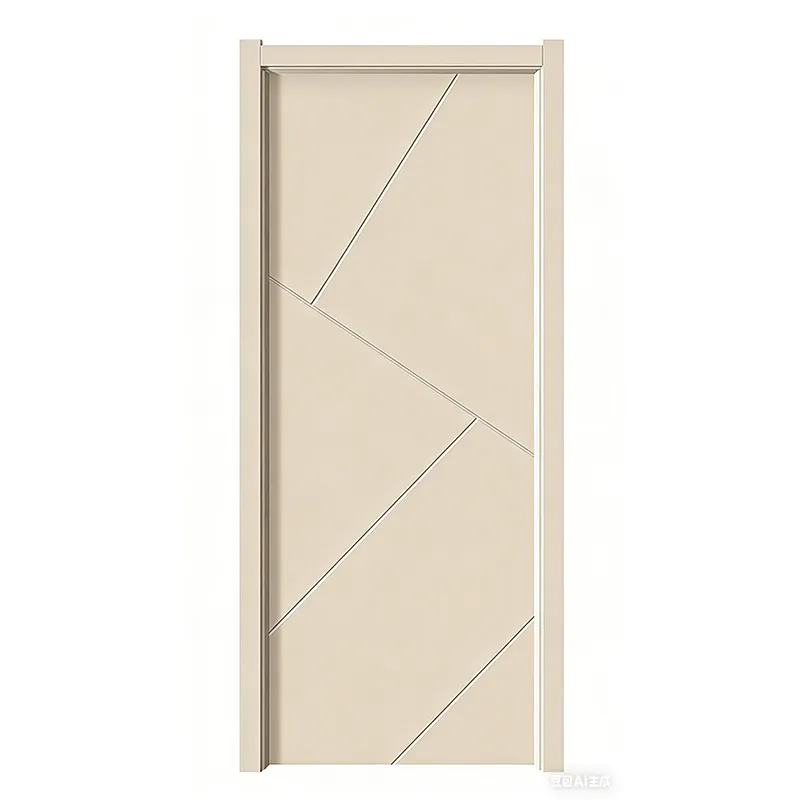 YST-WPC3 Door
 -
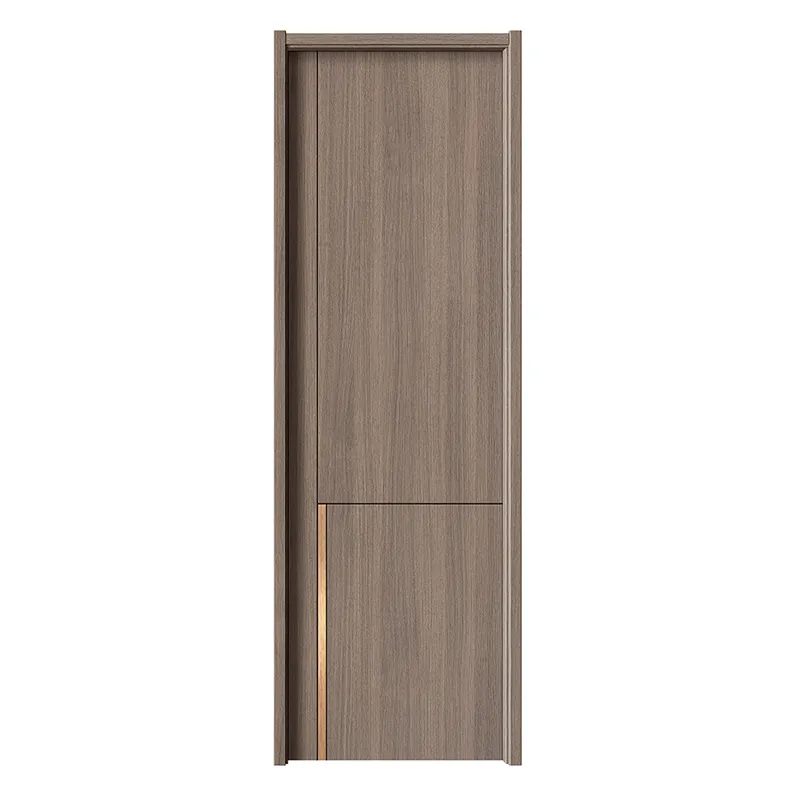 YST-1003 Door Oak gray
 -
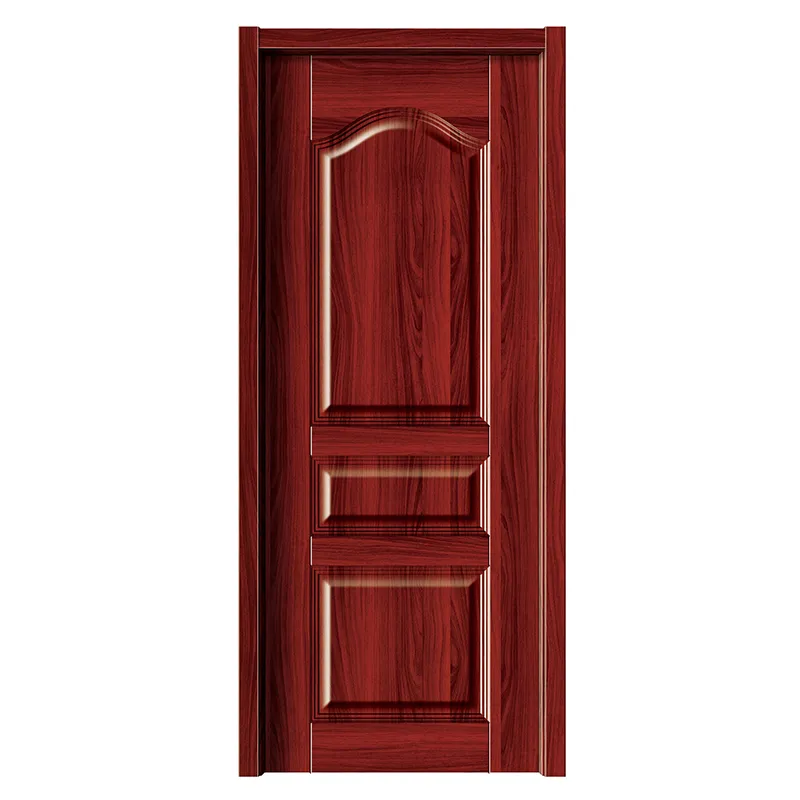 YST-203 Door Red team
 -
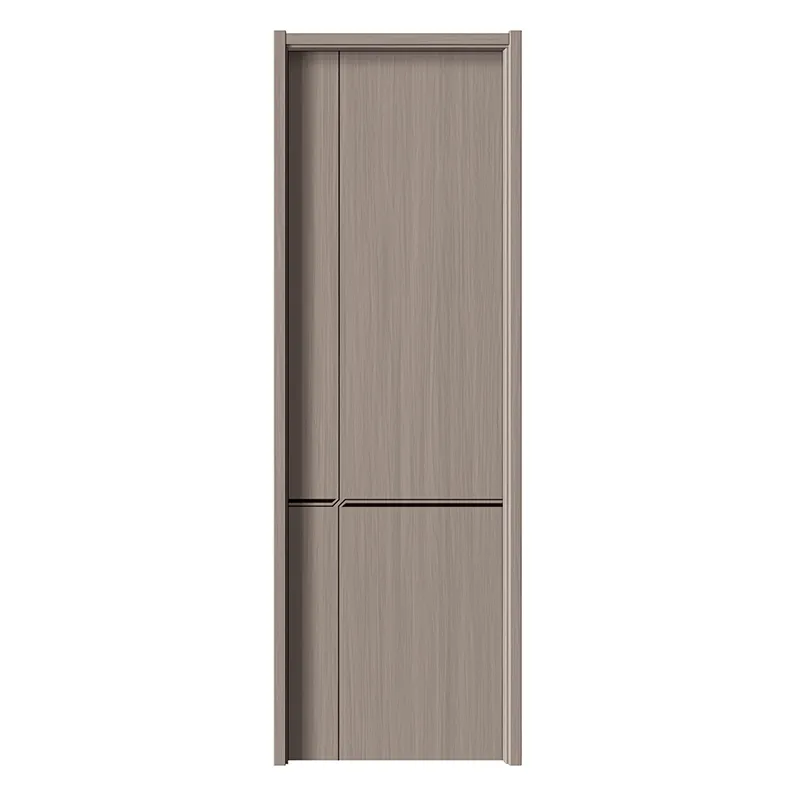 YST-1010 Door Translucent light shadow 3
 -
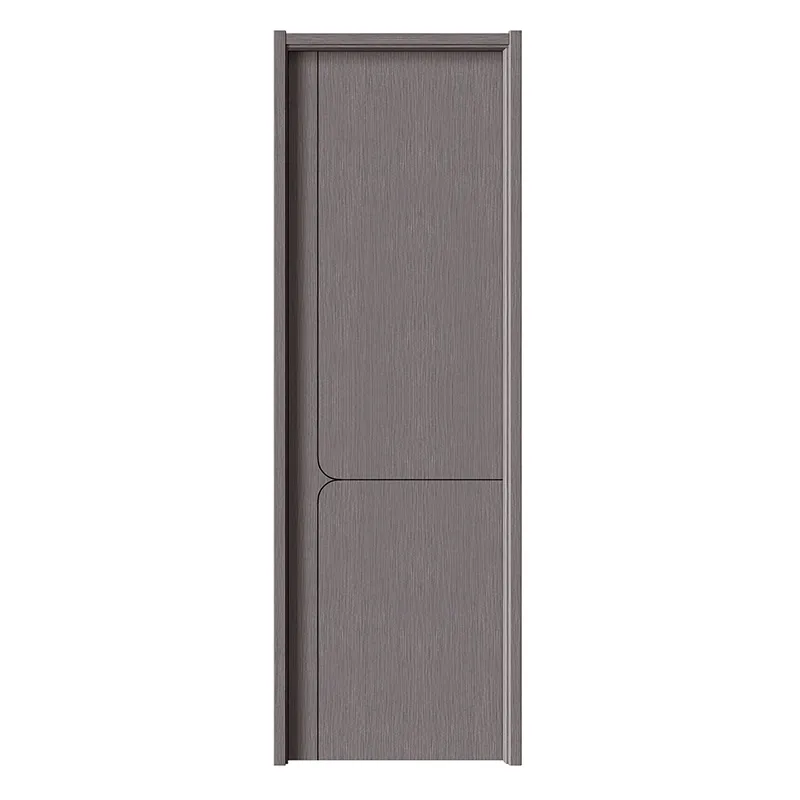 YST-1001 Door Chiaroscuro tree 2
 -
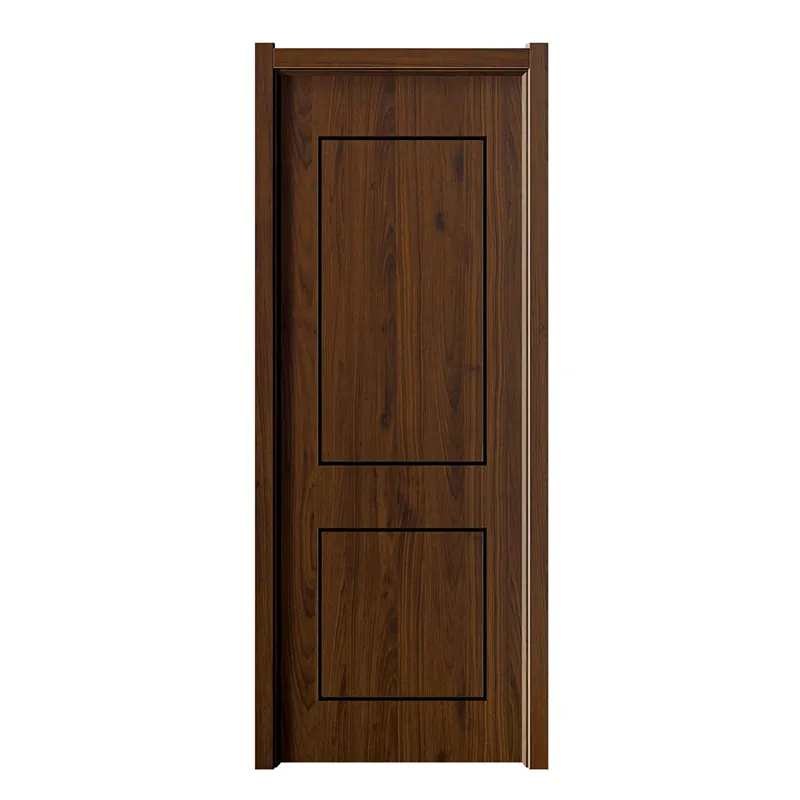 YST-WPC2 Door
 -
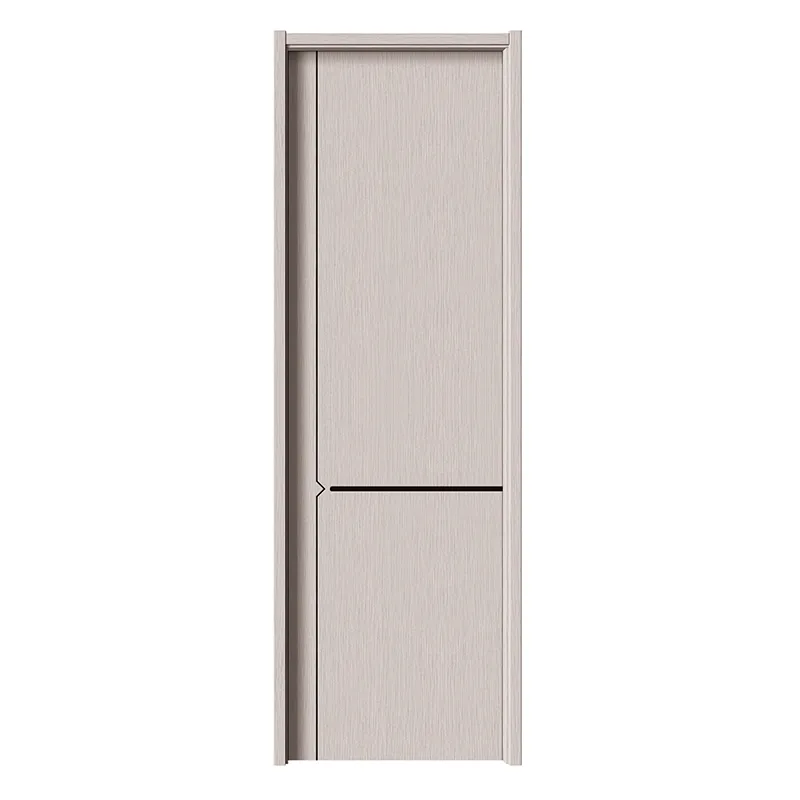 YST-1024 Door Chiaroscuro wood 1