




Wooden door made to measure
When a client says “I need a door made to individual sizes?”, many immediately imagine simply changing the height or width of the standard door leaf. This is the first and most gross misconception. In fact, the individual size is only the entry point into a whole range of problems: the geometry of the opening, the behavior of the material, the specifics of installation and, what is often overlooked, the long-term stability of the structure in specific conditions. I have seen more than once how a beautiful massive door, made “exactly according to measurements,” began to catch the threshold after a season or required adjustment due to the fact that the seasonal fluctuations in humidity in that particular house were not taken into account. Let's start with this.
Where is the catch in “custom sizing?”
The most common problem is not a crooked opening; this is something that can be treated. It’s worse when the opening seems to be smooth, but the wall itself is “living”. For example, in an old foundation or in houses with severe shrinkage. Here, simply giving a margin of 2 cm around the perimeter is not a solution. It is necessary to analyze the wall material, look at neighboring structures, and sometimes even recommend preliminary reinforcement of the opening. Otherwise, even a perfectly assembled box will fail. I always insist on re-checking the measurements after preparing the opening, especially if there was work to change it. This saves you from surprises.
The second point is the door material itself.Wooden door made to measuremade from solid oak and from laminated panels behave differently with large dimensions. For wide or especially high openings, an array without special engineering preparation is a risk. It may lead, cracks may appear. Therefore, for non-standard sizes, we often offer combined solutions: frame construction with solid panels, or the use of engineered boards. This is not a reduction in cost, but a way to ensure stability. CompanyAnhui Wantai Woodworking Co.,Ltd, whose products I worked with, focuses on this kind of engineering approach. On their websitehttps://www.anhuiwantai.ruit is clear that they work with global projects, where it is impossible without accurate calculations and predictable behavior of the material.
And the third catch is the fittings. For a heavy non-standard door, standard hinges may not be suitable. Load calculations are required, and sometimes additional attachment points and special closers are needed. This is often forgotten until the moment of hanging, and then problems with sagging begin. This is the detail where the principle of “building a business on precision”, which Wantai declares, comes to the fore. Because accuracy is not only in millimeters of size, but also in the exact correspondence of all components to each other.
From sketch to box: how a door is born
The process begins not with production, but with dialogue. It is important to understand not only the size, but also the context: is this the entrance to an apartment with a warm entrance or to a private house with direct access to the street? Will there be a powerful heating radiator nearby? What kind of floor finishing is planned under the door? All this affects the choice of design, type of wood, type of protective coating. Sometimes you have to dissuade the original idea in favor of a more practical solution. For example, from a purely massive door to the street in favor of a heat-stabilized structure.
At the design stage, a drawing with nodes is critical. I prefer to receive from the supplier not just a picture, but a diagram indicating the type of connections, the direction of the fibers in the layers, and the locations of the amplifiers. At the sameAnhui Wantai Woodworking Co.,Ltdin this regard, order: their development team provides quite clear technical documentation, which is an absolute necessity for international deliveries, which they write about in their description. This allows you to discuss all the nuances with the installers in advance.
Production is magic that the client does not see. But a professional can assess the level based on indirect signs. For example, processing of the ends, quality of selection for hinges, method of gluing the board. The modern production base that the company mentions involves CNC machines with precision milling. This is important for complex profiles or inserting hidden loops. Manual work is good, but for precise repetition of geometry within one order, a machine is more reliable.
Case study: when theory meets reality
I had an order - a door to an old mansion with an arched opening. The client wanted to maintain the historic look but with modern insulation. The dimensions were far from the standard, plus the curvature of the arch. We did what seemed to be everything right: an accurate template, a multi-layer bent laminated oak panel, careful fitting. But they didn’t take into account one thing - the microclimate in the hallway, which is unheated in winter. The varnish we chose was durable, but not flexible enough for such changes. A year later, microcracks appeared in the coating where the arch was bent.
It was a valuable lesson. Now, for such objects, we always request data on seasonal temperatures and humidity, and together with the manufacturer’s technologists, for example, from Wantai, we select a coating with increased elasticity. Their approach to control at all stages, from raw materials to finishing, helps to minimize such risks. Then I had to redo it at my own expense, but experience is more expensive.
An important rule follows from this case:wooden door made to measure- this is always a system of “fabric-box-opening-microclimate”. It cannot be designed in isolation from operating conditions. And the responsibility for consultation on this matter lies with both the manufacturer and the one who presents the product to the client.
About installation: the strongest door can be damaged by installation
You can make the perfect canvas, but if the installer cuts down the box “by eye?” or fastens it incorrectly, all in vain. For non-standard doors, installation is 50% success. It is especially important to correctly wedge the box in the opening, checking the diagonals and plane. A common mistake is rigid foaming of the entire gap around the perimeter before the door opens and closes in the installed frame. The foam, expanding, can lead him.
Another nuance is the gaps. There are generally accepted standards for a standard door. For individual ones, especially from solid wood, which can “play”, the gaps sometimes need to be made a little larger, especially on the side of the hinges. It is a matter of experience and understanding of the physics of the material. I always recommend that clients trust the installation to trusted teams who specialize in wood, not metal-plastic.
And, of course, instructions. A good manufacturer provides not just a leaflet with a picture, but a proper installation and subsequent maintenance manual. This is an indicator of caring about the end result. When you see that a company strives to provide products that combine design and practical characteristics to the international market, it is logical to expect that the accompanying documentation will be at the same level. This is the same “practical characteristic” that appears after the sale.
Results: so what is a truly individual approach?
To sum it up, I want to say thatwooden door made to measure- this is not a product, but a project. A project in which the client, a measurer (who is also often a consultant), a design engineer and production technologist, and an installer participate. Size is just a starting point. The point is to create a product that will not only fit into the doorway today, but will serve flawlessly for years in specific conditions.
Therefore, when choosing a manufacturer, I look not only at the catalog, but also at the willingness to delve into details, request additional information, and offer engineering solutions. As, for example, the company in question does - their focus on accuracy and quality, confirmed by international standards, should be more than just words in the description onhttps://www.anhuiwantai.ru, but actual practice in communication.
One last thing: there is no such thing as a perfect door. There is a door that is ideal for a specific task. And its creation is always a dialogue and search for a compromise between desire, capabilities, budget and the laws of physics. The professional's task is to ensure that reliability and functionality are not compromised in this compromise. Everything else is a matter of technique and that very individual approach, which begins long before the machine makes the first cut.
Correspondingproducts
Related Products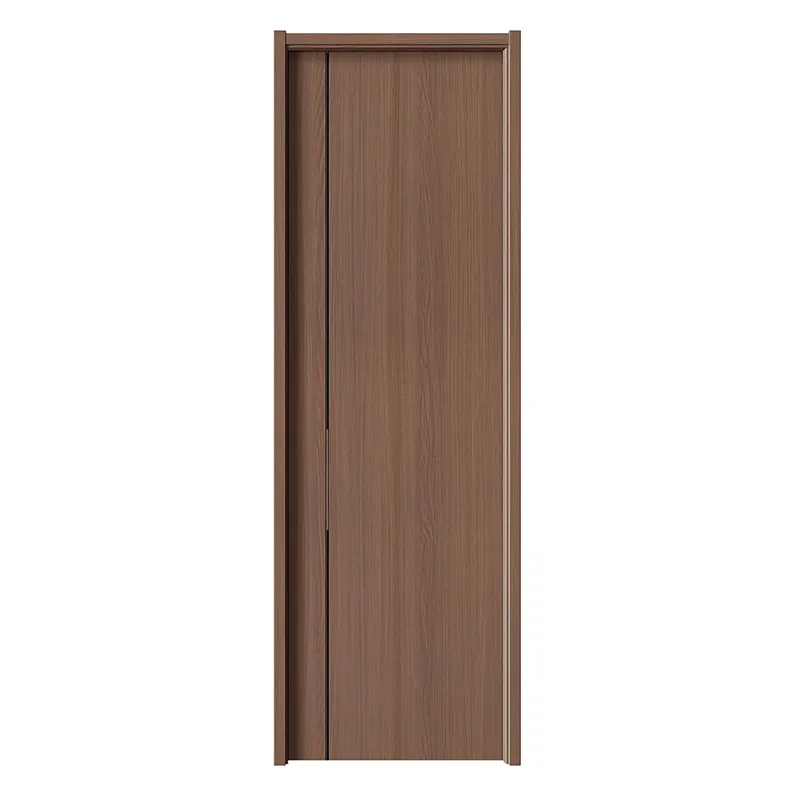
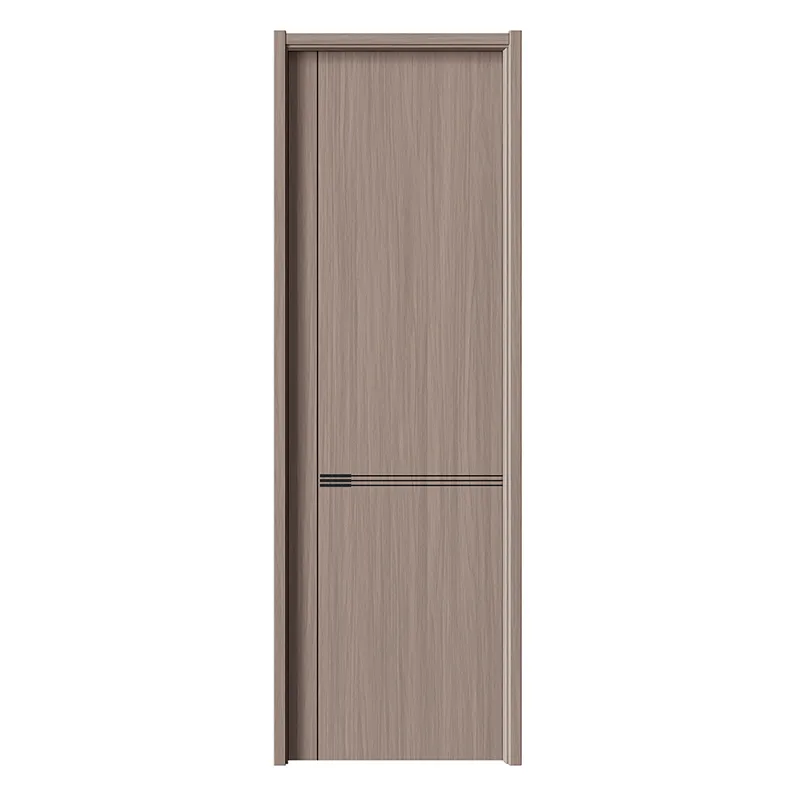
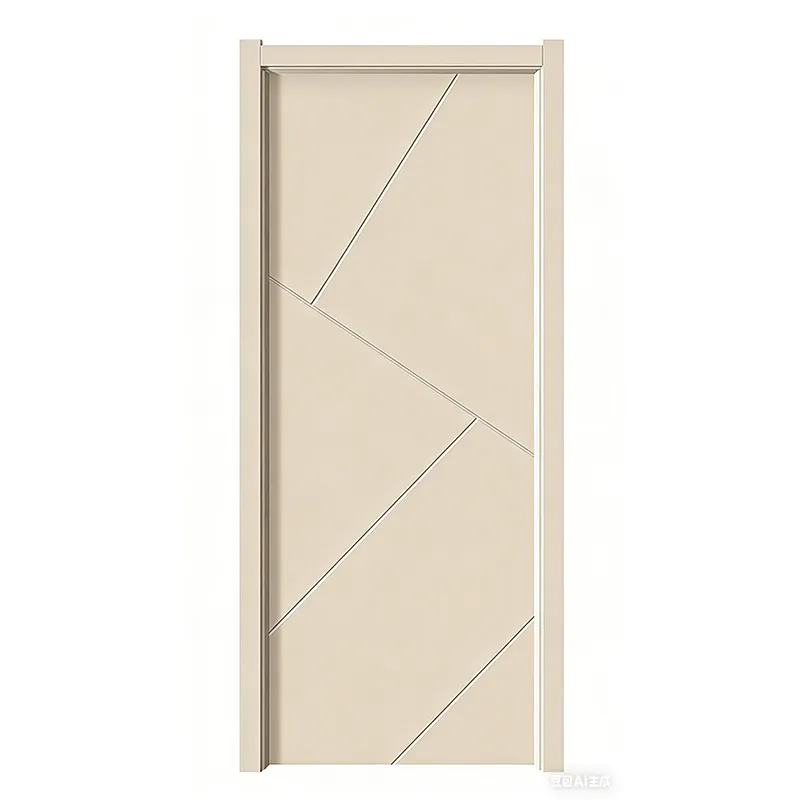
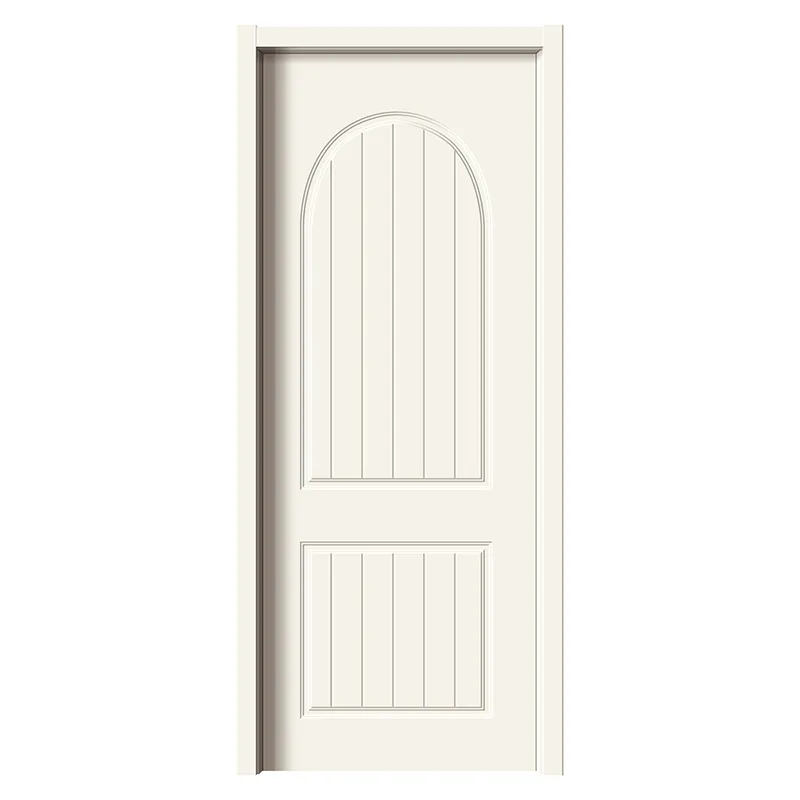

Best Sellingproducts
Best Selling Products-
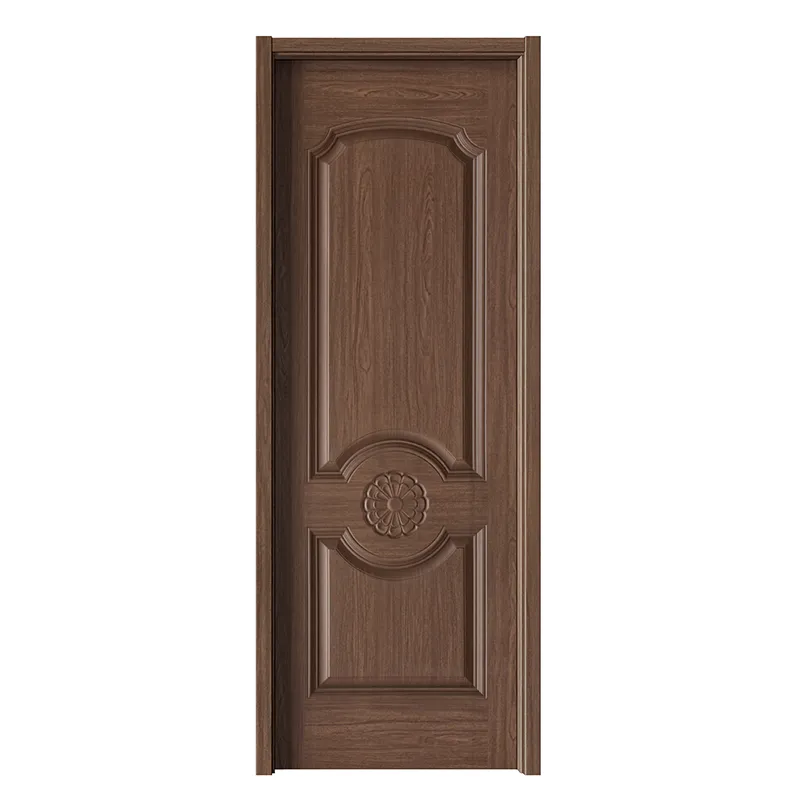 YST-212 Door North American Oak 2
 -
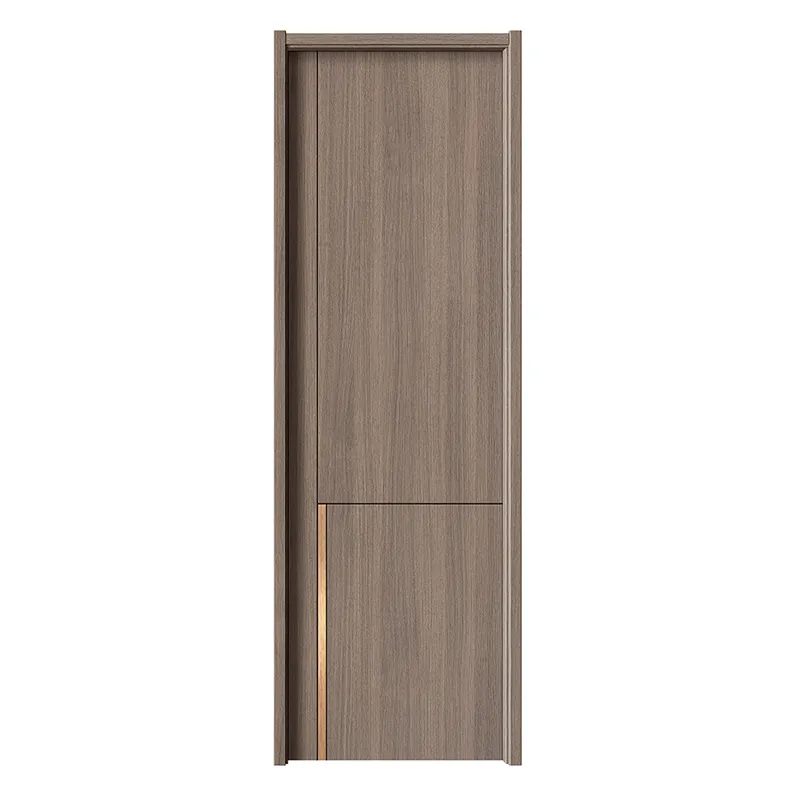 YST-1003 Door Oak gray
 -
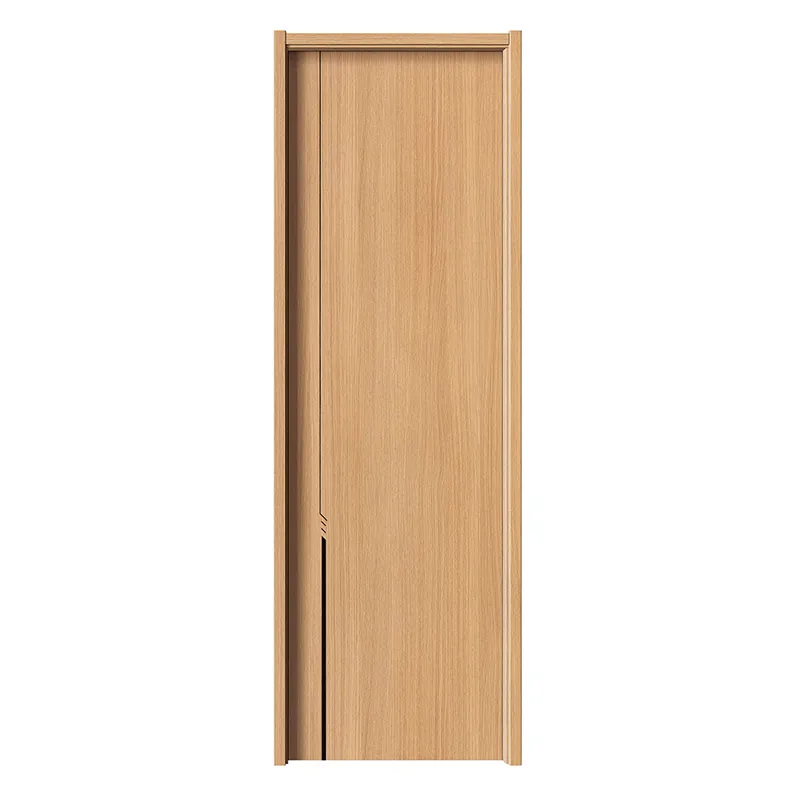 YST-1041 Door Oak Shutter
 -
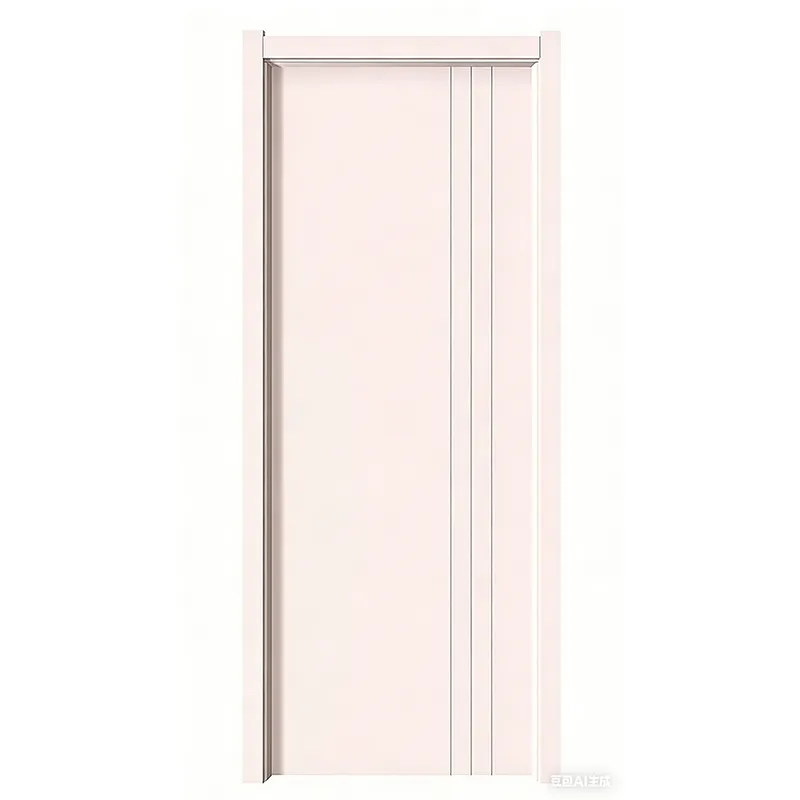 YST-WPC4 Door
 -
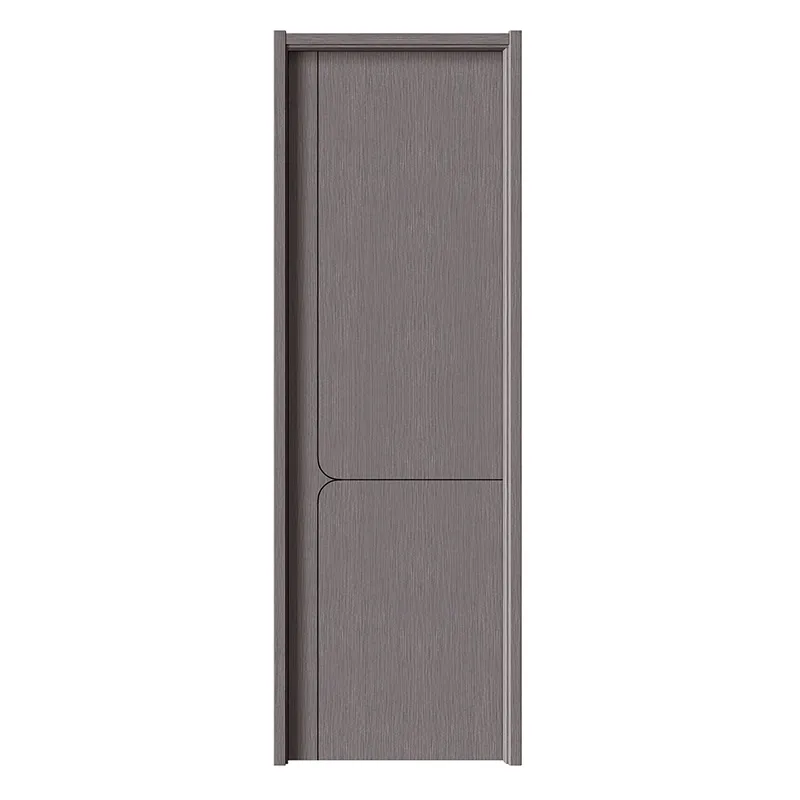 YST-1001 Door Chiaroscuro tree 2
 -
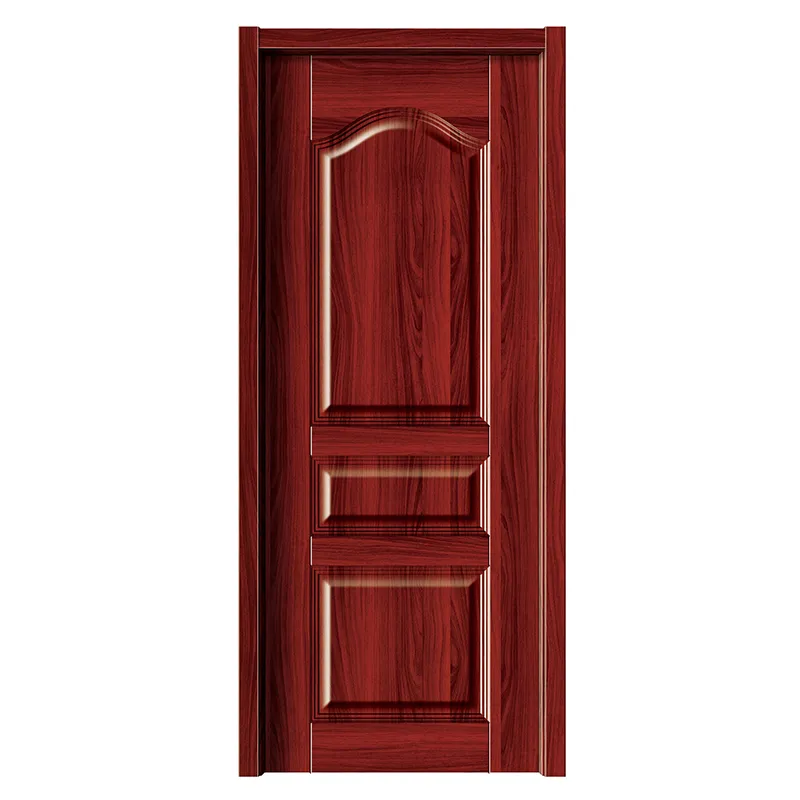 YST-203 Door Red team
 -
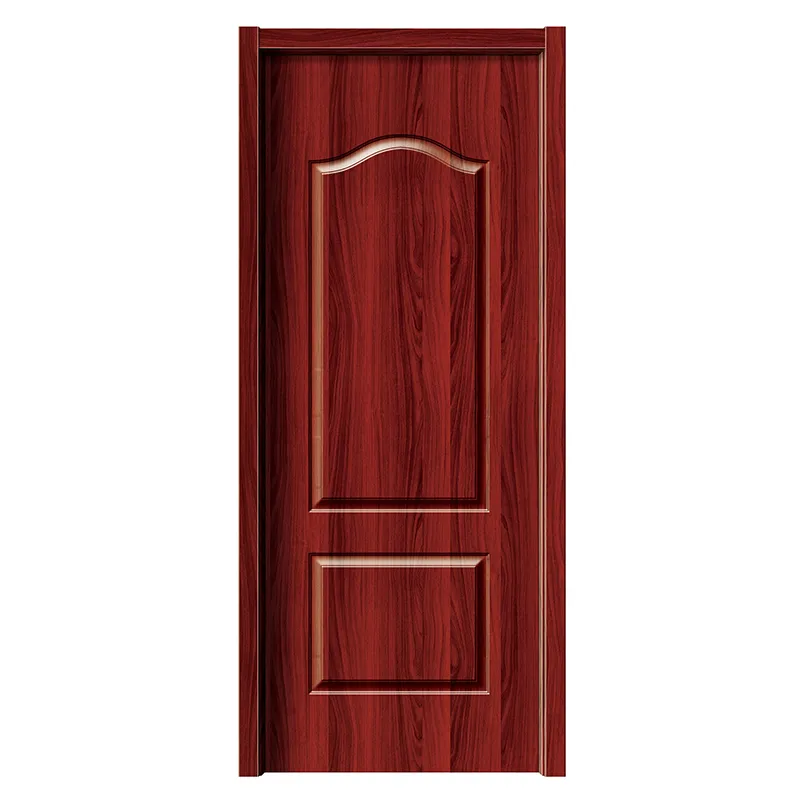 YST-207 Door Red team
 -
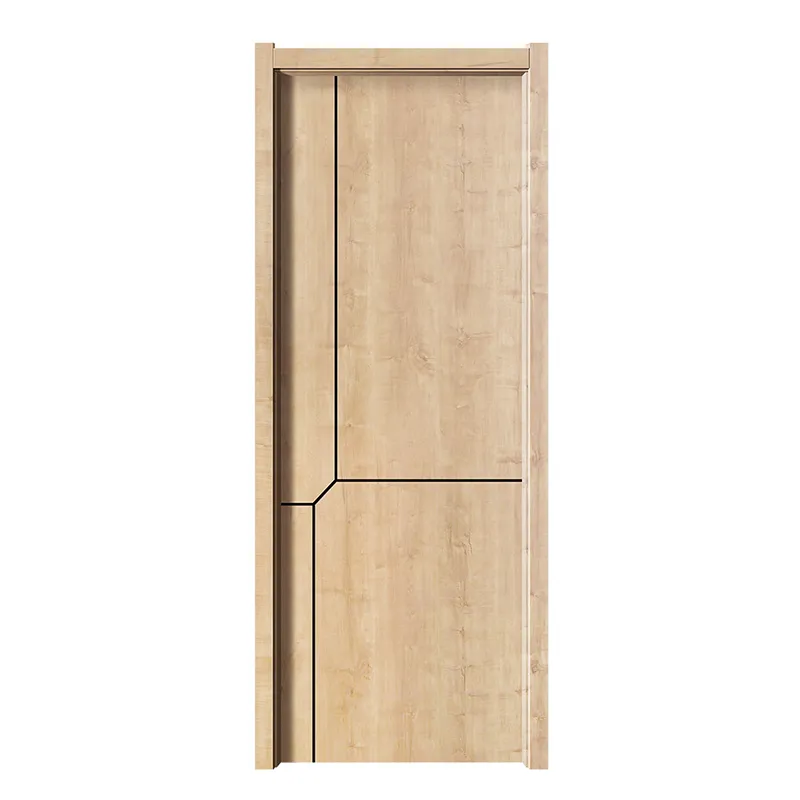 YST-WPC1 Door
 -
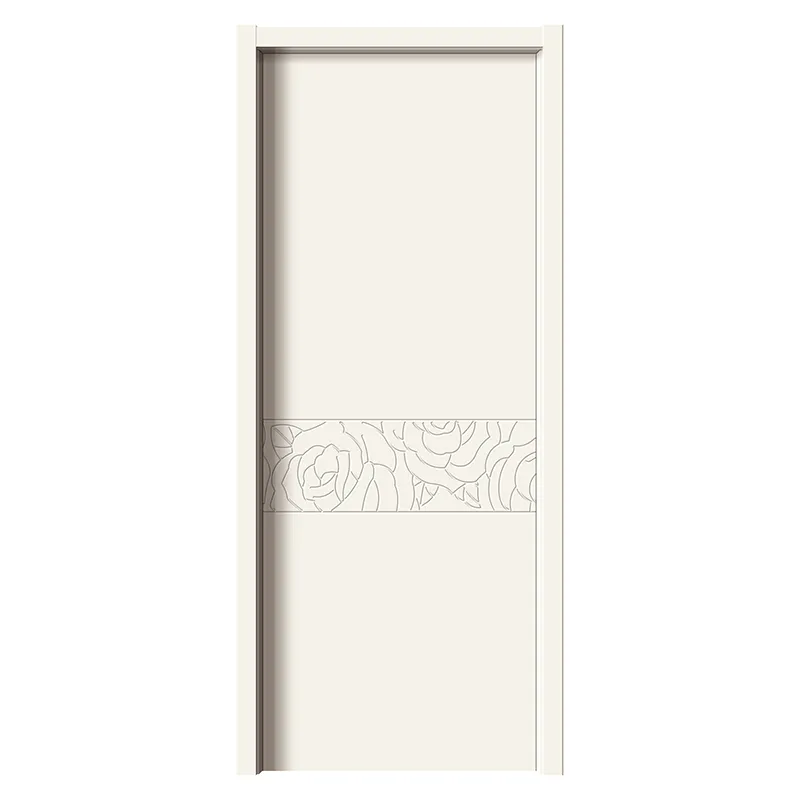 YST-238 Door White ivory
 -
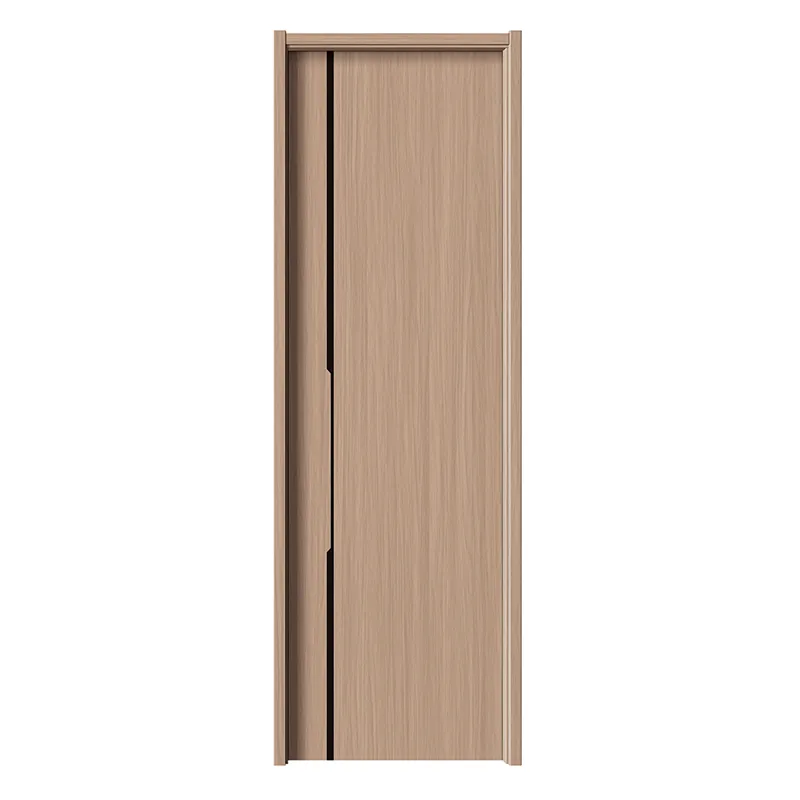 YST-1029 Door Translucent light shade 1
 -
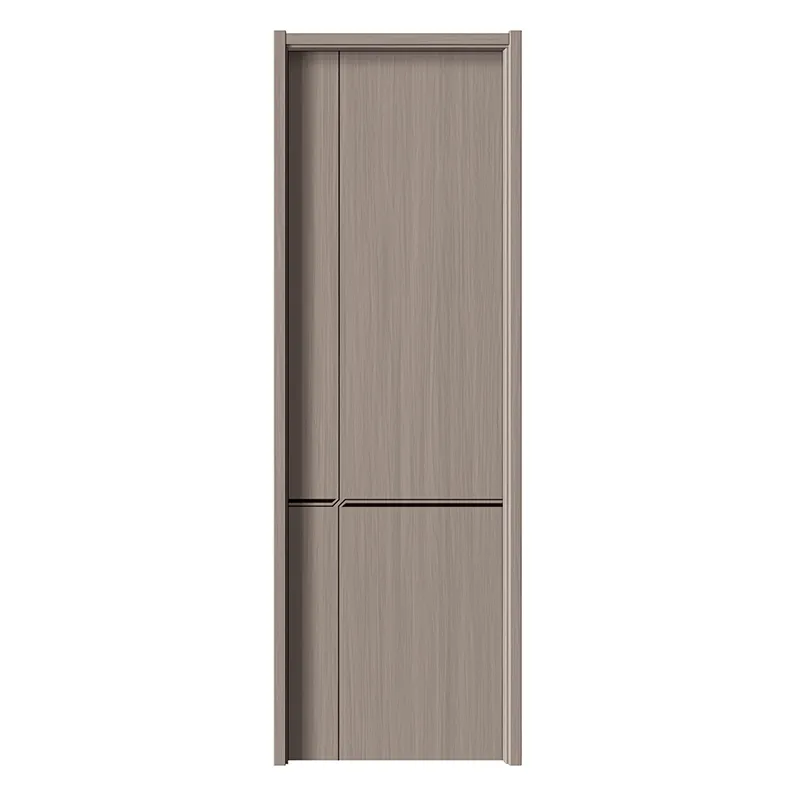 YST-1010 Door Translucent light shadow 3
 -
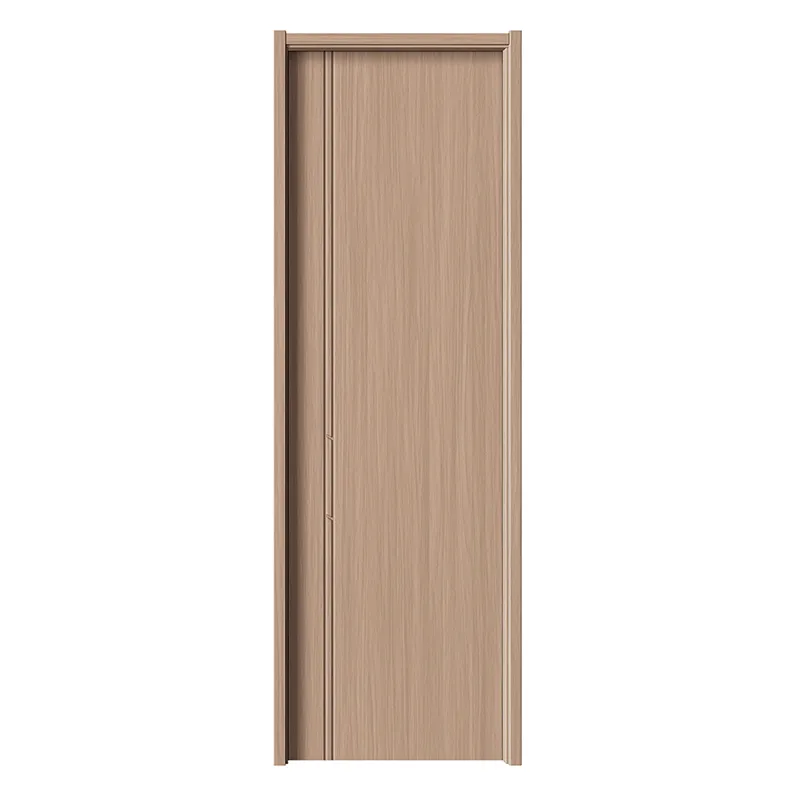 YST-1009 Door Translucent light shade 1