




Moisture resistant composite door
When you hearmoisture resistant composite door, many immediately imagine something like a plastic door for a bathhouse or sauna. And this is the first mistake. The composite is not plastic, but a complex “pie”, and its resistance to moisture is not absolute protection from flooding, but resistance to changes in humidity in the conditions of ordinary, say, a hallway or access to a terrace. The term itself is sometimes used too loosely; even some suppliers make the mistake of promising “total waterproofness?” for installation directly into the shower. In practice, there is condensation, swelling, and after a couple of seasons the lock begins to jam.
What makes up true moisture resistance?
It all comes down to the core and coating. A good door of this type is most often a frame made of aluminum or stabilized wood, the filling is a high-density MDF board with hydrophobic impregnation, but not simple, but with polymer additives. Exterior cladding is key. It can be veneer, but treated with special resins, or a synthetic material based on acrylic. I saw samples where fiber cement panels were used as the outer layer - an interesting solution for commercial facilities with high traffic.
An important nuance that is often forgotten: the entire package should be resistant to moisture, not just the canvas. The frame, the trim, the threshold - if they are made of ordinary MDF or untreated wood, then the whole concept collapses. I have had to deal with situations where a client bought a “moisture resistant” one. door, and the installers placed it in a standard wooden frame. A year later, the box began to bend, the geometry was broken, and cracks appeared. Naturally, the door is to blame, not the installation.
Therefore, when choosing, you need to look at the certificates specifically for the finished door block, and not at the materials separately. And the question is not “will it swell?”, but “at what maximum relative humidity and with what cycle of changes is dimensional stability guaranteed?” The answer to this question will immediately weed out marketers.
Experience and rake: when theory diverges from practice
We had a project - an entrance to a cottage with access to an indoor pool. The customer wanted exactlycomposite door, arguing that it is “modern and warm?”. The specification from the manufacturer promised miracles. But we, remembering past experience, requested a sample for testing. They didn’t pour water on it, but simply placed it in a room with 85% humidity for a month, simulating constant background humidity. The result is that a barely noticeable bulge, about one and a half millimeters, appeared at the junction of the decorative panel and the frame. For the manufacturer - in approval. For a door that should fit tightly, this is already a problem.
This incident forced us to reconsider our approach. Now we often combine for such areas: the canvas is a truly moisture-resistant composite with an aluminum base, and the frame is made of thermally modified wood. More expensive, but more reliable. Or we immediately look towards specialized solutions, for example, from companies that are initially focused on difficult conditions. How, by the way,Anhui Wantai Woodworking Co.,Ltd. In their assortment they have lines where the emphasis is placed specifically on the stability of the design in different climatic conditions, which is logical for supplies to the international market.
Another bad point is the fittings. Hinges and locks require special protection in conditions of high humidity. Stainless steel or zinc coated with subsequent passivation is a must. Otherwise, rusty stains on the canvas are guaranteed, and no moisture resistance of the coating will save you from this.
Where is it really needed, and where is it an overpayment?
The main areas of application are, of course, rooms with an unstable microclimate. Entrance doors in private houses, especially if there is no vestibule. Exit to the veranda, winter garden, unheated garage. In the commercial segment - cafes with summer areas, low-frame entrances to office centers where flooding is possible.
But for interior doors in an ordinary apartment with normal humidity, this is often excessive. Design and sound insulation are more important there. But there is a nuance: if we are talking about a bathroom or kitchen without a good hood, then a moisture-resistant version of the MDF core can extend the life of the door for years, protecting the lower end from swelling.
They often overpay for “branding” rather than for technology. It is worth paying attention not to the big name, but to the constructiveness. Sometimes the products of a less popular plant, which, however,Anhui Wantai Woodworking Co.,Ltd, relies on accuracy and quality control at all stages, and turns out to be more technologically advanced. Their philosophy is to “build a business on precision, win with quality?” - this is precisely about ensuring that the door corresponds to the declared characteristics, and not just looks beautiful in the catalogue.
Installation as a critical link
You can buy the perfect door, but kill it with improper installation. This is especially true for moisture-resistant models. The gap between the box and the wall should be filled not with ordinary mounting foam, but with a special one with a low moisture absorption coefficient. The seam on the outside is necessarily and hermetically sealed with waterproofing tape or covered with silicone sealant. If this is not done, moisture will accumulate in the installation seam and slowly destroy adjacent structures, and then reach the box.
A common mistake is installing the door close to the floor without a gap. A technological gap is needed for ventilation, otherwise the condensate will not go anywhere. I also recommend treating the ends and cutting areas (if you had to cut them to size) with the same sealant or a special primer from the manufacturer.
In fact, the installation must be part of a single “hydraulic barrier” system. opening. Sometimes we even do trial douches. from the hose after installation to check weak points. It’s more expensive, but then you don’t have to come for warranty repairs.
A look into the future: materials and trends
Now I see a movement towards more environmentally friendly composites. The same boards based on wood fiber, but with a binder not made of formaldehyde resins, but on a biological basis, which are not afraid of moisture. It is still expensive and not widely used, but it is a promising direction.
Another trend is integration with a “smart home”. Moisture resistance is important here to protect the electronic components of built-in door closers, access control systems or sensors. The door becomes a complex engineering product, and its resistance to the environment is a basic requirement.
As for the design, gloss and simple wood imitation are gone. Tactile, structured surfaces are in fashion and go well with modern architecture. And here for manufacturers who want to supply products to the global market, as stated in the company’s missionAnhui Wantai Woodworking Co.,Ltd, it is important to balance between manufacturability, reliability and aesthetics, satisfying diverse needs. After all, the door is the face of the room, and it should not only be strong, but also expressive.
As a result,moisture resistant composite dooris not a magic wand, but a technical solution for specific problems. Her choice is always a compromise between budget, operating conditions and expectations. The main thing is not to blindly believe catalogues, but to ask uncomfortable questions, demand tests and remember that even the best door depends 50% on how it is installed. And yes, sometimes it is worth looking towards companies that do not shout about themselves on every corner, but whose production base and approach to quality control speak for themselves.
Correspondingproducts
Related Products
Best Sellingproducts
Best Selling Products-
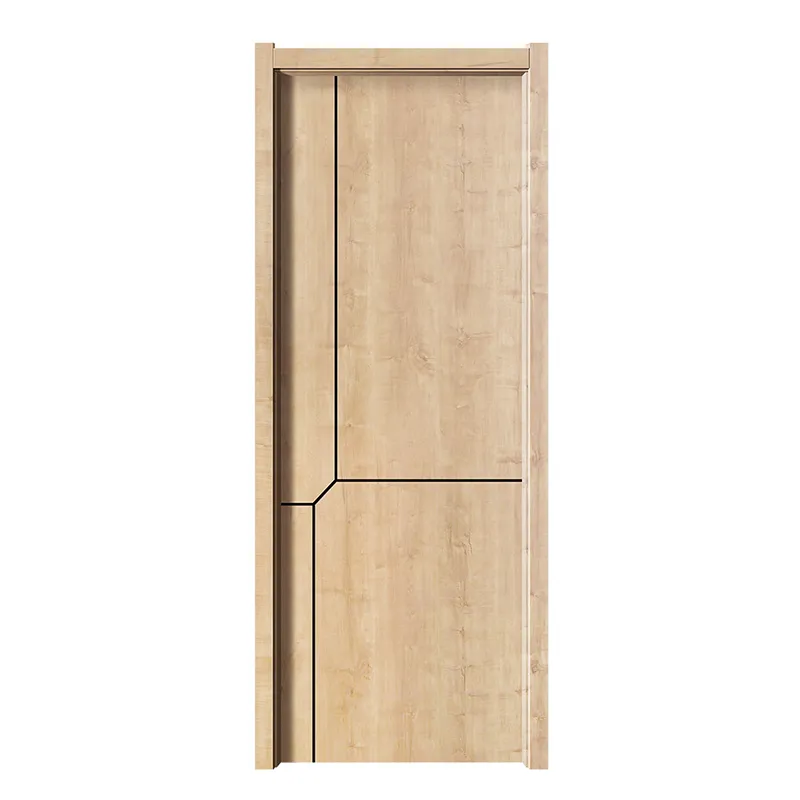 YST-WPC1 Door
 -
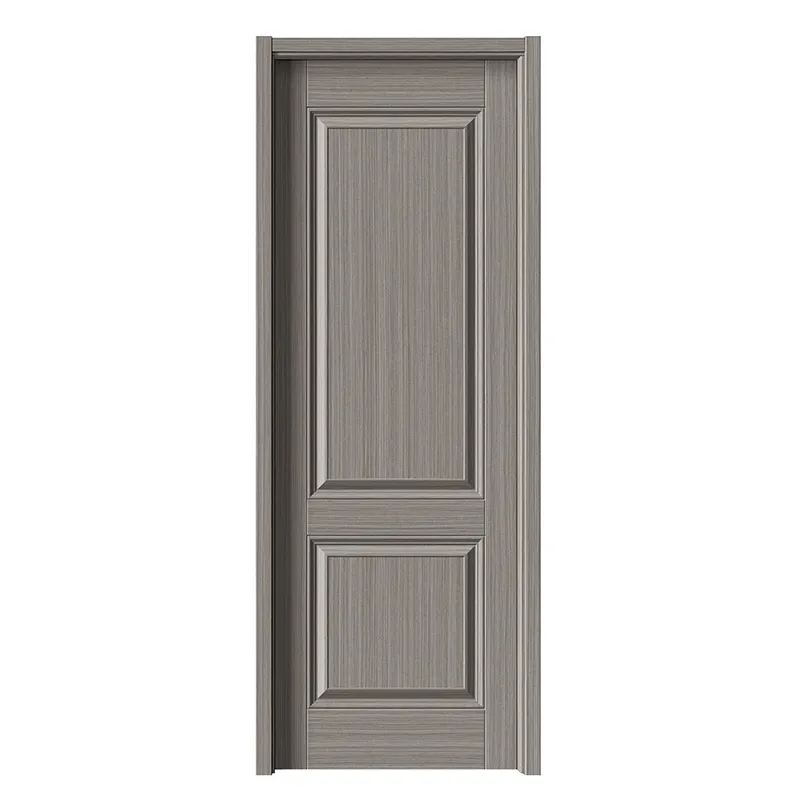 YST-214 Door Technowood 2
 -
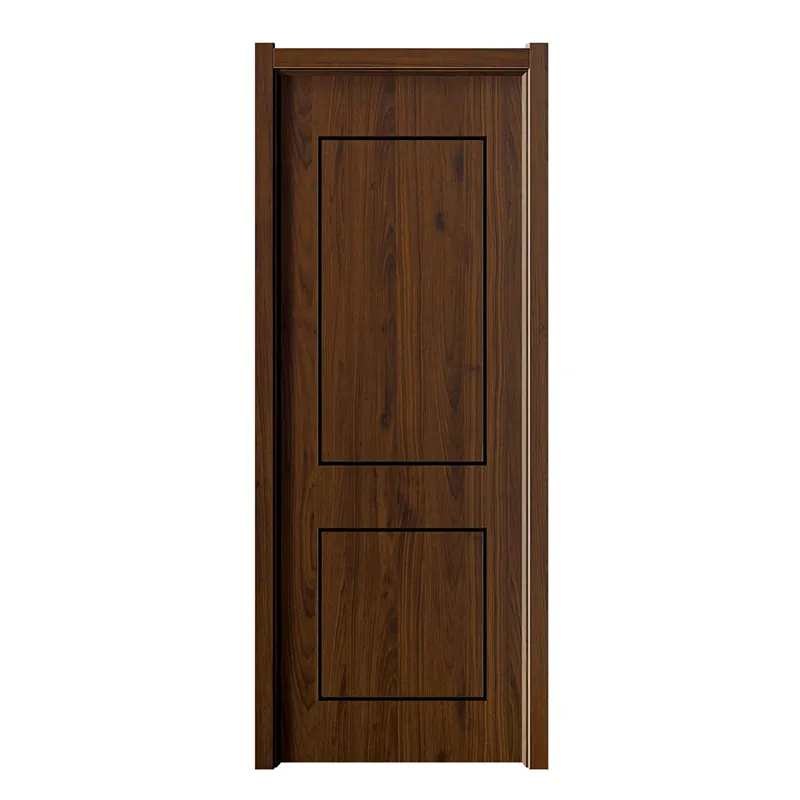 YST-WPC2 Door
 -
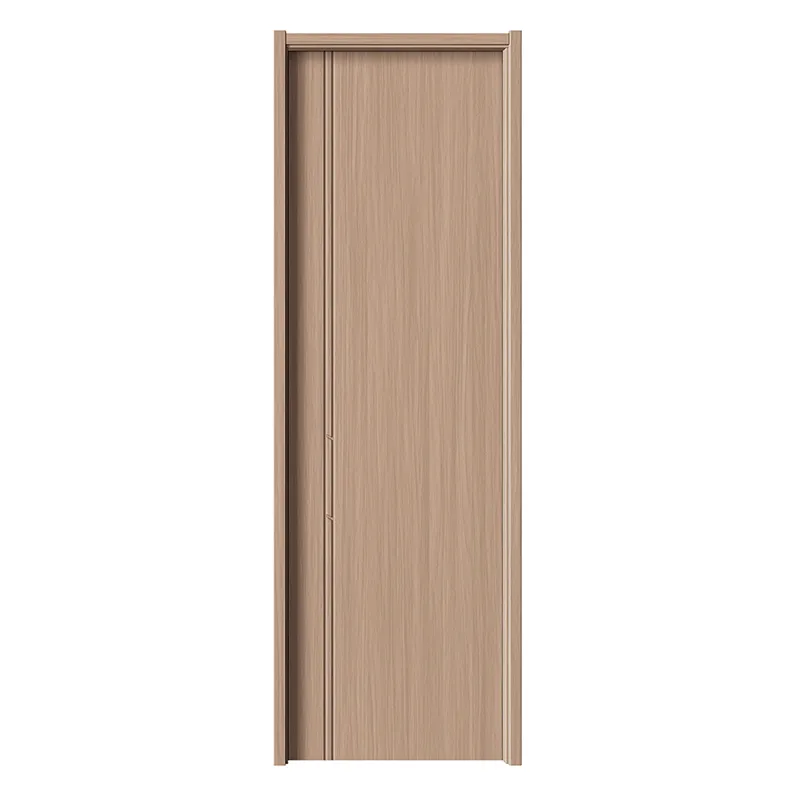 YST-1009 Door Translucent light shade 1
 -
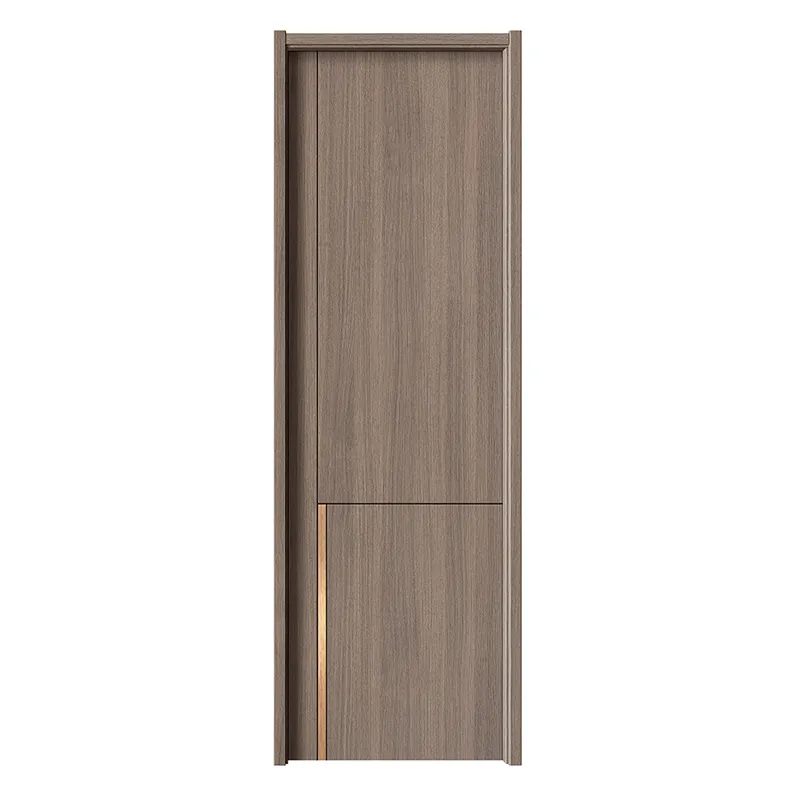 YST-1003 Door Oak gray
 -
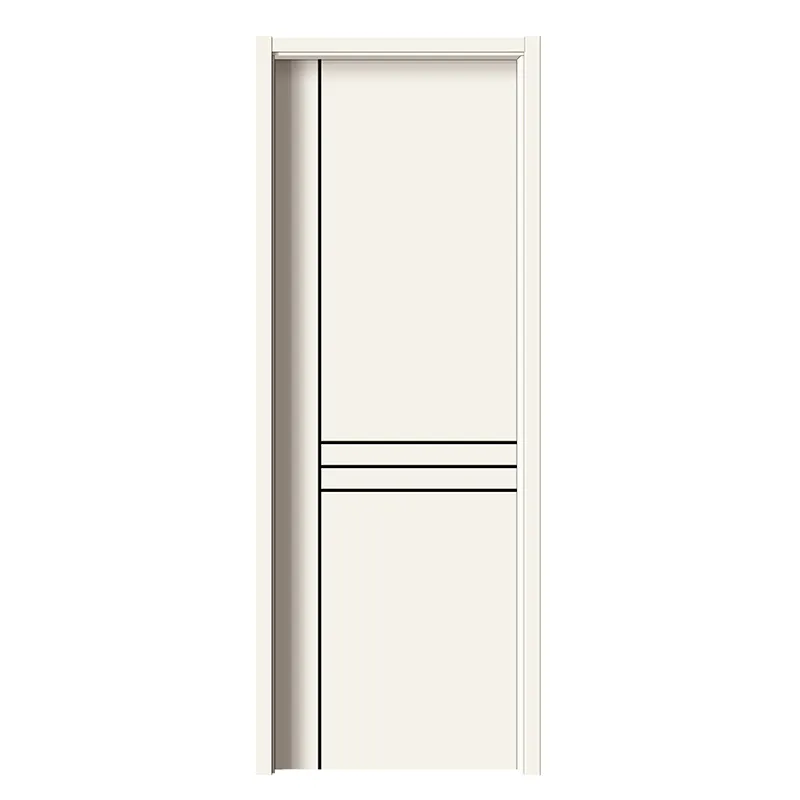 YST-220 Door Warm white
 -
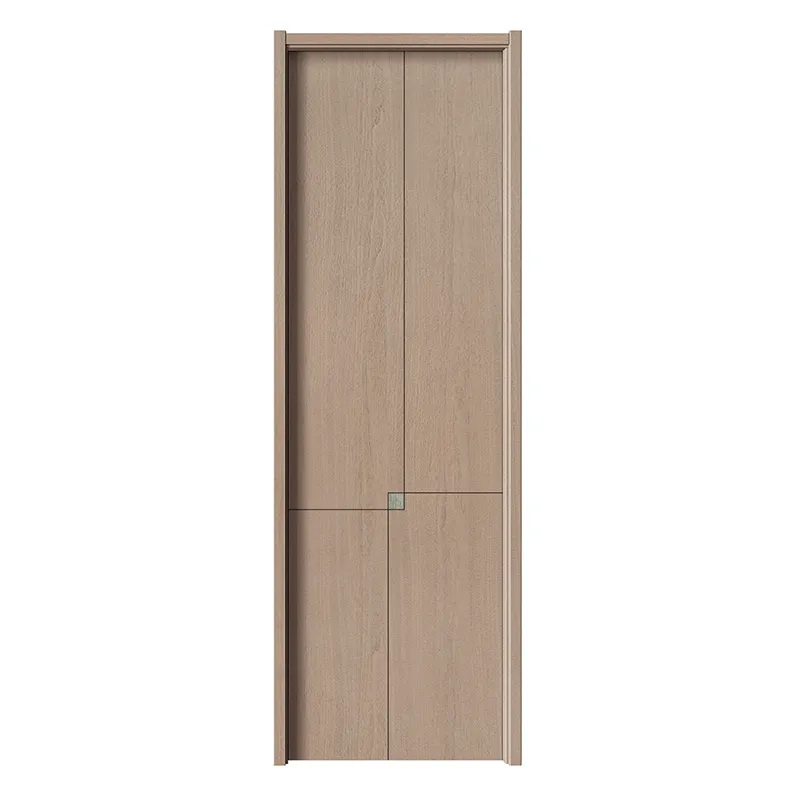 YST-1008 Door Natural walnut 2
 -
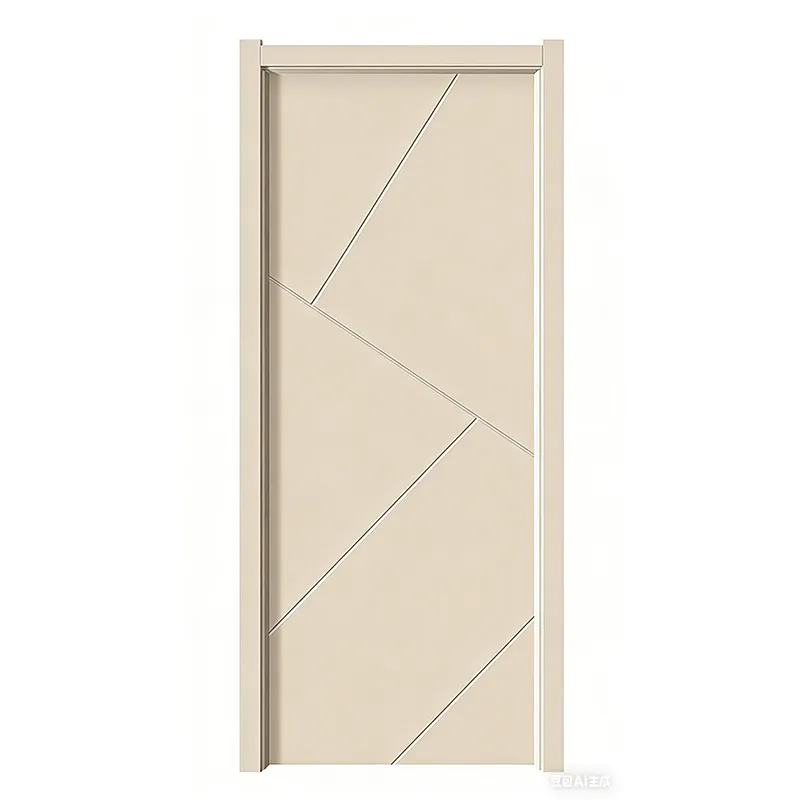 YST-WPC3 Door
 -
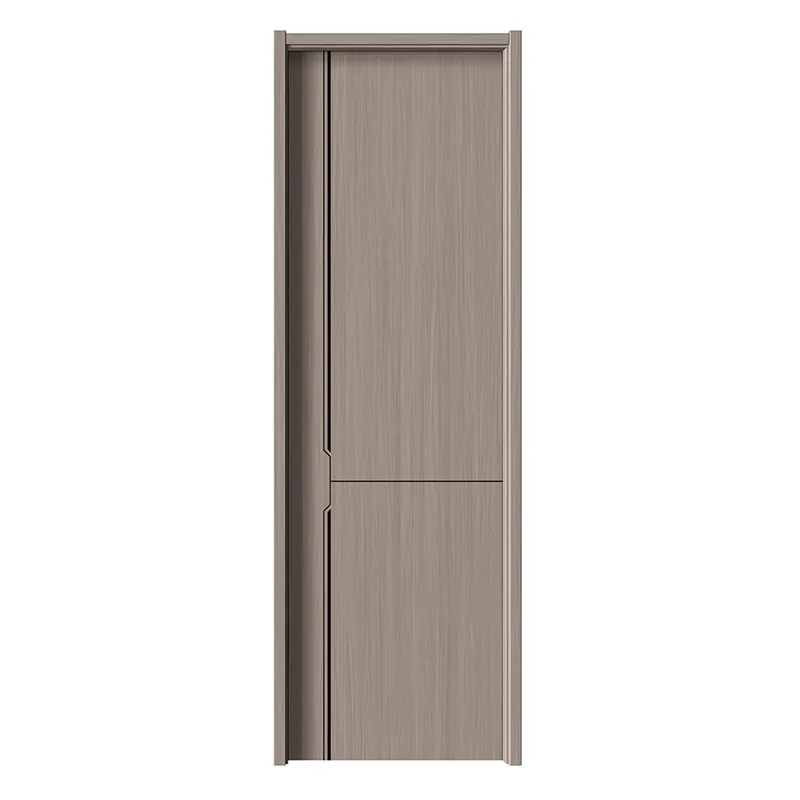 YST-1011 Door Translucent light shadow 3
 -
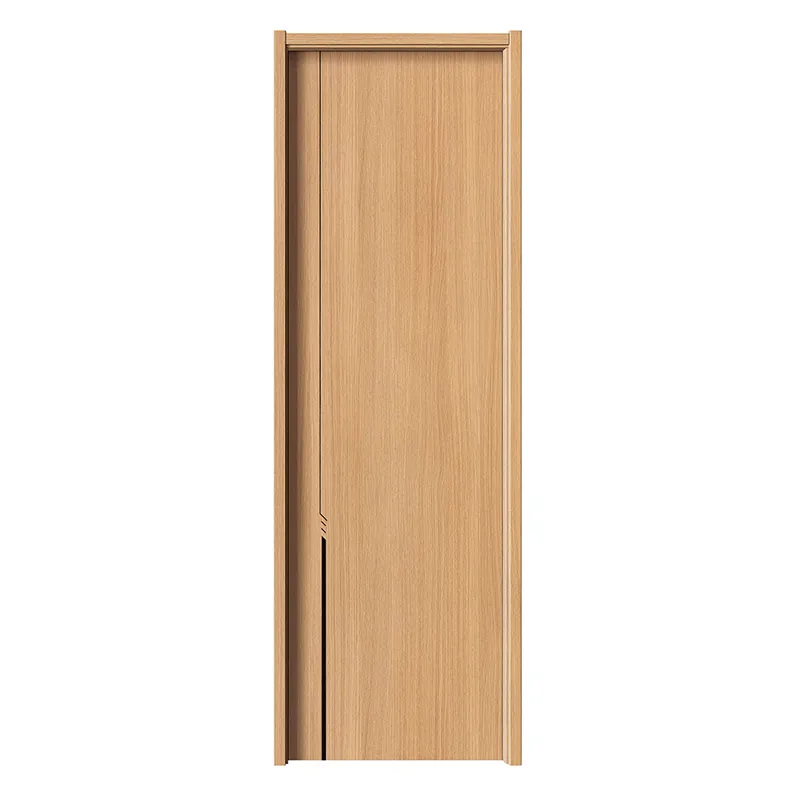 YST-1041 Door Oak Shutter
 -
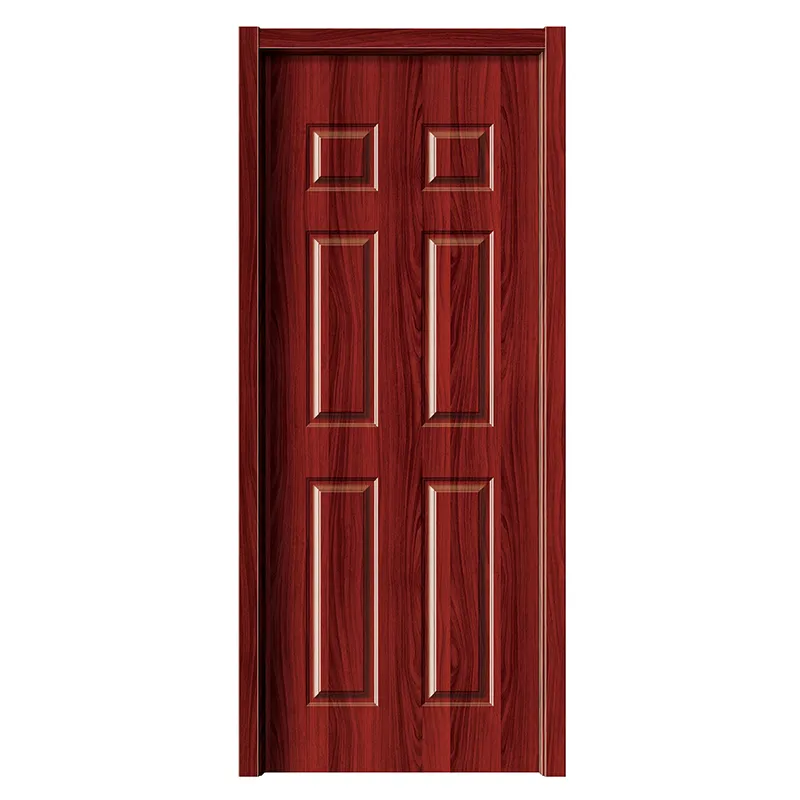 YST-201 Door Red team
 -
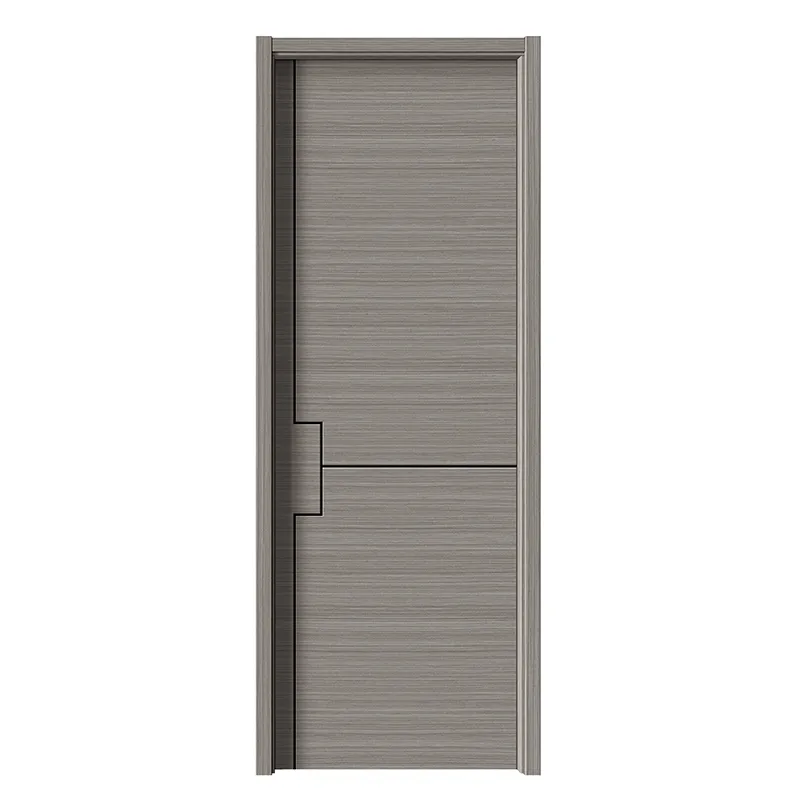 YST-1005 Technotree Door 2