




Varnish a wooden door
Tell me, why does everyone think that painting a wooden door with varnish is like whitewashing a wall? I bought a jar and a brush and off I went. And then they are surprised: first there are stains, then there are bubbles, then after six months the varnish comes off in rags. No, there’s a whole story here, especially if the door is not some kind of panel door, but a high-quality massive one, like those that makeAnhui Wantai Woodworking Co.,Ltd. By the way, they have a serious approach - wood selection, drying, construction. And such a thing can easily be killed with the wrong varnish or preparation. I got burned by this myself when I first started.
Preparation is 80% of success. Or failure
It all starts not with varnish, but with inspection. New door or old? If it’s old, what was the previous layer? Oil, paint, stain? Often you have to remove everything down to the wood. A sander is your best friend. But there’s a subtlety here: you can’t put too much pressure, especially on the edges, so as not to ruin the geometry. For new doors, especially from manufacturers likeAnhui Wantaiwho strictly control sanding in production, a light sanding with 180-240 grit abrasive is often sufficient to remove the lint and open the pores. But their doors are usually well polished, you can feel it right away.
Dust after sanding is enemy number one. You need to not just brush it off, but thoroughly vacuum it and then wipe the surface with white spirit or a special degreaser. If you skip this step, the smallest particles will remain under the varnish, and the surface will be rough. Tested by bitter experience.
Another point is humidity. Both doors and rooms. If the door is new from solid wood, you need to make sure that it has acclimatized in the room where it will be installed and covered. Varnishing raw wood is a guarantee of future problems: warping, cracks in the coating. Companies that operate on the international market, like the sameAnhui Wantai Woodworking Co.,Ltd, they usually supply products with proper chamber drying, this is a big plus.
Choice of varnish: alkyd, acrylic, yacht?
This is where many people get lost. For interior doors, water-based acrylic varnishes are often used - there is little odor and they dry quickly. But they are not as wear-resistant as alkyd ones. Alkyd, or alkyd-urethane, is stronger, creates a tougher film, but takes longer to dry and smells noticeably. Needs good ventilation.
For entrance or bathroom doors, the question is more serious. Resistance to moisture and temperature changes is required. Here they often look towards the so-called “yacht” ones. varnishes But it is important to understand that this is not always a panacea. Some of them are too “oaky” and have little vapor permeability, which may not be very good for an array. The wood should “breathe” a little.
Personally, for high-quality wooden products, I often recommend professional two-component polyurethane varnishes. They provide excellent wear resistance and a beautiful, deep look. But working with them requires skill - there is a lifetime of the mixture, special solvents are needed. Not for amateur painting in the garage. When you see products that emphasize quality and precision, like the company mentioned, you understand that the coating must be appropriate.
Application technology: brush, roller, spray?
The ideal tool for varnishing a door is a spray gun. Uniform thin layer, no drips, faster. But not everyone has it. The brush is a classic. But not any! For varnishes based on organic solvents, you need a brush with natural bristles (for example, pig bristles). For water-based varnishes - synthetics (nylon, polyester). Otherwise, the hair will fall out, and control of spreading will be worse.
The most important rule is thin layers. Don't try to cover everything in a thick layer at once. There will definitely be drips, bubbles, and a long drying time. The first layer is a primer; it is often lightly sanded after drying to remove any raised lint. Then they apply at least two more. Each subsequent layer is after the previous one has completely dried and lightly sanded with fine sandpaper (for example, P400) to improve adhesion.
You need to work in good lighting to see gaps and unevenness. It is better to remove the door from its hinges and lay it horizontally on the trestles - this way the varnish will lay more evenly and it will be easier to avoid drips. But if it weighs, then it can be done in place, but then you need to be very careful with the edges so that there are no sagging.
Typical mistakes and how to avoid them
Bubbles. They appear if you swing your brush too hard or apply varnish to a hot surface (in the sun, for example). The varnish should be poured not from a jar, but from a separate container, let it sit a little so that the bubbles from mixing come out. Apply with calm, long strokes, without haste.
Whitish spots (turbidity). A common problem with water-based varnishes is when there is high humidity in the room or if water gets on a layer that is not completely dry. Control humidity and temperature. The instructions on the can are written for a reason.
Stickiness that doesn't go away. This means that either the varnish was mixed poorly (especially for two-component ones), or the proportions were wrong, or the layer was applied too thick, and the top of the film froze, but the solvent remained inside. It can only be treated by complete drying (which may take longer) or by removing the layer.
Dust and midges. Eternal problem. After applying the varnish, you need to isolate the room, close the windows, turn off the ventilation, which can attract dust. Special varnishes and polishes for the finishing layer sometimes help smooth out minor blemishes.
When is it better to trust the professionals?
If the door is expensive, designer, made of valuable wood or with a figured bevel. Here the cost of error is high. Or if we are talking about a large volume - for example, you need to process a batch of doors for an object. Professionals with spraying equipment and experience will do it faster and most likely to a better quality.
By the way, many self-respecting manufacturers who, likeAnhui Wantai Woodworking Co.,Ltd, strive to supply the market with finished products that combine design and practicality, often offering doors with a factory-made finishing coating. This is an ideal option, because varnishing a wooden door takes place in a controlled environment, without dust, with professional drying. And the guarantee for such coverage is completely different.
But if your hands are itchy, or the door is simple, or you want to update the old one - why not? The main thing is not to waste time on preparation, not to skimp on materials and tools, and not to rush. Then the result will please you for many years. In the end, a well-varnished wooden door is not just protection, it is a completely different feeling of warmth and texture of the material, its depth. This is what a tree is actually chosen for.
Correspondingproducts
Related Products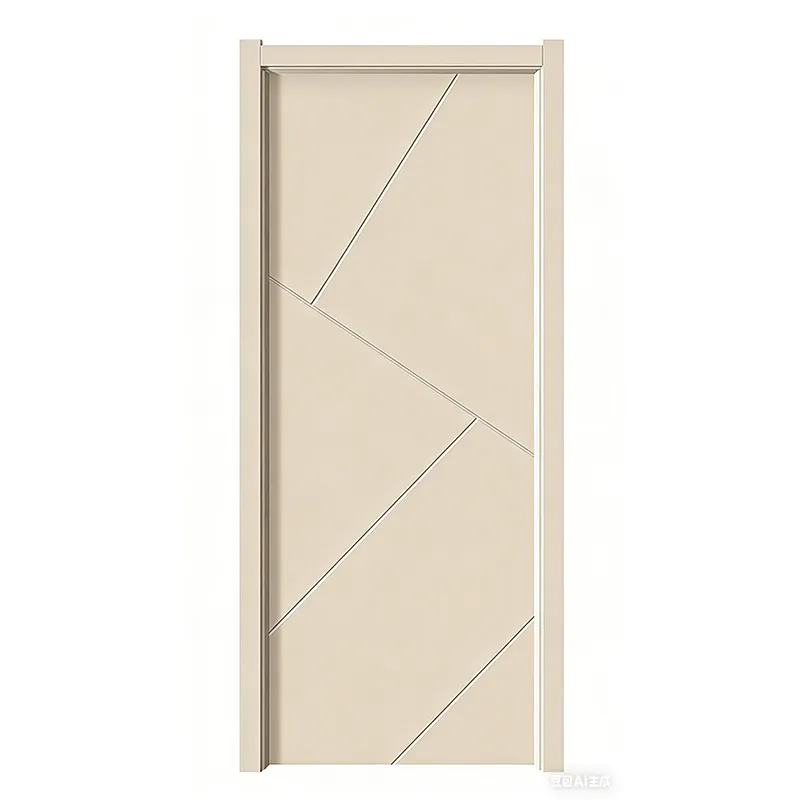
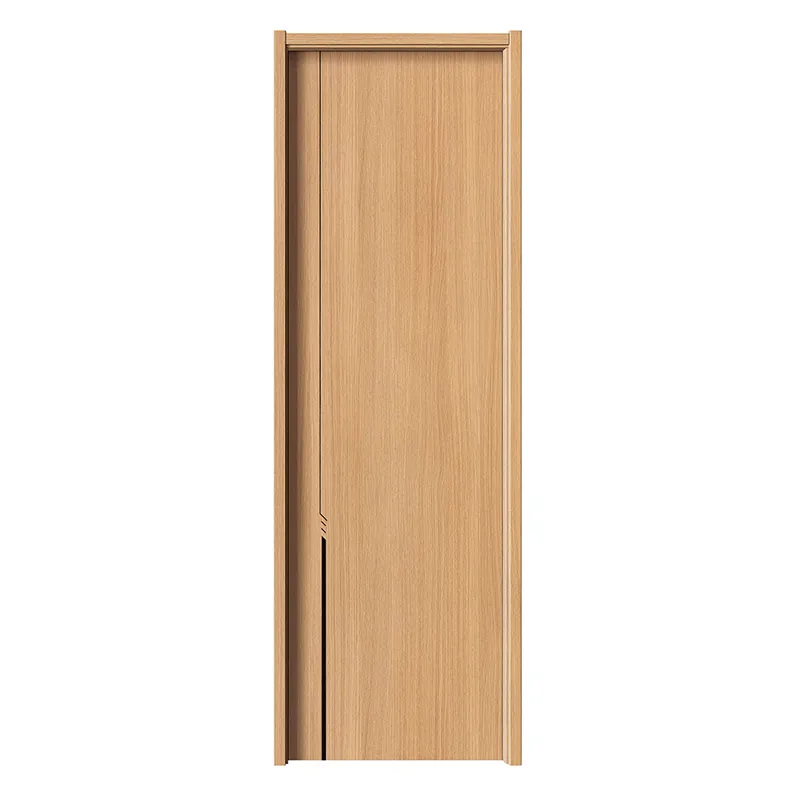
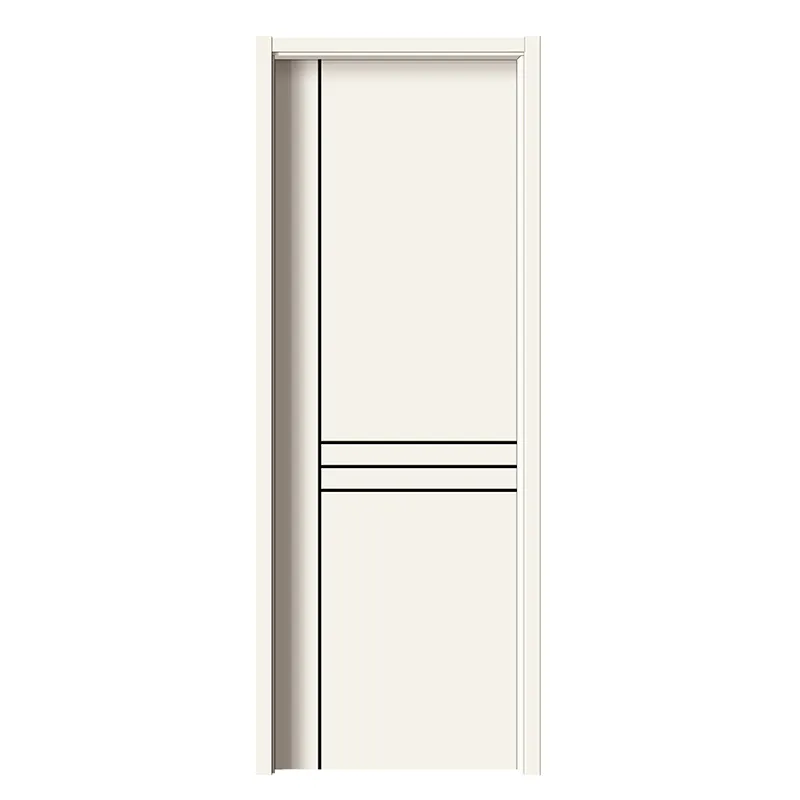
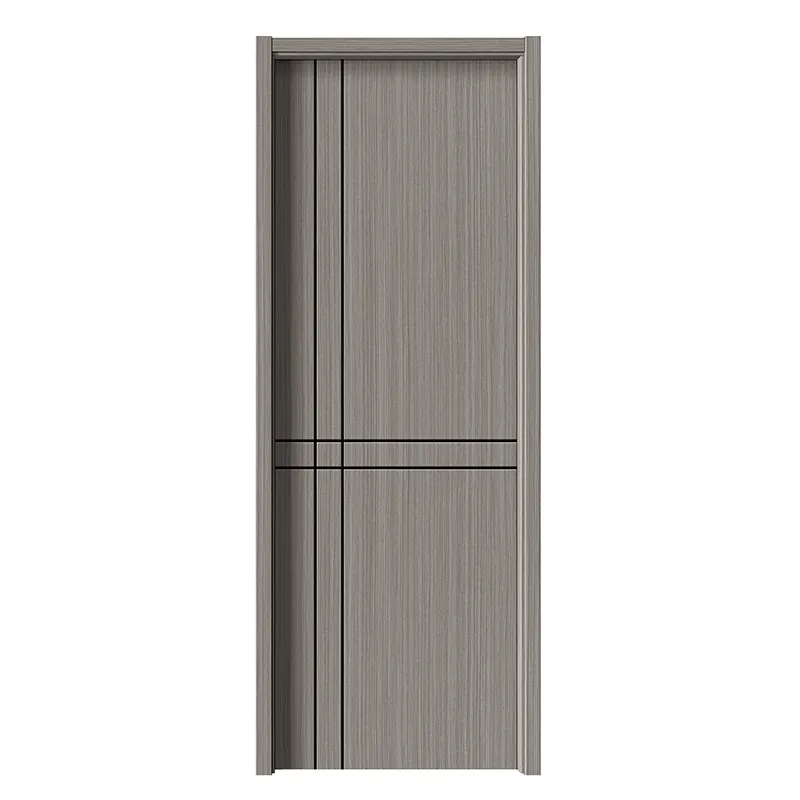
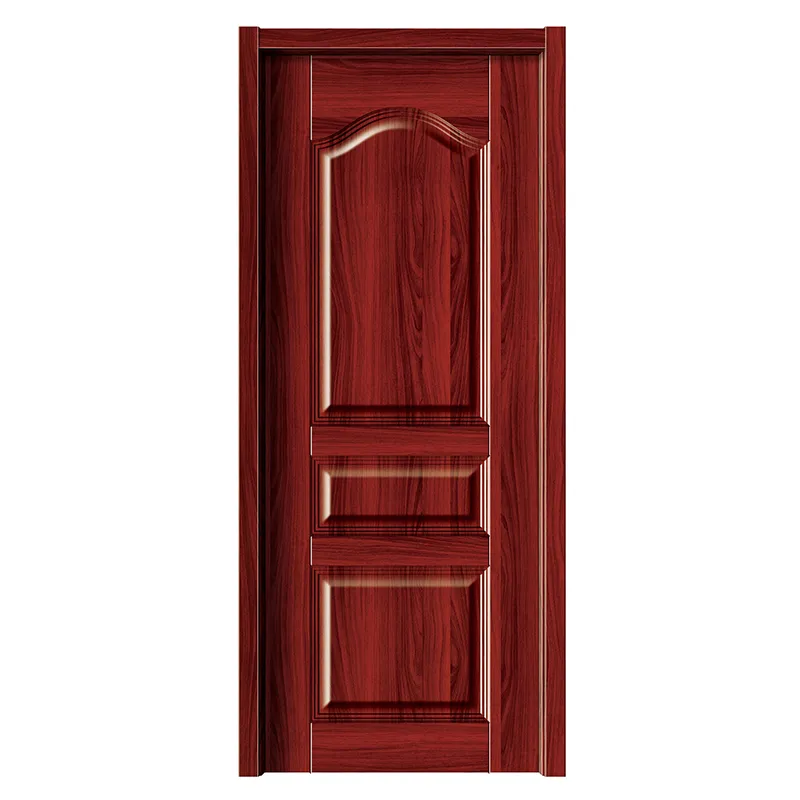
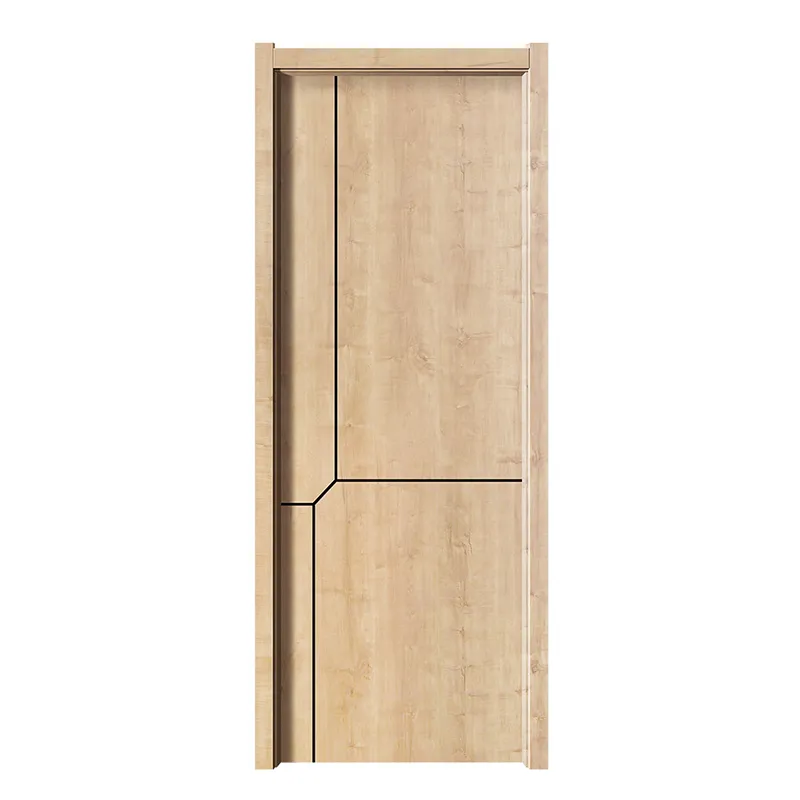
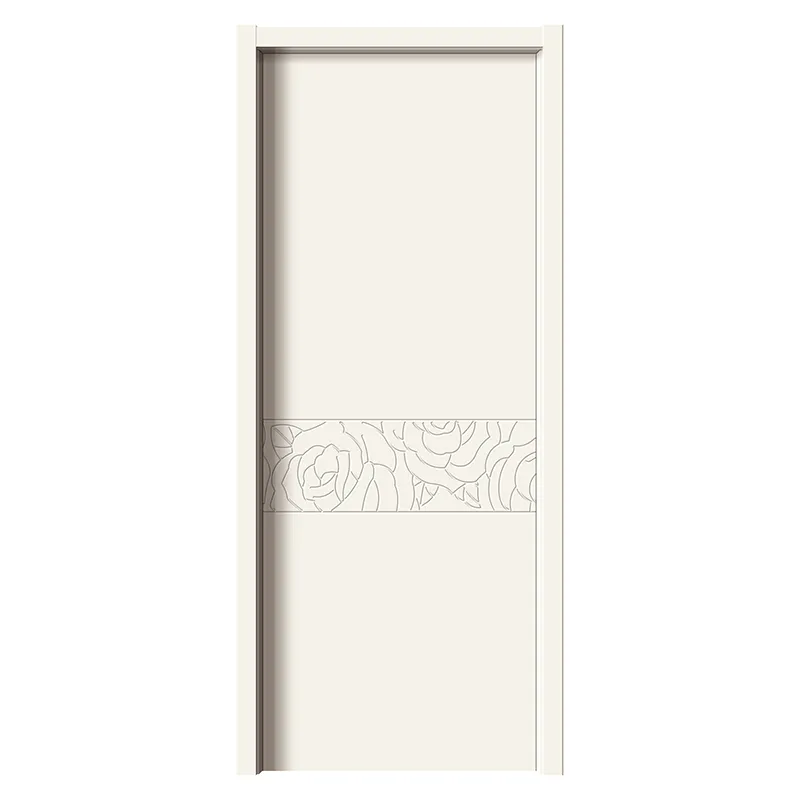

Best Sellingproducts
Best Selling Products-
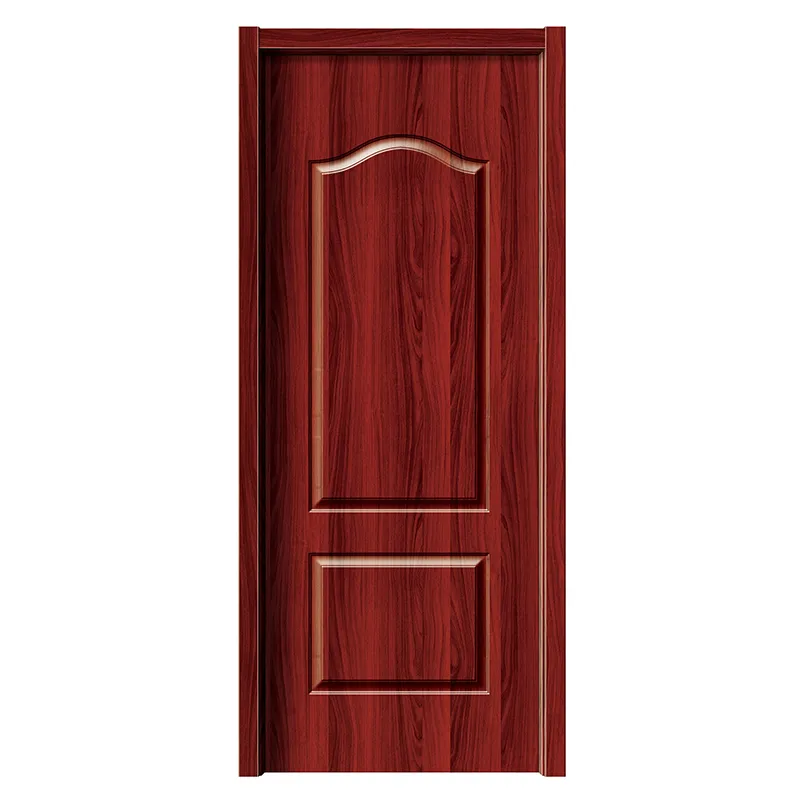 YST-207 Door Red team
 -
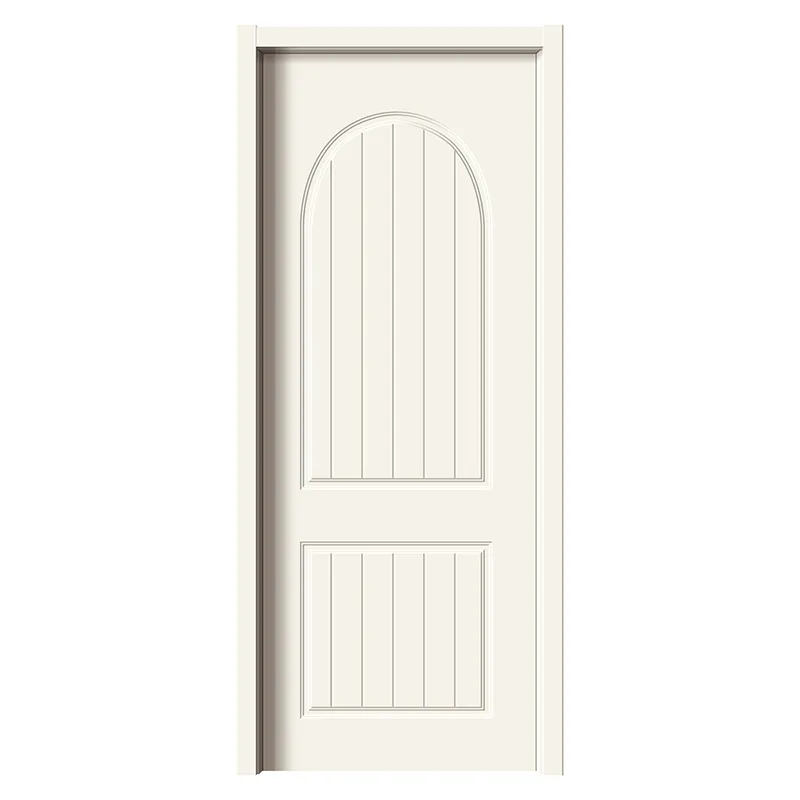 YST-236 Door White ivory
 -
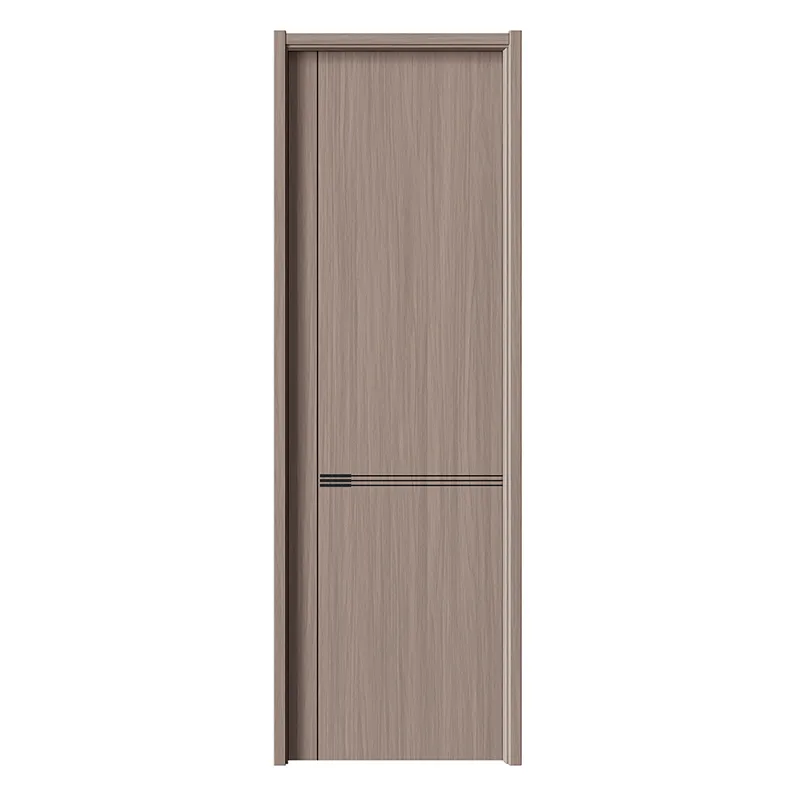 YST-1039 Door Translucent light shadow 3
 -
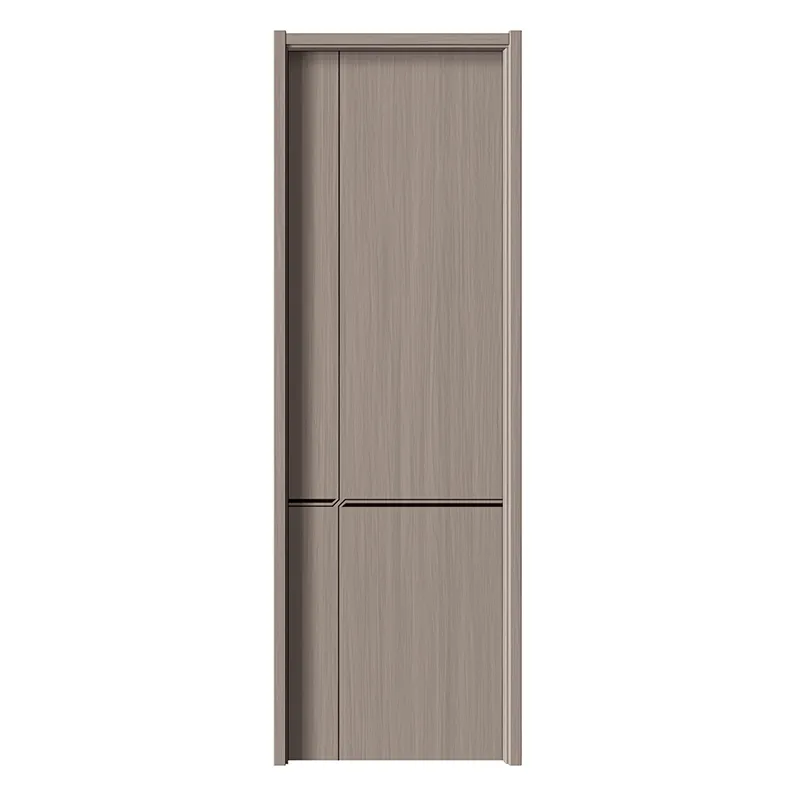 YST-1010 Door Translucent light shadow 3
 -
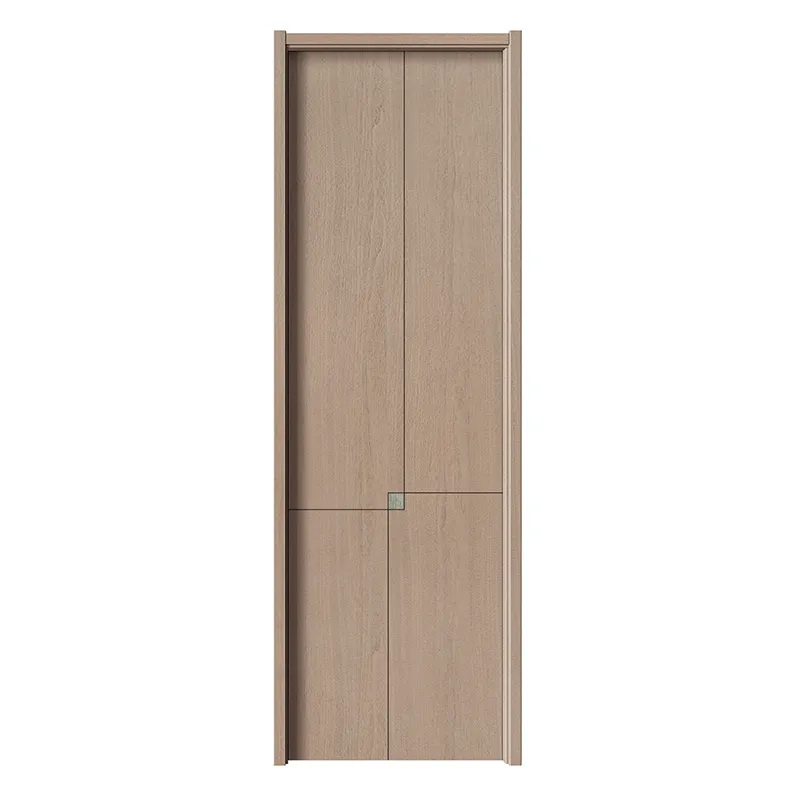 YST-1008 Door Natural walnut 2
 -
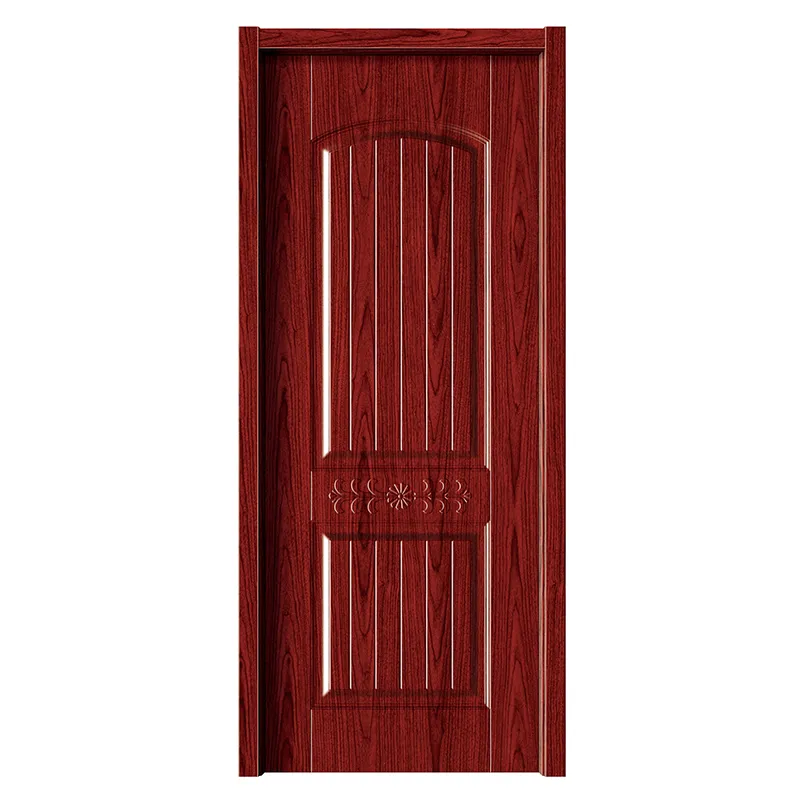 YST-233 Door Mahogany
 -
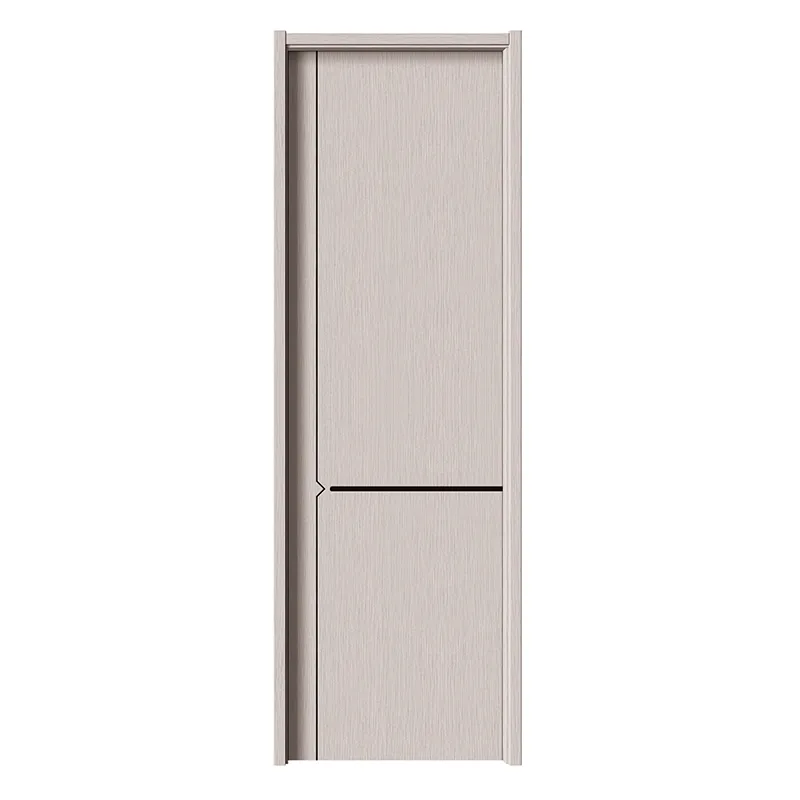 YST-1024 Door Chiaroscuro wood 1
 -
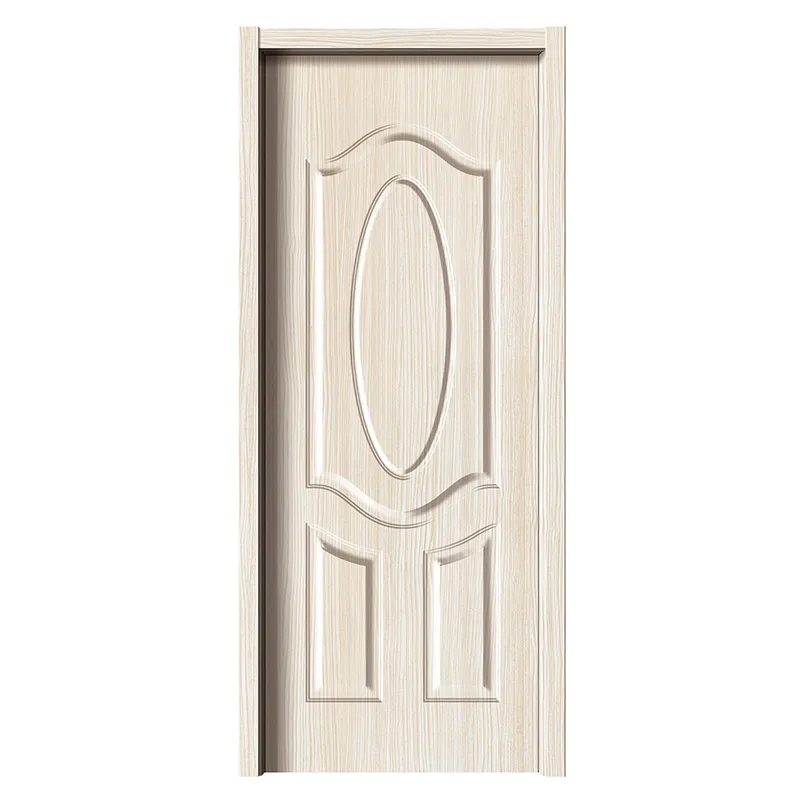 YST-216 Door White Maple
 -
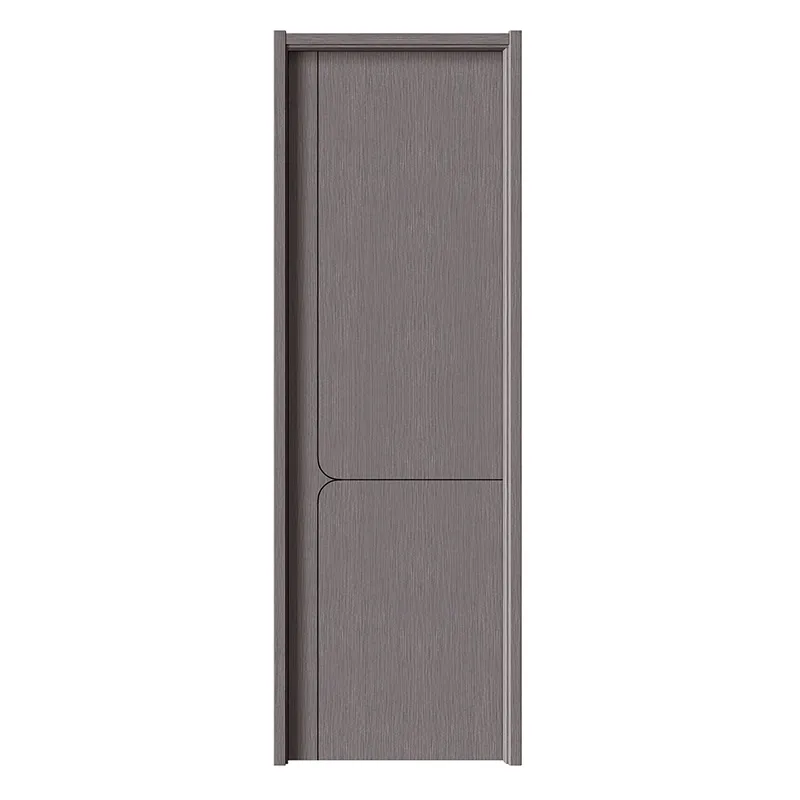 YST-1001 Door Chiaroscuro tree 2
 -
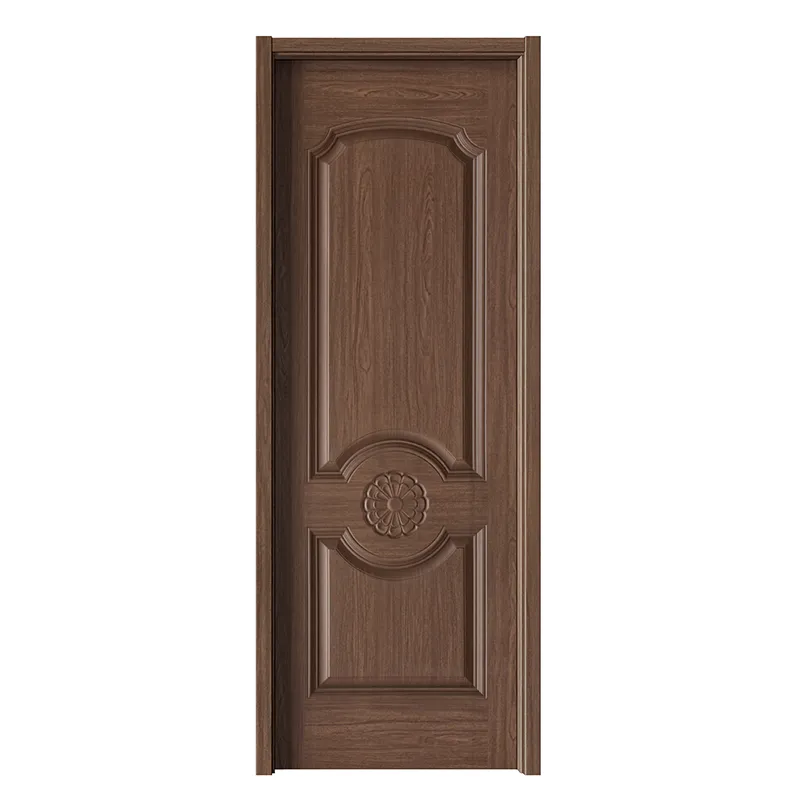 YST-212 Door North American Oak 2
 -
 YST-WPC4 Door
 -
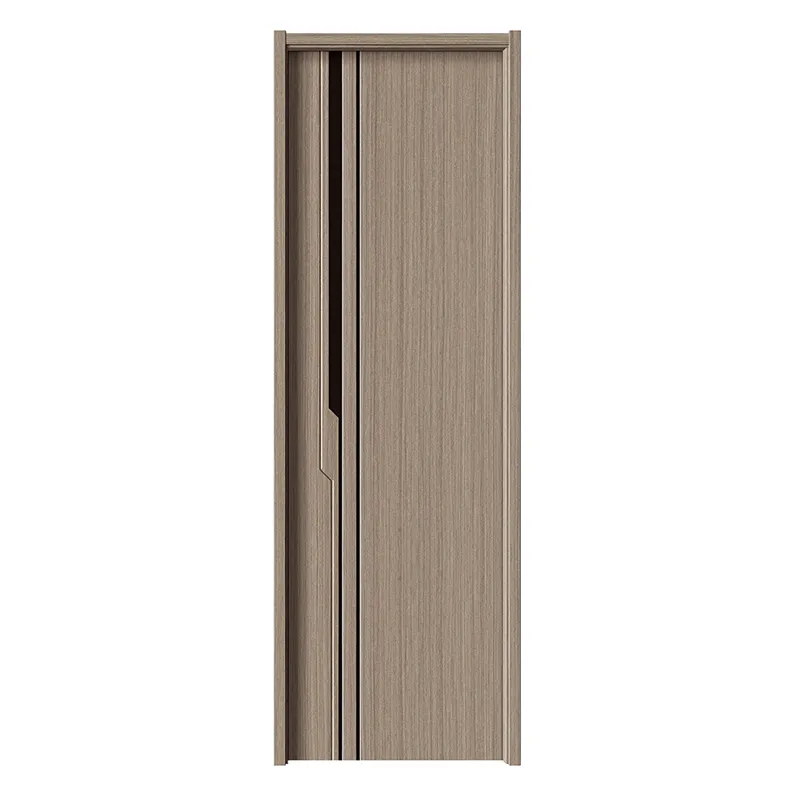 YST-1018 Technowood Door 1