




Full size door
When you hear “full-size door,” the first thing that comes to a layman’s mind is just a big, tall door. It seems like what’s so complicated about it? Take a larger canvas, hang it on reinforced loops. But in practice, the difference between just a “big door?” and well designedfull size door- this is an abyss in which both the budget and the customer’s patience are lost. Many people think that the main problem is weight, but in reality weight is just the tip of the iceberg. The main battle revolves around the stability of the geometry, the performance of the fittings in the long term and, oddly enough, logistics. Too often I have seen how massive structures, beautiful in the picture, began to “play” after six months, requiring constant adjustment, or even worse - they rubbed the bottom edge due to shrinkage or distortion of the box that was imperceptible at first glance.
Not weight, but stress management: a constructive approach
So where does the real one begin?full size door? Not from the choice of panel design, but from engineering calculations. Wood is a living material, it breathes and reacts to humidity. A larger fabric area means greater internal stress. If you simply glue an array into a shield and hang it, the risk of warping increases many times over. Therefore, the key point is the design of the canvas. A frame-panel scheme with mandatory transverse bridges (middles) is often used, which prevent long vertical elements from “storying”. But there is a nuance here: the depth and method of attaching the panel. Rigid fastening with glue is a recipe for cracks. We need floating grooves and compensation gaps that allow the wood to move without destroying the structure.
Here, by the way, the difference between the artisanal and industrial approaches is clearly visible. In large industries, likeAnhui Wantai Woodworking Co.,Ltd, this process has long been algorithmized. On their website (https://www.anhuiwantai.ru) indicates strict control at all stages, and this is exactly the case when a marketing phrase has a direct technical implementation. Selection of raw materials by radial cutting for greater stability, chamber drying to a certain, and uniform, humidity, control of humidity in the workshop before assembly - without this stage, all further efforts are meaningless. Their motto is “build a business on precision?” - these are not just words, but the only possible philosophy for working with large-format products.
Personal experience: I once had to deal with a complaint about a door in a cottage. The door was beautiful, made of thick solid oak, but made in a small workshop. After the heating season, she “sat down” almost 5 mm in height, forming an indecent gap at the top. The problem was precisely that the drying of the array was not carried out to the equilibrium humidity corresponding to the operating conditions in a heated house. The workshop worked “in a draft”, and the humidity of the workpieces varied depending on the weather outside the window. For standard doors this may work, but for full-size doors it can be fatal.
Fittings: not a fastening point, but a system
The second critical unit is the fittings. Loops forfull size door- this is a separate topic. Regular card loops, even reinforced ones, often fail. You need either a hidden hinge system with axial displacement and built-in adjustments, or special reinforced overhead hinges with bearings, designed for a load of 80-100 kg or more. But that's not all. The mount itself. In 90% of cases, standard self-tapping screws are not held in the canvas or frame, but in the door frame (casing) or the wall. If the door is installed in a plasterboard opening or in a thin partition, without first strengthening the opening with steel elements or installing a load-bearing frame, no hinges will save you - they will simply break out under load.
Locks and handles are also history. A heavy canvas has significant inertia when closing. A weak latch or unreliable lock bolt will fight mercilessly, quickly breaking the strike plate. We need mechanisms designed to withstand shock loads. It often makes sense to install two locks or a combination lock with locking points at the top and bottom to distribute the load and prevent sagging.
I had an unsuccessful experiment with a door closer for such a door. We installed a standard overhead door closer from the middle price segment. He managed, but after a month his adjustments went wrong and the door started slamming. It turned out that for heavy canvases, closers with a high moment of force (EN-class 4 and higher) are needed, and their fastening must be designed for constant dynamic load. I had to change it to a more serious model and strengthen the attachment point to the box with an additional metal plate.
Editing: where theory meets a crooked wall
Even a perfectly made door at the factory can be hopelessly damaged during installation. Installationfull size door- this is aerobatics for the installer. The opening is rarely perfectly vertical and rectangular. Dimensions may vary. The standard approach is “fill it with polyurethane foam?” doesn't work here. The foam creates tension and, when dry, can move the box. For heavy structures, mechanical fixation through the frame to the main elements of the wall with anchor bolts or studs is required, with the obligatory leaving of technological gaps for compensation.
A very important point is the gap around the perimeter. It is made larger than for a standard door (minimum 4-5 mm), again in case of seasonal changes. And this gap needs to be properly closed with something. Standard thin trim may not cover it, or will look disproportionate. Often it is necessary to develop wide, possibly figured platbands or even the use of two-part structures.
Working with products that are supplied to the international market, like the companyAnhui Wantai Woodworking Co.,Ltd, you often come across the fact that their products are supplied in the form of completely finished door blocks (frame + leaf), assembled and configured at the factory. In their case (https://www.anhuiwantai.ru) this is logical, since it allows us to guarantee the quality of assembly of the “hinge-box-leaf” assembly. But this imposes increased requirements on the accuracy of measuring the opening on site. The slightest mistake by the measurer - and the perfectly assembled block simply will not fall into place, or the adjustments will be at the limit. Therefore, their team, judging by the description, must work closely with the installers or give very clear instructions for preparing the opening.
Application scenarios and common selection mistakes
Where is it really needed?full size door? Most often - in high interiors, from 3 meters and above, in front areas, to visually unify the space. But there are also pitfalls. One of the common mistakes is to install such a door in an ordinary apartment with 2.7 m ceilings. It will look bulky, “crush”, visually eating up an already small space. We need balance.
Another mistake is the pursuit of the maximum massiveness of the canvas without taking into account the capabilities of the wall and floor. It happens that a customer wants a door made of 50 mm solid oak. By weight it is already almost 150 kg. You need to understand whether this overlap will withstand, especially if we are talking about the old foundation. Sometimes it makes more sense to choose not a solid thick slab, but a high-quality sandwich structure with an internal frame and cladding - it will be both lighter and more stable.
In commercial spaces, such as the company described above, which strives to meet the diverse needs of global clients, soundproofing and fire resistance requirements are often added.Full size doorhere it is already a complex engineering product, where there may be layers of special materials inside the canvas, and the sealing contours must be flawless along the entire gigantic perimeter. It is basically impossible to do this manually.
Bottom line: an expensive door or a problem-free investment?
So what happens?Full size door- this is not just a product, it is a project. The project, which begins with engineering calculations, depends on the quality of raw materials and production discipline, as in the same Anhui Wantai production base, and rests on the skill of installation. It cannot be bought at random? or choose only from the catalog photo.
Saving on such an element is more expensive for yourself. The money saved at the design or production stage will be more than spent on endless service calls for adjustments, and in the worst case, on replacing a deformed blade. Therefore, key advice: work with suppliers who can not only show beautiful pictures, but also provide detailed design diagrams, technical specifications for fittings, installation recommendations and, preferably, have a portfolio of completed projects with similar tasks.
Ultimately, a good full-size door is one that you forget about once installed. It simply works for years, does not creak, does not sag, is pleasing to the eye and fulfills its function. Achieving this is true professionalism, which consists of little things invisible to the eye of the end user. It is on these little things that the reputation of companies seriously operating in the international market is built, be it a Russian company or a Chinese enterprise with global ambitions, like the one mentionedAnhui Wantai Woodworking Co.,Ltd.
Correspondingproducts
Related Products

Best Sellingproducts
Best Selling Products-
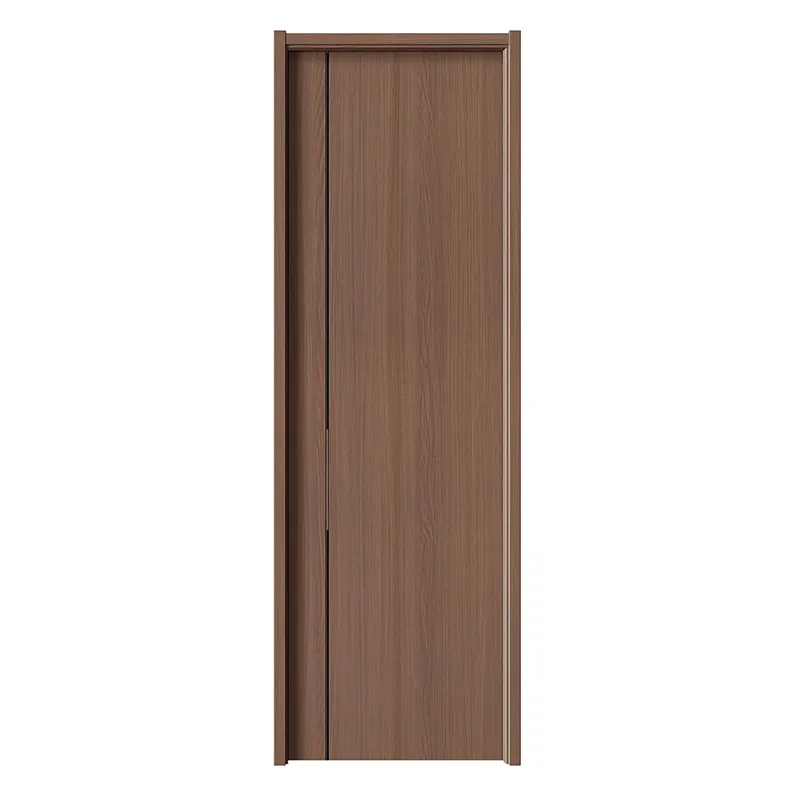 YST-1043 Door Techno-walnut 3
 -
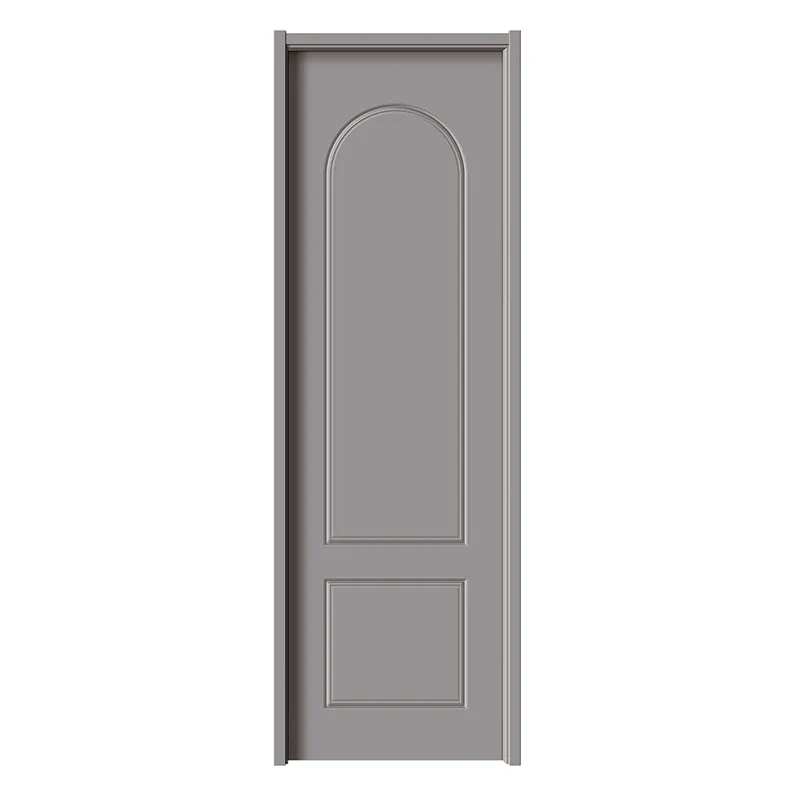 YST-241 French Door 1 soft stone gray
 -
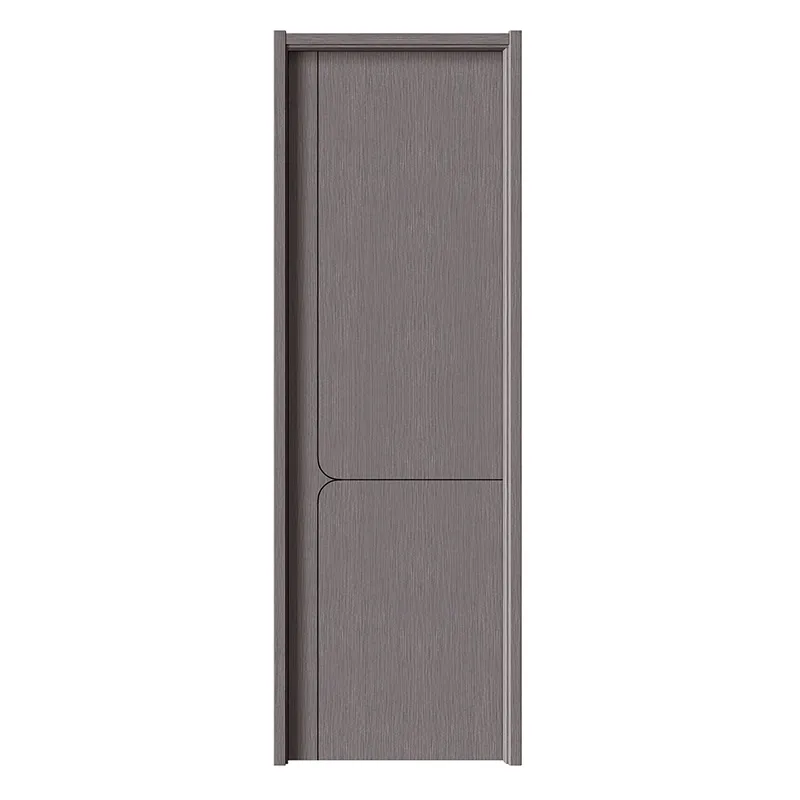 YST-1001 Door Chiaroscuro tree 2
 -
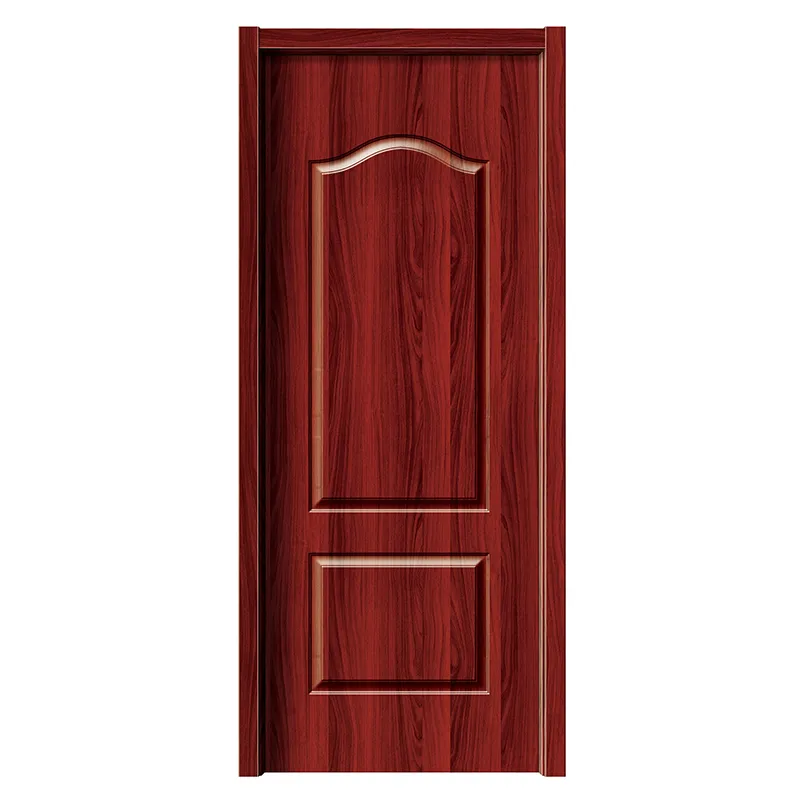 YST-207 Door Red team
 -
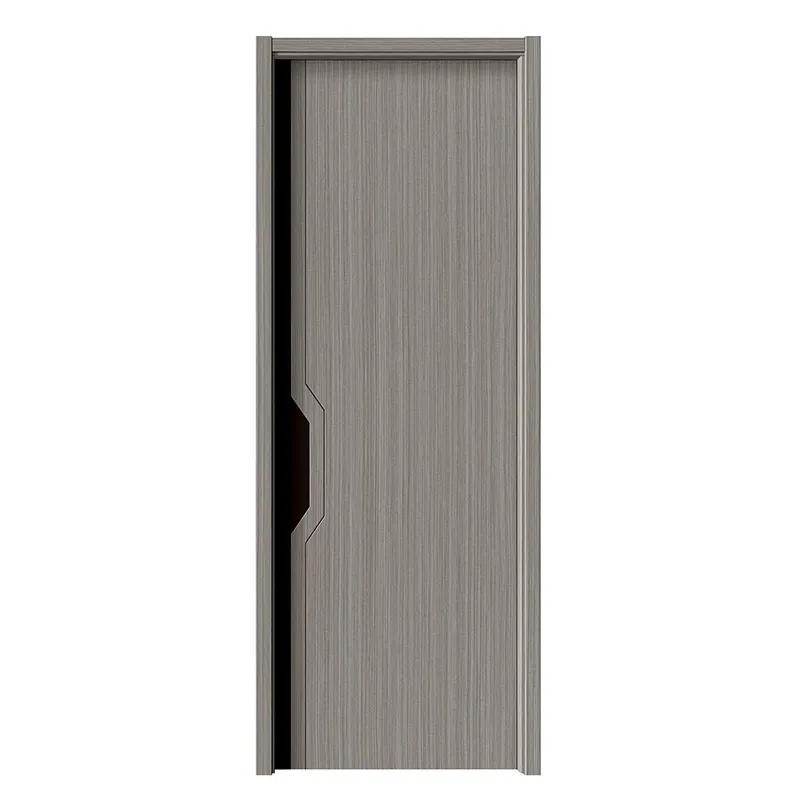 YST-1007 Technotree Door 2
 -
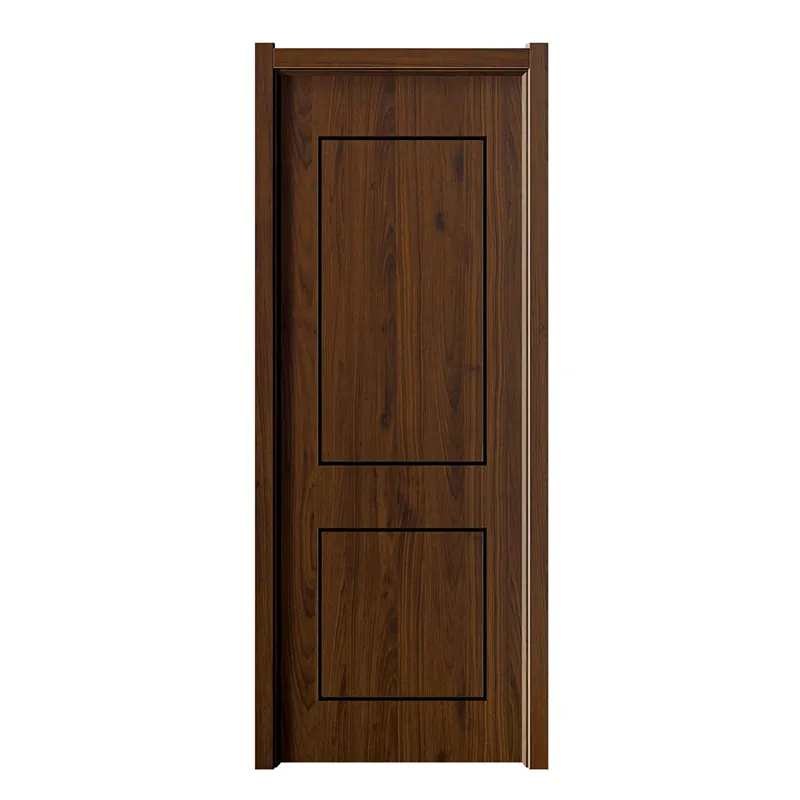 YST-WPC2 Door
 -
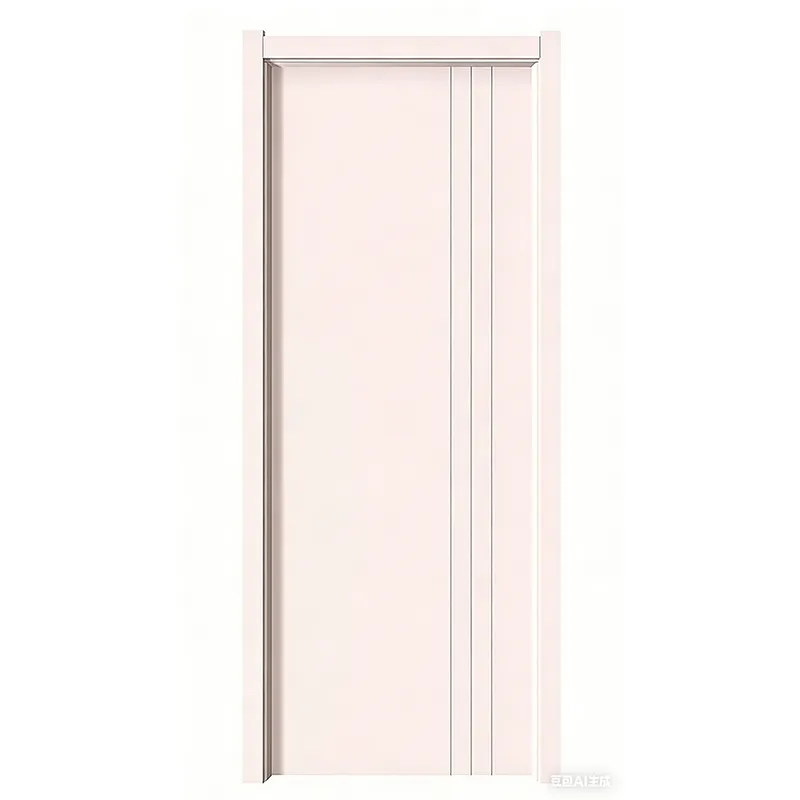 YST-WPC4 Door
 -
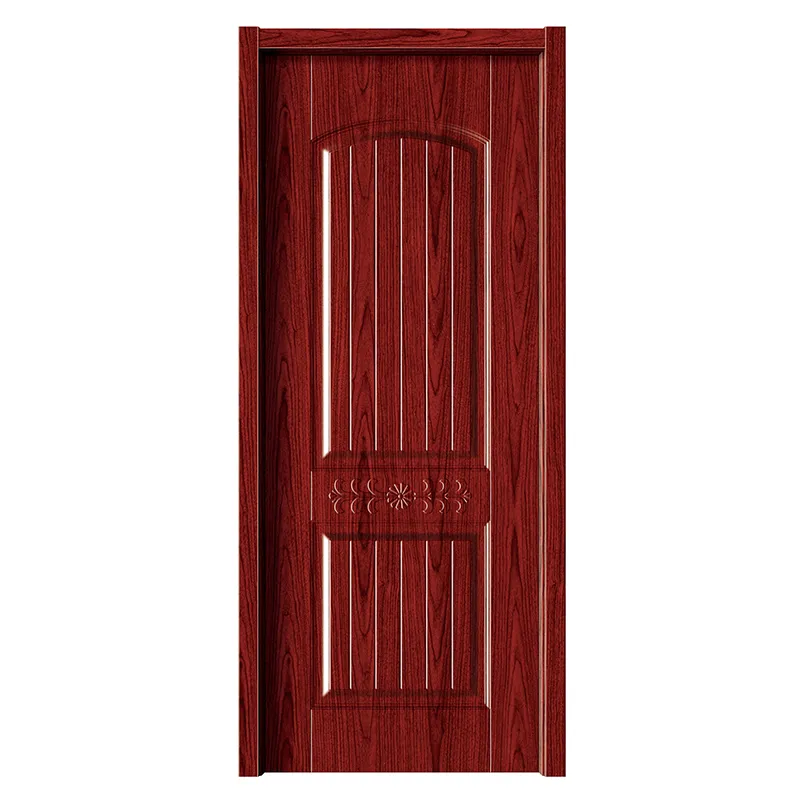 YST-233 Door Mahogany
 -
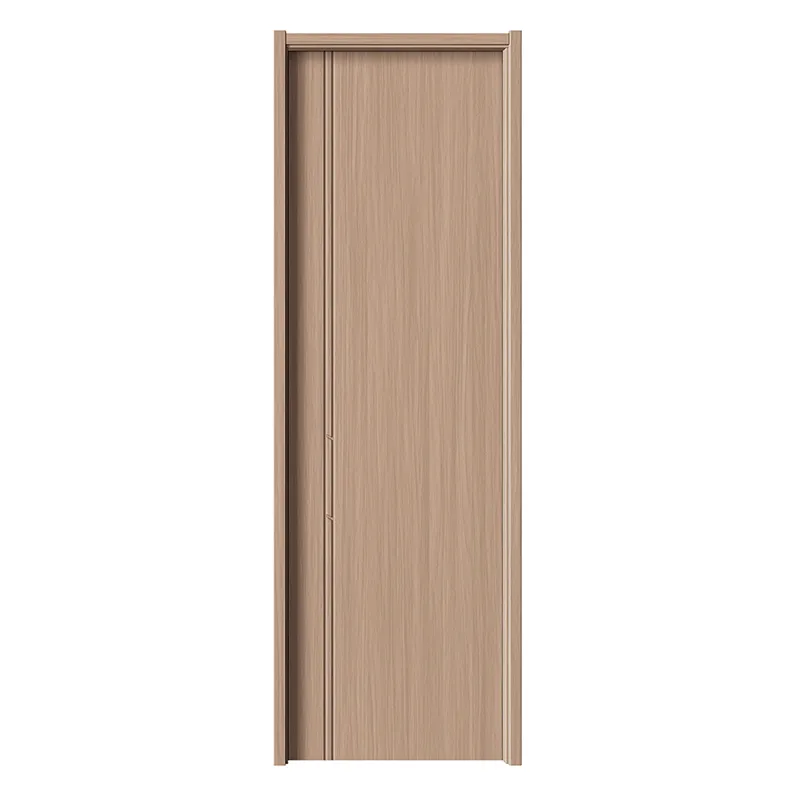 YST-1009 Door Translucent light shade 1
 -
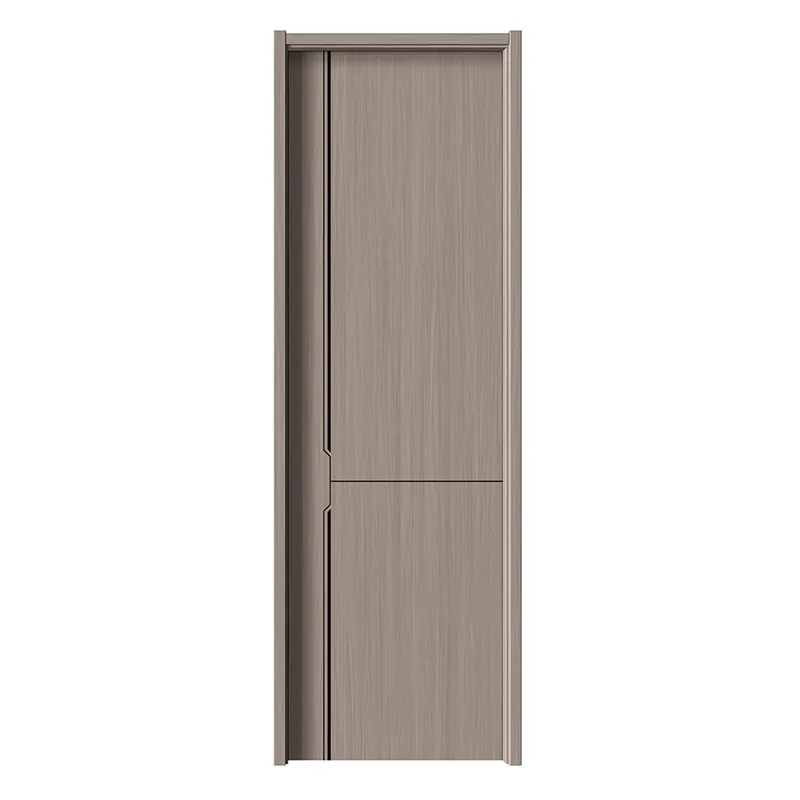 YST-1011 Door Translucent light shadow 3
 -
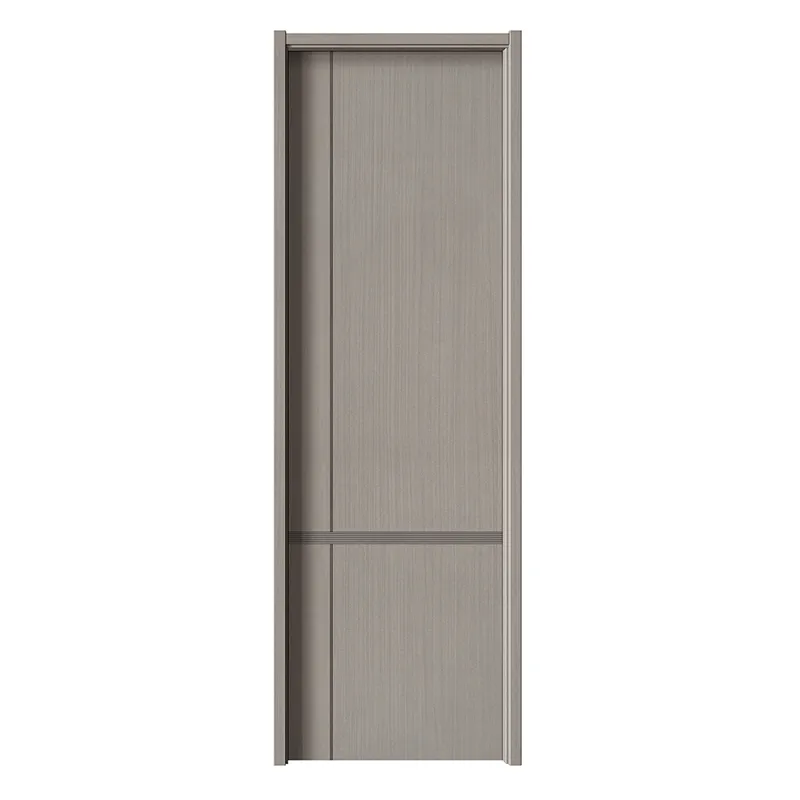 YST-1013 Door Cloud Walnut 1
 -
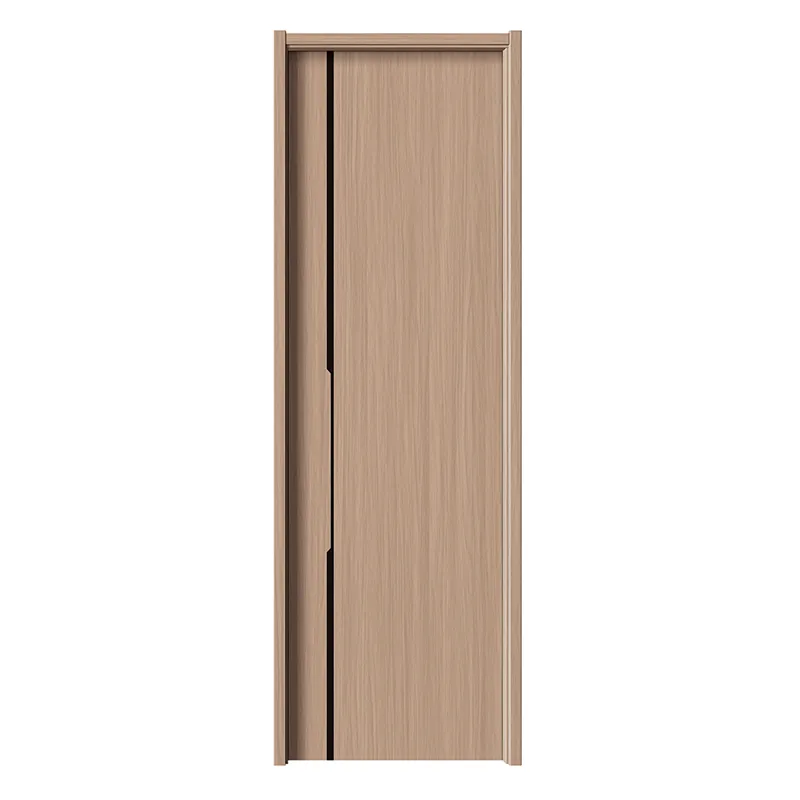 YST-1029 Door Translucent light shade 1