




Wooden door to the bathroom
If you hear “wooden door to the bathtub,” the first reaction of many is “what nonsense, it’s going to swell.” And in general, they are right. But not really. The problem is not the idea itself, but how to approach it. Too often I see how people either blindly follow this fear, installing blank plastic or glass boxes, or, on the contrary, they install the first piece of interior wood they come across, and after six months it no longer closes. The truth, as usual, is somewhere in the middle and requires an understanding of the nuances.
The main enemy is not water, but steam
This is where we need to start. Many people think that the main danger is direct splashes from the shower. In fact, the constant, almost invisible enemy - saturated steam - is much more terrible. It penetrates into the smallest pores, into joints, into places where the glass adheres, if any. A standard pine door with minimal finishing is doomed in such conditions. But if we talk about high-quality processed solid wood, say, oak or alder, with the right protection system, the story changes.
This is where the approach to production is important. You can't just take dry wood and varnish it. Deep impregnation with stabilizing compounds is required at the preparation stage in order to 'close' the capillaries. I saw how in one production,Anhui Wantai Woodworking Co.,Ltd, use multi-stage vacuum-pressure impregnation for their models positioned for wet areas. This is not marketing, but a necessity. Without such preparation, any tree will lead sooner or later.
And one more point about the design. The canvas should not be a single piece, but rather an engineering panel structure with stiffening ribs. This allows the wood to 'breathe' more predictably and compensate for microdeformations. Bonding the array onto a microspike is mandatory. Simply glued slats in the bathroom are guaranteed to come apart.
Finish: varnish is just the finish
The biggest mistake is to assume that a few layers of yacht varnish will solve all problems. Varnish is the finishing barrier. What's underneath does all the work of protection. Primers, primers, water repellents. Their selection is a whole science. For the bathroom, you need compositions with high elasticity after drying, so as not to crack due to changes.
In practice, I have often encountered the fact that even expensive doors suffer at the ends, especially the bottom. It is often forgotten to process it properly. Ideally, the door is initially designed with a small technological gap at the bottom and is equipped with a silicone or special polymer knife seal. But I have rarely seen such a solution, mainly in the premium segment or from specialized manufacturers who care about the details.
Matte or glossy surface? Not an aesthetic issue, but a practical one. Gloss shows stains from drops better, but small chips are less noticeable. The matte texture is tactilely more pleasant, but can get greasy faster. Personally, I lean towards a matte or semi-matte finish with a waxy effect - it is more forgiving of minor household impacts.
Fittings and installation: points of vulnerability
You can put on the perfect canvas, but kill everything with crooked editing. The box is a separate issue. It must be made of the same material as the door and go through absolutely all the same processing steps. Often they make it “simpler,” and then it becomes a weak link: it swells in the area of the threshold, causing the door to jam.
Loops. Regular cards are not an option. You need either a bearing and an anti-corrosion coating (not just chrome plating, but something more serious, like Dacromet), or hidden. Hidden hinges are good because they have less contact with moist air, but require perfect insertion accuracy. Once we had to redo the entire casing because the installers made a 2 millimeter mistake with the axis of the hidden hinge—the door was “wobbly.”
And about the seals. A rubber contour around the perimeter is not an option, but a prerequisite. It creates a buffer zone, preventing steam from directly attacking the ends. But you also need to choose it correctly: too soft will wear out quickly, too hard will interfere with closing. The ideal option is a magnetic seal with a silicone petal, but this significantly increases the cost of the design.
When does this even make sense?
There are situations where a wooden door to the bathroom is not a whim, but a logical choice. For example, in spacious bathrooms with good, preferably forced, ventilation and a separate shower/bath area fenced off with glass. Or in the bathrooms of guest bedrooms, where the load is not daily. This is also the only way to fit a door into a historical interior or into the concept of a solid wooden house, where plastic or glass will look foreign.
The key condition is the presence of a full-fledged hood, and not just a ventilation shaft. I always advise clients to measure the actual ventilation performance before installation. If air exchange is poor, it is better to abandon wood immediately, no matter how aesthetically pleasing it may be.
And of course, this is a budget issue. Normalwooden bathroom door, which will last for years, cannot be cheap. This is always a premium product. If you compare the cost, you need to compare it not with a simple MDF door, but with a high-quality glass or metal structure of a similar class. Here the argument of tactile sensations and acoustics often wins - wood muffles sounds better.
Case study and conclusions
I had a project in a country house - a spacious bathroom with a window and two exhaust ducts. The customer insisted on oak doors in all openings for uniformity. They made it in a complex way: a canvas and a box made from chamber drying, vacuum impregnated with an antiseptic and a stabilizer, six layers of elastic polyurethane varnish with intermediate sanding. They installed it with a gap of 8 mm from the bottom, installed hidden hinges with an anti-corrosion coating and a double-circuit magnetic seal.
More than three years have passed and the door is like new. Not a hint of deformation. But it is important to understand that this is the result not of just one material, but of a whole system: prepared wood + correct fittings + competent installation + adequate microclimate in the room. Remove any element and the result will be different.
Therefore, returning to the beginning.Wooden door to the bathroom- this is not a myth or nonsense. This is a complex engineering task that can only be achieved by those manufacturers who are willing to invest in deep processing of the material and think through every detail. How, for example, doesAnhui Wantai Woodworking Co.,Ltd, whose websitehttps://www.anhuiwantai.ruIt is worth studying precisely to understand the integrated approach. Their philosophy of 'build business on precision, win on quality' is exactly what is needed in this segment. Without precision in impregnation, assembly and quality control there is nothing to do here. This is not a door, but rather a specialized product for difficult conditions. And you need to treat its choice accordingly - not as an element of the interior, but as a technical device.
Correspondingproducts
Related Products
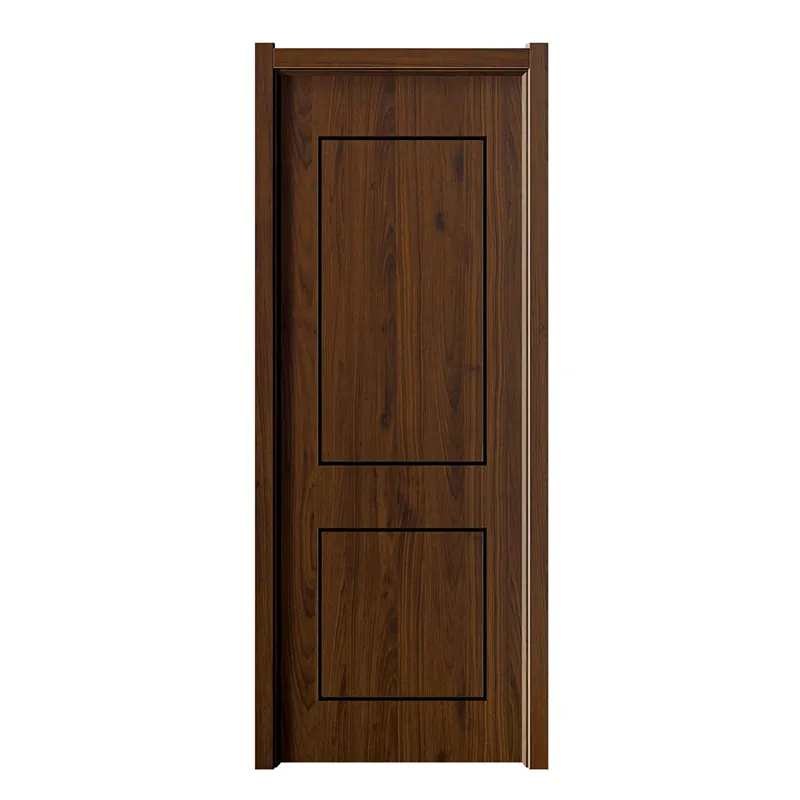

Best Sellingproducts
Best Selling Products-
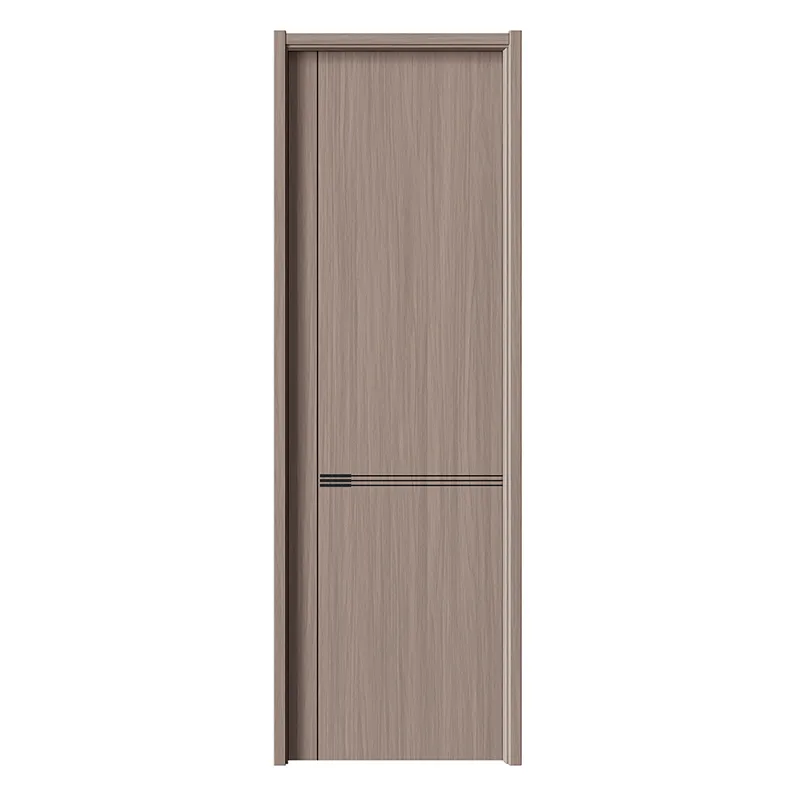 YST-1039 Door Translucent light shadow 3
 -
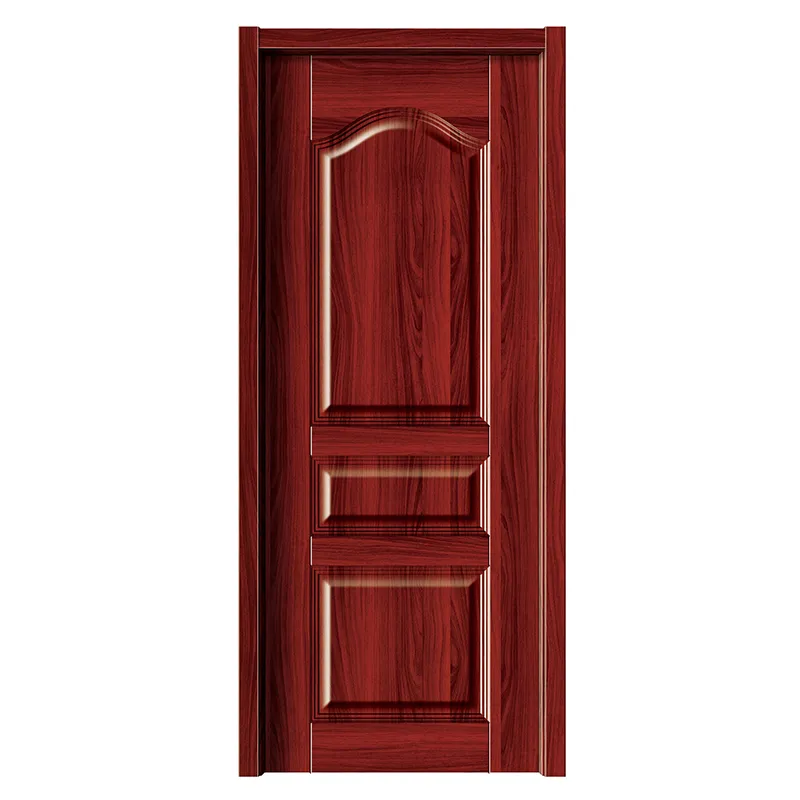 YST-203 Door Red team
 -
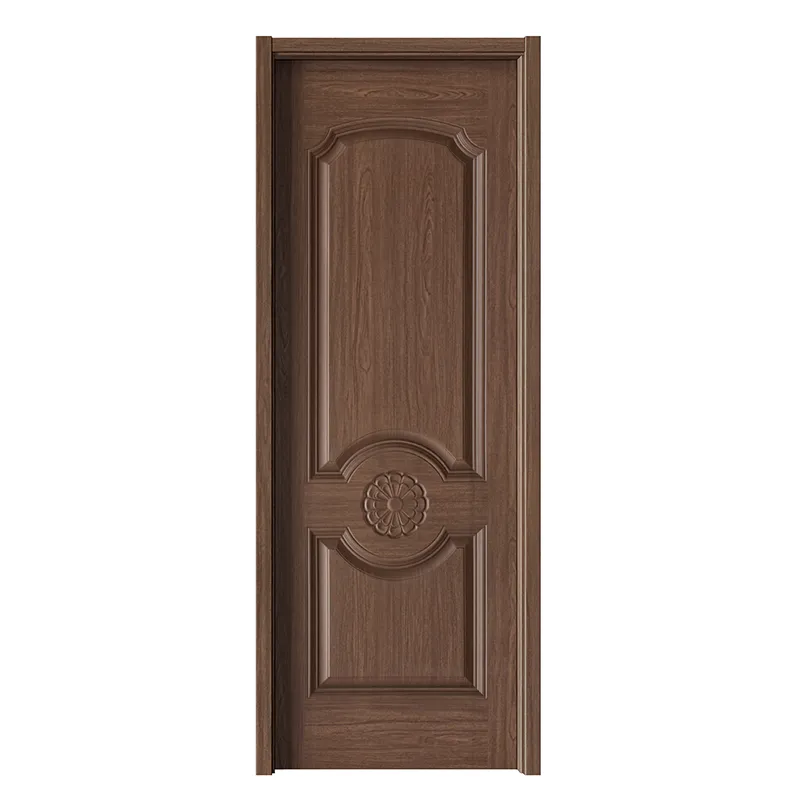 YST-212 Door North American Oak 2
 -
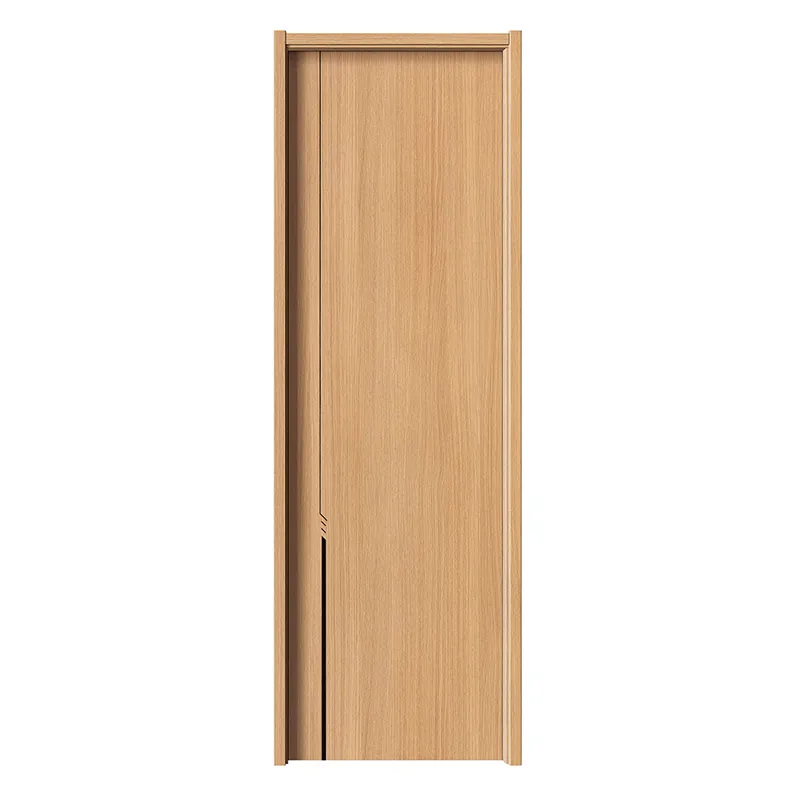 YST-1041 Door Oak Shutter
 -
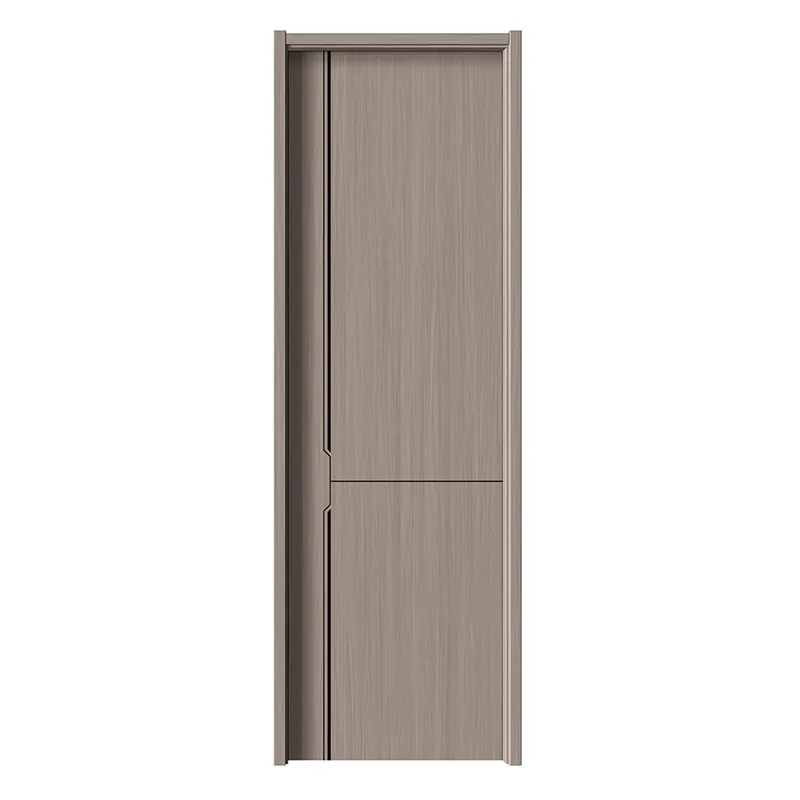 YST-1011 Door Translucent light shadow 3
 -
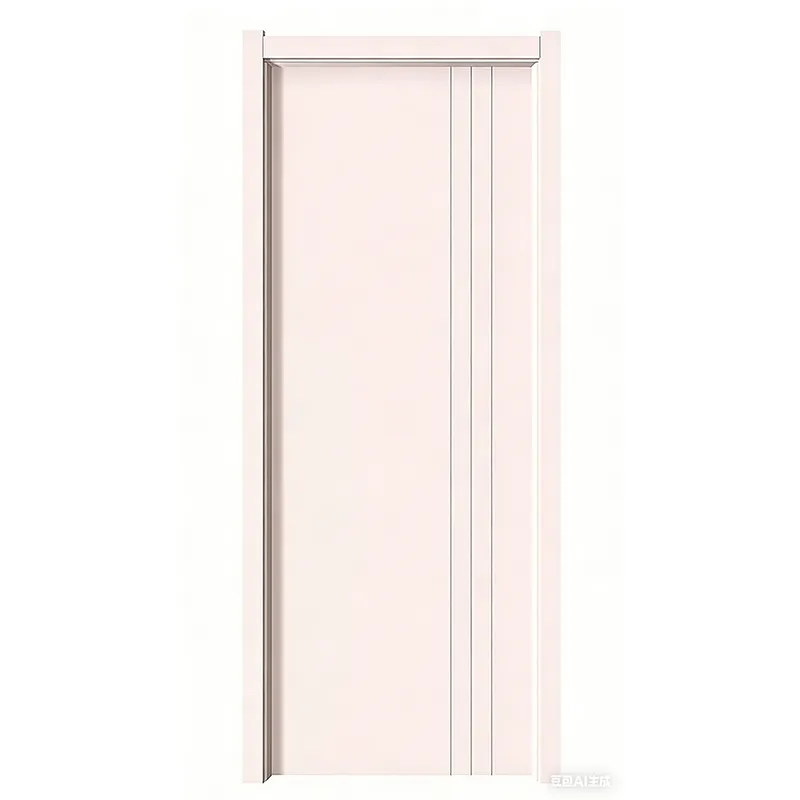 YST-WPC4 Door
 -
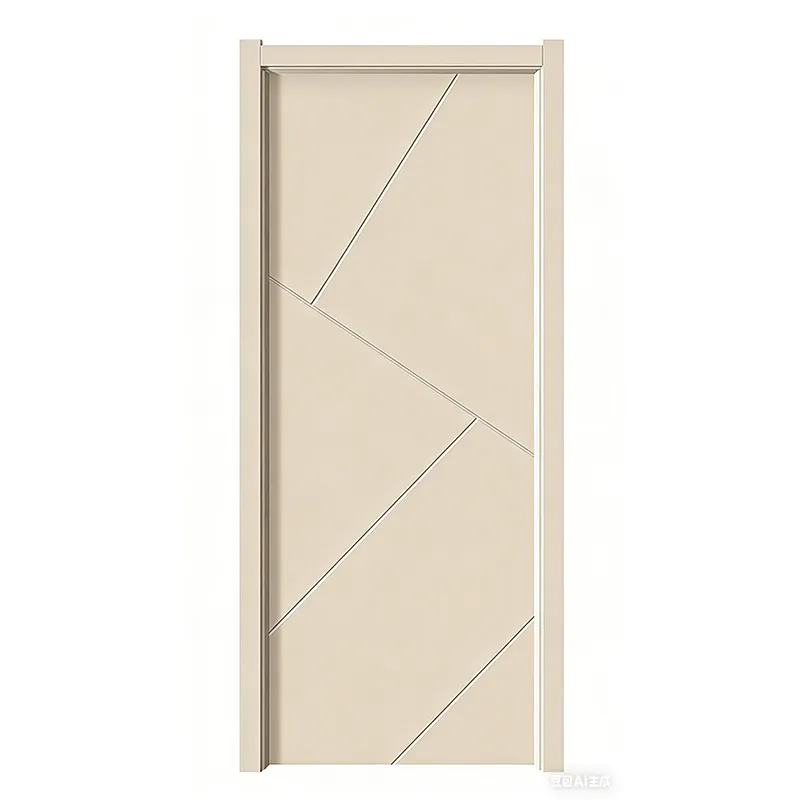 YST-WPC3 Door
 -
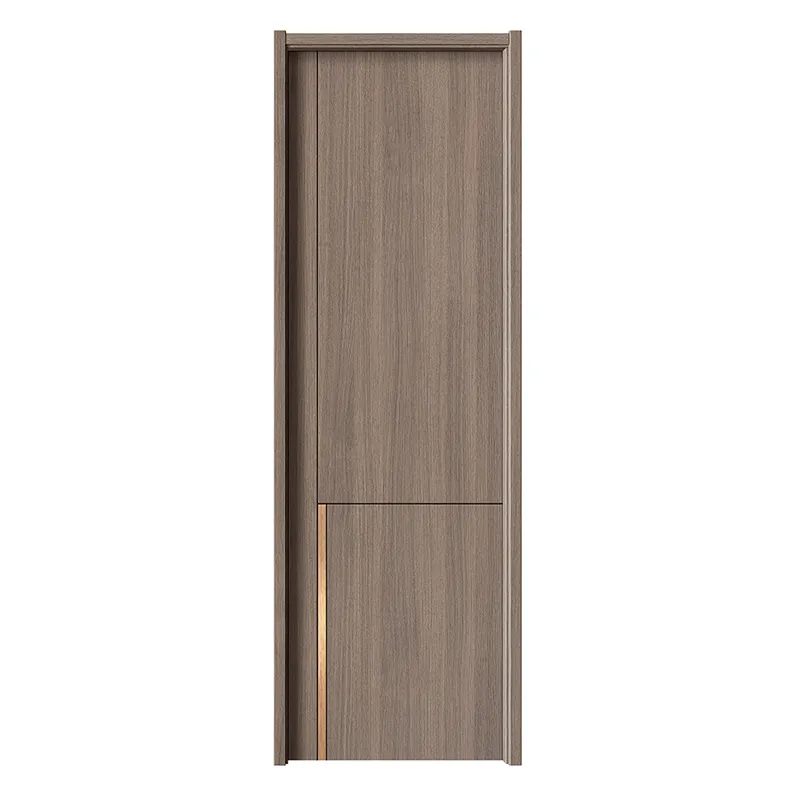 YST-1003 Door Oak gray
 -
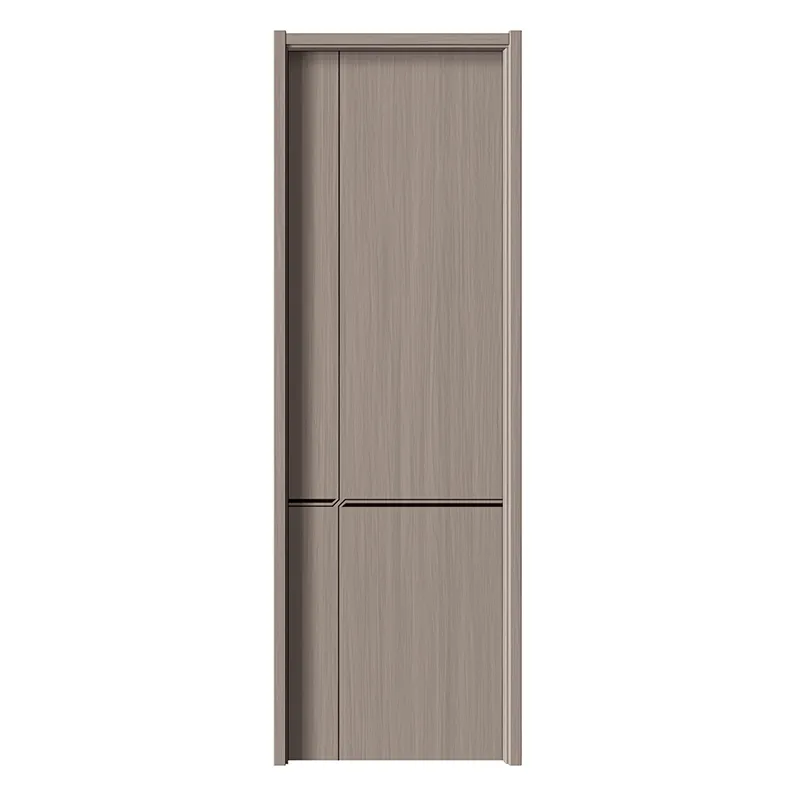 YST-1010 Door Translucent light shadow 3
 -
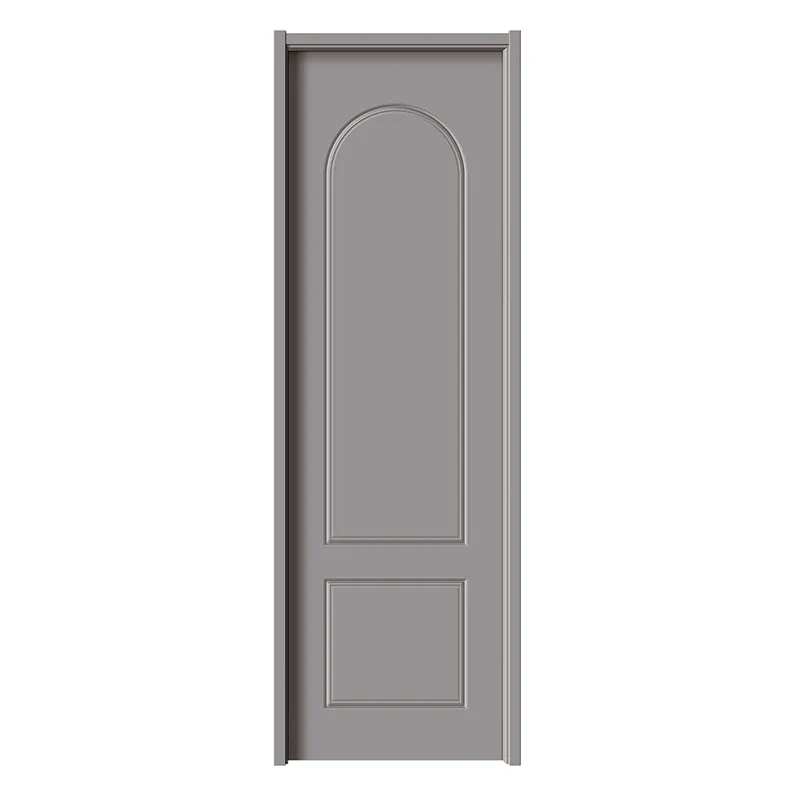 YST-241 French Door 1 soft stone gray
 -
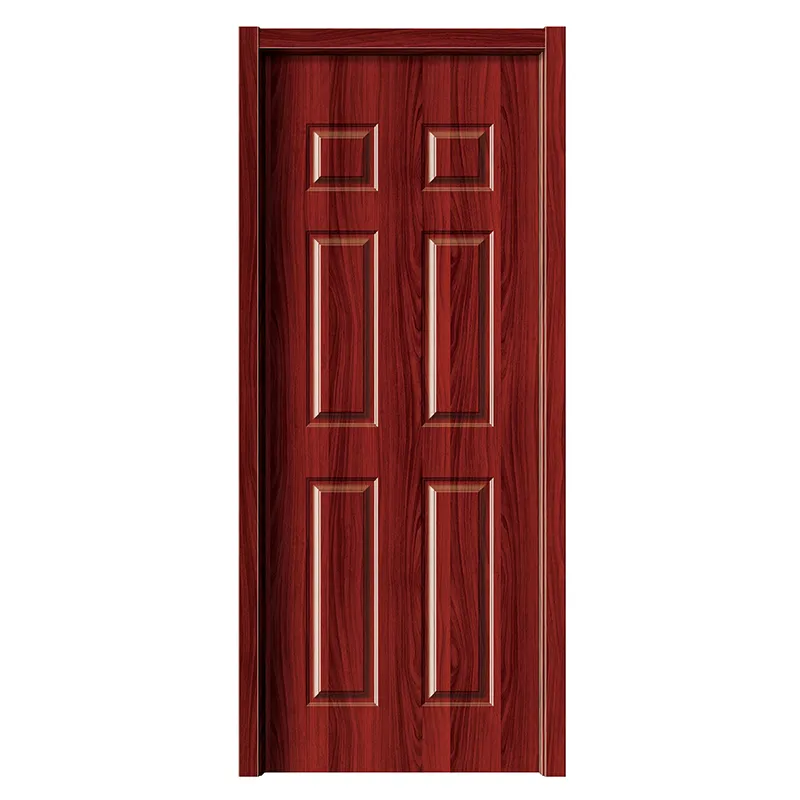 YST-201 Door Red team
 -
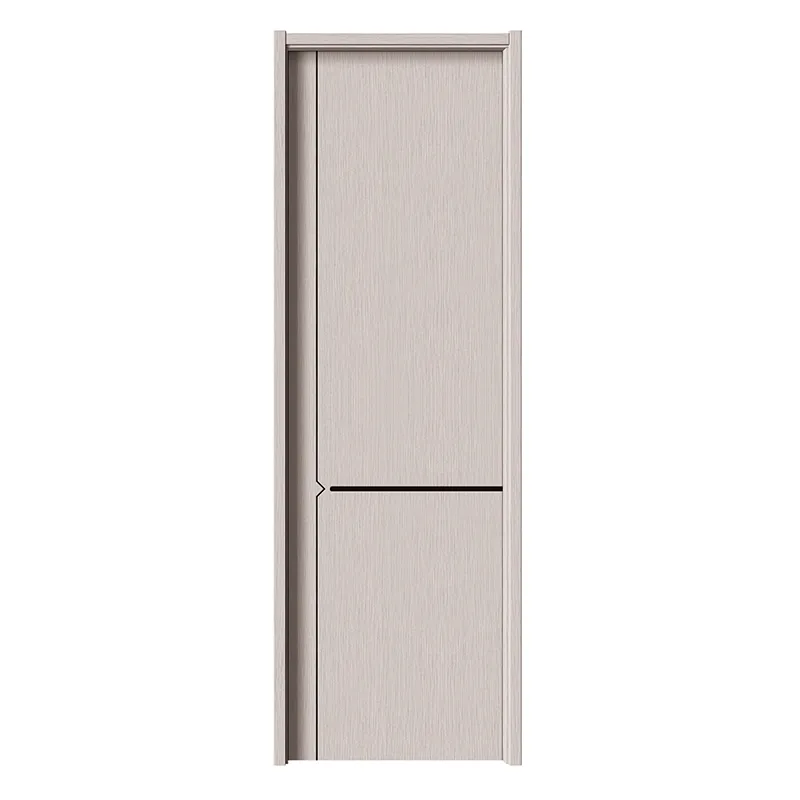 YST-1024 Door Chiaroscuro wood 1