



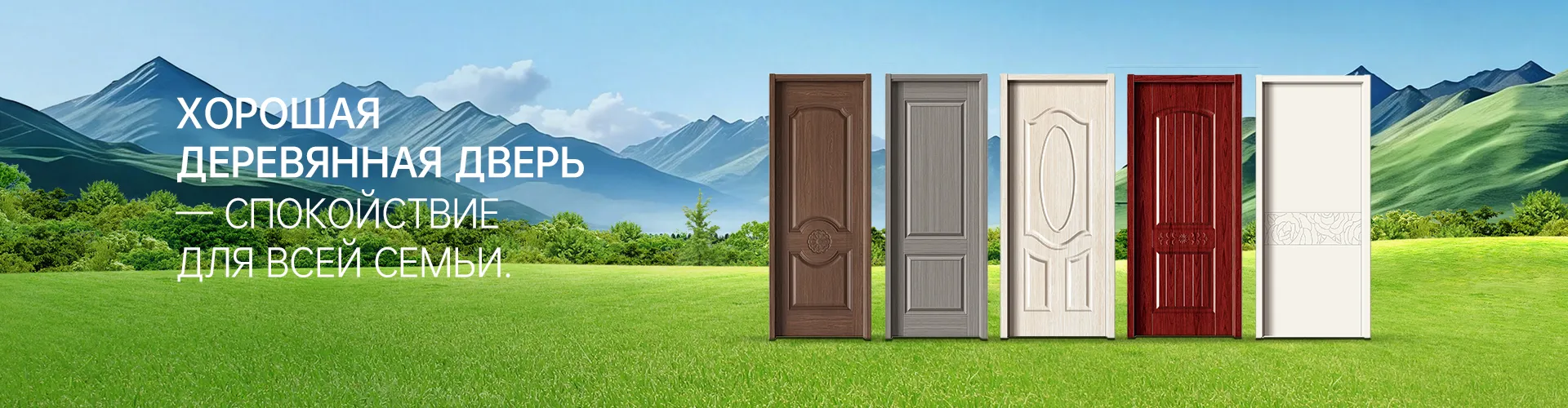
Hidden veneer doors
When they talk abouthidden doors under veneer, many immediately imagine an ideal, absolutely monolithic wall, where the doorway is completely unreadable. This is perhaps the most common and expensive myth. In fact, even the highest quality hidden door is always a compromise between visual cleanliness and mechanical functionality. The goal is not for the door to disappear completely, but for its presence to become a design element rather than an annoying necessity. And here it all comes down to preparation, material and, most importantly, an understanding of the physics of wood and the behavior of veneered surfaces under different conditions.
Veneer is not a panacea, but a tool
The main mistake is to think that it is enough to glue the veneer onto the canvas and the box, and the joint will become invisible. Veneer, especially natural veneer, is a living material. It breathes, reacts to humidity, and its linear expansions may not coincide with the expansions of the base (MDF, solid wood). If the production did not take this coefficient into account, after a season you can get either a gap or swelling at the joint. I have seen projects where customers insisted on thin veneers of valuable species forhidden doorsin the bathroom. The result was predictable - waves and peeling along the edge.
Therefore, the key point is preparing the foundation. It must be perfectly stable. Multi-layer high-density MDF, carefully profiled and sanded, is often used. Some manufacturers, likeAnhui Wantai Woodworking Co.,Ltd, place emphasis on pre-conditioning of workpieces, keeping them in workshops with a given microclimate. This is not marketing, but a necessity. A damp or overdried base under veneer is a guarantee of problems in the future.
And one more thing about glue. PVA is not always suitable for critical work. For hidden structures, where a thin but durable seam is important, cold-curing polyurethane compounds are often used. They provide a certain elasticity to the connection, which compensates for microdeformations. But working with them requires speed and accuracy - the open time of the glue is minimal.
Hinges and hinges: where the devil lies
All the magichidden doors with veneercollapses at two points: the narthex line and the hinges. Making an ideal rebate of 1-2 mm, which will be the same around the entire perimeter, is aerobatics. Often, for this purpose, special milled profiles are used at the end of the canvas and the box, which fit into each other, forming a labyrinthine connection. But even this does not help if the hinges do not allow you to accurately align the canvas in the plane of the wall.
Hidden hinges are a different story. Many people think that the more invisible they are, the better. However, ultra-compact models often suffer from load capacity and, critically, adjustment. Heavy veneered fabric requires powerful hidden hinges with the possibility of three-plane adjustment (vertical, horizontal and clamping). I prefer proven European brands, but some responsible Asian manufacturers now have worthy analogues. The hinges must be installed with pinpoint precision even before gluing the veneer, otherwise it is almost impossible to adjust their position later without damaging the coating.
I had a case at a site where builders installed a box with a vertical deviation. When we hung the veneer sheet, the gap at the top was 4 mm and at the bottom - 1 mm. I had to remove the decorative overlay profile (which masked the joint), dismantle the canvas, reinstall the hinge cups and re-glue the veneer on the box section. An extra week of work. Moral: the geometry of the opening is sacred.
Dyeing and finishing practice
After the veneer is glued, a stage begins that many people underestimate - finishing. If the door is painted the same color as the wall (and this often happens for complete fusion), then you need to paint the canvas, the frame and the adjacent section of the wall in one chamber, at the same time, with one batch of material. Any discrepancy in tone or texture will immediately reveal the opening line. Matte paints and silk-effect paints are more forgiving in this regard than glossy ones.
If we want to preserve the texture of natural veneer, but achieve a single tone with the wall (for example, wall panels made of the same type of wood), then working with stains and varnishes becomes a jewel. Wood on the wall and on the door, even from the same batch, can absorb the composition differently. We need to paint and test. Sometimes you have to apply several layers of different densities to match the shade. This is handmade, almost artistic work.
Here you can see the difference between mass and premium production. A company that positions itself on the international market asAnhui Wantai Woodworking Co.,Ltd(https://www.anhuiwantai.ru), in its concept “build a business on precision, win with quality?” must have in its arsenal not only modern lines, but also a manual finishing and tinting workshop for such complex orders. Without this, talk about real oneshidden doors under veneerhigh-end difficult.
When a hidden door is not the best choice
Paradoxically, sometimes you need to dissuade the client from this idea. For example, in old houses with noticeable distortions of openings or active shrinkage. The hidden structure is very sensitive to movement. She may begin to rub, the gap may “walk?” depending on the season. In such cases, it is more honest to offer a good-quality paneled door with platbands or, at worst, a hidden door with a decorative layout that visually masks possible imperfections in the geometry.
Another risky case is commercial premises with high traffic. Constant pops, shocks, changes in humidity from air conditioners - all this is a test for thin joints and veneer coverings. Such conditions require especially durable materials and reinforced fittings, which negate savings and sometimes aesthetics.
Therefore, the first question to the client should not be “what kind of veneer do you want?”, but “in what room, with what load and in what microclimate will this door be installed?” Everything depends on the answer: from the choice of base and glue to the type of hinges and finishing coating.
A look into the future: technologies and materials
Interesting alternatives are now appearing on the market. For example, ultra-thin magnetic seals, which make the rebate almost invisible and at the same time provide good sound insulation. Or composite materials based on wood fiber with stabilizing additives - they behave more predictably than solid wood.
Digital production has great potential. Laser scanning of the opening, design and milling of the frame and door leaf with an accuracy of fractions of a millimeter is no longer science fiction. This allows us to minimize the human factor at the critical stage of preparation. I think this will become the standard for the premium segment in the coming years.
But no matter what technology we use, the essencehidden doors with veneerremains the same: it is not just a product, but a comprehensive engineering and design solution. Success depends on the coordinated work of the designer, technologist and installer. And from the understanding that we are creating not just an opening, but an illusion that must be technically flawless. This is exactly the area where the approach stated at https://www.anhuiwantai.ru - strict adherence to standards at all stages - is not a wish, but a prerequisite.
Correspondingproducts
Related Products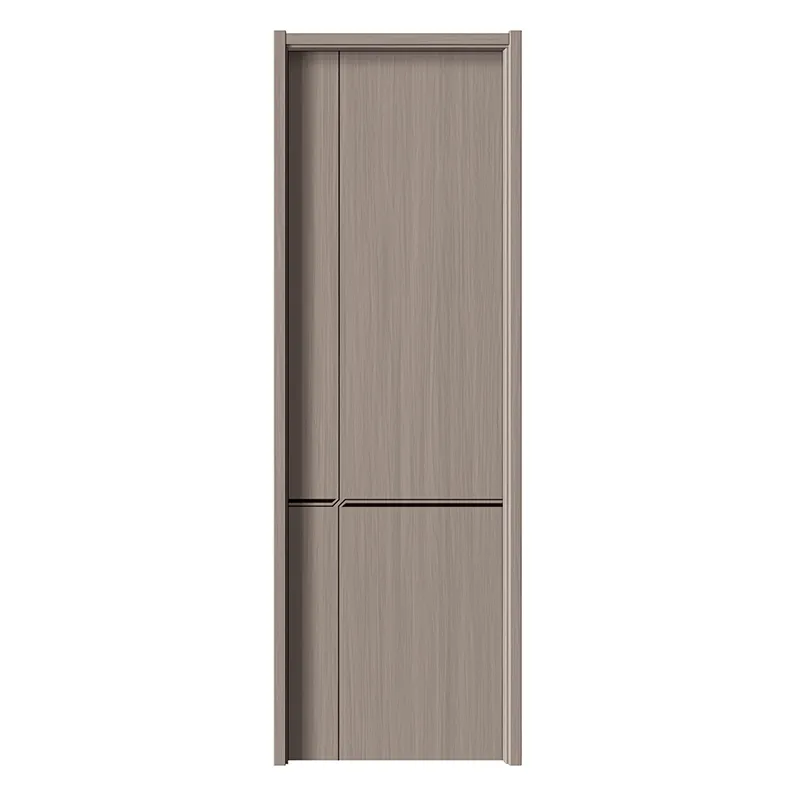
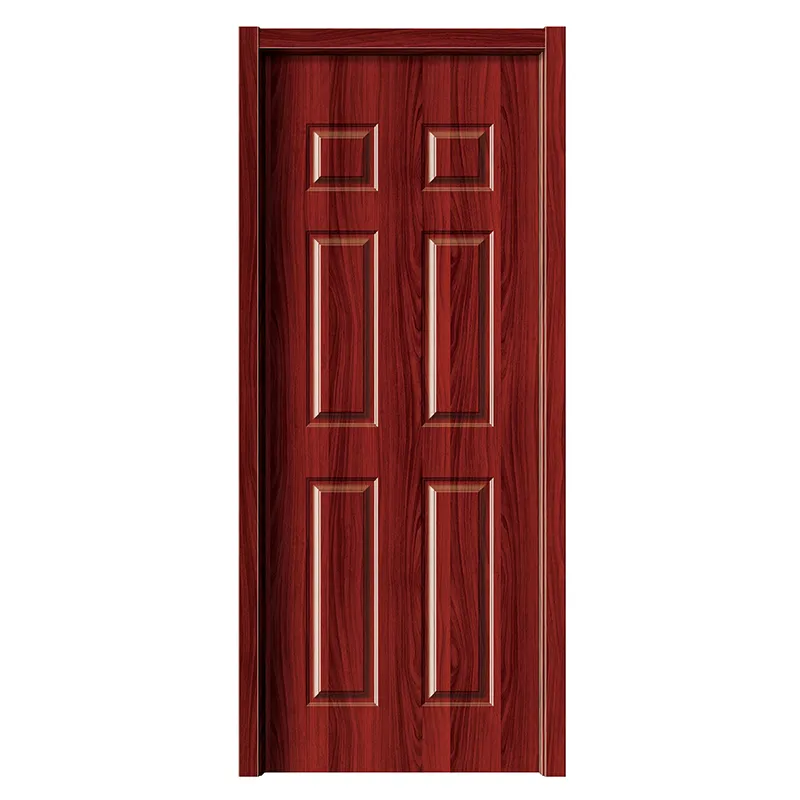
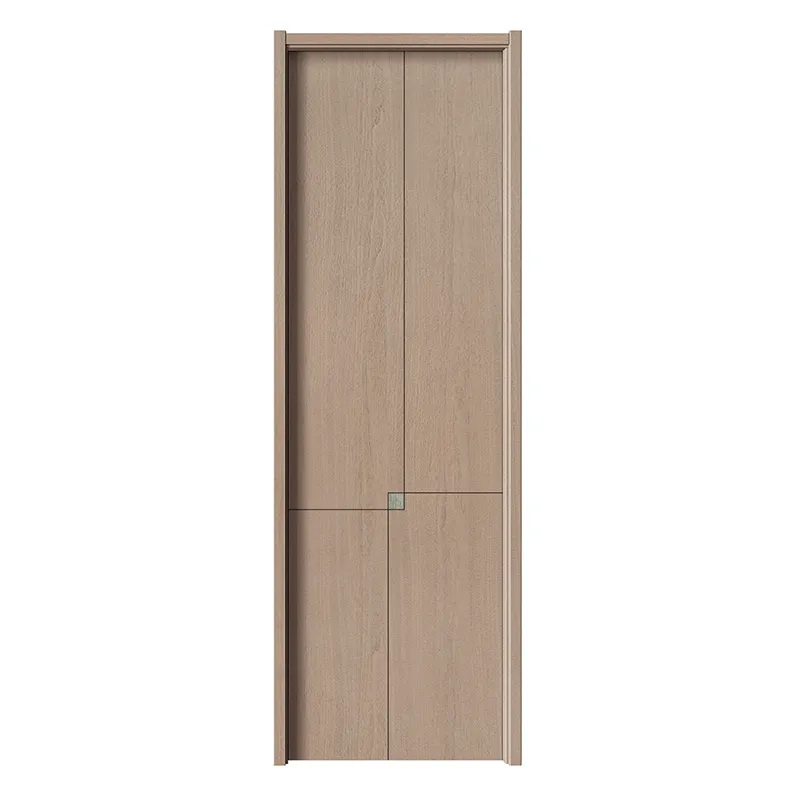
Best Sellingproducts
Best Selling Products-
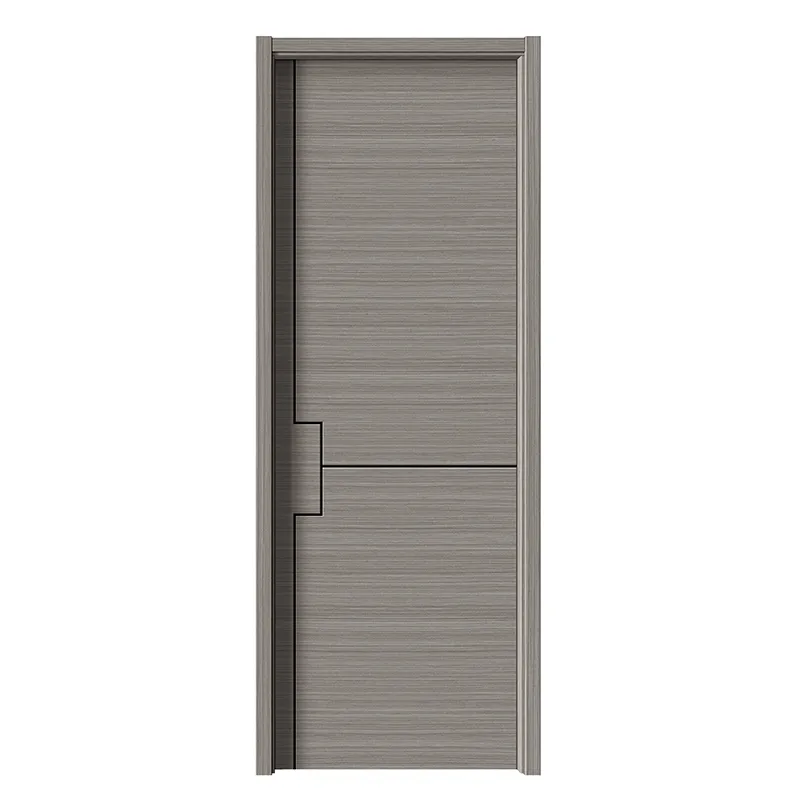 YST-1005 Technotree Door 2
 -
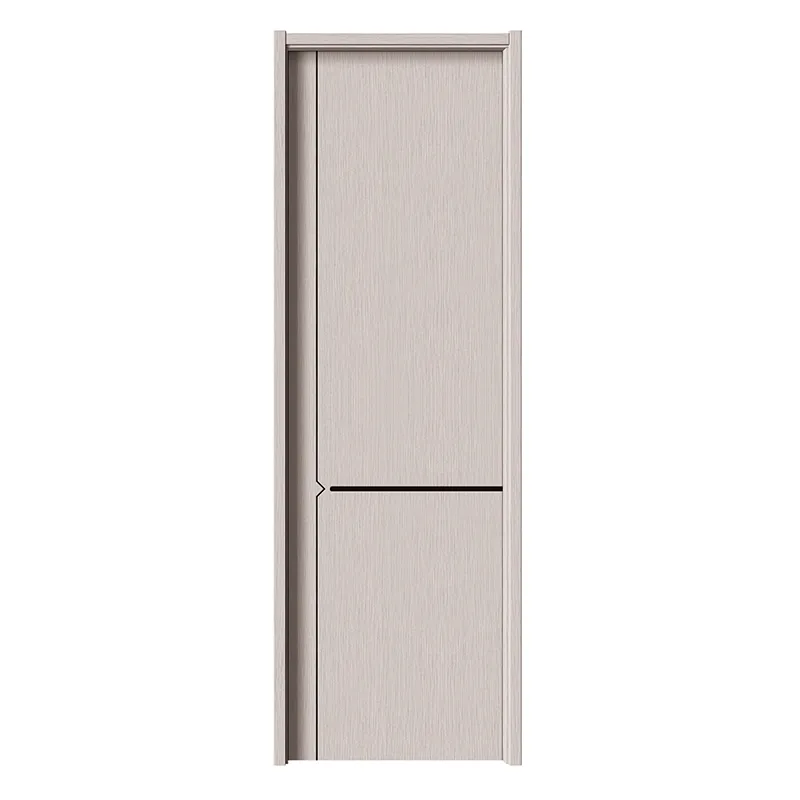 YST-1024 Door Chiaroscuro wood 1
 -
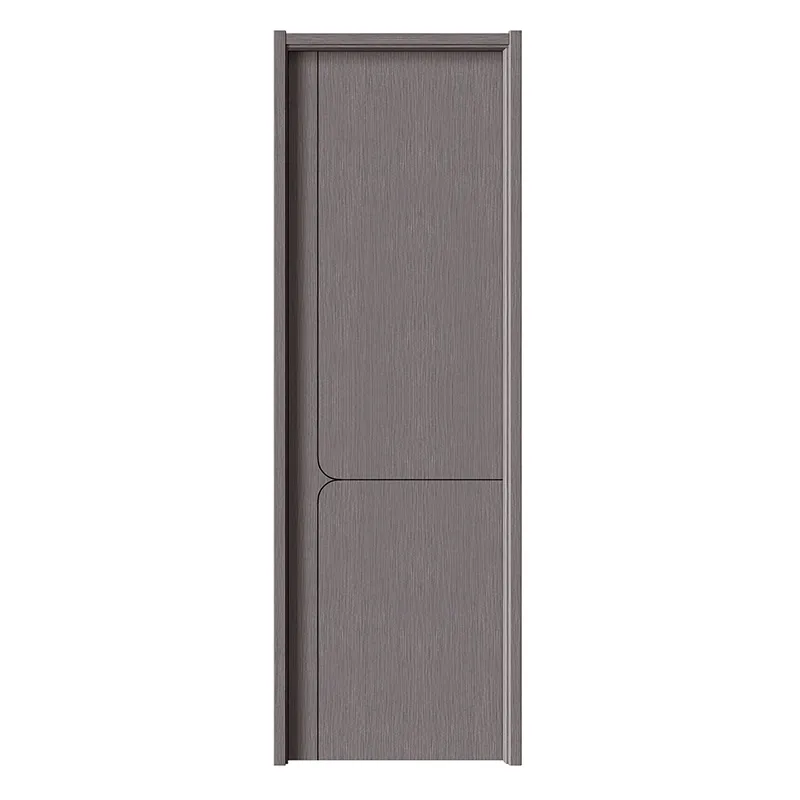 YST-1001 Door Chiaroscuro tree 2
 -
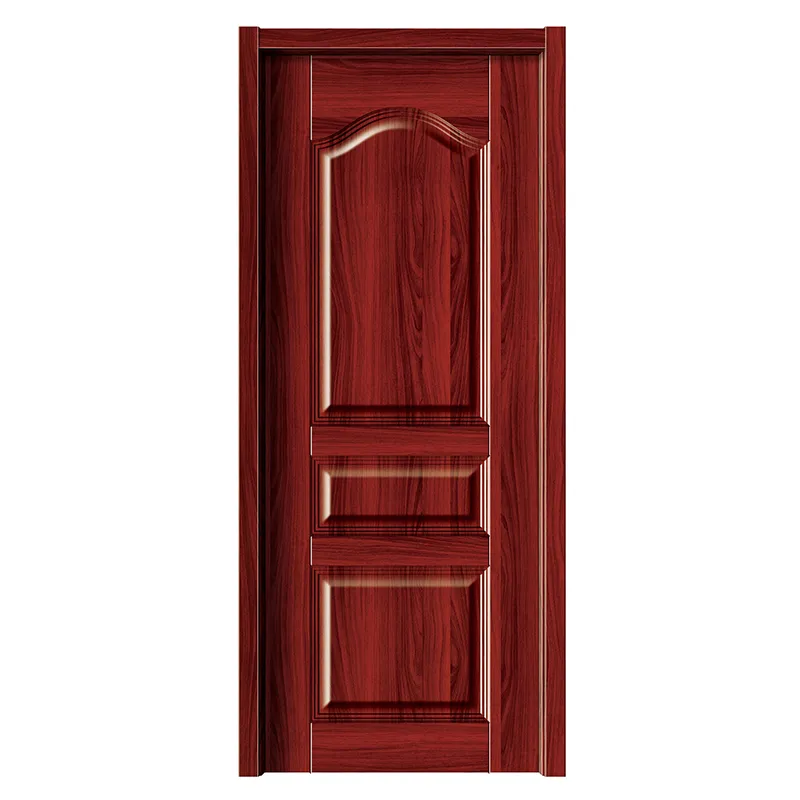 YST-203 Door Red team
 -
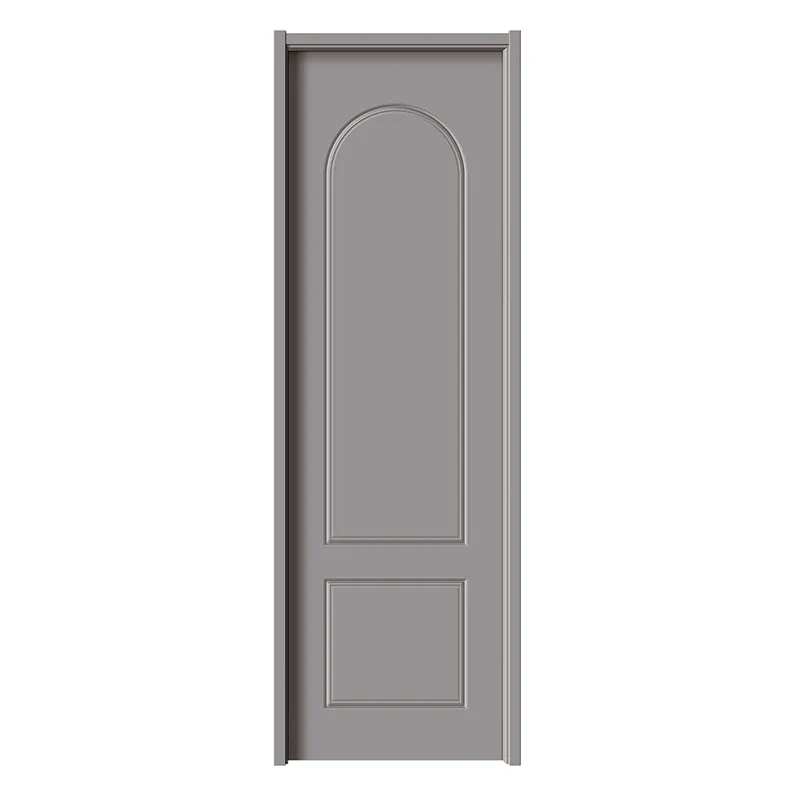 YST-241 French Door 1 soft stone gray
 -
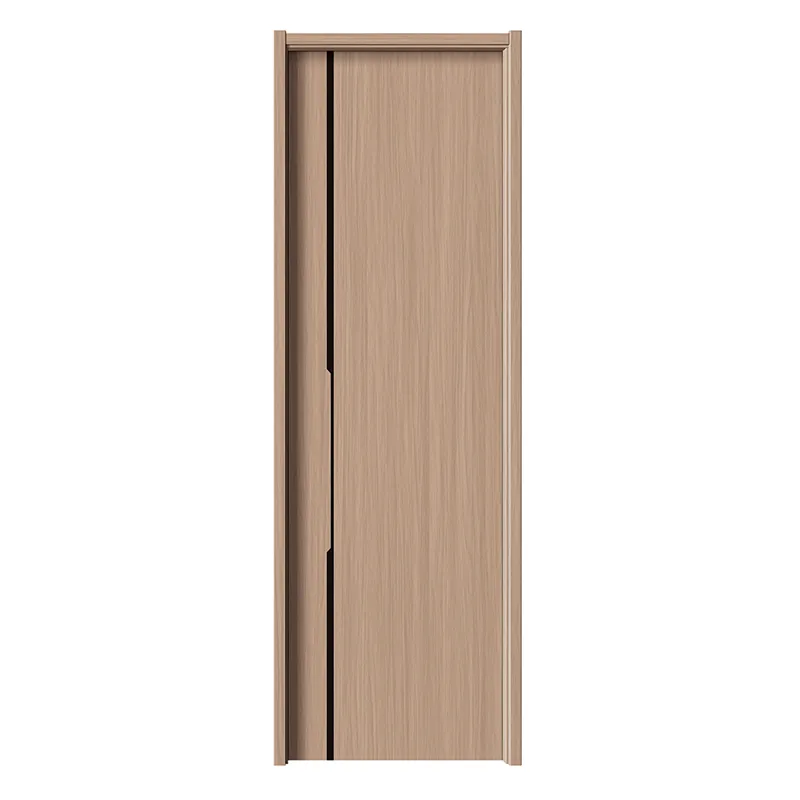 YST-1029 Door Translucent light shade 1
 -
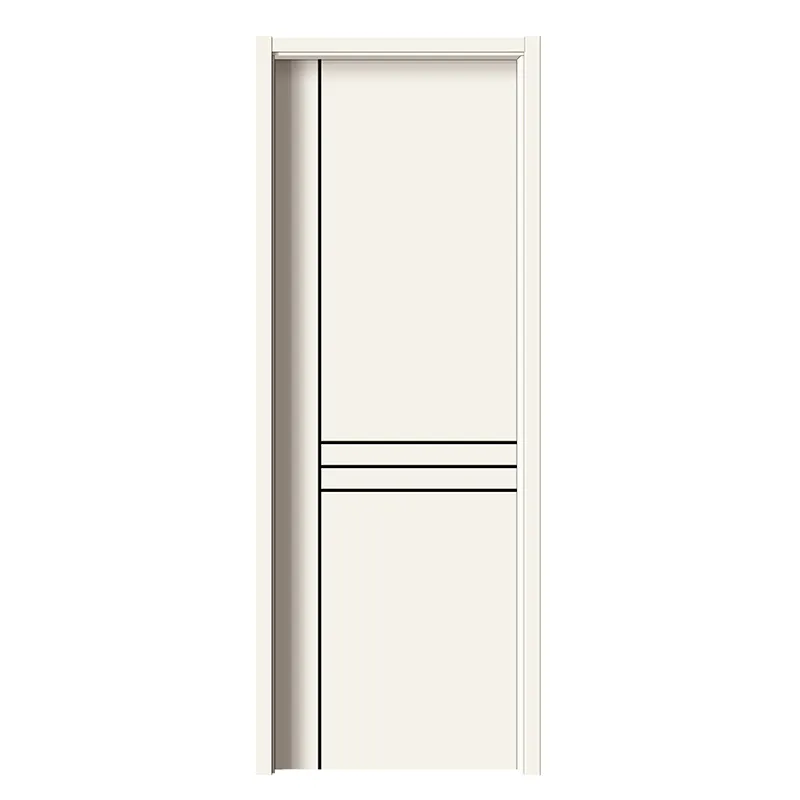 YST-220 Door Warm white
 -
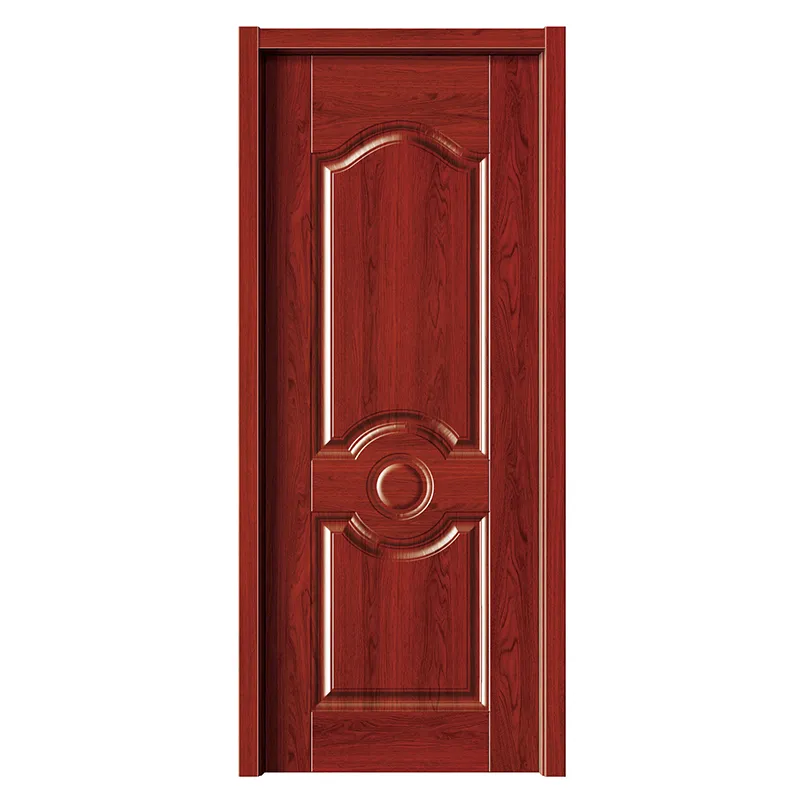 YST-208 Door Red Sandalwood
 -
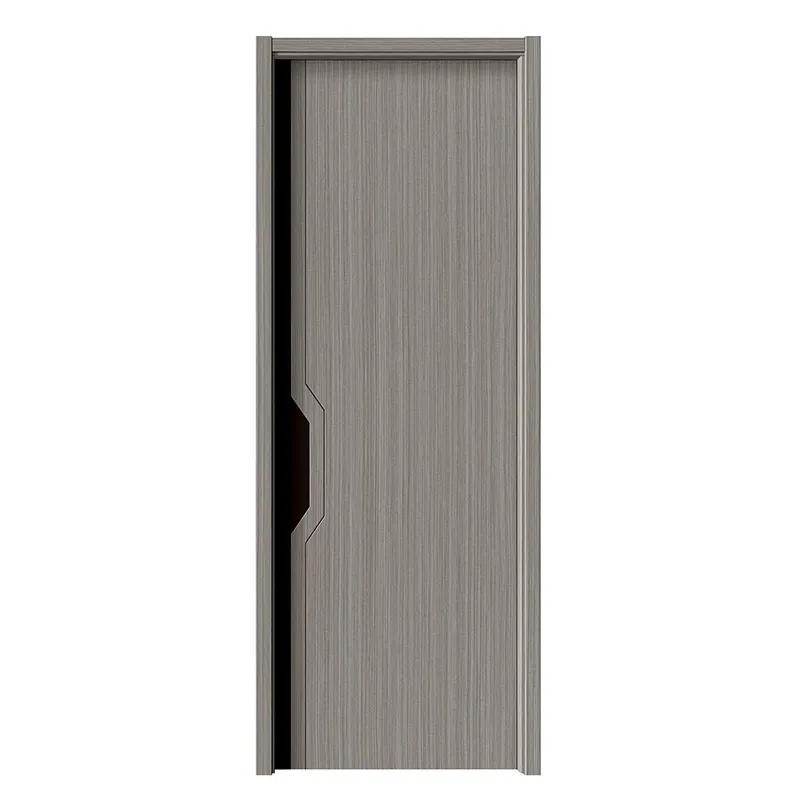 YST-1007 Technotree Door 2
 -
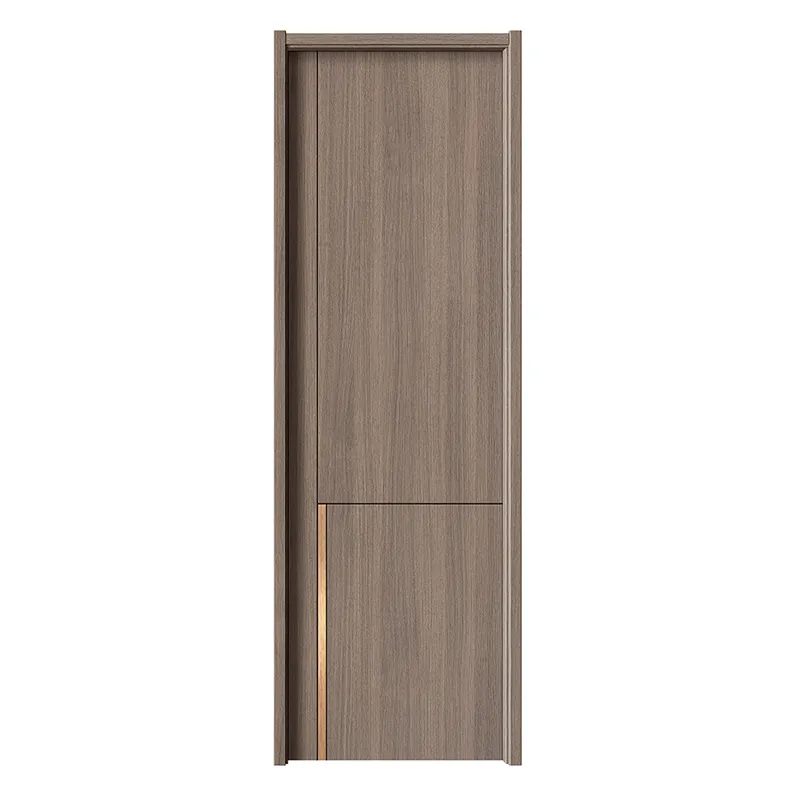 YST-1003 Door Oak gray
 -
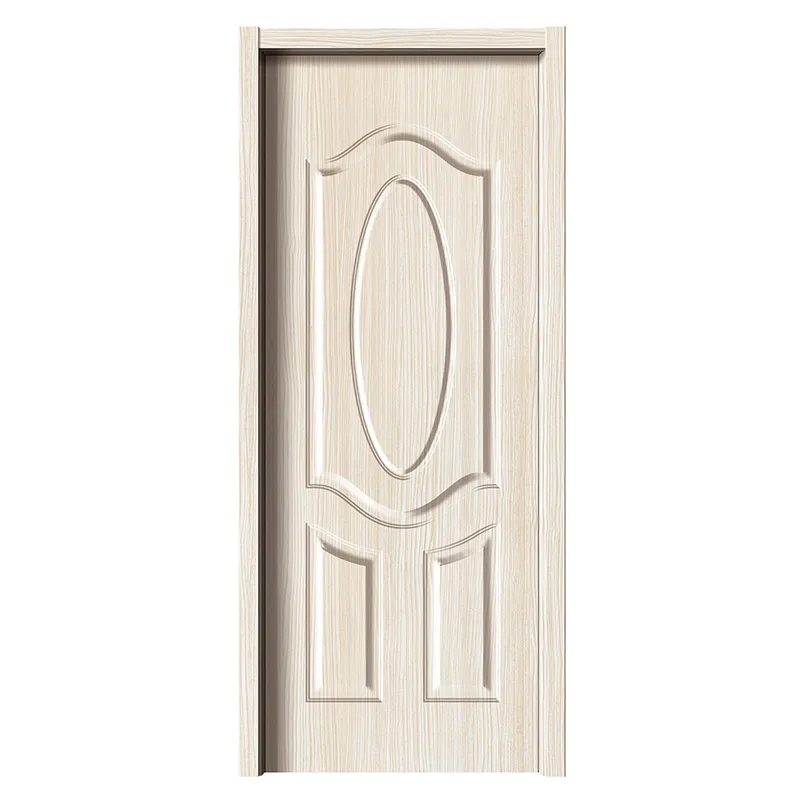 YST-216 Door White Maple
 -
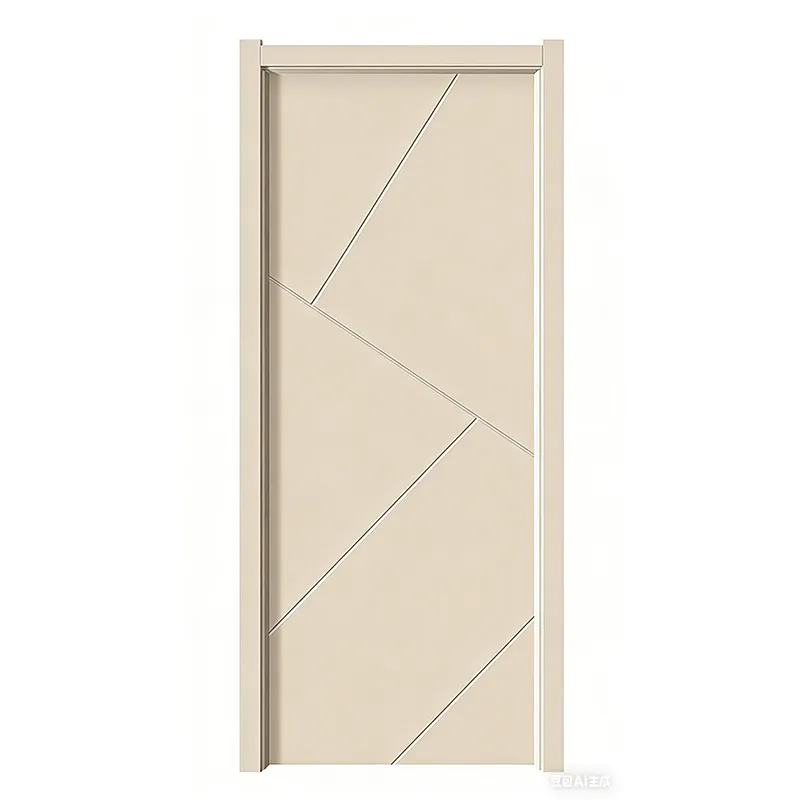 YST-WPC3 Door