




Wooden door
When you hear “wooden door,” many people imagine just a rectangular solid wood panel. In fact, this is a whole system where aesthetics, physics of materials, mechanics and even the climatology of the room converge. The main mistake of customers, and even some colleagues in the workshop, is to chase the thickness of the array, thinking that this is synonymous with quality. Thickness is important, but much more important are the species, the cut, the seasonality of the workpiece, the design of the canvas and the box, and, of course, the fittings. That’s what we’ll talk about, with examples and an eye on our own mistakes.
Solid vs engineered board: the eternal debate
I'll start with the base. Classic -wooden doormade of solid oak, ash, walnut. Beautiful, high-status, “breathes”. But there are more pitfalls here. An array is a living material. If the wood has not been dried to equilibrium moisture content (6-8% for our latitudes), the door will open. Not right away, but after six months. I have seen expensive copies that then did not close due to swelling in the lower part. And this is not a manufacturer’s defect; it is often a consequence of improper installation or the microclimate in the room. A bathroom with poor exhaust hood is a killer for an array.
Therefore, for many properties, especially those with unstable heating or high humidity, I am increasingly leaning towards engineered wood doors. Frame made of coniferous trees, veneered with valuable species. The geometry is more stable, the weight is less, and the appearance is almost indistinguishable. But there is a nuance here: the quality of the glue and the veneer itself. Cheap veneer, glued in “layers”, can give “lightning” over time. - small cracks. You need to look at brands that work with proven materials. For example, the companyAnhui Wantai Woodworking Co.,LtdThe range includes lines both made from solid wood and using engineered structures. From their catalog it is clear that the approach to veneer selection is serious - the pattern is selected so that the canvas looks solid, and not type-set.
And here's another thing. The end is often forgotten. High qualitywooden doorshould have a processed, or better yet, end coated with the same varnish as the front part. This is not only aesthetics, but also protection against moisture penetration into the canvas. A small thing, but critical.
Fabric design: what the panel hides
Paneled doors are not just “pretty panels”. This is, first of all, competent compensation of stresses in wood. The panel, especially if it is made of solid wood, inserted into the frame, has freedom for slight movement. In winter, when the air is dry, it can “dry out” a little, forming a technological gap that will close in the spring. This is fine. The problem begins when the panel is firmly seated on glue or pulled together with glazing beads without a gap. The result is cracks or bulging.
While working with different suppliers, I paid attention to a detail: for conscientious manufacturers, the specifications for a paneled door always indicate the type of panel fastening (floating, rigid) and the recommended climate mode. This speaks volumes of engineering. On the websiteanhuiwantai.ruIn product descriptions, such technical nuances are often revealed, which is valuable information for the final foreman or architect. There is no need to guess whether the door is suitable for a country house with periodic heating.
Modern trends are also combinations. Glass panel in a wooden frame, for example. The point of attention here is the method of sealing the glass. The rubber seal must be of high quality, otherwise in winter there will be drafts and ringing. It is easy to check - when the door is closed, the sheet of paper in the place of the ledge near the glass should be held tightly.
Fittings: what holds everything together
You can install a door from the best oak, but skimp on hinges and a lock - and all the magic will collapse. Loops for heavywooden door- this is a separate topic. Ball bearings, at least three loops per blade with a height of 2 meters, correct penetration into the end. A common mistake installers make is incorrect calculation of the load. The upper loop works for tearing, the lower loop for compression. If the hinges are weak or there are few of them, over time the door will sag and cling to the floor.
Locks and handles. For wood, the weight of the handle is critical. A metal handle that is too heavy on a thin blade can loosen the seat over time. I recommend paying attention to models that have a reinforced mounting plate inside the canvas. As for locks, I prefer lever mechanisms for wooden doors in residential areas. They tend to have a more massive body that distributes the load better during frequent use than some cylinder mechanisms.
And one more thing - the closer. It is often included as an option. But for commercial premises or wide passages in the house, this is a must have. It doesn’t just close the door smoothly, it relieves the shock load from the hinges and frame, significantly extending the life of the entire structure. When choosing, you need to look at the closing force and correlate it with the weight of the blade.
Finish and protection: varnish, oil or wax?
There are a huge number of myths here. “The varnish clogs the wood, it doesn’t breathe?” - heard more than once. In fact, modern varnishes for interior doors have a microporous structure. They protect against moisture and dirt, but do not create an absolute barrier to vapor exchange. Another thing is oil. It penetrates deeper, emphasizes the texture, but requires regular updating (every few years, depending on the intensity of use). For rooms with high traffic or risk of contamination (kitchen, hallway), varnish is still more practical.
The most important stage is surface preparation before finishing coating. Sanding in several stages with different grain sizes of sandpaper. Impregnation with an antiseptic primer (even for interior doors, this is protection against blue stains and bugs). If you skip this stage, a dark spot may appear under the beautiful varnish in a couple of years.
In the context of industrial production, which declaresAnhui Wantai Woodworking Co.,LtdIn its philosophy of “building a business on precision, winning with quality”, it is precisely these stages of grinding and multi-layer coating that must be included in a separate strict control protocol. Because this is where the tactile sensation of quality is born - when you move your hand and feel the smooth, uniform surface of the wood, and not waves and “tears”. from rough grinding.
Editing: Where Theory Meets the Real Wall
The most ideal door can be ruined by crooked installation. An ideal opening, smooth walls - this is something out of fairy tales. Most often we are dealing with a distortion of several centimeters. The good old way is to assemble the box on site with precise fitting in place. But now more and more ready-made door blocks are coming. Their advantage is the factory precision of the mating of the canvas and the box. But their disadvantage is that they require an almost ideal opening.
Therefore, the algorithm is as follows: first we prepare the opening, level it, strengthen it. Then we install the block. We foam the gaps, but without fanaticism. Polyurethane foam, expanding, can easily move the box. I use wedges and spacers and leave them until the foam dries completely. And I never skimp on anchoring the box to the wall. For a heavy wooden door, this is the basics.
And the final touch is the installation of platbands. It would seem nonsense. But if the wall is uneven, there will be a gap between the casing and the wall. It can be puttied, but over time the putty may crack. A more elegant solution is to use platbands with telescopic fastenings or flexible platbands. They are more expensive, but the result is worth it, especially in modern minimalist interiors, where every millimeter of joint is visible.
Instead of a conclusion: thinking out loud
So what is goodwooden door? This is not a catalog item with a pretty picture. This is a combination of hundreds of decisions: from the choice of the logger to the last screw in the loop. This is a balance between the customer’s desire, budget, operating conditions and technical capabilities.
Now there is a market, including an international one, which is the target market for companies likeAnhui Wantai Woodworking Co.,Ltd, full of offers. The winner is the one who does not just sell “wooden doors,” but offers a comprehensive understanding of the product: its weak points, its compatibility with different tasks, its actual behavior in the interior over the years. When the manufacturer talks not only about the design and type of wood, but also about the coefficient of linear expansion, the wear resistance class of the varnish and the method of attaching the panel, you can already deal with him. Because behind this are not marketing texts, but real engineering and practical experience, which is most valuable in our business.
Correspondingproducts
Related Products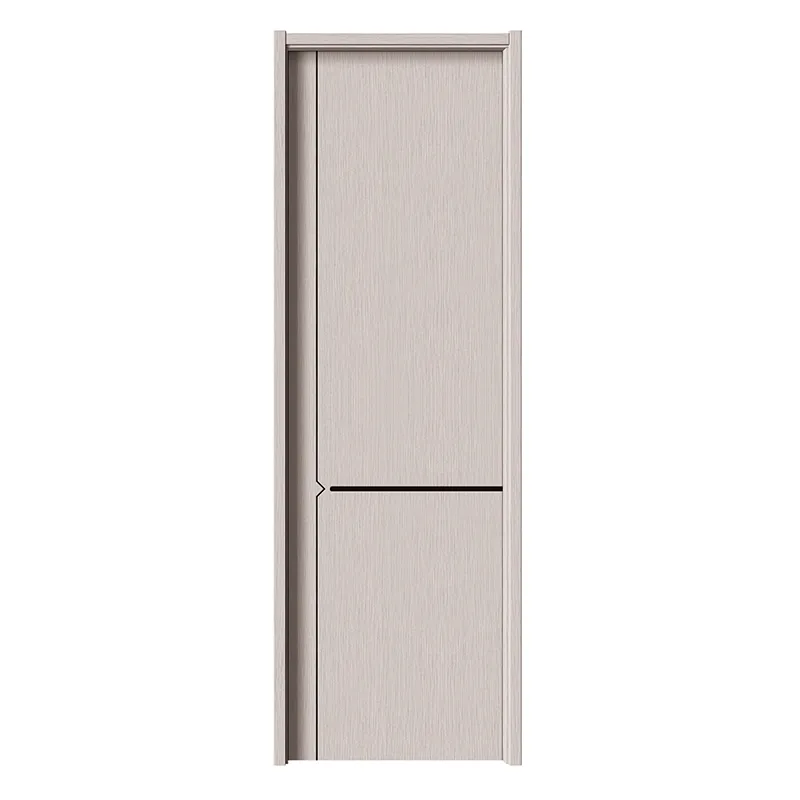
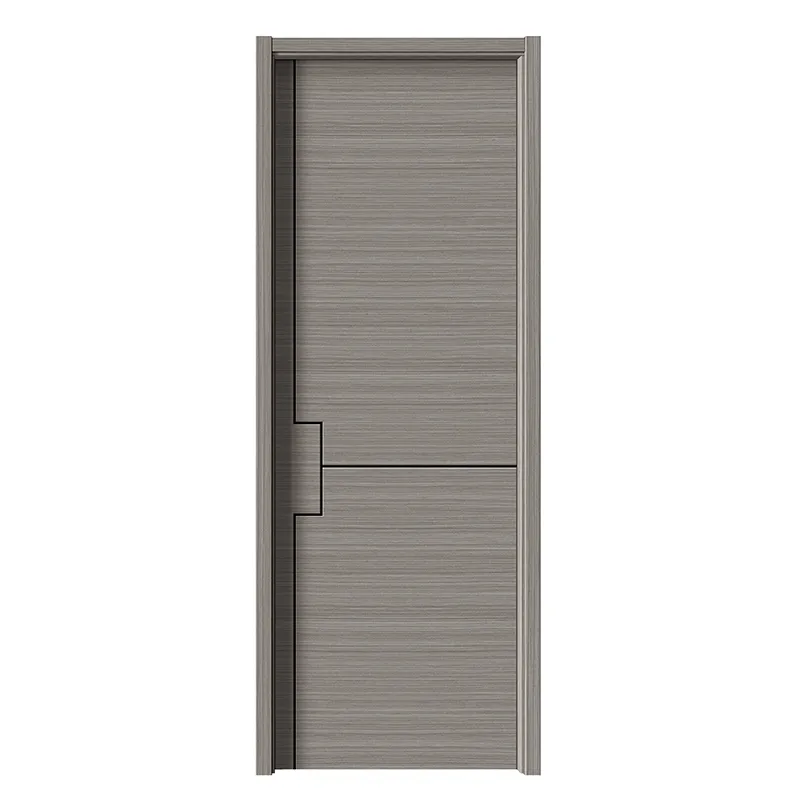
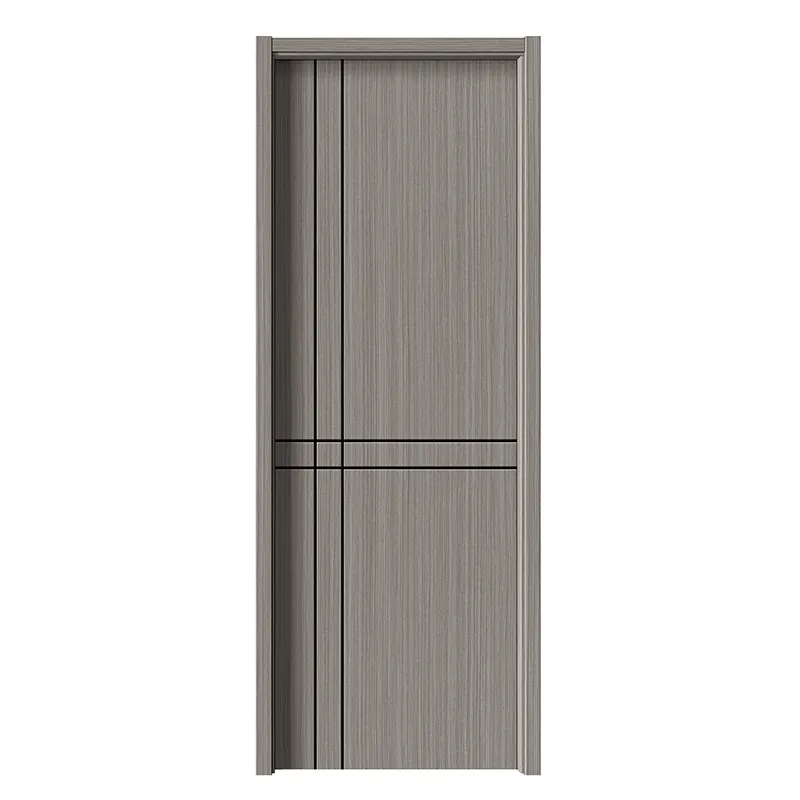
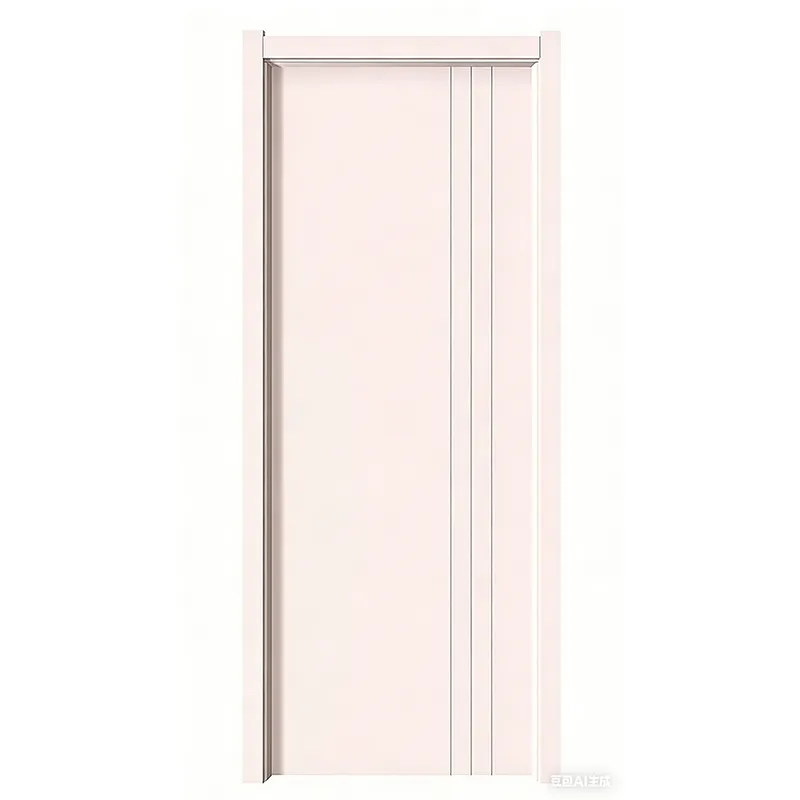
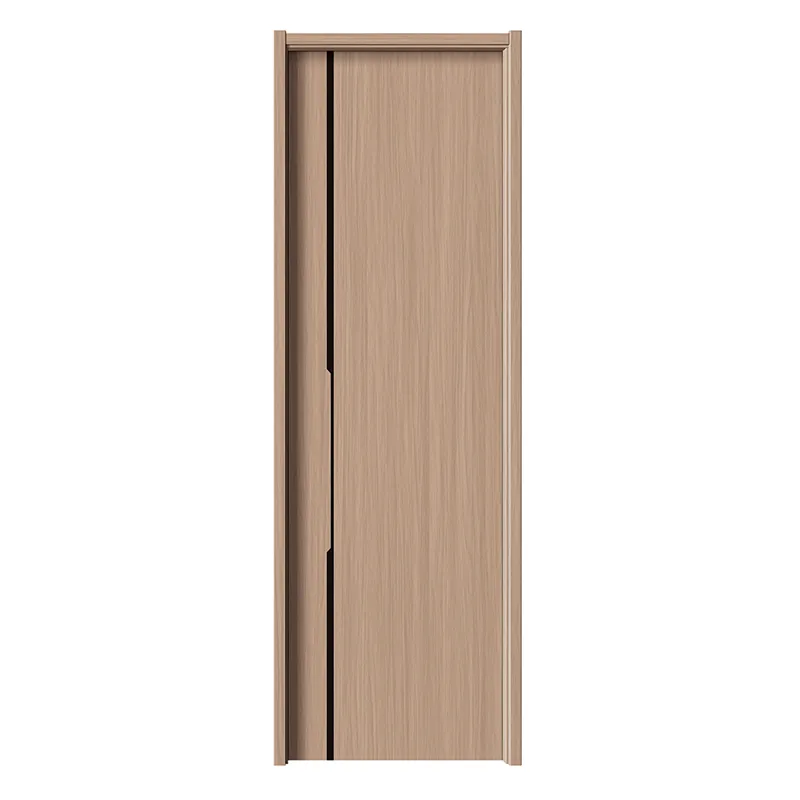
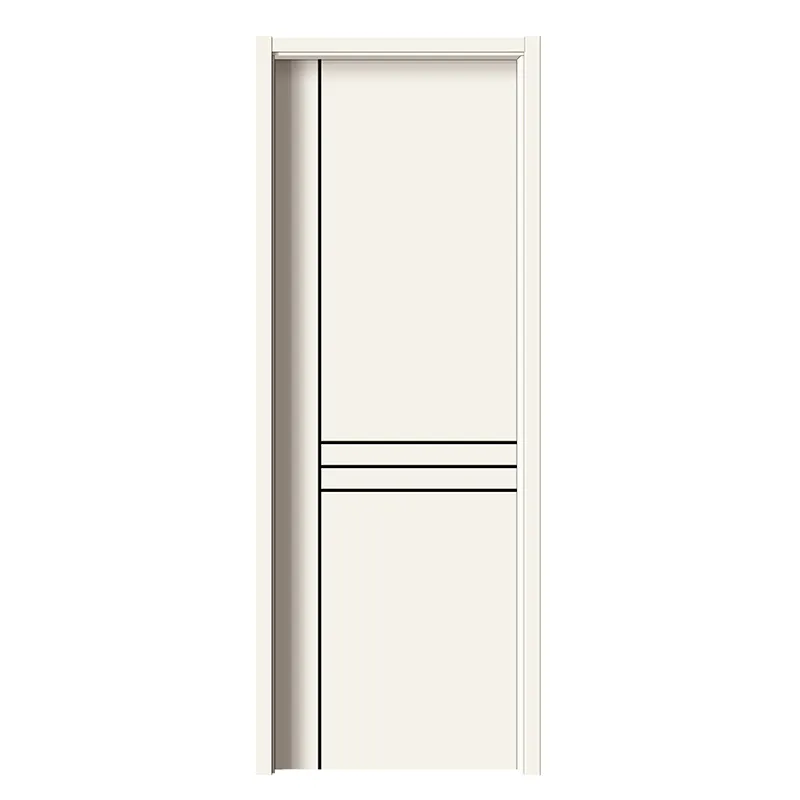

Best Sellingproducts
Best Selling Products-
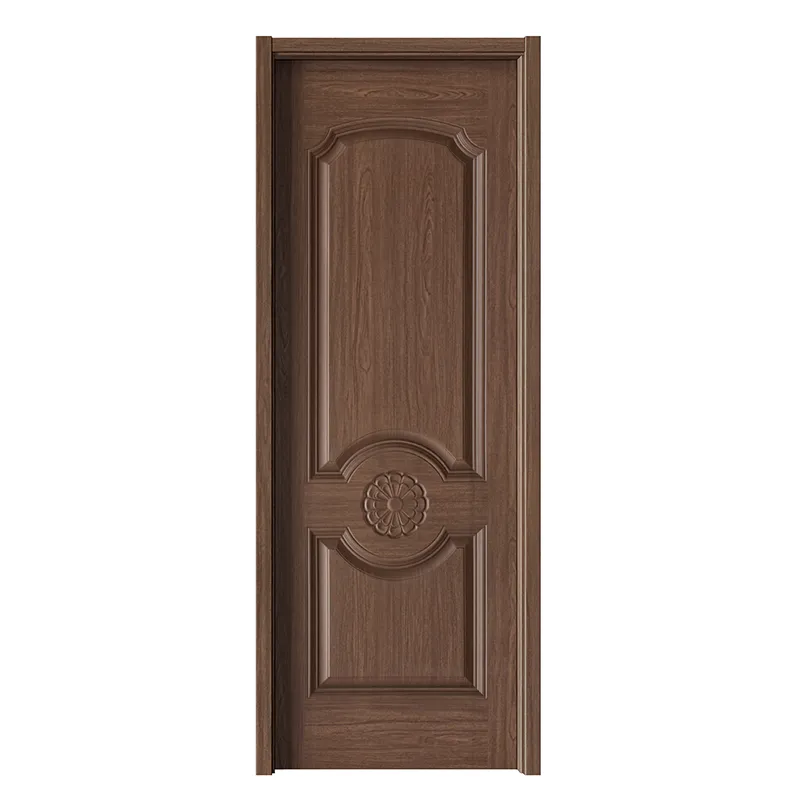 YST-212 Door North American Oak 2
 -
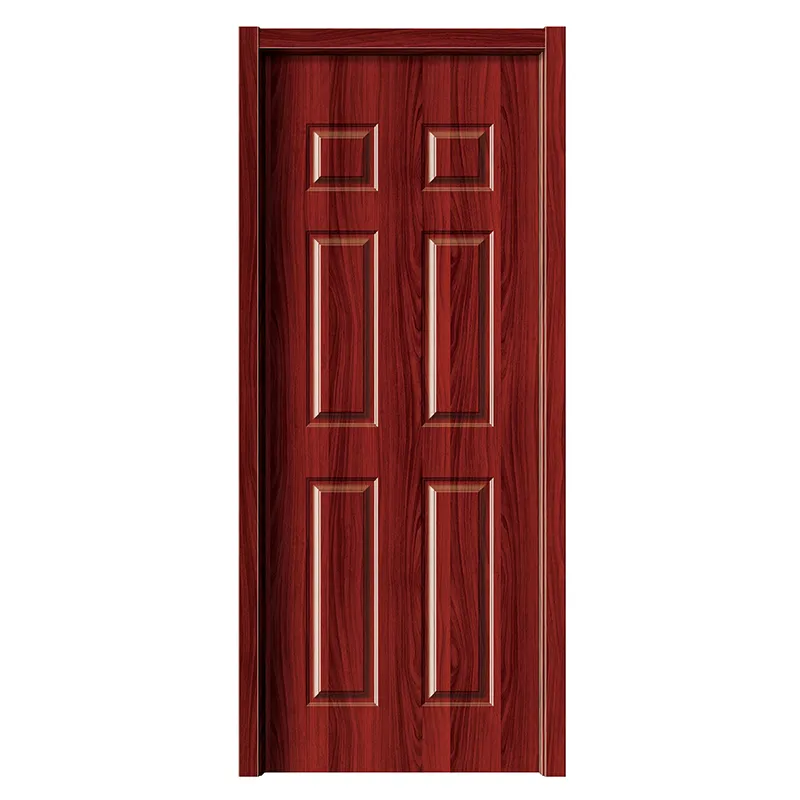 YST-201 Door Red team
 -
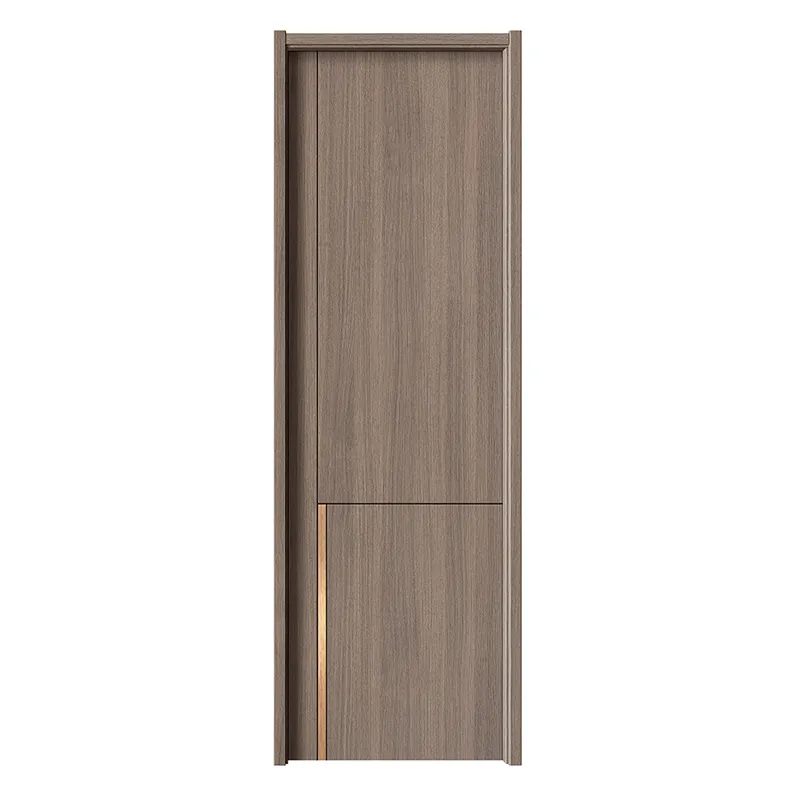 YST-1003 Door Oak gray
 -
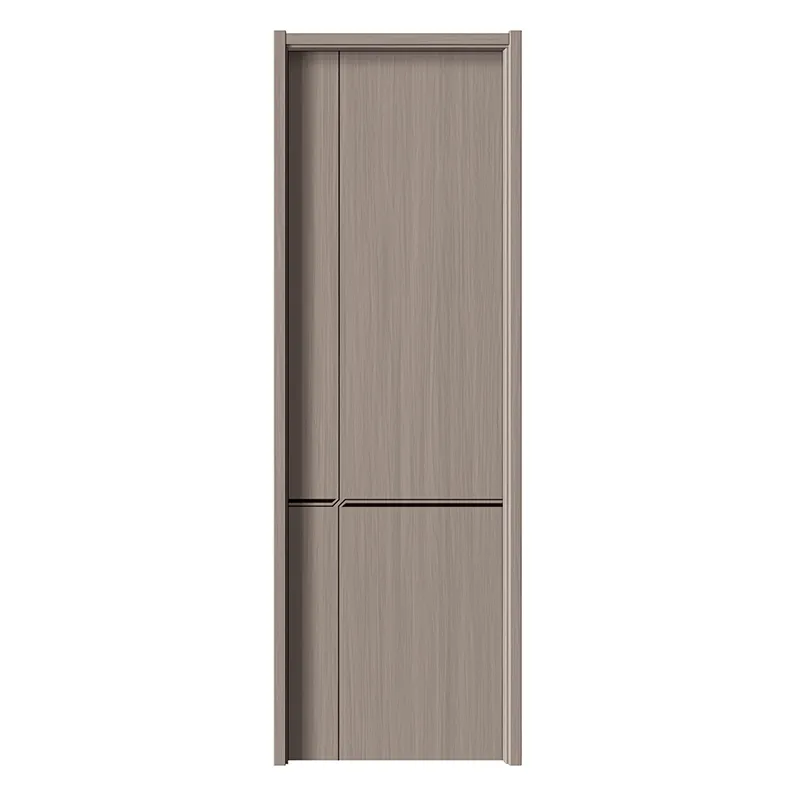 YST-1010 Door Translucent light shadow 3
 -
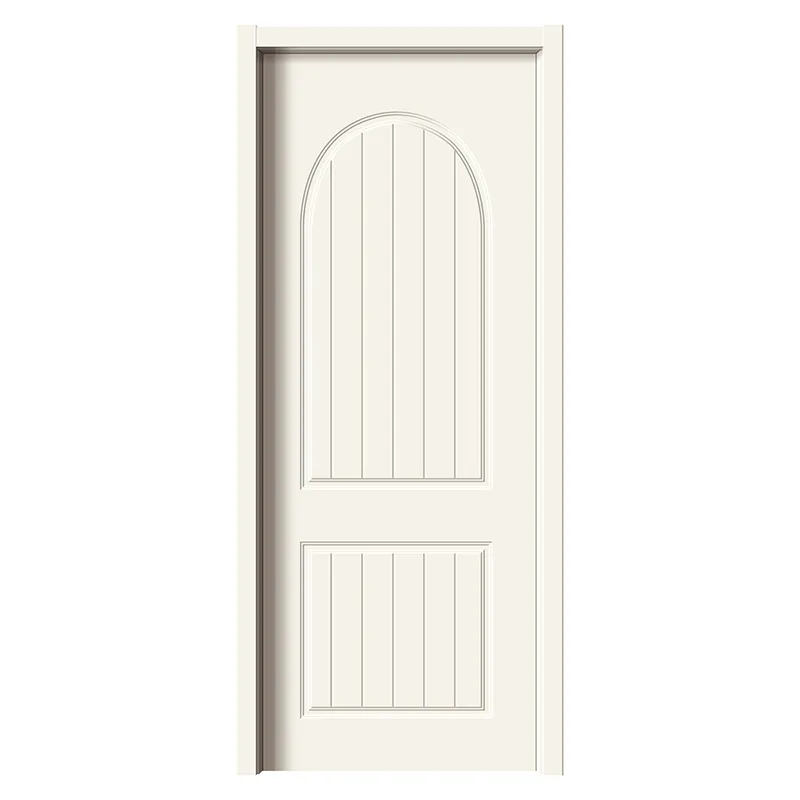 YST-236 Door White ivory
 -
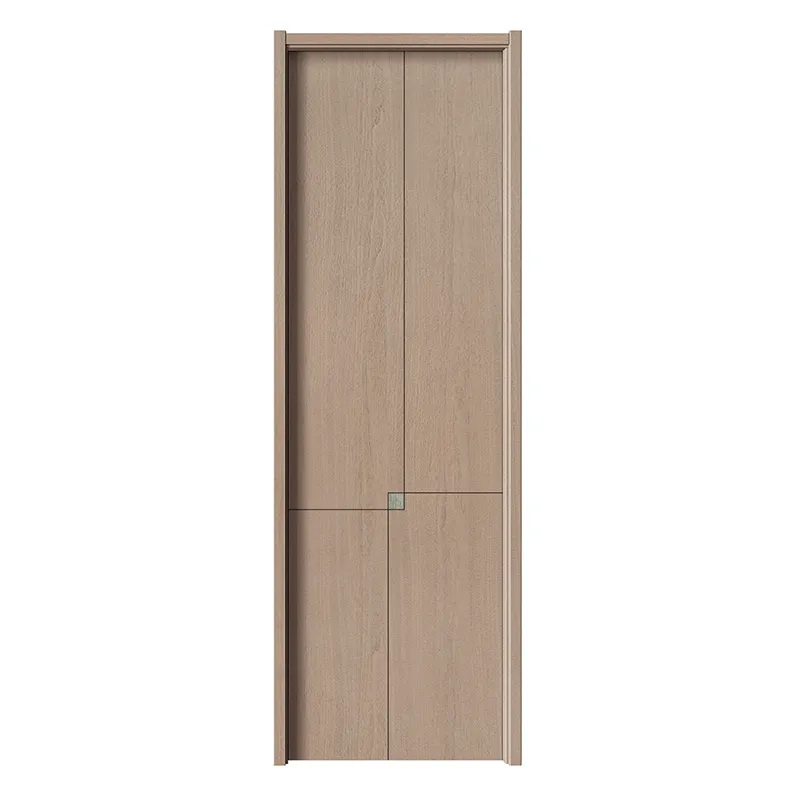 YST-1008 Door Natural walnut 2
 -
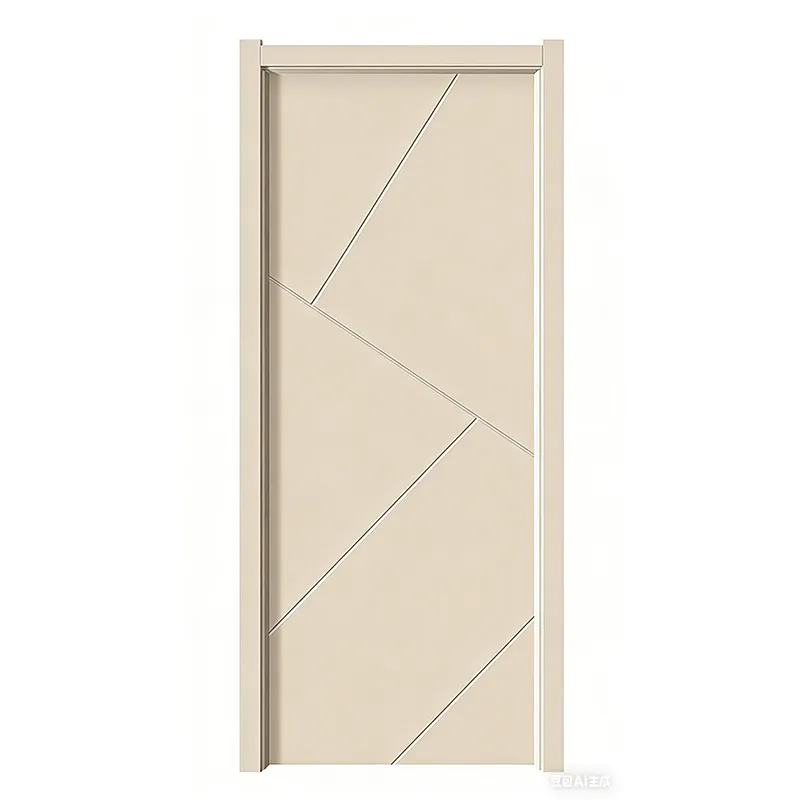 YST-WPC3 Door
 -
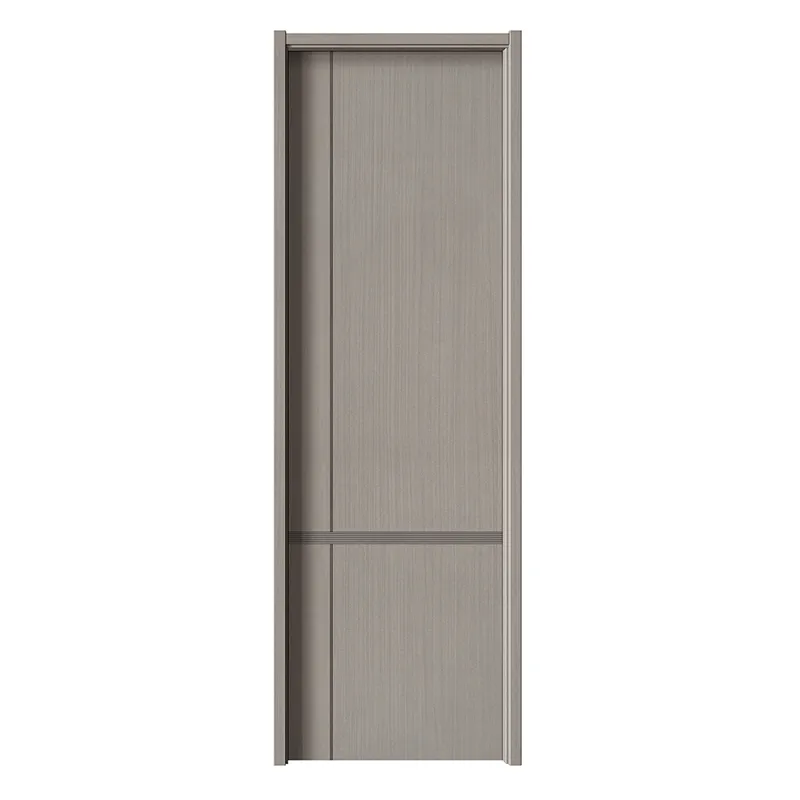 YST-1013 Door Cloud Walnut 1
 -
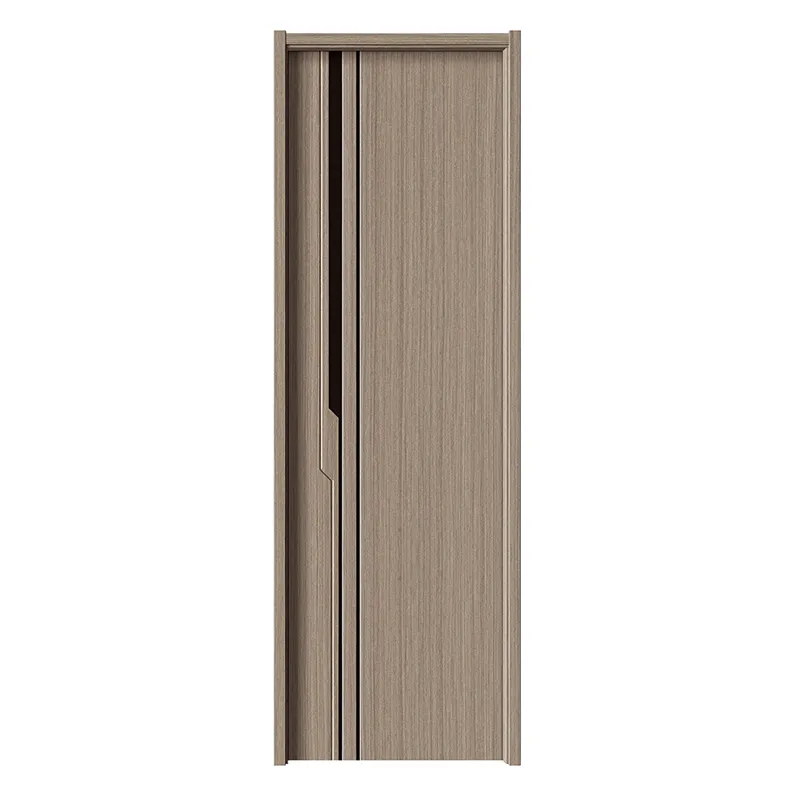 YST-1018 Technowood Door 1
 -
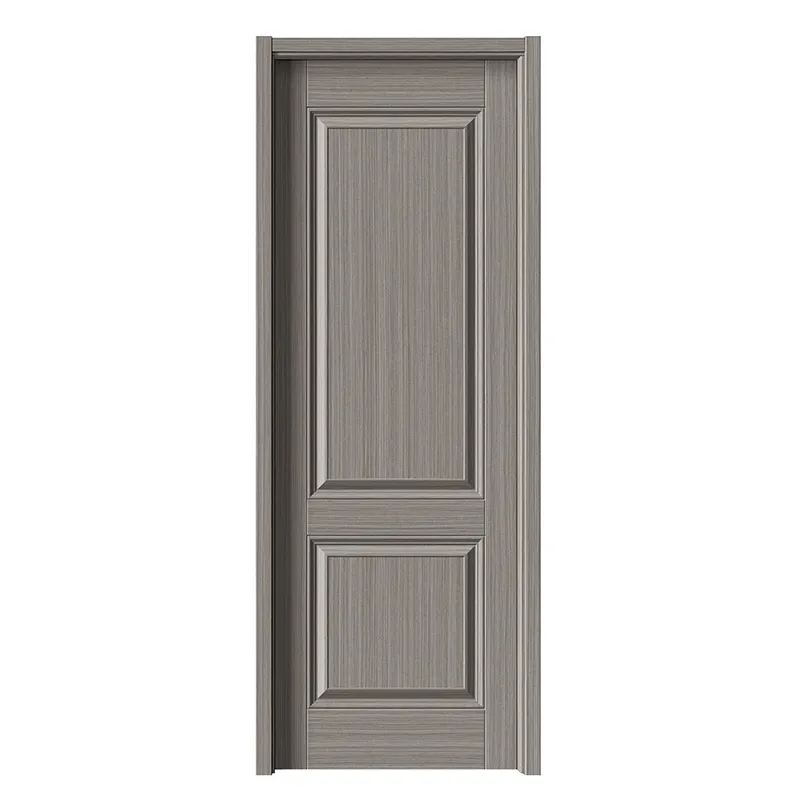 YST-214 Door Technowood 2
 -
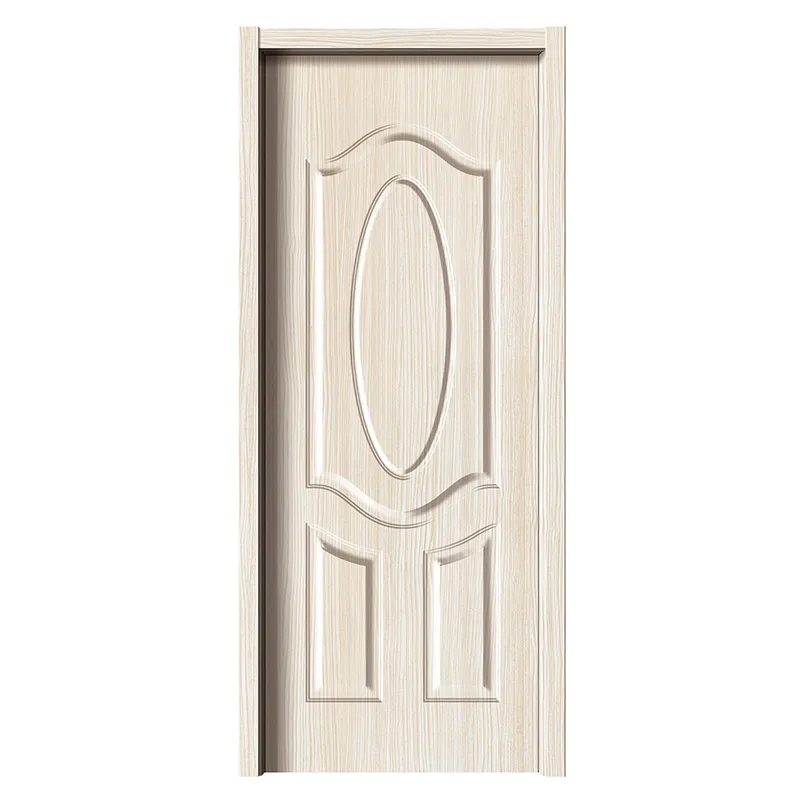 YST-216 Door White Maple
 -
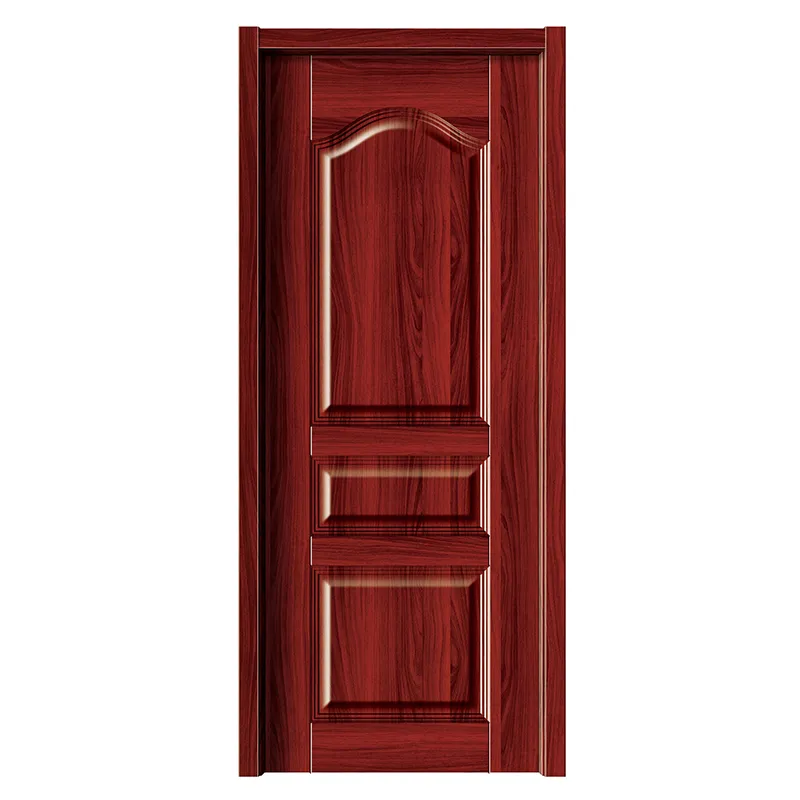 YST-203 Door Red team