




Automatic hidden doors
When a customer says “automatic hidden doors?”, in his head, as a rule, he already has a picture from a futuristic film: a perfectly straight wall, and now - with a wave of his hand or an imperceptible signal - an opening silently opens. The reality, alas, is much more prosaic. The main misconception is to believe that “hiddenness?” and ?automation? These are just two modules that can be folded together. In fact, this is a complex symbiosis of mechanics, electronics and, most importantly, the most precise carpentry preparation of the frame and the canvas. The slightest misalignment of a couple of millimeters - and the entire system will either jam or work with such noise that it’s about “invisibility”. you can forget. Many colleagues sin by first installing a beautiful door, and then trying to “screw it on?” automation for it. This is a road to nowhere. The correct approach is to design the system from scratch. as a single organism.
?Invisibility? - this is not about the door, but about preparing the opening
This is where 70% of success or failure lies. A classic mistake is underestimating the rigidity and geometry of the opening. If the walls "play" or plastered unevenly, even the most perfect hidden mechanism will work in constant stress mode. I have seen objects where installers, trying to align a frame in a crooked opening, tightly fixed it with polyurethane foam. It would seem worth it. But seasonal fluctuations in humidity and temperature led to the fact that after six months the foam broke, and the entire structure behaved unpredictably. The automation began to work with errors.
Therefore, now we insist on a rigid metal frame, which is integrated into the wall at the rough finishing stage. This is not just a box, but a power frame, to which both the hidden mechanism itself and the finishing wall cladding are already attached. By the way, about the cladding. Popular query - ?merge? doors with plasterboard partition. The subtlety is that standard drywall does not have the necessary stability in the area where the canopies are attached. Either reinforcement or the use of gypsum fiber board panels is required. Once I had to redo an entire wall because the customer saved on material, and after a month aroundhidden doorcracks appeared.
And here's another thing. Gaps are often forgotten. For silent operation of the automation, a technological gap is needed between the canvas and the box - usually 2-3 mm. But if this gap is left “as is”, it will collect dust and glow in contrast with the finish. The solution is to use special magnetic or brush seals to match the fabric. They visually mask the gap, but do not create friction. It’s little things like these that distinguish a homemade assembly from a professional one.
Automation: the servo is not the main character
Everyone immediately starts looking at the brand of the drive, its power and IP class. Of course this is important. But the key element that determines the smoothness and durability is the system of guides and levers (pantographs), which actually extend/retract the canvas. Cheap systems often use rollers on an aluminum track. After several thousand cycles, play appears, and then a characteristic grinding noise appears. A more reliable option, in my opinion, is ball bearings rolling on a hardened steel tire. Yes, more expensive. But quieter and much more durable.
Management is a different story. Radio remote controls, motion sensors, integration into a “smart home” - this is already a standard. But emergency scenarios are often missed. What happens if the power goes out? Modern systems have backup batteries that allow you to either open or close the door manually. But! This manual mode should be truly manual, and not require parsing half a wall. I know of a case where in one expensive project, when the lights went out, the door to the living room was locked, and in order to open it, they had to call specialists with drawings. Disgrace.
That's why we always test emergency reset now. And we advise the customer to conduct this test independently in order to understand how to proceed. Another nuance is adjusting the speed and force. Especially for heavy canvases, for example, solid oak. The drive must not just push, but do it with a certain acceleration and deceleration profile, otherwise there will be a feeling of jerking. Sometimes you have to sit with your laptop for hours, connecting to the controller, to find the perfect motion curve. This is handmade.
Canvas material: why solid wood is not always king
This is where the stereotype is strongest. The customer wants “real wood”, oak, ash - something that looks solid. But forautomatic hidden doorsstability of the web geometry is critical. An array, even a well-dried one, lives its own life: it breathes and can slightly change size. For a regular door this is not a problem, but for a system where the gaps are measured in millimeters, it is a potential problem. Especially in contrasting climatic conditions.
Therefore, for critical projects we often recommend engineering solutions. For example, a frame made of laminated veneer lumber with a honeycomb filling and external linings made of valuable wood veneer. This design is incredibly rigid and stable. Or modern high-density MDF boards. They are perfectly smooth and hold fittings and paint perfectly. By the way, about paint. Glossy coating for hidden doors is top notch. Any unevenness, any bubble will be visible when the door, when closed, forms a single plane with the wall. Requires impeccable surface preparation and application in dust-free chambers.
Here, by the way, it is worth noting the approach of some manufacturers who specialize in complex solutions. For example, a companyAnhui Wantai Woodworking Co.,Ltd (https://www.anhuiwantai.ru), which supplies the international market with wooden doors that combine design and practicality. Their philosophy is to “build a business on precision, win with quality?” - this is exactly what we need for our segment. It is important when a manufacturer understands that his product is not a final product, but a component of a complex system. Modern production facilities and control at all stages, from raw materials to release, allow us to obtain fabrics with predictable, repeatable characteristics. This greatly simplifies the life of the installers and guarantees the client a long service life without surprises.
Typical installation mistakes that will haunt you for years
The first and most common is incorrect positioning of the control unit and sensors. The unit cannot be walled up tightly or placed close to power cables - there will be interference. Motion sensors, if we are talking about them, need to be configured for a specific situation. They once installed a door to an office meeting room. The sensor was sent to the entrance. Everything worked fine until someone placed a tall pot with a plant next to it. The leaves swayed from the air conditioner, and the door periodically decided to open on its own in the middle of important negotiations. I had to reconfigure the detection zone and sensitivity.
Secondly, saving on cable. To power the drives, you need a cable with a certain cross-section, otherwise there will be a voltage drop, especially at the moment of start. This leads to overheating and reduced drive life. I saw how the ?masters? They pulled thin wires over a 20-meter length. The system worked, but a year later the drive burned out. The diagnosis is chronic dissatisfaction.
And third, ?mute? - lack of an object passport. After delivery of the project, we always leave the customer with a diagram with the exact location of all elements of the system: where is the control unit, where are the access points to the mechanisms, how the wiring is laid. It may seem like a small thing, but when service or repairs are needed in five years, this scheme will save a lot of time and nerves. Without it, the next team will have to act blindly, which is fraught with damage to the finish.
Bottom line: it's not a product, it's a process
In the end, I want to say that a successful project withautomatic hidden doors- this is not buying “magic accessories”. This is a process that begins with competent architectural design, continues with a careful selection of materials and components (where, again, stability and accuracy, like those from suppliers likeAnhui Wantai Woodworking Co.,Ltd, come to the fore) and ends with jewelry installation and setting.
The main conclusion that I have come to over the years of work: the ideal hidden door is the one whose existence you forget about. It does not creak, does not jam, and does not attract attention to itself. It simply performs its function flawlessly while remaining part of the wall. This can only be achieved if all participants in the chain - from the designer and fabric manufacturer to the installer and adjuster - speak the same technical language and understand that they are working on the same system.
Therefore, when they come to me with a request, the first thing I ask is not “what design do you want?”, but “what kind of walls do you have?” and “Are you ready to budget not only for a beautiful canvas, but also for the correct preparatory cycle?”. If the answer is yes, you can do really cool things. If not, it would be more honest to offer a good swing door with a closer. This will be safer for both the reputation and the customer’s wallet in the long term.
Correspondingproducts
Related Products

Best Sellingproducts
Best Selling Products-
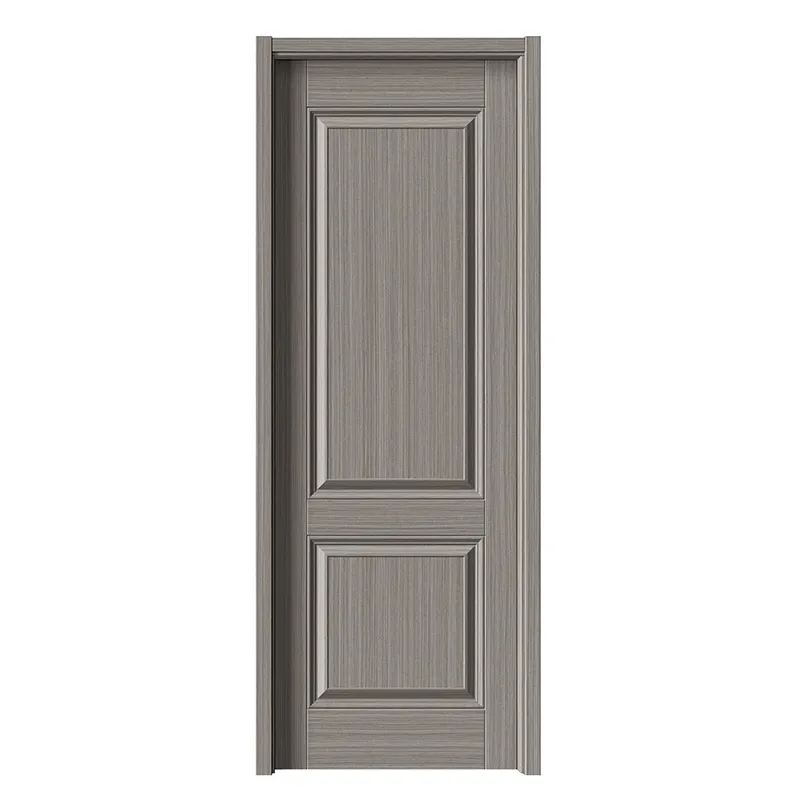 YST-214 Door Technowood 2
 -
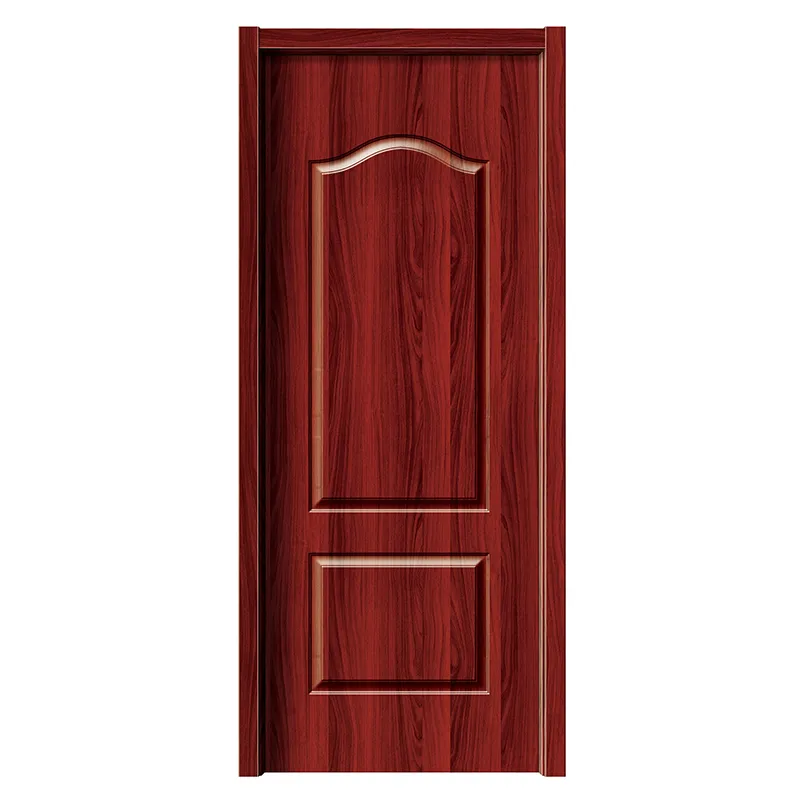 YST-207 Door Red team
 -
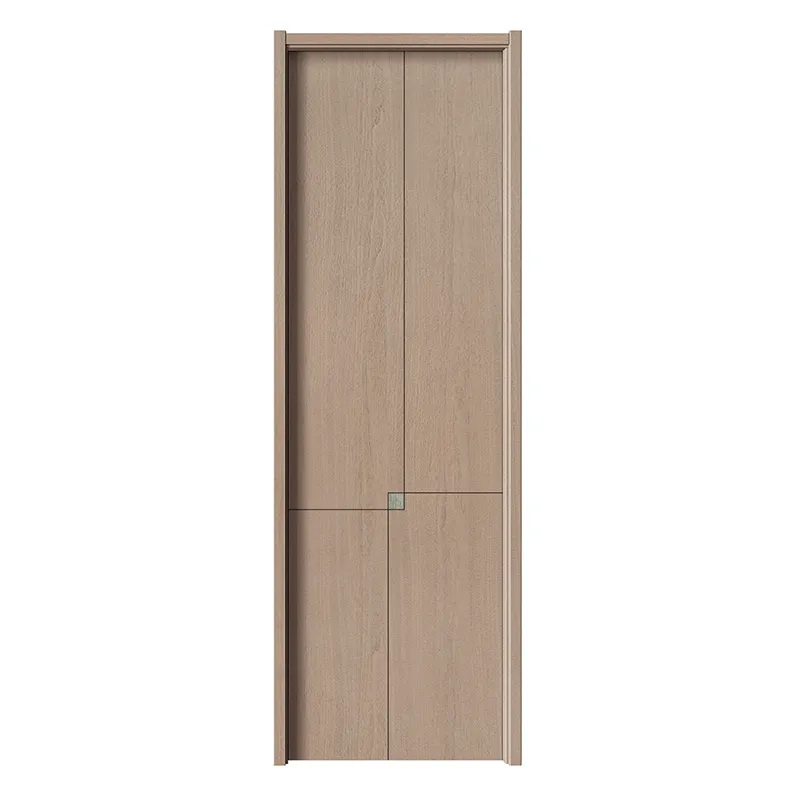 YST-1008 Door Natural walnut 2
 -
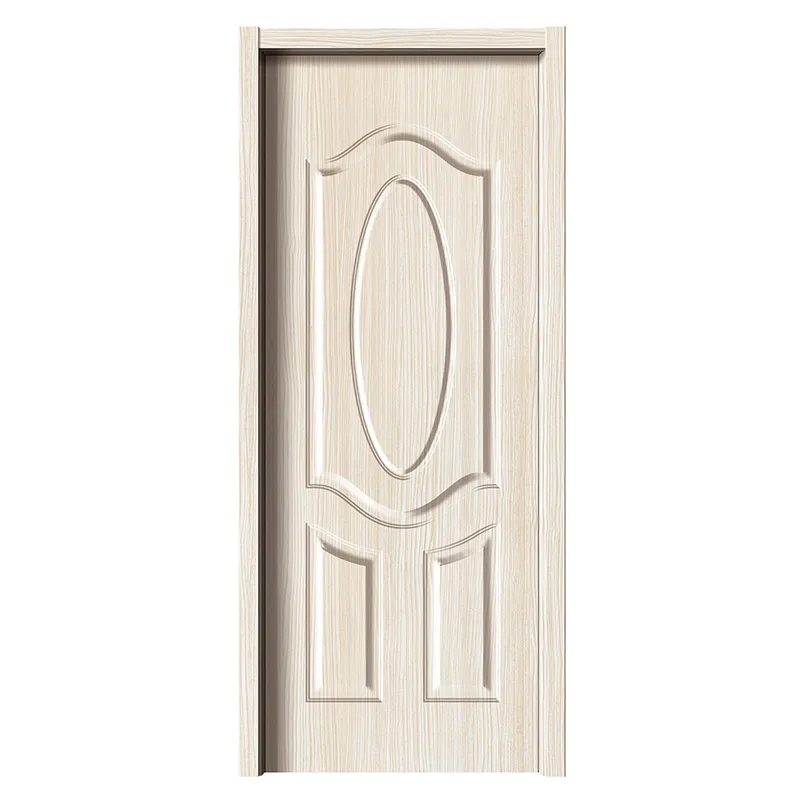 YST-216 Door White Maple
 -
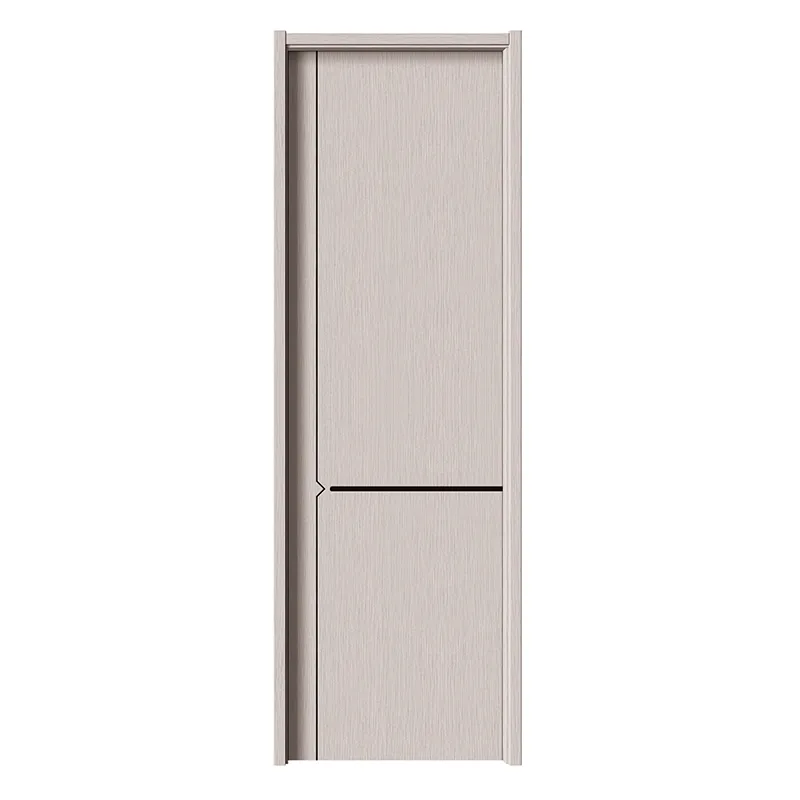 YST-1024 Door Chiaroscuro wood 1
 -
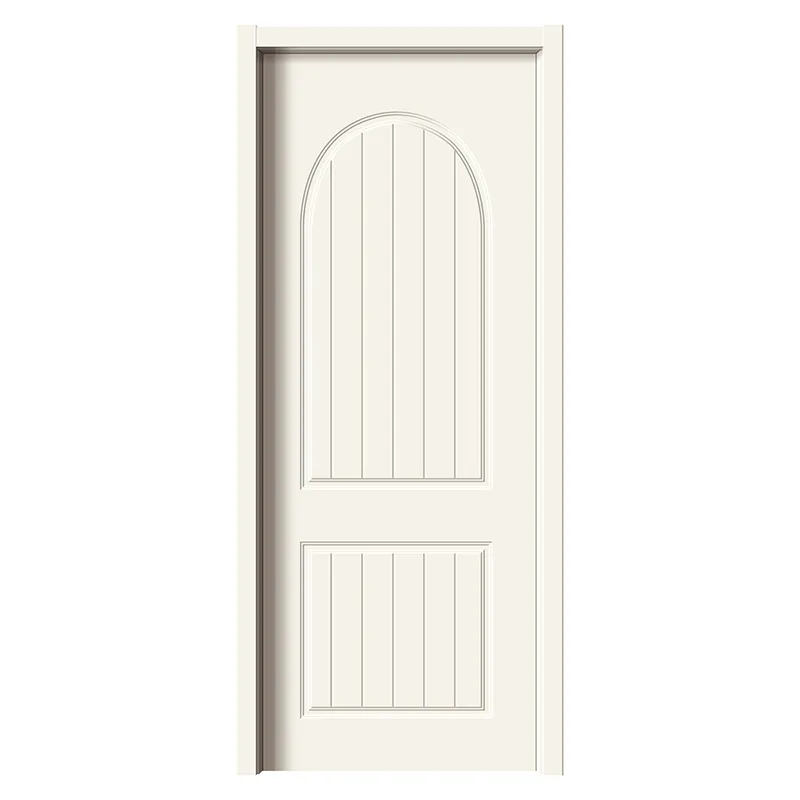 YST-236 Door White ivory
 -
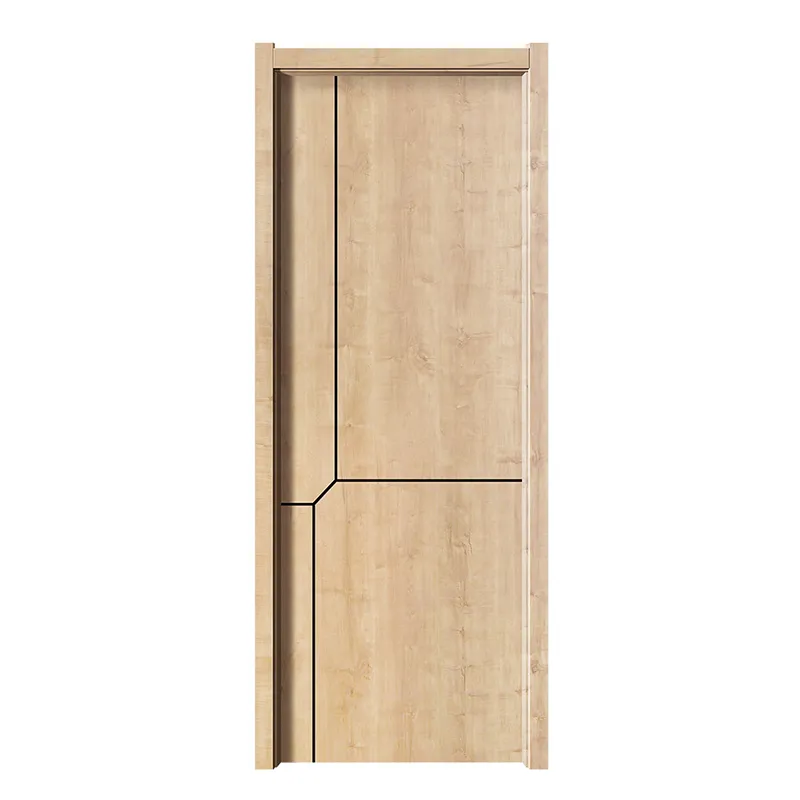 YST-WPC1 Door
 -
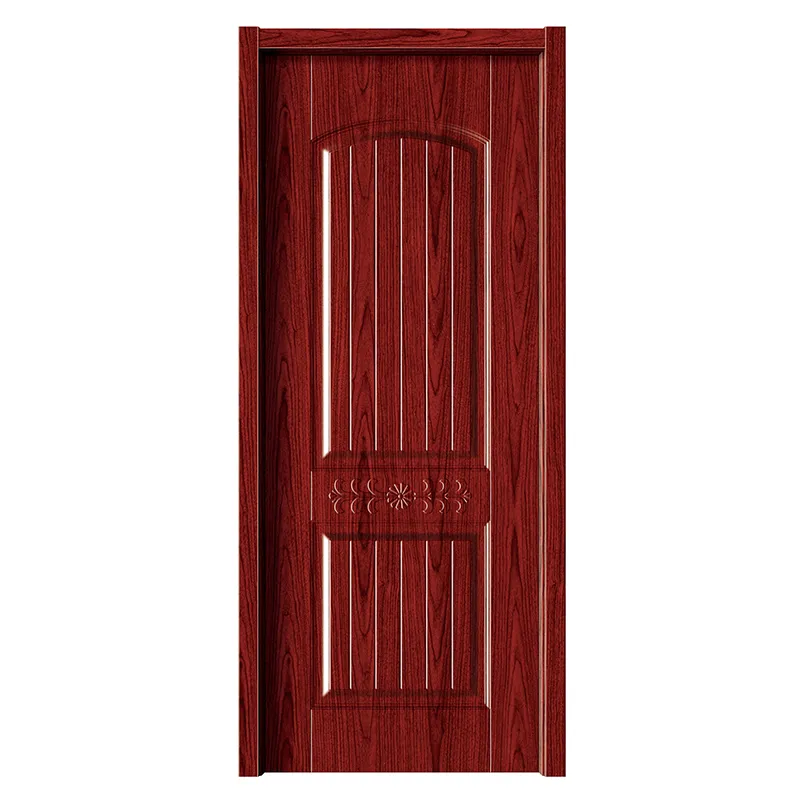 YST-233 Door Mahogany
 -
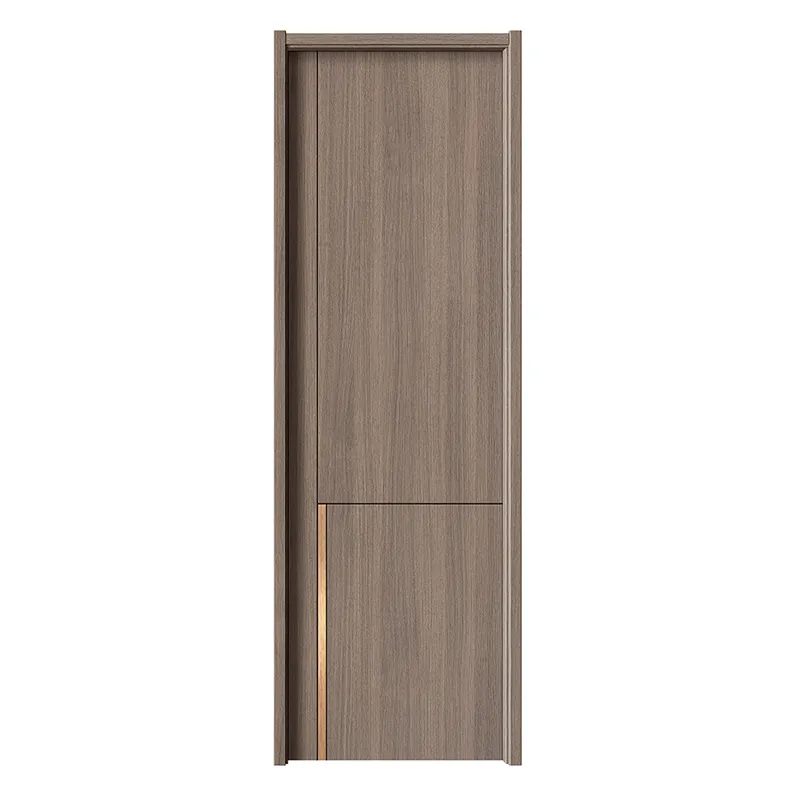 YST-1003 Door Oak gray
 -
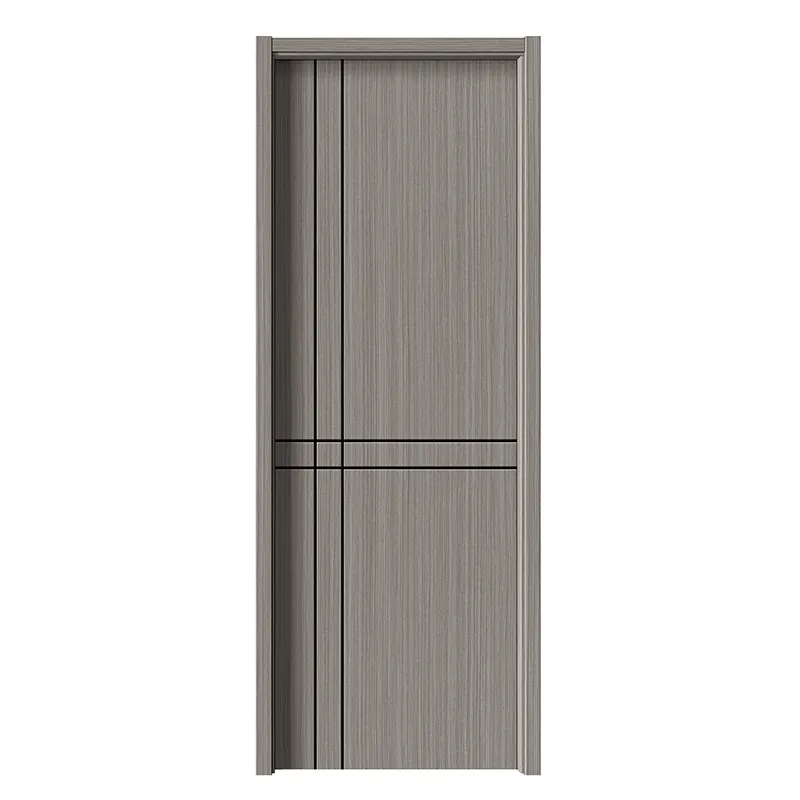 YST-1004 Door Technotree 2
 -
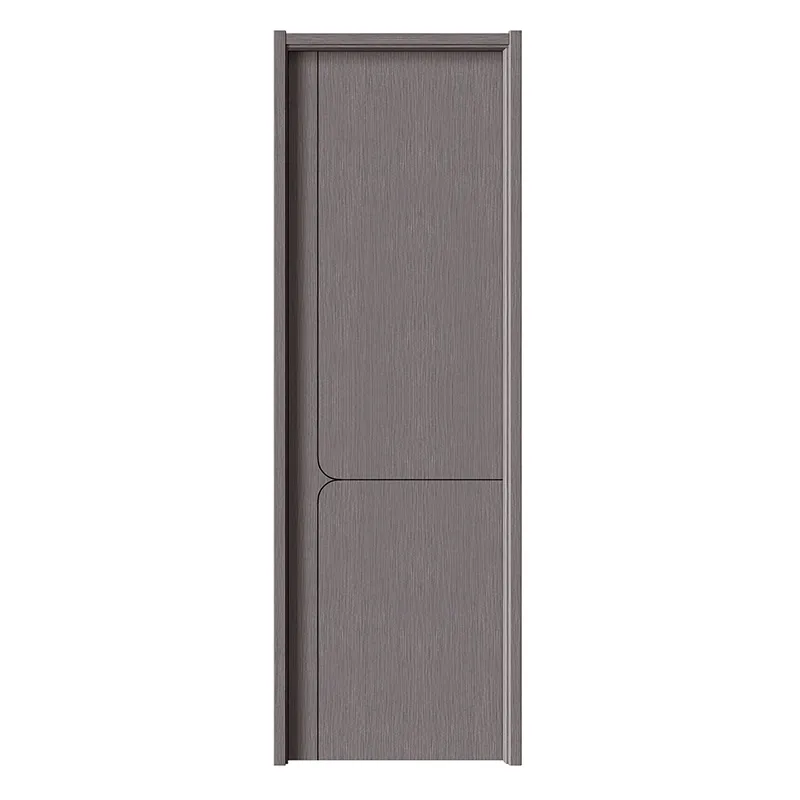 YST-1001 Door Chiaroscuro tree 2
 -
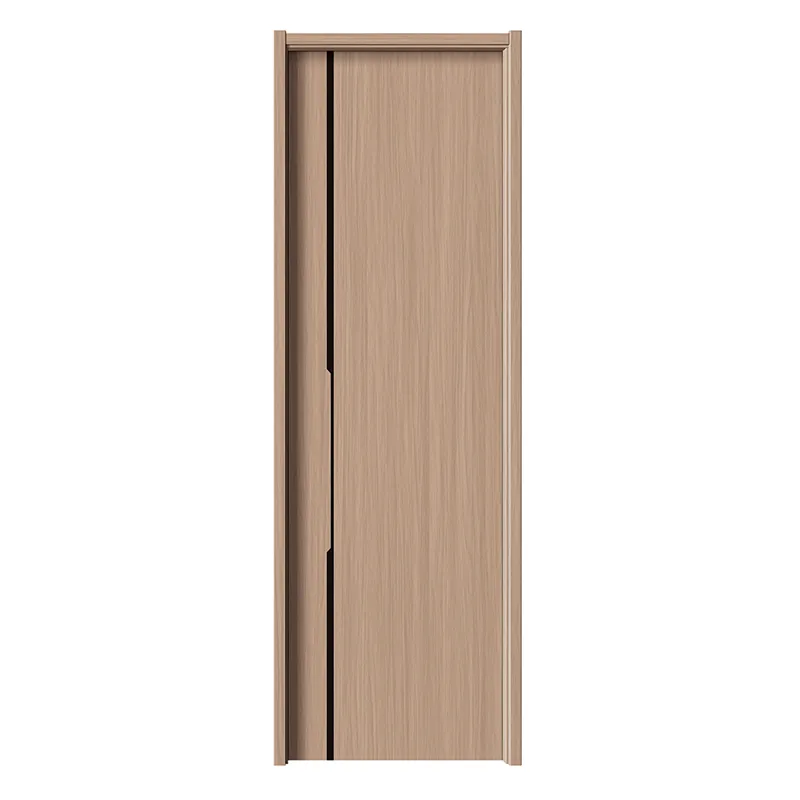 YST-1029 Door Translucent light shade 1