




Hidden doors gold
Here’s what’s interesting: when many people hear about “hidden gold doors,” they immediately imagine something like a secret room with treasures or a glamorous golden canvas in the wall. In fact, the main value here is in perfect integration, and gold, or rather its decoration or accents, is the final, most complex touch. The main mistake of customers and even some colleagues is to start with decor without thinking through the mechanics and preparation of the opening. I had a project where the client insisted on heavy gold patina handles on a hidden door in a library. Beautiful? Undoubtedly. But if the frame and hinges are not designed for additional weight, and the door itself is not perfectly balanced, in six months you will end up with distortion and creaking, which will spoil the entire impression of the expensive finish. That is why the approach must be systematic.
Invisibility as an engineering challenge
The hidden door is all about precision. Millimeter gaps, special hidden hinges (I often work with SOSS or similar systems), and a perfectly flat wall. Gold here is not just a color, but, for example, the thinnest foil in the veneer structure or spraying onto metal fittings that must be recessed and not disturb the plane. One of the key difficulties is the selection and preparation of the base. You can’t just take a standard door frame and frame it under the wall. We need a reinforced metal frame that will compensate for the load and prevent the door from “playing”.
In this context, I am impressed by the approach of some manufacturers who immediately lay down engineering solutions for finishing. Let's say, if we take the productsAnhui Wantai Woodworking Co.,Ltd (https://www.anhuiwantai.ru), then their range includes ready-made solutions for hidden installation. Their philosophy is to “build a business on precision, win with quality?” - these are not just words. For hidden structures, precision milling of grooves for hinges and locks is 90% of success. Their design team, based on the specifications, understands that the door is part of the wall and not a hinged element.
Practical nuance: even with a perfect door, everything can be ruined by the wall decoration. Plaster, wallpaper, paint - everything should be applied to the door leaf and the adjacent wall as a single surface. The slightest difference in texture or layer thickness will reveal the location of the door. Therefore, we always insist that finishing work is carried out by the same craftsmen throughout the entire opening.
?Gold? in detail: from hidden fittings to patina
When we talk about gold in the context of hidden doors, we are rarely talking about solid gold leaf. It's impractical, garish and... simply tasteless. More often these are accents. For example, the inner end, which is visible only when opened, is finished with a gold patina. Or a gold-plated magnetic lock that holds the door closed without visible latches. Such details create that very effect of luxury - implicit, revealed upon close examination.
I had experience using special paints with gold pigment for the edges. The problem was that standard paints, even expensive ones, wore away at the edges over time. The solution was found in a combination: first, the edge of the end was covered with the thinnest brass plate (coated with old gold), and then the color of the walls was selected. This added work, but the results were long lasting.
It is important not to overdo it here.Hidden doors goldis a story about restraint. Often the best effect is produced not by gold itself, but by the contrast of materials: matte black steel of the hidden closer and a tiny gold indicator dot on it. This is the very “information for our own” that is valued in such projects.
Failures that teach: when is ?invisibility? let me down
I won’t hide it, not everything went smoothly. The most significant failure was connected precisely with the desire to save money on preparation. The customer bought a very expensive canvas with gold milling, but insisted on installing it in a plasterboard partition without proper reinforcement. We warned, but the result is predictable: after several months of active use, the door began to sag, and the gold milling at the junction with the wall began to crack. I had to completely dismantle the wall and make a new frame. Lesson: no amount of finishing, even the most beautiful, can compensate for a weak design.
Another common failure is saving on fittings. Hidden hinges have their resource, especially on heavy doors. An attempt to supply weaker analogues at a higher price always leads to the fact that the door ceases to be “hidden?” - cracks appear, it is difficult to close it. Now we always include loops in the estimate with a load margin of at least 30%.
And, of course, communication with finishers. Once we installed a door perfectly, and the painters, not understanding the specifics, painted over the technological gap around the perimeter. When the paint is dry, the door is “tight?” stuck to the box. Only careful opening with a spatula saved it. Since then, we have always provided training for all craftsmen on site.
Integration into the interior: not a door, but part of a wall
The ultimate goal is to prevent people from looking for the door. This is especially important in modern minimalist and classic interiors.Hidden doorsoften lead to technical rooms, dressing rooms or offices. Their presence should not disturb the harmony of moldings, panels or paintings.
Working with wooden solutions, e.g.Anhui Wantai Woodworking Co.,Ltd, it is important to use their strong point - working with solid wood and veneer. Their designers can choose the wood texture so that it perfectly continues the pattern on the wall. And if we are talking about a gold accent, then this can be inlaid with veneer of valuable species with a golden hue (like amaranth) or neat milling filled with metallic. Their production base allows such fine work, which is critical for the premium segment.
In commercial spaces (offices, boutiques), this approach also solves another problem - security and zoning without visual clutter. The door to the boutique's back room can be completely merged with the wall, decorated with gold panels, remaining invisible to the client, but always accessible to staff.
Final Thoughts: Luxury is Reliability
To sum it up, I want to say that the trend ishidden doors gold- this is not about ostentatious high prices. This is about a deep understanding of the interior as a whole organism, where every detail, even invisible, contributes to the overall impression. The luxury here is that everything works flawlessly for years: the door opens effortlessly, closes silently, and its secret remains unnoticed.
The choice of a manufacturing partner in this matter decides a lot. We need a company that controls the entire cycle - from raw materials to packaging. This is why we have recently been considering suppliers such as Anhui Wantai Woodworking LLC for complex projects. Their focus on international standards and the presence of their own experienced design team gives confidence that the door will not only be beautiful, but also technically flawless. After all, true luxury is when beauty does not require sacrifice in the form of constant repairs and adjustments.
So, if you take on such a project, consider your investment not in gold plating, but in precision engineering, high-quality fittings and the work of craftsmen who understand that they are creating not just an opening, but an element of architecture. Then “gold” it will look appropriate, as a natural, and not a forced ending.
Correspondingproducts
Related Products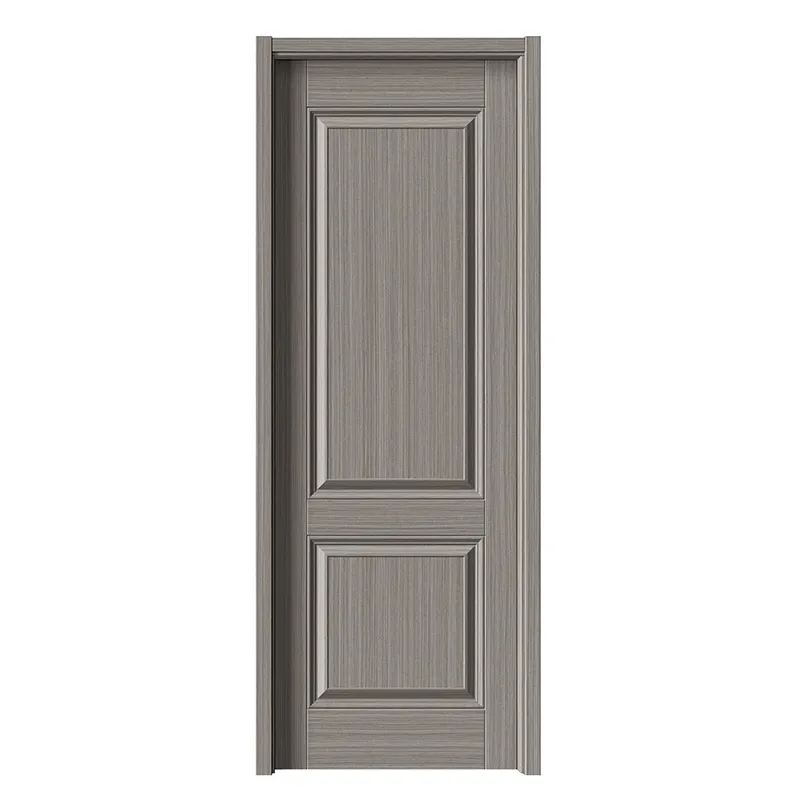
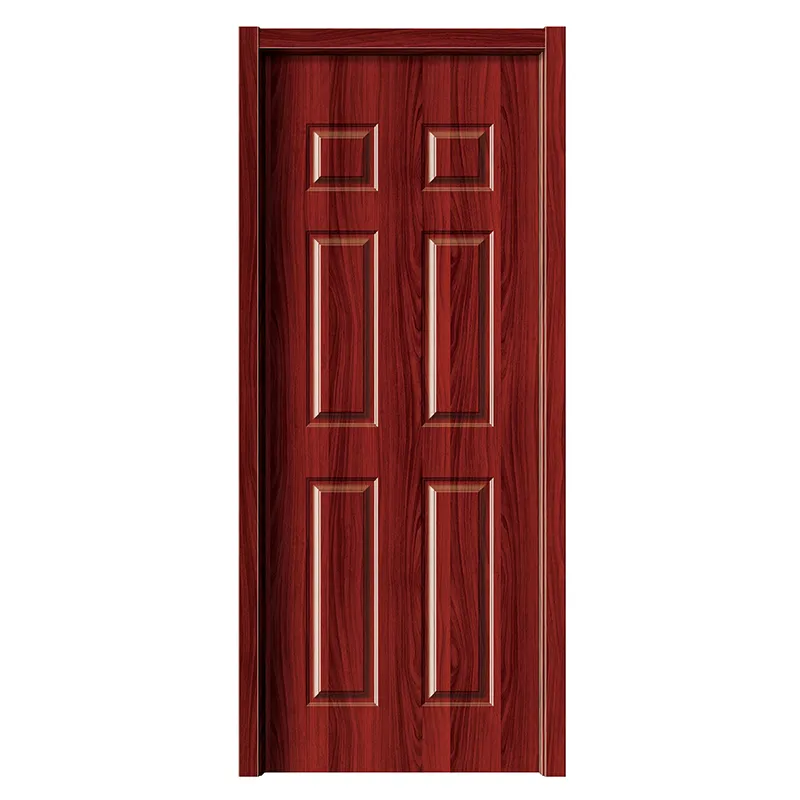
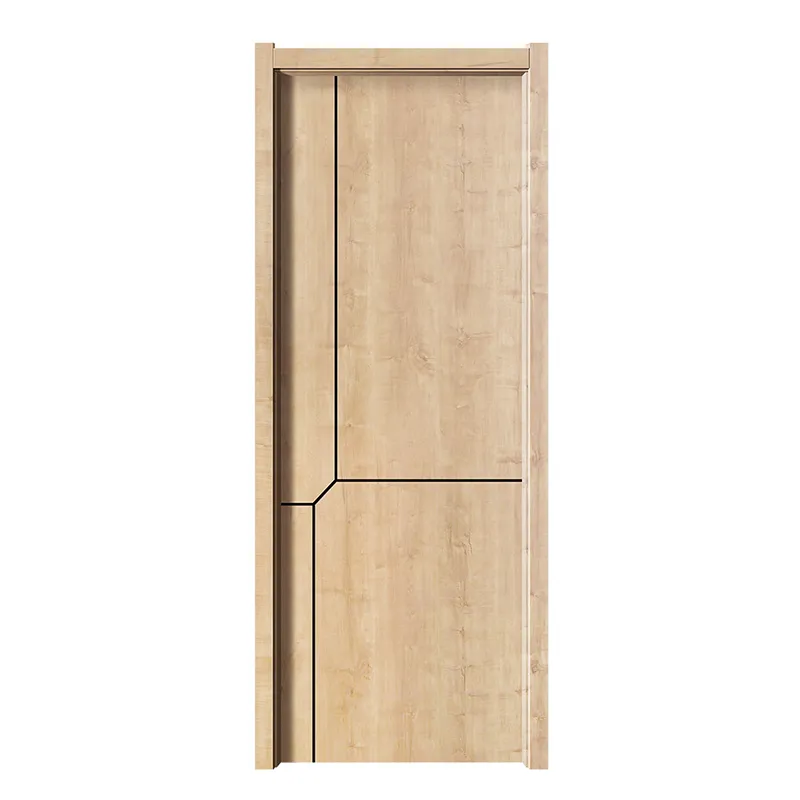
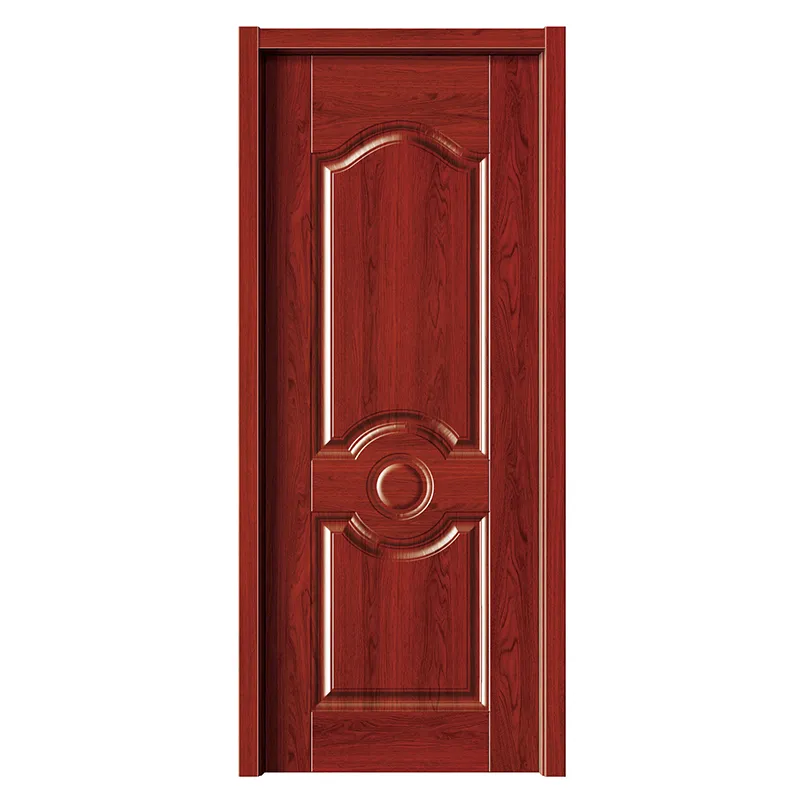
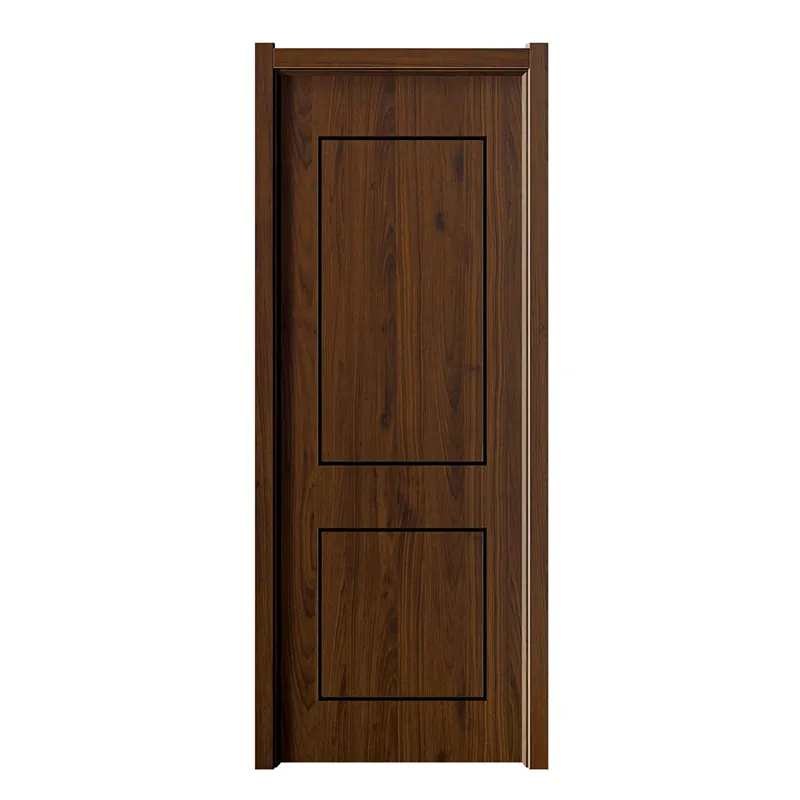
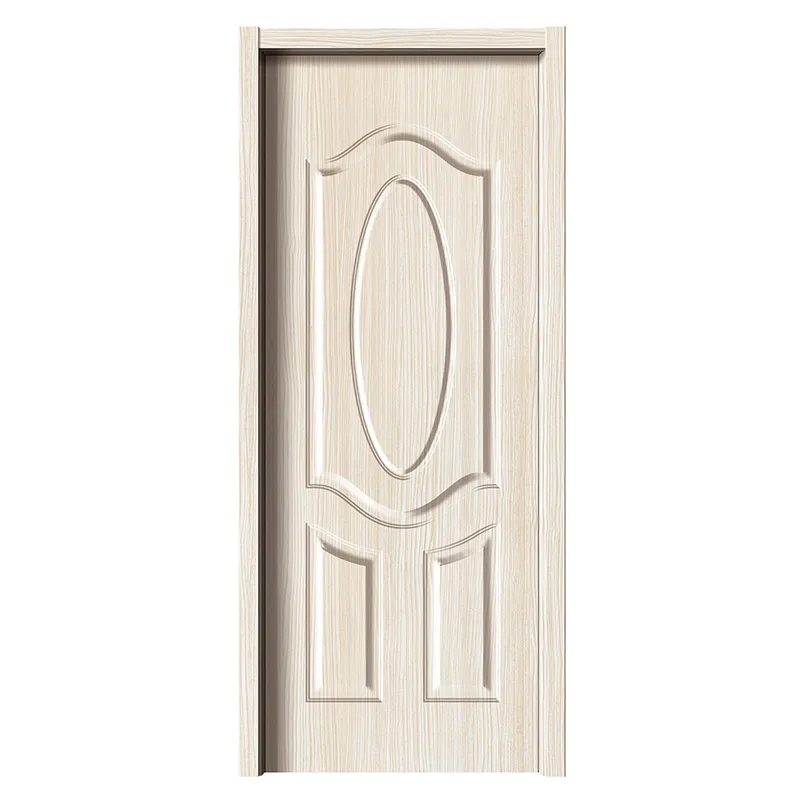

Best Sellingproducts
Best Selling Products-
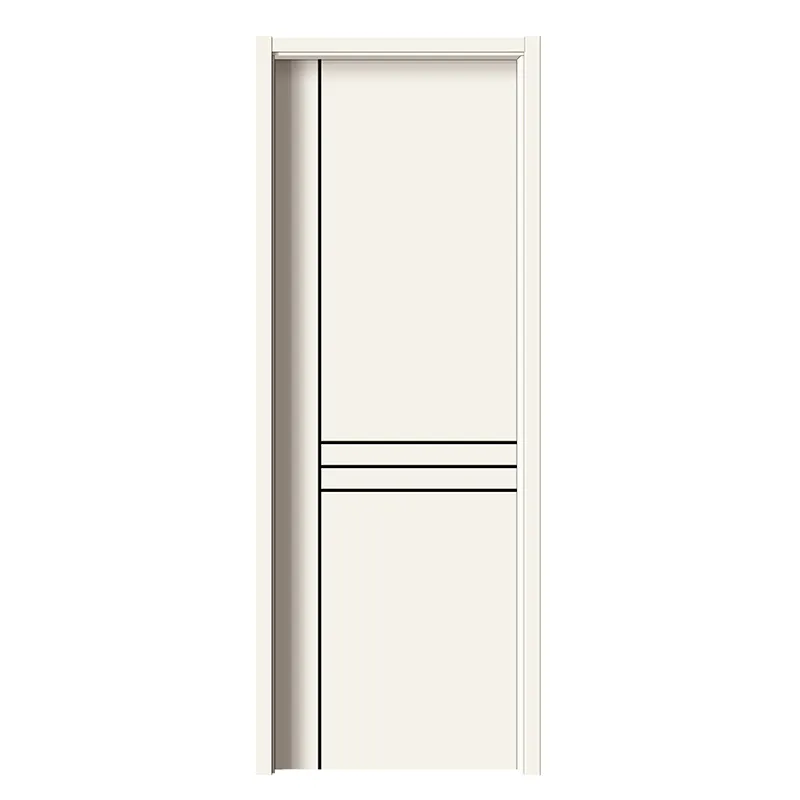 YST-220 Door Warm white
 -
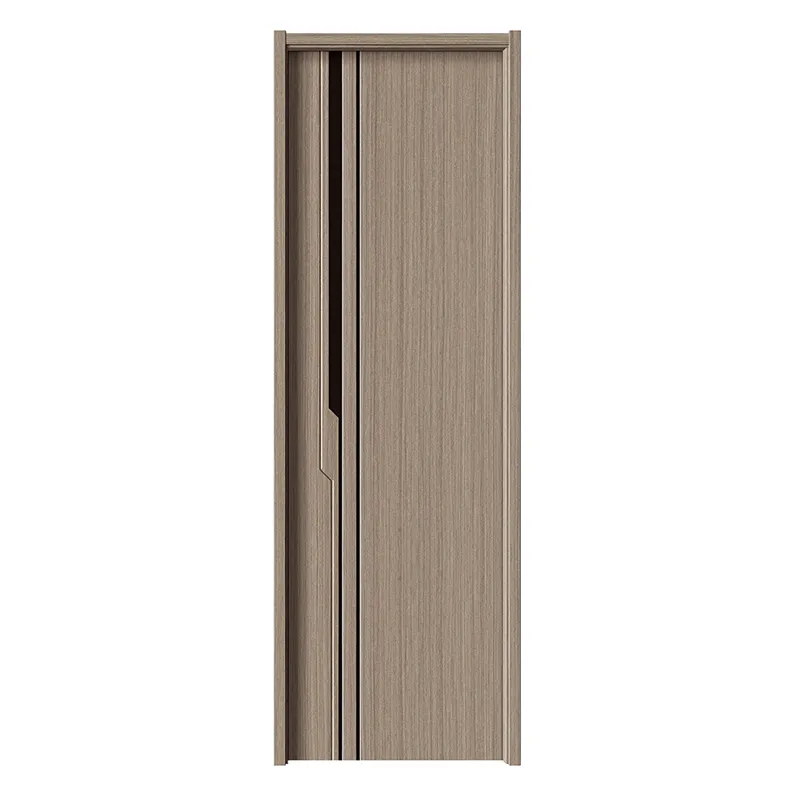 YST-1018 Technowood Door 1
 -
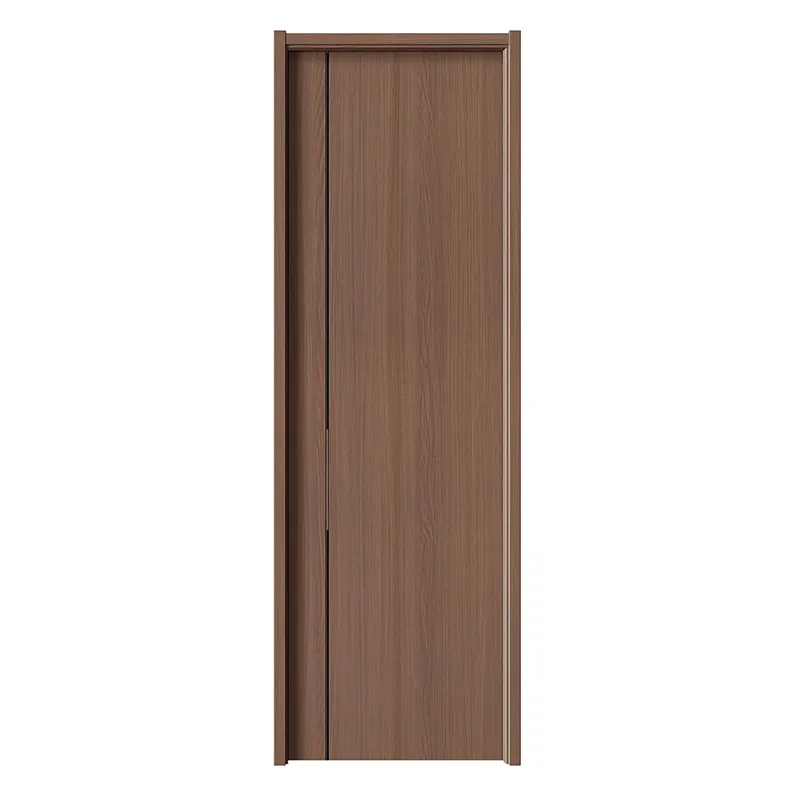 YST-1043 Door Techno-walnut 3
 -
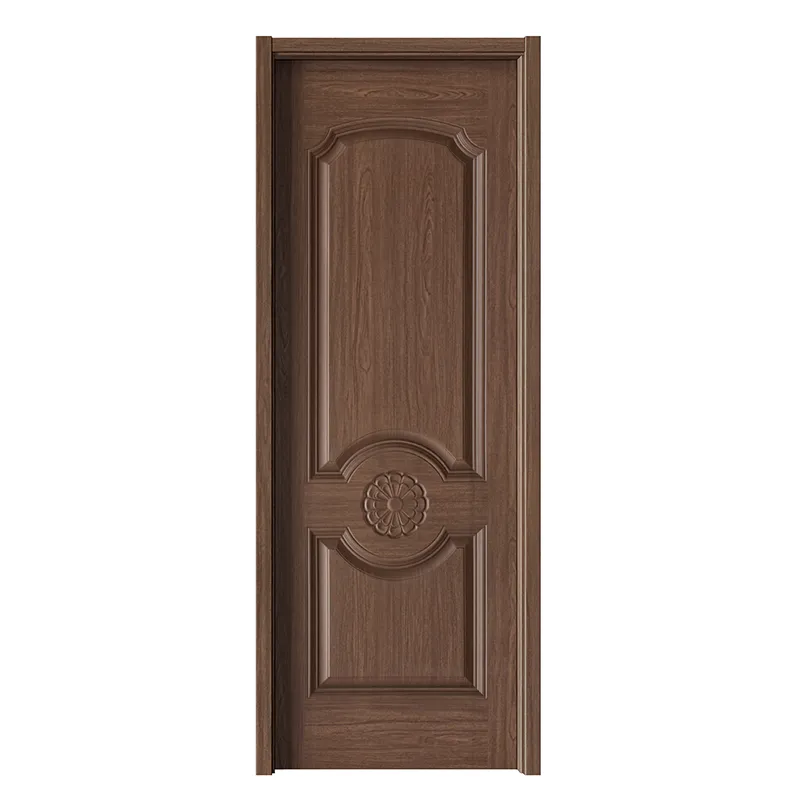 YST-212 Door North American Oak 2
 -
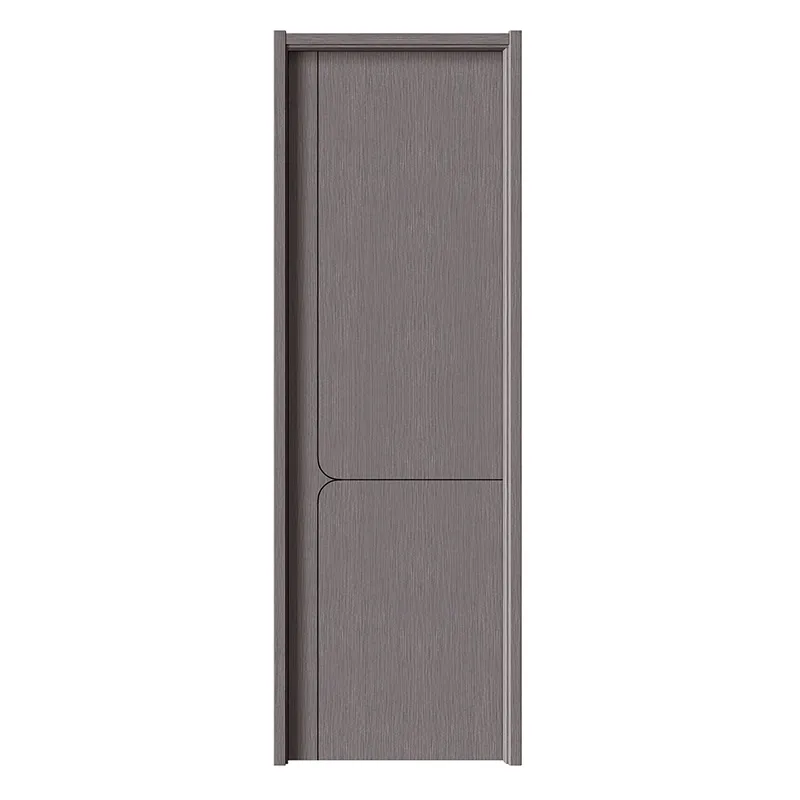 YST-1001 Door Chiaroscuro tree 2
 -
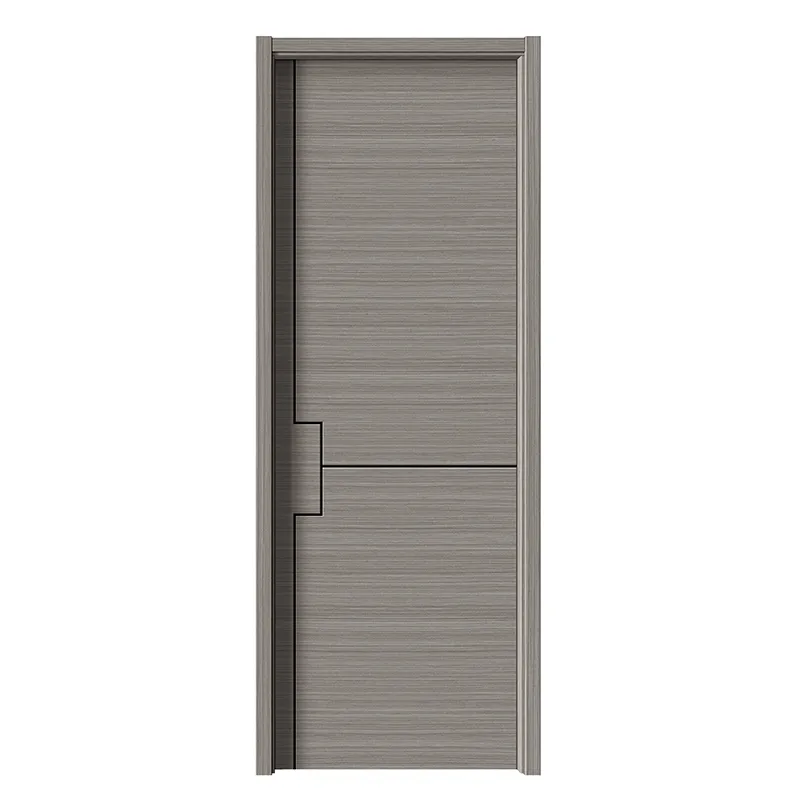 YST-1005 Technotree Door 2
 -
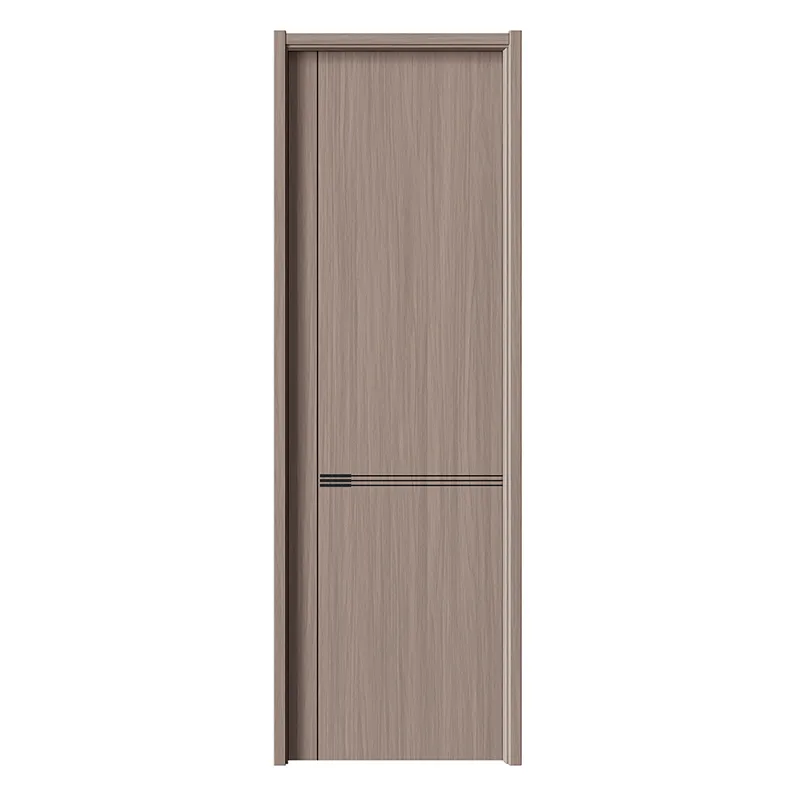 YST-1039 Door Translucent light shadow 3
 -
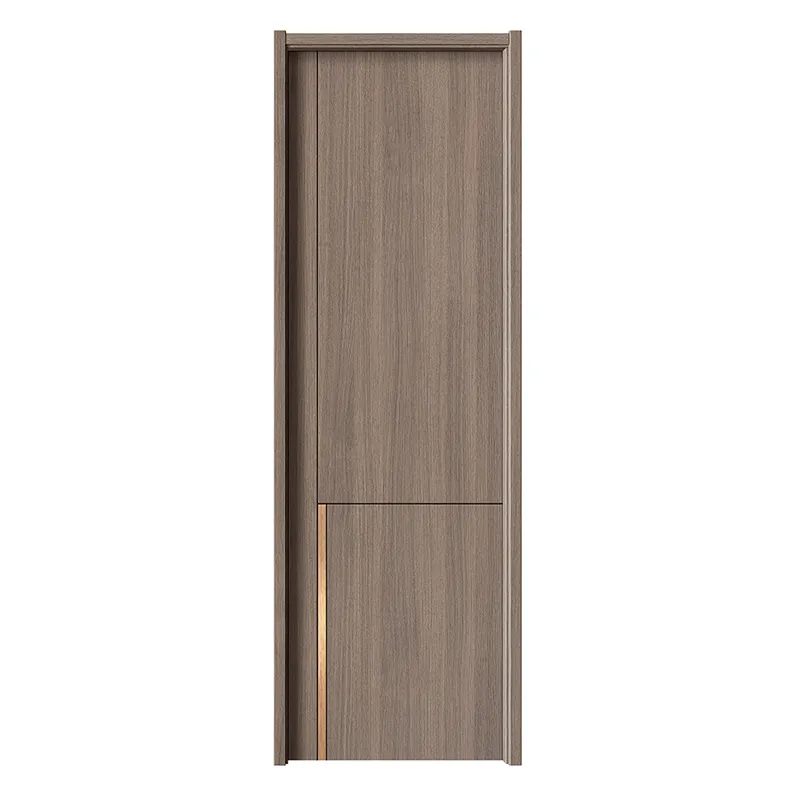 YST-1003 Door Oak gray
 -
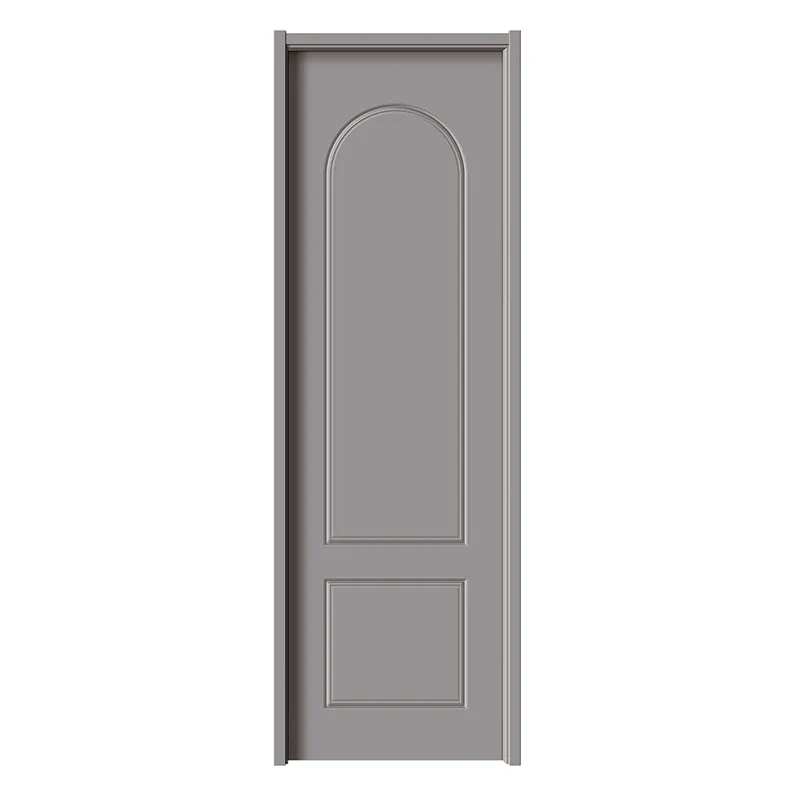 YST-241 French Door 1 soft stone gray
 -
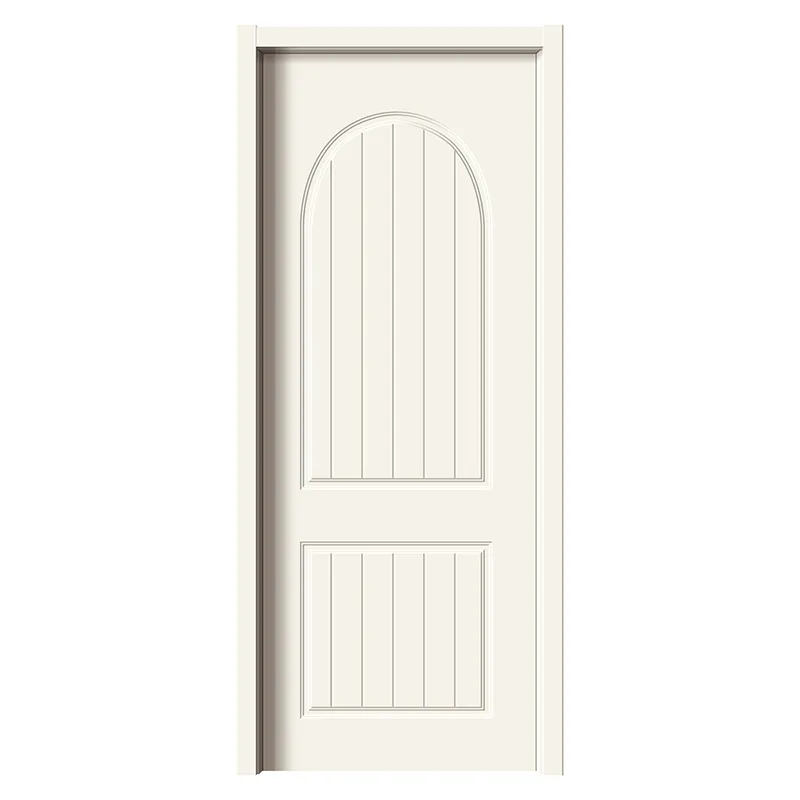 YST-236 Door White ivory
 -
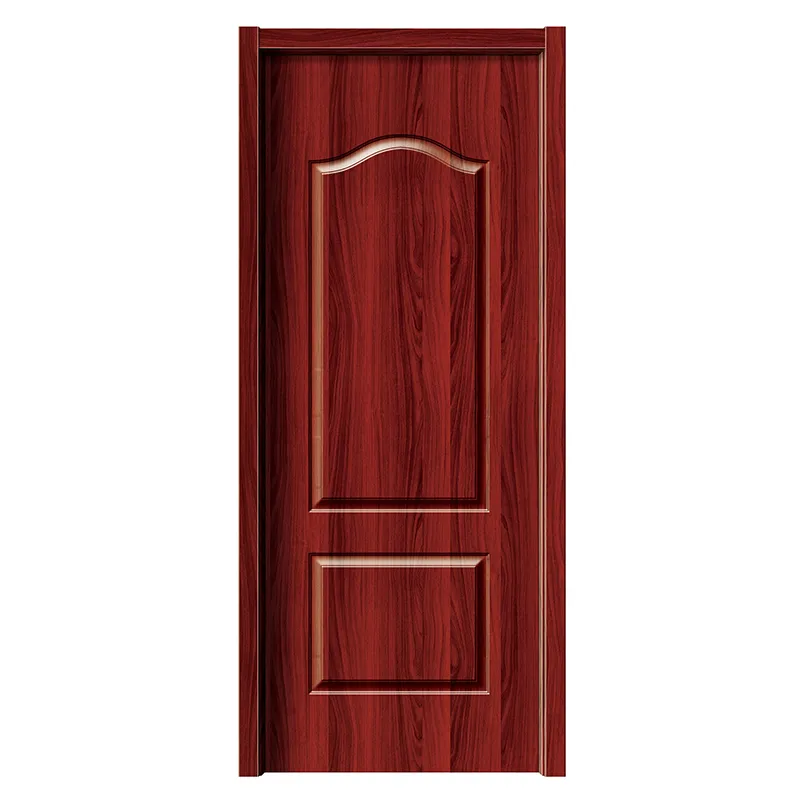 YST-207 Door Red team
 -
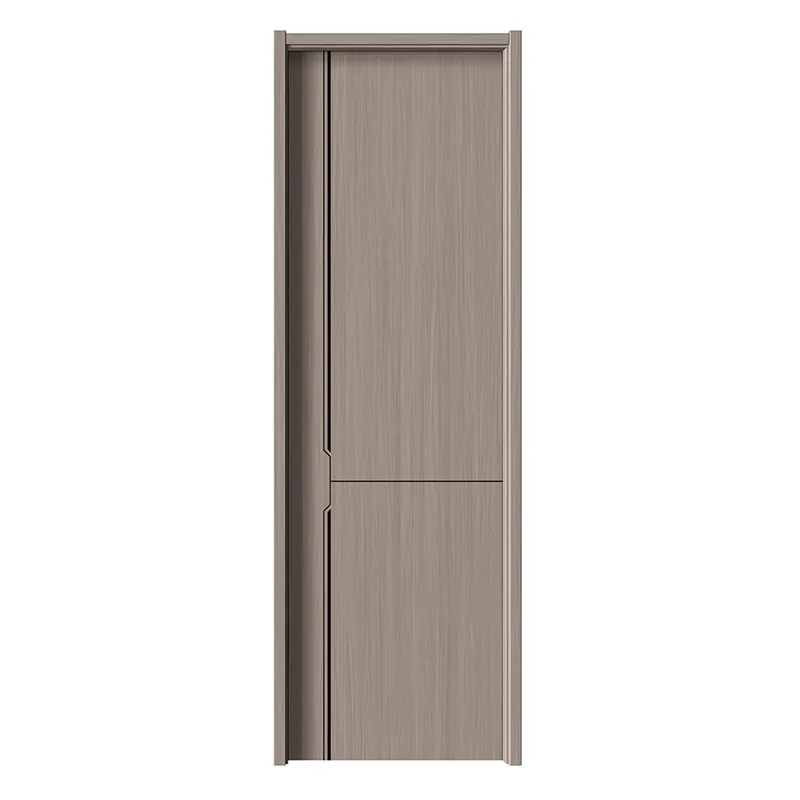 YST-1011 Door Translucent light shadow 3