



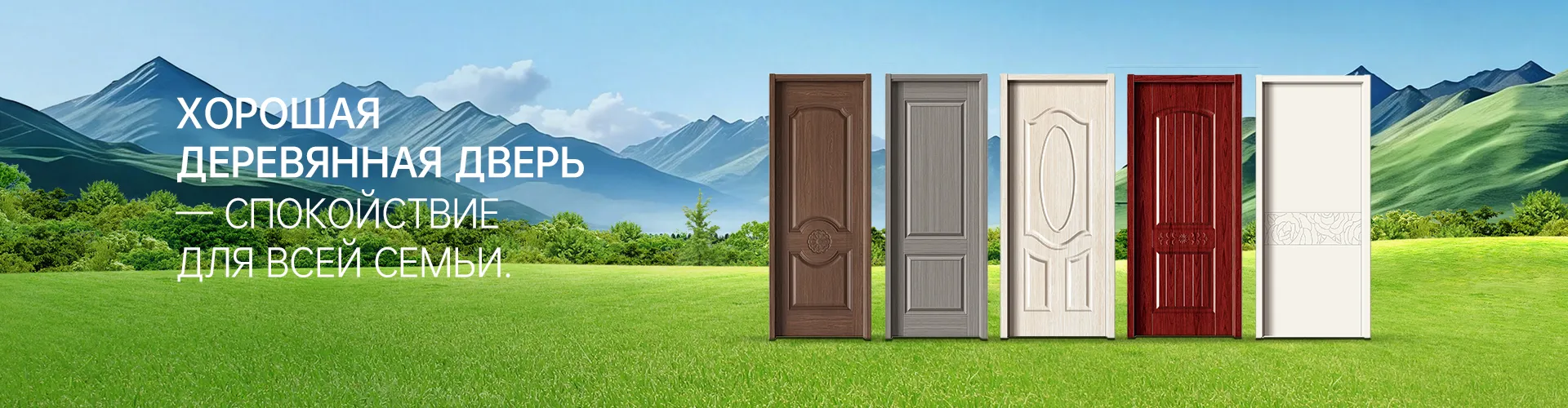
Good interior doors eco-veneer
When clients ask about “good eco-veneer interior doors,” many immediately imagine just “inexpensive laminate.” This is the first and most common misconception that you encounter in your work. In fact, the difference between cheap laminated fabric and high-quality eco-veneer is a gulf, and it is not noticeable immediately, but after six months to a year of use. The term “eco-veneer” itself has become so blurry that they are now selling anything under it. I, as a person who has seen both the assembly and the consequences of the wrong choice on objects, would like to sort out what to look at so as not to throw money away.
Eco-veneer is not just a film. Structure and misconceptions
So let's start with the basics. Many people think that eco-veneer is just a PVC film glued to MDF. Partly yes, but the point is in the details. A good eco-veneer is a multi-layer structure. The base is a stable MDF board, not “damp”, which will not suffer from changes in humidity. Then comes the primer layer, which ensures adhesion. And already on top - the film itself is made of polypropylene or polyvinyl chloride, but of high pressure. It is this top layer that determines everything: resistance to scratches, abrasion, reaction to ultraviolet radiation and even tactile sensations. Cheap options use a thin film without protection, which fades in the sun and becomes covered with microcracks.
This is where confusion often arises with “veneer”. Natural veneer is a cut of wood, a “living” material, breathable, but capricious and expensive. Eco-veneer is an artificial material, but modern technologies make it possible to achieve an amazingly accurate and deep wood texture that cannot be distinguished by eye. His main trump card is stability. It will not dry out like natural veneer in a dry apartment, and will not swell from steam in the bathroom, unless, of course, the design of the panel and frame allows for this. But more on that later.
By the way, this is what people rarely pay attention to - the ends of the canvas and the profile of the box. In budget doors, the ends are often simply covered with an edge, which peels off over time. In high-quality ones, the technology of completely wrapping the canvas with film is used when it goes to the end. This is not only aesthetics, but also protection from moisture. I'm looking at samples fromAnhui Wantai Woodworking Co.,Ltd— they have exactly this technology, the joint is practically invisible, the film fits tightly. This is a sign of good production equipment.
Frame and filling: why can a door fail?
And now the most important thing that is hidden from view. You can take a beautiful, expensive film and stick it on a flimsy frame - and all the savings will go to waste. Good eco-veneer interior doors are supported not by beauty, but by “backbone”. The frame should be made of solid or spliced coniferous timber, well dried. A common mistake newbies make is to look only at the appearance of the sample in the store. And you need to ask about the design. How many crossbars are there in the frame? What is their thickness? How are they connected? If the frame is thin, without diagonal struts, the canvas may “sag” over time. or start creaking.
Filling. Solid MDF is heavy and not always necessary. More often, honeycomb (cellular) cardboard filling is used. And this is not bad if the cells are small and frequent. This provides rigidity and lightness. It’s bad when the cells are large and the frame is weak - the door will ring, be empty, and vibrate when slammed. There were cases at sites when the customer bought an “economy” doors, and after a year they literally collapsed in the middle from a light pressure - all because of the huge voids and the thin MDF sheet on top.
Another nuance is weight. A high-quality door with a good frame and cladding has a tangible, “solid” feel. weight. You take the edge of the canvas and feel it. A door as light as a feather is the first alarm bell. Companies that value their reputation, for example, the sameAnhui Wantai Woodworking Co.,Ltd, on your websiteanhuiwantai.rudirectly focus on the control of raw materials and processes. These are not just words. When production adheres to the concept of “building a business on precision?”, this can be seen in the little things: the evenness of the edges, the accuracy of the geometry of the canvas, the absence of bubbles under the film.
Fittings and installation: where a good door can go bad
You can buy the perfect canvas and ruin everything with the installation. Or loops. A common story: the client saved on installation, gave the work to a “universal master?”, and then the door does not close, it gets jammed, and the lock does not work. The box is the basis of the basics. It must be assembled strictly at 90 degrees, rigidly fixed in the opening and foamed. If the box is “walking”, no amount of good hinges will save it.
Loops. Heavy doors require at least three hinges, not two. And it’s better with bearings - they don’t creak and run smoothly. Saving on hinges is a guaranteed squeak in a year. Locks and handles are a separate issue. It is important that the seat under the locking plate is reinforced. In cheap doors there is just thin MDF, and after a couple of years of active use the lock simply loosens this socket.
Here, by the way, it is useful to see whether the manufacturer offers ready-made solutions. Some companies positioning themselves as international suppliers, such asAnhui Wantai Woodworking Co.,Ltd, are committed to providing products that combine design and practicality. This often means that they think through the system: the canvas, box, platbands and even recommendations for fittings fit together. This reduces risks at the installation stage. Their team of designers and developers works to ensure that it is difficult for the final installer to make mistakes.
Moisture resistance and practice: where you can and where you can’t
A very popular question: “Is it possible to have such a door in the bathroom?” It’s possible, but not all of them. The moisture resistance of eco-veneer is determined not only by the film, but also by the base. You need a moisture-resistant MDF board (usually green or grayish in color when cut). And again - wrapping technology. If the end is not protected, moisture will seep into the slab, it will swell, and the film will come off. I have seen such sad examples in bathrooms with poor ventilation.
Resistance to stains is also important for the kitchen. A good high-pressure eco-veneer has a dense, non-porous surface that is easy to clean from grease and splashes. But there is a nuance here - the joint between the canvas and the box. If there is a gap there, dirt will accumulate there. Therefore, accurate milling of the vestibule is important. This is about the issue of international production standards, which are declared by serious market players. Compliance with these standards is not for show, but for such everyday, but critical moments.
From personal experience: we once installed eco-veneer doors in an apartment with active children and dogs. We chose the option with a reinforced frame and film with wear resistance class AC4. Three years have passed and there is not a scratch on the doors in the nursery, although they certainly were not spared. But in the hallway, where they chose a more decorative, glossy option, small scratches appeared from claws. Conclusion: you need to look not only at the design, but also at the stated technical characteristics of the coating.
Price and choice: how to find a balance and not overpay
The final issue is cost. Good eco-veneer interior doors cannot cost as much as a box of chocolates. The price consists of raw materials (high-quality MDF, film from a trusted supplier), design complexity (paneled models are more expensive than smooth ones), work (milling, cladding) and logistics. If you see a suspiciously low price, most likely you saved on some of the above: on the frame, on the thickness of the slab, on glue.
How to choose? Request a section or sample design from the seller. Look at the ends. Check weight. Check the moisture resistance of the base if the door is for a bathroom. And the main thing is to work with suppliers who speak openly about their production. For example, when a company indicates that it has a modern production base and strictly controls the stages from raw materials to the finished product, as it doesAnhui Wantai Woodworking Co.,Ltd, this gives a certain confidence. You can ask them for certificates or technical descriptions.
After all, a good door is one that you stop noticing once it's installed. It does not creak, does not sag, opens and closes easily, and its appearance remains unchanged for years. Eco-veneer, with a competent approach to its choice, gives exactly this result - practicality without compromising aesthetics. And this is, perhaps, its main advantage in modern renovation, where appearance, durability, and a reasonable budget are important.
Correspondingproducts
Related Products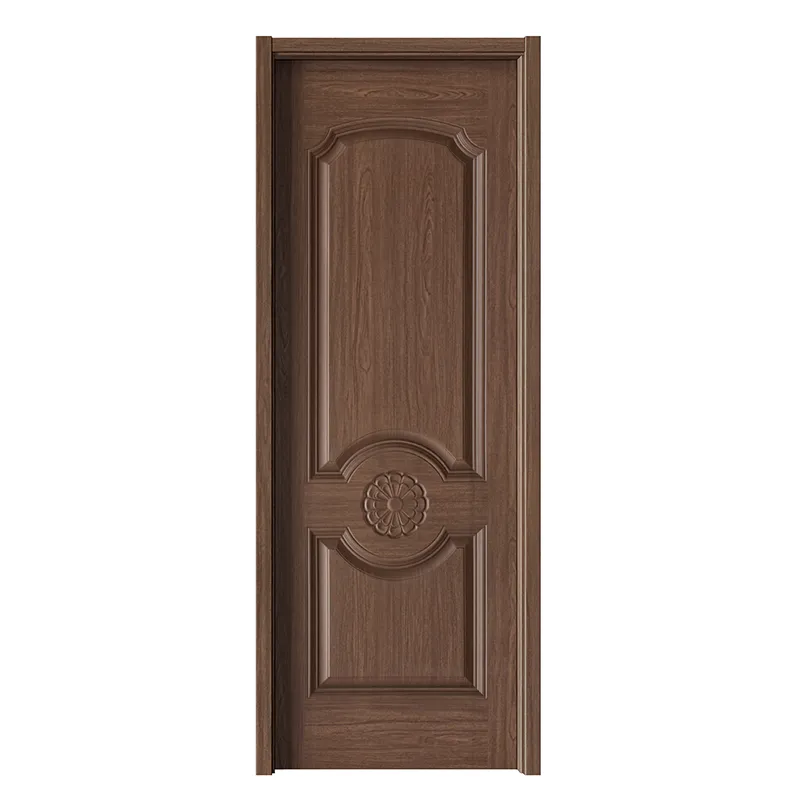
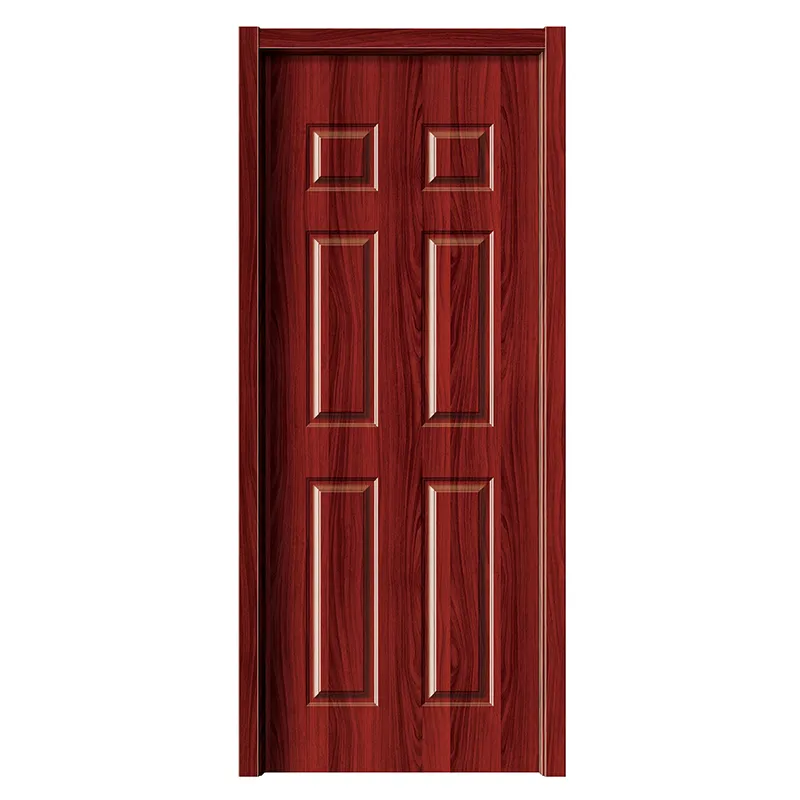
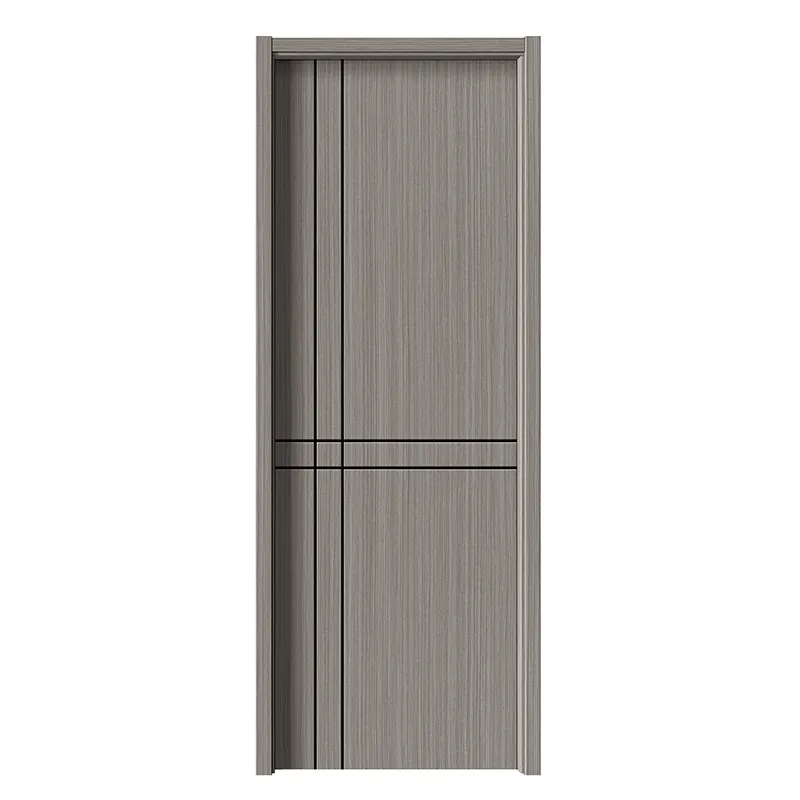
Best Sellingproducts
Best Selling Products-
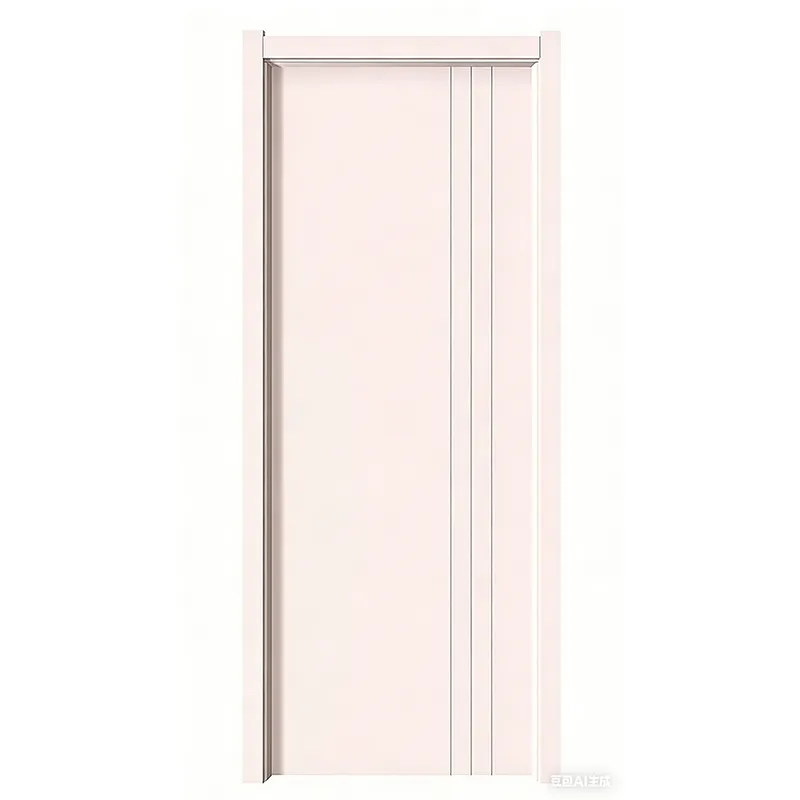 YST-WPC4 Door
 -
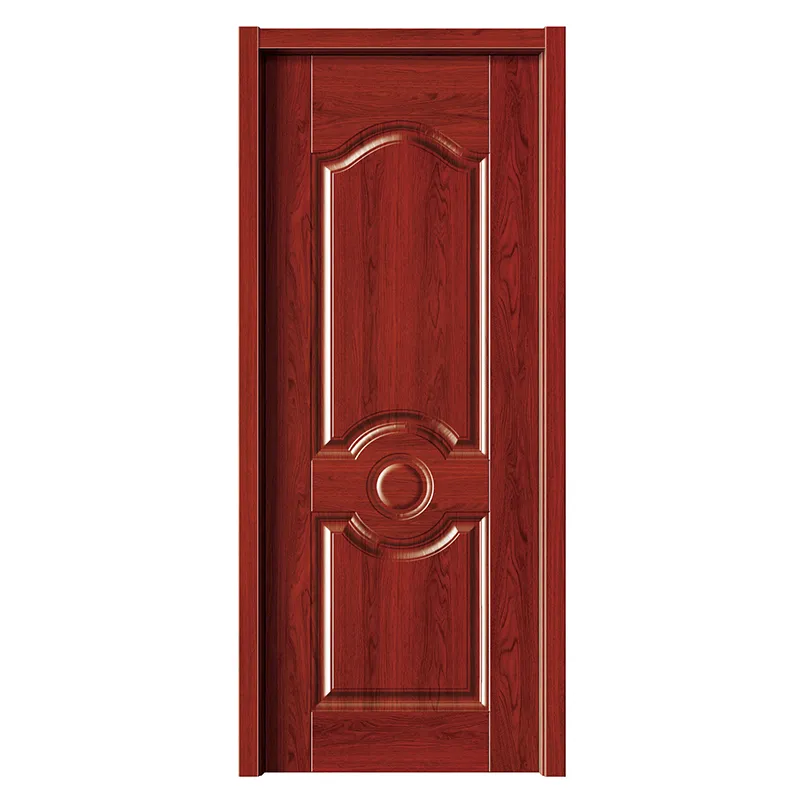 YST-208 Door Red Sandalwood
 -
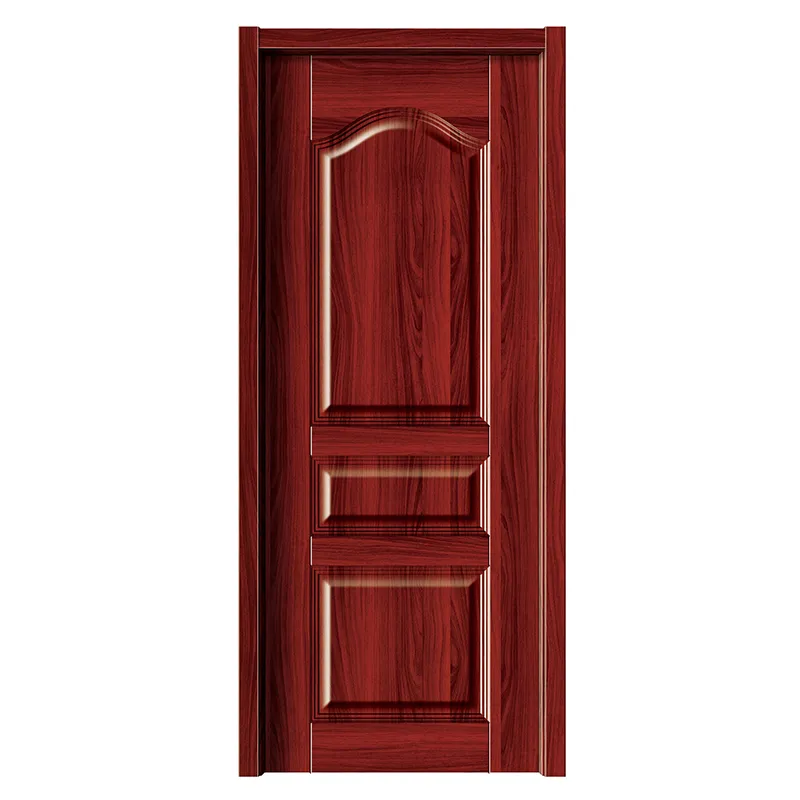 YST-203 Door Red team
 -
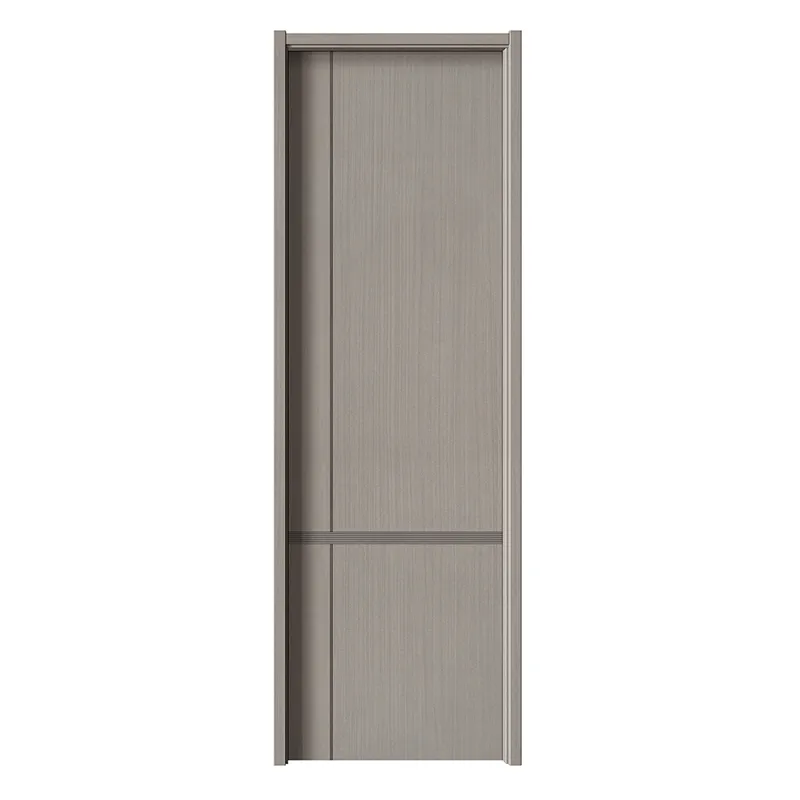 YST-1013 Door Cloud Walnut 1
 -
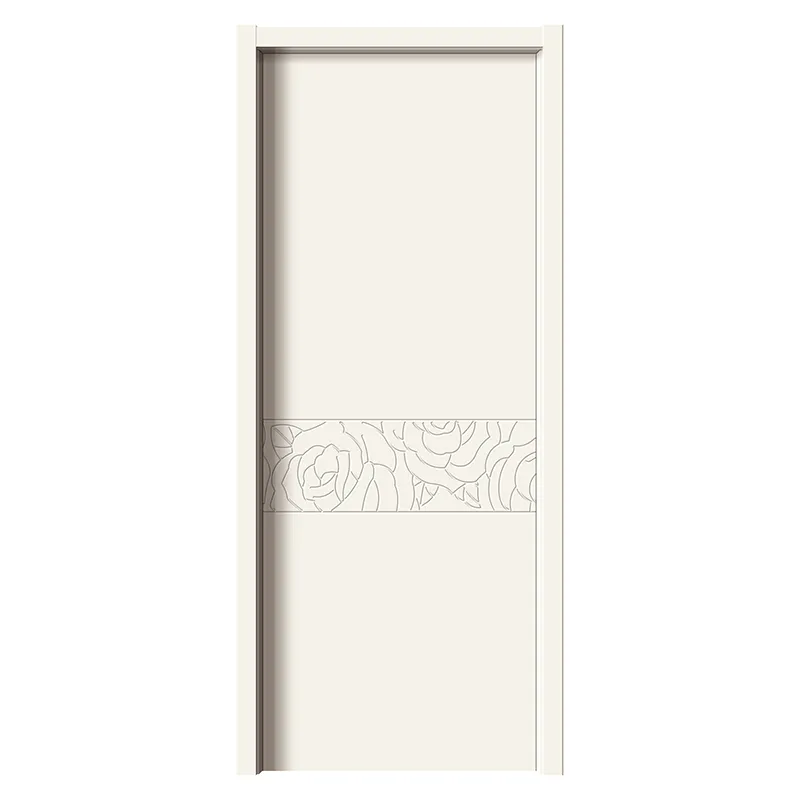 YST-238 Door White ivory
 -
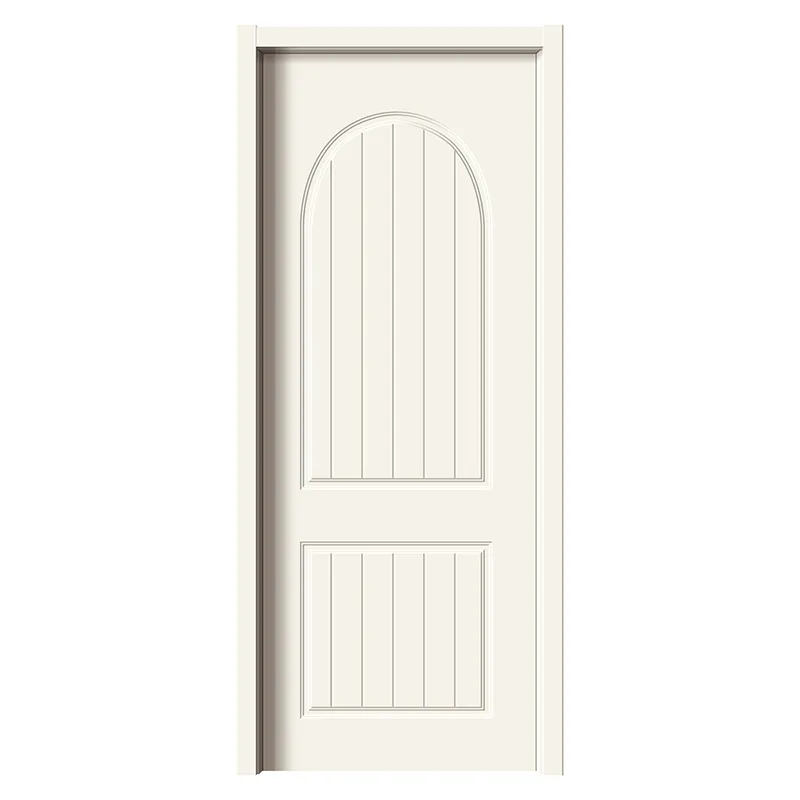 YST-236 Door White ivory
 -
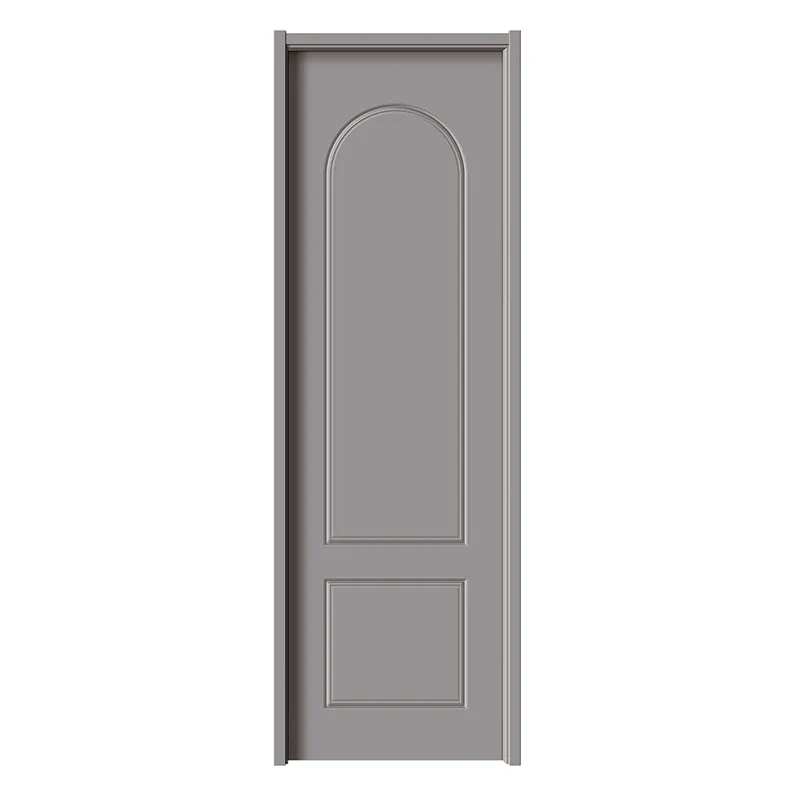 YST-241 French Door 1 soft stone gray
 -
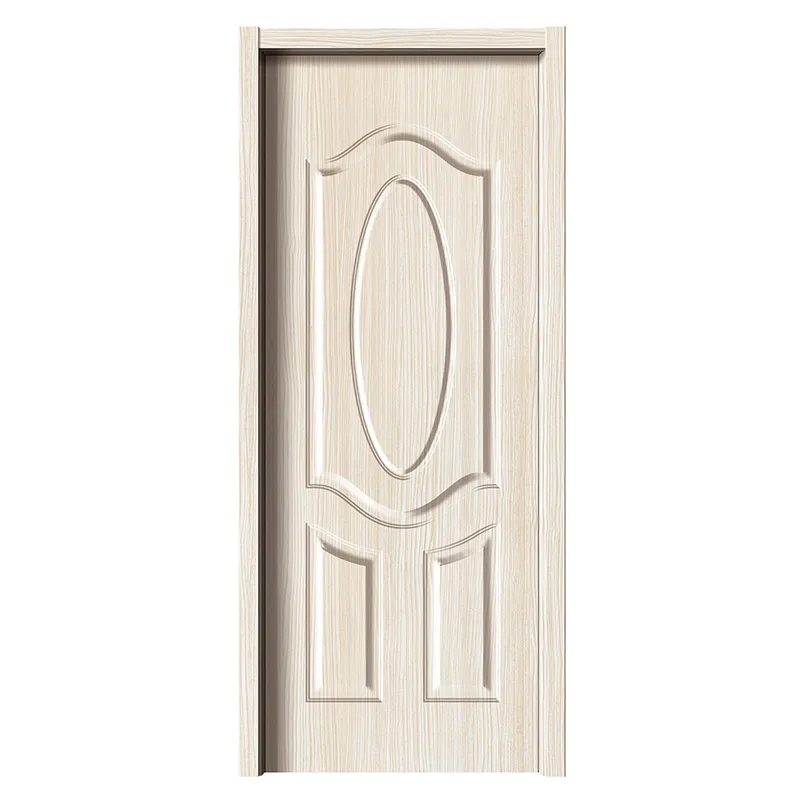 YST-216 Door White Maple
 -
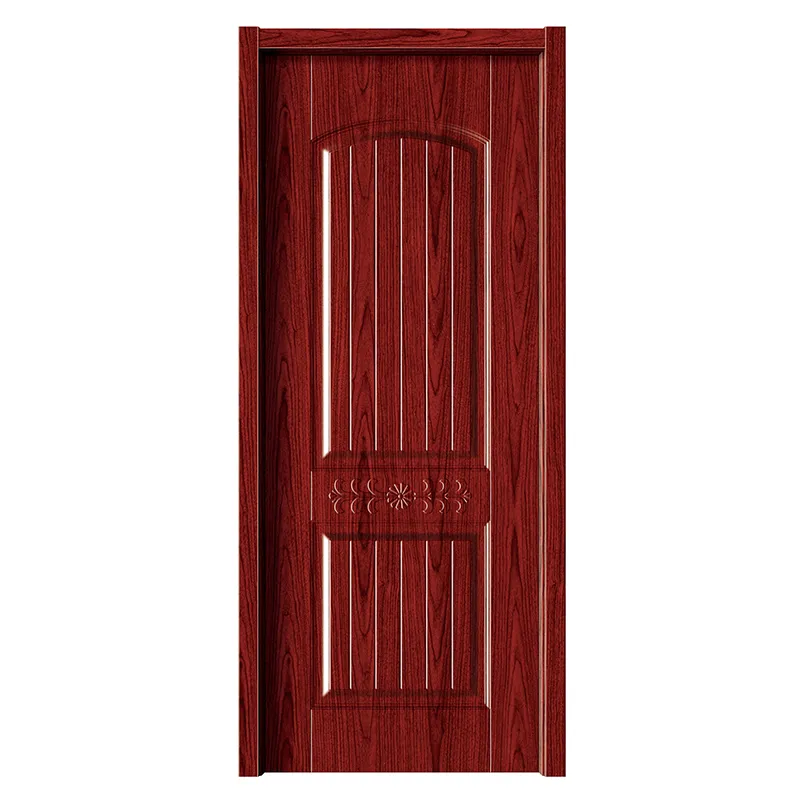 YST-233 Door Mahogany
 -
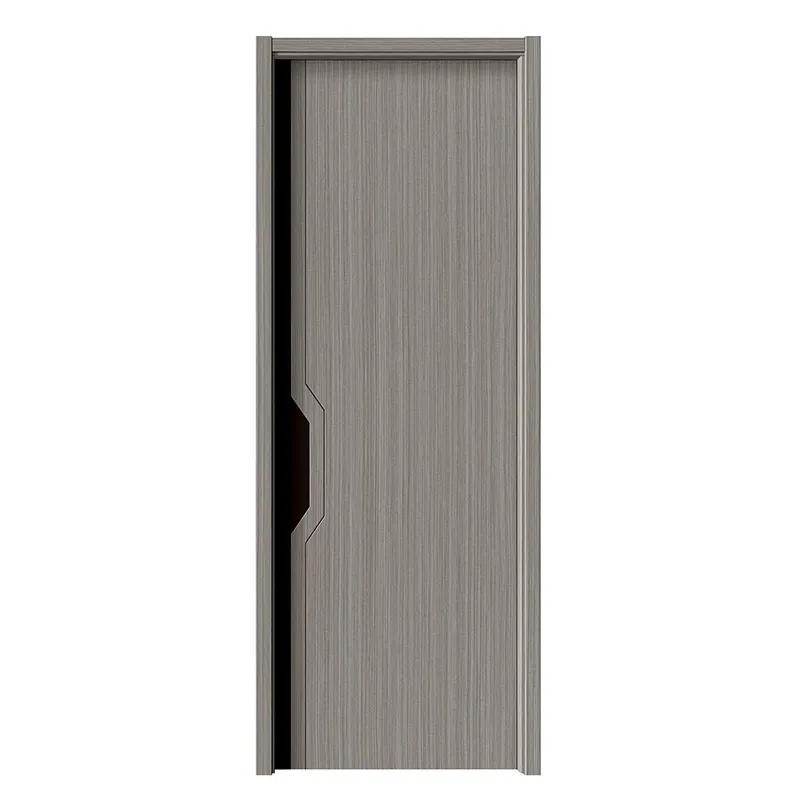 YST-1007 Technotree Door 2
 -
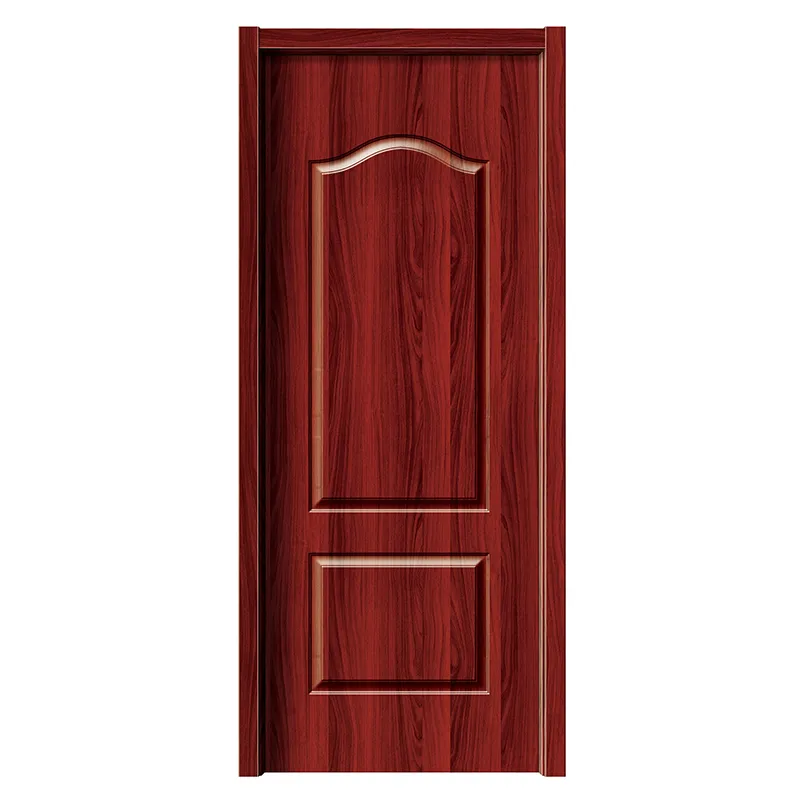 YST-207 Door Red team
 -
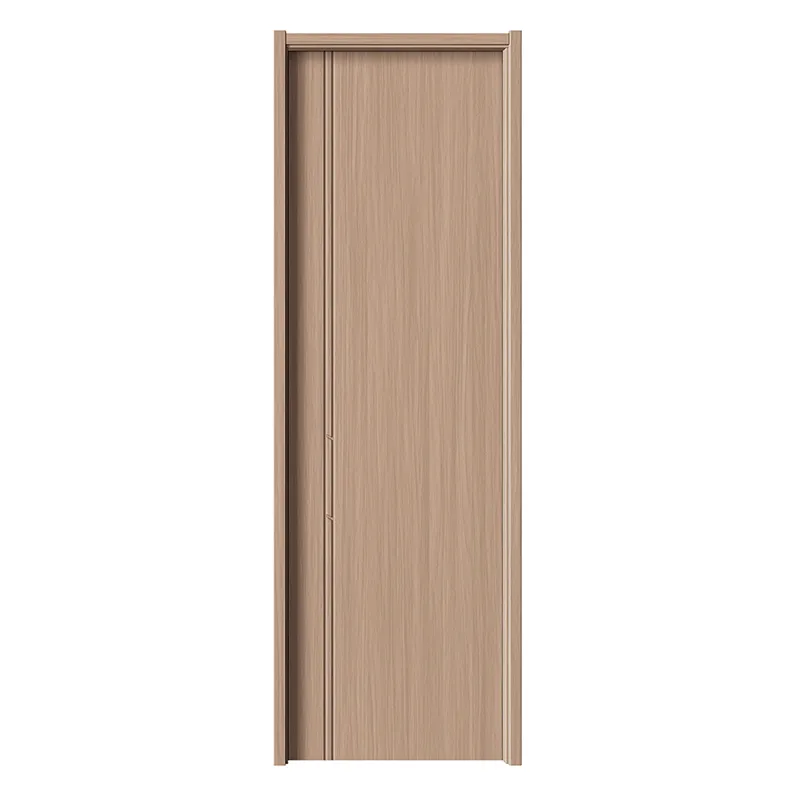 YST-1009 Door Translucent light shade 1