




Plastic door to the entrance
I’ll tell you right away - when the customer asksplastic entrance door, half of them immediately have in their heads a picture of a cheap structure from a building materials store, which after a season will begin to creak and let in the wind. And this is the main mistake - to equate plastic windows with entrance doors. The design, loads, rigidity requirements - everything is completely different. About ten years ago, I myself thought that this was just an enlarged version of a window block, until I encountered the first complaints about the sagging of the canvas in the castle area after a harsh winter.
Why is plastic even considered for entry?
Of course, there is demand. And it is clear: people want warmth, quiet, without drafts and without eternal painting, as with wood. Especially for vestibules, verandas or second entrances to a private house - it seems that this is a logical and budget solution. Plus the appearance - modern wood laminations can be very convincing, not everyone can tell the difference right away.
But here lies the first professional pitfall. If for interior openings or a balcony the profile can be three- or five-chamber, then for the entrance group the minimum acceptable is a five-chamber, or better yet, a six- or seven-chamber profile with reinforcement. And we are not just talking about a steel liner inside, but about full-fledged reinforcement along the entire perimeter, especially in the hinge and lock canopy areas. I have seen how, at facilities where they saved on reinforcement, after two years of operation the sash simply “floated”. - the geometry was violated, the vestibule ceased to be uniform.
Another point that is often overlooked is the threshold. In plastic doors it is often integrated, and if it is incorrectly calculated in height or does not provide high-quality drainage, in winter you will experience an ice jam or constant condensation. It was necessary to dismantle such doors and redo the joint to the floor already on site - nervous work for both the client and the installers.
Where is a plastic front door a justified choice?
Based on experience, there are several scenarios where it really performs well. The first is glazed entrance areas in commercial premises, where light and a unified façade design are important. The second is warm vestibules in private houses, when the outer door is already solid, metal or wooden, and this one stands as a second thermal circuit. The third is exits to a glazed balcony or terrace, where there is no direct street influence.
But for the main entrance to an apartment or house, I would place it as the only barrier to the street with huge reservations. It all comes down to safety. Even the strongest plastic profile and multi-locking fittings will not provide the same level of burglary resistance as a good steel door. This is physics. Although, of course, for a dacha with seasonal accommodation or technical premises, the option is acceptable.
By the way, about the accessories. Saving here is more expensive for yourself. A standard window handle and a simple latch lock are not suitable for the front door. What is needed is specialized entrance fittings - reinforced hinges, anti-removal bolts, at least two locking points on different sides. We once installed a door with a good German profile, but with basic fittings - so the client returned six months later with the fact that with a strong gust of wind the door was literally torn out of the narthex. I had to replace the entire locking mechanism.
What about the tree? Competition or different niches?
It's interesting to draw a parallel here. When we talk about capital, status input, plastic, as a rule, loses in perception. Wood is traditional reliability, solidity, and the possibility of deep individual processing. For example, I follow the work of the companyAnhui Wantai Woodworking Co.,Ltd (https://www.anhuiwantai.ru). They are positioning themselves on the international market with an emphasis on the aesthetics and practicality of wooden doors. Their approach is not mass consumer goods, but a combination of design and engineering solutions, which is critically important for the entrance group.
Their philosophy is to “build a business on precision, win with quality?” - this is exactly what is often lacking in the segment of plastic entrance doors, where there are many frankly weak solutions. Modern production, control from raw materials to the finished product is what allows a wooden door to be not only beautiful, but also resistant to changes in humidity and temperature. Plastic has its own advantages - absolute resistance to moisture, a maintenance-free surface. These are different products for different tasks.
Therefore, returning to ourplastic entrance door, it is important to understand: this is not a replacement for wood or metal, but a separate product with its own specific application. It cannot simply be “ordered as a window”. You need a calculation, the correct profile, specialized fittings and, most importantly, professional installation with preparation of the opening. Otherwise, all the benefits will be nullified.
Practical rakes: what to look for when choosing and installing
So, if the decision is made in favor of plastic, here's what I always check first. The thickness of the outer wall of the profile is not even considered less than 3 mm. Quality and reinforcement scheme - there must be a closed loop made of galvanized steel. Type of double-glazed window - for the entrance it is better to have a two-chamber one, with at least an energy-saving coating, and ideally with external triplex or at least tempered glass for safety.
Installation is 70% of success. The opening must be perfectly aligned, otherwise the door will act like a lever and the fittings will quickly fail. Be sure to use not only foam, but also mechanical fasteners to the base of the opening. And the force threshold - if it is in the design - must be rigidly and hermetically connected to the waterproofing of the floor.
One of our early unsuccessful experiences was connected precisely with installation in a new building, where the opening was “walking”. They installed it, everything is fine, a month later the lock jams. It turned out that the house was shrinking, and our door, secured only with foam, was deformed. I had to remove it, reinforce the opening with metal and reinstall it. Lesson for life: a plastic door is rigid, but not so rigid as to compensate for the curvature of the walls.
Bottom line: should I put it this way or not?
To summarize my experience, I will say this:plastic entrance dooris a viable solution, but not a universal one. It requires more thought than meets the eye and a higher investment in quality components than a standard window. Its strengths are heat conservation, tightness and durability of the coating when properly executed.
But if you need maximum security, representativeness of the main entrance, or you live in a region with extreme wind loads, it’s worth taking your time to consider classic materials - metal or the same wood as the one mentionedAnhui Wantai Woodworking Co.,Ltd, where the focus on precision and quality produces predictable and long-lasting results.
Ultimately, it all comes down to an accurate understanding of the task. There are no bad materials, only their misuse. A plastic front door is an excellent tool, but you need to use it with skill, and not because “the neighbor installed it and it seems like nothing?” Otherwise, instead of the expected warmth and silence, you will get a headache with adjustments and repairs. Tested on more than one site.
Correspondingproducts
Related Products

Best Sellingproducts
Best Selling Products-
 YST-1011 Door Translucent light shadow 3
 -
 YST-1029 Door Translucent light shade 1
 -
 YST-WPC3 Door
 -
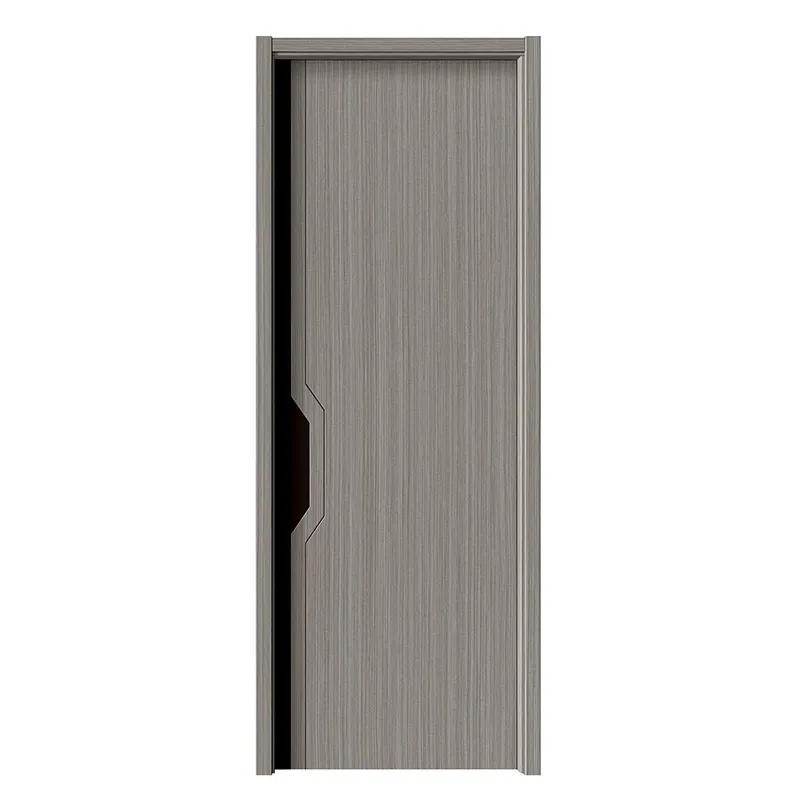 YST-1007 Technotree Door 2
 -
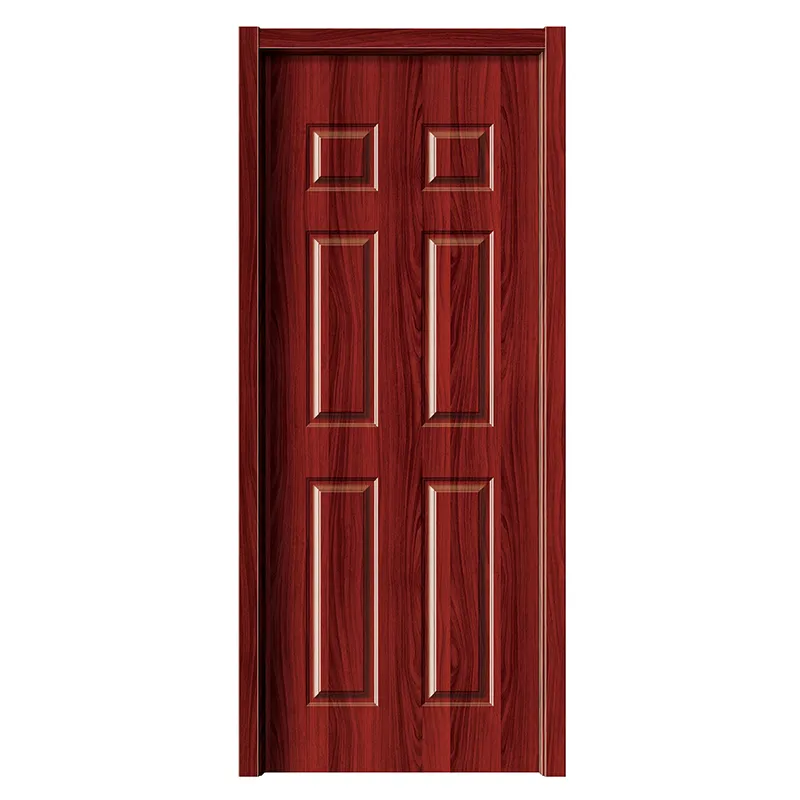 YST-201 Door Red team
 -
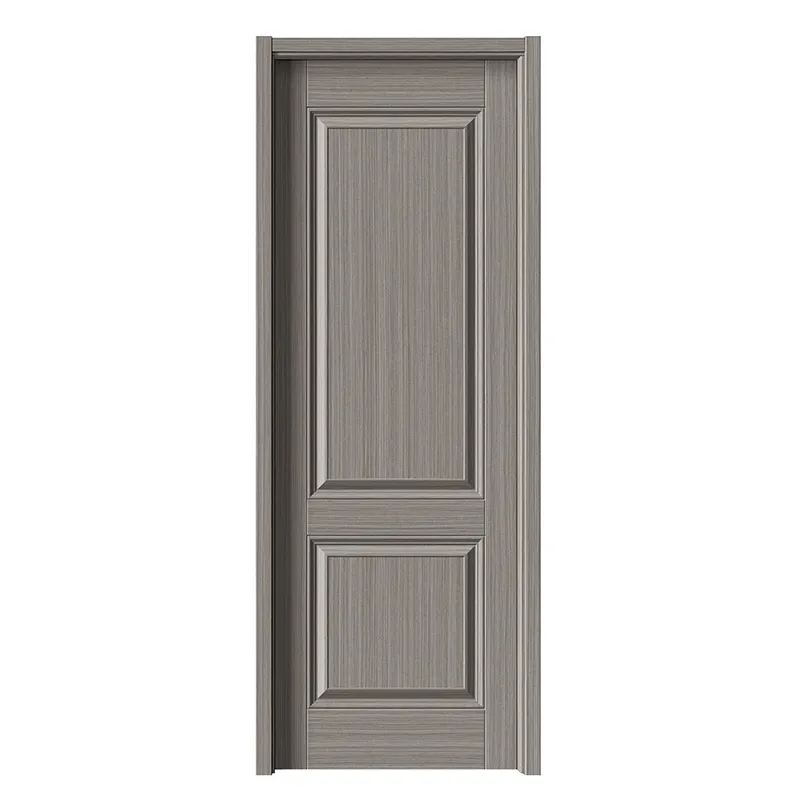 YST-214 Door Technowood 2
 -
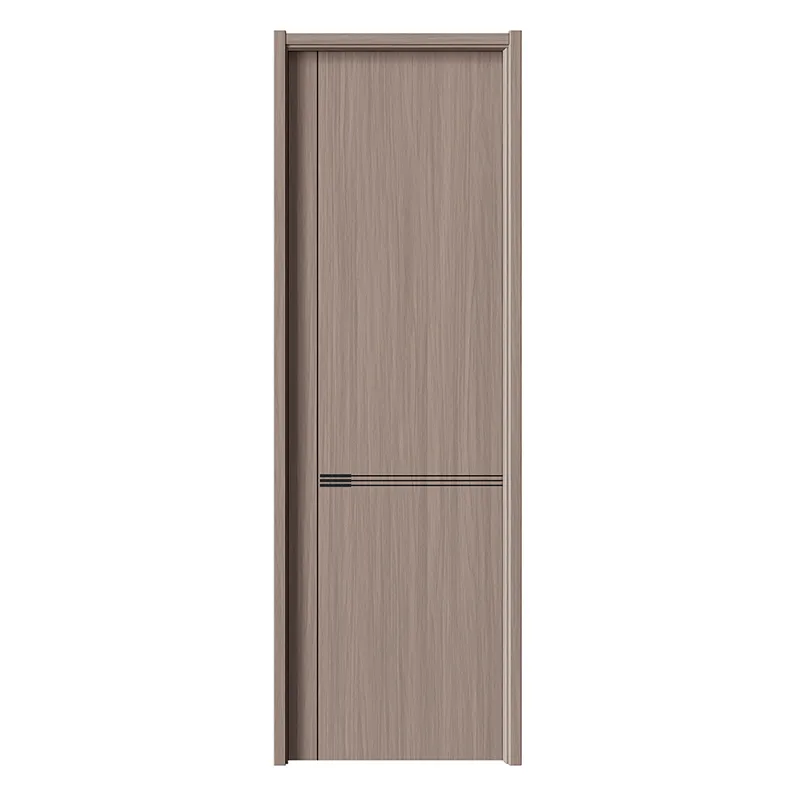 YST-1039 Door Translucent light shadow 3
 -
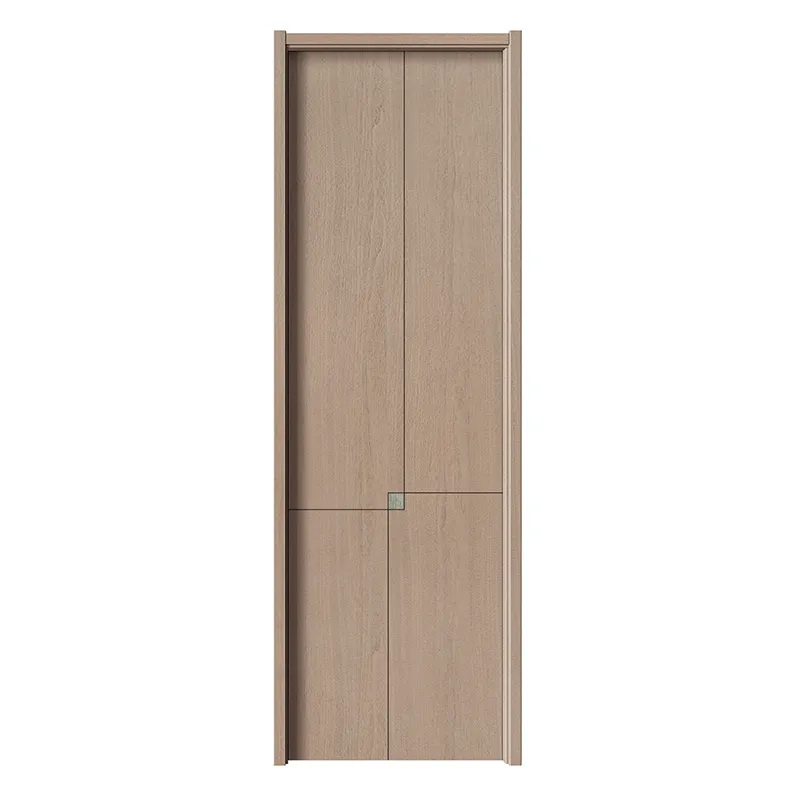 YST-1008 Door Natural walnut 2
 -
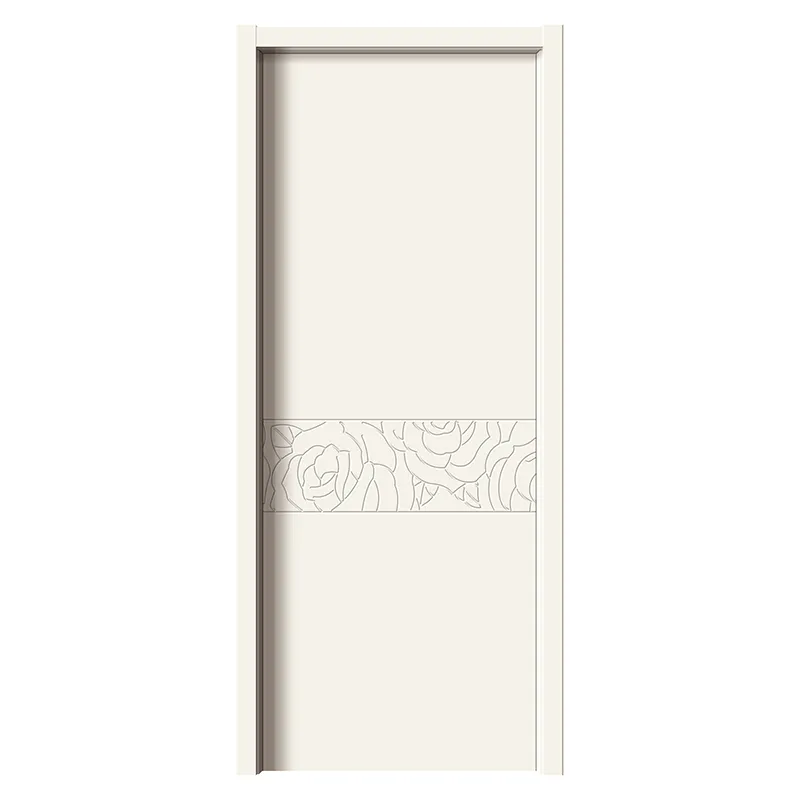 YST-238 Door White ivory
 -
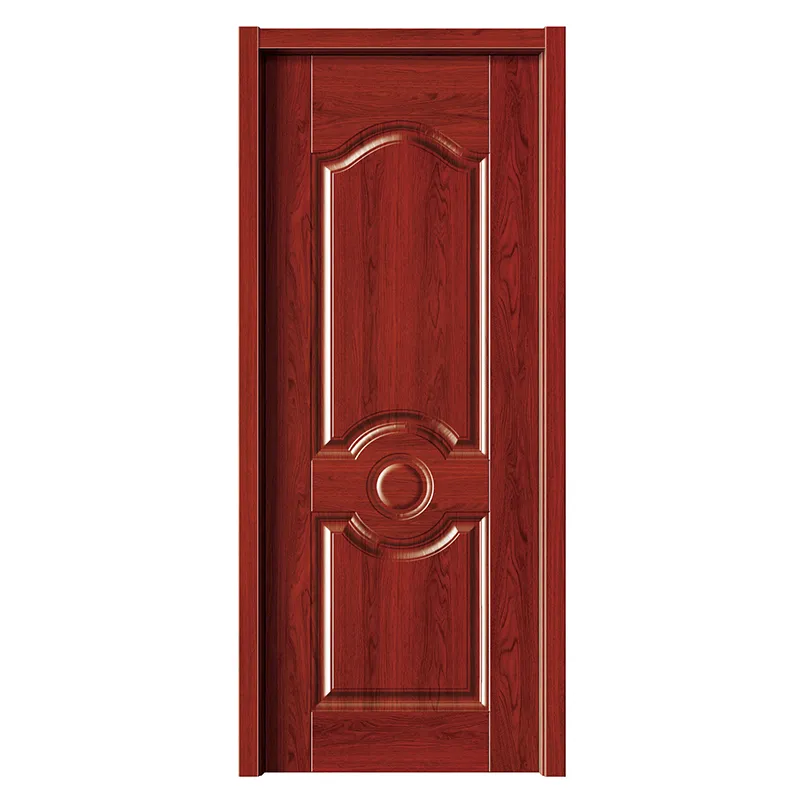 YST-208 Door Red Sandalwood
 -
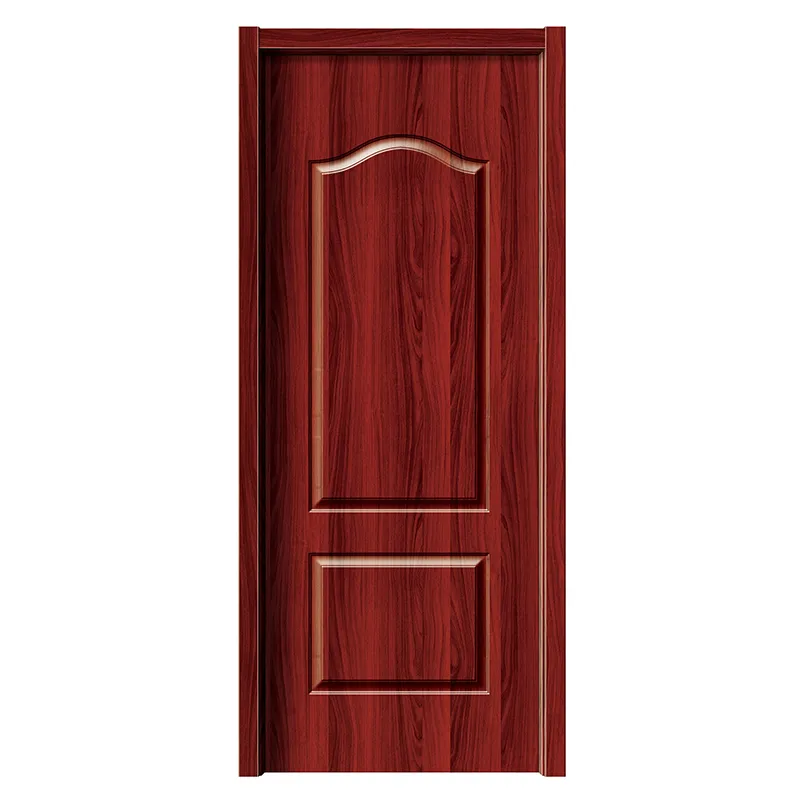 YST-207 Door Red team
 -
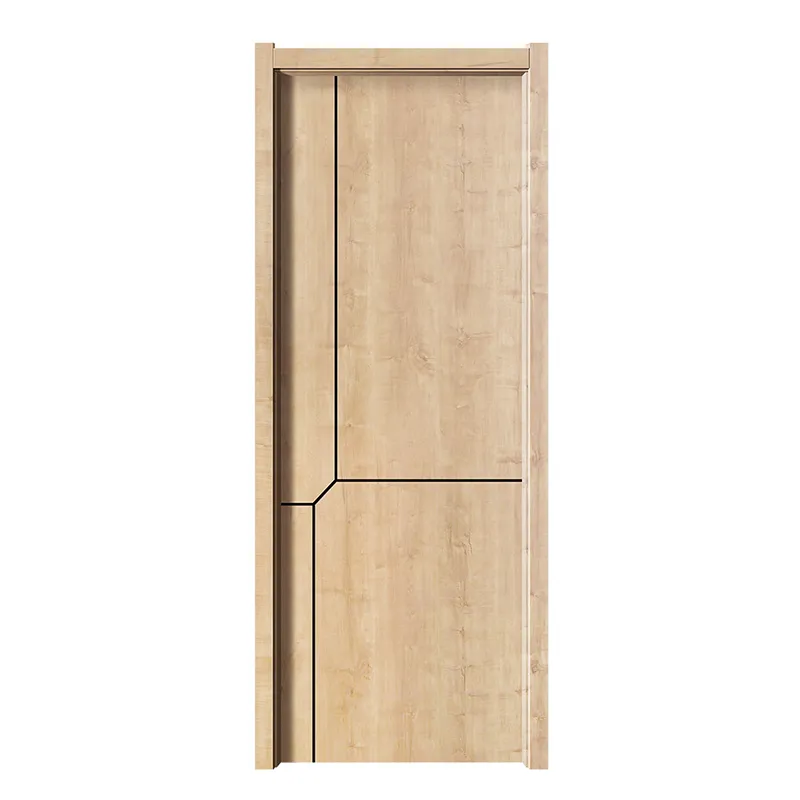 YST-WPC1 Door