




Antibacterial wooden door
When you hear “antibacterial wooden door”, the first thought is another trick. But in reality, if we discard loud slogans, it is a matter of processing, impregnation and, most importantly, understanding where such a door is really needed and where it is wasted money. Many people think that this is some kind of magic, but it all comes down to the composition and application technology.
What does “antibacteriality” actually consist of?
I won’t go deep into chemistry, but the key is impregnation based on silver ions or special polymer compounds. It is important not just to apply them to the surface, but to ensure deep penetration into the wood fibers. Otherwise, in a couple of years the activity will fade away. I saw samples where the coating was purely superficial - under the lock or on the end where there was a cut, after a year dark spots appeared, although the front side looked perfect.
Raw materials are a different story. If the wood initially has high humidity or has not undergone proper chamber drying, no impregnation will save it. Bacteria and fungus develop inside, and the coating only creates the appearance of protection. Therefore, when the company is the sameAnhui Wantai Woodworking Co.,Ltd, declares a strict selection of raw materials - these are not empty words. On their websitehttps://www.anhuiwantai.rucontrol is mentioned at all stages, and in the case of antibacterial properties this is critical. Because the technology begins not in the painting shop, but in the sawmill.
Another nuance is compatibility. Antibacterial impregnation should “get along?” with primers and varnishes so that neither protective nor decorative properties are lost. I had to deal with a situation where, due to incompatibility of components, the varnish became cloudy or peeled off at the corners. The solution is long tests on samples, and not immediately on the finished door.
Where does it work and where is it overkill?
Based on experience, the main demand for such doors comes from facilities with special hygiene requirements: private clinics, laboratories, food production, and sometimes children's institutions. In an ordinary apartment in a dry living room, such a door, frankly, will not show its advantages. But in the bathroom or kitchen, where there are changes in humidity, it may be justified.
There was a project - supplying doors for a small private medical center. The customer initially wanted everywhereantibacterial wooden doors. After discussion, we settled only on the manipulation area and bathrooms. Regular high-quality solid wood doors were installed in the administration offices. The savings for the customer are significant, and functionality is maintained where necessary. This is to the question that there is no need to blindly believe in the universality of the solution.
By the way, about durability. At the same medical center, three years later they did a random check. In bathrooms, where the doors were constantly in contact with detergents, the surface layer on some models (not from Wantai) was worn out, and the effect, judging by the tests, decreased. And where a more durable two-component finish was used in combination with impregnation, the performance was normal. Conclusion: not only impregnation is important, but also the overall resistance of the finishing coating to aggressive environments.
Practical difficulties and errors in installation
The most common problem is that installers do not take into account the specifics. For example, when cutting the canvas to size or drilling holes for handles, they do not process the cuts. It turns out that in the most vulnerable place - the fresh cut - remains without protection. I always insist that the kit includes a small jar of the same impregnation for on-site processing after installation work. But not all manufacturers provide this.
Another point is the fittings. Hinges and locking mechanisms can also become a breeding ground for bacteria, especially in damp areas. Ideally, the antibacterial coating is also applied to the end where the lock fits, but technically this is more difficult. UAnhui Wantai Woodworking Co.,Ltdin the description of processes, the emphasis is on accuracy and control - if this is really introduced into the cycle, then such nuances should be worked out at the door design stage, and not as an addition.
A mistake that I myself made in the early stages - I did not check how a door with such impregnation would behave in an unheated room. At one of the facilities (a warehouse complex with an area for staff), the temperature dropped below zero in winter. The door did not seem to be deformed, but microcracks in the varnish appeared on the surface. Perhaps due to the difference in the expansion coefficients of wood and the protective layer. After this, I always clarify the operating conditions.
Market and manufacturer choice
Now many offer “antibacterial” solutions, but often it’s just a door with some component added to the varnish. There are no certificates confirming activity and its duration. It’s good when the manufacturer is like the same company from the websitehttps://www.anhuiwantai.ru, openly talks about compliance with international standards. Ideally, test reports should be requested specifically for antimicrobial activity against specific strains (e.g. Staphylococcus aureus, E. coli).
Price is a separate indicator. If the difference with a regular door of the same class is minimal, you should be wary. High-quality impregnations and additional processing increase the cost. But chasing the most expensive is not always wise. Sometimes the overpayment is for the brand, and not for the technology. This is where analysis of the production base helps. The mentioned company positions itself as a manufacturer with a modern base and development team - this usually means that technologies are not introduced at random, but after research.
For me personally, an important criterion is the manufacturer’s willingness to make a sample for specific conditions. Not just sell a catalog item, but discuss what base (solid wood, laminated veneer lumber), type of coating (matte, gloss), and intensity of impregnation are needed. This is the very “precision business” that they write about.
Looking forward: what else can influence the development of the direction
Now the trend is combined solutions. Not only antibacterial properties, but also, for example, increased fire resistance or improved sound insulation characteristics in one design. This is technically difficult because additives can conflict. But some European manufacturers already offer something similar. I think this will soon become more common in our market.
Another point is environmental friendliness. Consumers are increasingly asking whether these impregnations contain harmful volatile substances. Especially for children's or medical institutions. Therefore, the future, apparently, belongs to water-based formulations with prolonged action. It is more difficult to produce, but demand will grow.
Returning to the topic.Antibacterial wooden door- this is not a magical product, but the result of a competent combination of materials, technologies and understanding of the customer’s needs. The main thing is not to take your word for it, but to understand the details: what is impregnated, how, how deeply and how it will be maintained during operation. These are exactly the principles that are declared by serious players in the market, striving to deliver products that combine design and practical characteristics for global customers. Everything else is just pretty words on a label.
Correspondingproducts
Related Products
Best Sellingproducts
Best Selling Products-
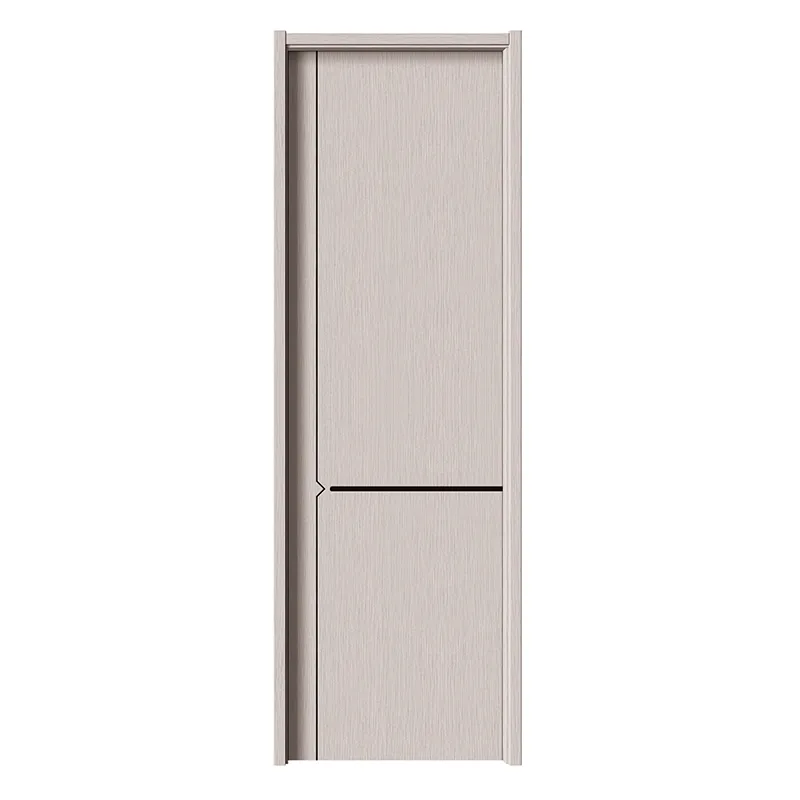 YST-1024 Door Chiaroscuro wood 1
 -
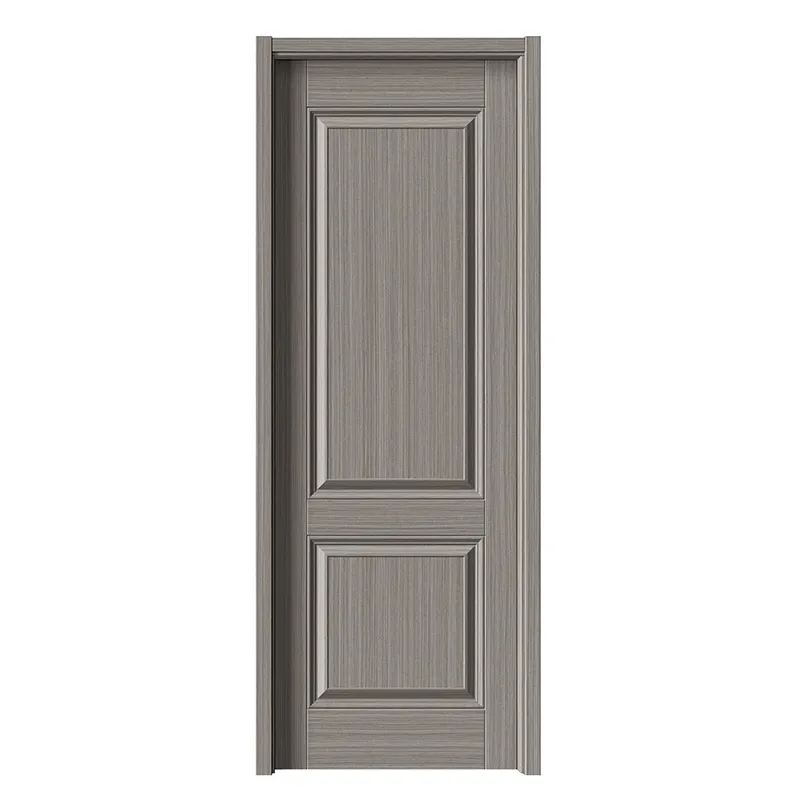 YST-214 Door Technowood 2
 -
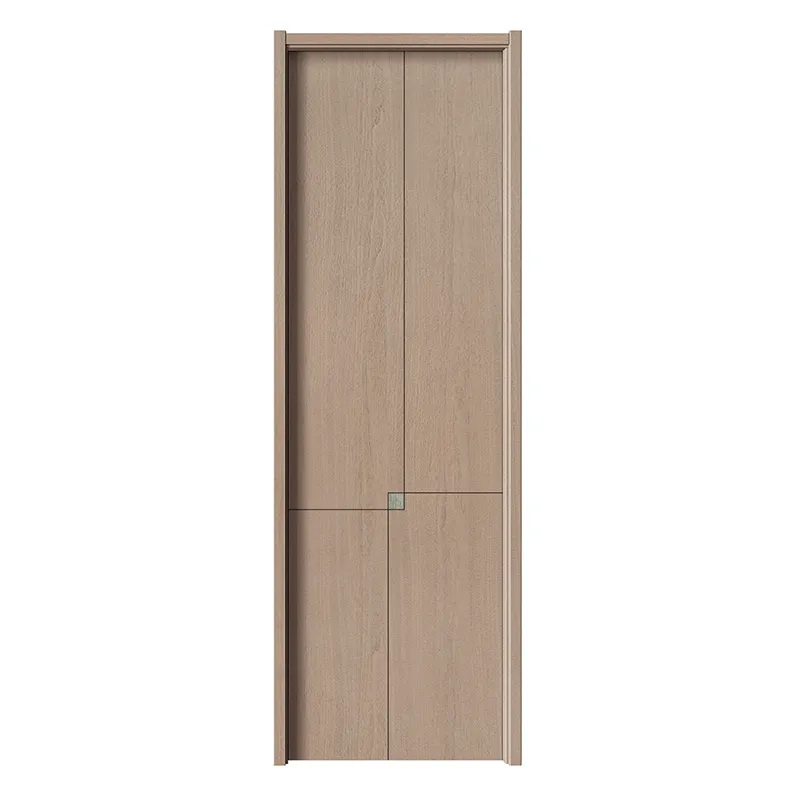 YST-1008 Door Natural walnut 2
 -
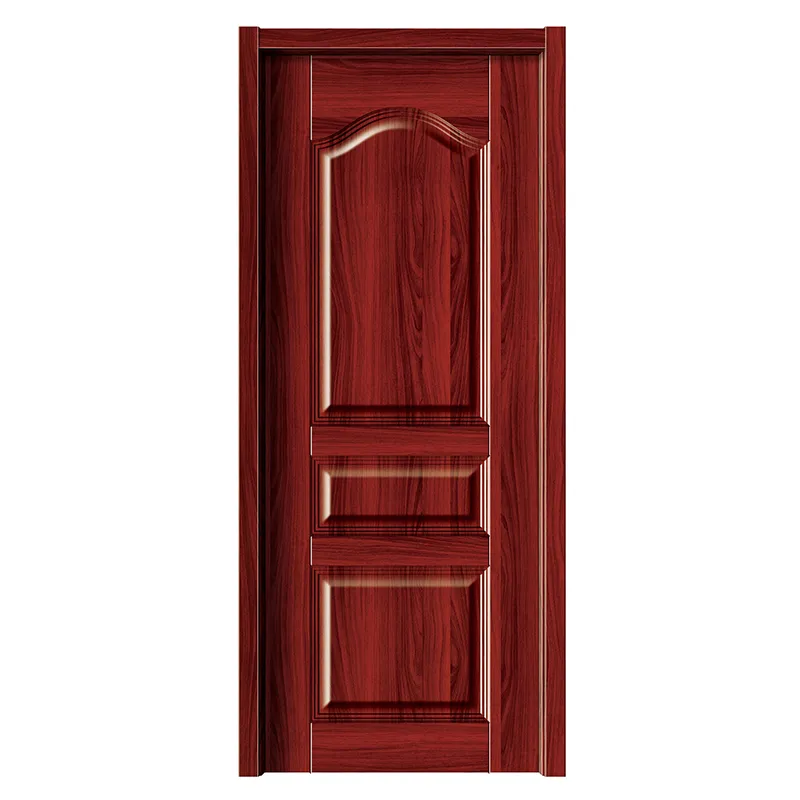 YST-203 Door Red team
 -
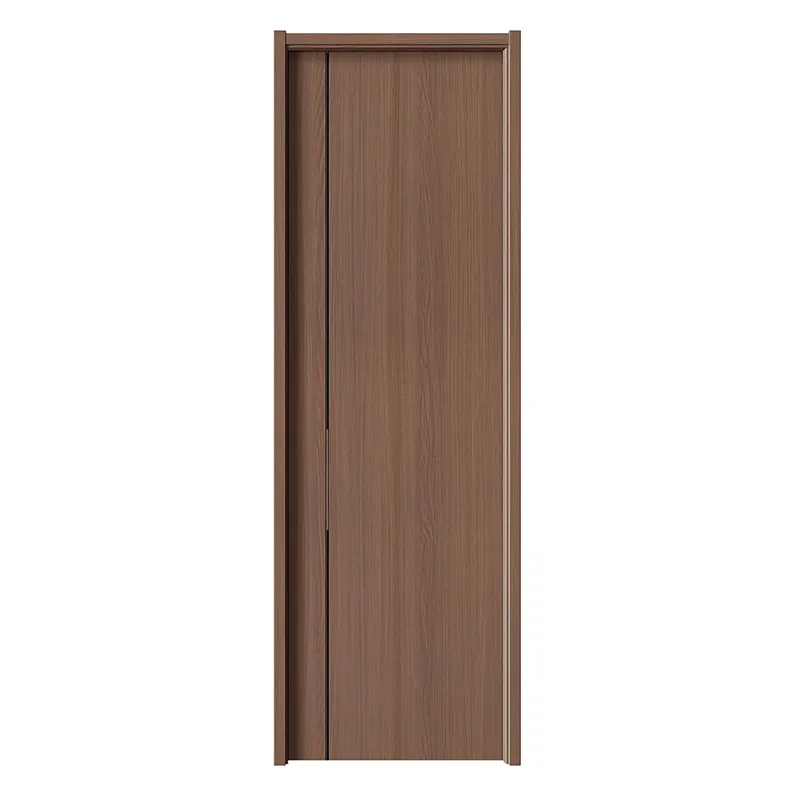 YST-1043 Door Techno-walnut 3
 -
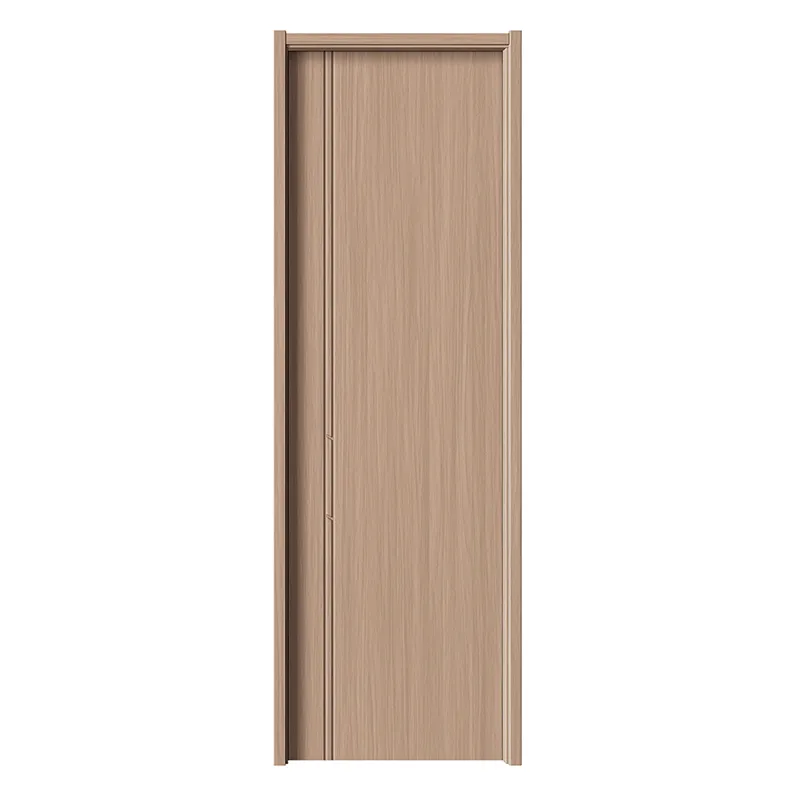 YST-1009 Door Translucent light shade 1
 -
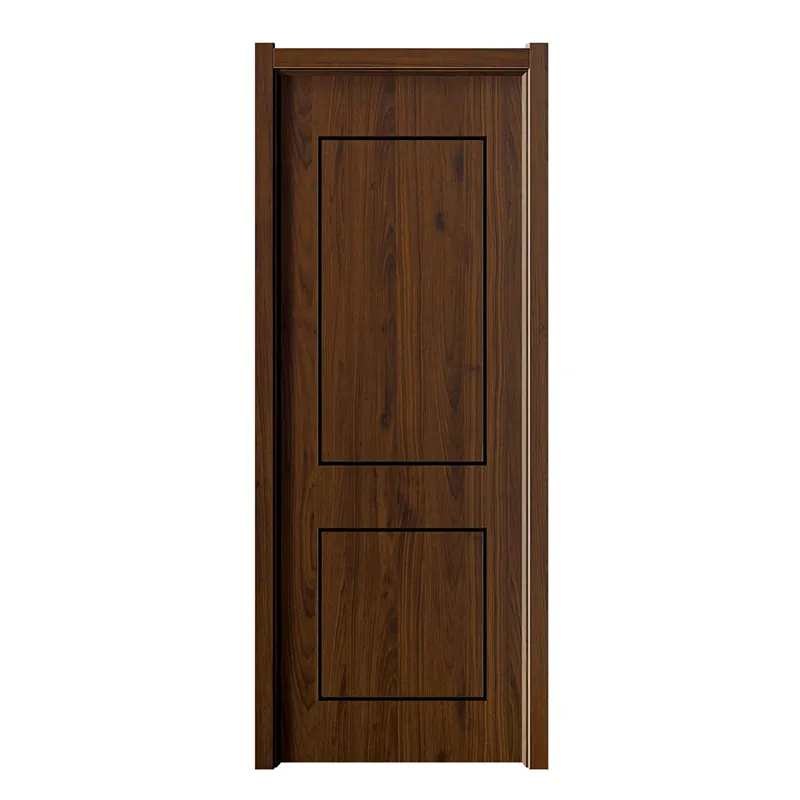 YST-WPC2 Door
 -
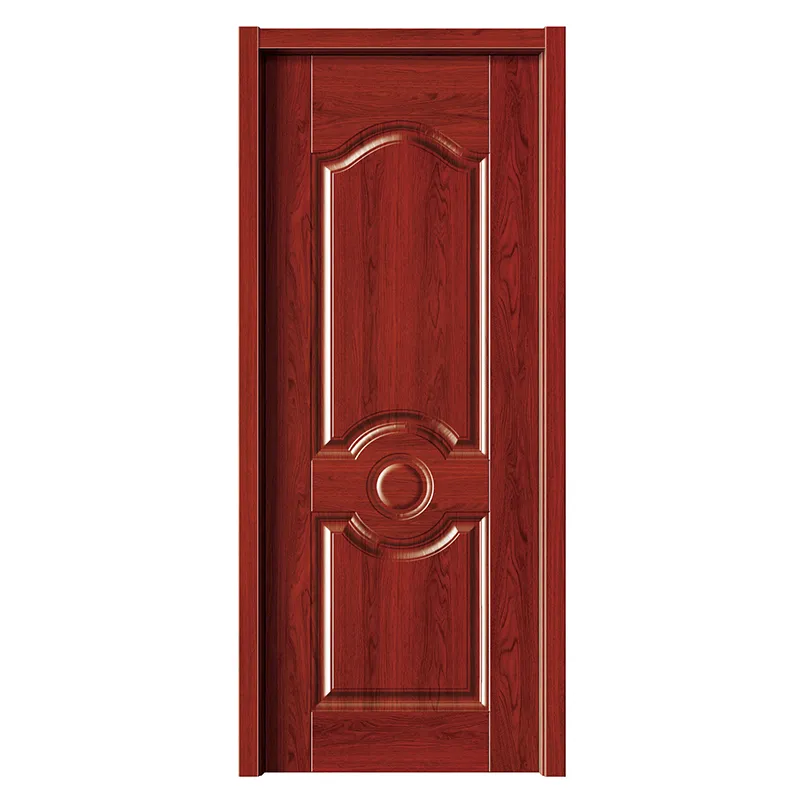 YST-208 Door Red Sandalwood
 -
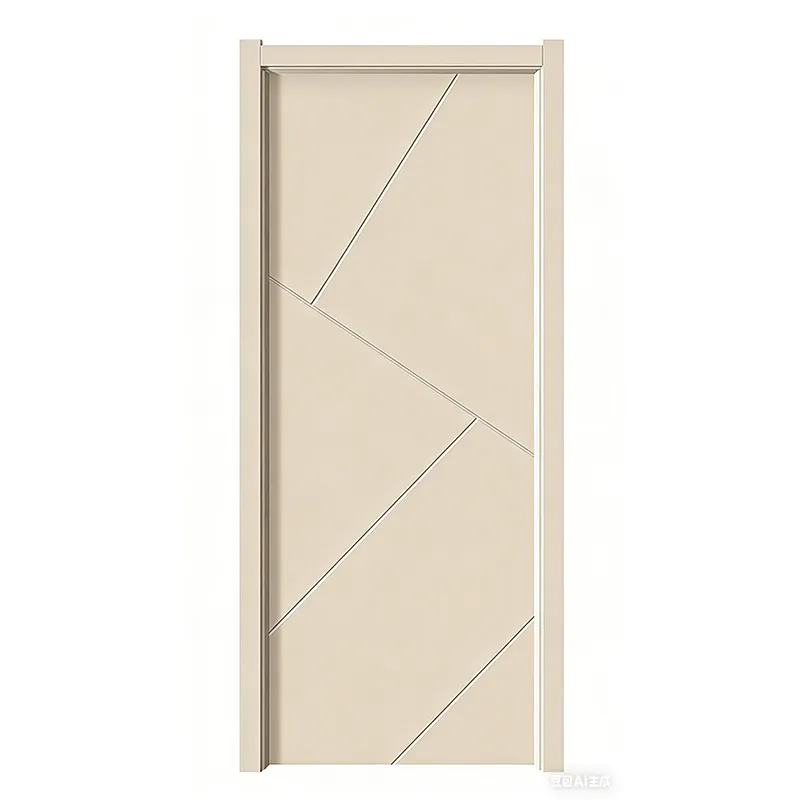 YST-WPC3 Door
 -
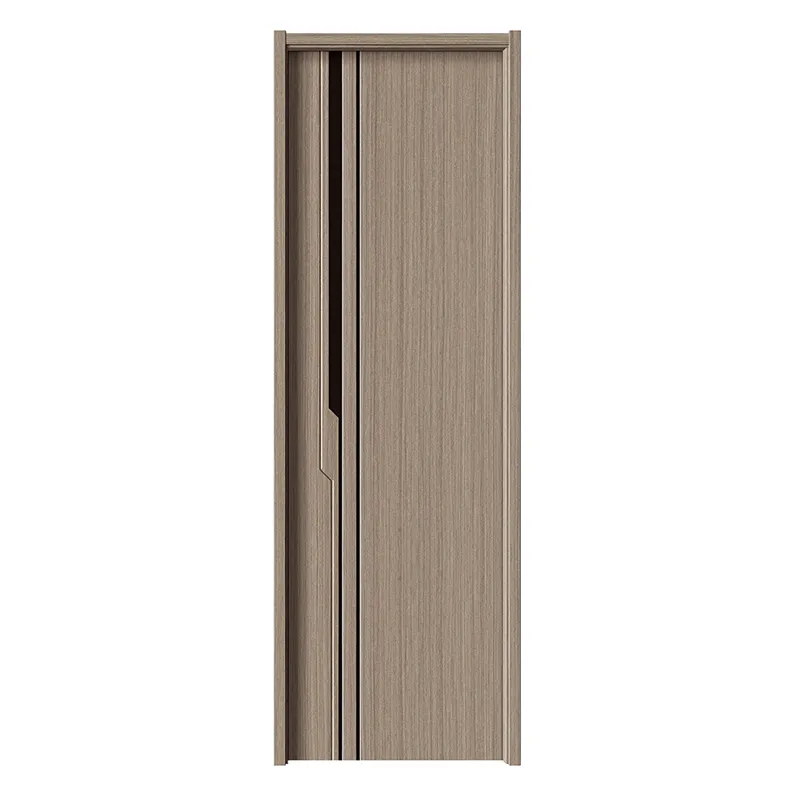 YST-1018 Technowood Door 1
 -
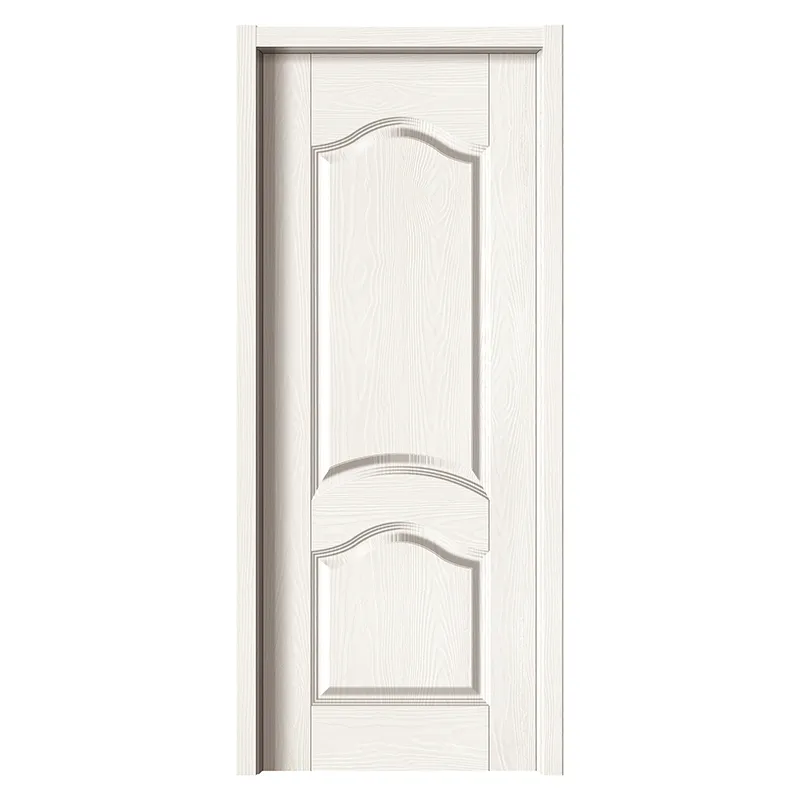 YST-224 Door Warm white with relief
 -
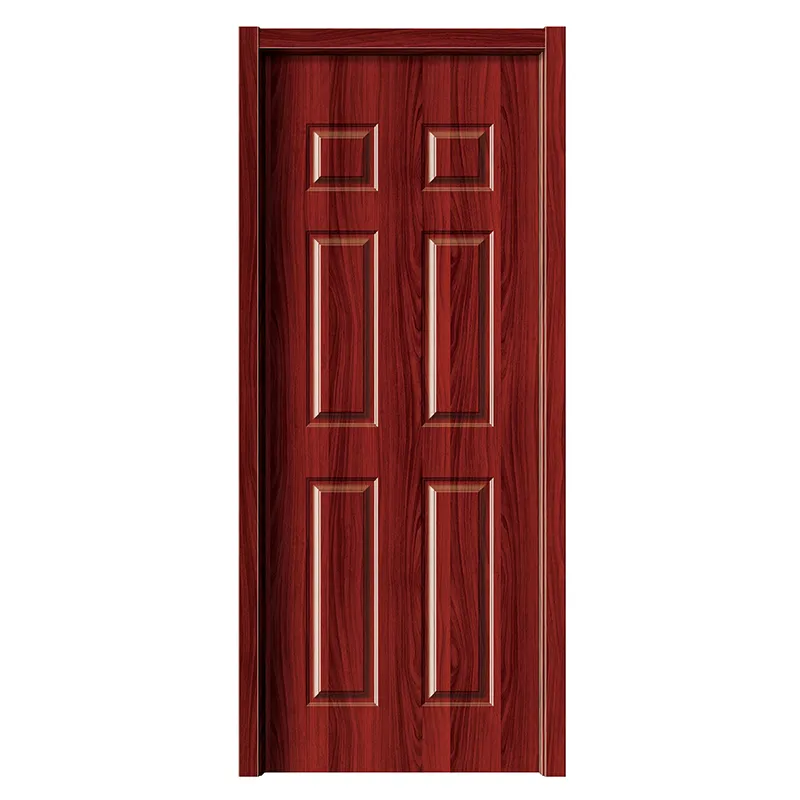 YST-201 Door Red team