



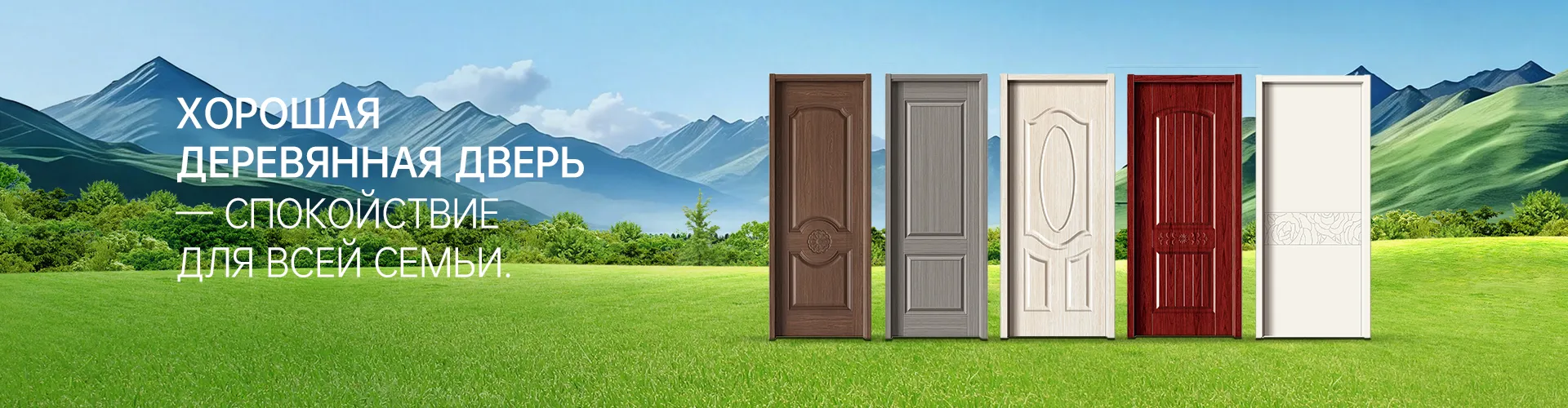
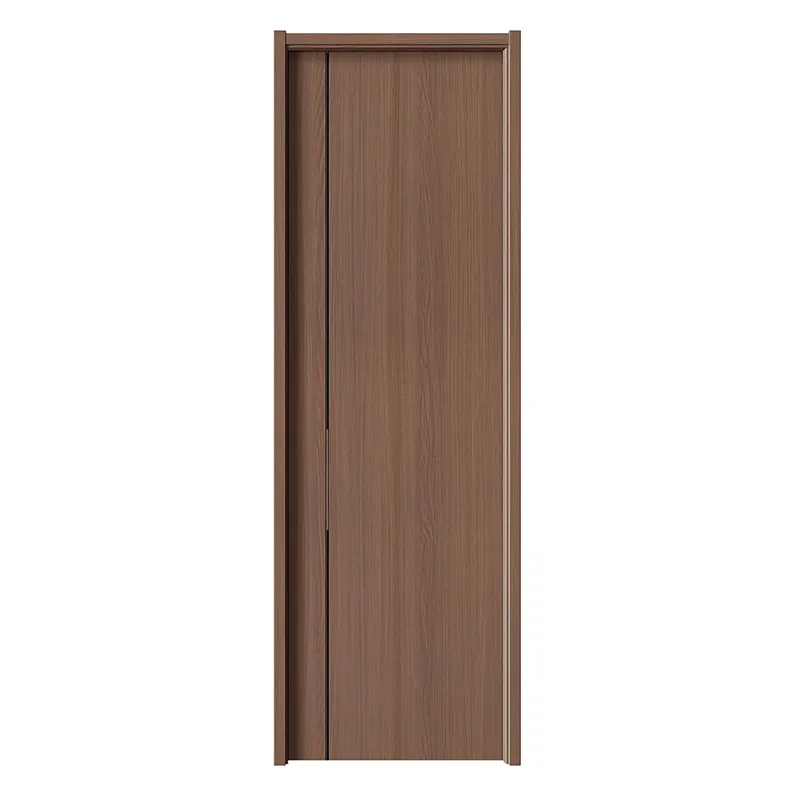
Wooden doors in walnut color
When they say “walnut-colored doors,” many people immediately imagine something warm, classic, almost universal. But here’s the rub - “nut?” It's not just one color. This is a whole spectrum of shades, from light golden walnut to deep, almost black, walnut marble. And this is where the first mistakes of customers, and sometimes inexperienced assemblers, begin. The client comes with a picture from a magazine, but receives a door that looks completely different in his interior. And the point is not in poor quality, but in the fact that he ordered a “nut” without specifying which one. I have seen situations like this many times, especially when working with deliveries for large facilities.
What is hidden behind the shade ?walnut?
Let's start with the basics. Color is achieved not only by tinting, but also by the wood itself. Solid oak with walnut stain will give one result, solid ash will give another, and a veneer panel will give a third. The texture of the wood begins to “play” differently. For example, oak has large pores, they actively absorb the composition, creating a more contrasting, expressive pattern. Ash, on the other hand, has a smoother, striped texture, and the color applies more evenly and is calmer.
An important point that is often overlooked is the finishing coat. Glossy varnish will enhance the depth and yellowness, make the color more saturated and “expensive,” but also emphasize every scratch. Matte or satin varnish will muffle the tone, make it more modern and discreet, and hide minor defects. There was a story at one luxury housing project: the customer insisted on gloss, but in a long dark corridor with artificial light the doors gave off such glare that it hurt the eye. We had to persuade them to use a matte finish, but in the end we were satisfied.
And here it is worth mentioningAnhui Wantai Woodworking Co.,Ltd. I am familiar with their catalog, and they have worked out this gradation well. On their websitehttps://www.anhuiwantai.ruyou can see that they offer not just “walnut doors”, but have finishing options for different types of wood, specifying the type of coating. This is a serious approach that saves time on approvals. Their philosophy is to “build a business on precision?” This is where it comes in - precision in detail, including color rendition.
Practical difficulties in operation and installation
Now about the urgent matter. Walnut-colored doors, especially those made from solid wood, are a “living” material. They respond to microclimate. We brought the batch to a facility with unstable temperature and humidity, unpacked it, and after a couple of days slight warping or cracks may appear. It’s not always critical, but the customer is nervous. Therefore, now they are increasingly taking the path of using engineering solutions - a frame made of coniferous wood, lined with walnut or oak veneer. The stability is higher, and the appearance is almost indistinguishable.
Another common problem is the fitting of fittings. Handles, hinges, locks. For dark walnut, for example, classic chrome may look too cold and technical. Matte brass, bronze or even blackened steel are more often recommended. But here you need a sense of proportion. I once saw how a designer overdid it and “hung” it on one door. the handle resembled antique bronze with patina, and the hinges were left polished. The result was a discrepancy.
Installation. It would seem that what is so difficult here? But if the box is assembled with a distortion of even a couple of millimeters, on the dark surface of the walnut the shadow in the gap between the canvas and the box will be very noticeable, creating a feeling of curvature. I always tell the guys: with white doors, some flaws can be attributed to the light, but here everything is clear in the open. Ideal geometry required.
Experience with suppliers and quality control
Working with different suppliers, including those who, likeAnhui Wantai Woodworking Co.,Ltd, is aimed at the international market, you notice a difference in the approach to color control. A good manufacturer will always send a physical color fan or sample die before launching a large batch. Description ?medium walnut? - it's nothing. We need a standard.
Judging by the description, their company has its own production base and development team. This is the key point. When production and design are under the same control, it is easier to achieve batch-to-batch consistency. We once took doors from a factory where the blanks were painted by a subcontractor. One batch produced three noticeably different shades. A nightmare for a facility where the doors are in a row. We had to urgently repaint it on site, which is never ideal.
Their emphasis on sourcing raw materials and maintaining standards is more than just words for a website. In practice this means that for the color ?walnut? veneer or solid wood with a certain, uniform texture is selected. If you use wood with a large number of knots or sharp changes in fibers, after tinting you will not get a noble variegation, but just a dirty stain. You can’t sell such doors later, even at a discount.
Trends and where demand is heading
Previously ?nut? was synonymous with classics, cabinet, solidity. Now the trend has shifted. Increasingly, this color is being asked to be used in modern interiors - Scandinavian, loft, even minimalism. But not that dark, heavy walnut, but its light and grayish variants. They are sometimes called ?smoky nuts? or ?grego nut?. They go better with concrete, metal, and large windows.
I see that the assortment of the company we were talking about takes this into account. They talk about meeting the diverse needs of global customers. This is just about adapting the base color to local trends. For Europe, a cool shade may be in demand, for the Middle East - a redder and more saturated one.
An interesting case was with a commercial project - a cafe. The customer wanted to create a cozy atmosphere, but at the same time modern. We chose solid ash doors with a light walnut finish and matte varnish. It turned out warm, but not pretentious. The fittings were simple, linear, matte black. The contrast turned out great. This is an example of how a classic color works in a new context.
Final thoughts and personal conclusion
So what's the bottom line aboutwalnut colored wooden doors? This is not a product that can be selected based on one phrase in a catalog. This is always a dialogue between the customer, the designer (or foreman) and the manufacturer. It is necessary to discuss samples, lighting, adjacent materials, type of coating.
For a professional, working with such a product is a constant balance between aesthetics, technology and economics. You can make the perfect door from solid rare walnut, but it will cost as much as a car. And you can achieve 90% of the visual effect with high-quality veneering, which is more reasonable for most projects.
When choosing a supplier, I now always look not only at beautiful pictures, but also at how detailed they describe the product, and whether they have technical specialists for consultations. Like, for example,Anhui Wantai Woodworking Co.,Ltd— their desire for precision and quality, stated in the concept, must be confirmed in precisely such details: in the available color fans, in the description of the design, in the terms of the warranty. Because a walnut-colored door will last a long time. And every day it should please the eye, and not remind you of a hasty choice.
Correspondingproducts
Related Products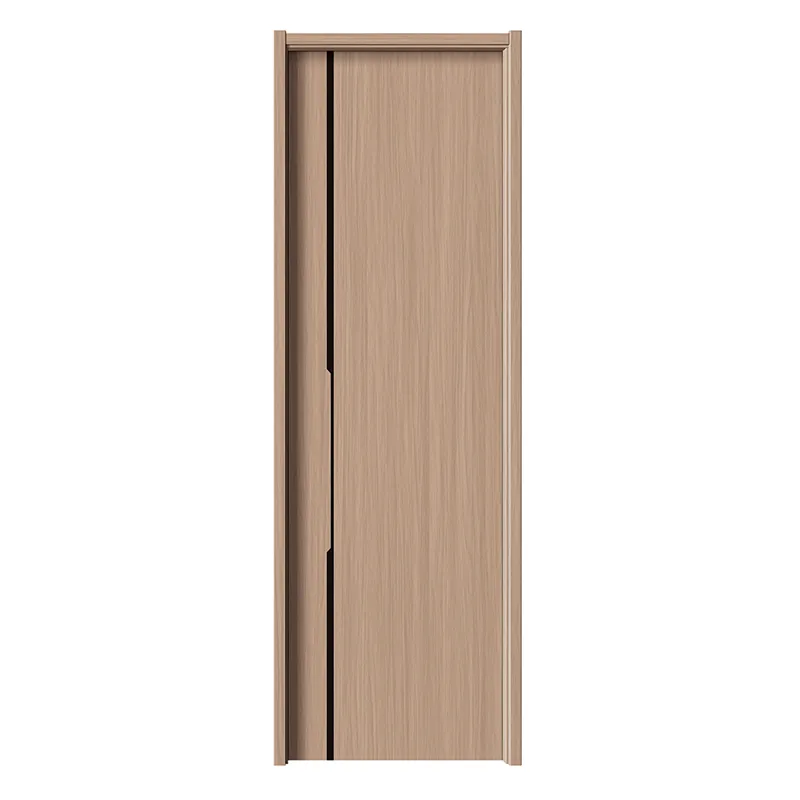
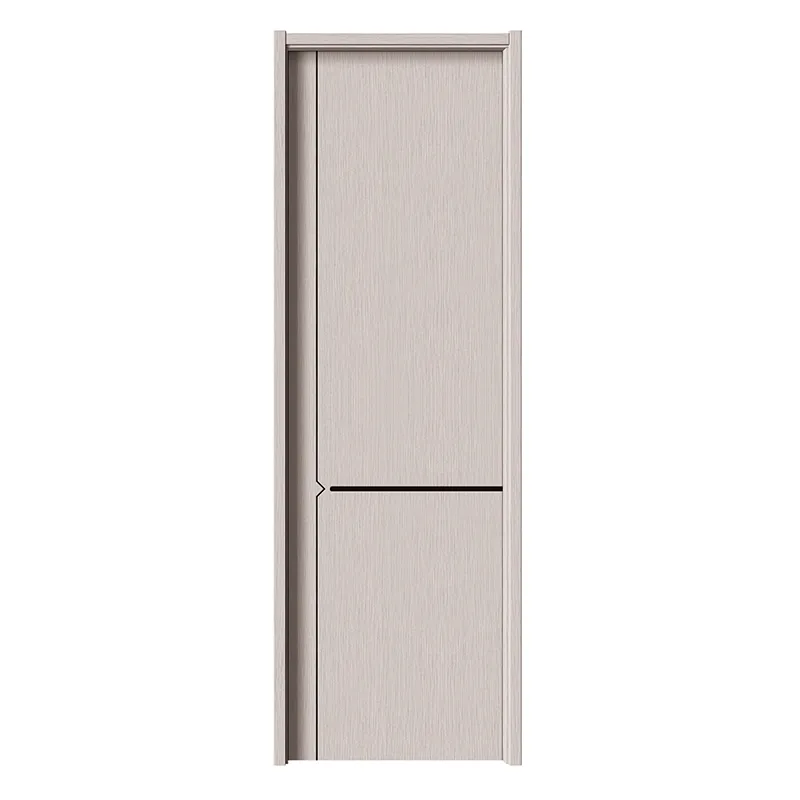
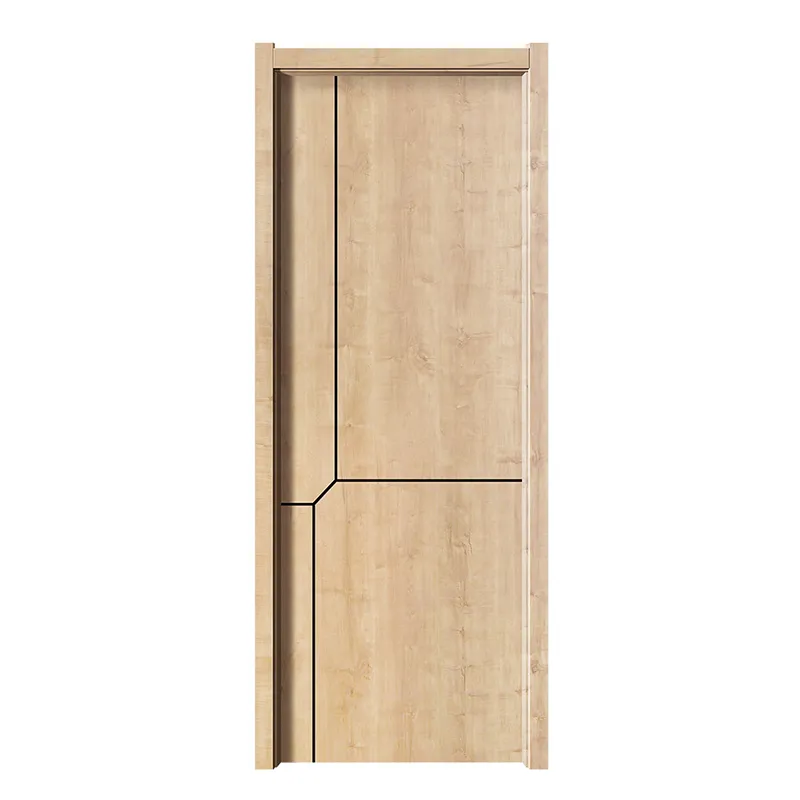
Best Sellingproducts
Best Selling Products-
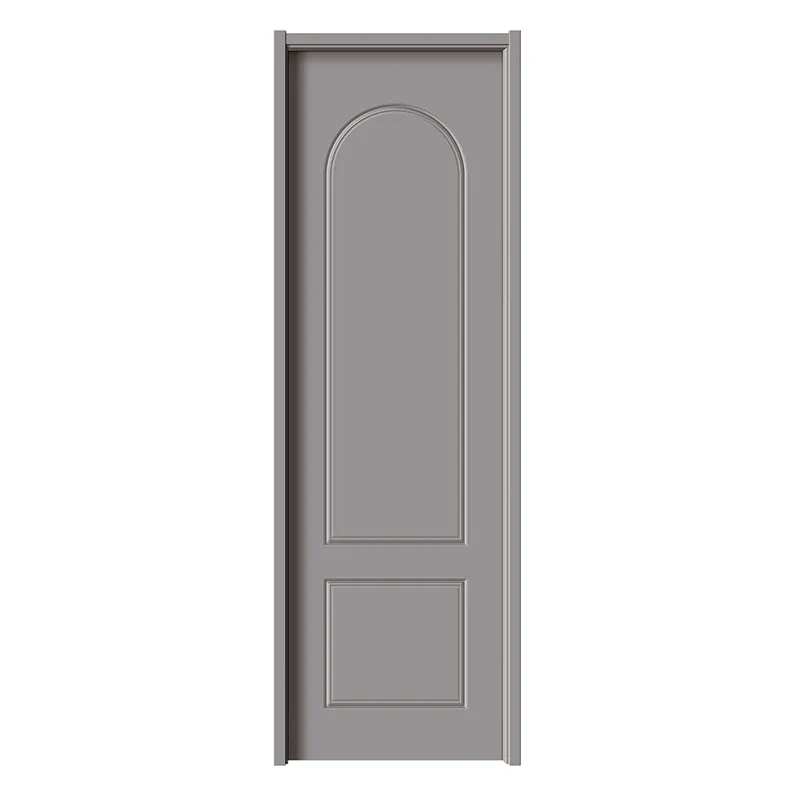 YST-241 French Door 1 soft stone gray
 -
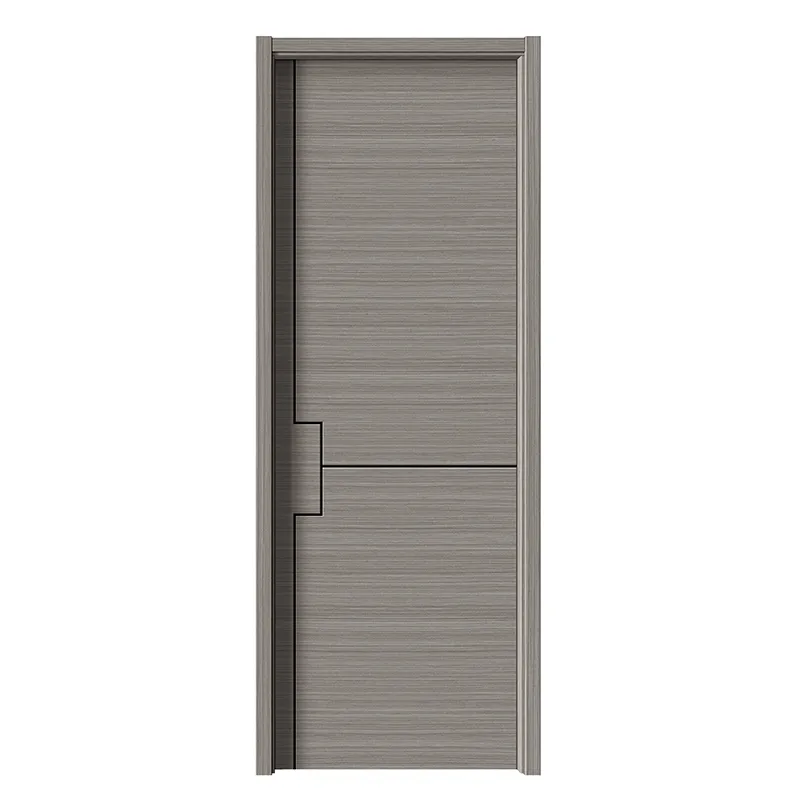 YST-1005 Technotree Door 2
 -
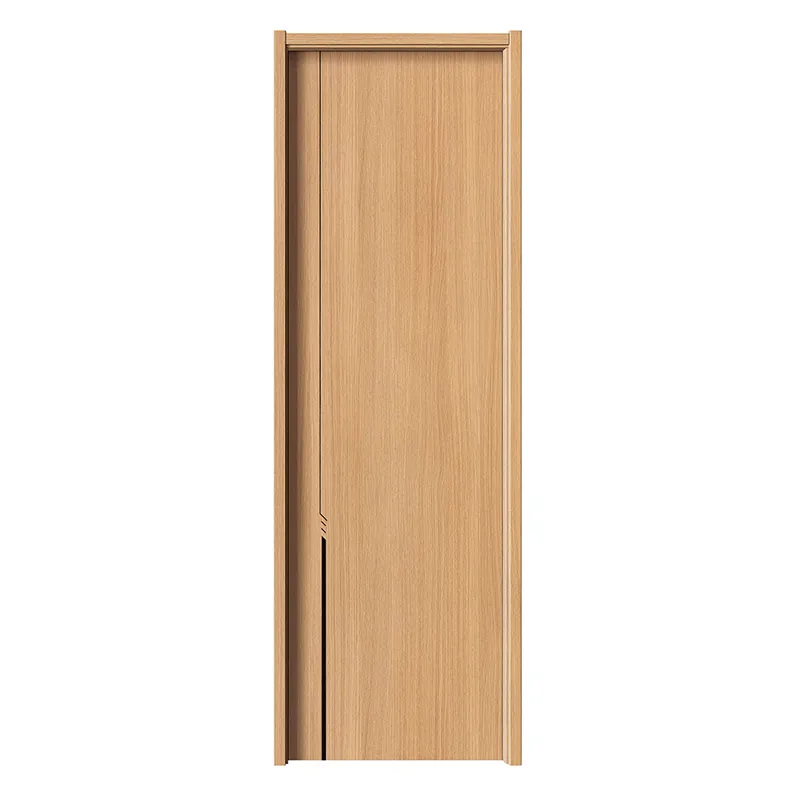 YST-1041 Door Oak Shutter
 -
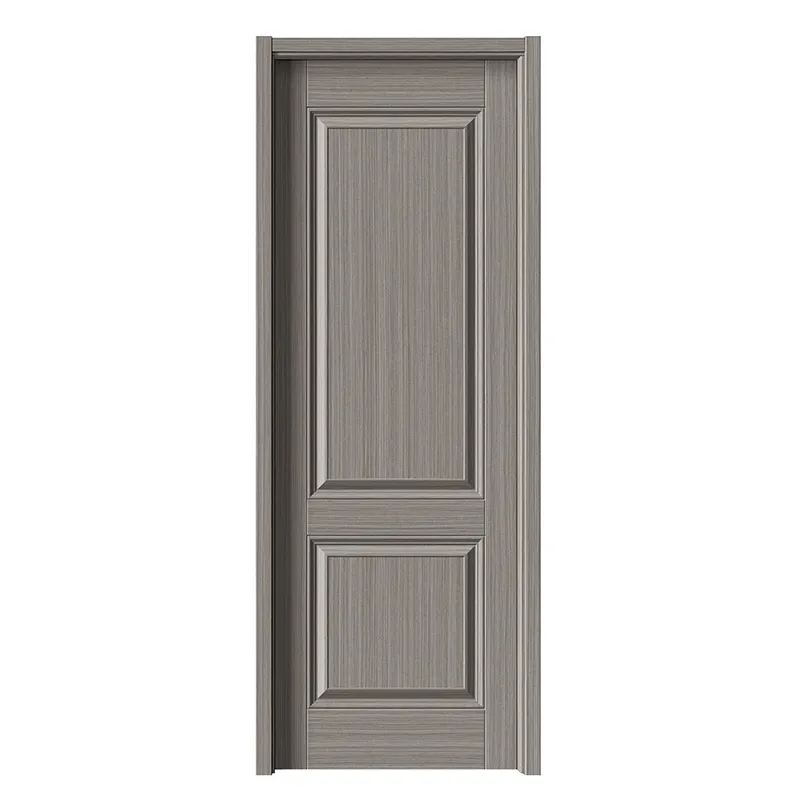 YST-214 Door Technowood 2
 -
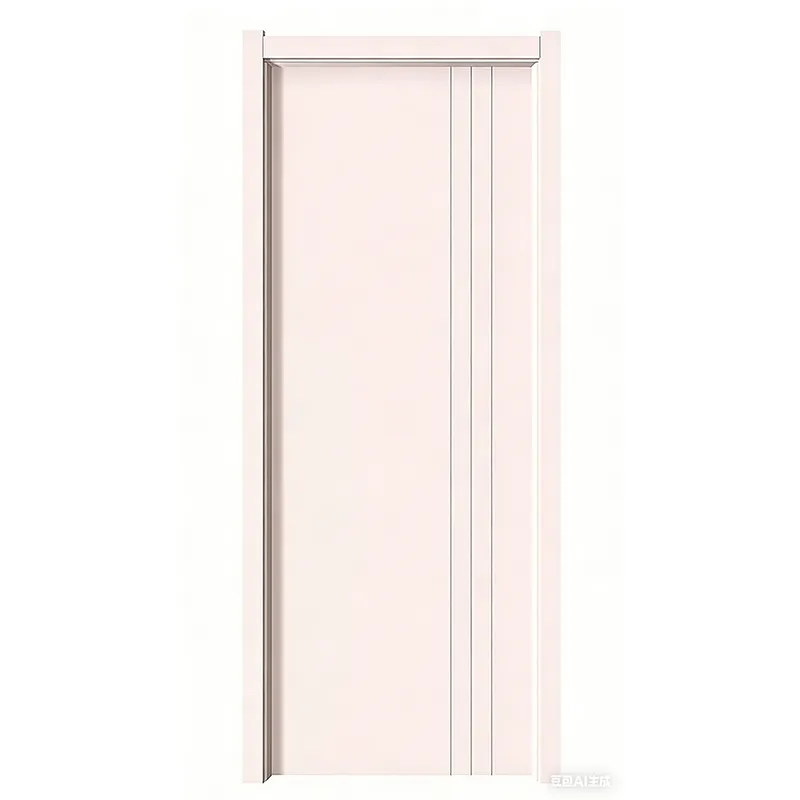 YST-WPC4 Door
 -
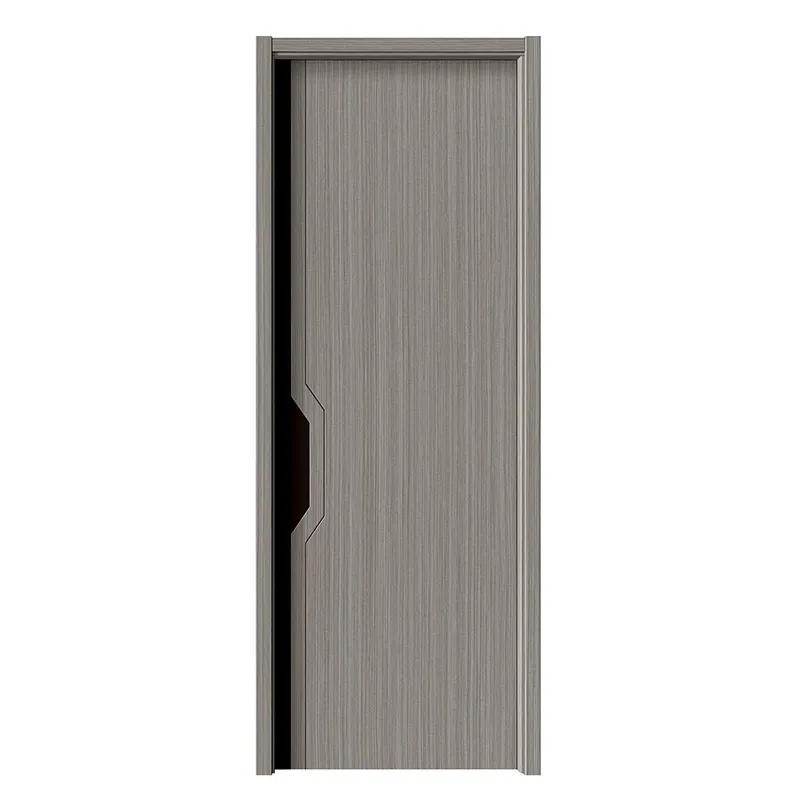 YST-1007 Technotree Door 2
 -
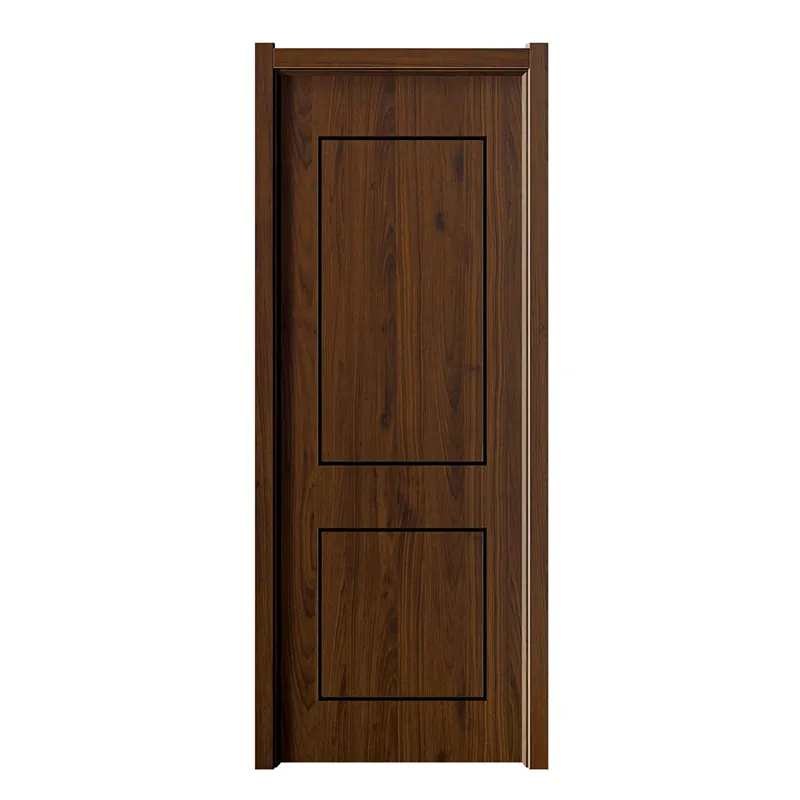 YST-WPC2 Door
 -
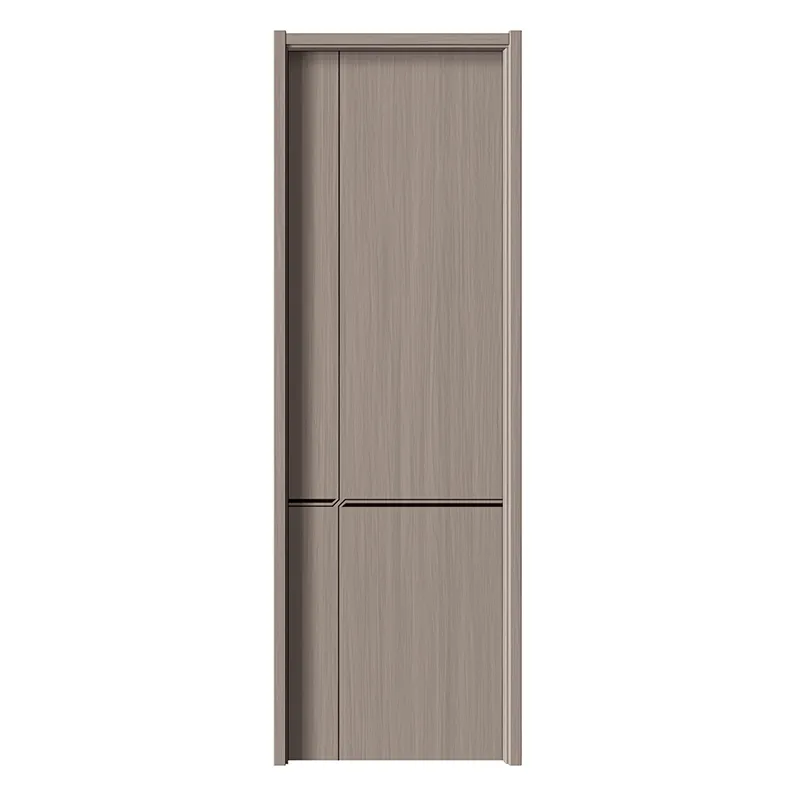 YST-1010 Door Translucent light shadow 3
 -
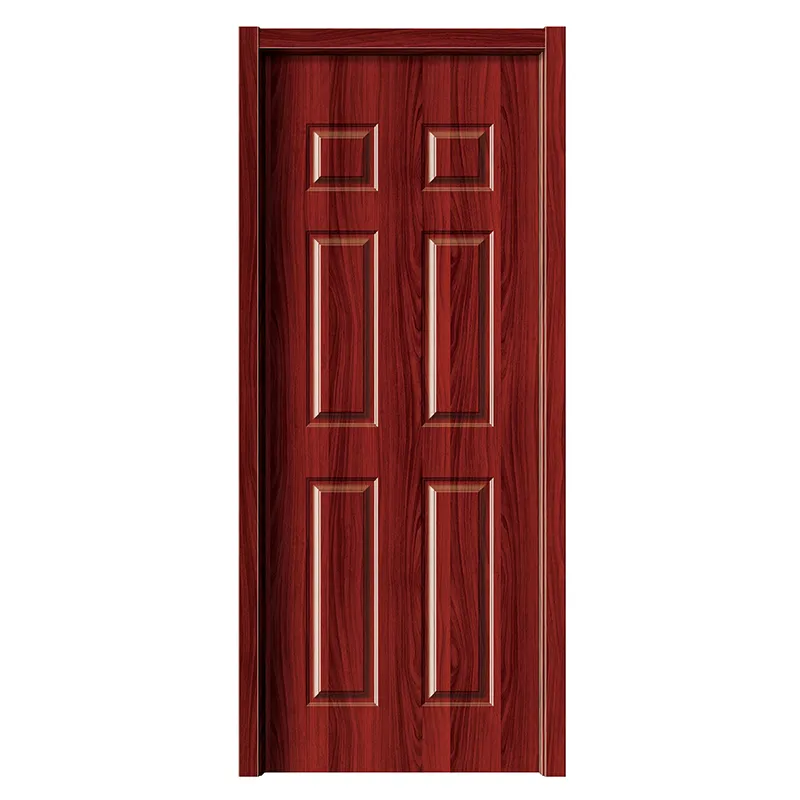 YST-201 Door Red team
 -
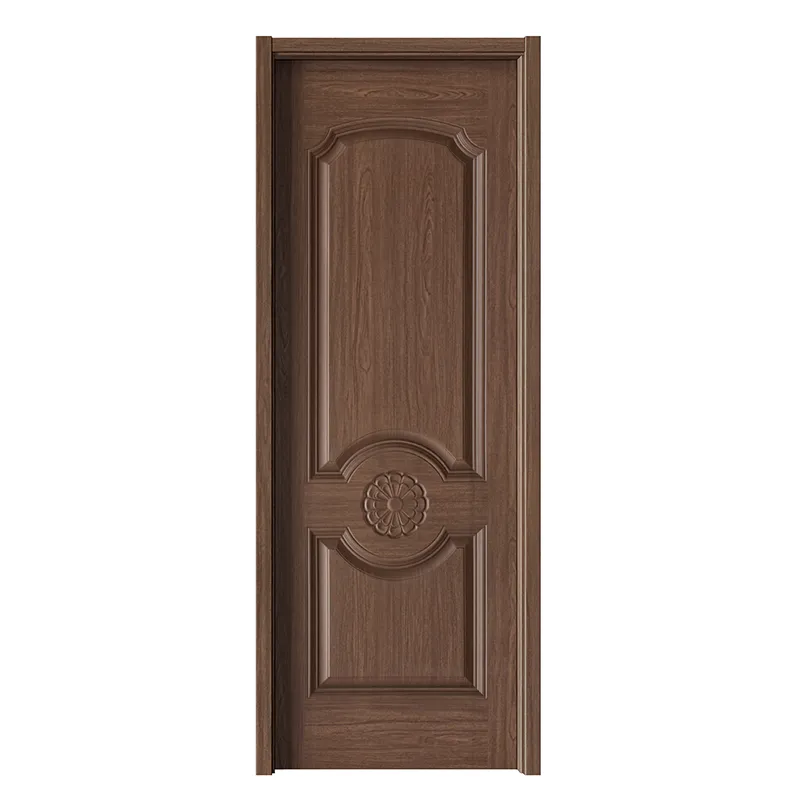 YST-212 Door North American Oak 2
 -
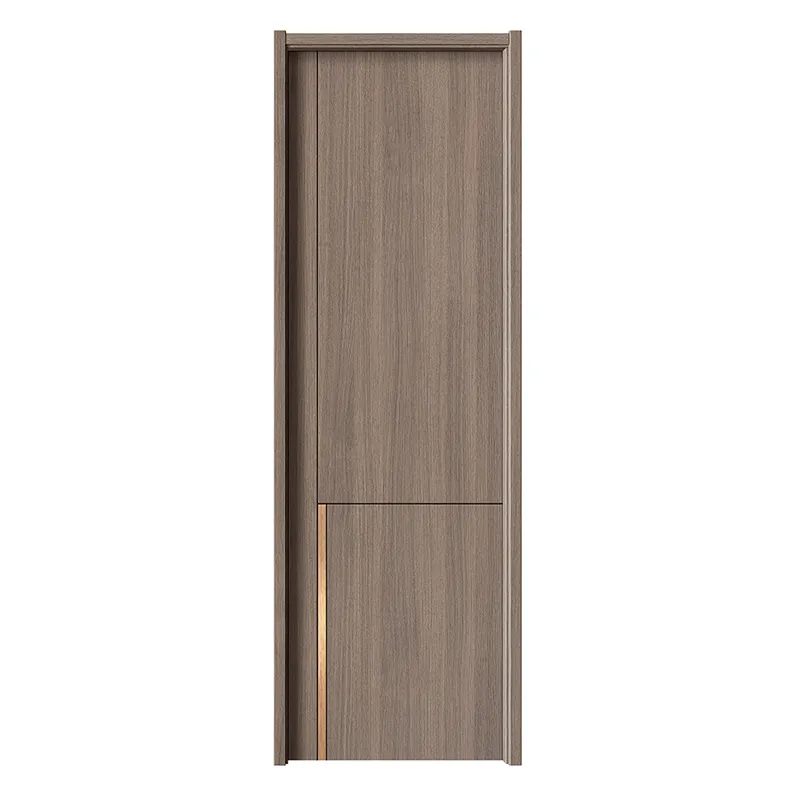 YST-1003 Door Oak gray
 -
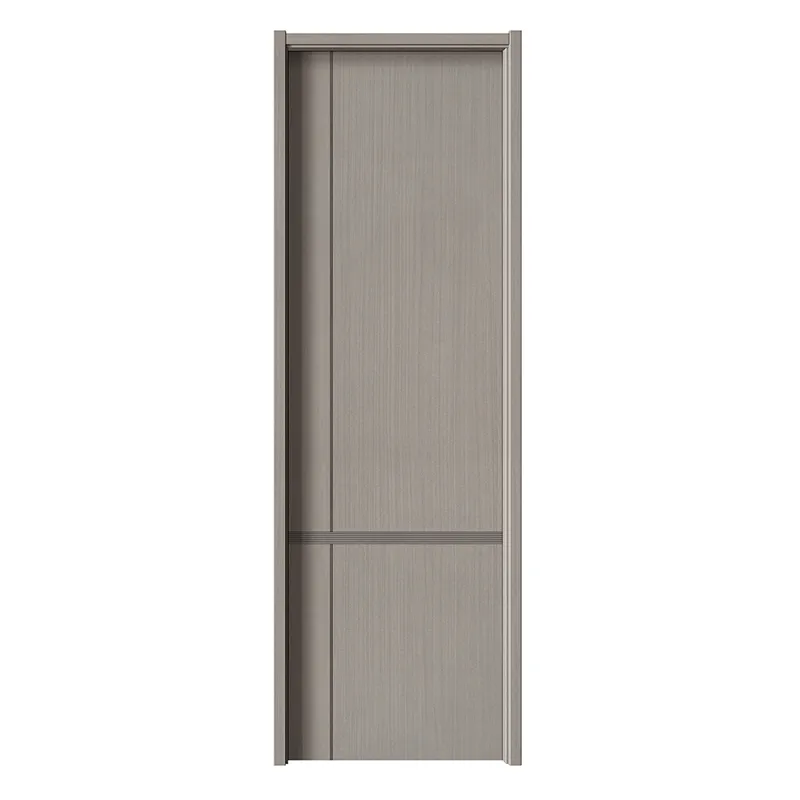 YST-1013 Door Cloud Walnut 1