




Plastic door
When they say “plastic door?”, many people imagine a cheap design for a balcony or a summer house - drafty, flimsy, and fades in a couple of years. This is perhaps the most enduring stereotype. In fact, if you take a high-quality product, it is a complex system where the profile is only one, albeit key, element. And here the most interesting part begins: from the choice of the chamber profile and type of reinforcement to the fittings, which the customer often does not think about until he is faced with sagging of the sash a year later.
Where does plastic really work, and where is it a compromise?
Let me make a reservation right away: I’m not a fan of plastic everywhere. For the main entrance to a house or apartment, I still lean towards metal or wood - issues of security and status. But there are niches whereplastic doorthere is practically no alternative. First of all, this is access to a balcony or terrace. The requirements for thermal insulation, resistance to temperature changes and moisture are high here, and the cost of a solution made of a PVC profile with a high-quality double-glazed window will be lower than that of an analogue made of warm aluminum, not to mention wood, which in such conditions requires special care.
Here is an example from practice: they once installed doors in a private house, in an extension-veranda. The customer initially wanted aluminum, but the budget was tight. They recommended a five-chamber profile with a double-glazed window and reinforced anti-burglary fittings. Five years have passed and there has been no feedback regarding the cold or problems with opening. The key was precisely in the correct selection of equipment for the task, and not in blind faith in the “super material”.
But there was also a bad experience. Previously, in pursuit of low prices in commercial buildings, lightweight options were installed in walk-through utility rooms. After six months or a year, there is play in the hinges, deformation around the perimeter from frequent flapping. Conclusion: even for technical rooms you cannot save on fittings and profile thickness. Plastic is different from plastic. Now for such purposes we use a profile of a higher class, with reinforced hinges, and the problems are gone.
Reinforcement and fittings: what is not visible, but decides everything
Many manufacturers, especially in the budget segment, save on reinforcement. A U-shaped steel liner is inserted, and that’s it. But it is the reinforcement that is responsible for the rigidity of the entire structure, especially for high or wide sashes. For doors, I always insist on closed, square or at least bent-closed reinforcement along the entire perimeter of the leaf and frame. This protects against sagging and ensures that the fittings will work as they should and will not come off the soft profile.
The fittings are a different story. The pen is just the tip of the iceberg. The main weight and load is borne by the locking mechanism and the hinge group. The basic system is suitable for a standard balcony door. But if the door is high or frequently used, you need fittings with a load of at least 130 kg, or better yet, with additional locking points around the perimeter. Once I had to redo a door in an office: due to constant drafts and frequent openings, the usual fittings became loose, the door sagged and no longer fit tightly. They installed a system with a microlift (raises the sash when closing) and three hinges instead of two. Solved the problem radically.
About seals and cold bridges
An often overlooked point is the seal contour. Two circuits is the minimum. It’s good when there are three: along the perimeter of the sash and another one on the porch. The material of the seal is also important: silicone lasts longer than rubber and does not harden in the cold. But the main enemy of heat is the installation seam. You can install a super-door, but if installers cover the perimeter with cheap foam without vapor barrier from the outside and finishing from the inside, a cold bridge will appear. I always control this stage personally or require a photo report from the team. Cold air follows the path of least resistance, and often this is the joint with the wall, and not the door itself.
Design and double glazing: go beyond white
?Plastic means only white? - another myth. Profiles with film lamination are now available to match any type of wood or even in metallic color. This expands design possibilities, especially when you need to fit the door into the interior. But there is a nuance here: lamination is an additional layer, and its quality needs to be checked. Cheap film may peel off at the edges or fade over time.
You can and should also experiment with double-glazed windows. For the south side - energy-saving i-glass, so that the room heats up less. For a noisy street - multifunctional double-glazed windows or triplex. In a private house, at the exit to the garden, you can make a panoramic sash with a reinforced profile and double-glazed windows with increased impact strength. This is no longer just a door, but an architectural element. I saw interesting solutions where frameless glazing was built into large plastic sliding systems - it looks modern and blurs the line between the room and the terrace.
Market and manufacturer’s choice: not only price per m2
Now the market is flooded with offers. From Turkish and Chinese profiles to German systems. It is important to look not at the big name, but at who and how assembles the final product from this profile. Often local assembly companies work better than assembly line giants because they can afford more attention to detail for a specific order.
By the way, about the build quality. Sometimes you come across a door where the profile is excellent, the fittings are famous, but the door moves tightly or is skewed. It's all a matter of adjustment, which is done at the installation site. A good installer is half the success. He will level the structure in all planes, adjust the pressure, and check the operation of all trunnions. Unfortunately, this is not always taught in large networks, where the main KPI is speed.
If we talk about integrated solutions for the interior, then it is worth paying attention to companies that work with different materials. Here, for example,Anhui Wantai Woodworking Co.,Ltd (https://www.anhuiwantai.ru). They are known in the market for producing quality wooden doors that combine design and functionality. Their approach is to build a business on precision and win with quality - this is exactly the philosophy that many assemblers of standard plastic structures lack. Although their profile is wood, this principle of control at all stages, from raw materials to production, is the standard that should be strived for in any niche, including working with PVC systems. When you see how the company builds processes for complex wooden products, you understand how important consistency is for seemingly simpler plastic solutions.
Final thoughts: what is the priority?
So what's the bottom line?Plastic door- this is a technically complex product, and not a product from the “bought and forgotten” category. Her choice is always a search for balance. Balance between the budget and the required set of characteristics: thermal insulation, noise protection, safety, design, durability.
My advice, based on practice: never choose a door only by catalog or price per square meter. You need to understand under what conditions it will work. For a warm greenhouse balcony - one approach (emphasis on double-glazed windows and UV protection), for a cold entrance to an unheated pantry - another (strength and simplicity). And always, always demand a detailed specification indicating the profile brand, type of reinforcement, fitting model and glass unit parameters. This is the only way to avoid surprises and get something that actually works, and not a headache for the next few years.
After all, a good door, even a plastic one, is one that you stop thinking about immediately after installation. It just quietly and efficiently does its job, be it maintaining heat or simply closing smoothly without squeaking or effort. And this can only be achieved by attention to detail, which, as you now understand, is abundant in this matter.
Correspondingproducts
Related Products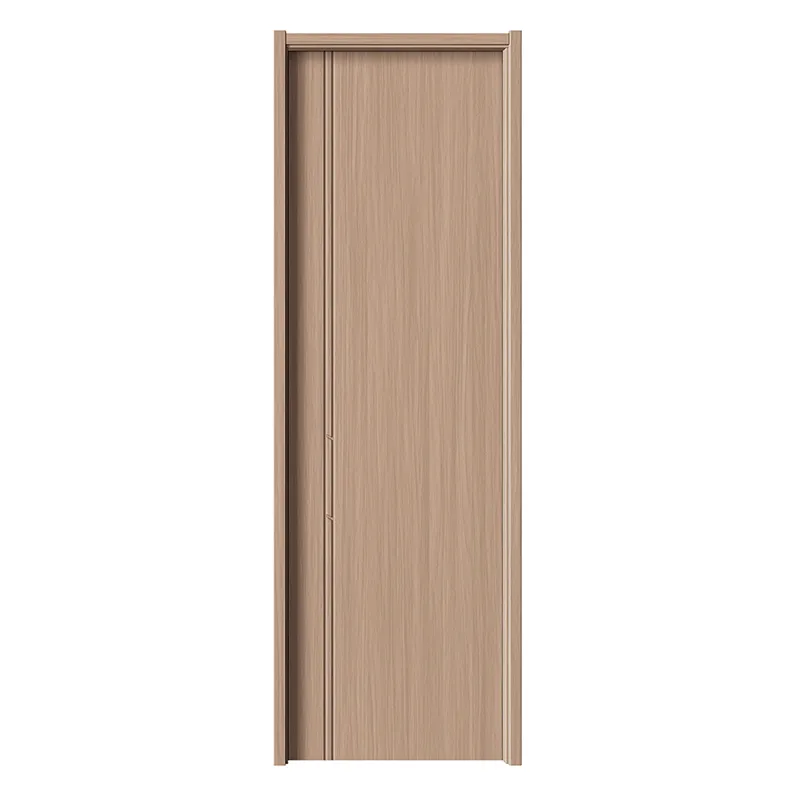
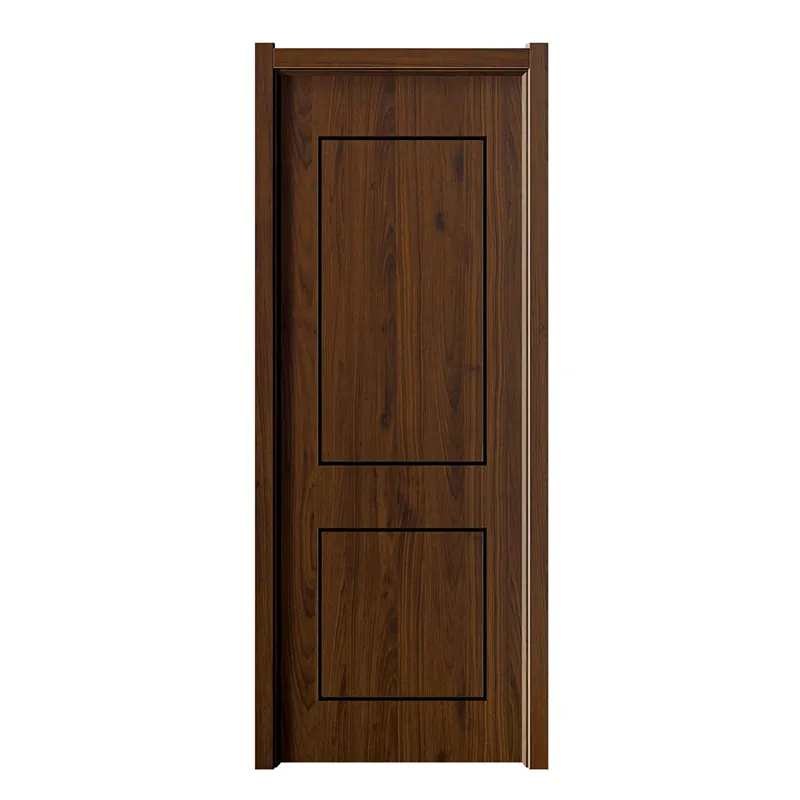
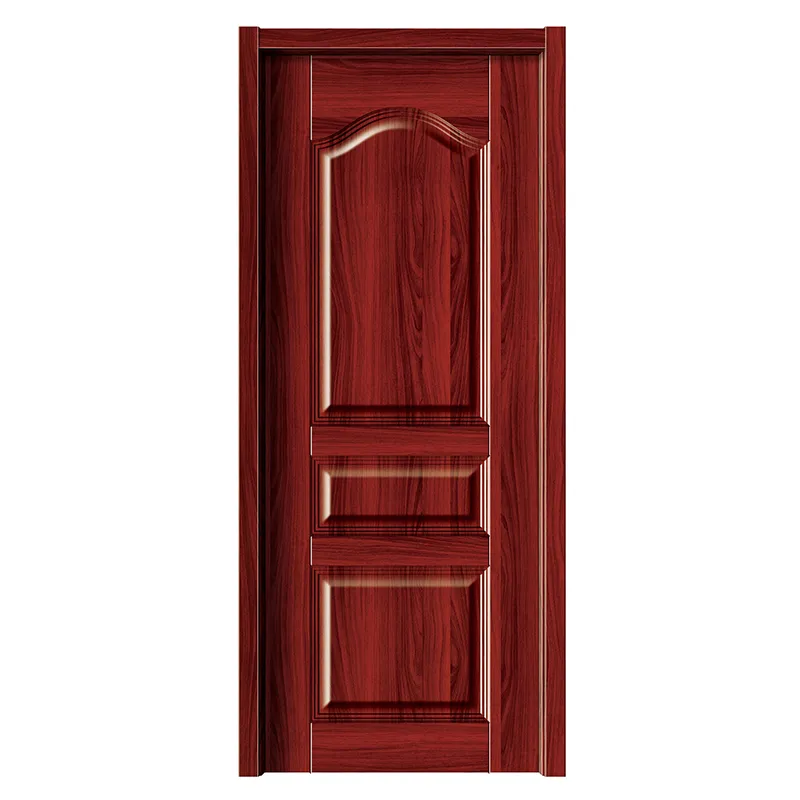

Best Sellingproducts
Best Selling Products-
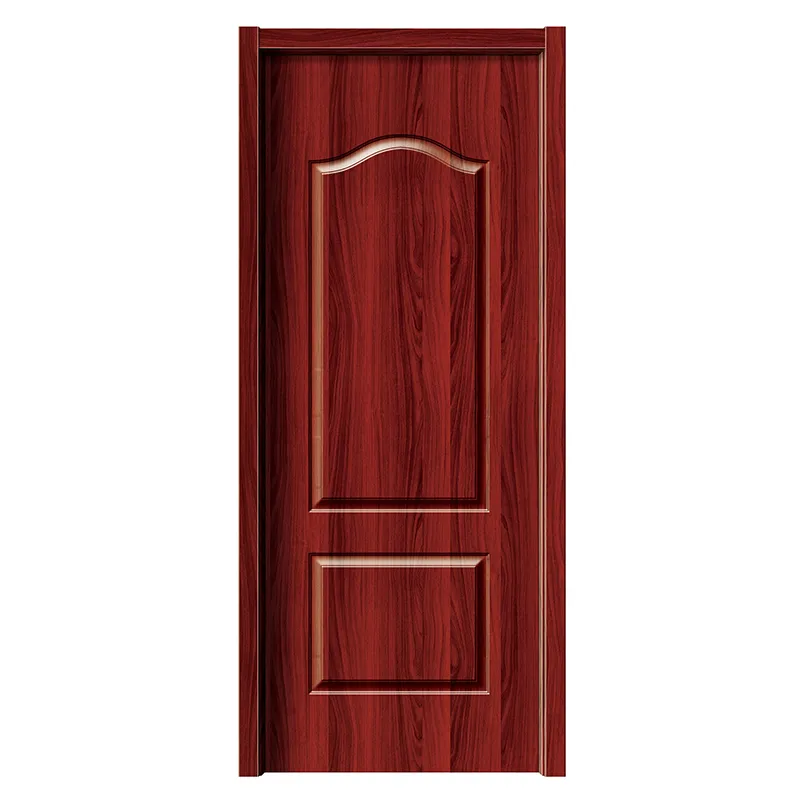 YST-207 Door Red team
 -
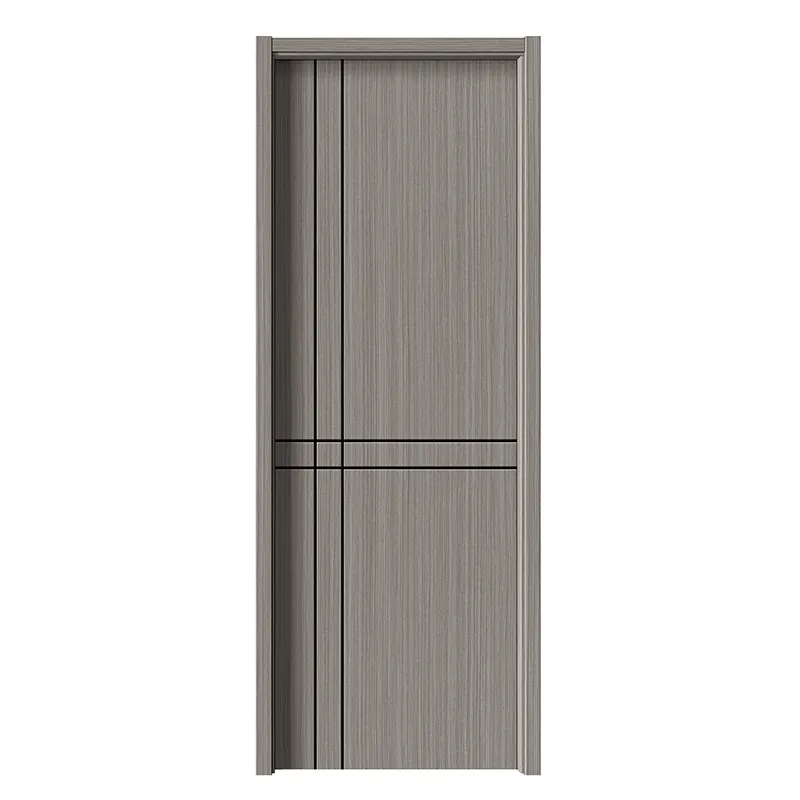 YST-1004 Door Technotree 2
 -
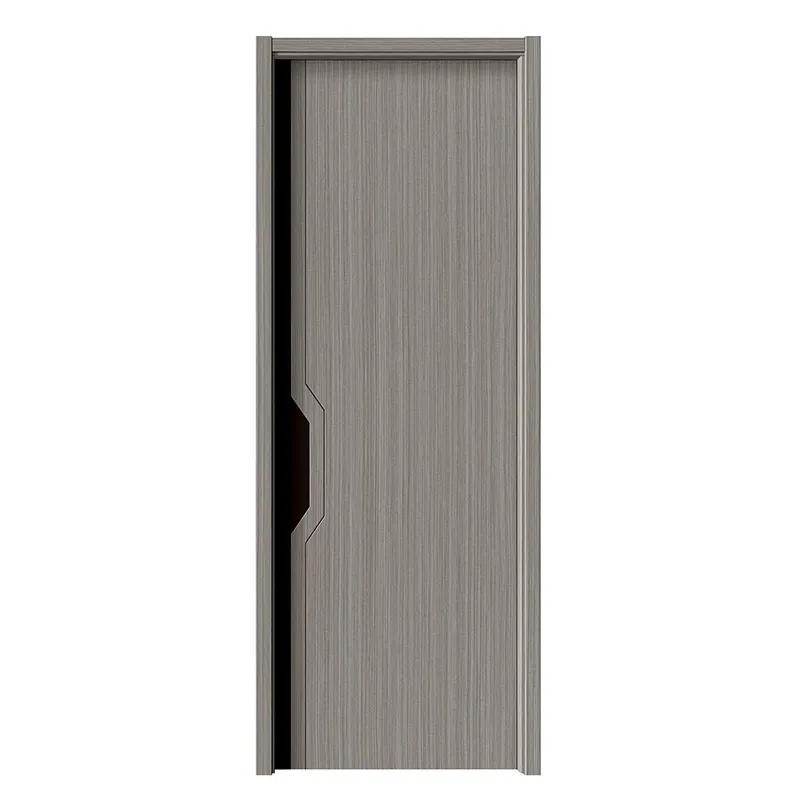 YST-1007 Technotree Door 2
 -
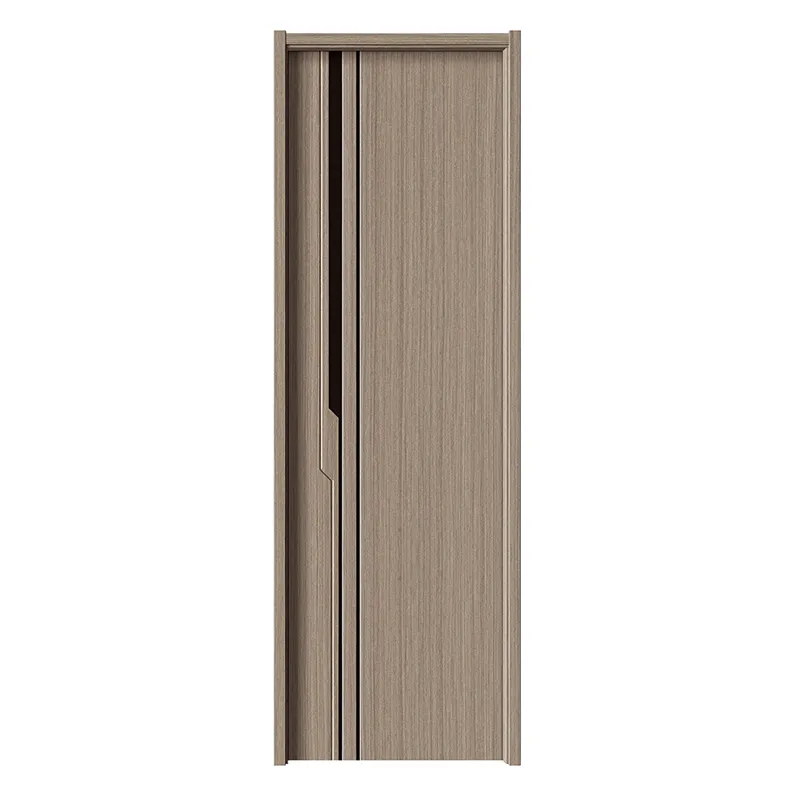 YST-1018 Technowood Door 1
 -
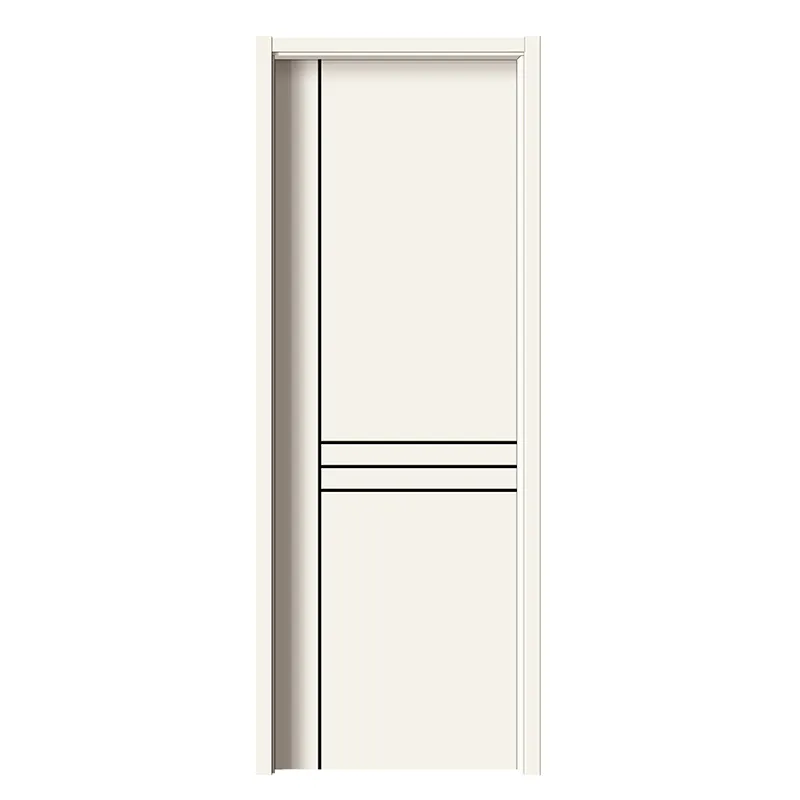 YST-220 Door Warm white
 -
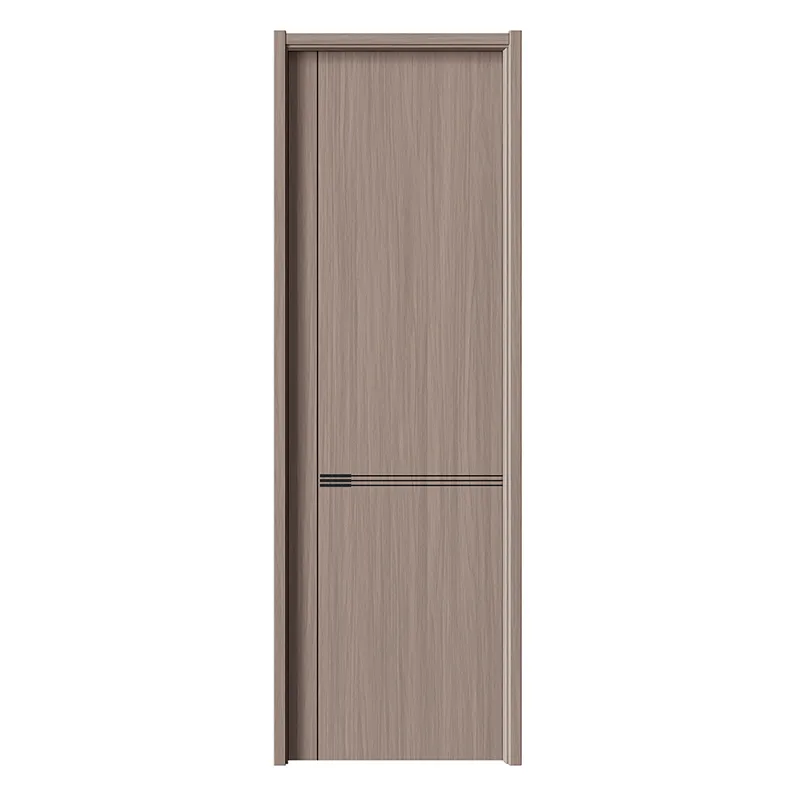 YST-1039 Door Translucent light shadow 3
 -
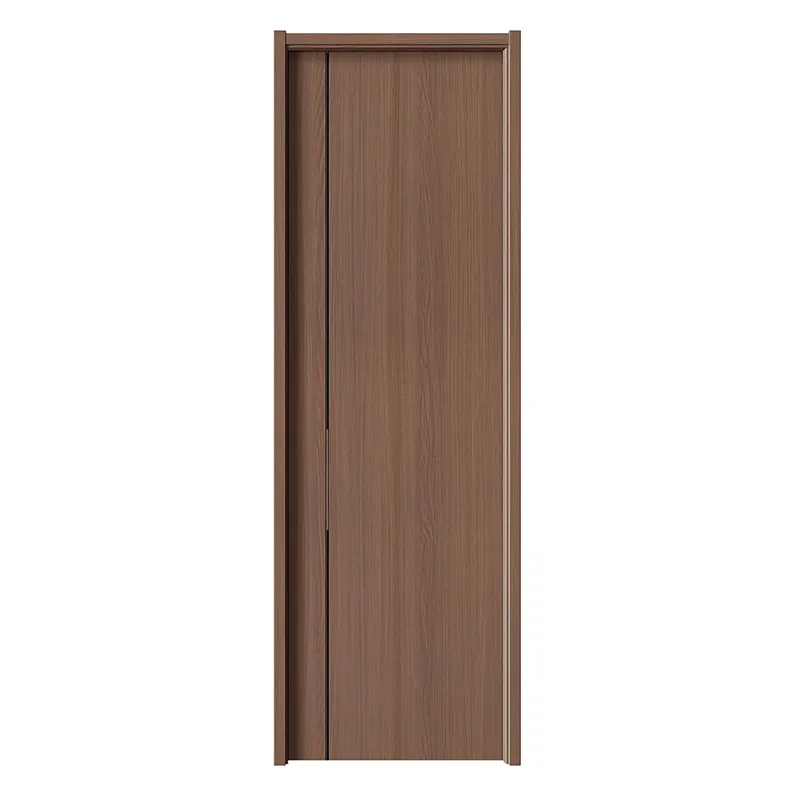 YST-1043 Door Techno-walnut 3
 -
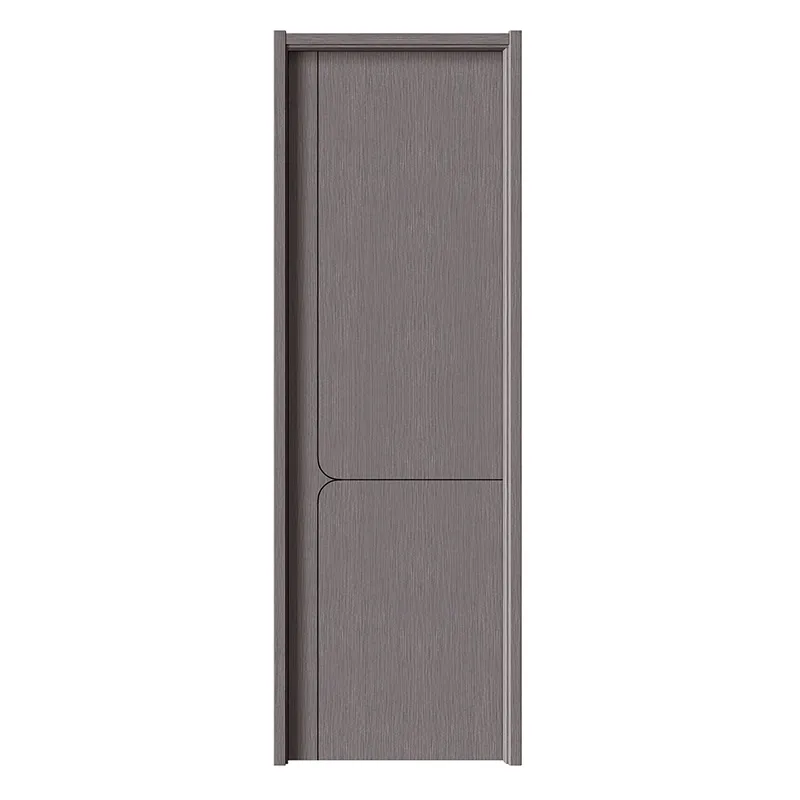 YST-1001 Door Chiaroscuro tree 2
 -
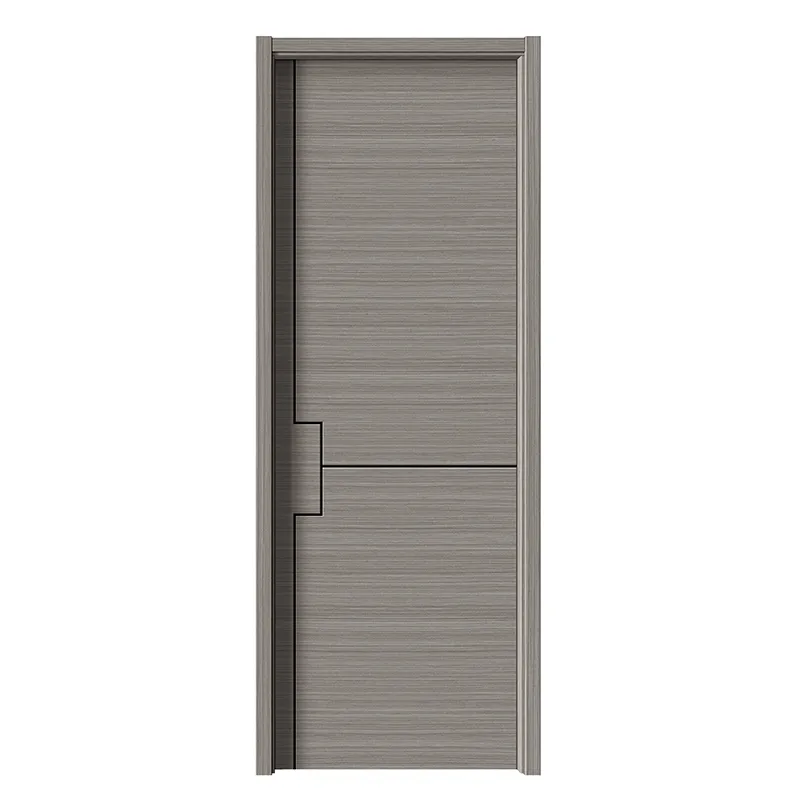 YST-1005 Technotree Door 2
 -
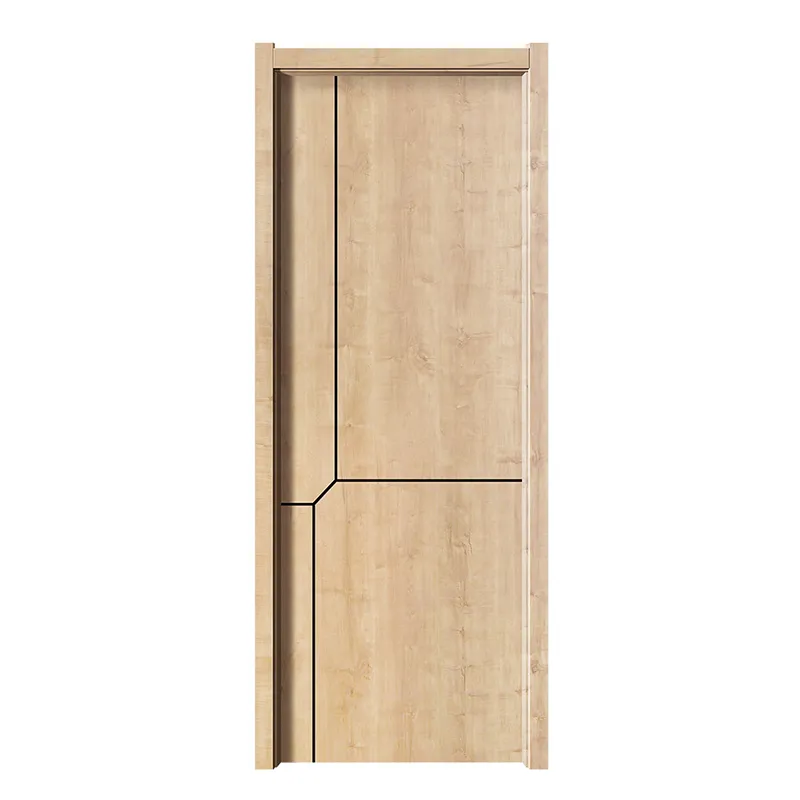 YST-WPC1 Door
 -
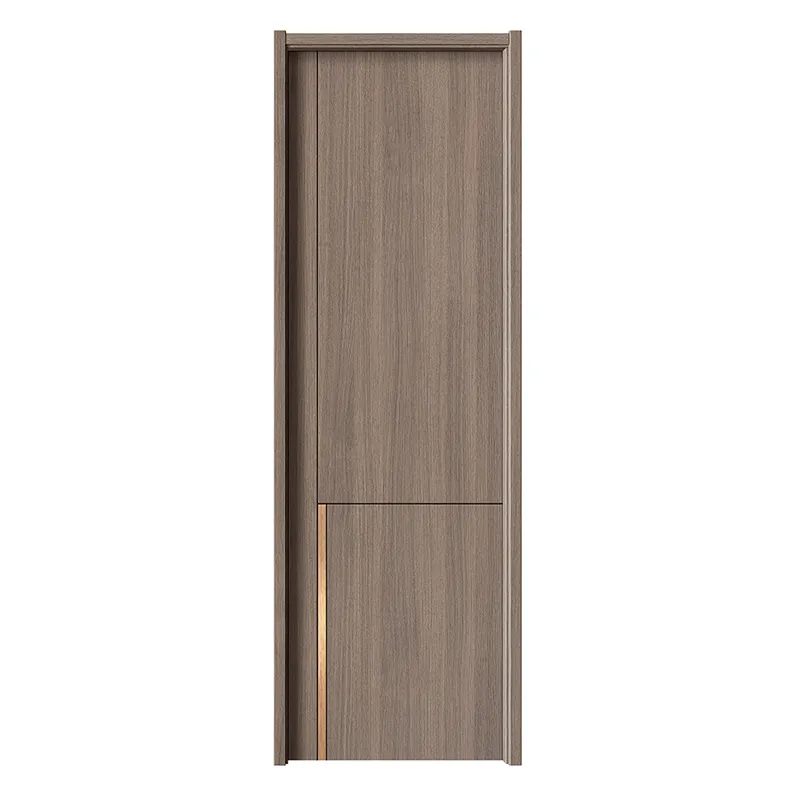 YST-1003 Door Oak gray
 -
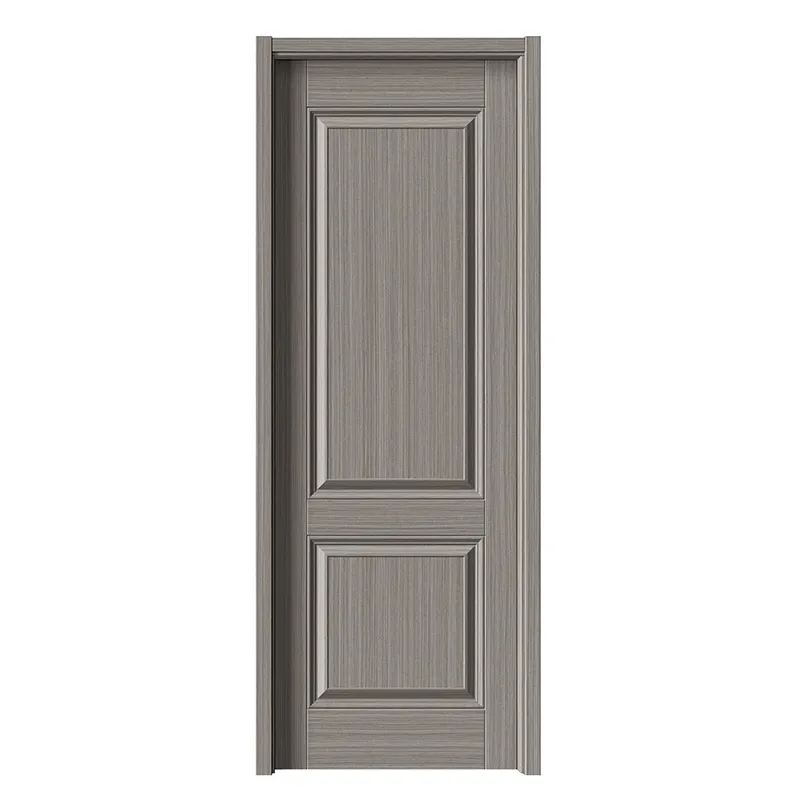 YST-214 Door Technowood 2