




Light wooden door
When they say “light wooden door,” many people immediately imagine something unreliable, almost cardboard. This is the first and most common myth. In fact, lightness is most often a matter of design and type of wood, and not at all a synonym for low quality. I have seen many times that clients confuse a massive, heavy door with the 'right' one. Sometimes for an interior passage you just need the same onelight wooden door, which does not overload the hinges and does not create a feeling of bulkiness in space.
What makes up this very “light weight”
It all starts with the anatomy of the canvas. A completely solid door made of oak or beech will, of course, be solid. But modern technologies make it possible to create frame-panel structures. Inside there is a light, often honeycomb-like frame made of pine or spruce, outside there are veneer panels or MDF. The weight drops significantly, and sound insulation and geometry stability, when properly executed, remain at a good level. The key is 'if done correctly'.
Here, for example, are some manufacturers who work for export, likeAnhui Wantai Woodworking Co.,Ltd, have long moved away from primitive 'sandwiches'. On their websitehttps://www.anhuiwantai.ruit is clear that the emphasis is on precision engineering. Their philosophy of 'building a business on precision' is not just words. For a lightweight door, the accuracy of milling the grooves and frame joints is critical, otherwise the door leaf will start to 'play' or an unpleasant creak will appear.
The type of wood for cladding and frame is the second point. The same Canadian maple or high-quality chamber-dried pine give excellent results without excess weight. But there is a pitfall here: saving on drying. If the lumber is not completely dried, the light door will eventually become a “helicopter” - it will be driven, and it will be almost impossible to correct this. I have seen such incidents when the customer was chasing a low price, and after a season they had to change it.
Where is it really needed, and where is it a mistake?
The ideal area for light wooden doors is modern interiors with sliding systems, partitions, and niches. Where the ergonomics of opening and the general style of the air are important, and not the function of strength. Excellent for a bedroom, office, living room. But installing one as an entrance to an apartment or a noisy technical room is a dubious idea.
I worked on one apartment project, where the designer insisted on high, ceiling-mountedlight wooden doorsto all rooms. Visually - stunning. But we had to very carefully select the fittings, especially the door closers, and strengthen the box. Ordinary hinges simply would not have pulled even a small weight at such a height. This is about an integrated approach: a door is a system, not just a leaf.
Another nuance is perception. A light door should feel 'expensive' to the touch and sound of closing. A dull, soft click, not a rattling blow. This is achieved both by the quality of the end seal and by the precise fit of the rebate. If the sound is empty, the whole impression of the design is in vain. Clients feel it immediately, even if they cannot articulate it.
Practical rake: what people stumble on most often
Mistake number one is ignoring operating conditions. A bathroom with changes in humidity is not the best place for even the highest quality lightweight door, unless it has special treatment of the entire end part. Condensation enters unprotected pores, and the frame begins to absorb moisture. The result is predictable.
The second common problem is installation. A lightweight door is often installed “in a hurry”, they say, it will do just fine. But if the box is positioned crookedly, the door will open spontaneously or, conversely, rub the threshold. Weight is not a help here, unlike a massive one, which, due to its heaviness, can slightly compensate for a slight misalignment.
And the third point is the fittings. The loops must be designed specifically for lightweight fabric. If you install too powerful ones, they will “break out” of the wood under their own weight and will not provide a smooth ride. Too weak and they will quickly become loose. We need an accurate calculation, and good manufacturers, like the sameAnhui Wantai Woodworking Co.,Ltd, often offer ready-made kits, where hinges and handles are selected for a specific model. This is noticeable on their website in the product section - you can see a systematic approach, where the door comes as a finished engineering product.
An inside look at production and control
Having visited several production facilities, including export-oriented ones, like the mentioned company, you see the difference. The lightweight door is not a by-product, but a separate line. It requires its own CNC machines for fine processing of the frame, its own painting or veneering lines. The concept of 'winning with quality' is tested here in the geometry inspection phase. Measuring the diagonals, checking the plane - everything should be ideal, because the slightest distortion cannot be hidden later.
Raw materials. It would seem that the frame is inside, it is not visible. But it is the quality of the calibrated board for this frame that determines whether voids will appear inside or, worse, uncontrolled tension, which will later turn the canvas inside out. Good factories have strict input control of lumber for moisture content. This is the base.
It is this approach that allows companies to deliver products that 'meet the diverse needs of global customers'. The universal heavy door is a thing of the past. Now the market requires customization: for a specific design, for a specific opening width, for left- or right-hand opening. And lightweight designs here are more flexible in production.
Bottom line: is it worth choosing a lightweight wooden door?
If we summarize the accumulated experience, then the answer is yes, but with a clear understanding of the task. This is an excellent modern solution for interiors where aesthetics, ease of control and overall harmony of space are important. This is not a compromise in quality, but an engineering choice.
The key to success is taking a holistic view. Don’t just buy a canvas, but choose the right box and fittings for it and entrust the installation to specialists who understand the specifics. And, of course, choose a manufacturer who doesn’t just make “wood”, but deals specifically with doors as a system. Those who likeAnhui Wantai Woodworking Co.,Ltd, invest in modern equipment and a development team, and usually bring truly thoughtful products to the market.
In the end it's goodlight wooden dooris the one you forget about after installation. It does not creak, does not sag, opens easily and simply serves for years, being an organic part of the interior. And for the sake of this result, it is worth delving into all the details that I have outlined here.
Correspondingproducts
Related Products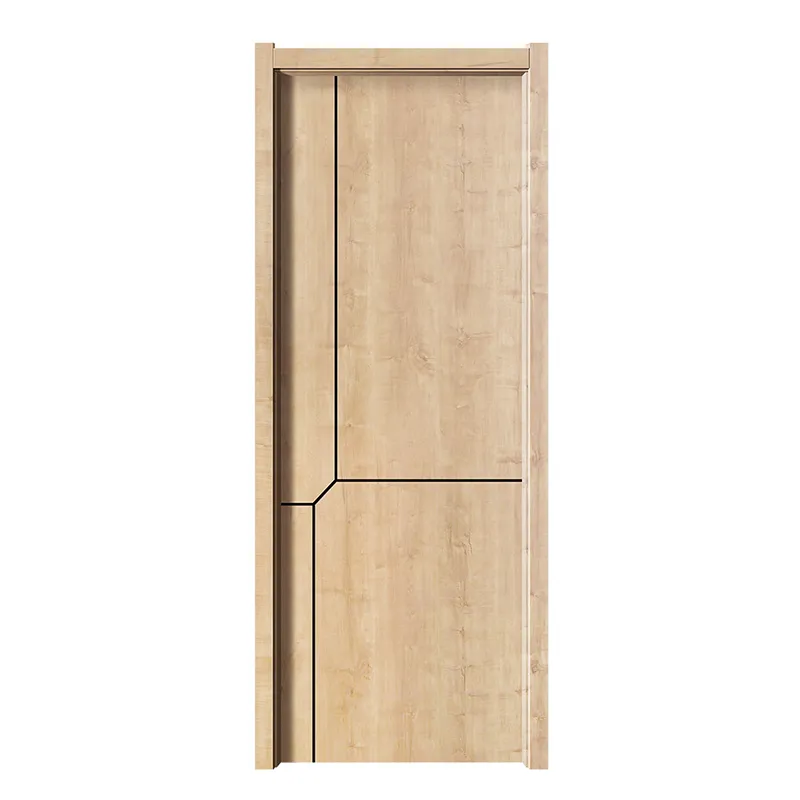
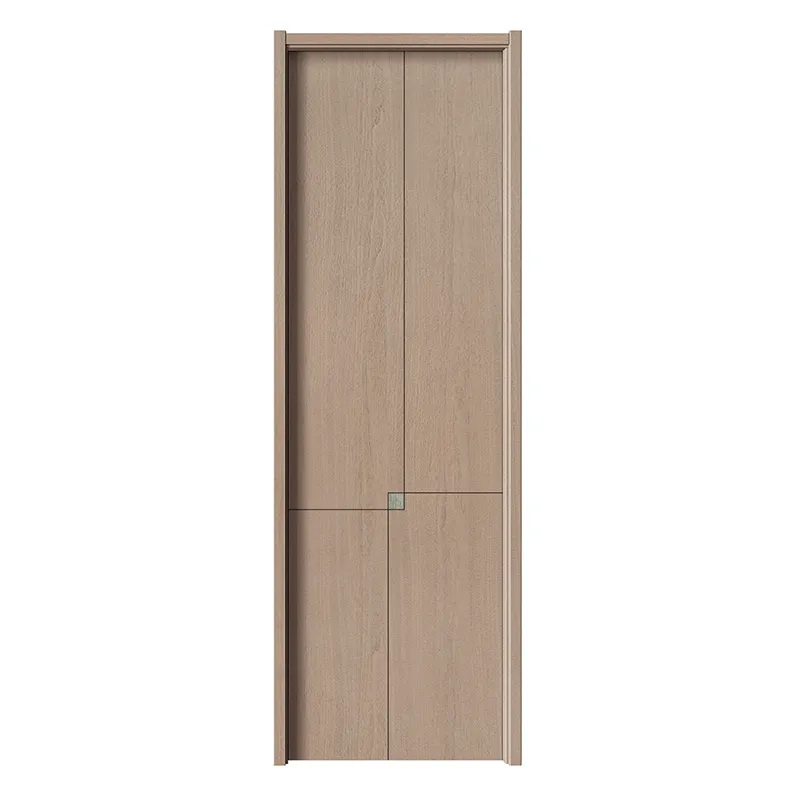
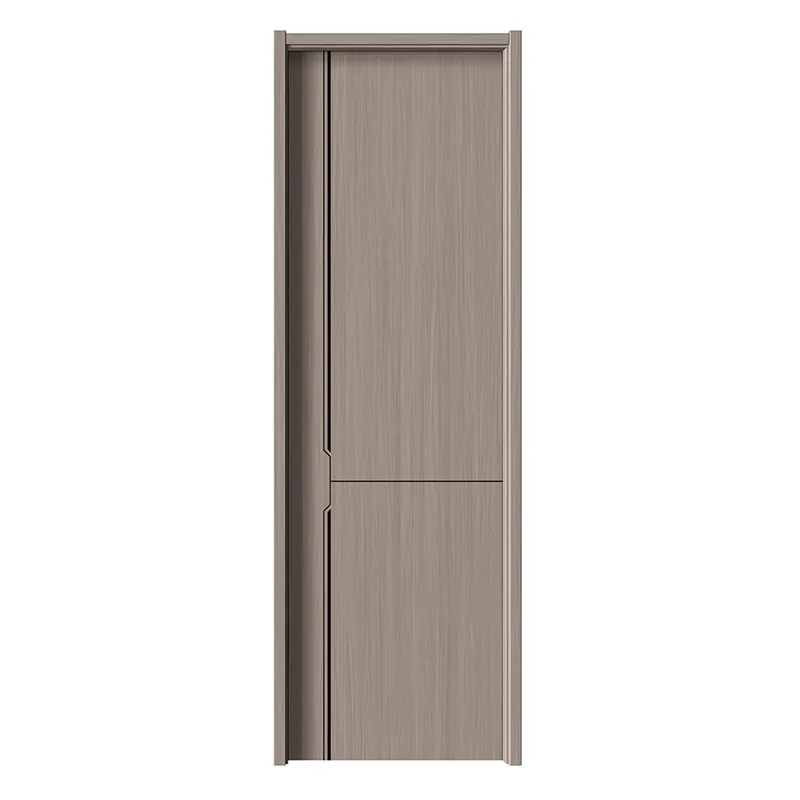
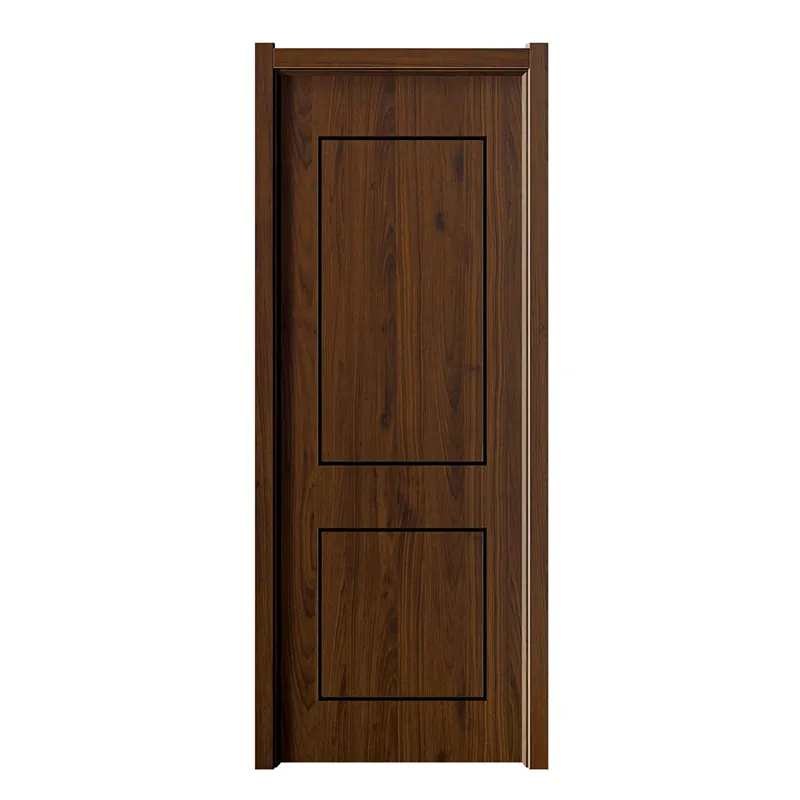

Best Sellingproducts
Best Selling Products-
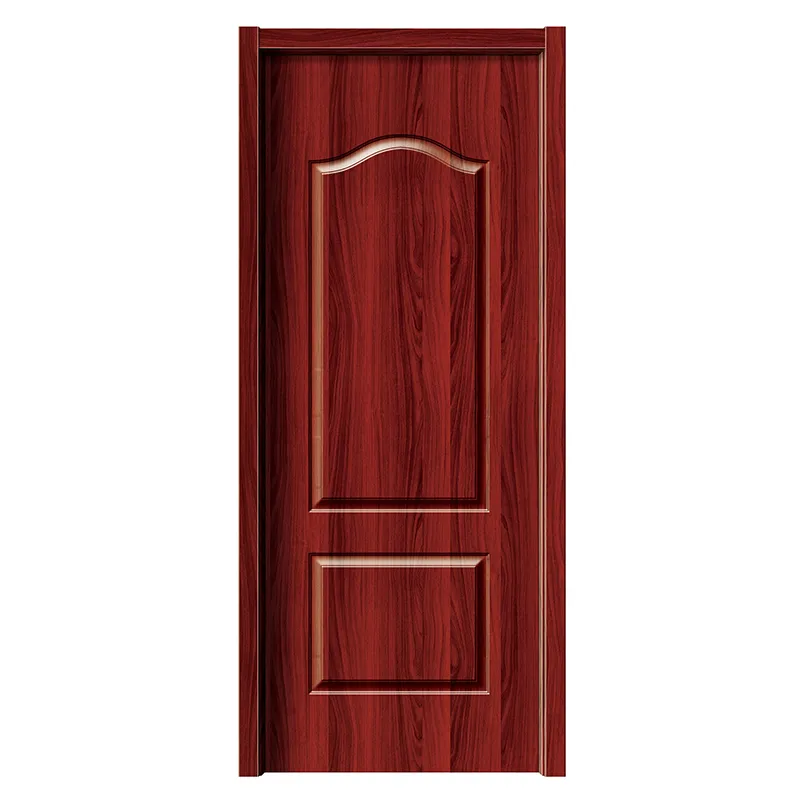 YST-207 Door Red team
 -
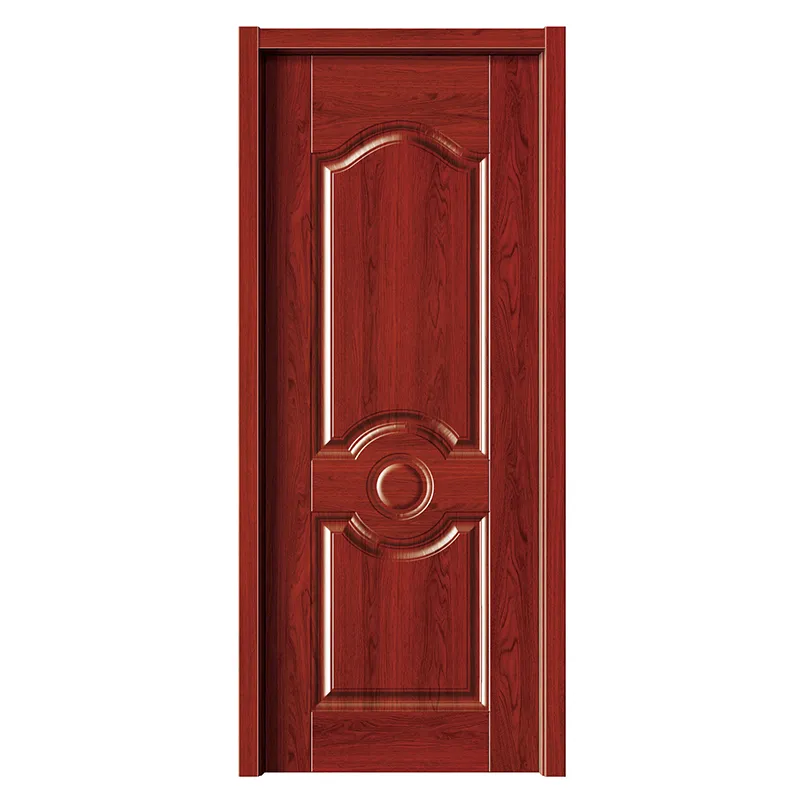 YST-208 Door Red Sandalwood
 -
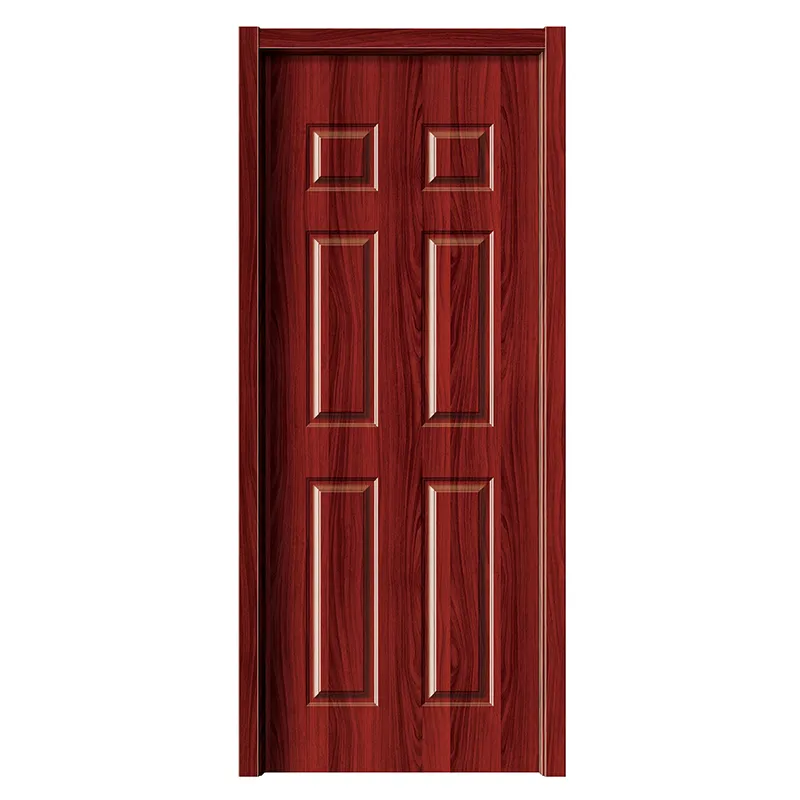 YST-201 Door Red team
 -
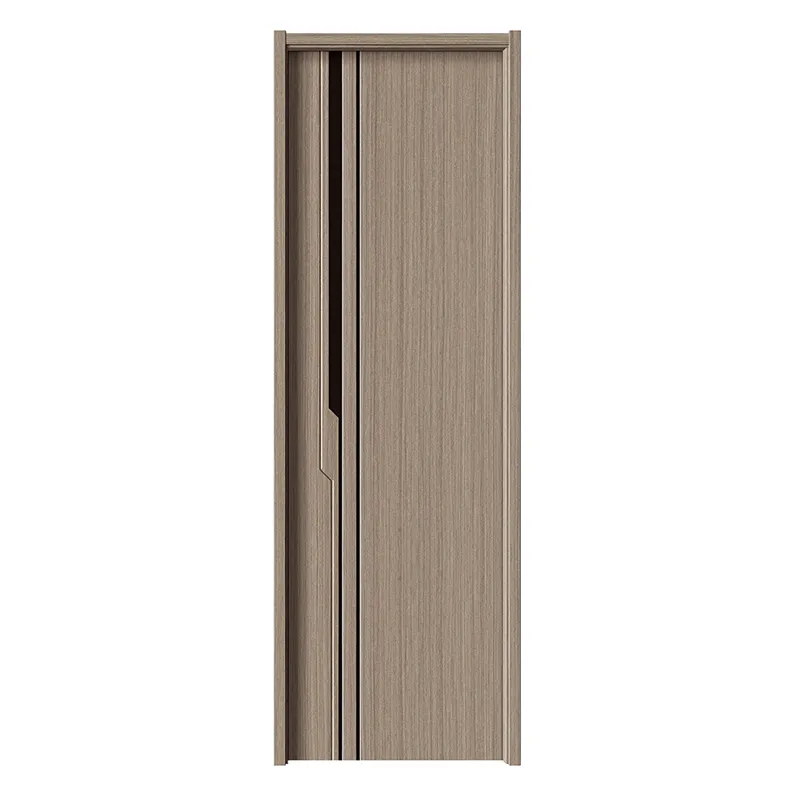 YST-1018 Technowood Door 1
 -
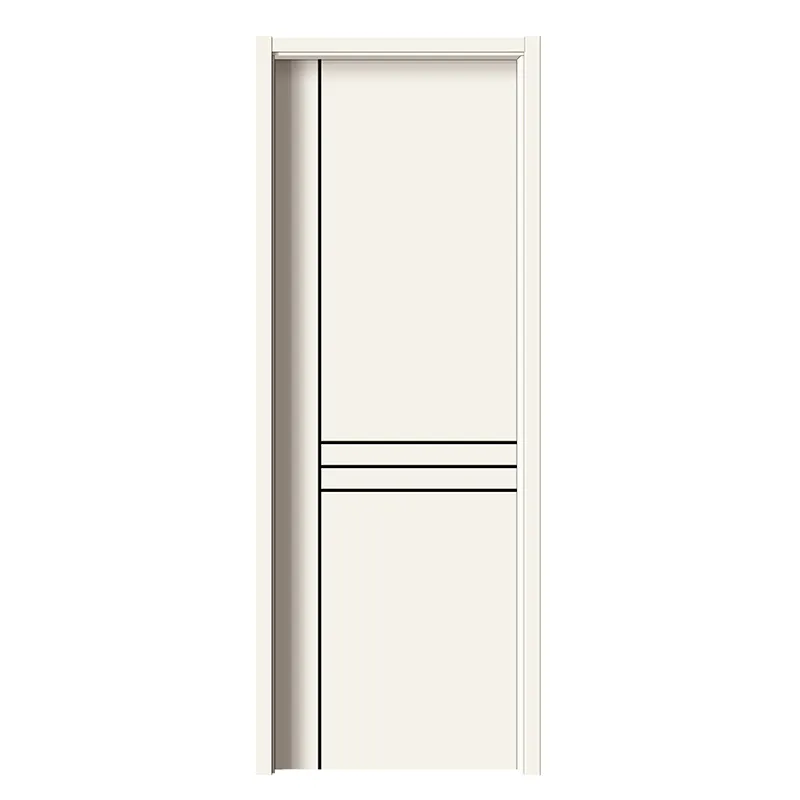 YST-220 Door Warm white
 -
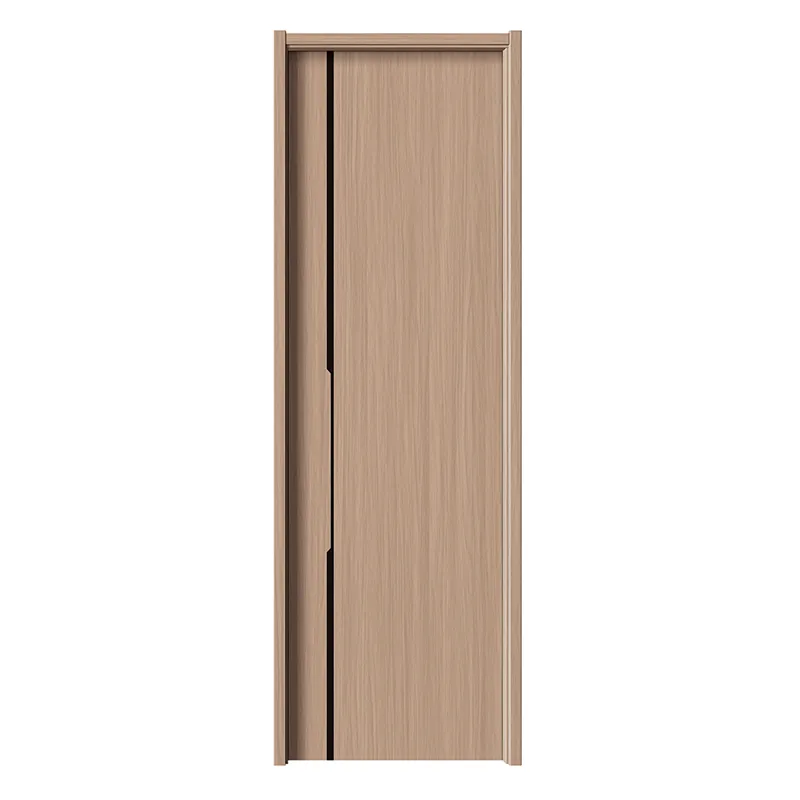 YST-1029 Door Translucent light shade 1
 -
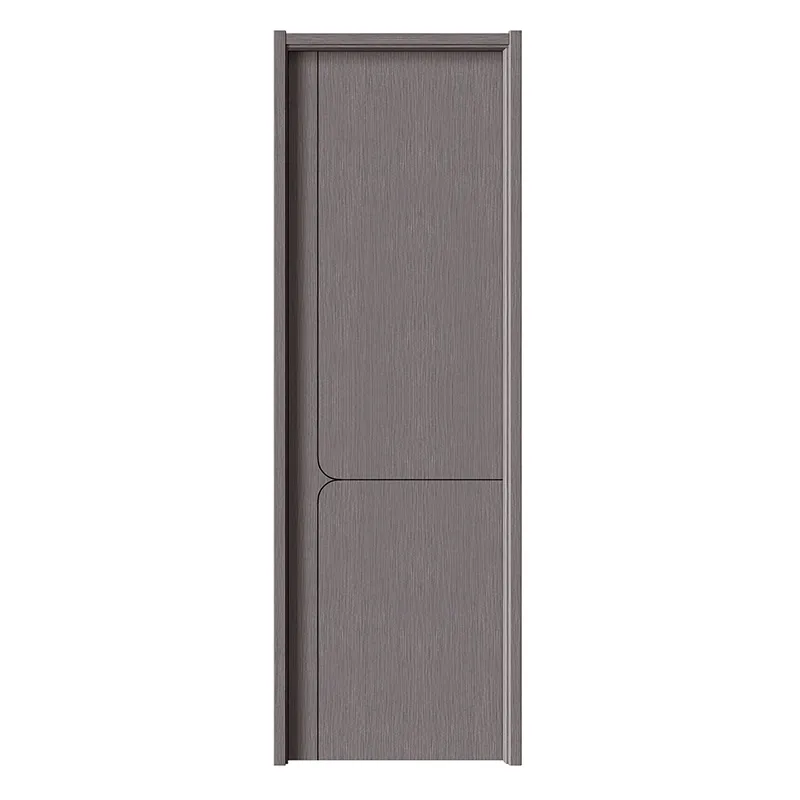 YST-1001 Door Chiaroscuro tree 2
 -
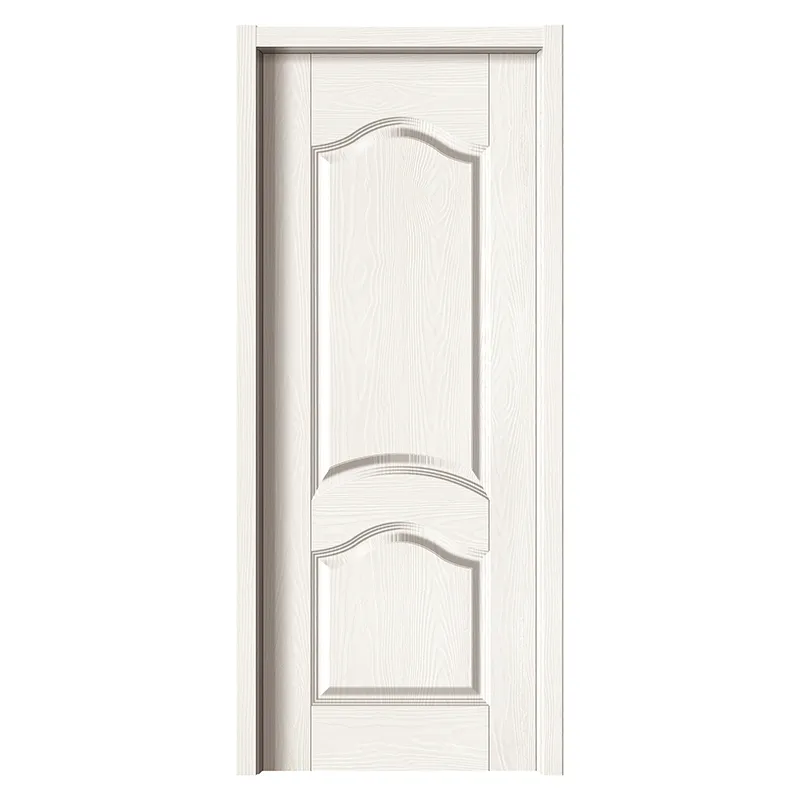 YST-224 Door Warm white with relief
 -
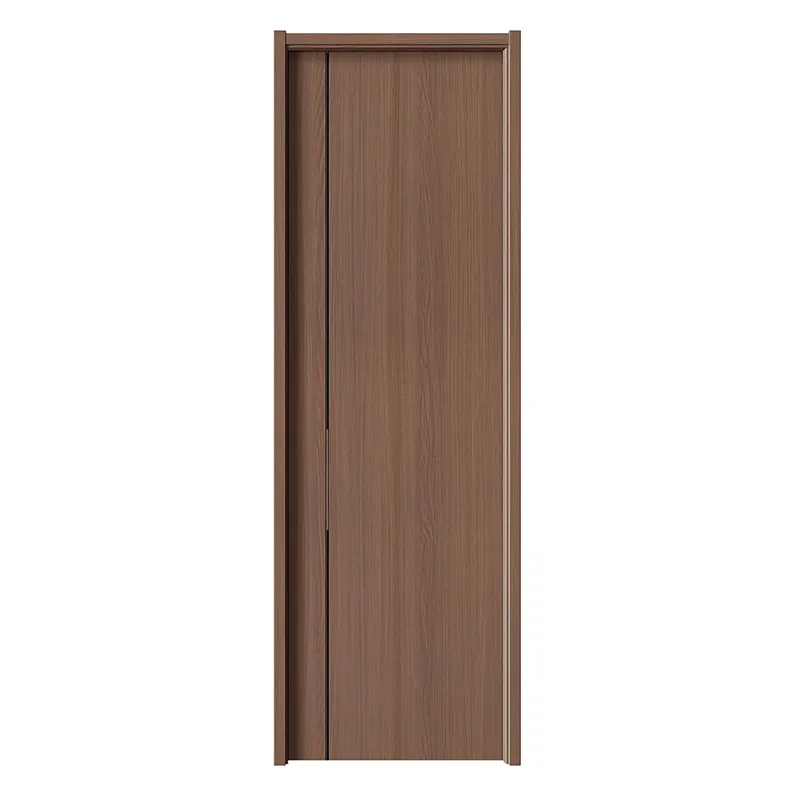 YST-1043 Door Techno-walnut 3
 -
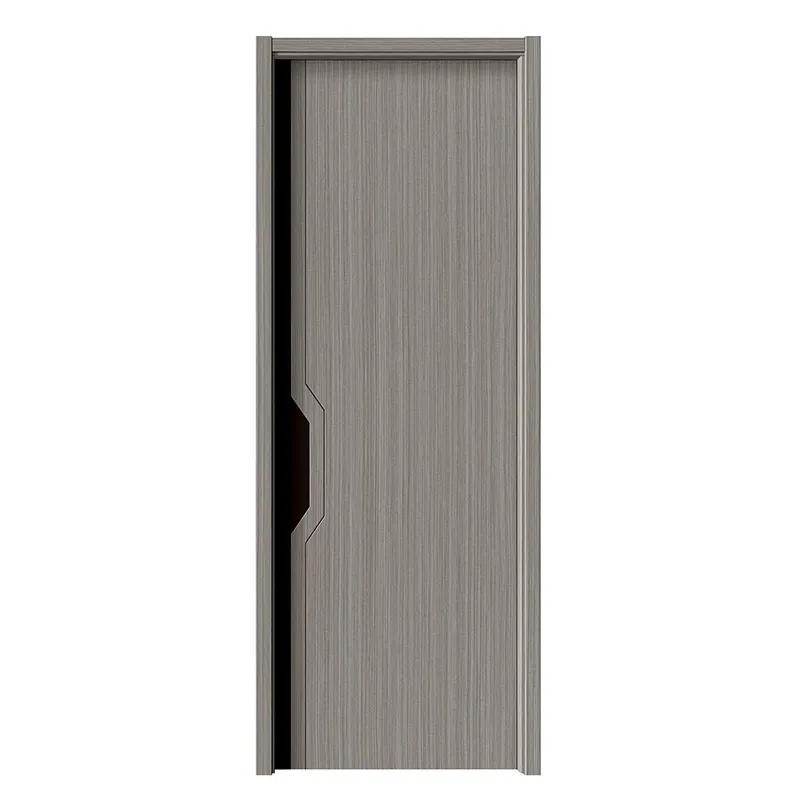 YST-1007 Technotree Door 2
 -
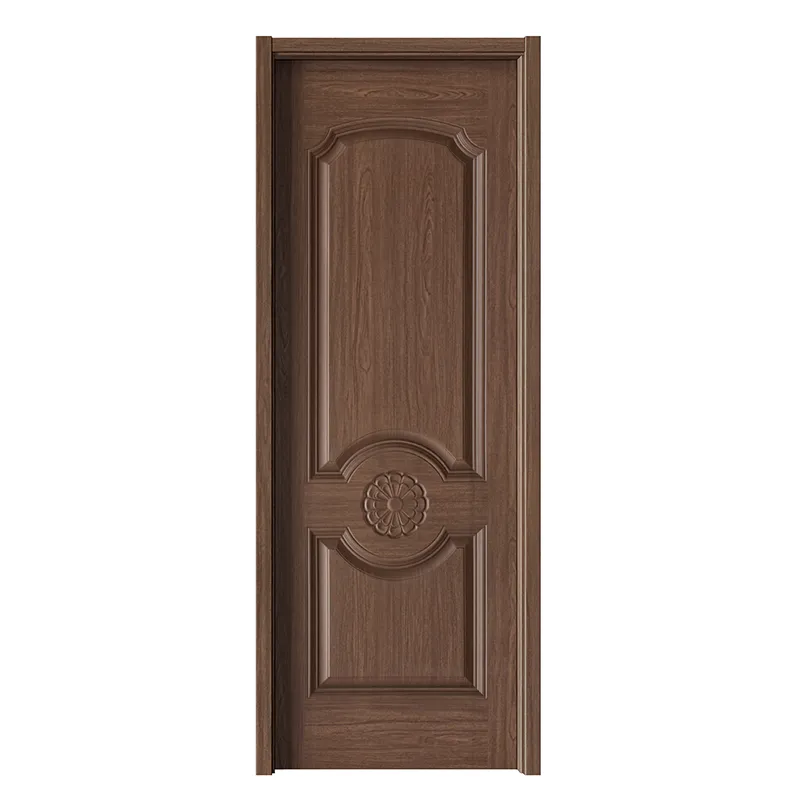 YST-212 Door North American Oak 2
 -
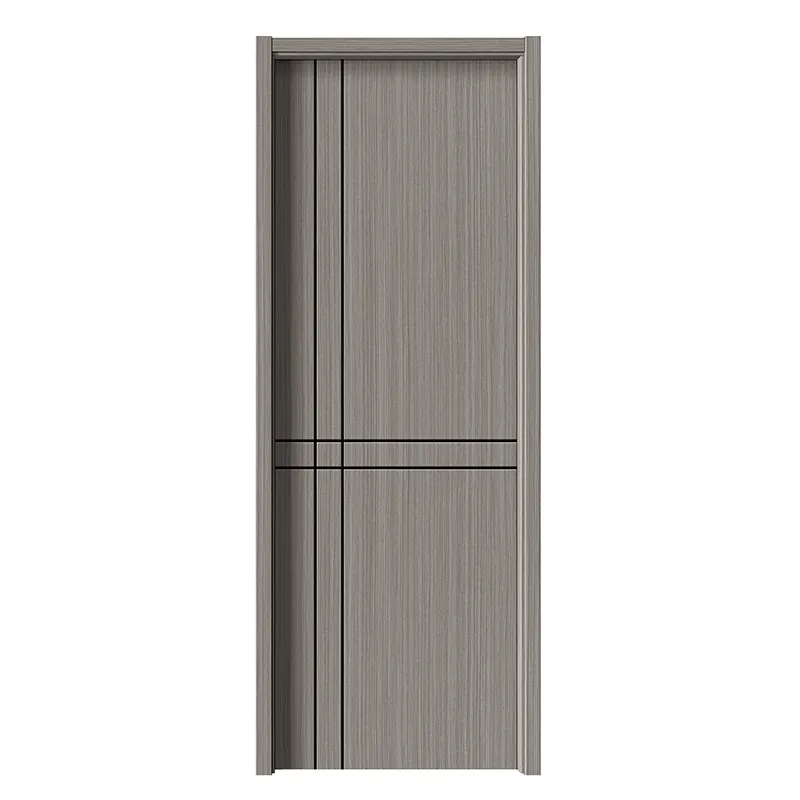 YST-1004 Door Technotree 2