




The best wooden interior doors
When clients searchthe best wooden interior doors, often imagine just a beautiful picture from a catalogue. But behind this there is much more - the type of wood, the specifics of drying, the design of the canvas, the operation of the fittings. Many people think that the “best” is necessarily the most expensive or the most massive. In practice, the ideal door is the one that exactly suits the specific conditions: humidity in the apartment, intensity of use, interior style and even acoustic expectations. I’ll say right away: there is no universal “top”, there is a competent selection.
Let's understand the basis: solid wood, veneer or combined solutions
This is where confusion often begins. Solid oak or ash is, of course, status and durable, but requires an ideal microclimate. In new buildings with unstable humidity, it can lead to problems, even if the manufacturer has dried the workpiece well. I have seen such cases - the client is upset, although the fault is not always on the side of the factory. Therefore, for most city apartments I often recommend high-qualitywooden interior doorsfrom engineered wood or doors using veneer panels. Modern veneer is not a thin cut, but a full-fledged layer of valuable wood, glued to a stable base of MDF or spliced solid wood. The solution turns out to be resistant to changes and is often more affordable.
By the way, about the spliced array. Many people are prejudiced against it, saying it's 'pieces'. But the high-pressure gluing technology makes the canvas even stronger than a solid one, minimizing the risk of deformation. For example, in productionAnhui Wantai Woodworking Co.,Ltdthis process is streamlined - lamella selection, fiber orientation, pressure control. The result is a door that doesn't play with time. Their philosophy of 'building a business on precision' is spot on here.
But I would advise you to refrain from using chipboard doors under wood-look paint or film in living rooms. They may look acceptable, but in terms of tactile sensations, closing sound and maintainability, it’s a completely different story. The best solutions always involve natural materials in one form or another.
Construction: what to look for besides appearance
The exterior panel is only part of the story. The frame, filling, type of edge - this is what determines durability. A good interior door should have a rigid frame, often made of laminated veneer lumber, and rational filling. For example, a honeycomb core made of cardboard is not always bad; for lightweight swing models it is normal. But for wide canvases or requirements for sound insulation, you need to look towards filling them with MDF slats or solid solids.
A special topic is reviews and glass inserts. Here, high-quality processing of the glass edge and the method of fixing it in the canvas are critically important. Cheap doors often suffer from the fact that the glass is simply inserted into a groove with a silicone seal, which over time leads to rattling. Reliable designs use glazing beads or combined methods to ensure a tight and silent fit.
When working with suppliers, I always pay attention to these nodes. Company mentionedAnhui Wantai Woodworking Co.,LtdIn its work, it focuses on control of all stages, which is a key point for constructive integrity. Because a door is a system, and a weak link will definitely appear.
Hinges, locks and closers: invisible mechanics
You can choose a flawless canvas, but spoil the impression with poor fittings. Hinges - it is better to take hidden (bar) or, if classic hinged, then with a bearing, at least three pieces per leaf. Cheap hinges begin to creak after six months. Latch locks for interior doors are a separate issue. The mechanism should operate smoothly, without a loud click. I have often found that clients skimp on this and then suffer at night from the sound of the latch slamming shut.
If we talk about door closers, then for home use I am cautious about standard floor-mounted models. They require precise installation and can be overpowering. Often it is better to consider hinges with a closer or overhead closers with force adjustment. But this is for a specific project and the weight of the door.
Here again, the approach of manufacturers who consider the door as a complex helps out. When a factory like Wantai adheres to international standards, this includes recommendations for the fittings used and testing of finished assembled products.
Coating and finishing: where the 'flavor' lies
Varnish, oil, wax - each option gives its own effect. The glossy varnish emphasizes the structure, but all the scratches on it are visible. Matte finishes or oils are more tactile and better hide minor signs of use. An important point: the quality of application. The layer should be uniform, without smudges, especially at the ends and in paneled recesses.
I remember a project where solid walnut doors, after being installed in a country house, began to slightly “raise the pile” due to high humidity. The problem was not with the wood, but with the fact that the topcoat (varnish layer) was applied without proper sanding between layers. I had to take it down and redo it. This is a case where savings at the production stage lead to long-term headaches.
A good manufacturer will never skip the sanding steps between coats and the final polish. In the descriptioncompaniesthe emphasis is on precision and quality at all stages - this is fundamentally important for finishing. It is these details that ultimately create the feeling of a 'better' door.
Installation: why even a perfect door can be damaged
The biggest mistake is to consider installation a formality. An incorrectly assembled box, incorrect gaps, or overtightened hinges will negate all the advantages of an expensive canvas. The door will not close well, squeak or warp. I always insist that the installation be carried out by specialists who are familiar with wooden structures and who understand how the material can react to changing seasons.
Another nuance is preparing the opening. In panel houses they are often “filled up”, and alignment is required, otherwise the panel will spontaneously open or close. This is trivial, but every second non-professional installer stumbles on such trifles.
Therefore, choosingthe best wooden interior doors, immediately budget for competent installation. It is best when the manufacturer provides not only a guarantee for the product, but also recommendations for installation, and ideally, has installation partners. An integrated approach, like that of companies working on the international market and valuing their reputation, is a clear advantage here.
Bottom line: how to make an informed choice
So, the best door is not the one in the highest price segment, but the one that is correctly selected for your conditions and is made with high quality. Look at the essence: stability of the structure, quality of connections, thoughtfulness of the finish. Feel free to ask the supplier questions about gluing technology, wood drying, veneer thickness, and recommended fittings.
Target manufacturers who are open about their processes, such asAnhui Wantai Woodworking Co.,Ltd, whose mission is to combine aesthetics and practicality for a global clientele. Their experience in supplying the international market indicates the ability to adapt the product to different standards and requirements, which indirectly confirms flexibility and quality.
Ultimately, a successful purchase is when, after a few years, you still enjoy the look and quiet operation of the door without remembering it as a problem. And this is the main criterion of 'betterness'.
Correspondingproducts
Related Products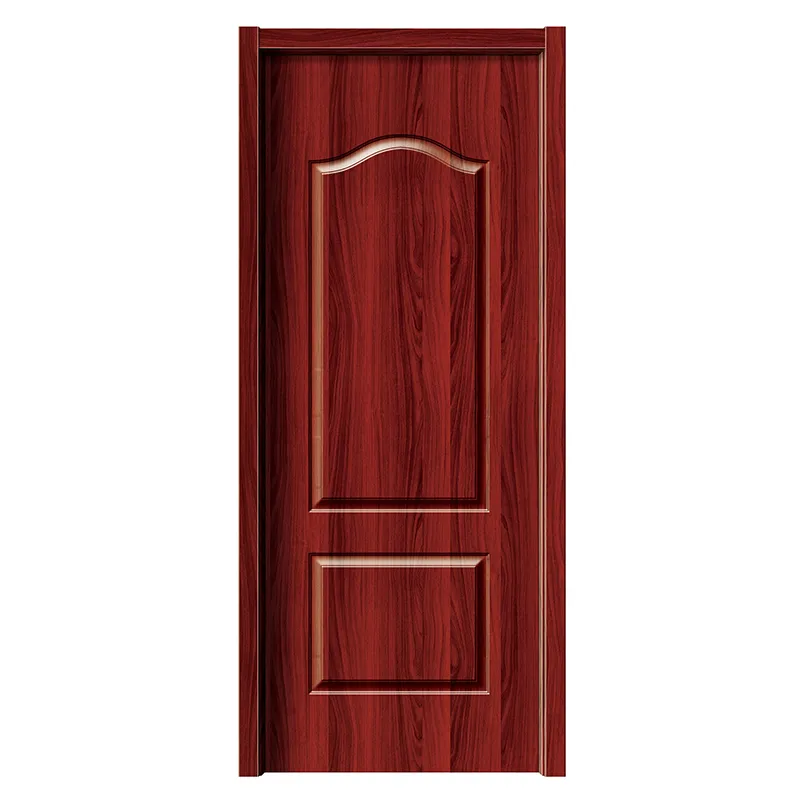
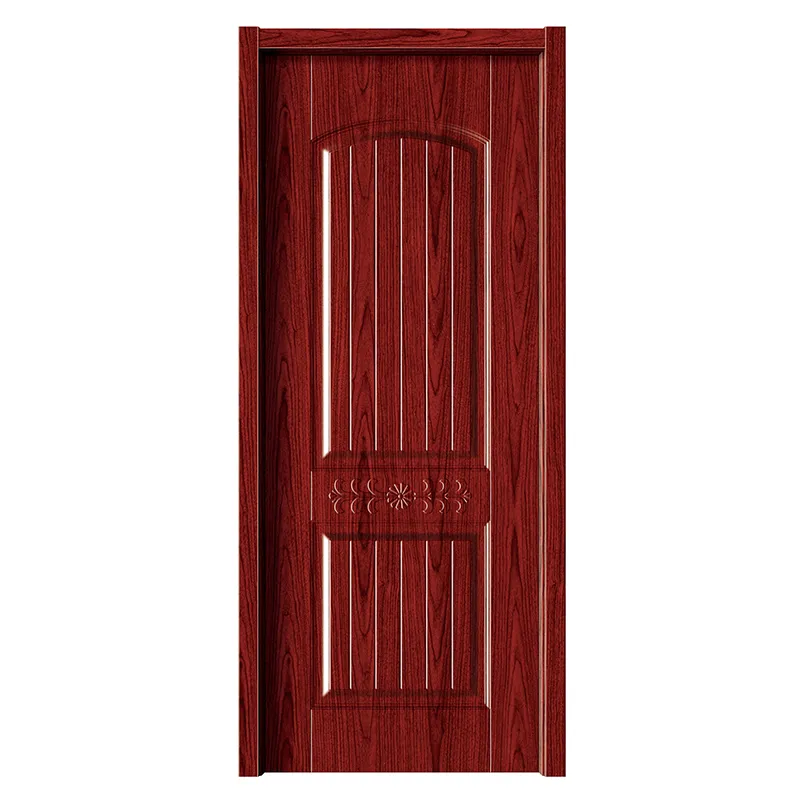
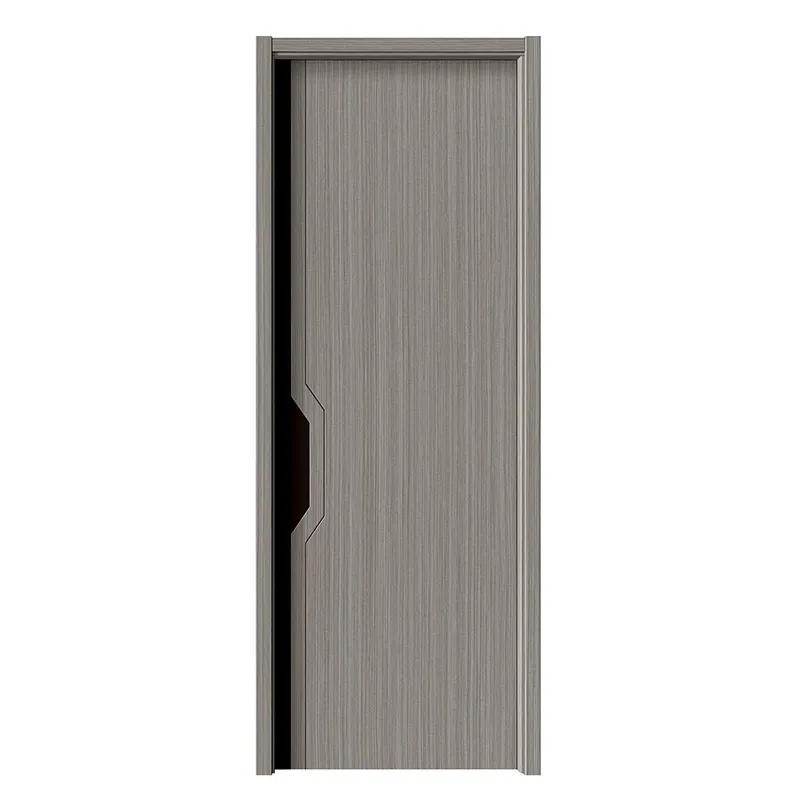
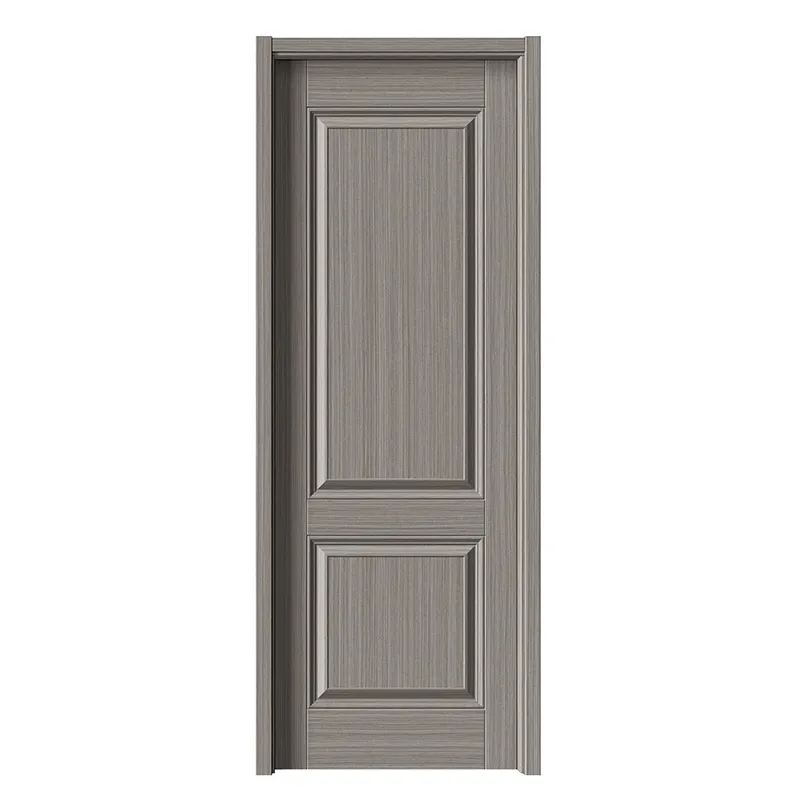
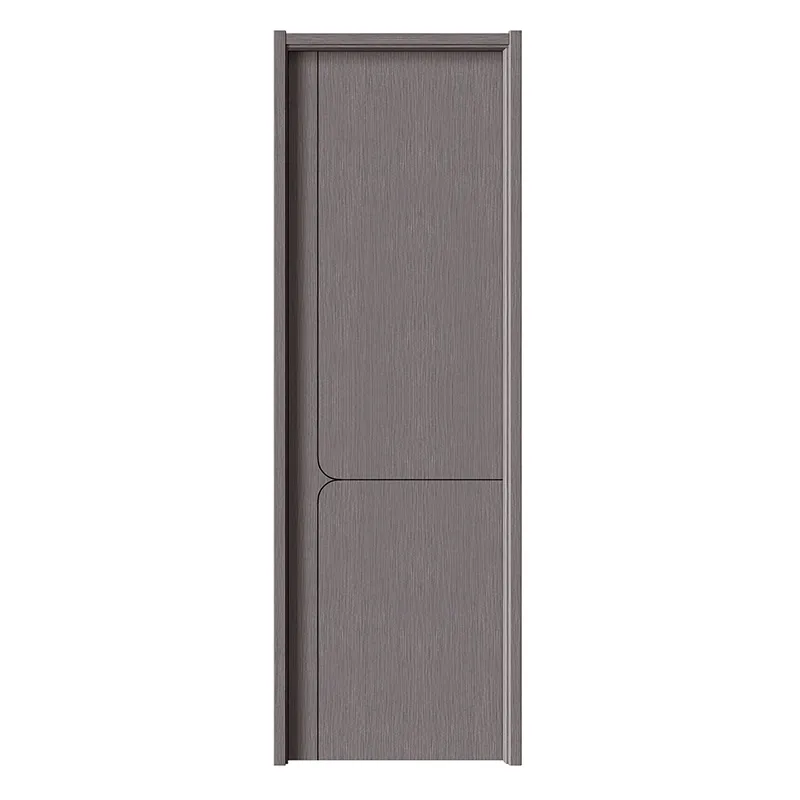
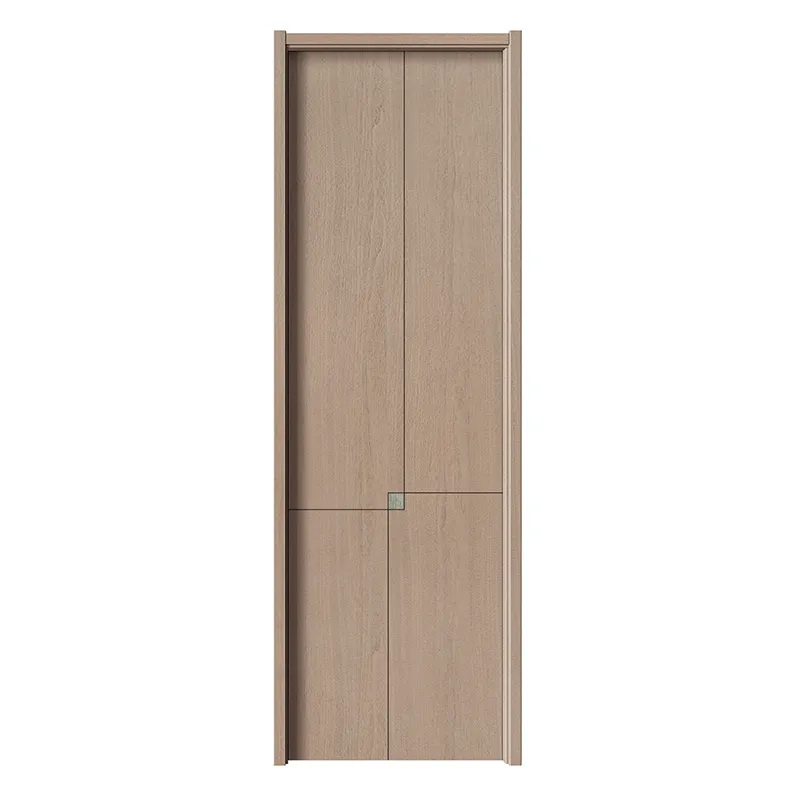

Best Sellingproducts
Best Selling Products-
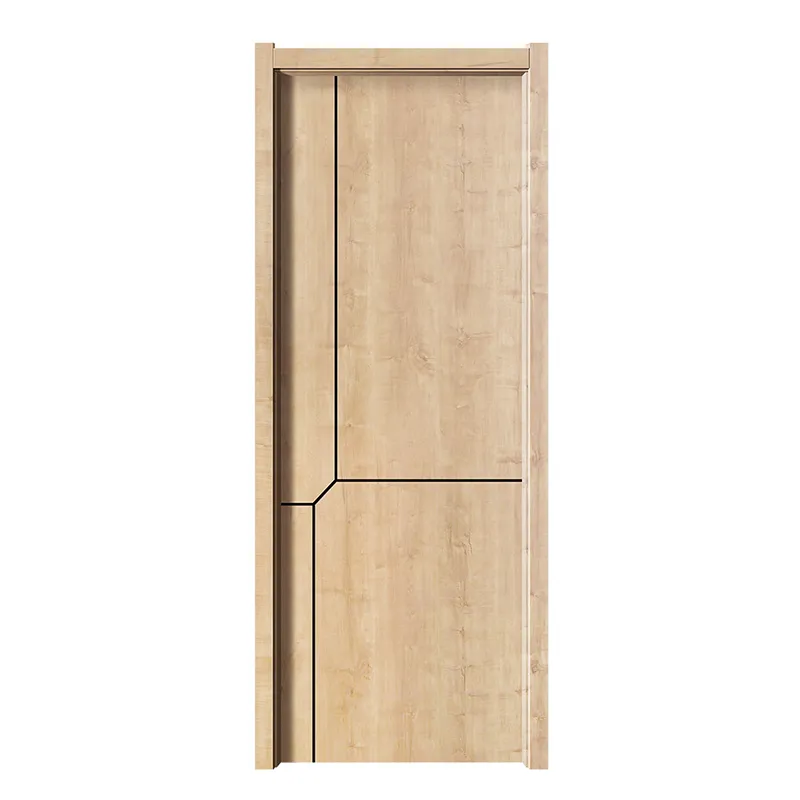 YST-WPC1 Door
 -
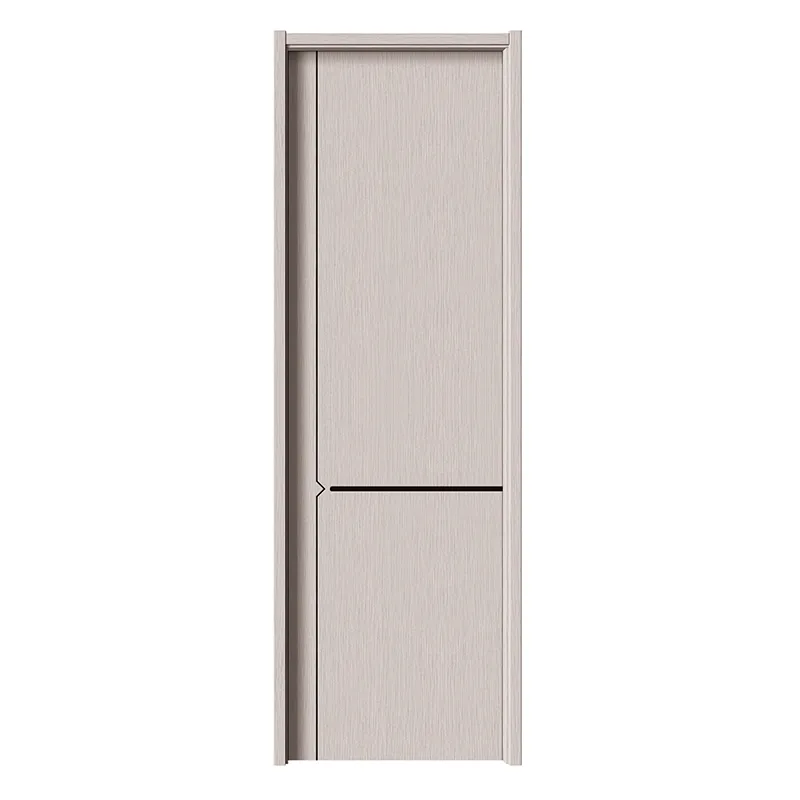 YST-1024 Door Chiaroscuro wood 1
 -
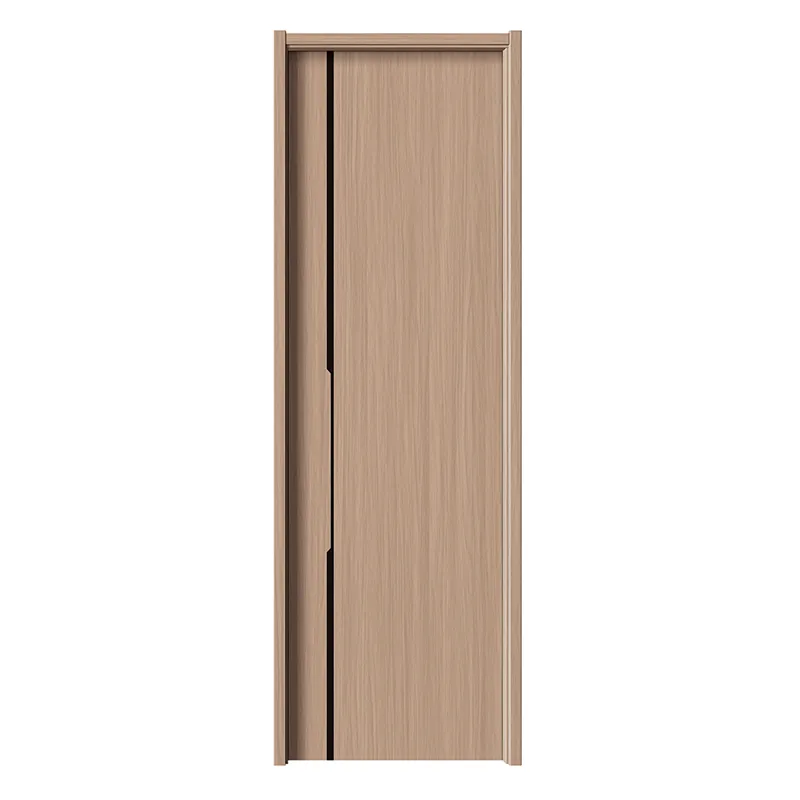 YST-1029 Door Translucent light shade 1
 -
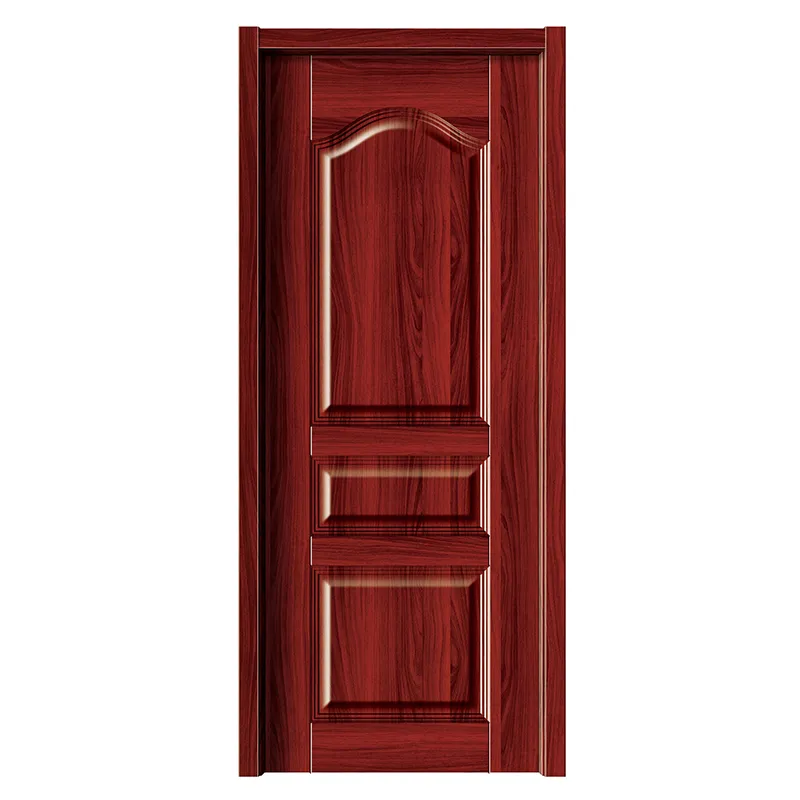 YST-203 Door Red team
 -
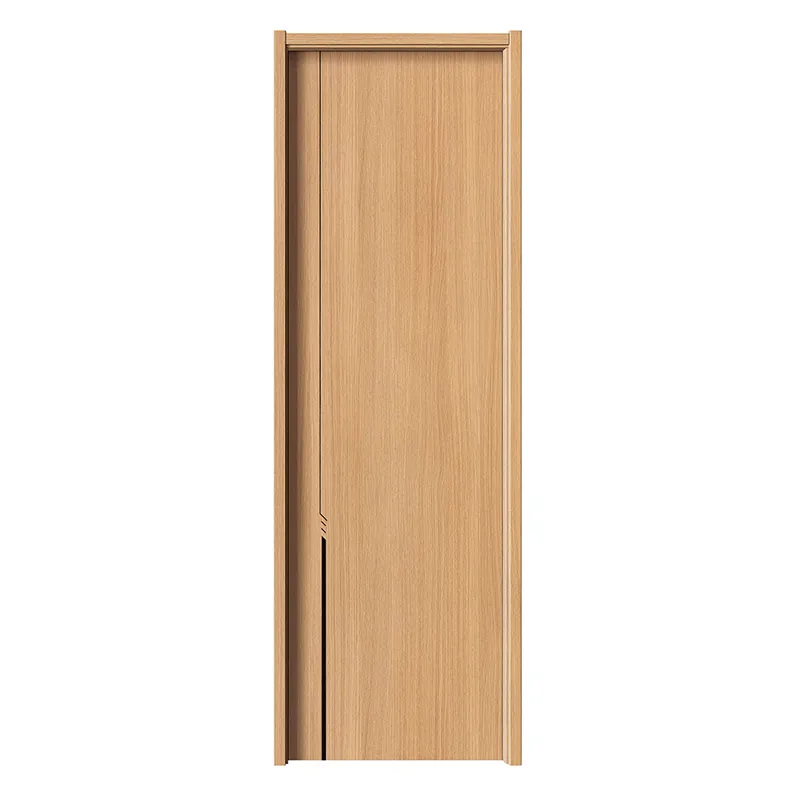 YST-1041 Door Oak Shutter
 -
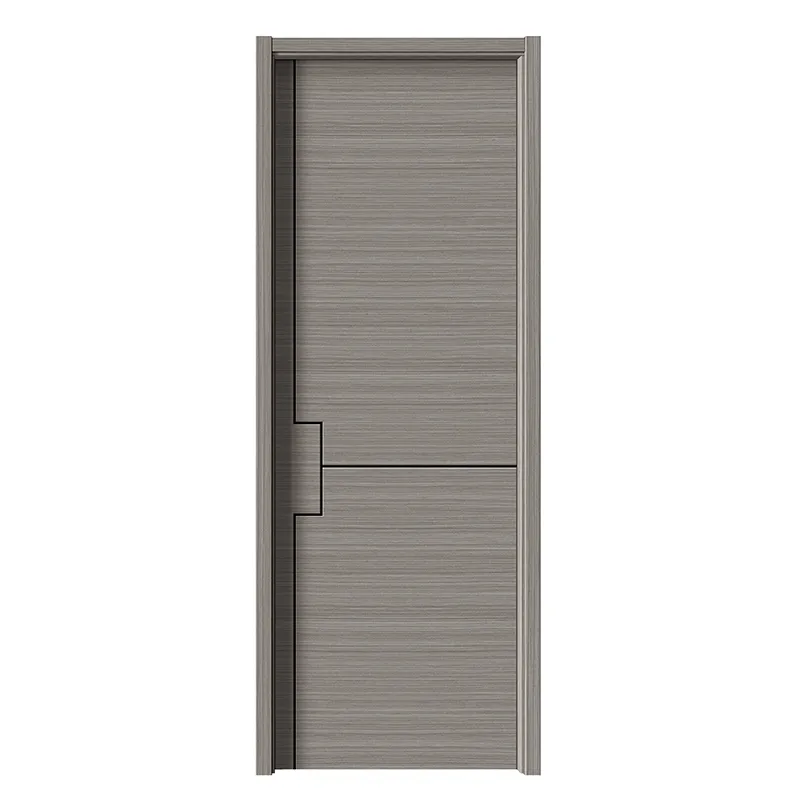 YST-1005 Technotree Door 2
 -
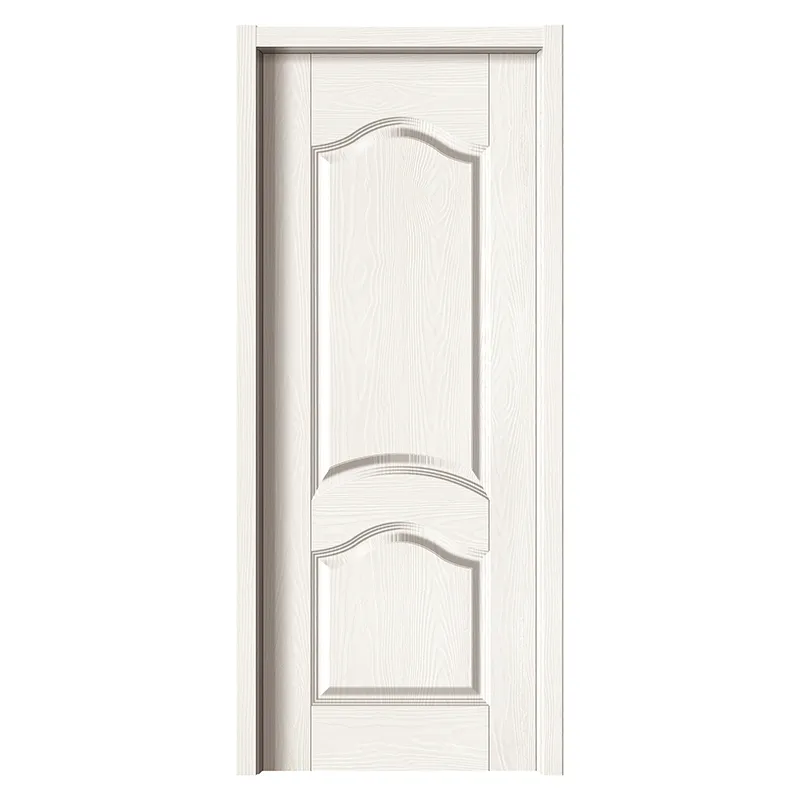 YST-224 Door Warm white with relief
 -
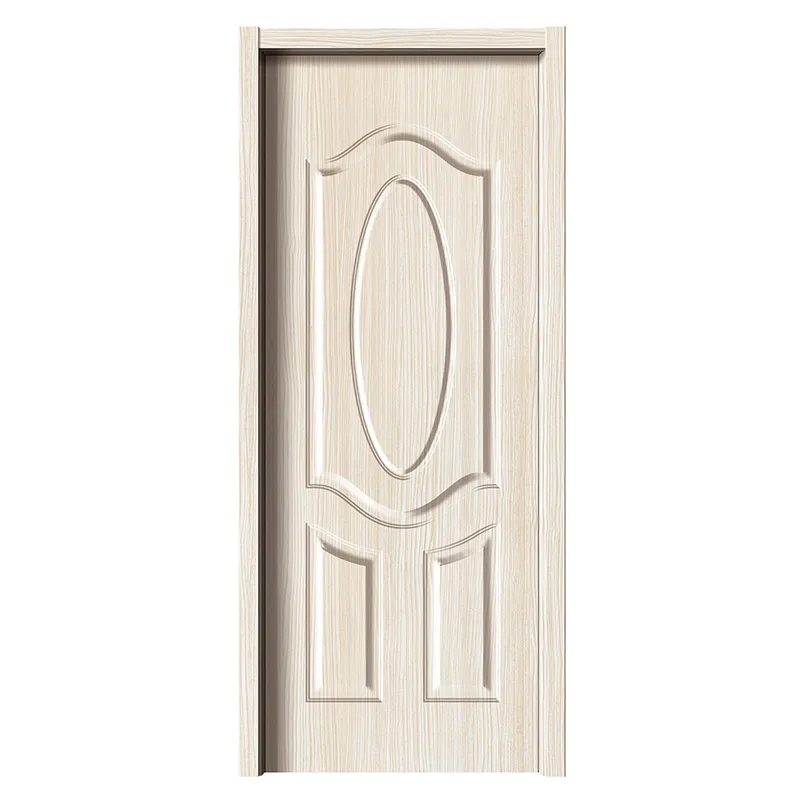 YST-216 Door White Maple
 -
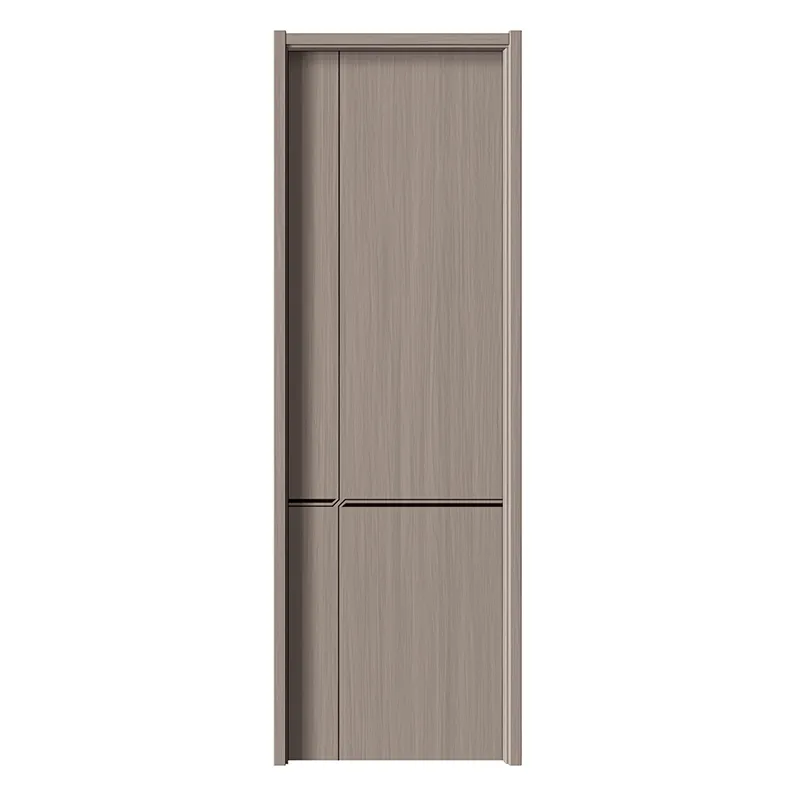 YST-1010 Door Translucent light shadow 3
 -
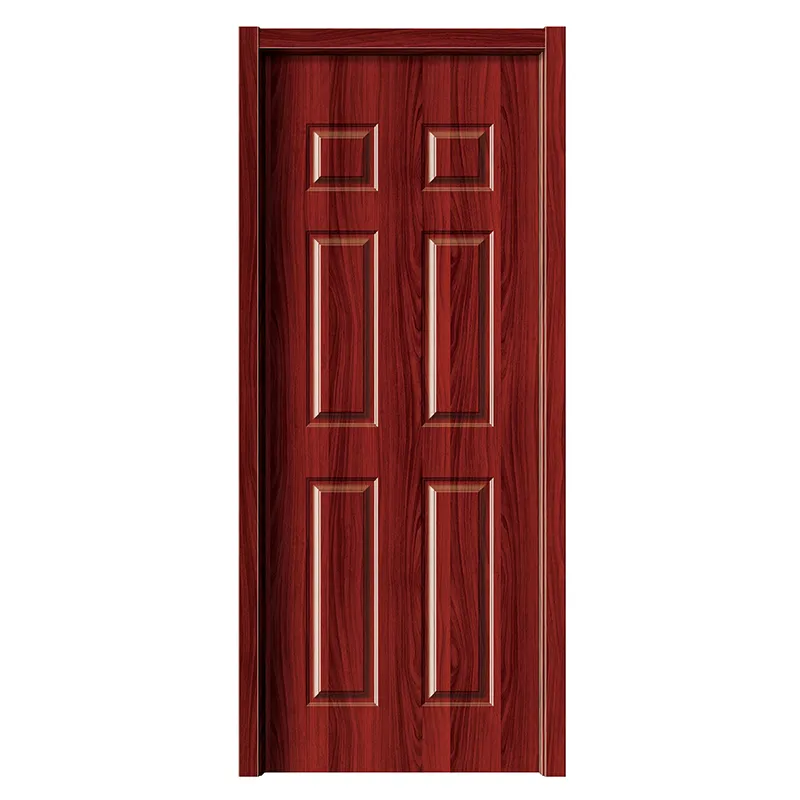 YST-201 Door Red team
 -
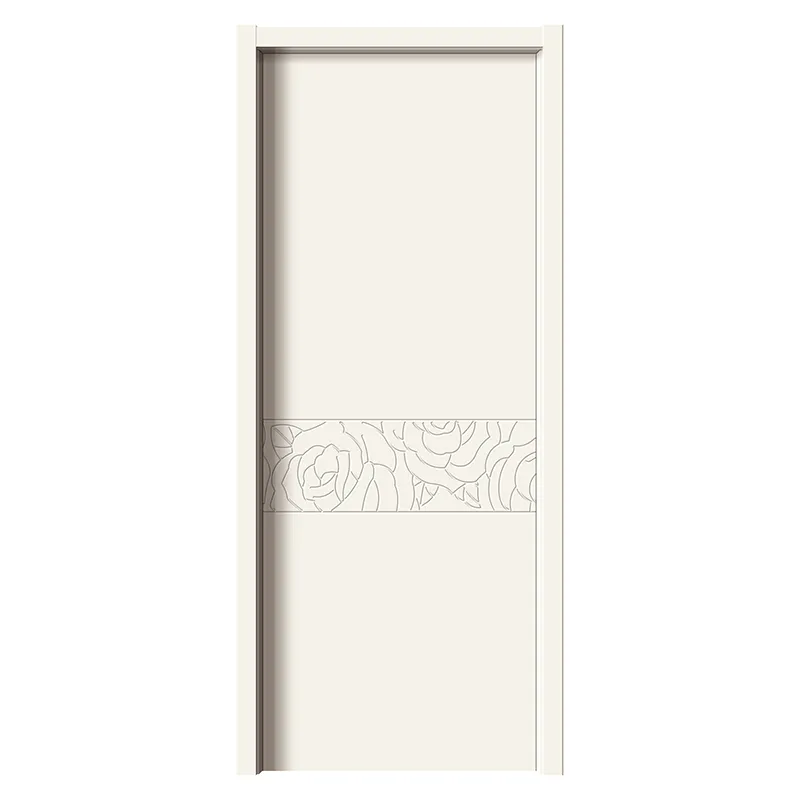 YST-238 Door White ivory
 -
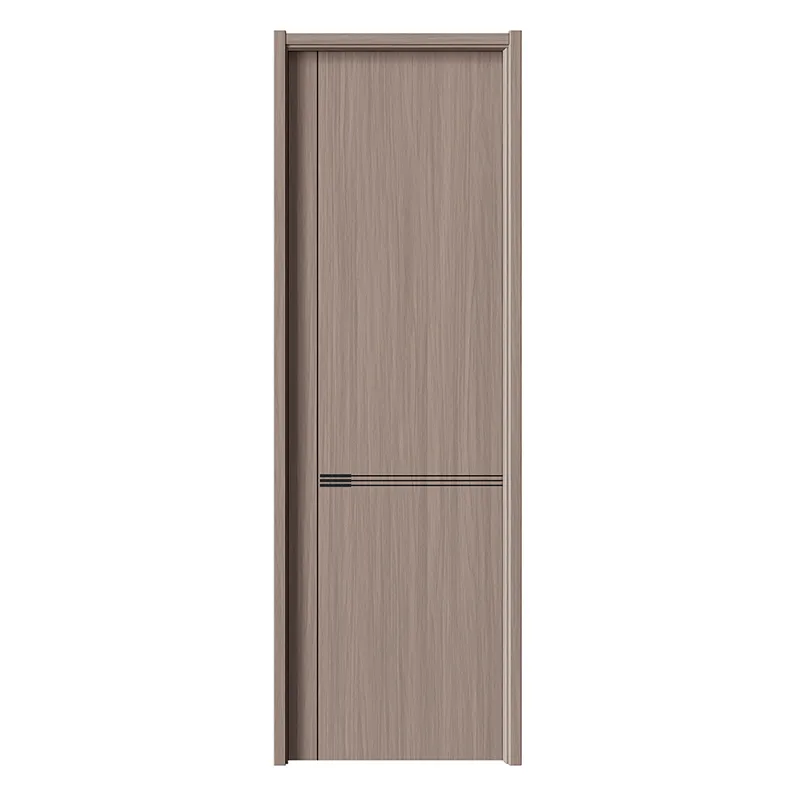 YST-1039 Door Translucent light shadow 3