




Wooden door for a children's room
When a customer says “need a door for a nursery?”, many people immediately think of a bright color or a cartoon pattern. This is perhaps the most common and fundamentally incorrect stereotype. A children's door is not a decorative shield, but an active participant in the life of the room. It must withstand machine blows, ?research? felt-tip pen, sudden changes in humidity from a humidifier and at the same time remain safe and functional for years. Let me note right away: ideal?universal? the door does not exist, everything depends on the balance of parameters.
Safety: what is more important than beauty
Here it all starts with little things that are invisible to the eye. For example,loops. For a child's room, I am categorically against standard detachable hinges. You need either one-piece ones or with a lock so that the child cannot remove the canvas, even if he thinks of knocking out the pin. This is not panic, but real cases from practice.
The second point is glass, if provided. Either it is triplex, or, what I often recommend, transparent durable plastic (such as polycarbonate). And it must be inserted so that there is no access to the glazing beads from the inside. Children love to pick.
And of courseaccessories. Handles are better without sharp corners, with a mechanism that can be easily turned by a child’s hand, but does not slam with a bang. Castle... controversial issue. Inside the nursery, simple latches are often installed that can be opened from the outside in an emergency with a paper clip or coin. A full-fledged castle is a risk.
Material and ecology: myths about “natural”
?Natural wood - it breathes and is environmentally friendly?. Yes, but only if it is processed correctly. Solid pine is a popular budget option, but it is soft and dents quickly. And if it is covered with a cheap, albeit certified, varnish with a pungent odor, all environmental friendliness is down the drain. The smell can take weeks to dissipate.
I'm more inclined towards combined solutions. For example, a solid frame + internal filling with honeycomb cardboard or MDF for sound insulation + external MDF panels. Why? Geometric stability. A children's room is often a bedroom, a playroom, and sometimes even a mini-gym. Temperature and humidity fluctuate. The array may lead, a gap will appear. And high-quality engineering construction made from glued materials is less capricious.
It is extremely important to ask the manufacturer for certificates for paints and varnishes (paints and varnishes) and glue. They should be specifically for children's and medical institutions. For example, some suppliers likeAnhui Wantai Woodworking Co.,Ltd, emphasize this in their operating philosophy. On their websitehttps://www.anhuiwantai.ruit is clear that they work for the international market, and this usually implies strict control according to European emission standards, for example, E1. This is not an advertisement, but an example of the right approach: a business built on precision and quality of raw materials is critically important for children's products.
Practicality and wear: durability test
Here the story is not about “will it scratch?”, but about “how it will age?”. The glossy surface is beautiful, but every fingerprint and scratch from the toy will be visible in the palm of your hand. I recommend matte or semi-matte coatings, structured surfaces (light brushing), or veneered options. Traces of use are less noticeable on them.
One of my early mistakes was adding a sleek white door to the preschooler’s room. Six months later, along the lower third of the canvas there was an “art gallery?” from shoe prints, plasticine and something unidentified. I had to explain myself to the client. Now I always stipulate: the bottom of the door, especially from the side of the room, is a high-risk area. You might even consider having a decorative panel of a darker or easy-to-clean material underneath.
More aboutthreshold. In the nursery they try to avoid it for safety reasons. But then you need to hang the canvas very accurately so that the gap with the floor is minimal (4-5 mm), and be sure to install a high-quality seal around the entire perimeter. Otherwise, the light and sounds from the room will disturb others when the child is sleeping.
Design and psychology: the room grows with the child
Here we go back to the beginning. There is no need for doors with fixed patterns of cars or princesses. The child will grow out of this in a year or two. A neutral but tactilely pleasant base is better. The door can become part of the play space - for example, paint it a calm color with a special marker board so that you can draw on it. Or choose a model with panels that can be replaced with others in the future.
Color. Bright, flashy colors in a small space can overload the nervous system. Calm, pastel, natural wood tones are a safer choice. They create a background rather than dominate. If you want an accent, it would be better if it was a removable element, for example, a toy pen or a wreath on the door.
The weight of the canvas is also important. A door that is too light will slam from a draft; if it is too heavy, it will be difficult for a child to open it. A reasonable balance is needed, which is ensured by the design and filling material.
Installation: a perfect door can be ruined by installation
This is the part where all theory breaks down into practice. Even the most expensive and environmentally friendlywooden door for children's roomcan be killed by poor quality installation. The box must be assembled and installed perfectly level, with the correct gaps. All gaps between the box and the wall are acoustic bridges. They need to be sealed, but not with polyurethane foam, which can release substances, but, for example, with rubber-based silicone sealant.
After installation, be sure to check the door movement, the absence of creaks, and the operation of the closer (if any). The door should open away from you into the corridor - a safety rule in case of evacuation.
As a result, choosing a door is not about the catalog and color. This is about collecting information: the age of the child, the features of the room, the heating system, the planned renovation. And only by putting this puzzle together can you select the very element that will not just close the opening, but will become reliable, safe and “smart?” part of the children's world. It is precisely this complex work with parts that distinguishes, for example, the approach of export- and precision-oriented companies from simple assemblers. Still, when it comes to a nursery, there are no trifles.
Correspondingproducts
Related Products
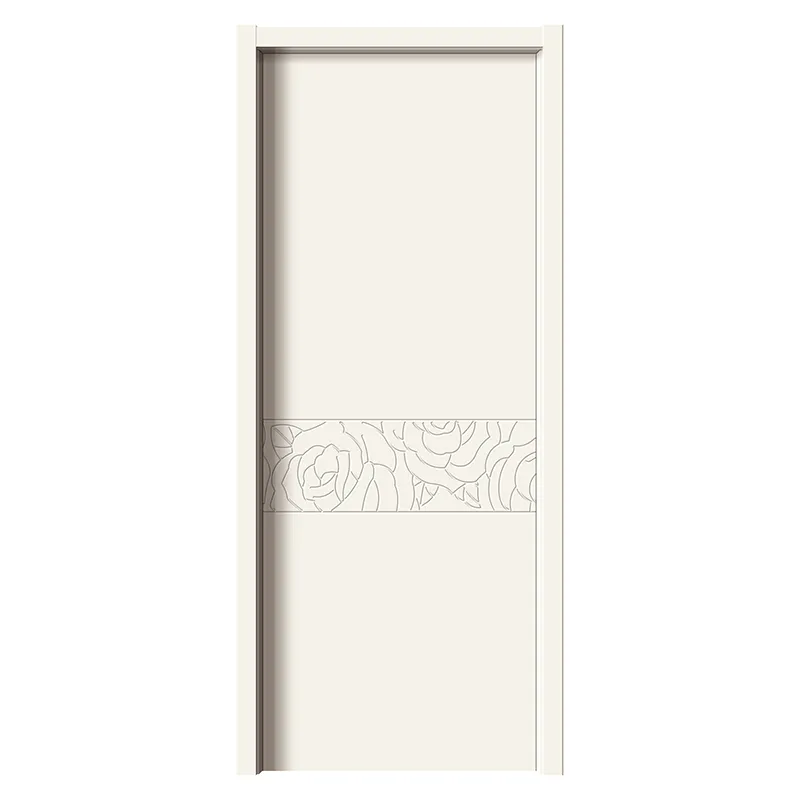

Best Sellingproducts
Best Selling Products-
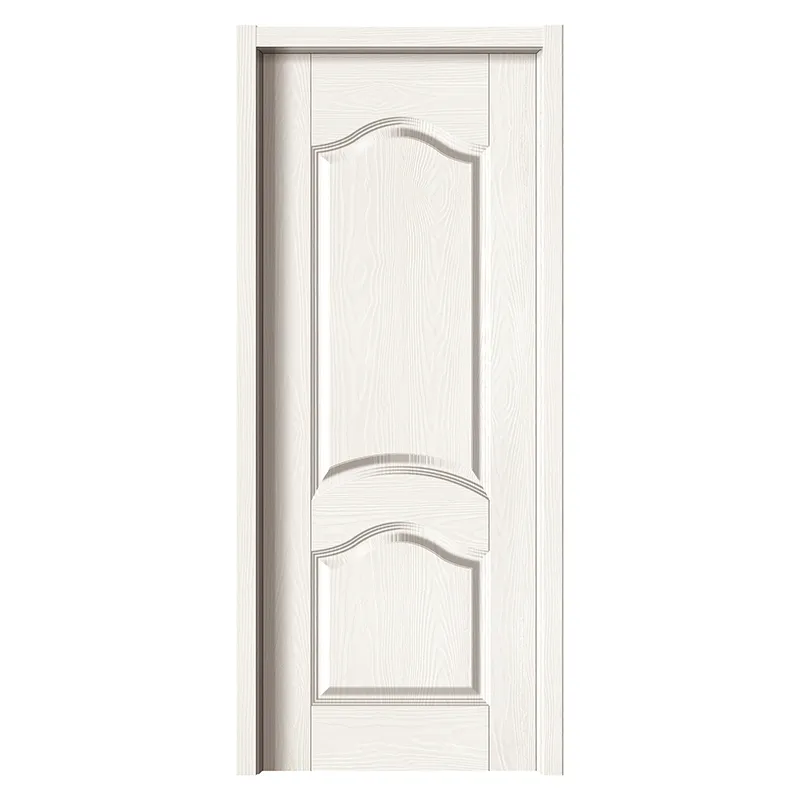 YST-224 Door Warm white with relief
 -
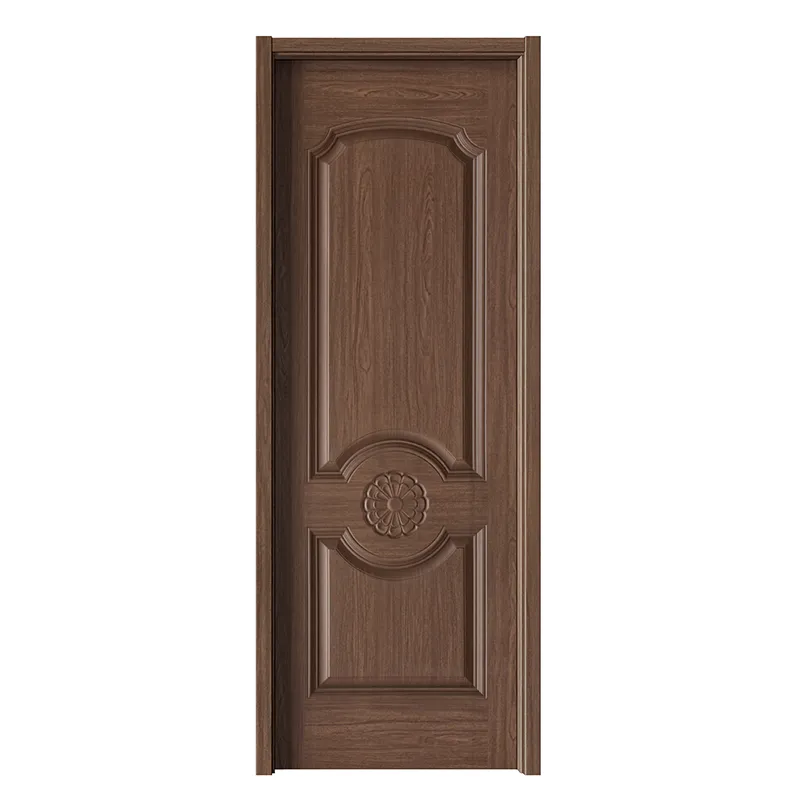 YST-212 Door North American Oak 2
 -
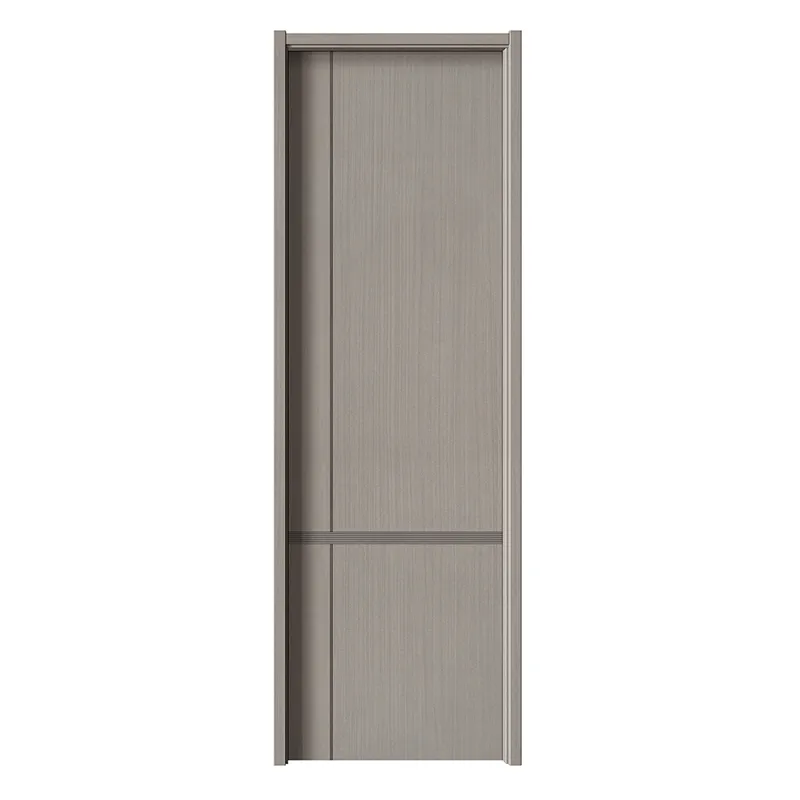 YST-1013 Door Cloud Walnut 1
 -
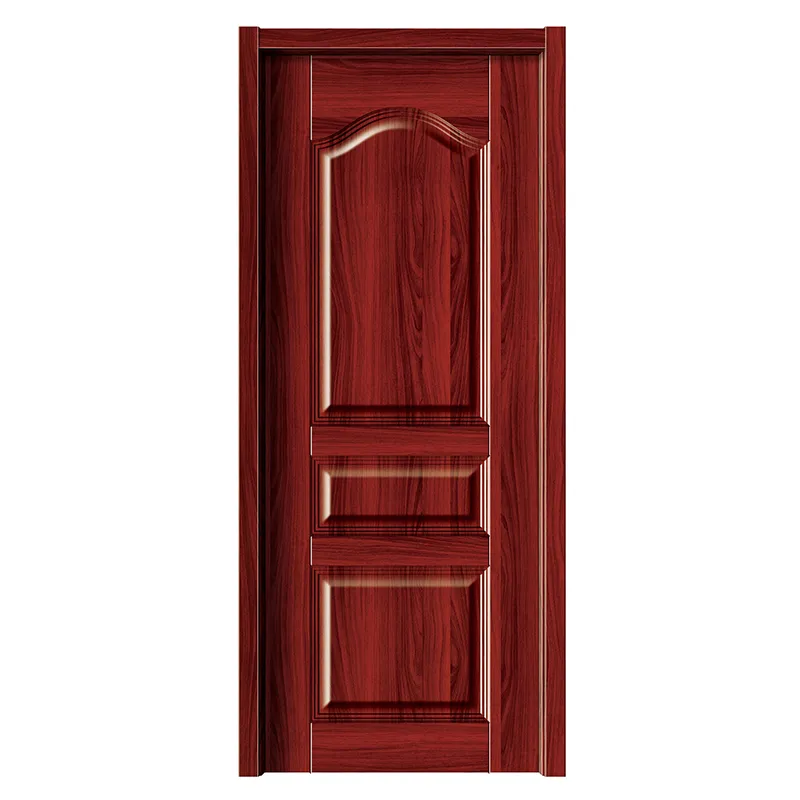 YST-203 Door Red team
 -
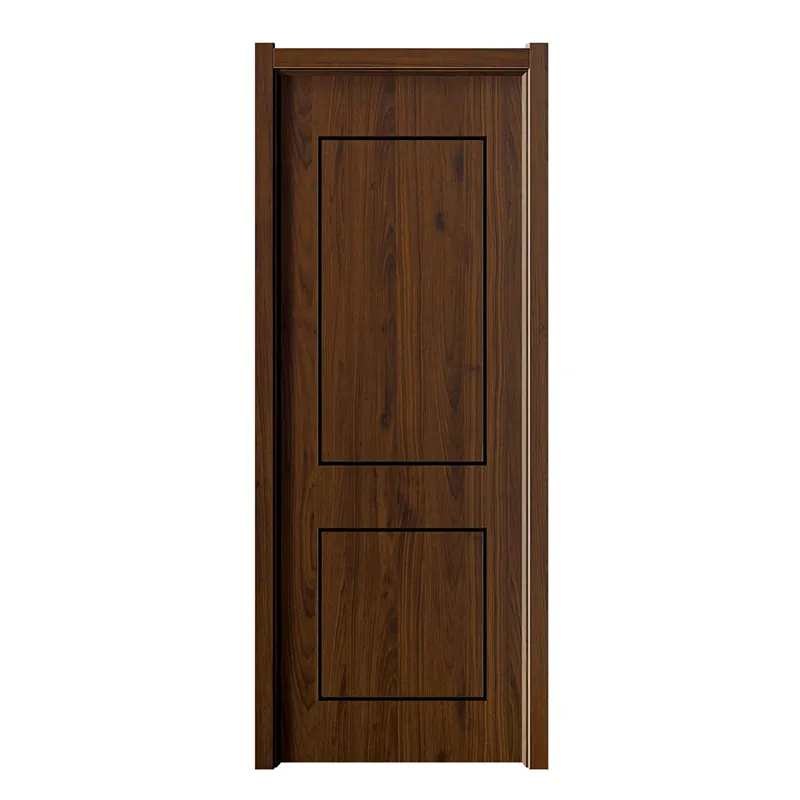 YST-WPC2 Door
 -
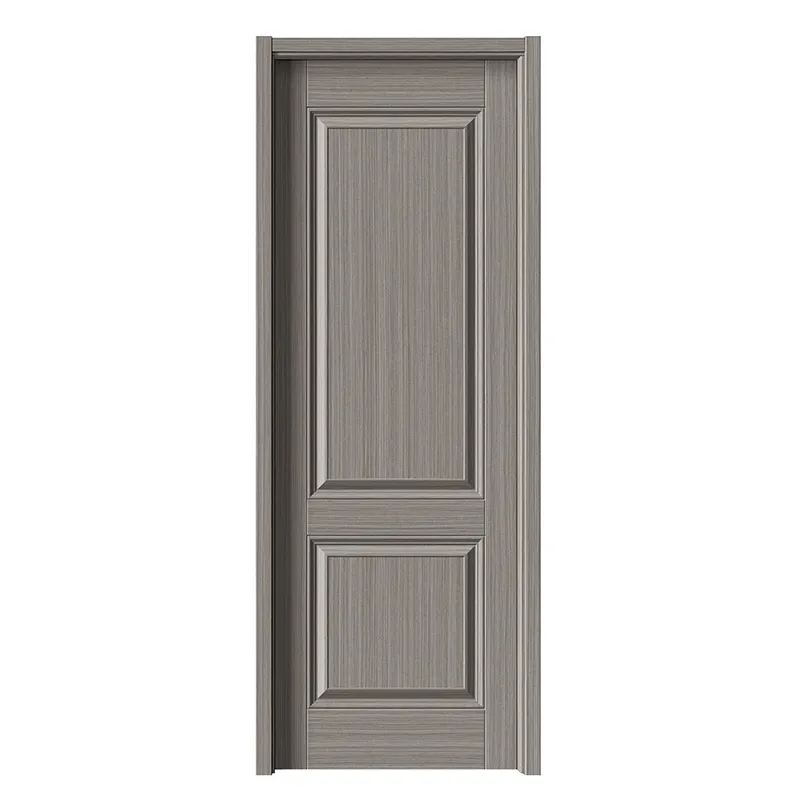 YST-214 Door Technowood 2
 -
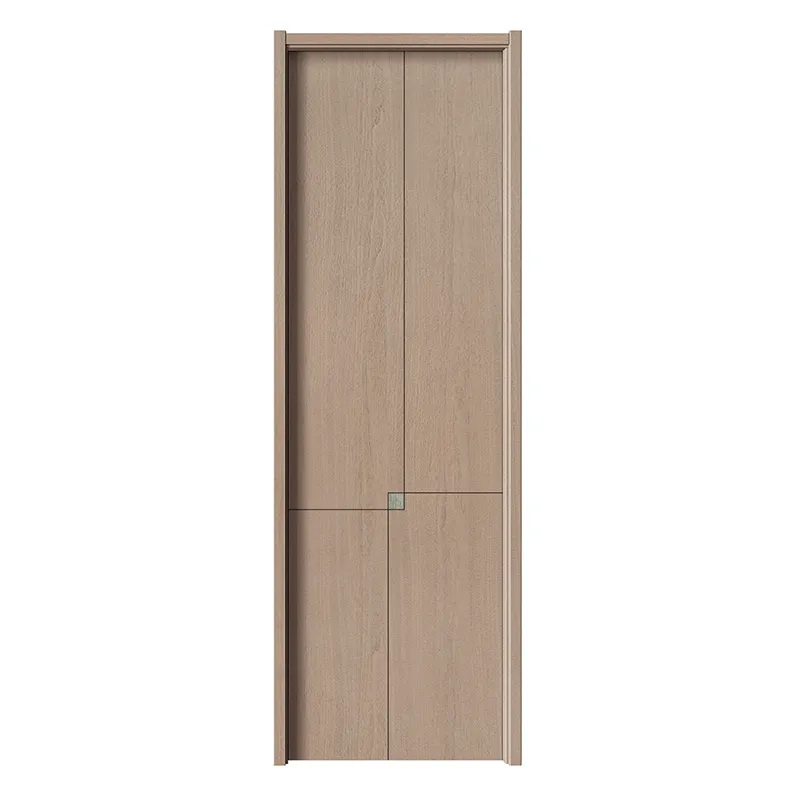 YST-1008 Door Natural walnut 2
 -
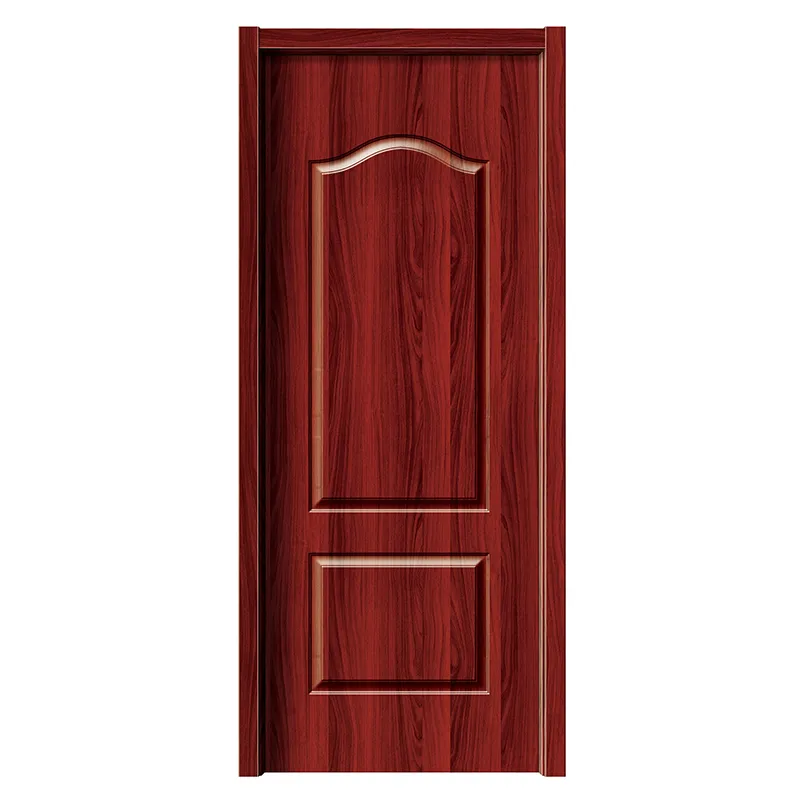 YST-207 Door Red team
 -
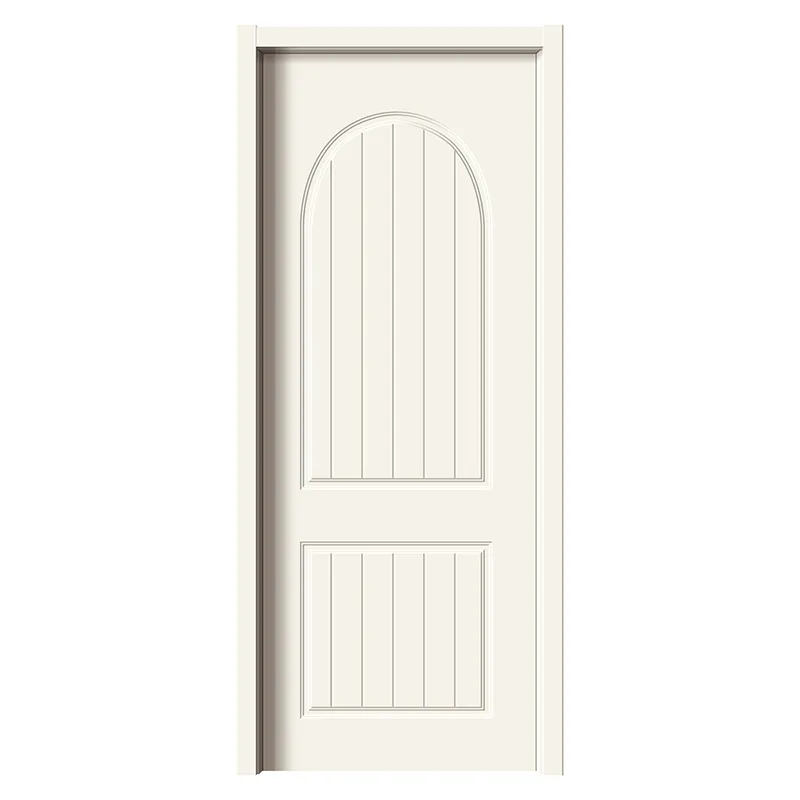 YST-236 Door White ivory
 -
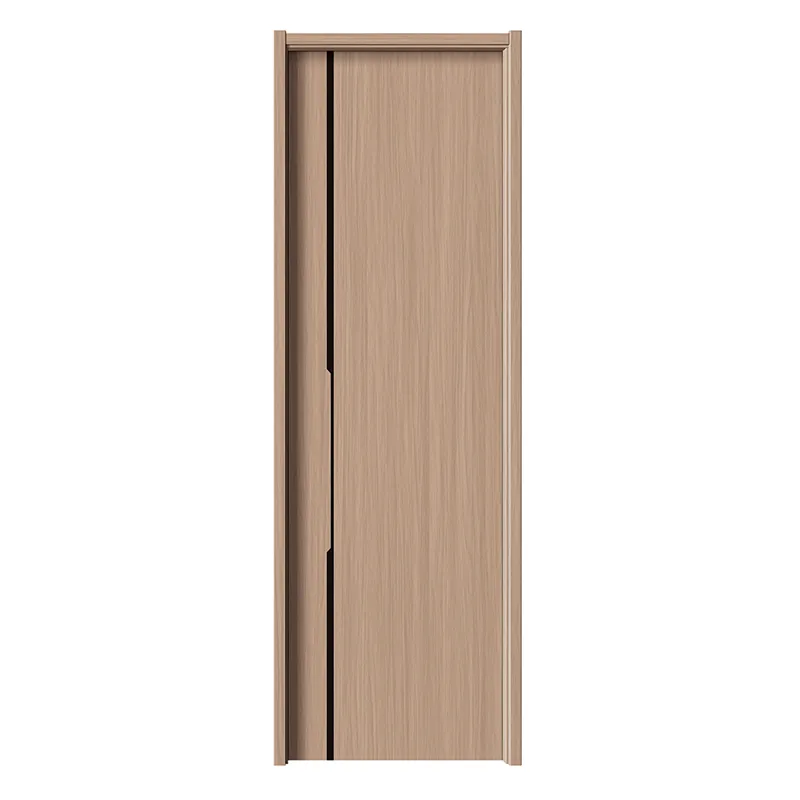 YST-1029 Door Translucent light shade 1
 -
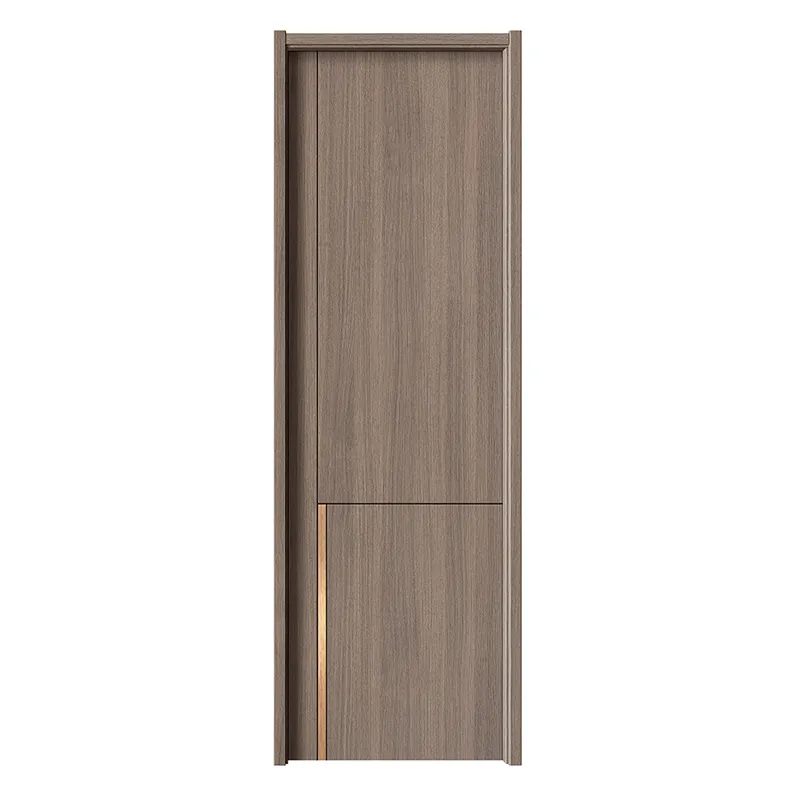 YST-1003 Door Oak gray
 -
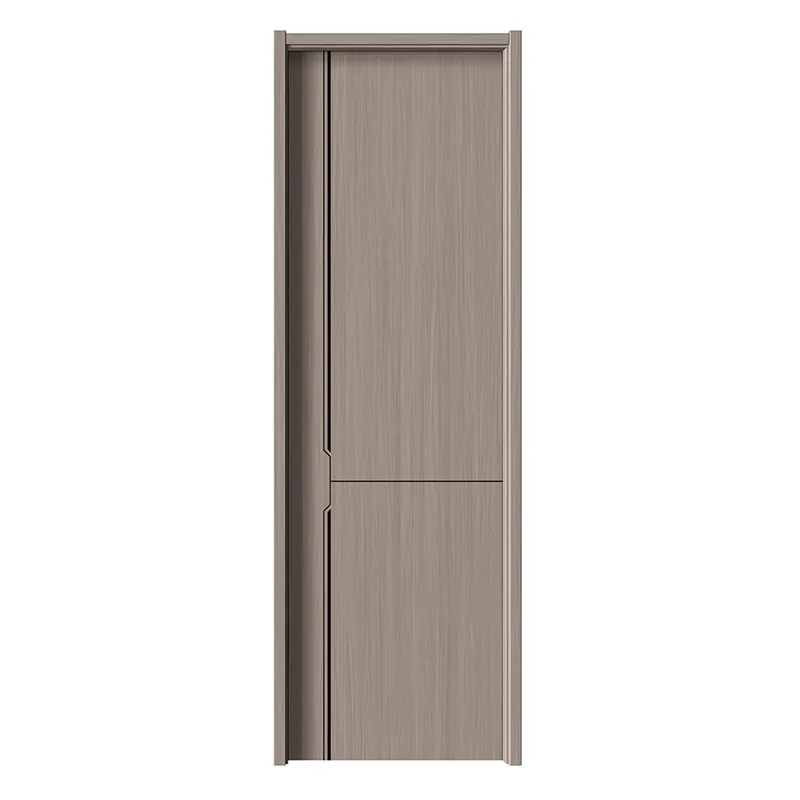 YST-1011 Door Translucent light shadow 3