




Double-leaf plastic doors
When they talk aboutdouble-leaf plastic doors, many immediately imagine something budget-friendly and frivolous for a living space. And herein lies the first, and perhaps the most widespread myth. In fact, it all comes down to the profile, reinforcement and, what is often overlooked, the quality of the assembly of the block itself. I have seen many times how beautiful-looking double-leaf structures are brought to the site, and after a season they begin to “play”. - cracks appear, the doors sag, the lock does not work. And the problem is usually not in the material as such, but in the fact that they were installed “quickly”, without taking into account the wind load and without correctly adjusting the fittings. This is exactly the case when the apparent ease of installation turns into a headache.
Where and why do they really work?
If we put aside prejudices, then the niche isplastic doorswith two doors it is very concrete. This is not the main entrance to the cottage; here I would still look towards metal or a warm aluminum system. Their strength is large openings in unheated or conditionally heated rooms. The same exit to the terrace from the living room, a transition to the winter garden or a large balcony group in a high-rise building. The task here is not so much to retain heat, but to effectively separate zones, ensure good light transmission and protection from precipitation and wind. And here the plastic, especially the multi-chamber profile with reinforcement, shows itself very worthy.
The key point that many installers ignore is calculating the load on the middle impost (the rack where the sashes meet). In cheap systems it is often hollow or lightly reinforced. Imagine: the width of the opening is 2 meters, the height is 2.2. Each flap is already a decent amount of windage. If the impost “walks”, then over time the geometry of the entire block is disrupted. I myself once persuaded a customer to buy a more expensive profile with a thermal break and steel reinforcement along the entire perimeter, including the central pillar. The result is that for the fifth year now everything has been working like clockwork, even on a corner loggia with a constant wind. And the neighbors next door, who installed something cheaper, replaced the hinges two years later and are constantly adjusting the pressure.
Another practical nuance is the fittings. On a double-leaf structure it works more intensively. This is especially true for the opening and closing mechanism and the micro-ventilation system. To skimp on it means dooming yourself to squeaks, jams and quick loosening. I’m used to immediately looking at the hinges - they must be adjustable, with a bearing, and at the locking set - it’s better to immediately take well-known German brands. Yes, this is a 15-20% increase in price, but then you won’t have to change everything after three years. By the way, some Russian assemblers are now making very good analogues, but they need to be “touched”. hands at exhibitions, watch cycling tests.
Errors that need to be corrected
I often come to a site where there are complaints about a draft. The first thing I check is not the assembly seam, but the sash rebate in the center. It happens that during installation the block was not leveled in three planes, or the frame was misaligned. after the foam has hardened. The result is that even with the trunnions adjusted, a gap remains in the center. There is only one cure for this - reinstallation. It is long, dirty and expensive for the contractor. Therefore, our principle is to immediately place the block on anchor plates with the possibility of adjustment, and not on foam, and be sure to wait a day before glazing for the structure to “settle”.
The second common mistake is the wrong choice of double-glazed windows. For big onesdouble-leaf structuresthe standard single-chamber formula is the path to freezing and condensation. You need at least a two-chamber package, and for residential premises - with energy-saving i-glass. Otherwise the whole point is “warm” profile is lost. I remember a café project where the customer decided to save on double-glazed windows by installing simple ones. In winter, there was water around the perimeter of the glass, and mold developed on the slopes. I had to dismantle and replace it, which ended up being much more expensive.
And the third is the neglect of sidewalks and slopes. A plastic door is a system. A beautiful door in a dirty, crooked opening looks poor. We always offer the client a complex: the frame, the door itself,bi-leaf systemopenings, and then plastic slopes with insulation. This gives a finished look and ensures that there are no cold bridges around the perimeter. By the way, for finishing slopes outside, I have long been looking at solutions from companies that work with wood. They have a different approach to the accuracy and aesthetics of joints. For example, atAnhui Wantai Woodworking Co.,Ltd (https://www.anhuiwantai.ru), which is known for its wooden doors for the international market, shows the same culture of working with parts and connections that I would like to transfer to the installation of plastic systems. Their principle is “to build a business on precision, to win with quality?” - this is exactly what is often missing when assembling large translucent structures.
Manufacturers and what to look for in a profile
The market is now flooded with offers. From Turkish and Chinese systems to German and Russian. My experience suggests that chasing a super brand is not always necessary. Often local manufacturers who make profiles under German or Austrian licenses offer the best price-quality ratio, especially in terms of resistance to our temperature changes. You need to look at several things: the thickness of the outer walls of the profile (should be from 3 mm), the type of reinforcement (a closed circuit is better than a U-shaped one), the number of chambers (5 or more - good for housing) and the presence of seals (two circuits, or better yet three - this is ideal).
One of the successful examples is working with a system where the manufacturer immediately supplies ready-made “muffled” ones. frames for a specific opening. This minimizes errors on site. We once installed these at a warehouse facility with a passage to the office part. Width - 2.5 meters. They brought it, assembled it like a construction set, displayed it, and secured it. The most difficult thing was to prepare the opening correctly. No trimming, no welding in place, everything is clear. This is an approach that saves time and nerves.
At the same time, by studying the experience of companies that focus on a different segment - for example, wooden doors - you can learn a lot to improve your own processes. Take the same oneAnhui Wantai Woodworking Co.,Ltd. Their emphasis on state-of-the-art manufacturing, design and strict controls at all stages, from raw materials to finishing, is the standard to which any serious work, be it wood or plastic, should strive to achieve. When you see how they provide a combination of aesthetics and practicality for a global market, you realize what's in the installationdouble-leaf plastic doorsthere are no small things. This is the same complex product.
Final considerations: not the material, but the system
So, back to the beginning.Double-leaf plastic doors- this is not “second class”. This is a completely independent solution for specific tasks. Its success depends 30% on the quality of the product itself and 70% on the competent design of the opening and professional installation. You can install an expensive German system, but skimp on installers and end up with problems. Conversely, a competent team can achieve excellent results with a solid mid-price segment profile.
For myself, I came up with a simple checklist when discussing such an order with a client: 1) Accurate measurements, taking into account the finishing of the floor and slopes. 2) Selecting a system with a reinforced central impost. 3) Minimum two-chamber energy-saving double-glazed window. 4) Tested fittings with a cycle guarantee. 5) Installation on adjustable mounts followed by foaming. 6) Mandatory finishing of slopes with insulation. If these points are met, the structure will last a long time and without surprises.
In the end, any door, be it plastic or wooden, like the one mentioned by the company from Anhui, is a story about trust. The client trusts you with his comfort and safety. And when a few years later he calls not with a complaint, but to recommend you to his friends, this is the main indicator that everything was not done in vain. And the material... Material is just a tool in the hands of a knowledgeable master.
Correspondingproducts
Related Products

Best Sellingproducts
Best Selling Products-
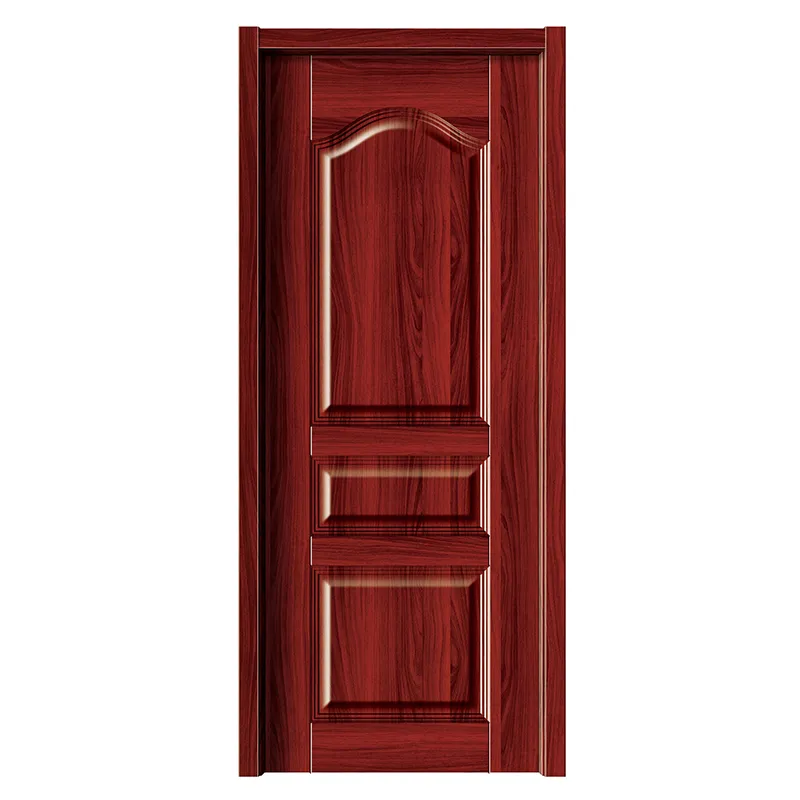 YST-203 Door Red team
 -
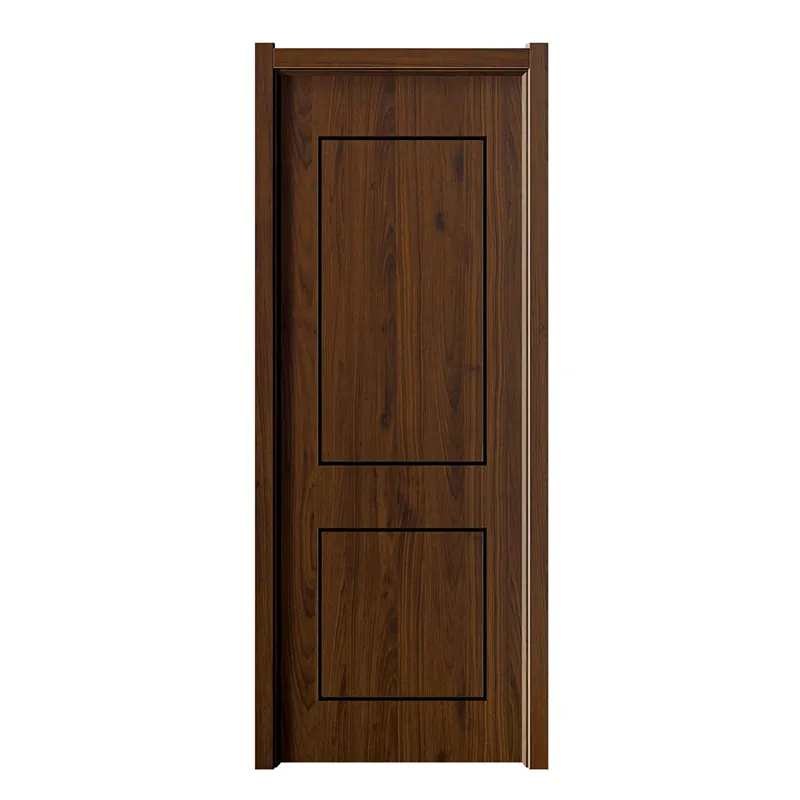 YST-WPC2 Door
 -
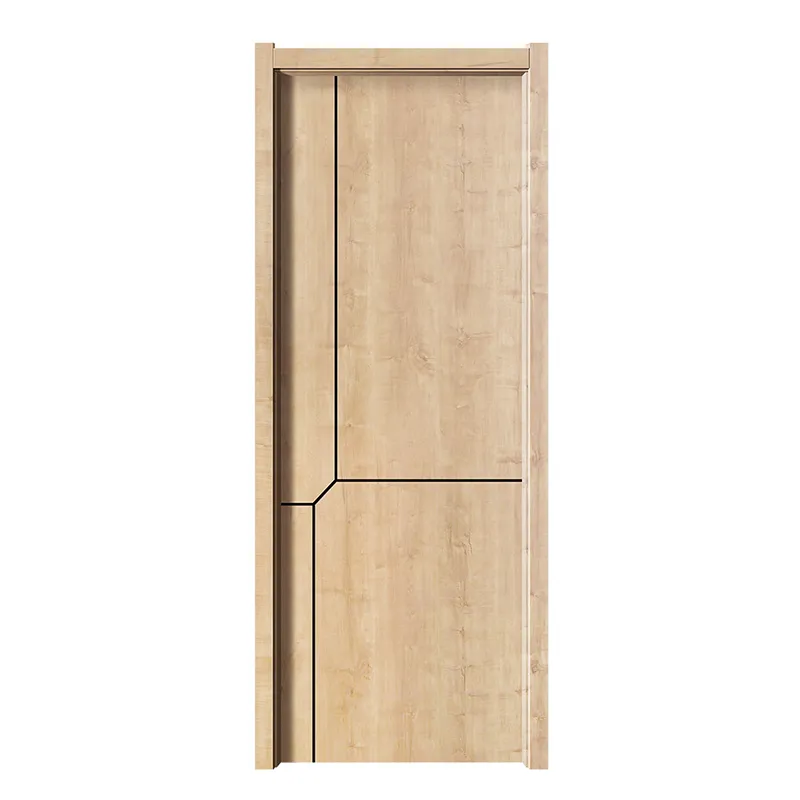 YST-WPC1 Door
 -
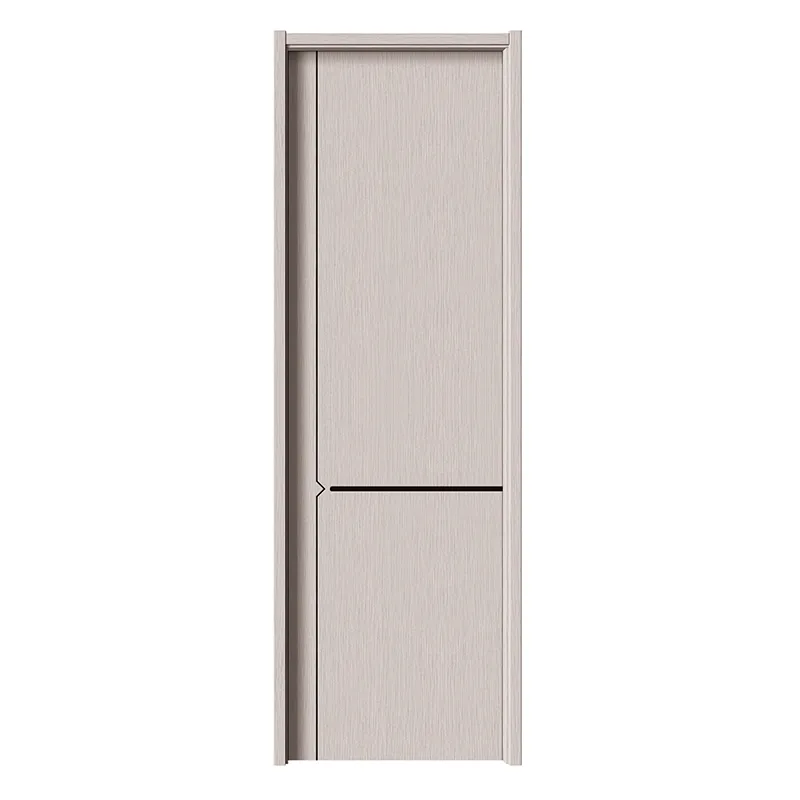 YST-1024 Door Chiaroscuro wood 1
 -
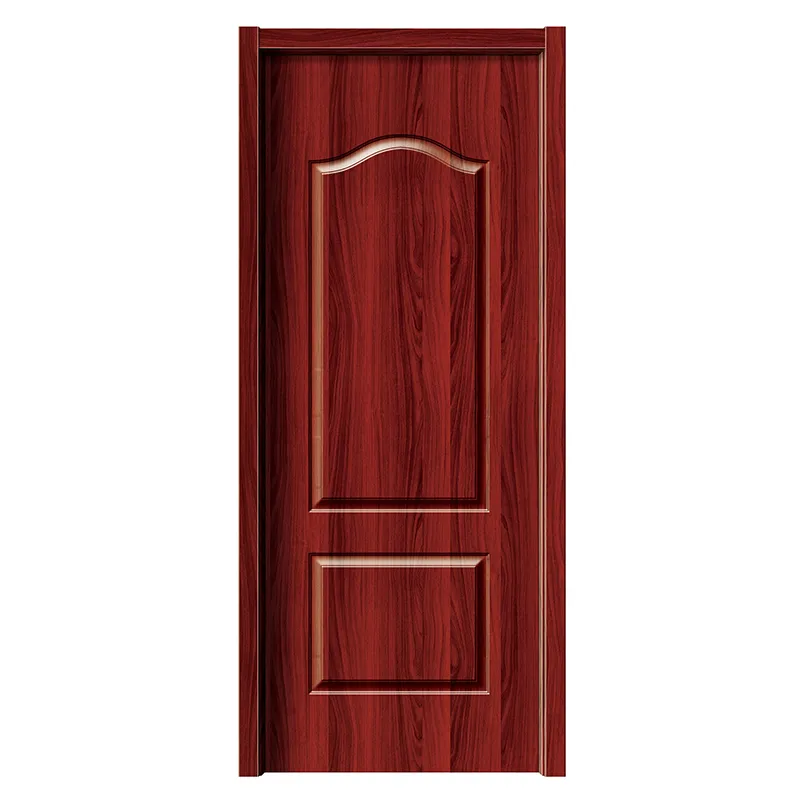 YST-207 Door Red team
 -
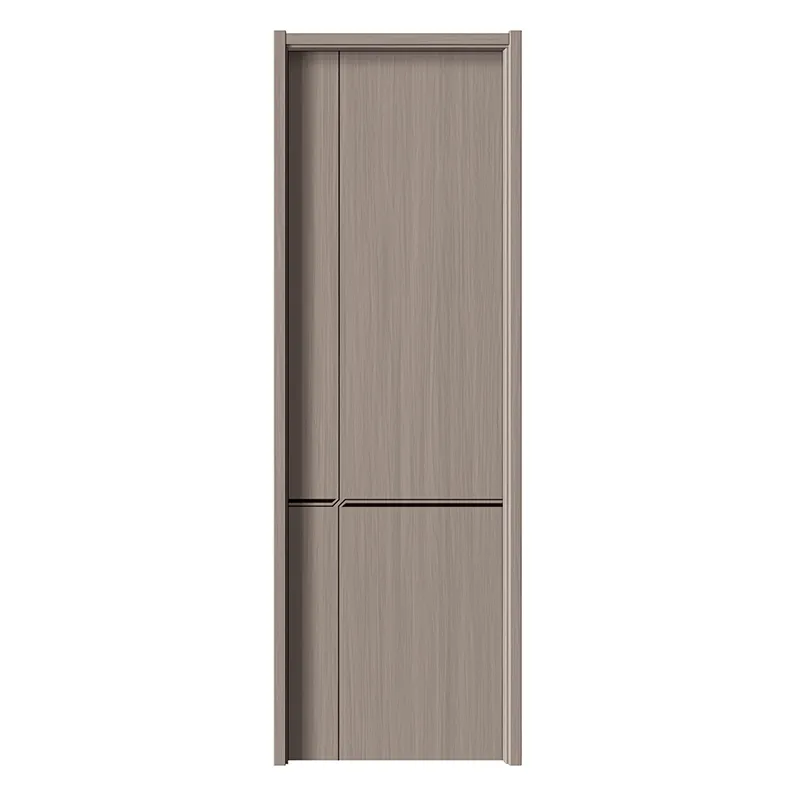 YST-1010 Door Translucent light shadow 3
 -
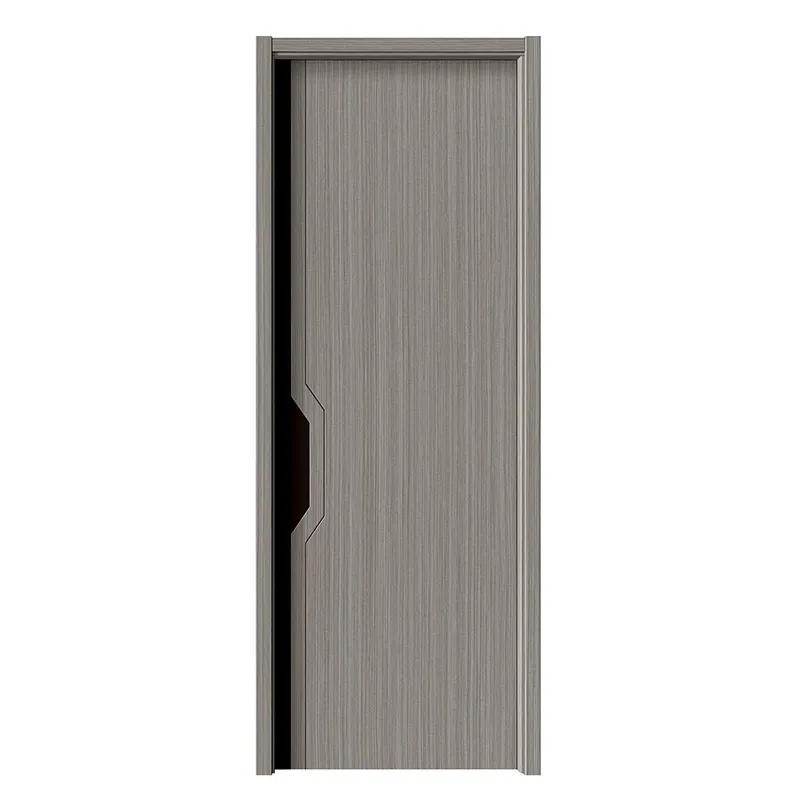 YST-1007 Technotree Door 2
 -
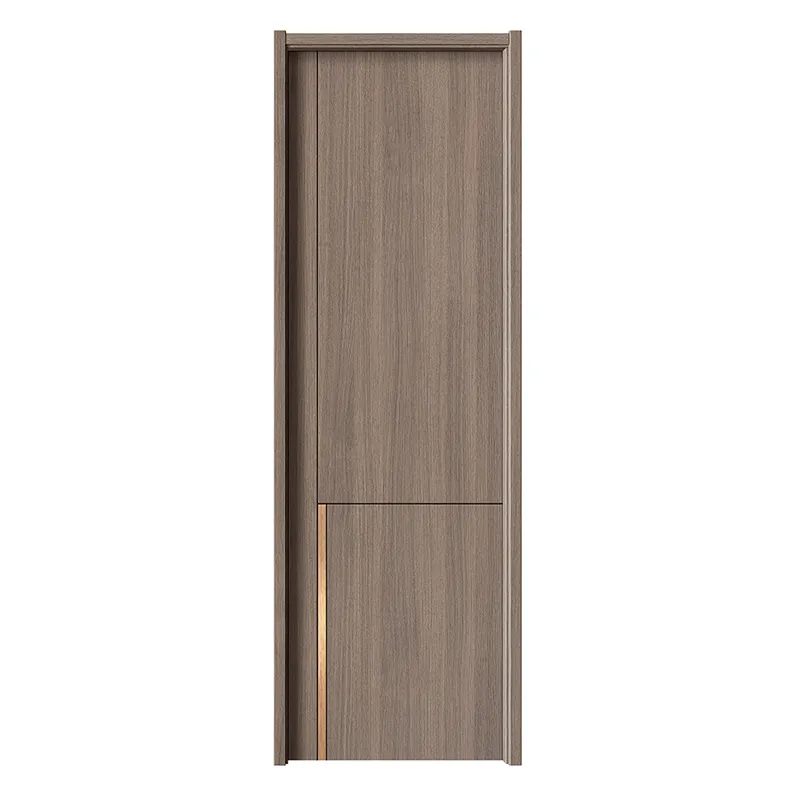 YST-1003 Door Oak gray
 -
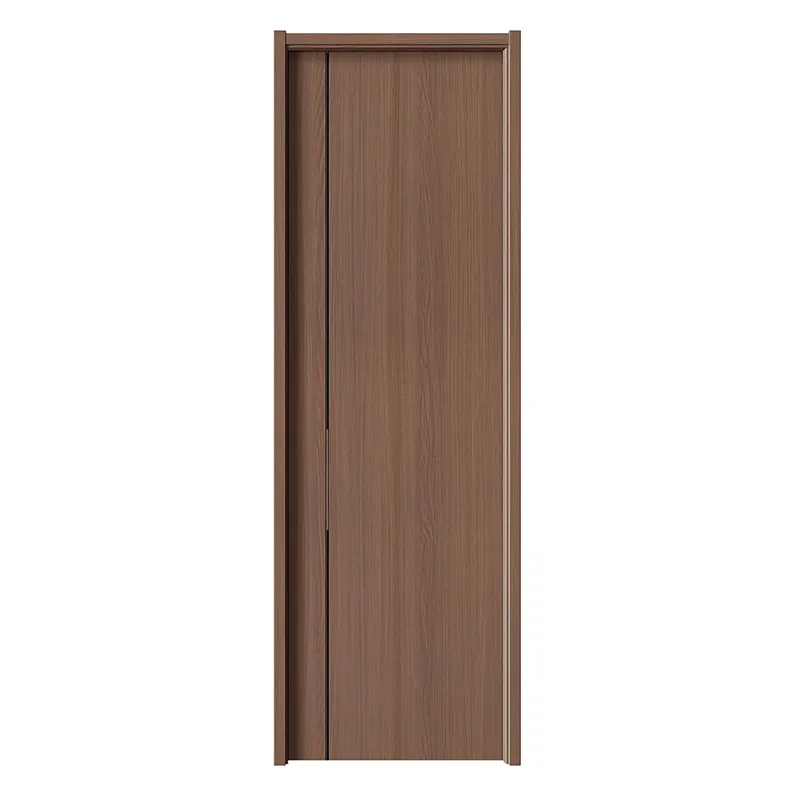 YST-1043 Door Techno-walnut 3
 -
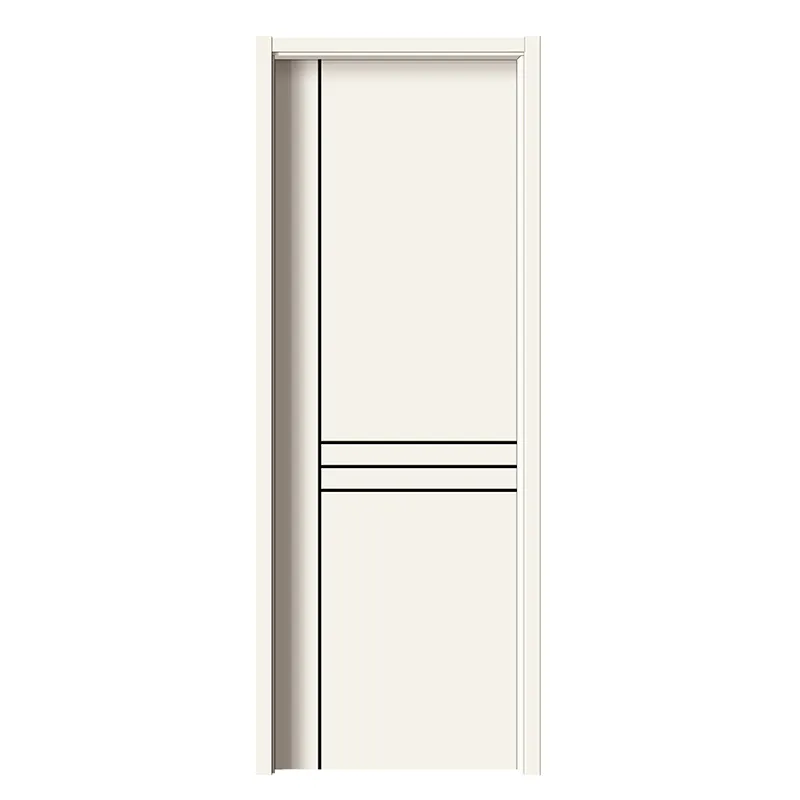 YST-220 Door Warm white
 -
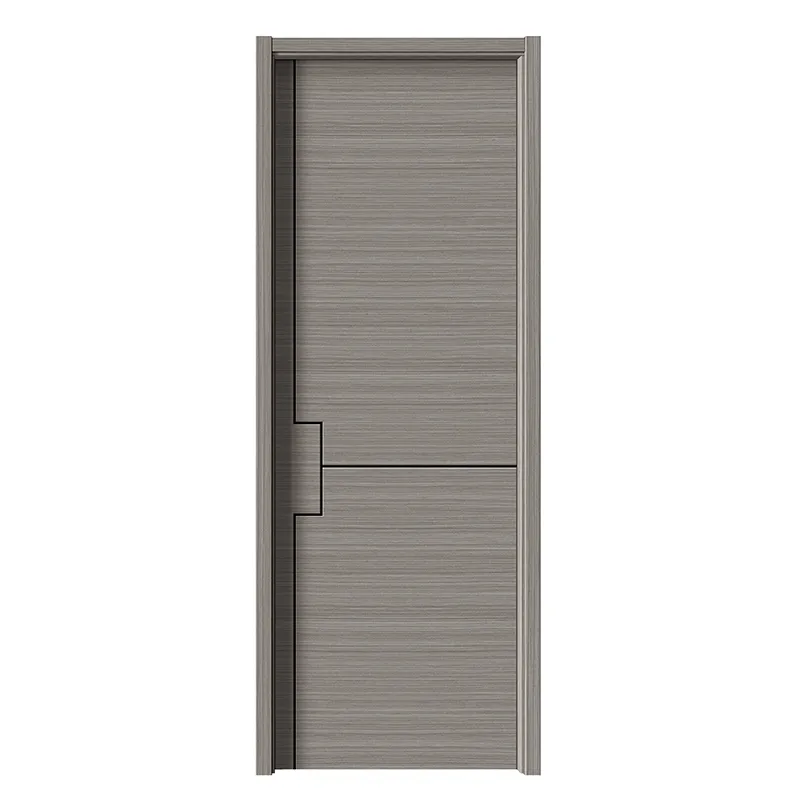 YST-1005 Technotree Door 2
 -
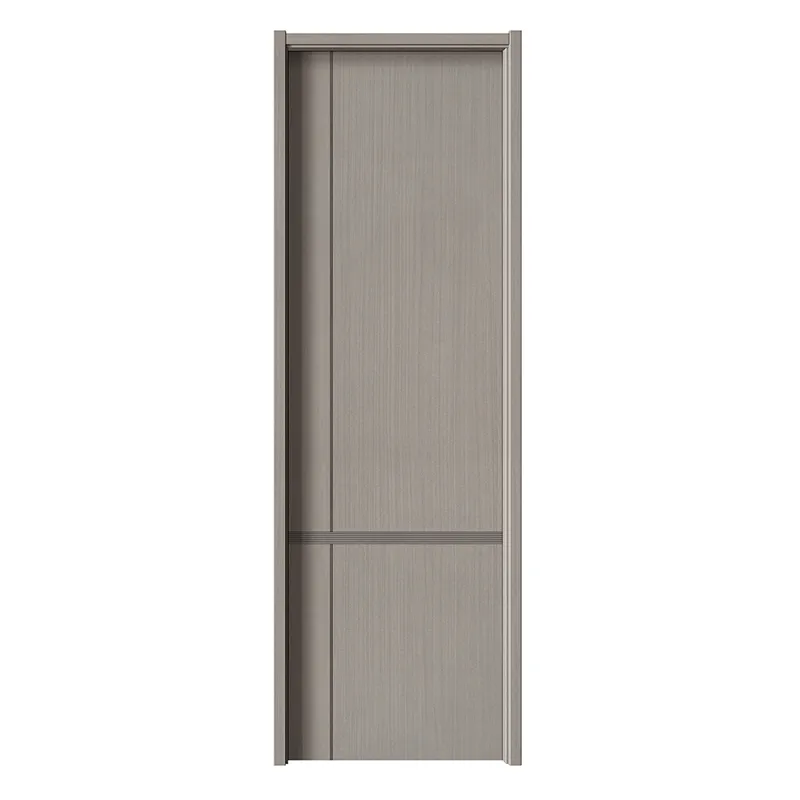 YST-1013 Door Cloud Walnut 1