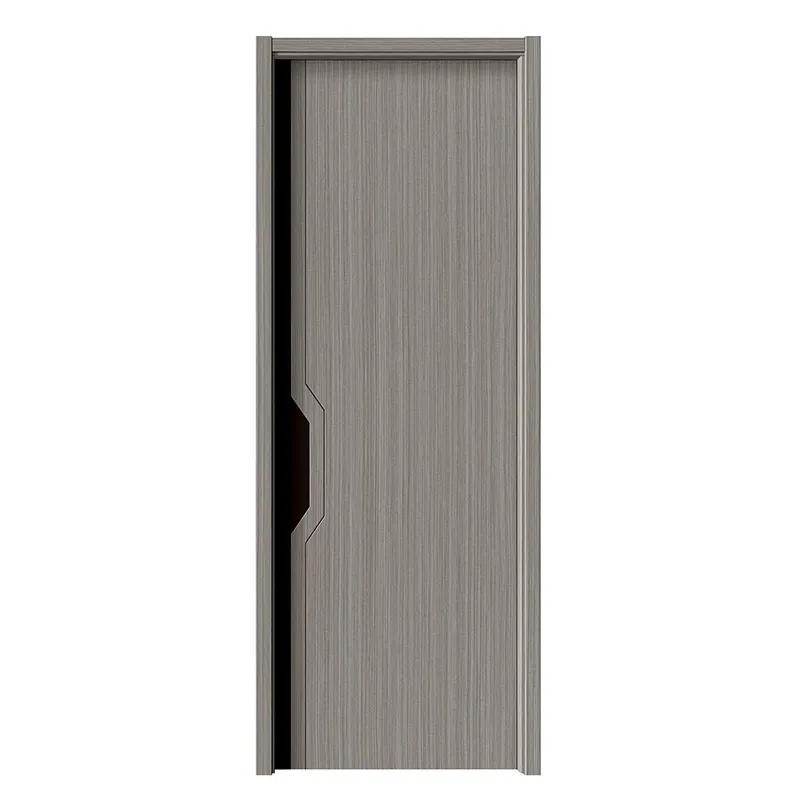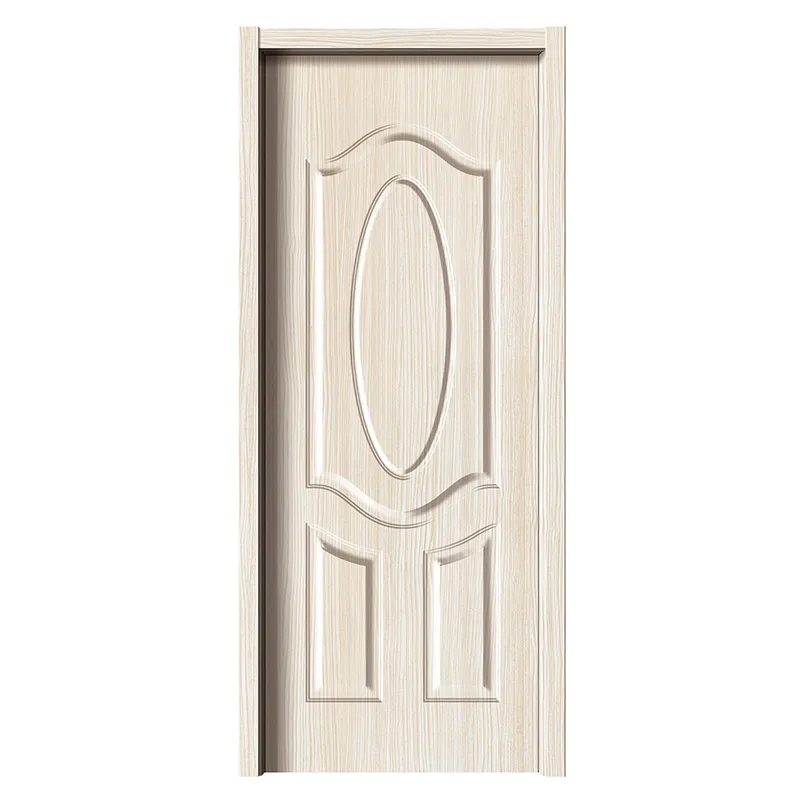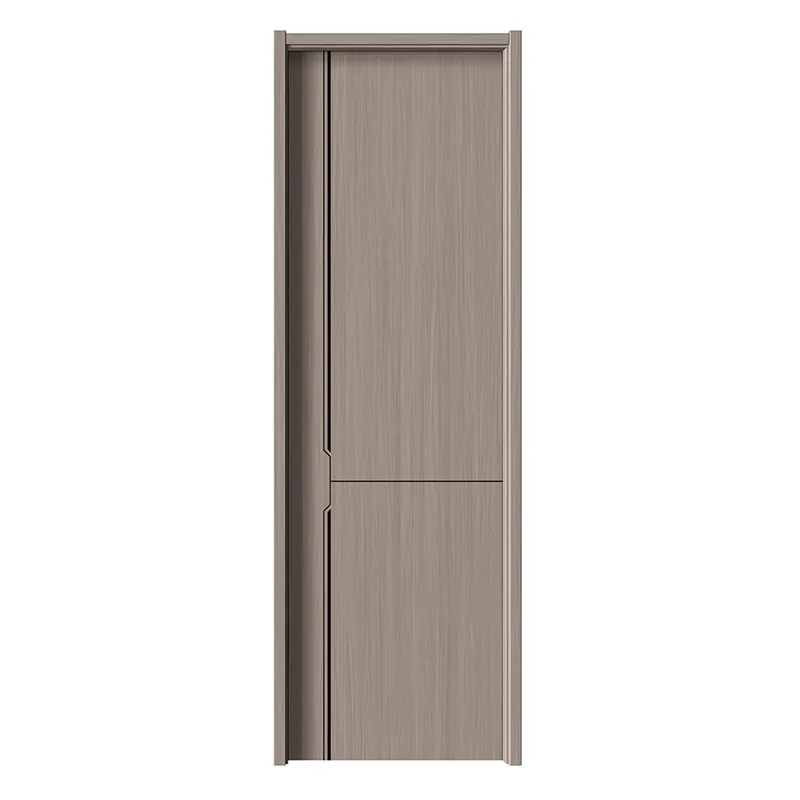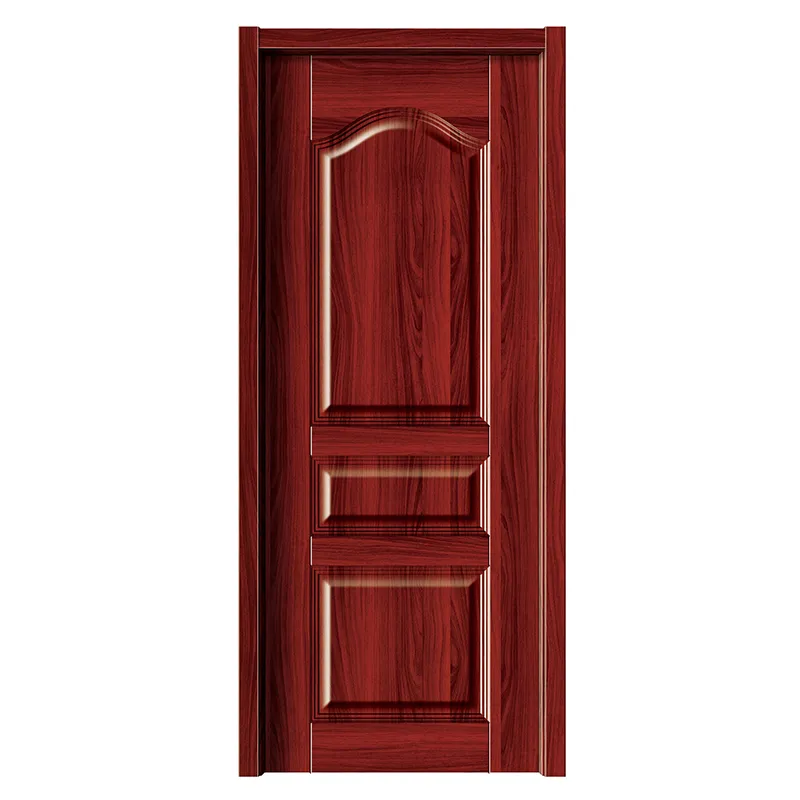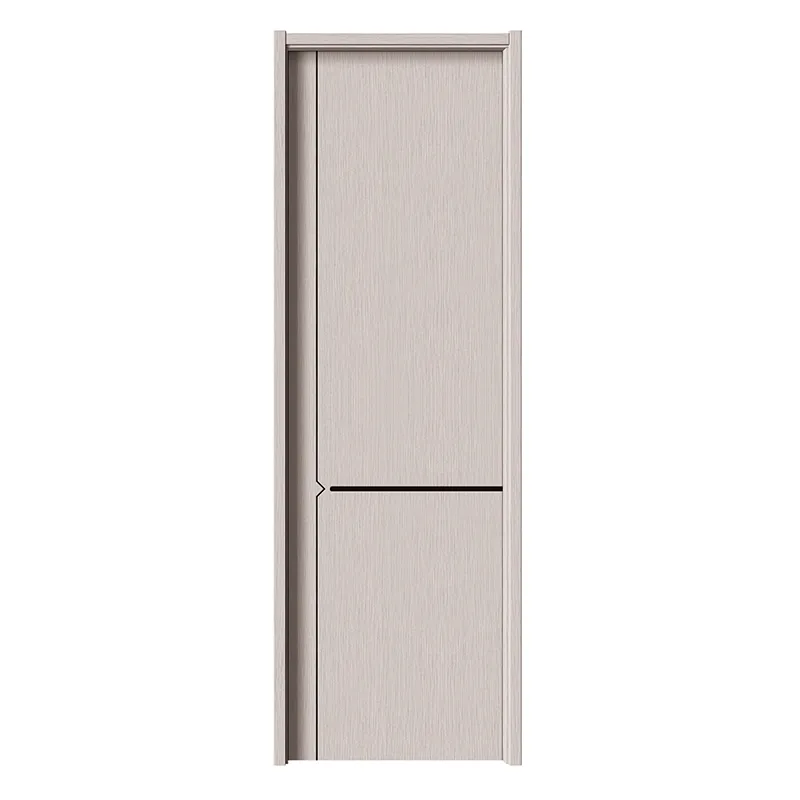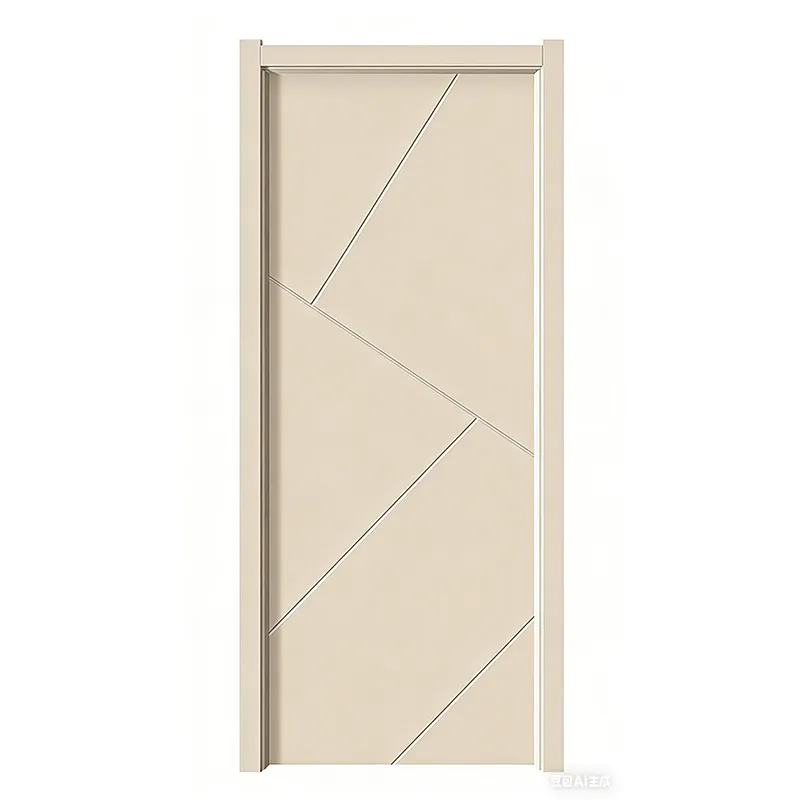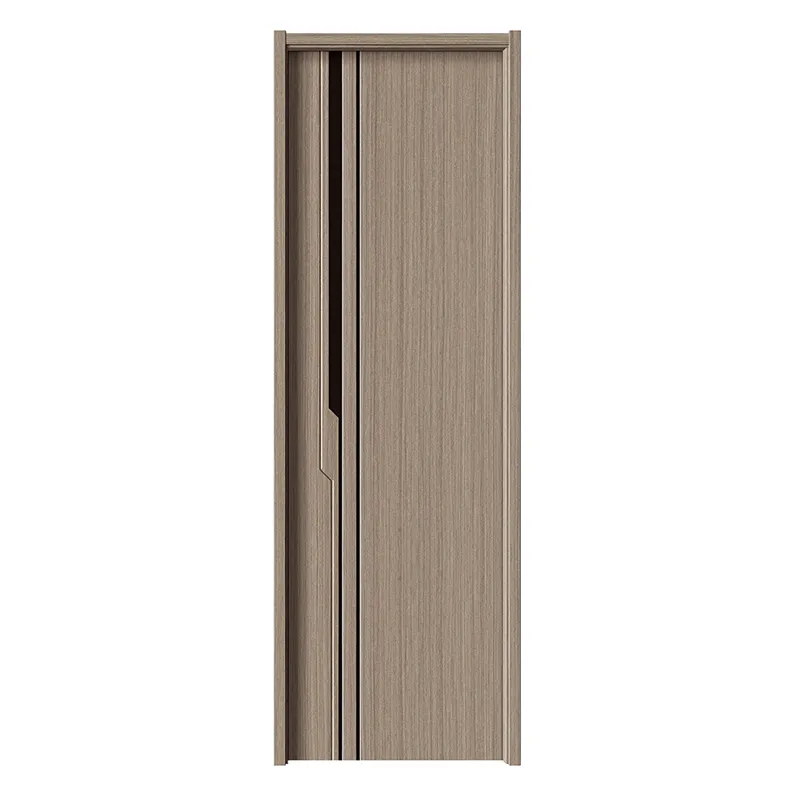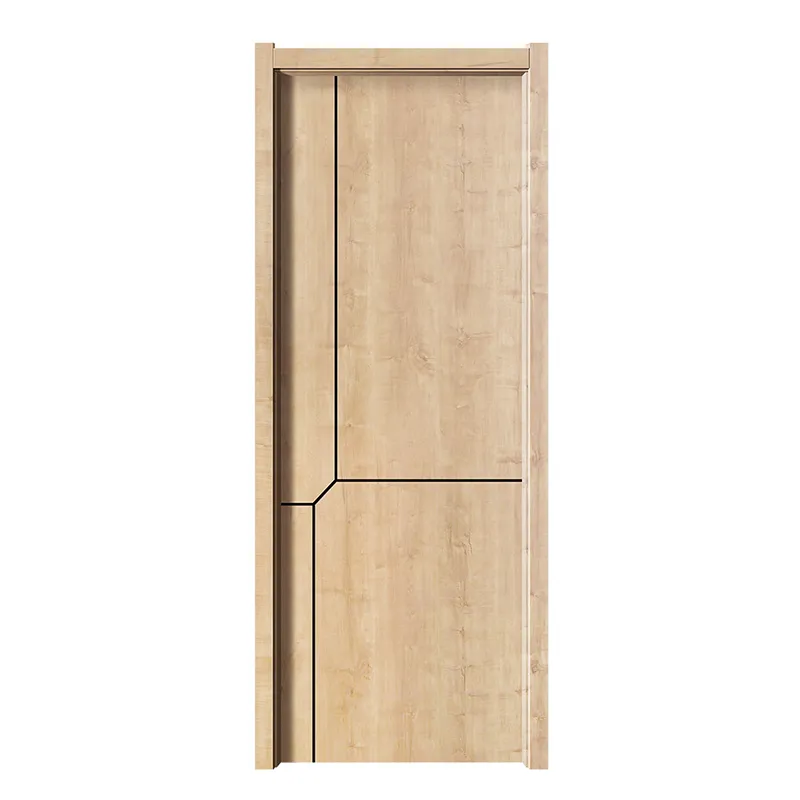




Strong wooden doors
When a client says “I need strong wooden doors,” in 90% of cases he means something vague - so that they don’t creak, don’t swell after a year and look solid. In fact, “strength” is a whole story that begins long before the door was hung in the opening. Many, by the way, mistakenly believe that a thick panel or a massive box automatically means reliability. This is only part of the truth, and not the most critical one.
Raw materials: where the first pitfall lies
Everything comes down to wood. You can take the same oak, but if it was poorly dried, all your efforts are in vain. I have seen doors from seemingly decent manufacturers, which after a season became so bad that the lock no longer coincided with the striker. Ideal humidity is not just a number in the specification, it is months of chamber drying with constant monitoring. Some try to speed up the process, saving time, and end up with an outwardly beautiful canvas, which then lives its own life.
Here, by the way, it is worth noting the approach of such companies asAnhui Wantai Woodworking Co.,Ltd. In their practice (https://www.anhuiwantai.ru) the emphasis on precision begins with the selection and preparation of raw materials. Their concept of 'building a business on precision' is not a slogan, but, in fact, the only way to achieve consistency in the finished product, especially when it comes to supplying an international market with different climatic conditions.
Breed is a separate matter. Pine, of course, is popular, but for reallystrong wooden doors, say, at the entrance or at the entrance to a commercial premises, its density is often insufficient. Ash, oak, beech - a completely different story. But there is a nuance here: oak is hard, but if not processed correctly it is prone to the formation of microcracks. You need to understand for what specific object and load the material is selected.
Construction: glue, tenons and hidden stresses
The most common mistake is to assume that solid wood is more reliable than glued wood. In fact, a properly glued board made of lamellas (with multidirectional fibers) is much more resistant to deformation than a solid board. The trick is in the glue and the press. Cheap PVA will give away over time and cracks will appear. I prefer to work with polyurethane or melamine compounds - they are not afraid of changes in humidity.
The corner connections of the box are a weak point. A simple straight tenon is a thing of the past. Nowadays the norm is a minimum of dovetail or reinforced serrated tenon. I once saw a door where the frame was assembled with metal corners and screws hidden under the veneer. The client was delighted with the 'innovation', but any engineer knows that the coefficient of expansion of wood and metal is different. After a couple of winter-summer cycles, either the veneer will bubble or cracks will appear at the fastening points. True strength is invisible.
The thickness of the canvas is a parameter that is often overestimated. Standard 40 mm is good for interiors. But for street or entrancestrong wooden doorsit is better to look towards 50-60 mm, and it is important that it is not just a thick panel, but a well-assembled sandwich: perhaps with internal stiffeners or even an MDF layer to stabilize the geometry. One of our projects for a country house in an area with strong winds showed that even a massive 55 mm door without an internal frame “played” in the box. I had to redo it.
Fittings and installation: the point where theory meets reality
You can make a perfect canvas, but ruin everything with hinges and a lock. Loops should be designed not just for weight, but with a margin of at least 30%. For heavy oak doors, ball bearings in the hinges are a must have. They also often forget about the anti-removal pins - a little thing that adds real protection.
The castle part is a separate science. Under the massivestrong wooden dooryou need the appropriate locking block, and installing it is a piece of jewelry work. The selection for it must be perfectly accurate, otherwise even the most expensive mechanism will jam or, worse, weaken the blade structure, creating a stress point. I had a sad experience at one site, where installers “hollowed” the sample with a hammer drill, breaking the inner layer of the laminated board. Six months later a crack appeared from there.
The installation itself. A smooth, reinforced box, anchors at least every 50 cm, correct foaming of the installation seam using spacers - this is the ABC. But how many times have I seen how a door is “set” on one foam, saving time on anchors. The result is predictable: after a year the box moves away from the wall. The strength of a door is a system: door leaf, frame, wall, fittings. Tear out one link and the whole chain will collapse.
Finish and protection: more than just beauty
Varnish or oil? The issue is not so much aesthetics as protection. For outdoor doors, a good hard wax oil is often more practical than varnish. It “breathes” better, the smallest damage or scratches can be locally corrected without sanding the entire canvas. Varnish creates a tougher film, but if moisture gets inside the wood (for example, through the end), it will become trapped and rotting or swelling may begin.
Particular attention is paid to the ends. These are the most hygroscopic places. They need to be impregnated especially carefully, perhaps in several layers. A common mistake is to cover the front sides nicely and lightly go over the ends. In the conditions of the Russian winter with its changes, such a door will not last long. Protection must be comprehensive and uniform.
And here we return again to the issue of standards. A company that exports, for example, is the sameAnhui Wantai Woodworking Co.,Ltd, simply cannot afford negligence at the finishing stage. Their bid to meet the diverse needs of global customers means that a door for a Scandinavian winter and one for a Mediterranean climate will have different security systems, although the basis is the samestrong wooden door. This is a practical approach to quality.
Bottom line: strength as a process, not a property
So what is it in the endstrong wooden doors? This is not a product, but a process. The process of selecting wood with proper drying, engineering design calculations, precise assembly, selection of adequate fittings and professional installation. If you miss one thing, “strength” will remain just a word in the catalogue.
My experience, sometimes bitter, shows that the client needs to explain not the thickness of the canvas in millimeters, but precisely this chain. Show where and how problems can arise. Often people are willing to pay for the obvious 'massiveness' but are skeptical about the cost of, say, a reinforced box or professional installation, which actually ensures durability.
After all, a good door is one that you forget about once installed. It does not creak, does not require constant adjustment, and looks and works like new for years. And to achieve this, you need to think not in terms of a “door”, but in terms of a “door complex”, where every detail, even invisible, works for the overall result. It is this approach, it seems to me, that distinguishes simple production from responsible manufacturing, be it a small workshop or an international company with a modern production base.
Correspondingproducts
Related Products