




Hidden door from inside
This is a term that often causes either admiration or complete misunderstanding among clients. ?Hidden door from inside? - many immediately imagine something from spy films: you click on a book in the closet, and the panel slides off. In reality, especially in residential and commercial interiors, we are increasingly talking about seamless integration into the wall, where the door becomes part of the finish. The main misconception is that this is purely a design issue. In fact, 80% of success lies in the correct design of the box, the accuracy of installation and the choice of fittings that will withstand daily loads while remaining unnoticed.
Invisibility as an engineering challenge
When a customer asks for a “hidden door,” the first thing you need to find out is what he means by that. Often they just want a door without trim, to match the wall. But the truehidden door from insideimplies that with a closed canvas the wall line is not interrupted. No visible hinges, no gaps around the perimeter, except for the minimum technological gap. This is where the flush mounting system comes into play. I have worked a lot with different hinge manufacturers, such as Soss systems or some Austrian brands. They are expensive, but there is no alternative - ordinary card loops immediately give away the design.
One of the key points is preparing the opening. The wall must be perfectly aligned, otherwise the canvas will either not converge in the plane, or there will be a noticeable difference in levels. I had a project in a Moscow apartment, where the architect conceived a hidden door in a lacquered wall panel. Door manufacturer,Anhui Wantai Woodworking Co.,Ltd, with whom we collaborated at the time, made an impeccable canvas. But the builders fell short in preparing the joint. As a result, in certain lighting conditions a shadow was visible—the door was legible. We had to redo the entire adjacent section of the wall. Experience has shown: success depends 50% on those who prepare the opening, and only 50% on the quality of the door itself.
When it comes to materials, solid wood is not always your best friend. It is “alive” and can slightly change its geometry due to changes in humidity. For seamless structures, high-density laminated boards or MDF with a capillary structure are often used - they are more stable. On the websiteanhuiwantai.ruIt is clear that the company focuses on the control of raw materials and processes. This is exactly the case when such a philosophy of “building a business on precision” critical. For a hidden door, a deviation of a couple of millimeters is already a defect.
Hinges and mechanisms: what is hidden does not break?
Hidden loops are a separate universe. There are dozens of types: for light canvases, for heavy ones, with a closer, without it. A common mistake is to install a mechanism that is too weak on a massive door. After six months, the hinge becomes loose and the door begins to sag, violating the entire geometry. I always recommend taking a mechanism with a load reserve of at least 30%. Yes, it is more expensive, but repairing or adjusting a hidden hinge always means opening up the wall and part of the finish. The cost of the work will not be comparable.
Another nuance is adjustment. Good hidden hinges allow you to adjust the position of the canvas in three planes after installation, but in a very limited range. If the installer made a mistake initially, adjustment will not help. Therefore, installation should always be done by a specialist who has already dealt with such systems. Not a plumber at the same time, but a profile. We once tried to save money on installation for a small office - in the end we spent three times as much on fixing the jambs.
There was an interesting case with a closer. The client wanted absolute invisibility, but also smooth closing. A standard floor closer was not suitable. We found a solution - a door closer integrated into the top hinge. The system is expensive, and its installation requires precision cutting into the end of the canvas and the box. We worked with canvas fromAnhui Wantai Woodworking Co.,Ltd, their shop was able to mill to a tolerance of less than a millimeter. The result was excellent, the door has been working for three years without any complaints. This is an example where the quality of the manufacturer’s product and the qualifications of the installer provide synergy.
Finish: where the door ends and the wall begins
The most difficult stage is finishing. The door leaf must be prepared for the same finish as the wall: plaster, painting, wallpaper, panels. There are a lot of pitfalls here. For example, if the wall is to be painted, then the MDF door must first be coated with a special insulating primer, otherwise the fibers will “stand on end.” after applying water-dispersion paint, and the surface will be uneven. The result is not a wall, but a patch.
It's even more interesting with wallpaper. Pasting wallpaper so that the pattern matches on the wall and on the door, and without creating bubbles at the joint, is a task for a high-quality painter. Another approach is often practiced: the same sheet of drywall is mounted on the door as on the wall, the seams are puttied, and then the entire plane is pasted over as a single whole. But this adds weight and requires a particularly strong box.
In commercial spaces, such as boutiques or hotels, veneer panels are often used. It is important here that the veneer on the door and on the wall is from the same batch, otherwise the shade may differ. Companies that likeAnhui Wantai, work with international standards and control the raw material chain, can usually guarantee material uniformity for the entire project. This is a serious advantage for complex deliveries.
Acoustics and thermal insulation: what are we sacrificing?
Frequently asked question: isn’t it losinghidden door from insidein insulating properties? Compared to a good-quality interior door with a frame and seal - yes, it often loses. The very concept of seamlessness contradicts the presence of a massive sealing contour around the perimeter. The gap is minimal, but it is there, and sound, especially high-frequency sound, passes through it.
There are technical solutions: special magnetic or brush seals that are mounted at the end of the blade or in the groove of the box. But they complicate the design and require even greater precision. In living rooms this can be solved. But for a hidden door to a home theater or technical room, you need to be very careful when choosing a system, perhaps even making a double panel with soundproofing filler. This is already aerobatics and completely different budgets.
Thermal insulation is easier - the temperature difference in the interiors is small. But there was a case in a country house where a hidden door led from the heated living room to the cold veranda. Without a well-thought-out insulated threshold and hidden seal, problems with condensation and draft arose. We had to modify the design on site and install a heated threshold. Conclusion: at the design stage, you need to clearly understand what functions, in addition to visual ones, the door should perform.
Practical conclusions and what you have to put up with
So, what do we have in the bottom line?Hidden door from inside- this is not a product, but a process. A process that begins with a competent design project, continues with the selection of a responsible manufacturer capable of ensuring precision, and ends with flawless installation and finishing. This is always a compromise between an ideal picture and practical reliability.
Is the game worth the candle? For modern minimalist interiors, where clean lines are important - absolutely. It's an aesthetic gain that justifies the cost and complexity. But you need to be aware that such a door may require more careful operation and, possibly, periodic professional adjustment. This is not “set it and forget it”.
If we return to manufacturers, then for such tasks I would look towards companies that do not just make doors, but think in terms of engineering solutions for the interior. Those who, as stated in the descriptionAnhui Wantai Woodworking Co.,Ltd, combines design with practical performance and keeps the focus on precision and control. Because in the case of hidden doors there are no trifles. Every millimeter, every degree of opening, every opening-closing cycle - all these are parts of the puzzle, which should ultimately form into an ideal invisible plane.
Correspondingproducts
Related Products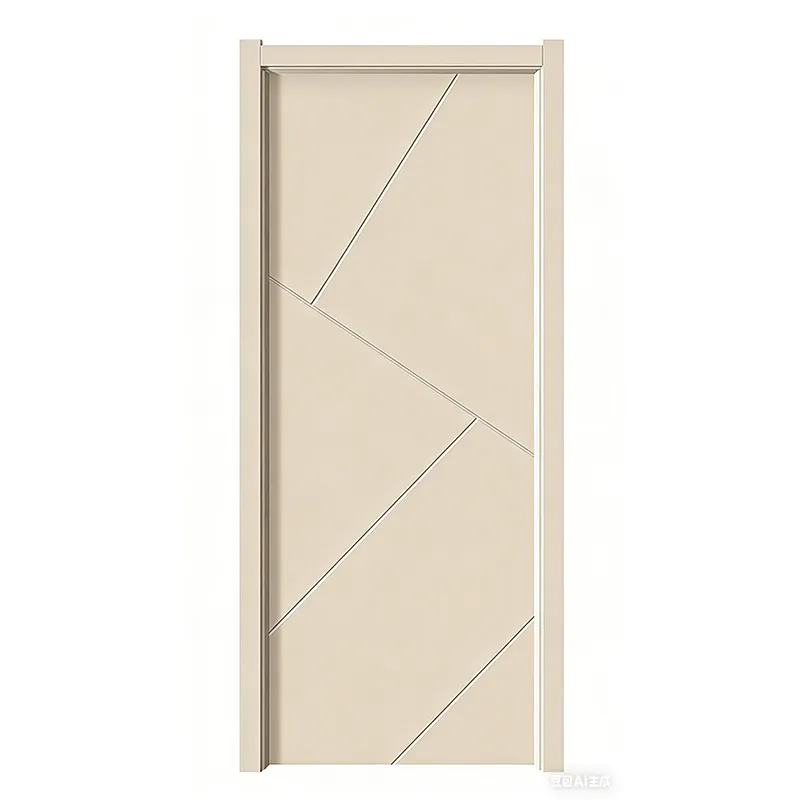
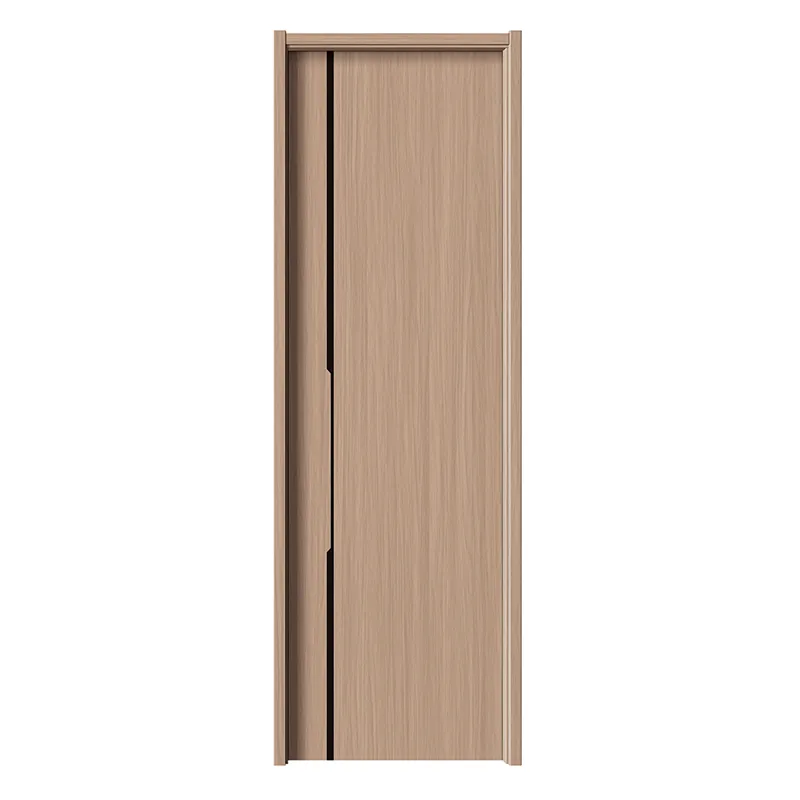
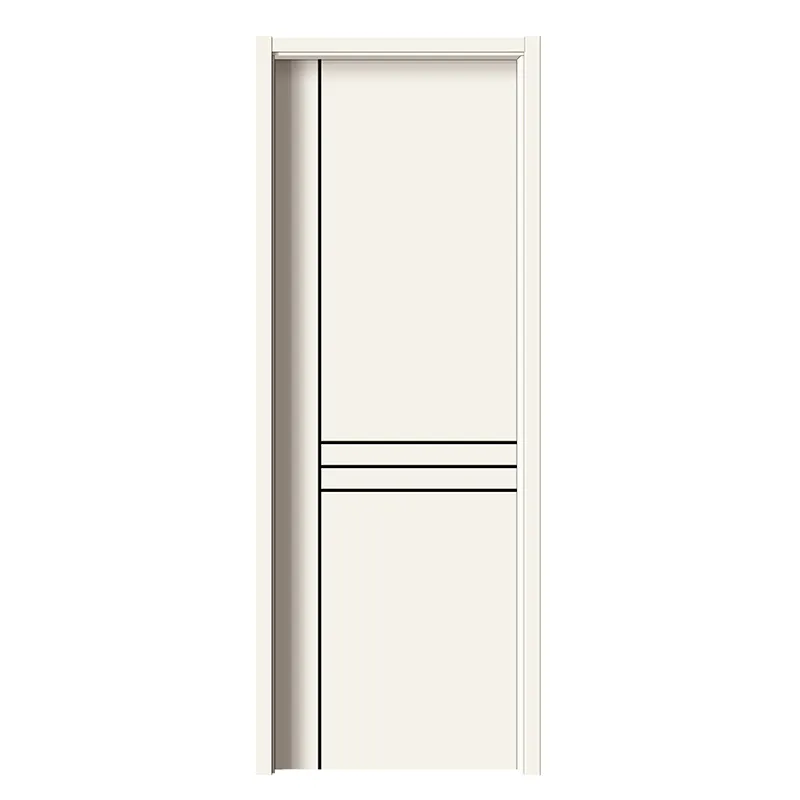
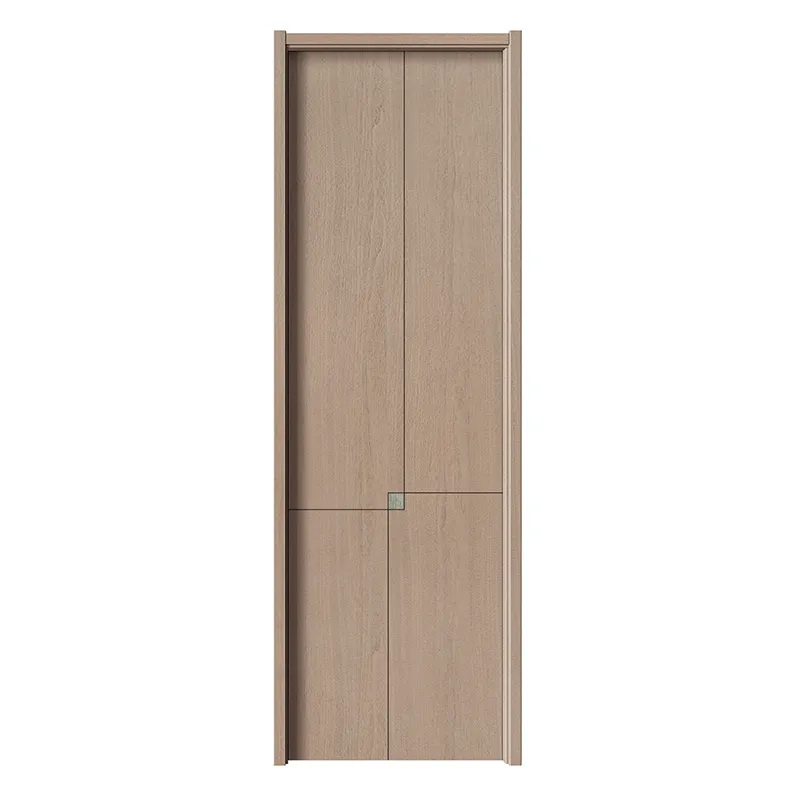

Best Sellingproducts
Best Selling Products-
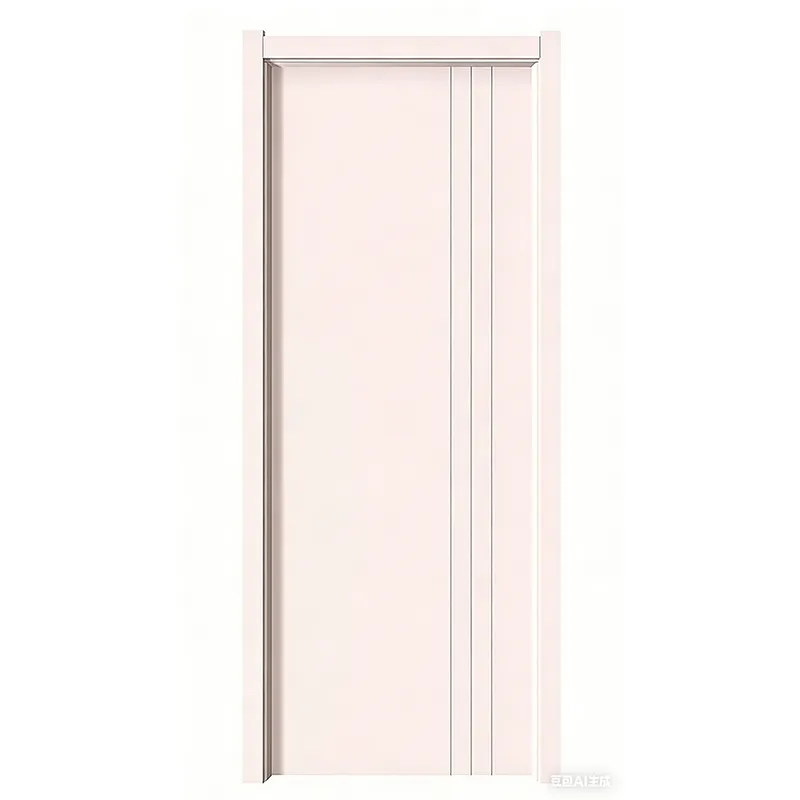 YST-WPC4 Door
 -
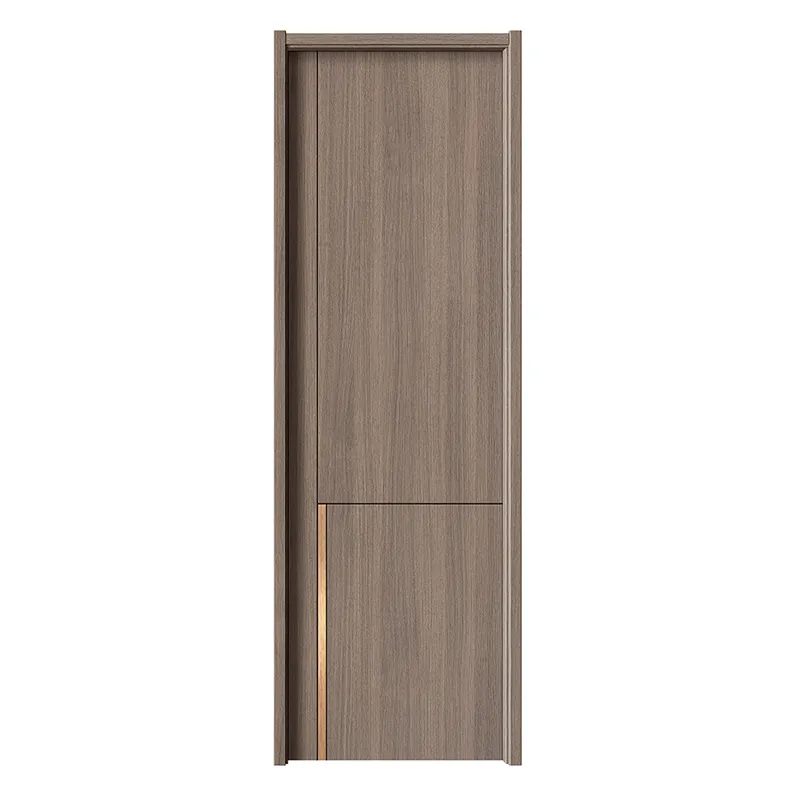 YST-1003 Door Oak gray
 -
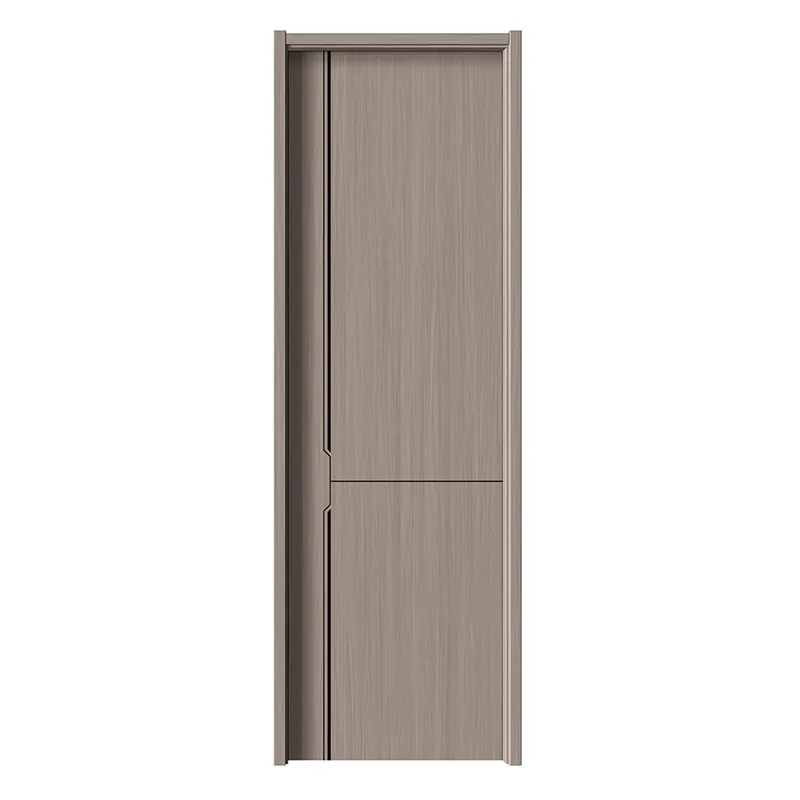 YST-1011 Door Translucent light shadow 3
 -
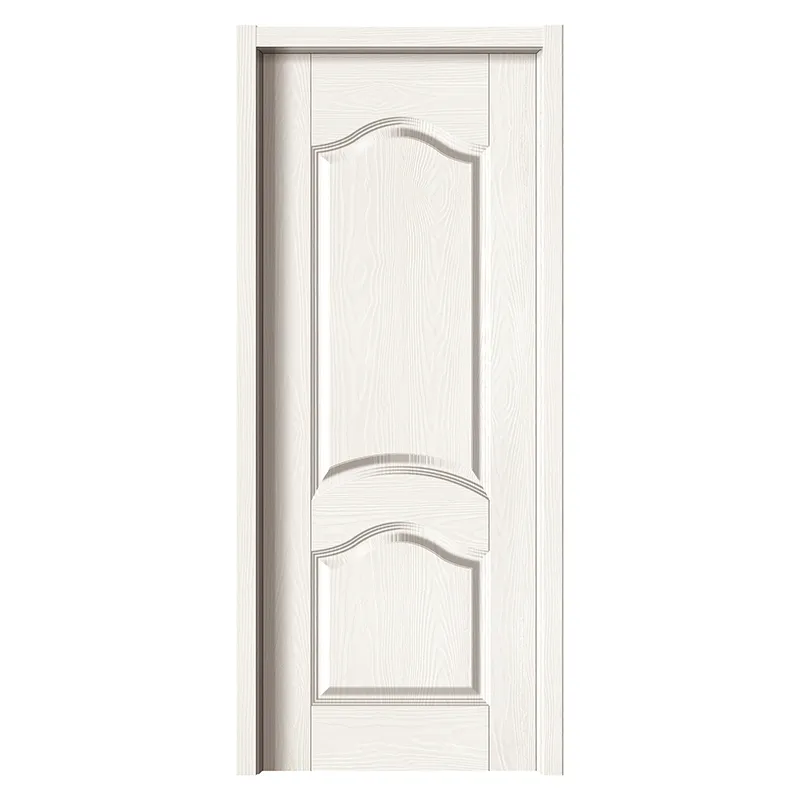 YST-224 Door Warm white with relief
 -
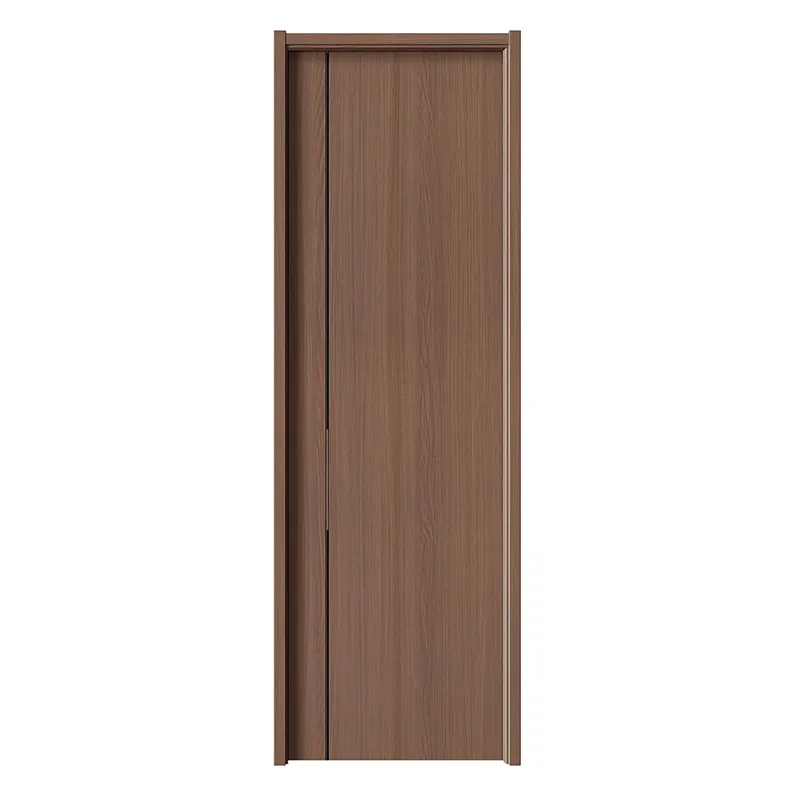 YST-1043 Door Techno-walnut 3
 -
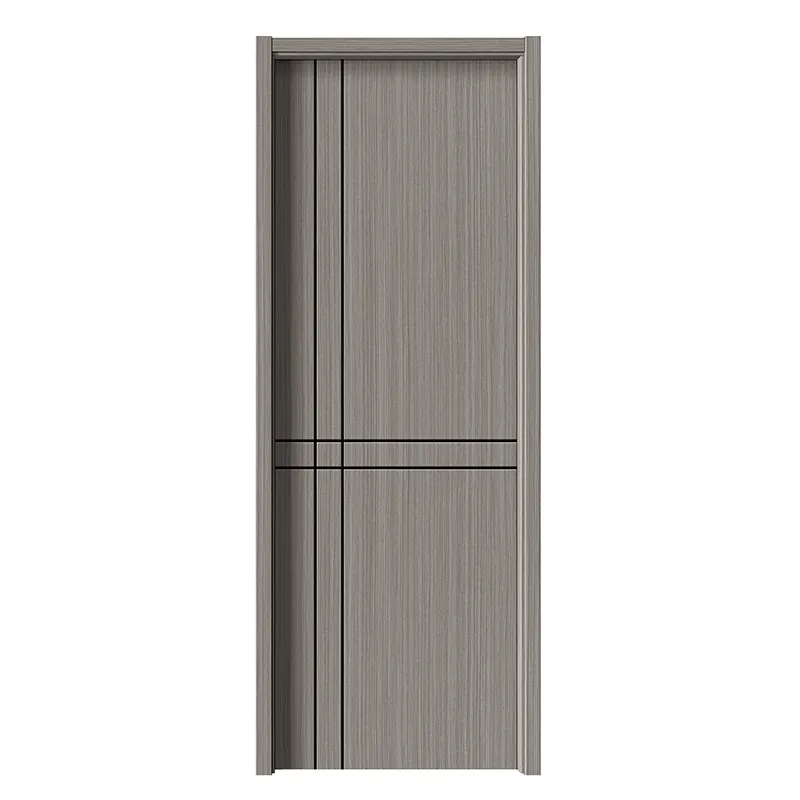 YST-1004 Door Technotree 2
 -
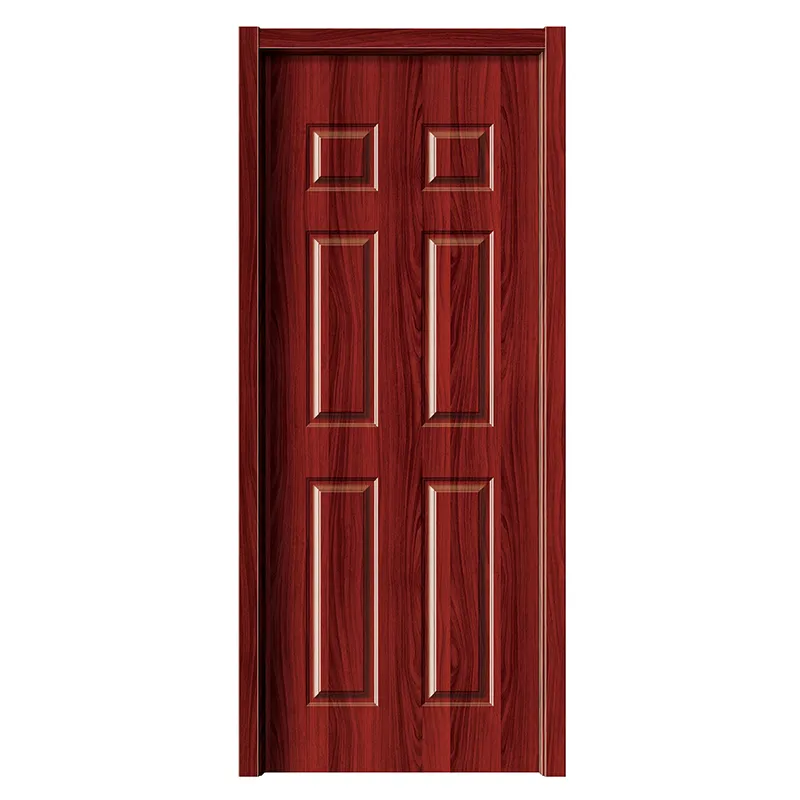 YST-201 Door Red team
 -
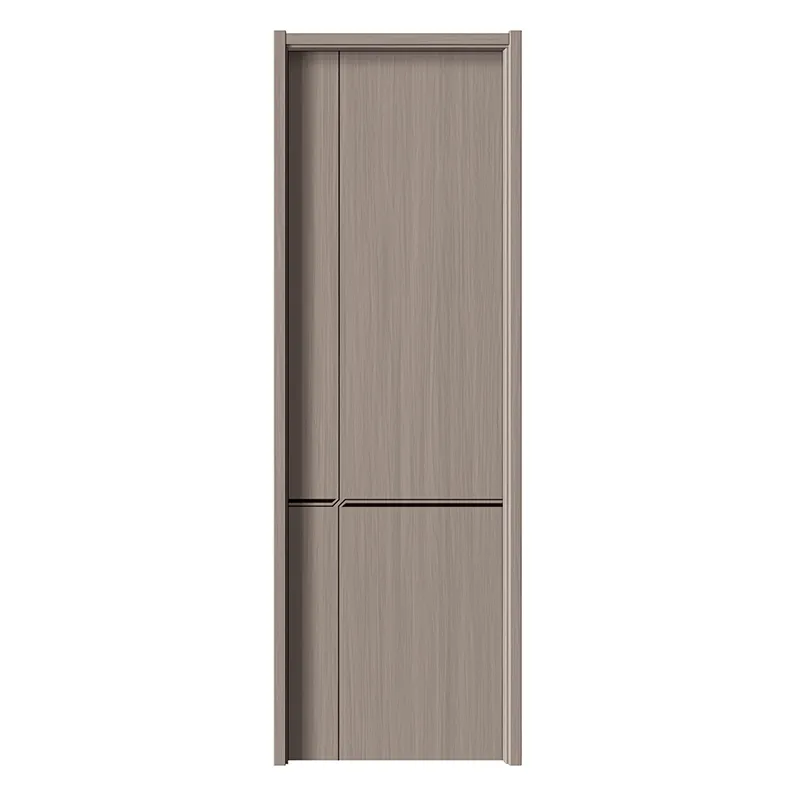 YST-1010 Door Translucent light shadow 3
 -
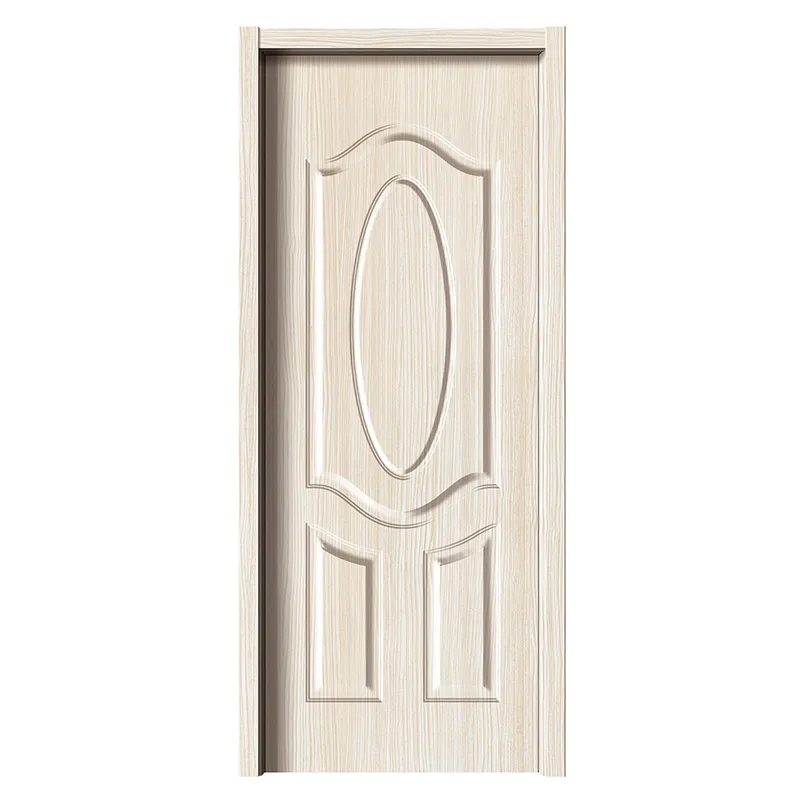 YST-216 Door White Maple
 -
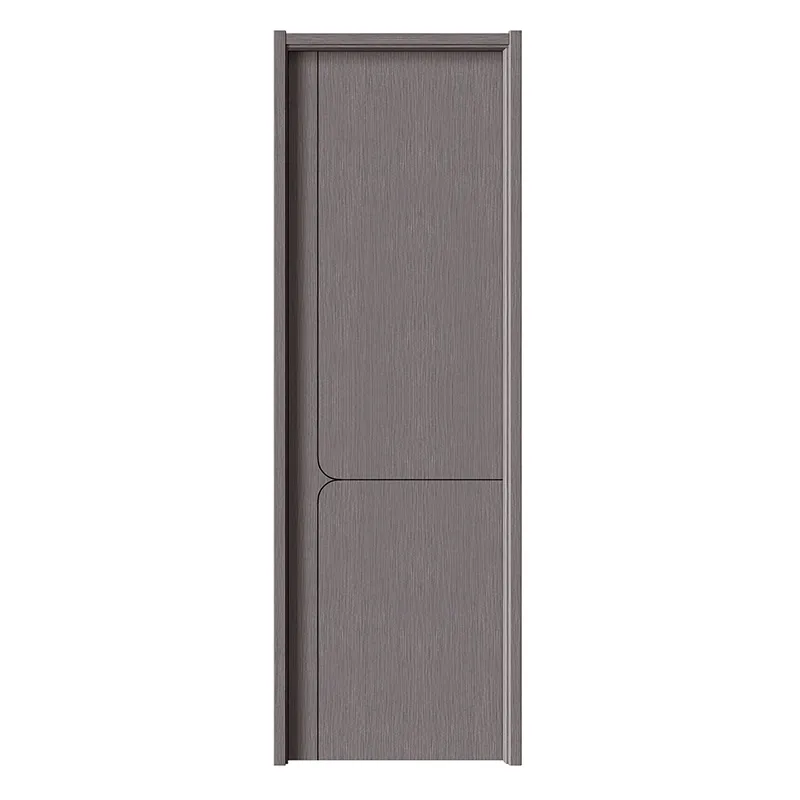 YST-1001 Door Chiaroscuro tree 2
 -
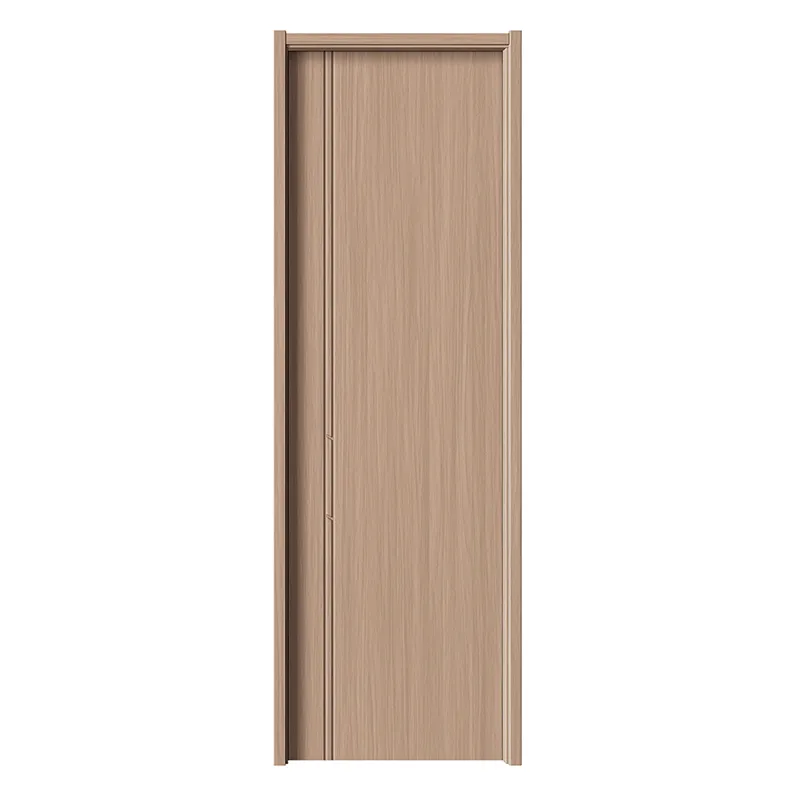 YST-1009 Door Translucent light shade 1
 -
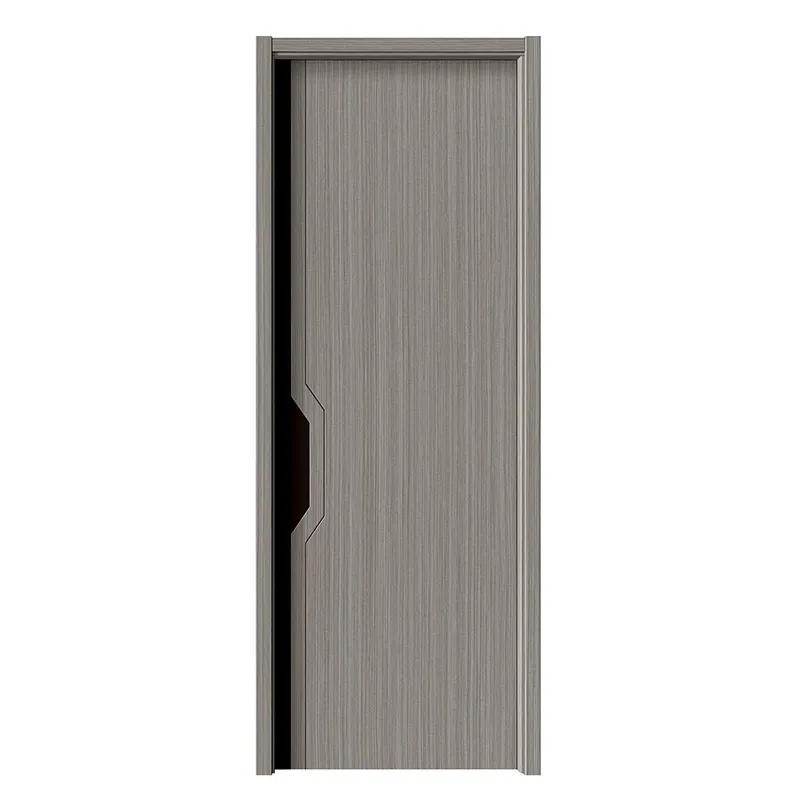 YST-1007 Technotree Door 2