




Production of hidden doors
When they talk aboutproduction of hidden doors, many people imagine just a door leaf without trim. But this is just the tip of the iceberg. A real hidden door is not a product, but a system where the door leaf is only one of the elements. The main challenge that we constantly face is ensuring a perfect fit to the wall along the entire perimeter after finishing. A gap of even a couple of millimeters, imperceptible on an ordinary door, here turns into a glaring defect that negates the entire concept of “invisibility”. This is why our approach toproduction of hidden doorsIt starts not from the workshop, but from the design of the room and studying the characteristics of the wall.
From concept to drawing: why is “cold” important? calculation
The first and main rule that we learned in practice: you cannot rely on “standard” ones. opening dimensions. Each wall has its own geometry, and even in new buildings the deviations can be significant. We always insist on having a surveyor come out and take not three, but at least nine control points on each side of the opening. This allows you to predict how the structure will behave after installation and putty.
Here a conflict often arises with designers who want to achieve the effect of a seamless wall, but at the same time use materials with different coefficients of thermal expansion. For example, a combination of MDF canvas and plasterboard wall. In winter, with dry heating air, drywall can “dry out”. stronger than the door, and that same gap will appear. The solution is either to use special compensation tapes around the perimeter, or to agree with the finishers on a single material for the finishing layer on the wall and on the door. This is a nuance that is often forgotten at the design stage.
In our practice, at the production baseAnhui Wantai Woodworking Co.,Ltd, we have worked out a protocol for transferring data from the measurer to the designers. The drawing includes not only dimensions, but also recommendations on the type of hinges and locking mechanism, which should operate silently and without the slightest resistance - any force when opening indicates the presence of a door.
Materials: not only appearance, but also stability
The main frame, of course, is made of laminated veneer lumber. But not every timber is suitable. We tried different species and settled on a combined approach: pine for the internal slats (it is light and holds its shape well) and beech for the critical hinge components. The key is humidity. If the wood is not seasoned to 8-10% condition, after six months you will be surprised in the form of deformation that cannot be corrected.
One of our early mistakes was related to saving on material. The customer was supplied with a door made of seemingly high-quality solid wood, but without proper acclimatization of the material on site before installation. After the heating season, the canvas began to “sag”, and the joint with the wall ceased to be smooth. I had to completely redo it at my own expense. Since then, we have strictly controlled not only the humidity in our warehouse, but also require the client to comply with the conditions in the room before installation.
CompanyAnhui Wantai Woodworking Co.,Ltdadheres to the principle of “building a business on precision”, and this is precisely about the selection of raw materials. We work with trusted lumber suppliers, where we can track the entire chain from drying to transportation. Forhidden doorsthis is critically important - there is no room for “maybe it will blow over?”.
Fittings: invisible mechanics
The most complex element in the system is the hinges. Ordinary canopies are absolutely not suitable. We need special hidden hinges that are mounted at the end of the canvas and the box. Their adjustment is a jeweler's work. Micrometric screws allow you to align the canvas with an accuracy of a fraction of a millimeter, but this requires an experienced installer with a good eye and patience.
We tested different European brands and some Asian counterparts. Conclusion: the most expensive is not always the most reliable in our conditions. Some are ?premium? the hinges were designed for perfectly smooth openings and light fabrics. In reality, with a door weight of 40 kg and possible micro-distortions, their mechanism quickly failed. We settled on models with a large margin of safety and smooth, multi-stage adjustment.
The castle is a different story. Magnetic latches are good for silence, but they do not always reliably hold a heavy door in the closed position if there is a draft. Mechanical transom systems are more reliable, but more difficult to install and require perfect alignment. Most often we offer a hybrid solution: a magnet for smooth attraction and a small mechanical lock for guarantee.
Painting and finishing: where the devil lies
Even a perfectly manufactured and installed canvas can be damaged at the finishing stage. The main task is to achieve an absolutely identical texture and color with the wall. We always give samples of materials (putty, primer, paint) to the customer or his finishers so that they can make test paints.
A common mistake is trying to paint a door and a wall at different times, with different rollers or even in batches of paint. The light falls at an angle, and the difference in texture becomes visible. Our method is that we prime and putty the door on site, along with the wall, and then paint it in one go, with one tool. This increases the work time, but guarantees results.
There was an interesting case with a project where the wall was decorated with Venetian plaster. Repeating its texture on wood is an almost impossible task. We found a non-standard solution: we made the door not from wood, but from the same plasterboard on a metal frame, which became part of the wall. After applying multi-layer plaster, the seam became truly invisible. This is a departure from the classicproduction of hidden doorsmade of wood, but he showed that you need to think more broadly and adapt to the finishing material.
Installation: the final touch that decides everything
Installation is 50% of success. You can bring a perfect product and ruin it in a couple of hours with careless installation. We always send the same well-coordinated team to the site, which knows all our nuances. The process begins with re-checking the geometry of the opening and strengthening it if necessary.
The most important operation is fixing the box in the opening. You can’t just “foam” it. We use a system of wedges and spacers that allow the box to align perfectly with the wall, and then secure it through special hidden mounting plates to the permanent wall elements. Polyurethane foam is used only as an auxiliary damping material, and not as a load-bearing element.
After installing the box and hanging the canvas, a long adjustment procedure begins. The door should open with a light touch and not slam. We leave the door on site for a day, and then return for final adjustments, because the materials “take root” and the load is distributed. Only after this can the object be transferred for finishing putty and painting of the joints. It is this multi-stage control at all stages, from measurements to post-adjustment, that allowsAnhui Wantai Woodworking Co.,Ltdbringing to market solutions that actually work as one with the wall, rather than just masquerading as one.
Correspondingproducts
Related Products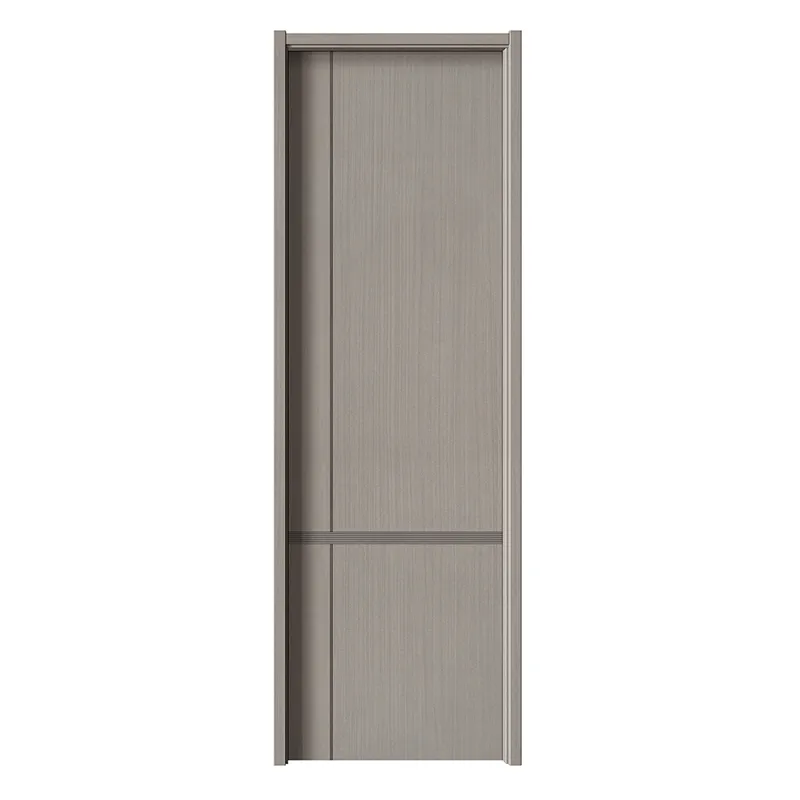
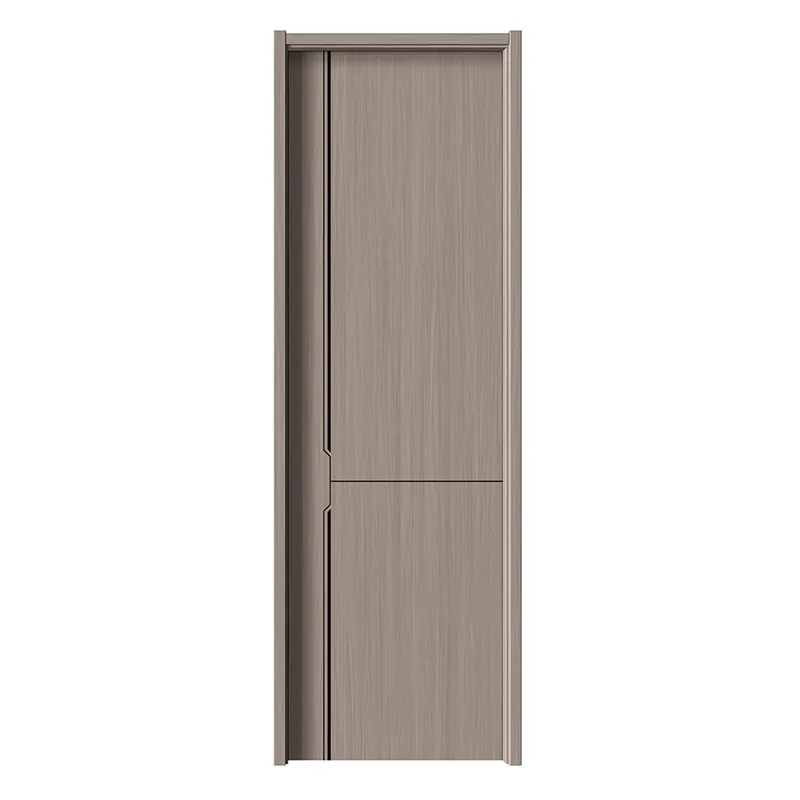
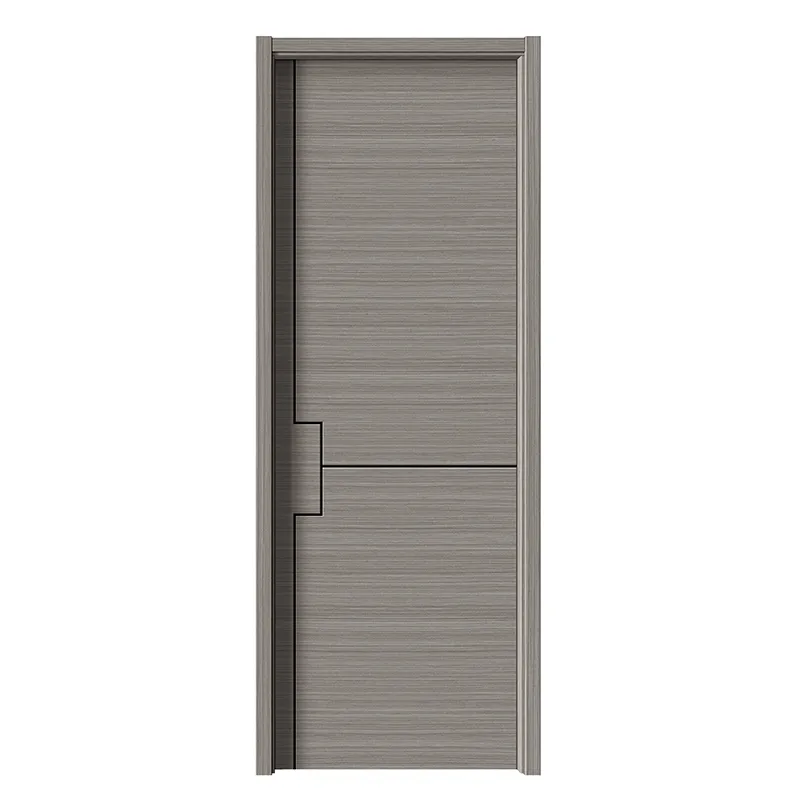
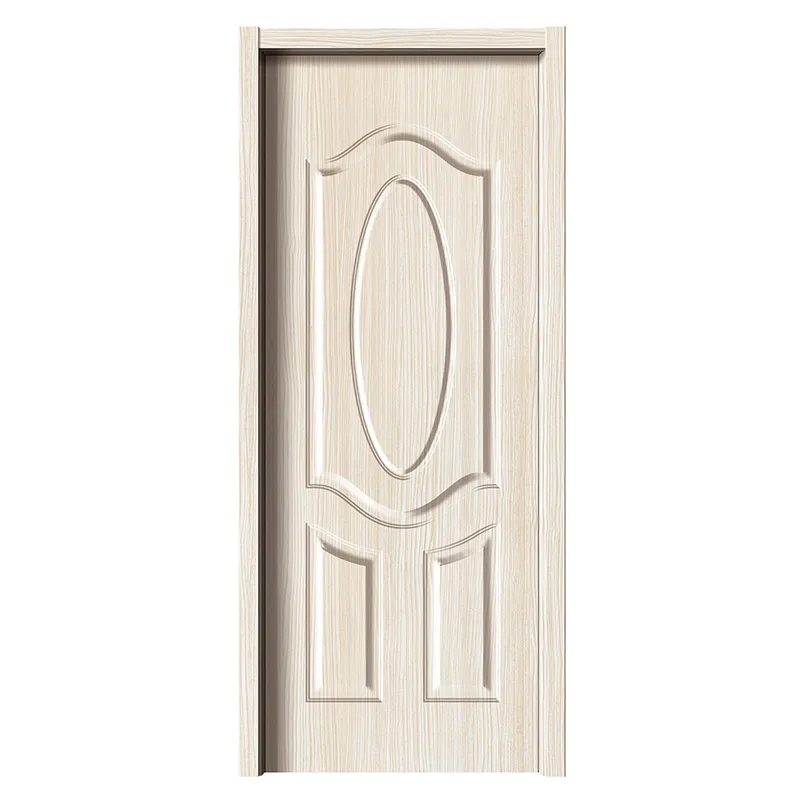

Best Sellingproducts
Best Selling Products-
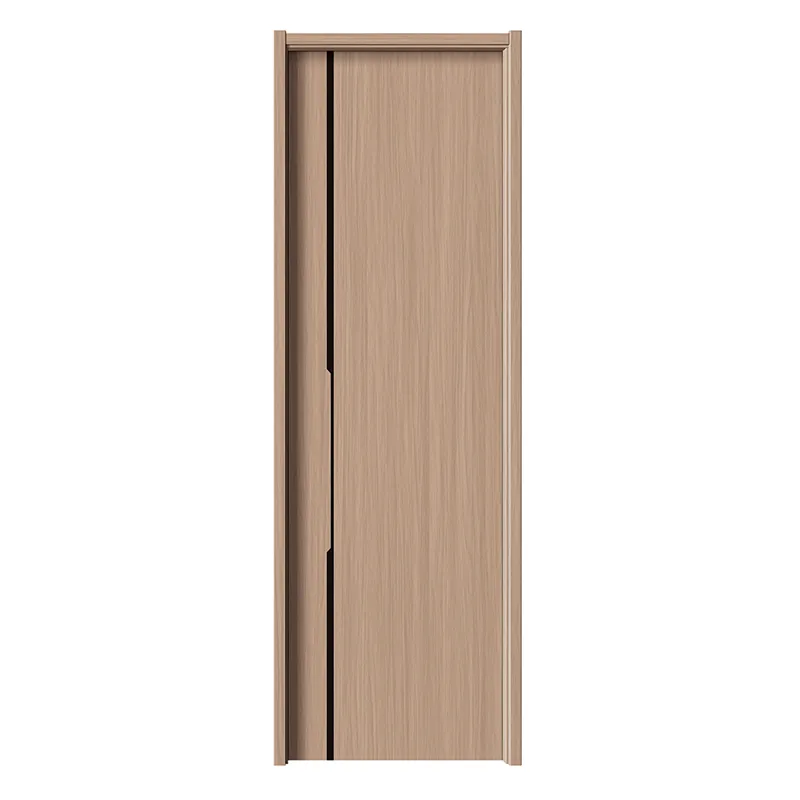 YST-1029 Door Translucent light shade 1
 -
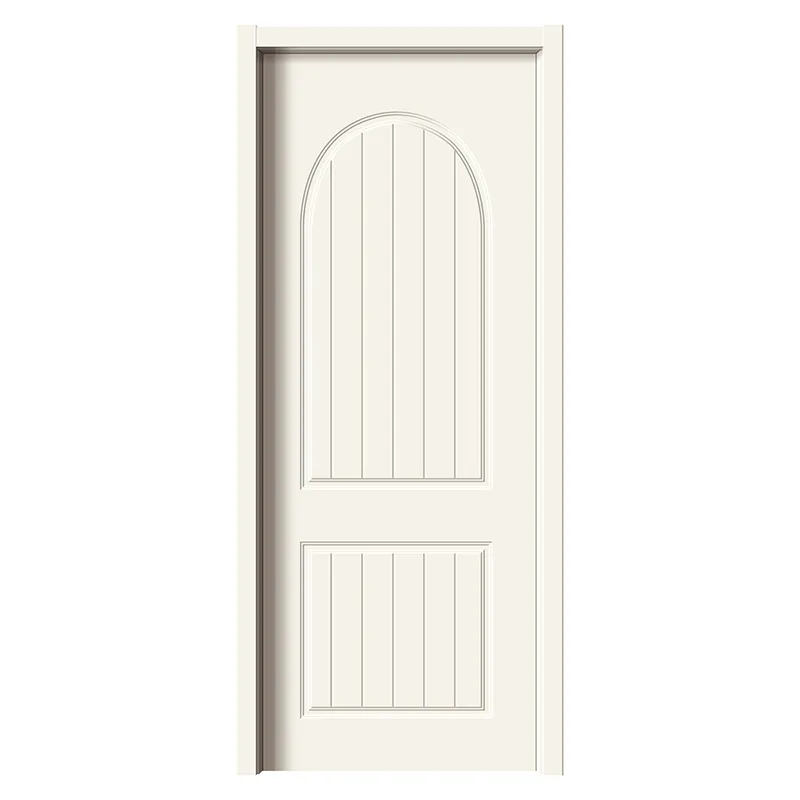 YST-236 Door White ivory
 -
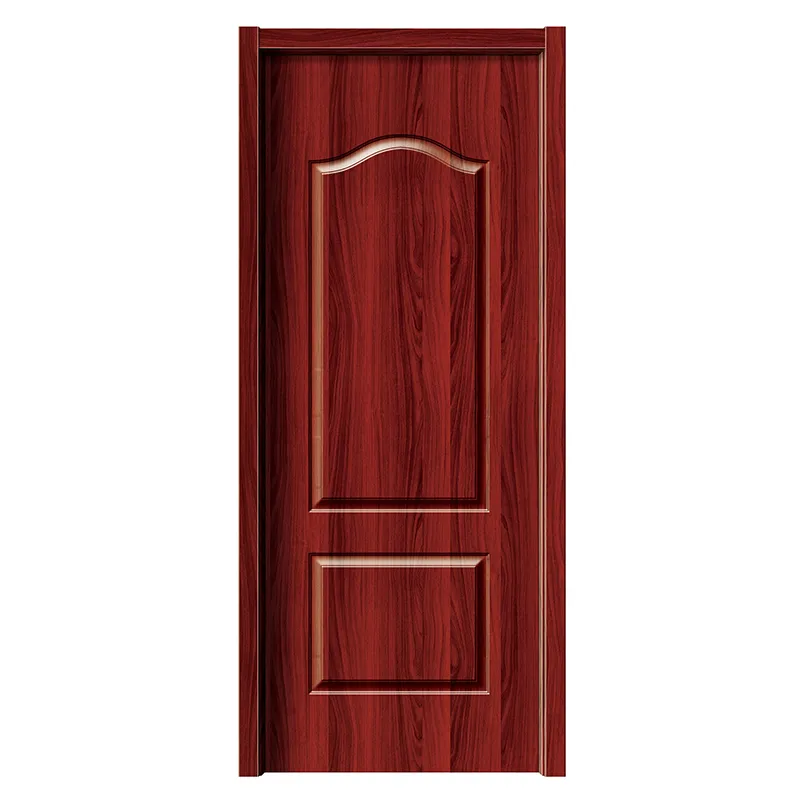 YST-207 Door Red team
 -
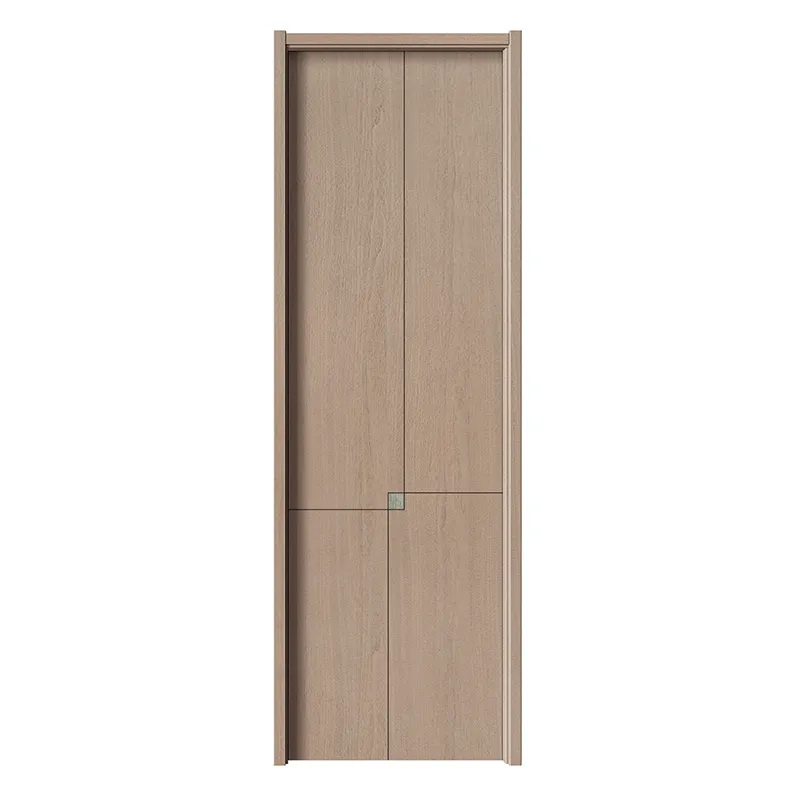 YST-1008 Door Natural walnut 2
 -
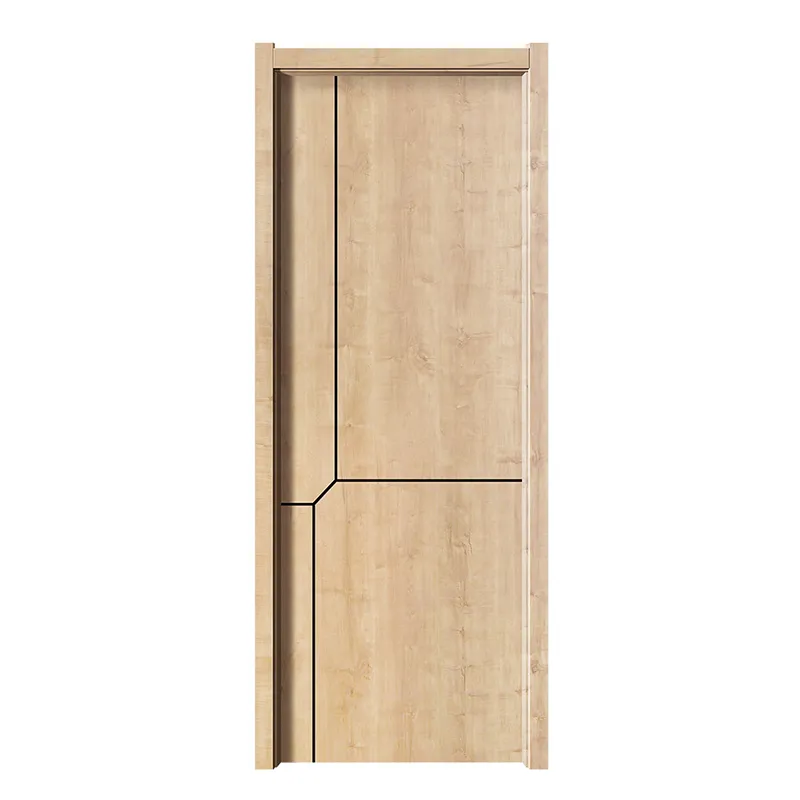 YST-WPC1 Door
 -
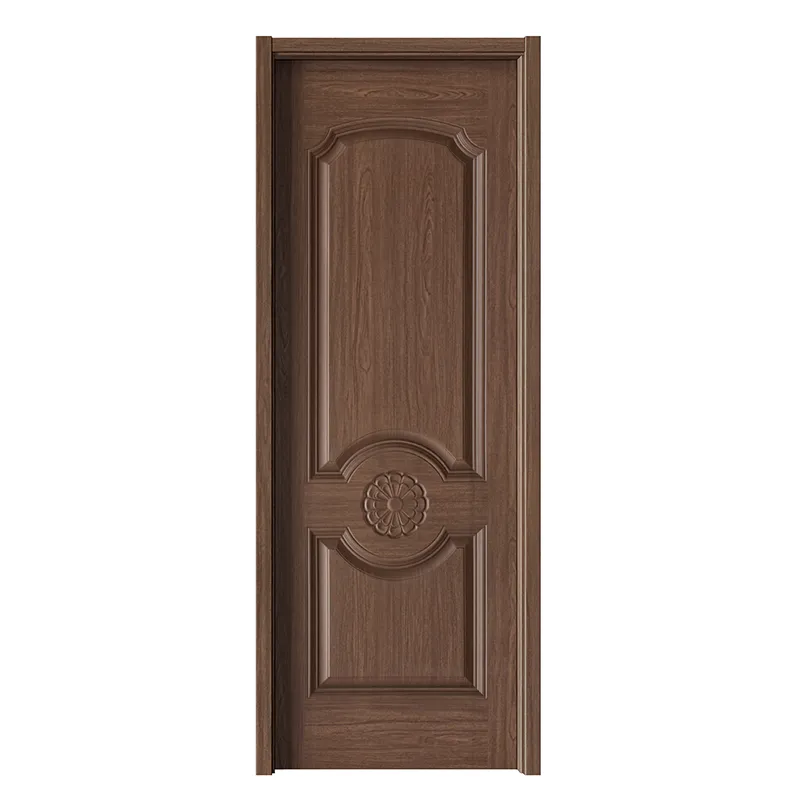 YST-212 Door North American Oak 2
 -
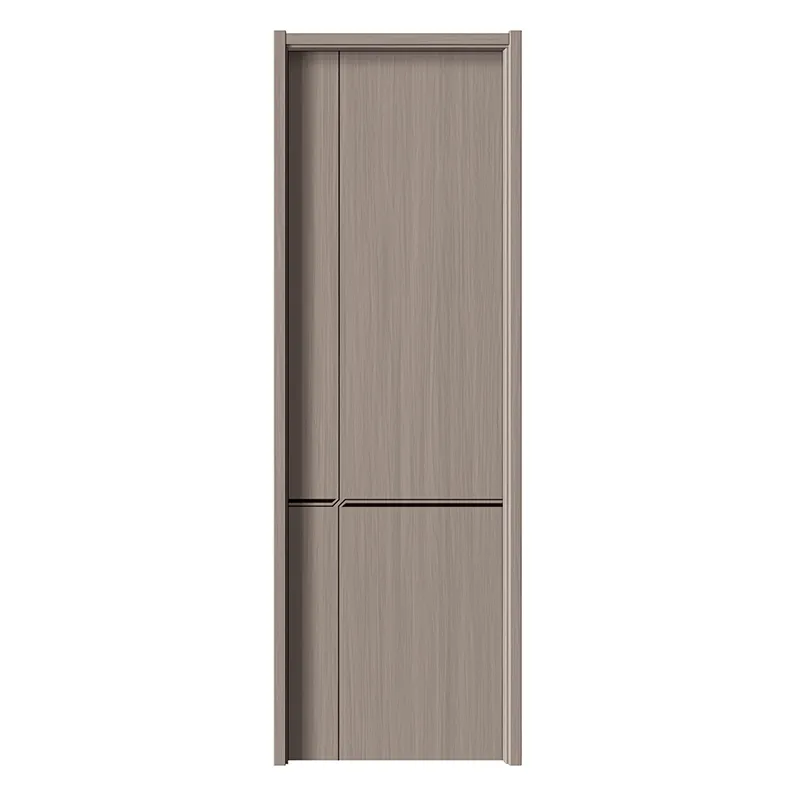 YST-1010 Door Translucent light shadow 3
 -
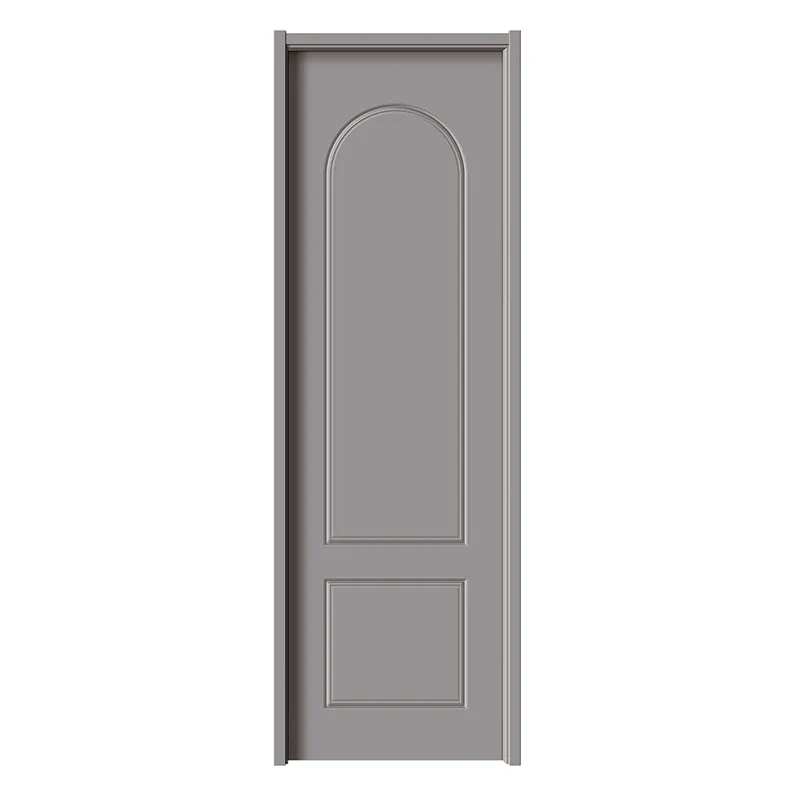 YST-241 French Door 1 soft stone gray
 -
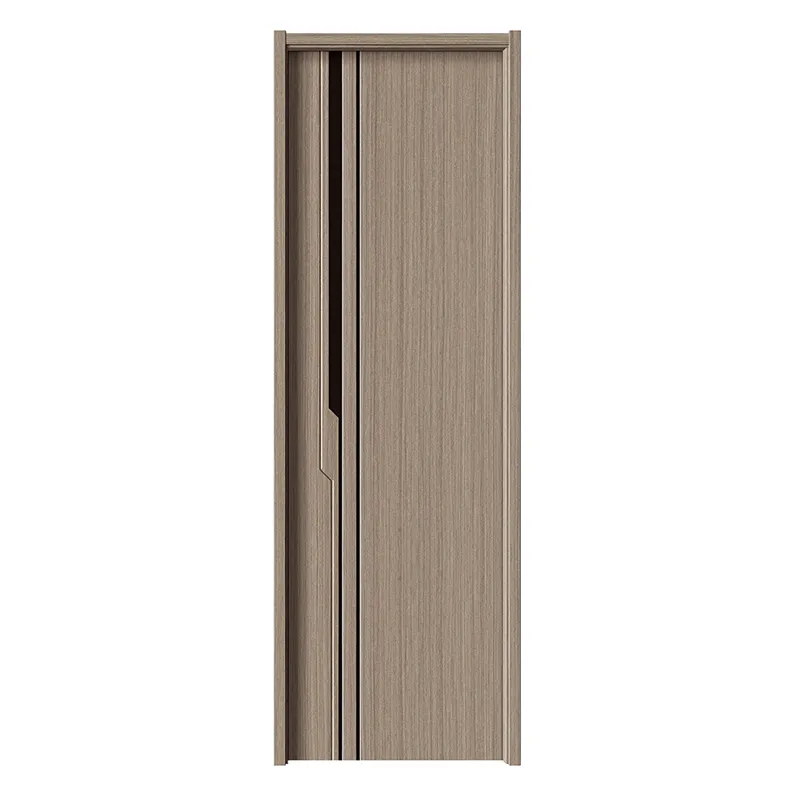 YST-1018 Technowood Door 1
 -
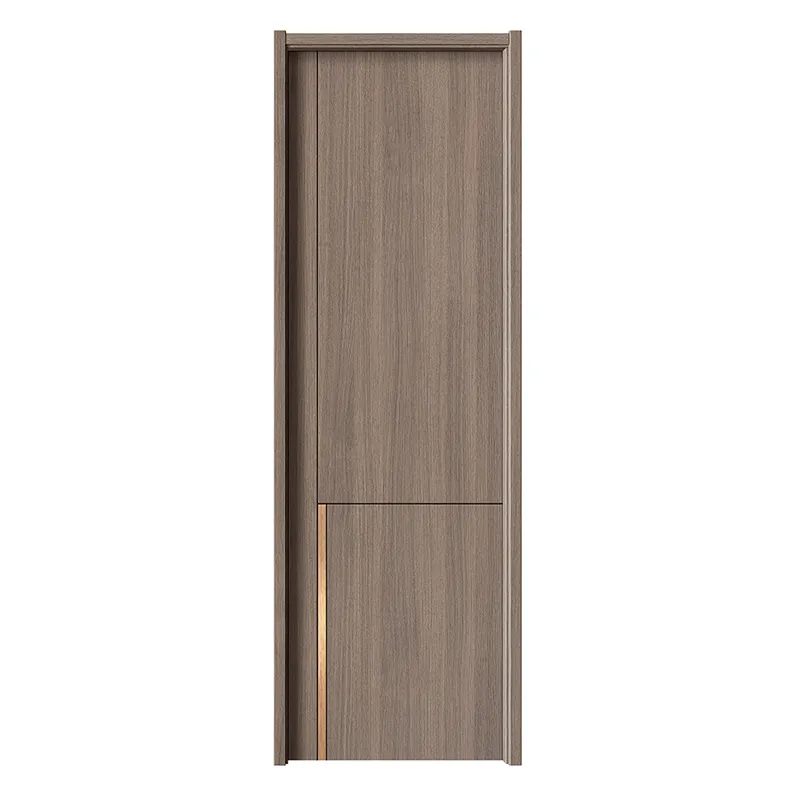 YST-1003 Door Oak gray
 -
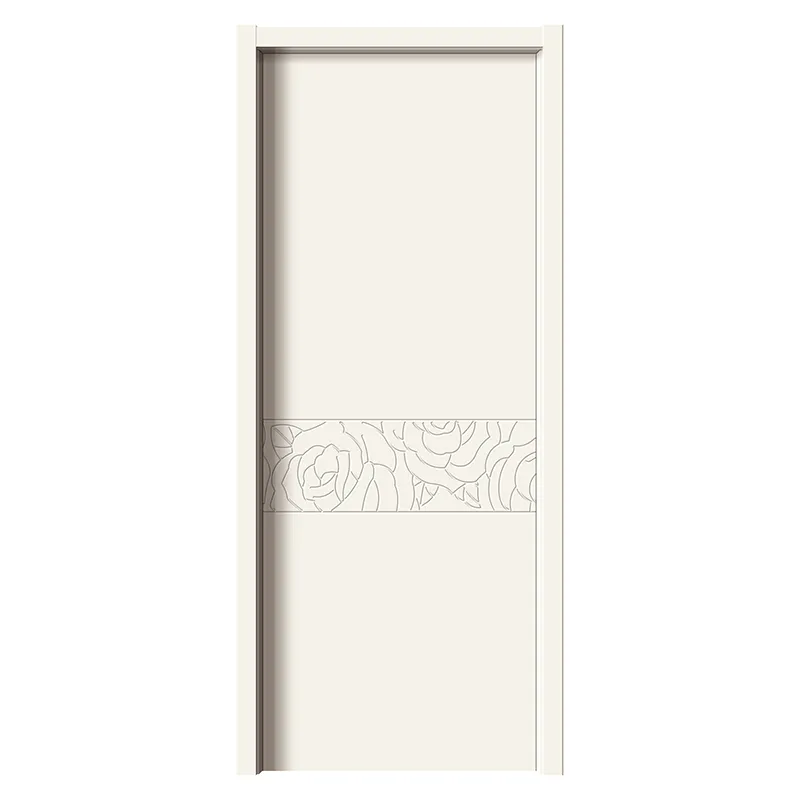 YST-238 Door White ivory
 -
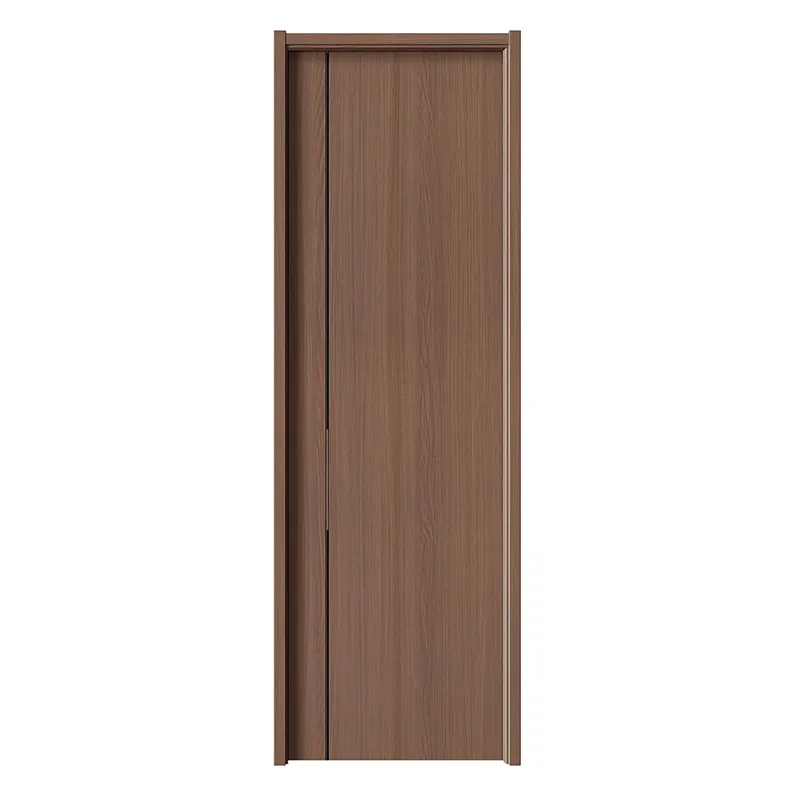 YST-1043 Door Techno-walnut 3