



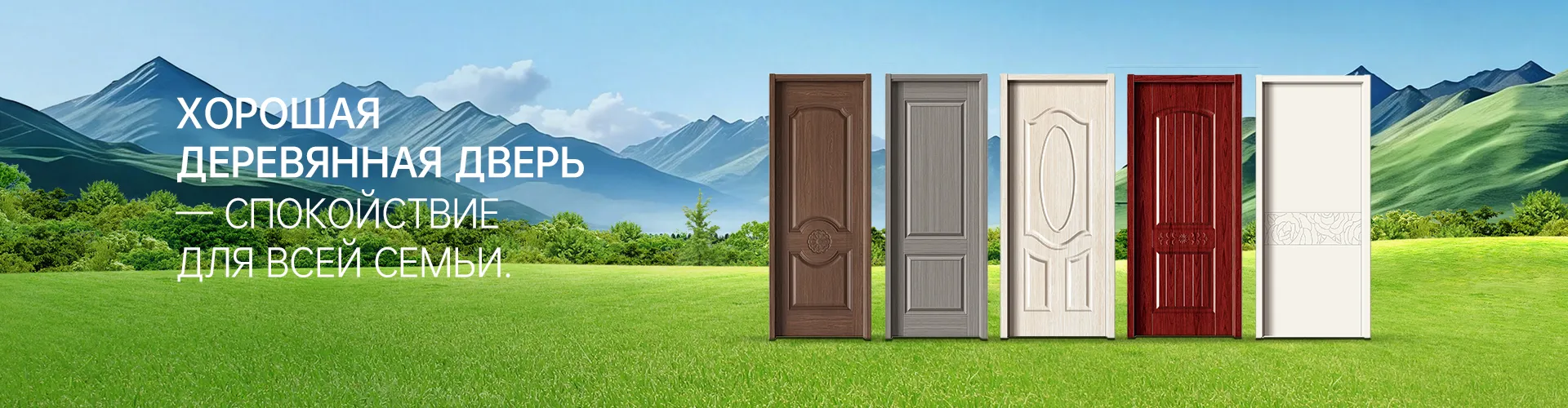
Antique wooden door
When you hear “antique wooden door”, many people immediately imagine a rough, artificially worn surface with screaming “traces of time”. This is perhaps the most common myth. In fact, the real work is not brushing with a grinder and covering it with stain in two layers. It's about recreating the spirit, not just the outer crust. Everything is important here: the type of wood, the nature of processing, fittings, even how the door will stand in the opening - with a slight natural distortion or perfectly straight. The latter often kills all the “old times”.
What is “antique” actually born from?
Let's start with the basics - an array. Pine for deep antiquity is not the best choice, it is too soft, the texture is simple. Oak, ash, walnut are another matter. Their texture is more complex, the reaction to manual processing is more interesting. For example, inantique wooden doorsfrom Anhui Wantai Woodworking Co.,Ltd often use ash. It has beautiful fibers, which, when brushed gently, do not give scratches, but a noble relief. The age of the wood and its cutting are also important. The ridge gives a completely different pattern than the core board.
The most subtle point is artificial aging. You can't just go over it with abrasives. In the workshop, we divide the process into stages: first, manual selection of soft fibers to reveal the hard annual layer. Then - tinting. Not uniform painting, but layer-by-layer application of stains of different shades, sometimes with intermediate sanding. This creates depth of color, as if the door has been soaking up sun and wax for decades. Sometimes we add minor defects - imitations of marks from knots, small dents, but pointwise, with meaning, and not haphazardly.
The fittings are a different story. A polished handle from China will kill all the work. We are looking for forged products with patina, maybe even imperfect ones. The loops should be massive, visible, possibly with black oxidation. We often cooperate with small blacksmith shops. I remember a project for a country house near St. Petersburg: the door was ready, but the client didn’t like that it was “too new?”. The only thing that helped was the old French hinges, which were found during the dismantling of an old building. They set the tone for the entire structure.
Practice and pitfalls: where theory falls short
All this knowledge comes through mistakes. We had an order for a batch of doors for a restaurant stylized as an Alpine chalet. They did it beautifully, according to all the canons, with a weathered effect. But they did not take into account the microclimate in the room - a powerful hood and constant temperature changes. After six months, microcracks appeared on some canvases in areas of deep brushing. I had to redo it, first stabilizing the wood and changing the composition of the finishing oil to a more elastic one. Now we always ask about operating conditions.
Another point is the combination with modern elements. Often putantique wooden doorinto the interior with panoramic windows and chrome appliances. To prevent it from looking cartoonish, you need to play with the contrast of textures, but maintain the overall color palette. Sometimes we advise clients to make the door not the center of the composition, but rather the background, a warm accent. To do this, we reduce the contrast of the treatment and make the tinting more restrained.
The production base, of course, decides a lot. The website https://www.anhuiwantai.ru shows that the company relies on modern equipment. But in our business, machines are only half of it. CNC can perfectly cut a panel in the “Baroque” style, but only the hand of a master with an understanding of where the paint would naturally wear off over a hundred years and where it would remain untouched can age it convincingly. Therefore, in our workshop we have both automatic lines for roughing and separate areas for manual work, where each stage is controlled manually.
About clients and their requests: from template to individuality
Previously there was a standard set: “antique?” meant dark oak with a rough texture. Now the requests have become more subtle. Someone asks for a loft style with the effect of peeling paint, but with several layers of different colors showing through underneath. Others want a Scandinavian antique look - almost white wood with light gray and barely noticeable wear. Here you can’t do without a close dialogue with the designer and technologist. The development team at Anhui Wantai Woodworking LLC does just that - adapts classic techniques to modern trends.
I often come across a client’s desire to save money on solid wood, make a paneled structure from MDF and just apply a film “like old oak”. This is a dead end path. Such a door will not have the required texture, weight, or durability. I explain what the point isantique wooden door- in the authenticity of the material. You can take a less expensive breed, but it must be a solid mass. Otherwise the whole meaning is lost.
An interesting case involved supplies for a private hotel in Karelia. We needed doors for each room, all different, but in the same style of a “Pomeranian house”. We used pine, but not ordinary pine, but chamber-dried pine, with pronounced knots. Aging was done not with abrasives, but with special chemical compounds that bleached the wood, simulating the effects of salty wind. The fittings were made to order according to old drawings. The project is complex, but it’s tasks like these that show what you’re really capable of as a specialist.
About quality: what is behind the big phrases
In the company description I see the phrase “build a business on precision, win with quality?”. In our context, these are not empty words. ?Accuracy? - this, for example, is a jewelry fitting of panels in a figured chamfer, so that the gaps are ideal even when simulating a “lopsided” one. antique door. ?Quality? - this is control at all stages. Selection of raw materials: we do not take wood with a tense internal structure, it can lead. Be sure to look at the humidity.
Strict adherence to standards is often about the invisible. For example, a system for attaching the canvas to the box. In the old days, doors hung on massive spikes. Today we use European-made hidden adjustable hinges that can withstand heavy weight and allow for precise alignment without being visible - maintaining visual authenticity. This is the combination of traditional appearance and modern practical characteristics that is described in the company's mission.
The final coating - varnish or oil - is also part of the quality philosophy. For deep antiquity, we often choose matte oils with hard wax. They do not give a gloss that looks like a new product, they emphasize the texture, and they are easier to care for. The client can renew the coating on site after a few years, without removing the door. It's practical. We always offer several options, explaining the pros and cons of each.
Instead of a conclusion: thinking out loud
So,antique wooden door- this is not a product, but a process. The process of understanding the history of materials, dialogue with the client, finding a balance between aesthetics and function. This is when you look at the finished canvas and see not just the product, but the story it tells. Or he doesn’t tell if it’s done clumsily.
Working with international markets, as our company does, you come across different tastes. In Europe they love more discreet, museum-style antiques. In some regions of the CIS, on the contrary, it is more pronounced and decorative. You need to feel this difference. There is no universal recipe, there are basic principles of handmade work, respect for the material and attention to detail. If this is present, the door will turn out to be alive. And this, ultimately, is the main goal.
Now, by the way, I’m going back to that order for the hotel. We need to select a composition for the final tinting of one of the doors - the client asks to add a little more gray tint to better match the stone wall in the lobby. I'll go experiment with mixes. Theory is theory, but practice always makes its own adjustments.
Correspondingproducts
Related Products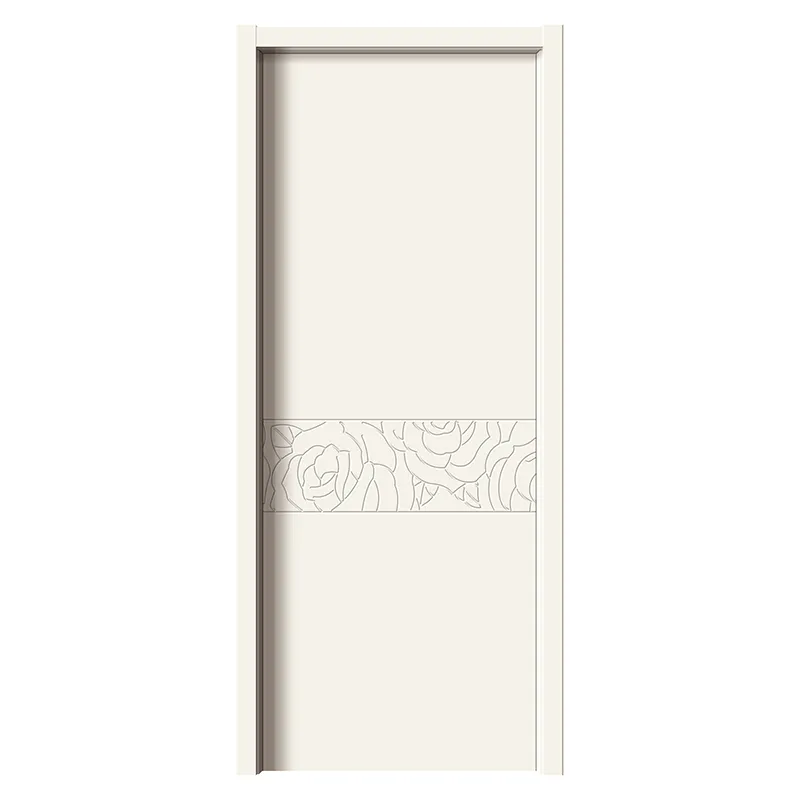
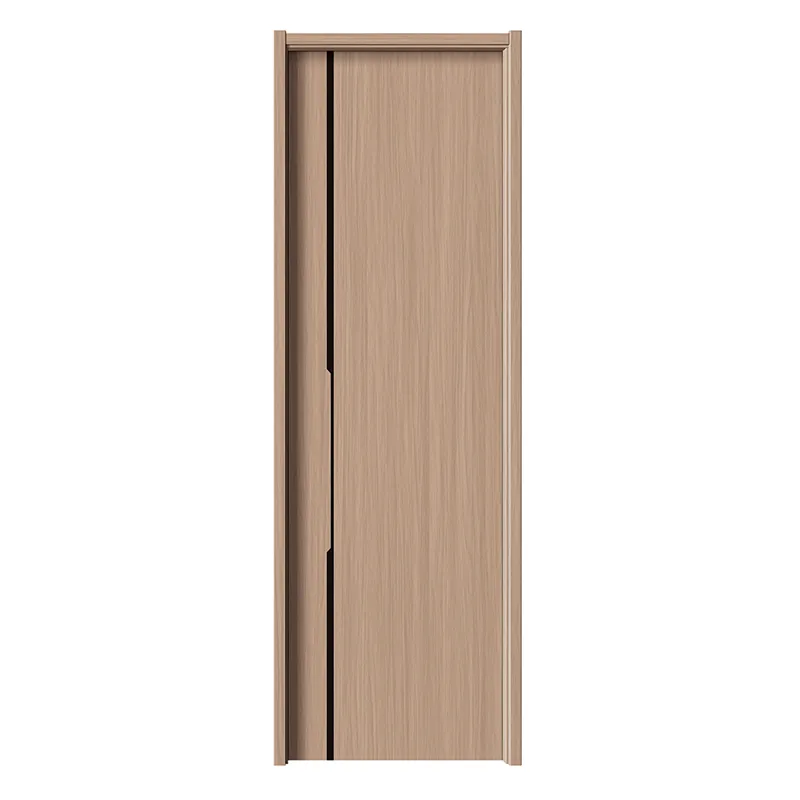
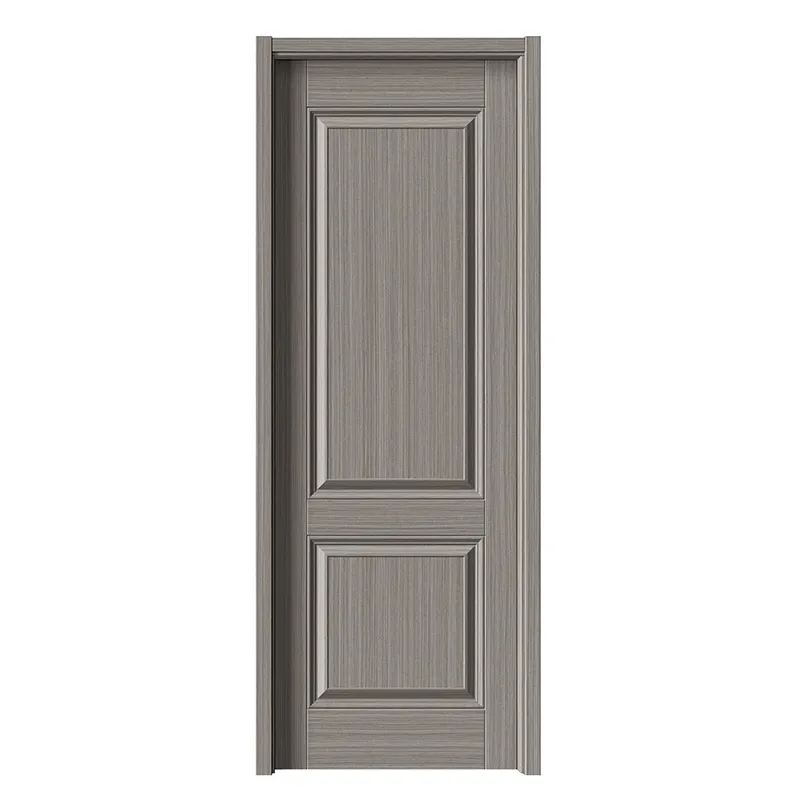
Best Sellingproducts
Best Selling Products-
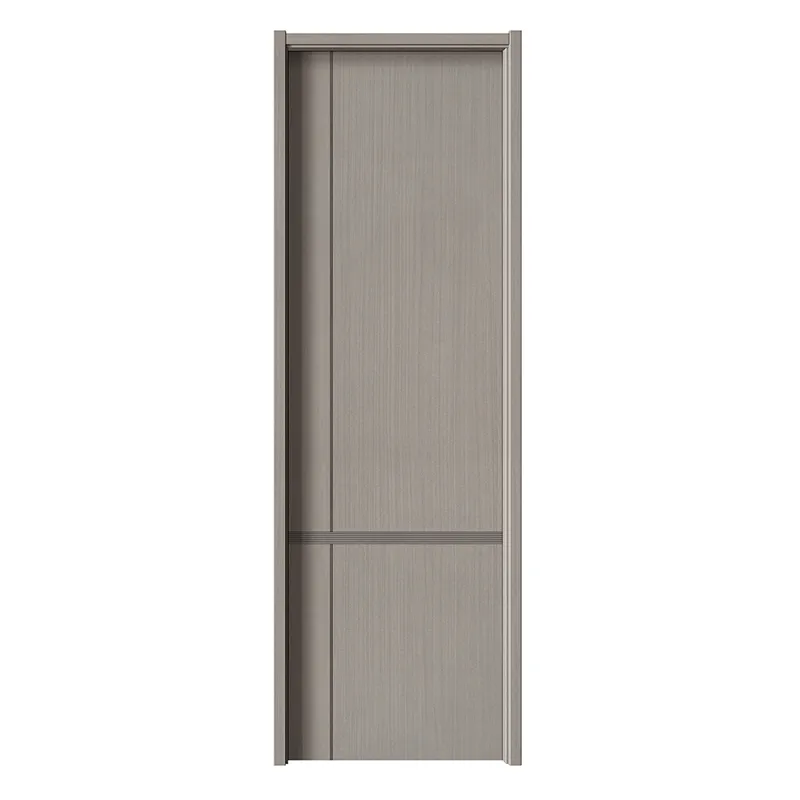 YST-1013 Door Cloud Walnut 1
 -
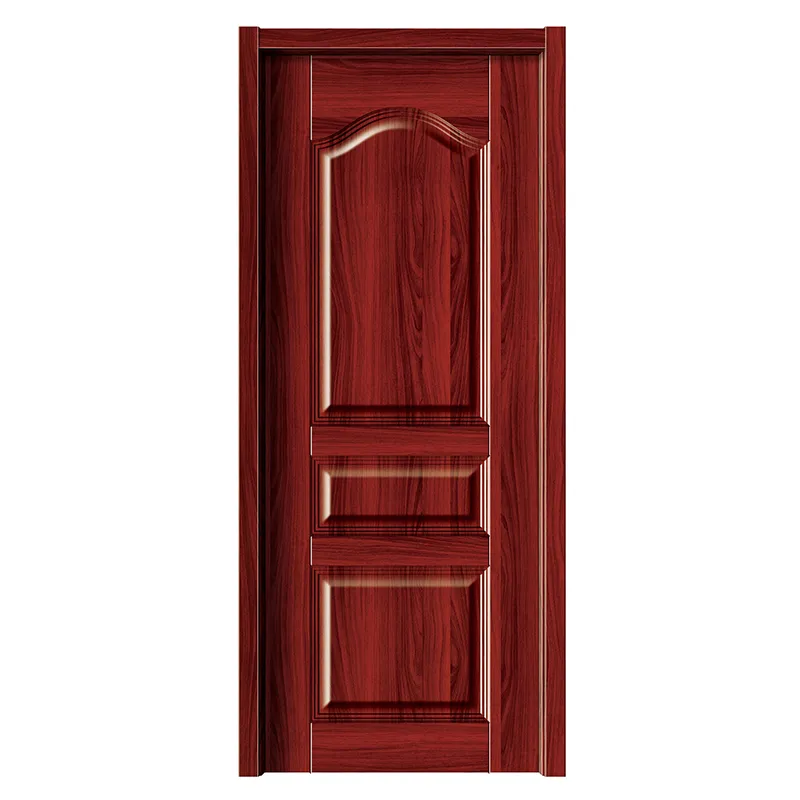 YST-203 Door Red team
 -
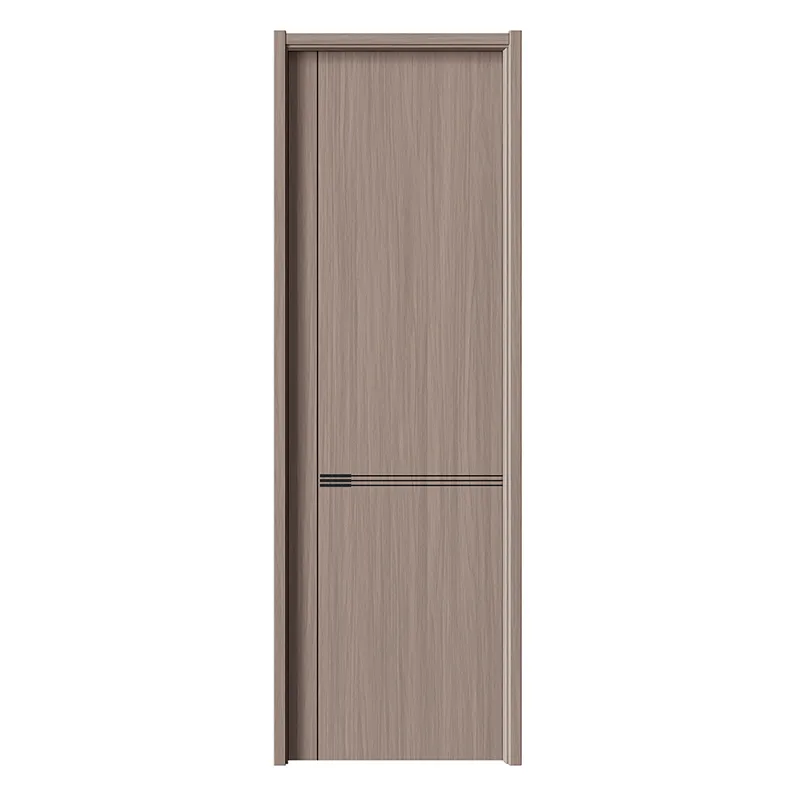 YST-1039 Door Translucent light shadow 3
 -
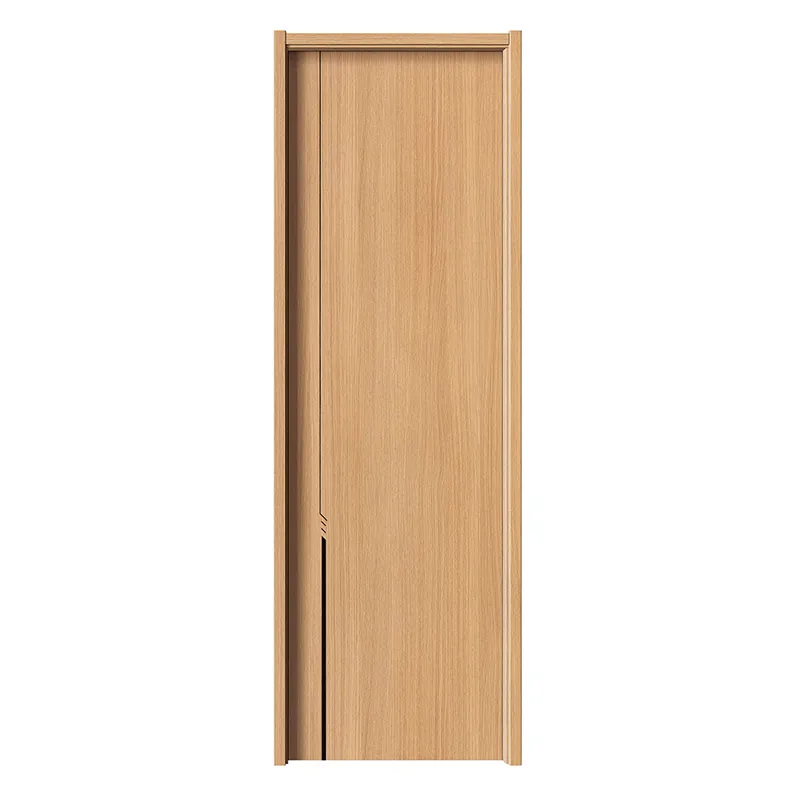 YST-1041 Door Oak Shutter
 -
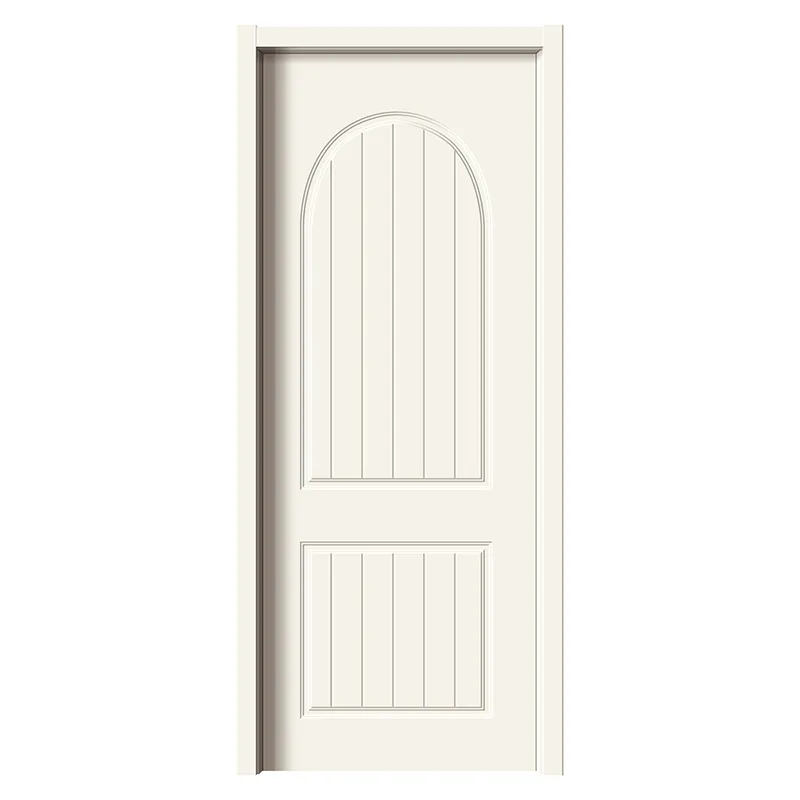 YST-236 Door White ivory
 -
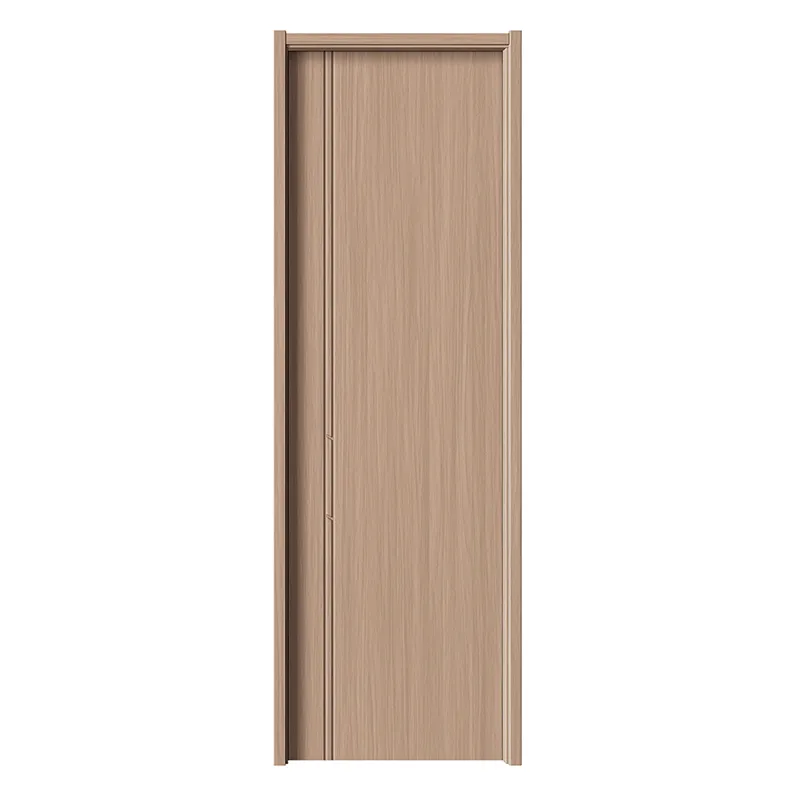 YST-1009 Door Translucent light shade 1
 -
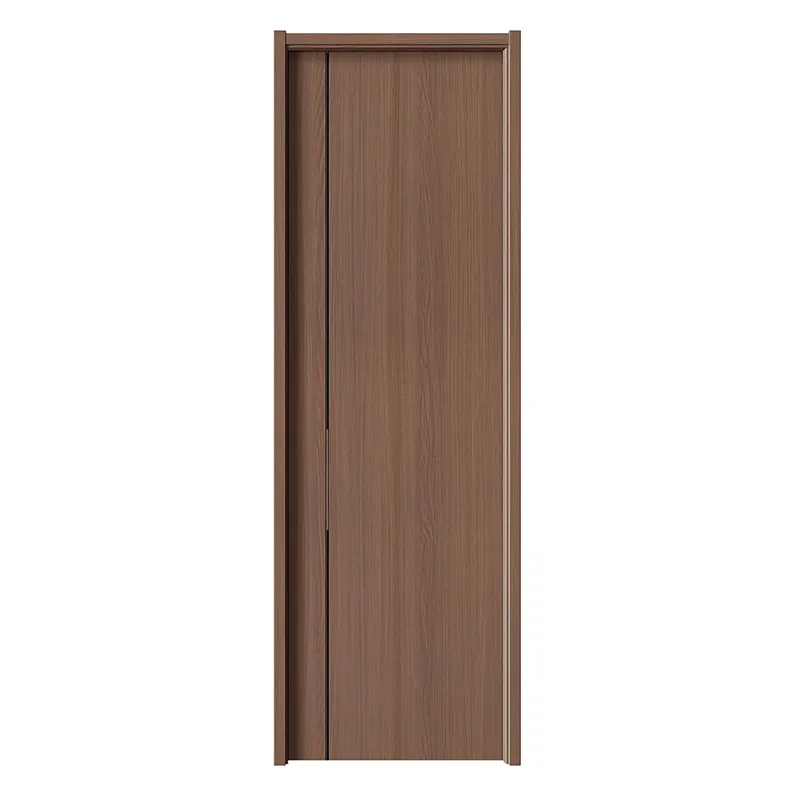 YST-1043 Door Techno-walnut 3
 -
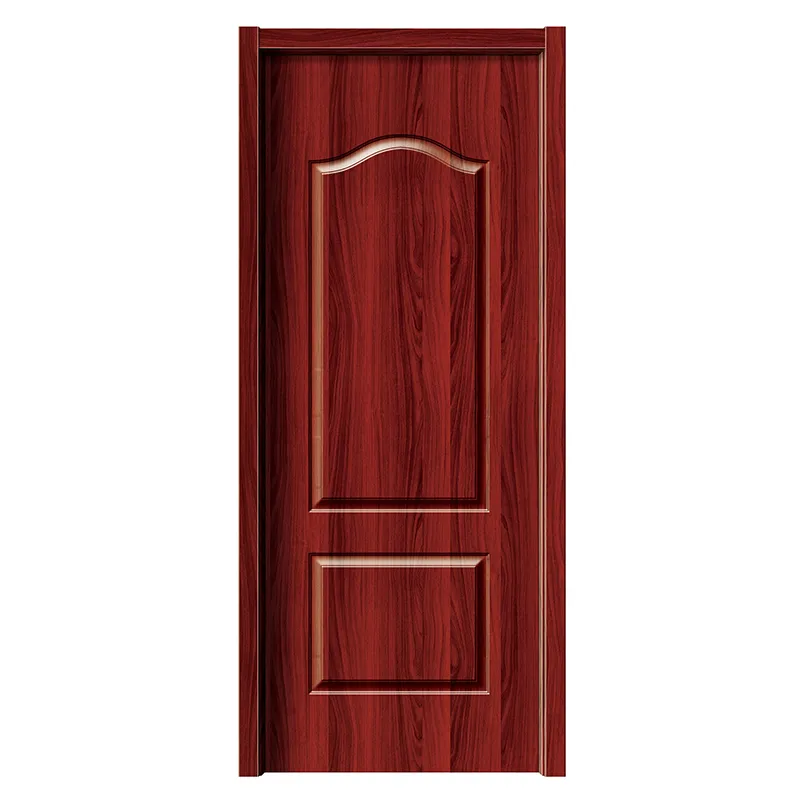 YST-207 Door Red team
 -
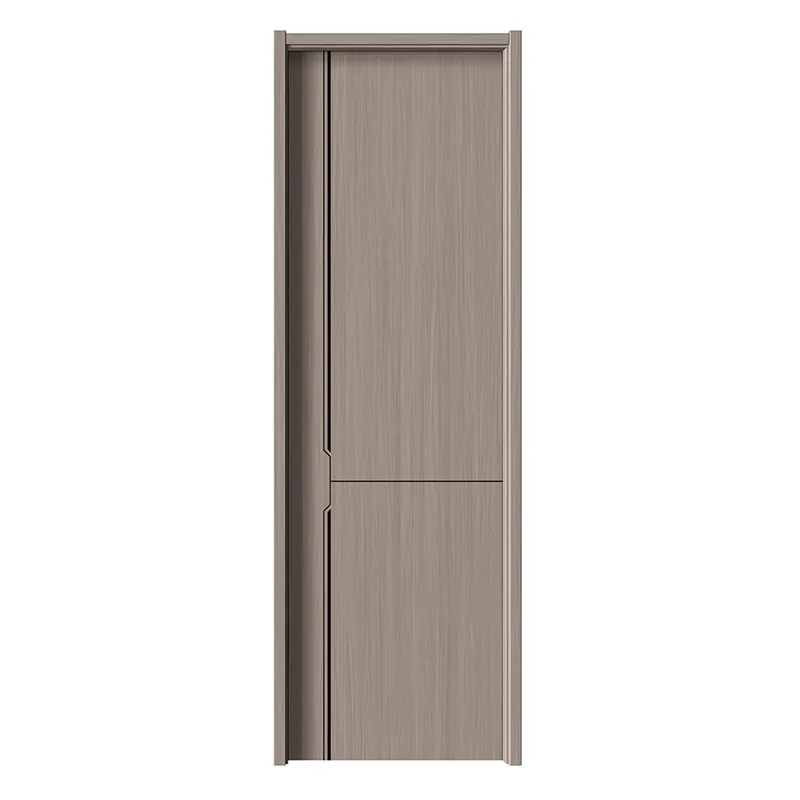 YST-1011 Door Translucent light shadow 3
 -
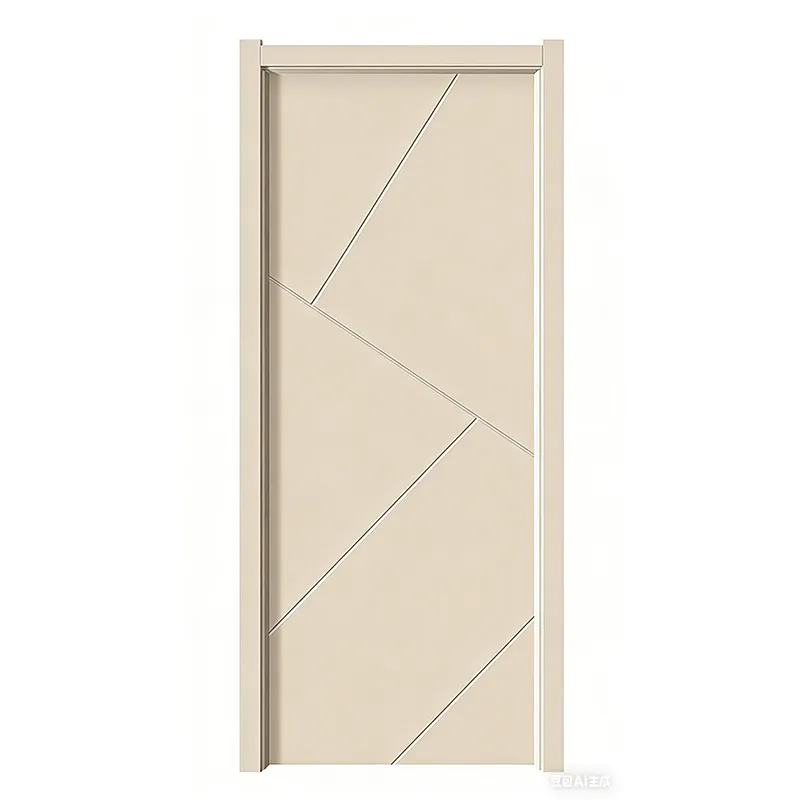 YST-WPC3 Door
 -
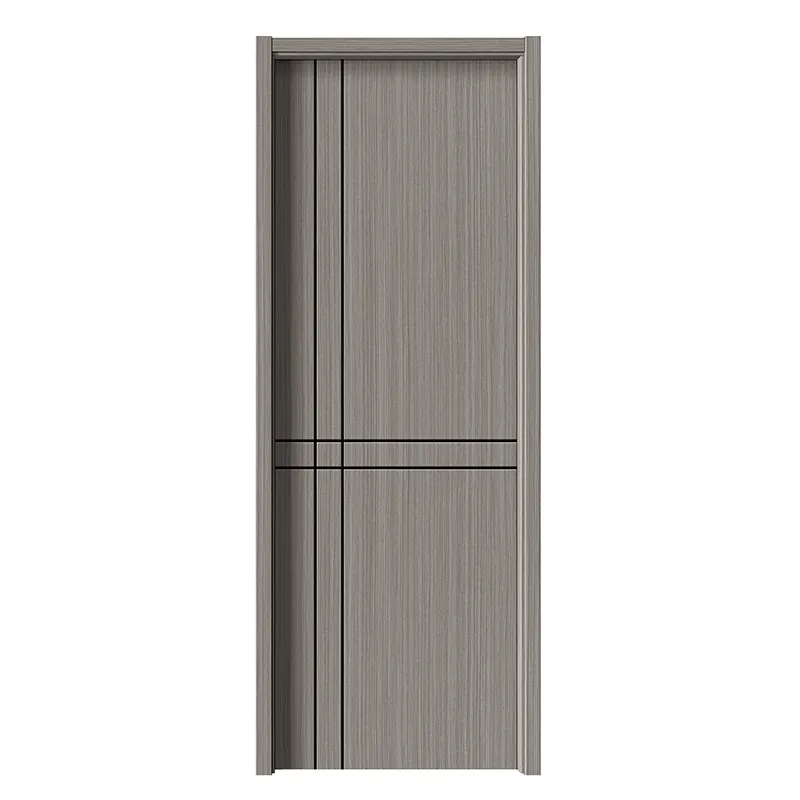 YST-1004 Door Technotree 2
 -
 YST-1005 Technotree Door 2