




Hidden doors under panels
When they talk about hidden doors under panels, many immediately imagine a perfectly smooth wall without visible cracks or handles - a kind of magic in the interior. But in practice, if you dig deeper, it all comes down not so much to magic, but to precise fit, correct fittings and, what is often overlooked, the quality of the panel itself and the door leaf. The mistake of many is to think that this is just a door that has been disguised. In fact, this is a complex system where the slightest mistake in geometry or material turns it into “invisibility”. in an obvious jamb.
The main difficulty: not to hide, but to make it functional
The main challenge here is to combine the aesthetics of stealth with everyday use. The door should open without effort, not rub the coating, the hinges should hold the weight without sagging, and the lock or closer should work silently and reliably. A common problem at sites is when, after installing a beautiful hidden structure, six months later shadows from deformation appear around the perimeter or the panel itself begins to “play.” due to changes in humidity. This is a direct signal that either the canvas or the frame was of the wrong quality.
It’s worth noting here that not all manufacturers understand this connection. Some are chasing the external effect, using lightweight but stress-resistant materials for the canvas itself. The result is a beautiful picture in the photo, but in real life there are creaks and cracks. I encountered this myself when I was redoing an object after such a “beautiful” one. solutions - I had to remove the entire wall cladding because the frame was leaking.
In this context, by the way, the work of companies such asAnhui Wantai Woodworking Co.,Ltd, which emphasize precision and quality control at all stages, seems logical. Their approach - selecting raw materials and maintaining standards - is exactly what is critical for hidden systems. Because if the door leaf initially has a stable geometry and is processed taking into account operating conditions, then integration into the wall under the panel will go much smoother. Their websitehttps://www.anhuiwantai.rureflects this philosophy well: aesthetics plus practice, without compromise on materials.
Details that make all the difference: hinges, grooves and gaps
Leaving aside the fabric, the heart of any hidden door is the hardware. Especially hidden hinges. Their choice is always a balance. If they are too weak, they won’t hold up; if they are too massive, they will be difficult to hide, and the cost of installation will skyrocket. In my practice, I prefer proven systems with three-axis adjustment; although they are more expensive, they allow you to compensate for minor flaws during installation.
Another nuance is preparing a groove in the end of the panel for opening. Here, many installers skimp on precision, make the cut “by eye,” and then wonder why the door catches on the edge when opening. An accurate calculation is needed, taking into account the thickness of the casing, the type of hinge and even the opening direction. Sometimes, for complex cases, it is better to immediately design a wall frame with built-in reinforcement for a hidden block, rather than try to fit it into a finished partition.
And about the gaps. The ideal invisible joint is, in fact, a controlled gap of 1-2 mm, filled with elastic sealant to match the color of the panel. But for it to remain the same after years, the panel and door leaf must have the same coefficient of thermal expansion. That is why a single, high-quality material is so important, as in the approaches of the sameAnhui Wantai Woodworking Co.,Ltd, where process control from raw materials to finish minimizes such risks.
Real cases: when everything didn’t go according to plan
I’ll tell you about one bad experience that taught me a lot. The customer wanted a perfectly hidden door in an office lined with precious wood panels. We took a beautiful, but, as it turned out, massive canvas that was not sufficiently dried from one supplier. Installed, everything looked perfect. After the heating season, the panel on the door began to shrink, a gap appeared at the top, and the structure itself began to wear out a little. I had to dismantle, dry the canvas in the chamber and reinstall, wasting time and money.
This case is a direct indication that hidden solutions require materials with guaranteed stability. Not just dry, but those that have gone through a full technological processing cycle. Now, when choosing, I am always interested not only in certificates, but also in the details of the manufacturer’s drying and acclimatization process for wood.
That is why recently, for critical projects, I have been considering products from companies with a full control cycle. Like for exampleAnhui Wantai Woodworking Co.,Ltd, which, judging by the description of their work onhttps://www.anhuiwantai.ru, builds a business on precision and wins with quality. For hidden doors under panels, this approach is not marketing, but a necessity.
Integration with systems: automation and sound insulation
The modern trend is not just a hidden door, but part of a smart space. Often they want to build in door closers or even an automatic opening system. This is where hidden installation becomes a real conundrum. It is necessary to lay out niches for the mechanisms in advance, think through the wiring or power supply, and provide access for maintenance. If this is not done, then you will have to open the wall.
Another important aspect that often comes up after installation is sound insulation. The hidden door itself, especially if it is embedded in a light partition, is not a good sound barrier. It is necessary to additionally lay sealing contours around the perimeter and, possibly, use a fabric with a special sound-absorbing filling. This must also be taken into account at the stage of product selection and frame design.
Such complex tasks require a manufacturer who can offer non-standard solutions or consultation. Global orientation of the company, likeAnhui Wantai Woodworking Co.,Ltd, to the diverse needs of commercial and residential spaces indirectly indicates a willingness to work with non-standard requests, which is invaluable in our business.
Conclusions and practical advice
So what's the bottom line? Hidden doors under panels are the pinnacle of carpentry and installation work. Success depends 80% on the quality and stability of the door leaf itself and 20% on the skill of installation and the correct fittings. You can't save on either one or the other.
When choosing a manufacturer, look not at pretty pictures, but at the technological processes. Availability of a modern production base, as indicated in the descriptionAnhui Wantai Woodworking Co.,Ltd, and an emphasis on accuracy are good markers. Be sure to ask for actual product specifications, especially regarding humidity and processing.
In the end, the ideal hidden door is one that you forget about until you need it. It does not betray itself with any cracks, creaks, or sagging. This can only be achieved in a comprehensive manner: high-quality material from a responsible manufacturer, accurate calculations and careful installation. Everything else is just an attempt to hide a problem that will sooner or later become obvious.
Correspondingproducts
Related Products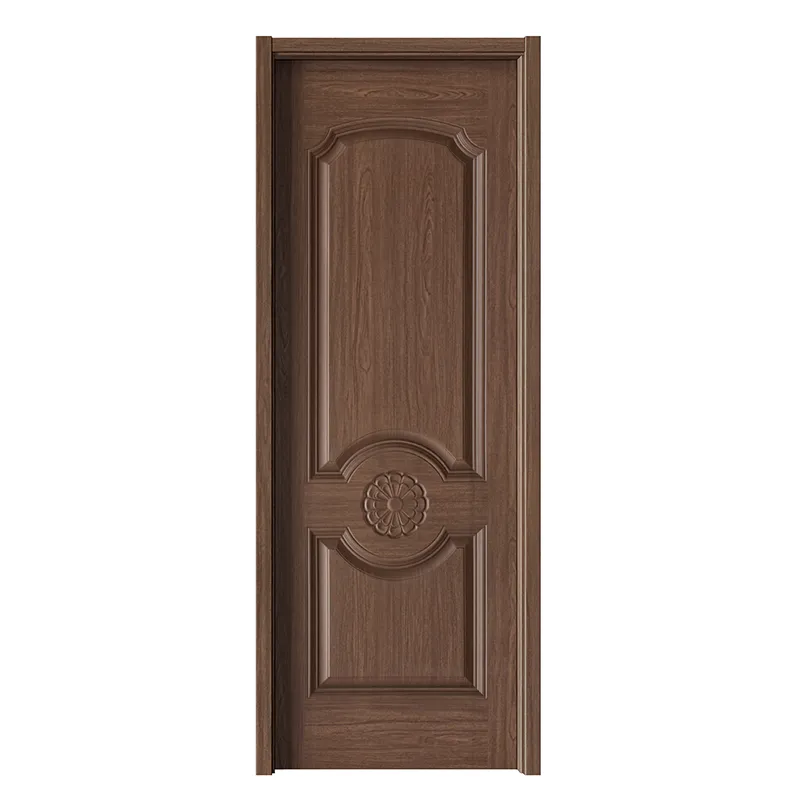
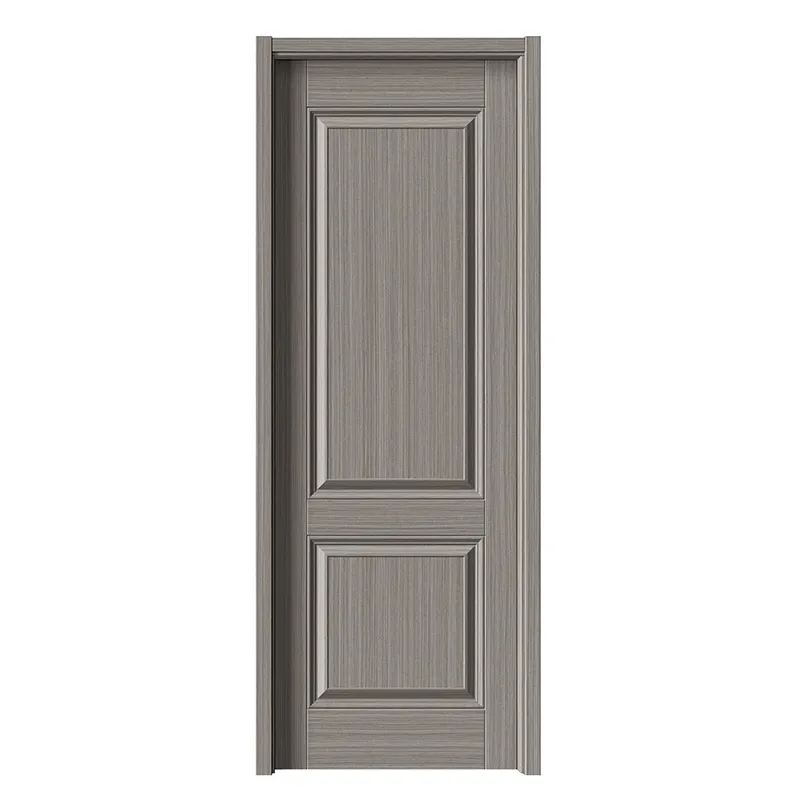
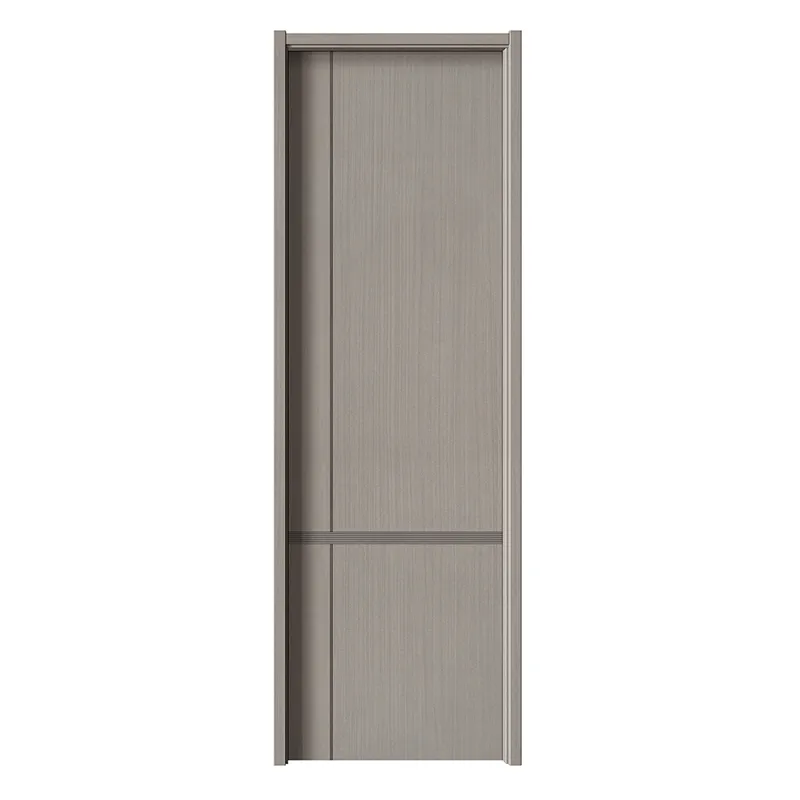
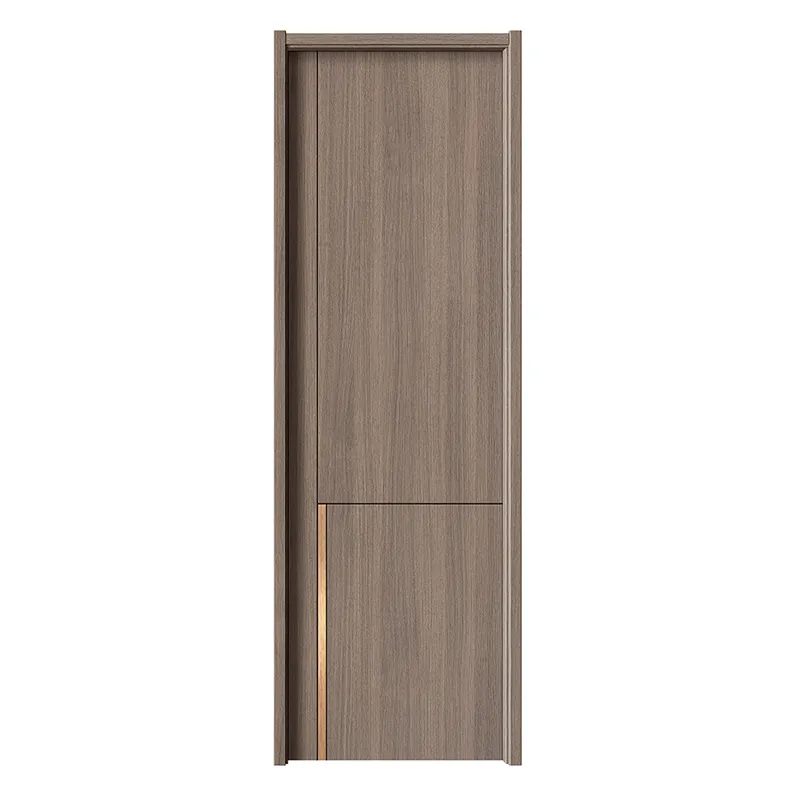

Best Sellingproducts
Best Selling Products-
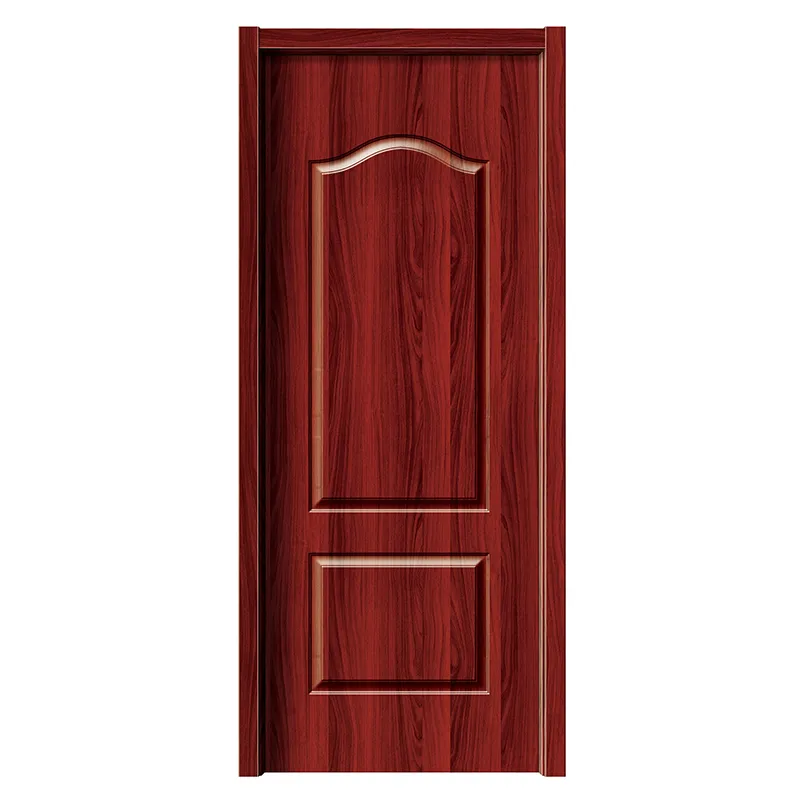 YST-207 Door Red team
 -
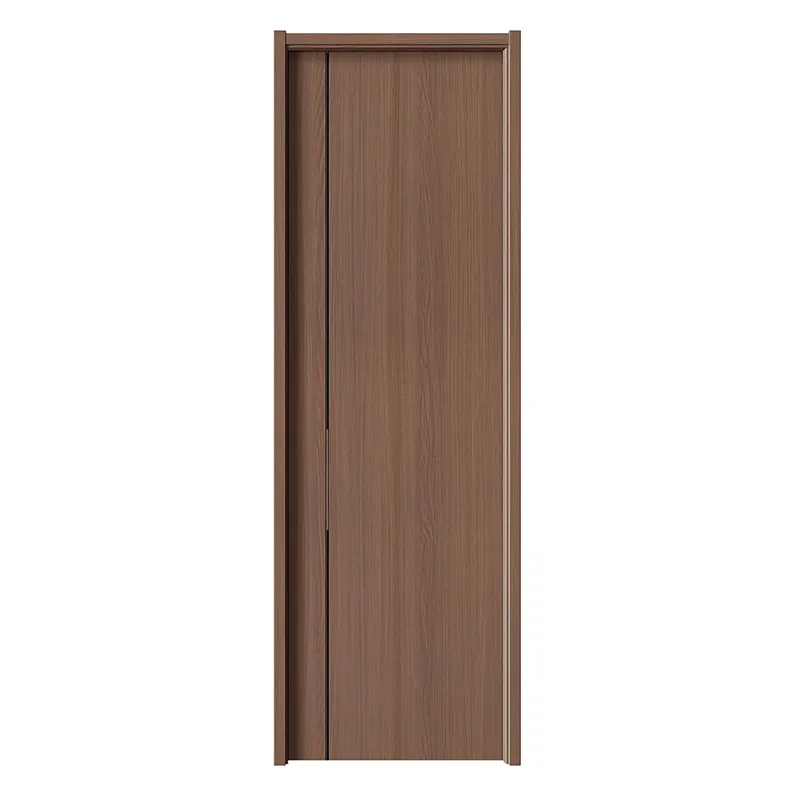 YST-1043 Door Techno-walnut 3
 -
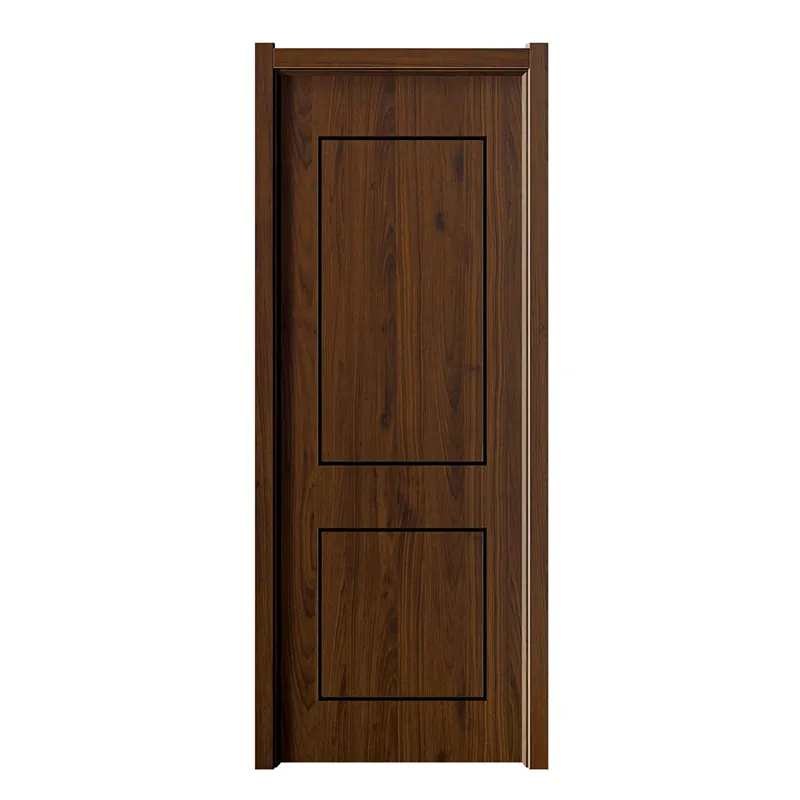 YST-WPC2 Door
 -
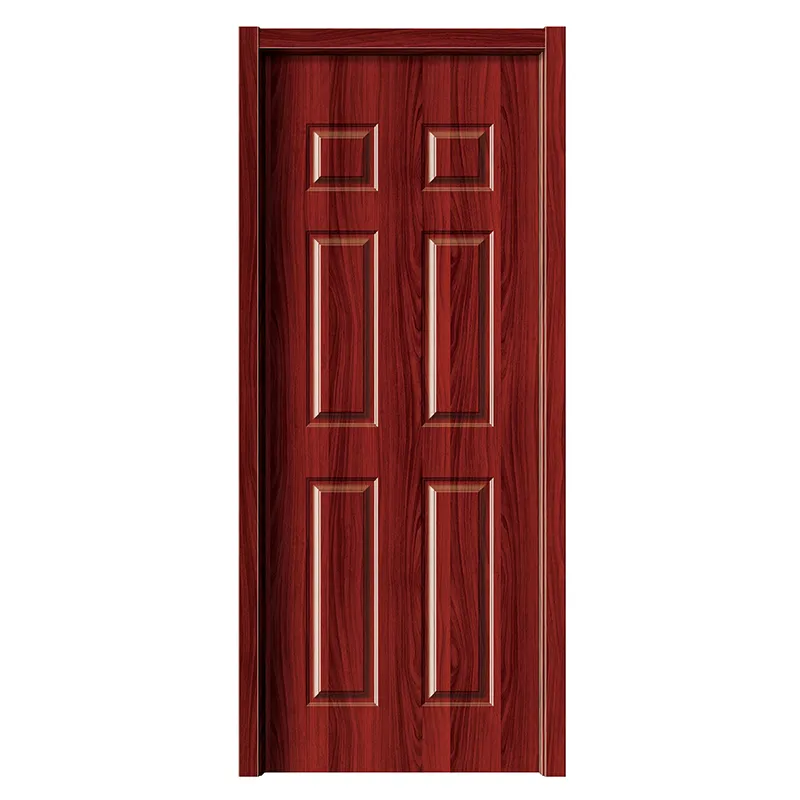 YST-201 Door Red team
 -
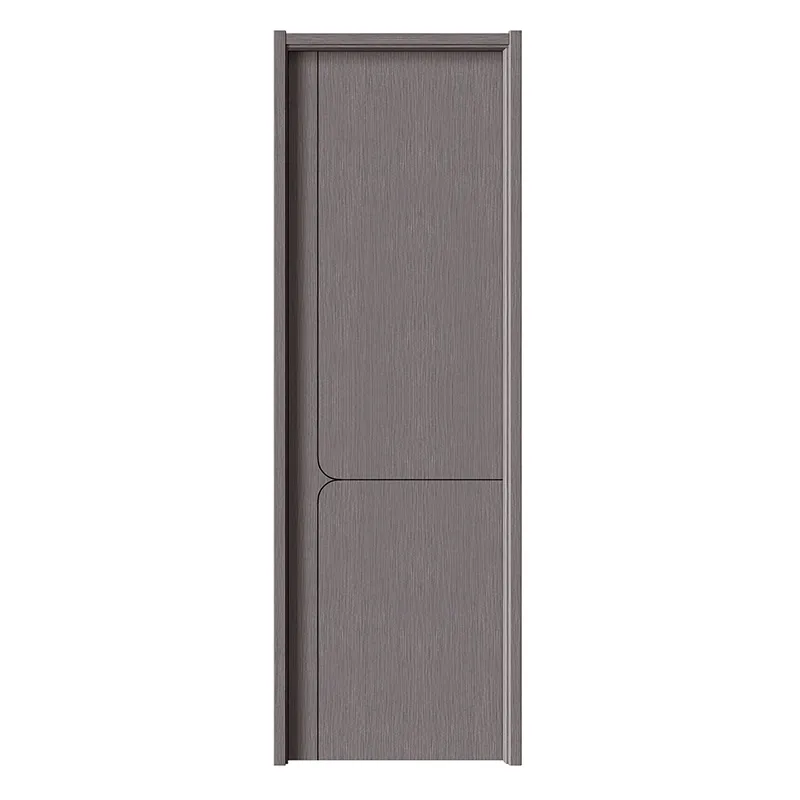 YST-1001 Door Chiaroscuro tree 2
 -
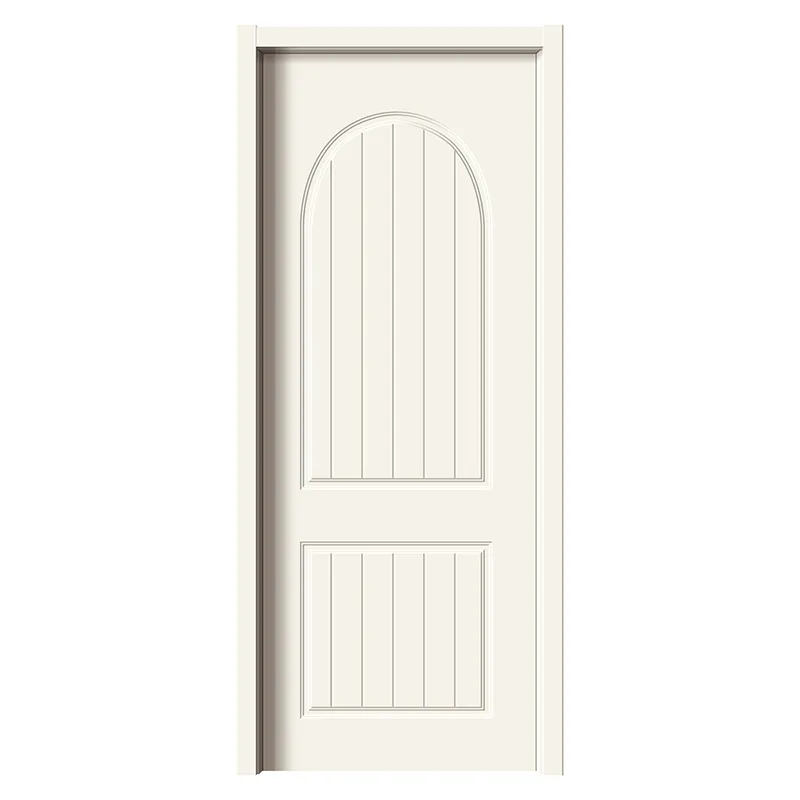 YST-236 Door White ivory
 -
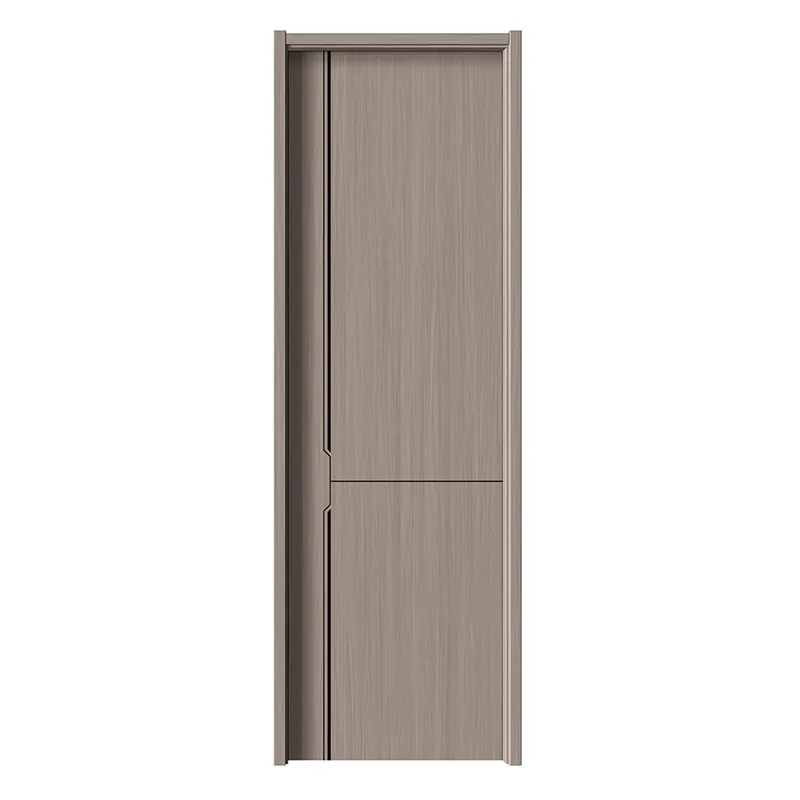 YST-1011 Door Translucent light shadow 3
 -
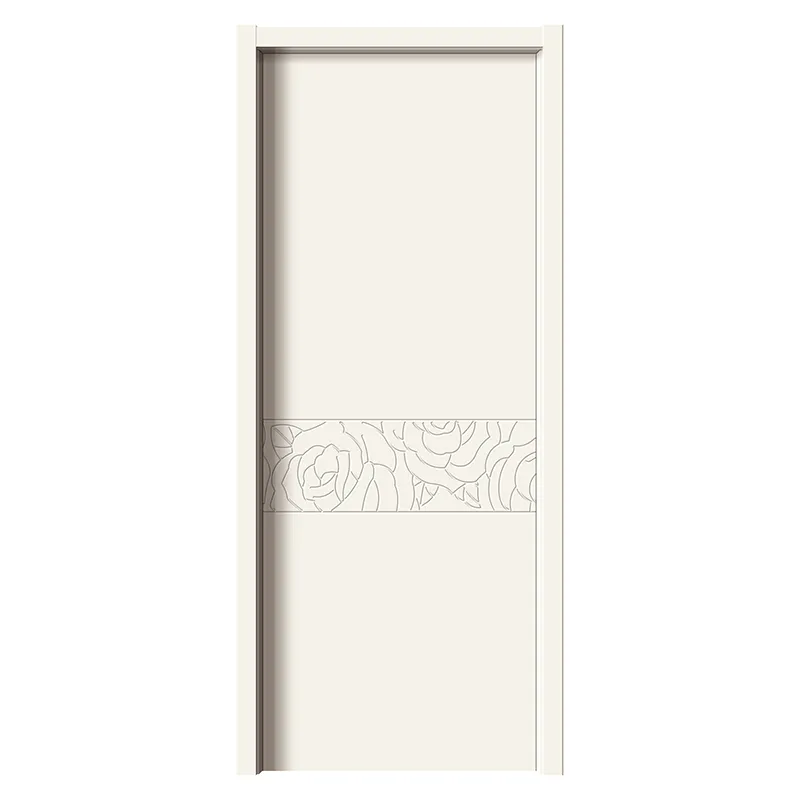 YST-238 Door White ivory
 -
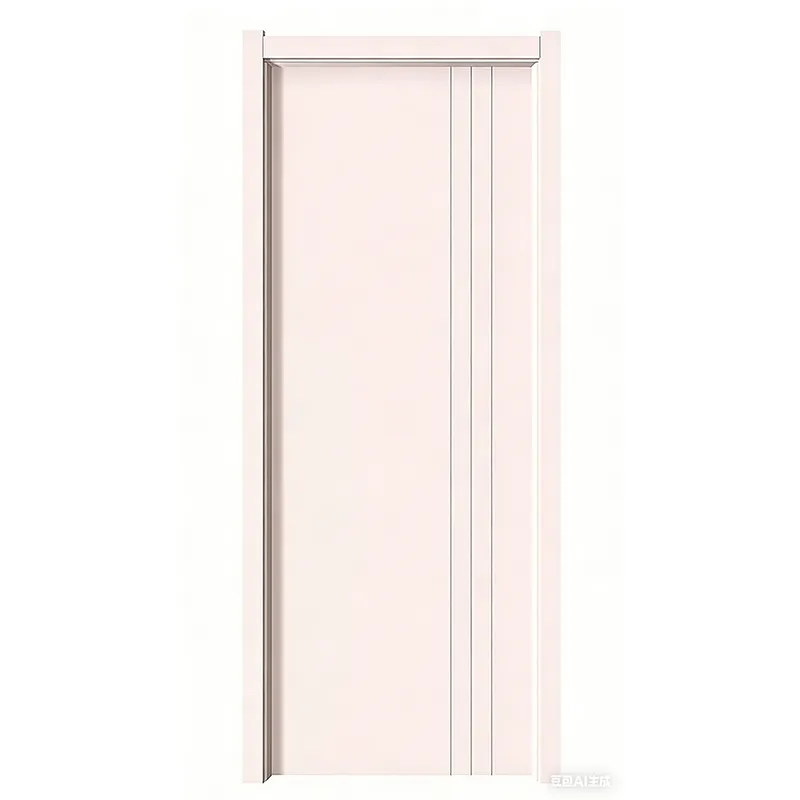 YST-WPC4 Door
 -
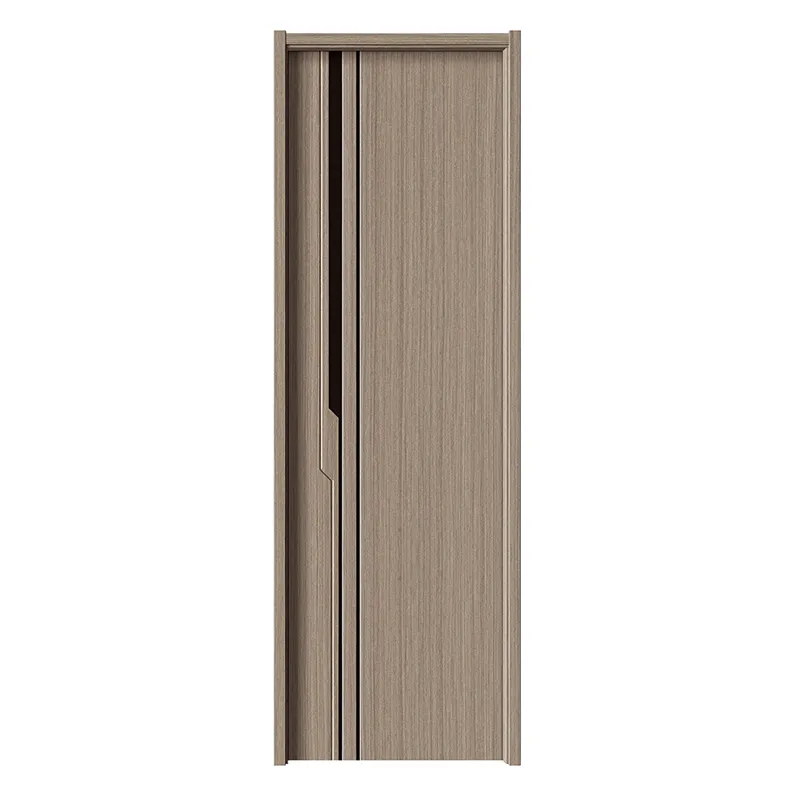 YST-1018 Technowood Door 1
 -
 YST-220 Door Warm white
 -
 YST-224 Door Warm white with relief