




Solid veneer door
Tell me, when you hear “solid veneer door”, what is the first thing that comes to mind? Many people immediately imagine something like this, almost whole, expensive and status. And this is where the fun begins. Often this term means completely different things. Some people are sure that this is almost the same as an array, only cheaper. Others think it's just plywood with a picture. In fact, if we ignore the marketing noise,solid veneer door- this is a complex design, where the quality of the result depends 90% on what is hidden under this very veneer. And it is precisely this pitfall that many people forget when chasing the beauty of texture.
What is a “heart” actually made of? doors
The foundation, the frame - that's where it all begins. You can take a pine beam, or a spliced lamella. The difference is colossal. Pine, of course, is cheaper, but it “drives” it. when there are changes in humidity, if the drying technology is not ideal. I once saw a batch where the manufacturer saved on chamber drying - after six months at the site, cracks appeared at the joints of the frame and cladding. The client is naturally shocked. Therefore, serious players likeAnhui Wantai Woodworking Co.,Ltd, rely on multi-layer laminated wood from stable rocks. It's more expensive, but predictable. Their approach, which they describe as “building a business on precision,” is just right here - without accurate engineering calculations of the frame, the entire aesthetics of veneer goes to hell.
And then - filling. Most often the honeycomb core is made of cardboard. Cheap and cheerful, suitable for light interior options. But if you need at least some kind of sound insulation, look for doors with MDF core or at least with honeycomb crossbars. From my own experience I was convinced: solid cardboard is just a shell, the door turns out empty, literally “paper?”. The sound passes through as if there is no wall. When choosing for a project, you always feel the weight of the canvas - the first rough, but indicative test.
And only after this comes the turn of the veneer. And here too there is a dilemma: natural or reconstructed? Natural veneer of oak, walnut, ash has a unique texture and lively pattern. But it is capricious, it requires a perfectly even base, otherwise all the knots and differences will be clearly visible. Reconstructed (engineered) veneer is more stable, it can be tinted in any color, and a clear repeating pattern can be obtained. But he is “dead”, there is no that depth. For commercial properties it is often reconstructed - stability and price decide. For a private interior, where character is important, natural.
The curse of joints and glue
The most common problem you encounter in practice is delamination or a visible seam on the edge. The technology of edge cladding is a separate science. Simply gluing a strip of veneer is a guarantee that it will come off in a year or two. You need either a solid edge made from the same species as the veneer, or a seamless wrapping technology, where the veneer is folded from the face to the end. Check out the websiteanhuiwantai.ru— their assortment includes models with different approaches to edge processing. This is no accident. A good edge immediately reveals the level of production.
Glue. It's rarely talked about, but it's the basis for longevity. Cheap PVA with a high content of formaldehyde not only stinks, but also loses its elasticity over time and turns yellow. The seam becomes brittle. Modern polyurethane or melamine adhesives are a different matter. They hold tightly and do not react to micro-oscillations of the base. When evaluating a door, I always ask the supplier what kind of glue is used in the lamination. If there is no answer or it is vague, this is a red flag.
I had a sad experience at one facility. We installed beautiful doors made of solid walnut veneer. And after the heating season, barely noticeable but long tubercles appeared along the fibers on several canvases. As it turned out, the problem was the incompatibility of the expansion coefficients of the MDF base and the veneer itself when the adhesive composition was incorrectly selected. The manufacturer, of course, attributed everything to “improper operation”. Since then, for me, the issue of material compatibility is one of the first on the checklist.
What the client actually pays for: hidden work
The final look of the door is varnish. You can coat it with cheap nitrocellulose varnish in two layers. It will shine, but this layer will die from the first contact with sunlight or household chemicals and become cloudy. A high-quality polyurethane or UV-curable coating in 4-7 layers with interlayer sanding is a different story. It is scratch and UV resistant and washable. But the cost of processing also increases significantly. That is why doors that look ?almost the same? in the catalog may differ in price by 30-40%. The difference is in the thickness and durability of this protective layer.
Accessories. Hinges, locks. It would seem like a small thing. But a heavy veneer sheet kills weak hinges in six months. The door begins to sag and creak. I always advise clients not to skimp on hidden hinges with bearings or reinforced card hinges. And definitely do not install cheap Chinese magnetic locks, which cannot withstand the load and loosen the seat in the canvas. It is better to supply fittings from Austrian or German brands once.
And here we return to the global approach. When a company such asAnhui Wantai Woodworking Co.,Ltd, declares strict adherence to standards at all stages, from raw materials to control, it’s just about all these little things. Their design team can draw anything, but without technological discipline on the shop floor, a beautiful picture will remain just a picture. Satisfying the diverse needs of clients, as stated in their description, means understanding that a hotel needs a door with a reinforced coating, and an apartment needs a veneer shade that is perfectly matched to the interior.
Market and choice: how not to make a mistake
Now the market is flooded with offers. Blatant consumer goods from China under the guise of “European quality?” and really decent products. How to distinguish? The first is the price. Realsolid veneer doorwith a high-quality base, natural veneer and good coating cannot cost as much as a laminated MDF door. The second is weight and geometry. Place the canvas on its end - it should not sag. screw, the edges should be perfectly straight. Knock with your knuckles - the sound should be dull, uniform, without voids.
Always ask for a sample - not just a piece of veneer, but a sample of the edge. It shows how the joining was done and how thick the varnish layer is. And, of course, study the manufacturers’ websites. When you see that a company shows production in detail, talks about technology, howhttps://www.anhuiwantai.ru, where their modern base is visible, this inspires more trust than just a catalog with pictures.
In the end, what do we have?Solid veneer door- an excellent balance between the aesthetics of natural wood and the practicality of an engineered structure. But this balance is achieved only with an uncompromising attitude to each stage: from drying the frame to the finishing varnish. Choosing such a door is not choosing a texture from a catalogue. It is the choice of the manufacturer, his reputation and his approach to those “hidden works” that determine whether this door will delight you for ten years or disappoint you after one season.
Correspondingproducts
Related Products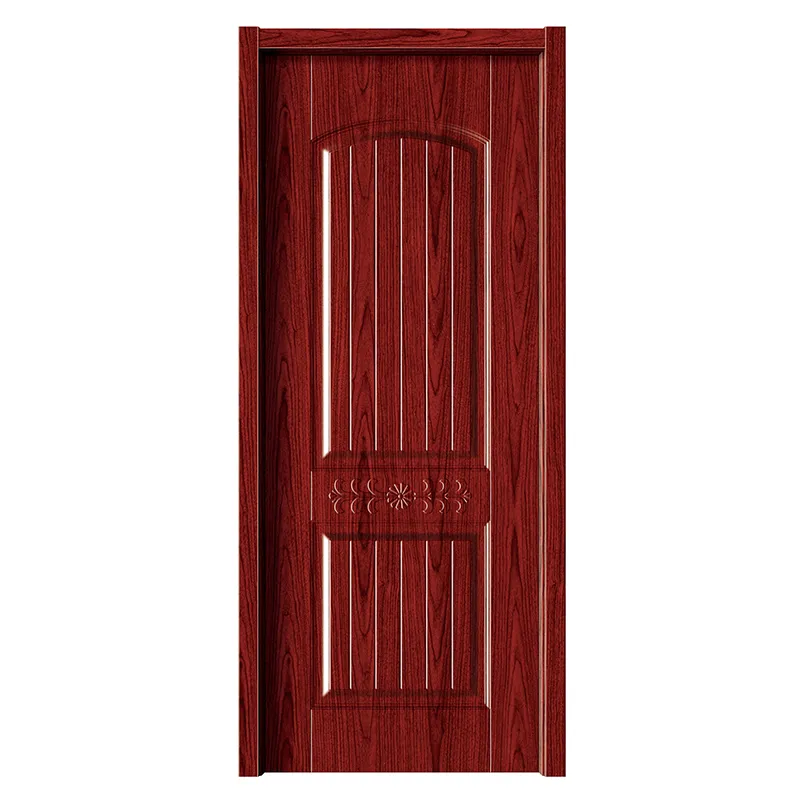
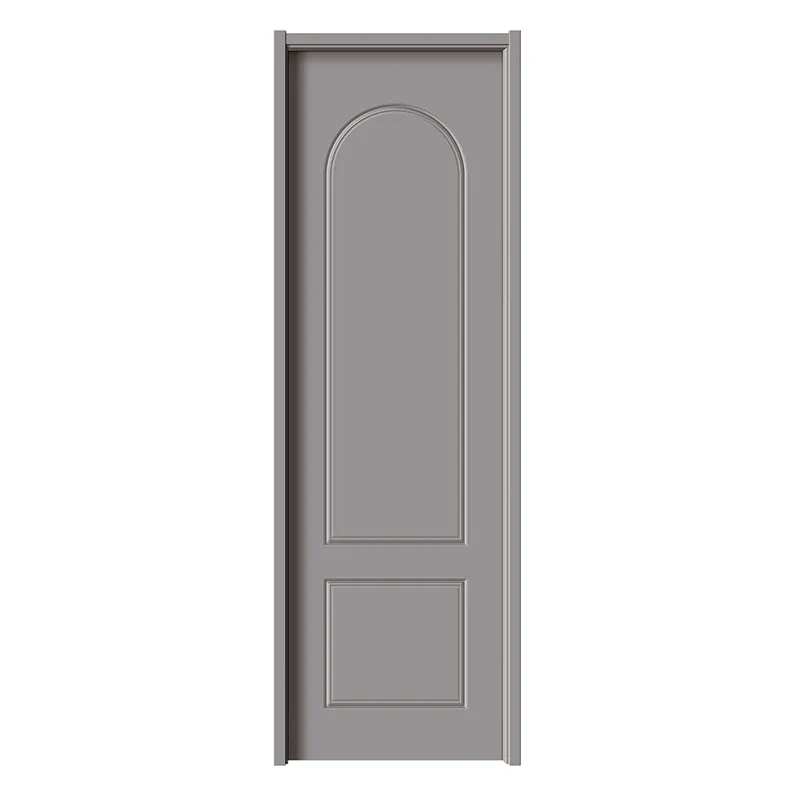
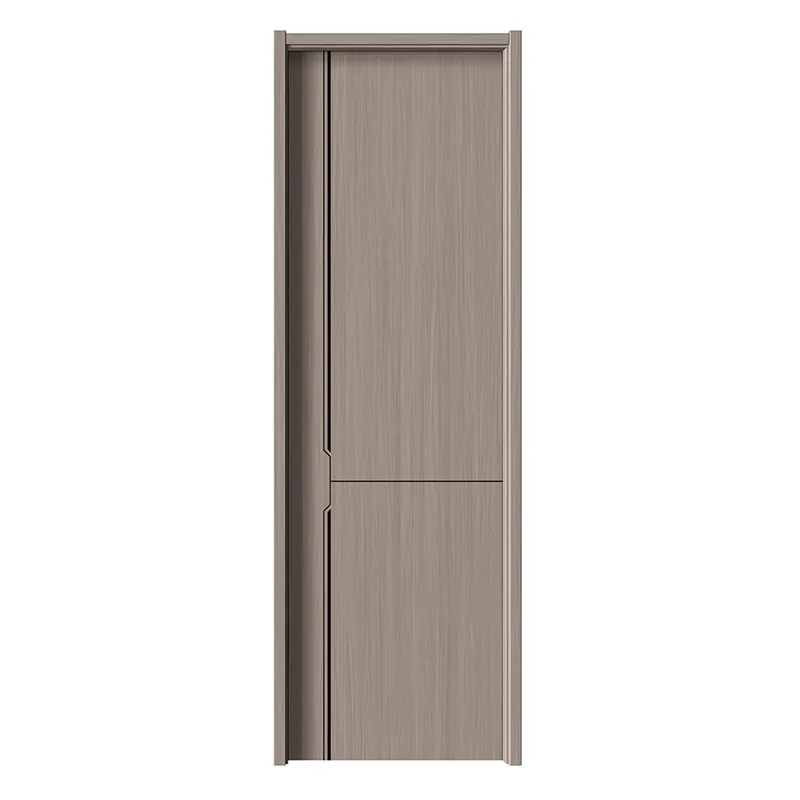
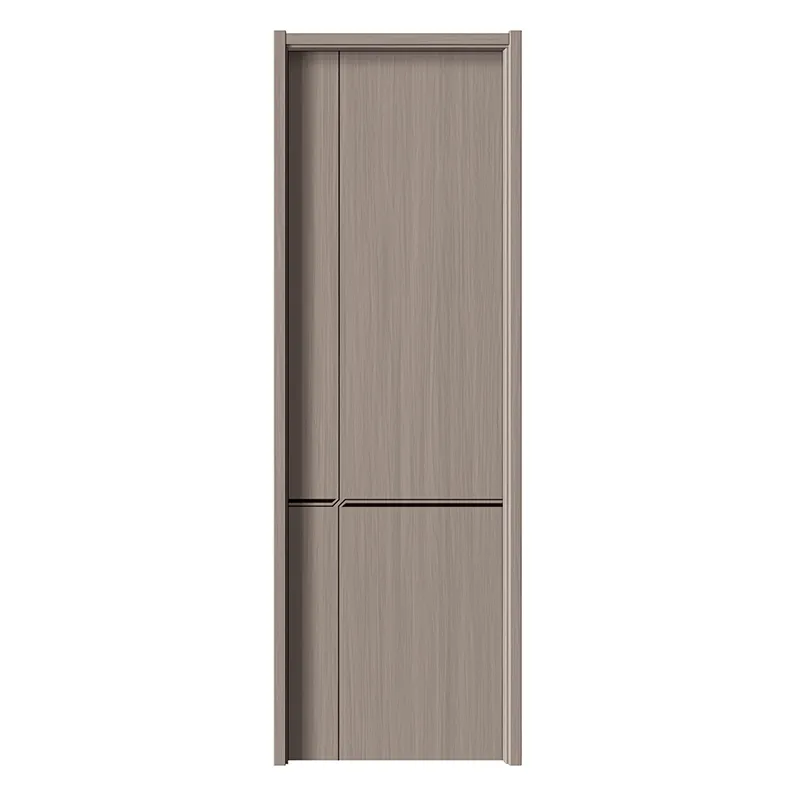

Best Sellingproducts
Best Selling Products-
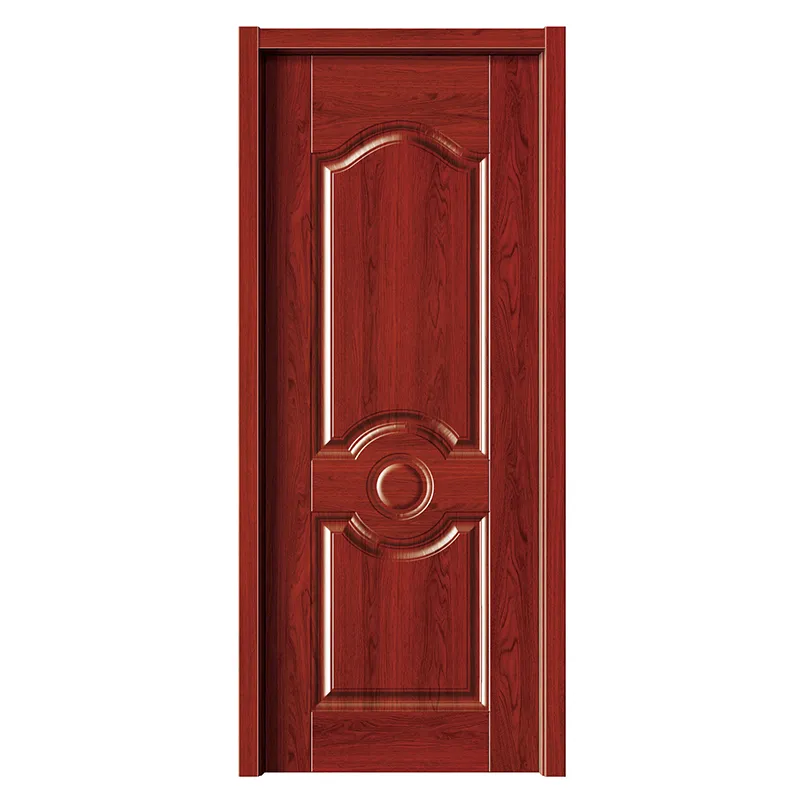 YST-208 Door Red Sandalwood
 -
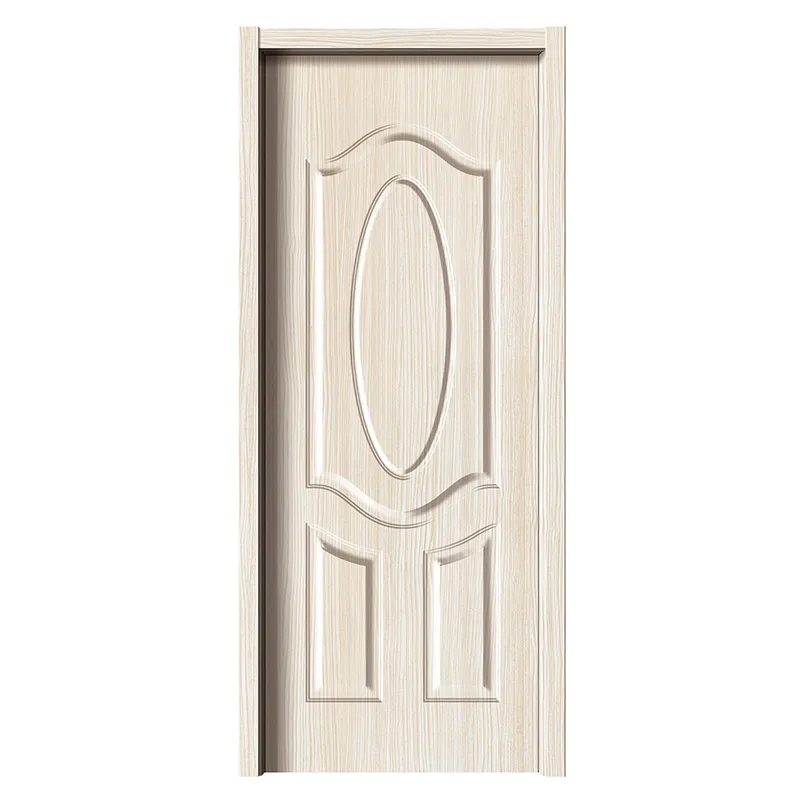 YST-216 Door White Maple
 -
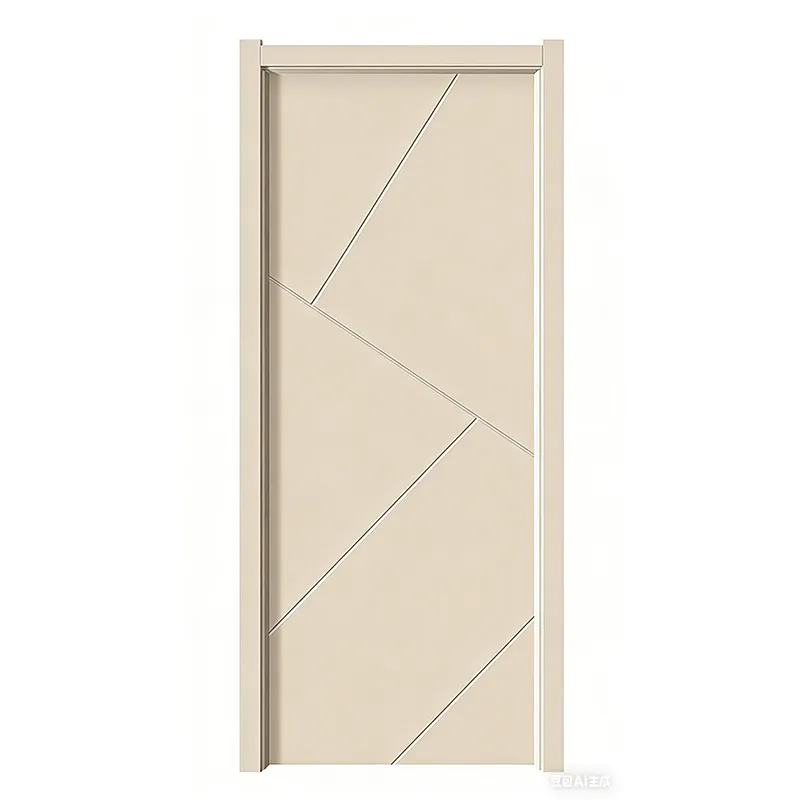 YST-WPC3 Door
 -
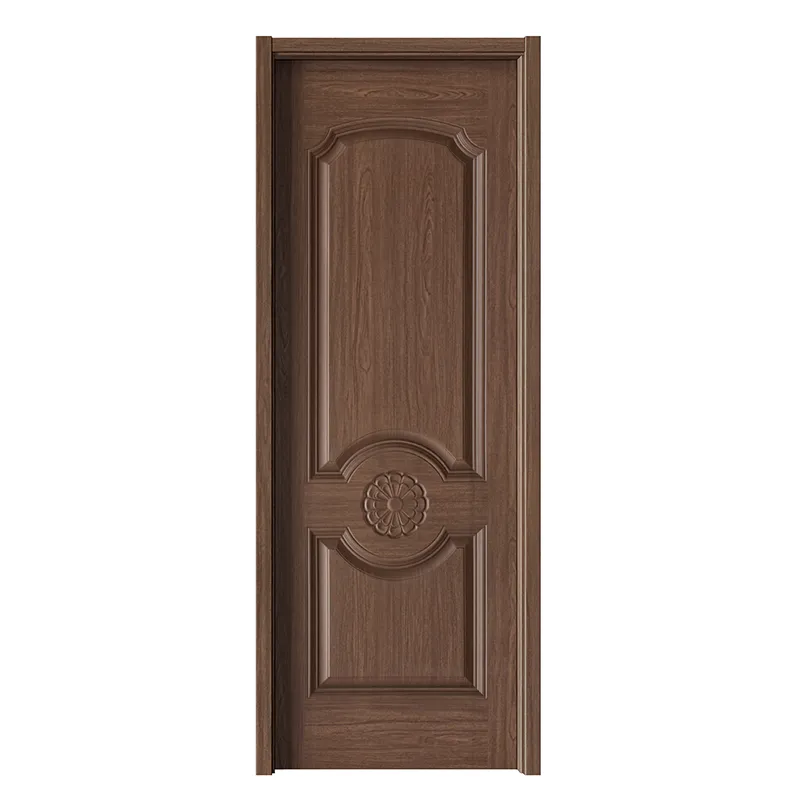 YST-212 Door North American Oak 2
 -
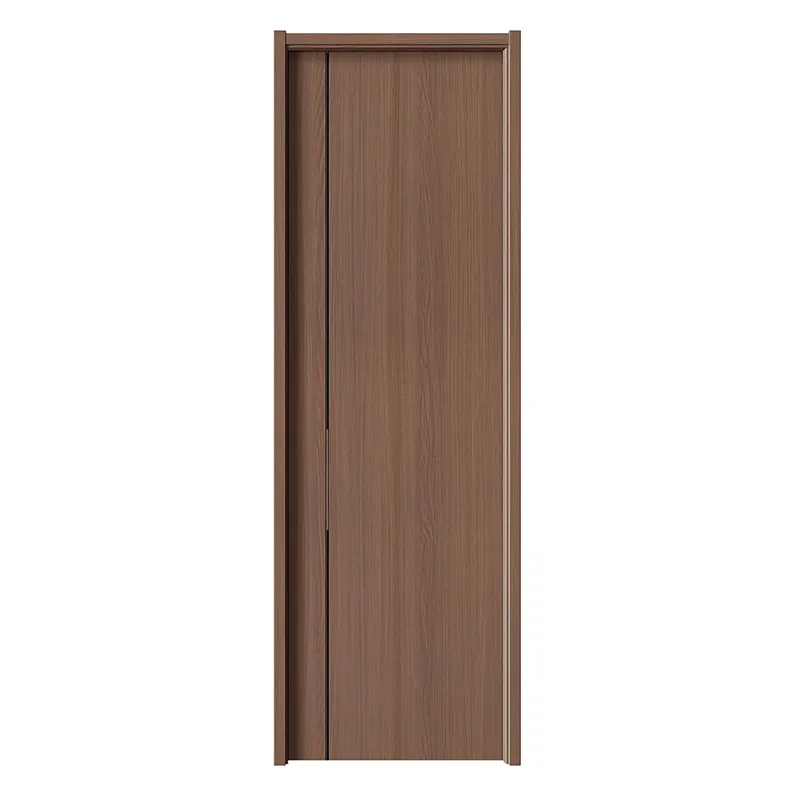 YST-1043 Door Techno-walnut 3
 -
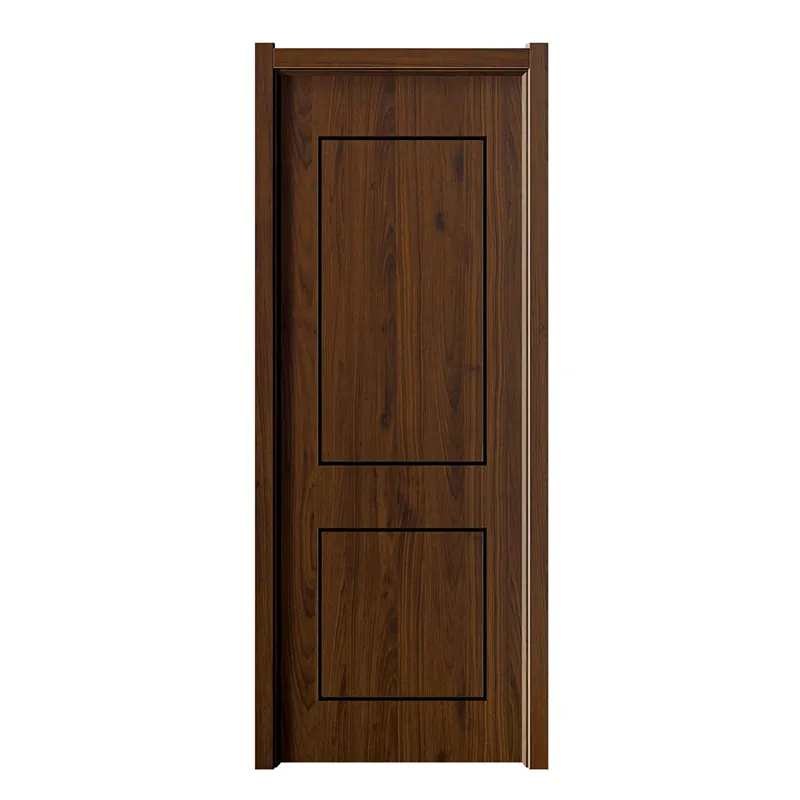 YST-WPC2 Door
 -
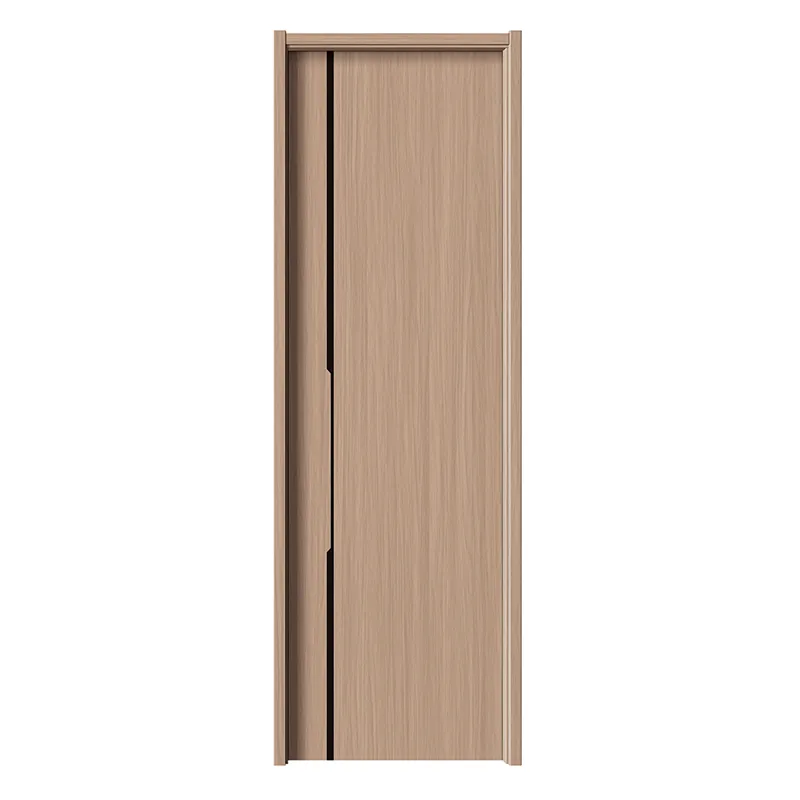 YST-1029 Door Translucent light shade 1
 -
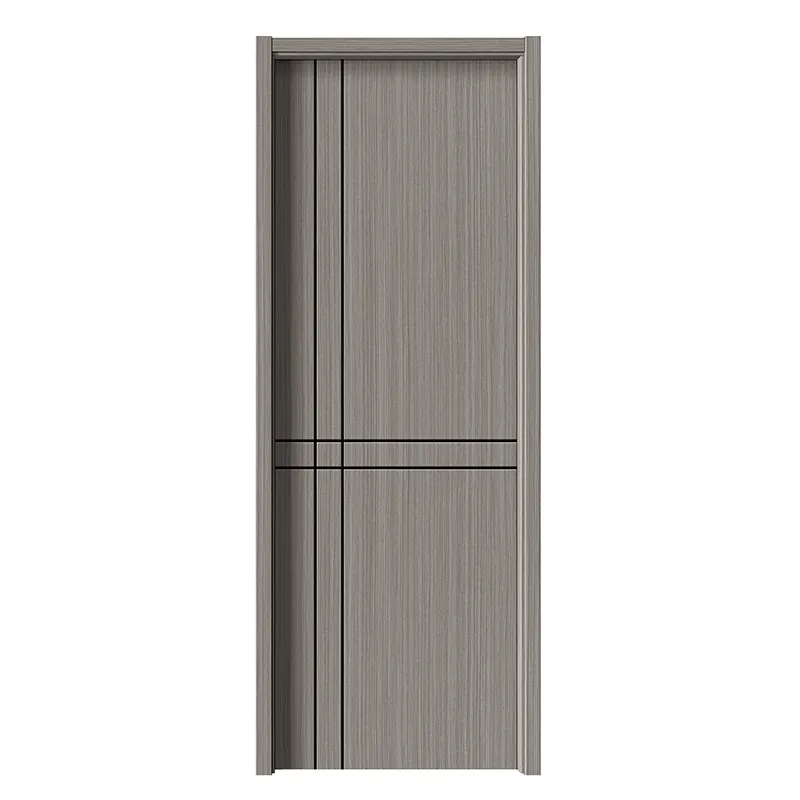 YST-1004 Door Technotree 2
 -
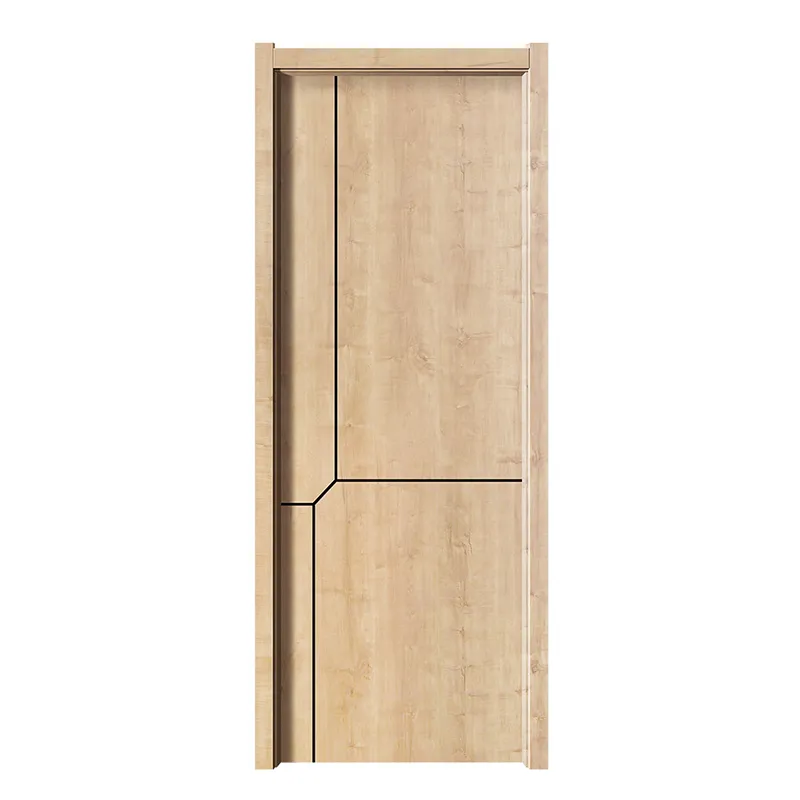 YST-WPC1 Door
 -
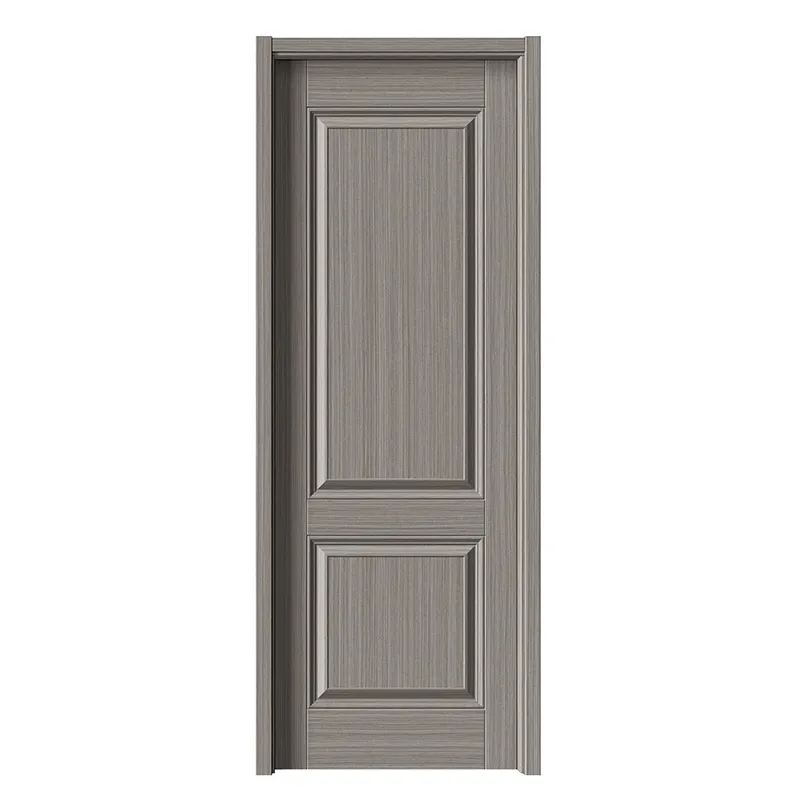 YST-214 Door Technowood 2
 -
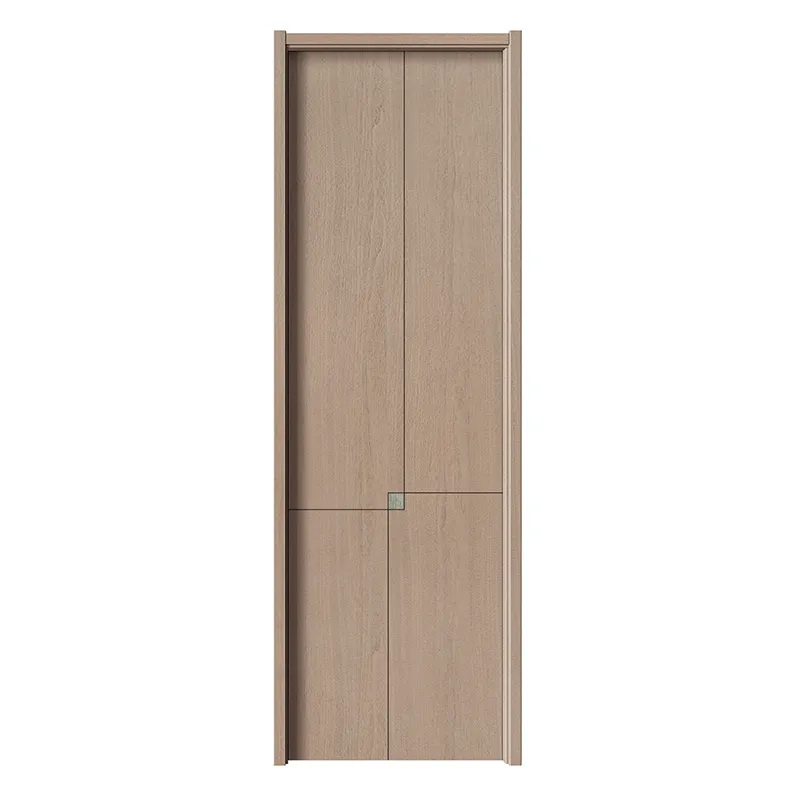 YST-1008 Door Natural walnut 2
 -
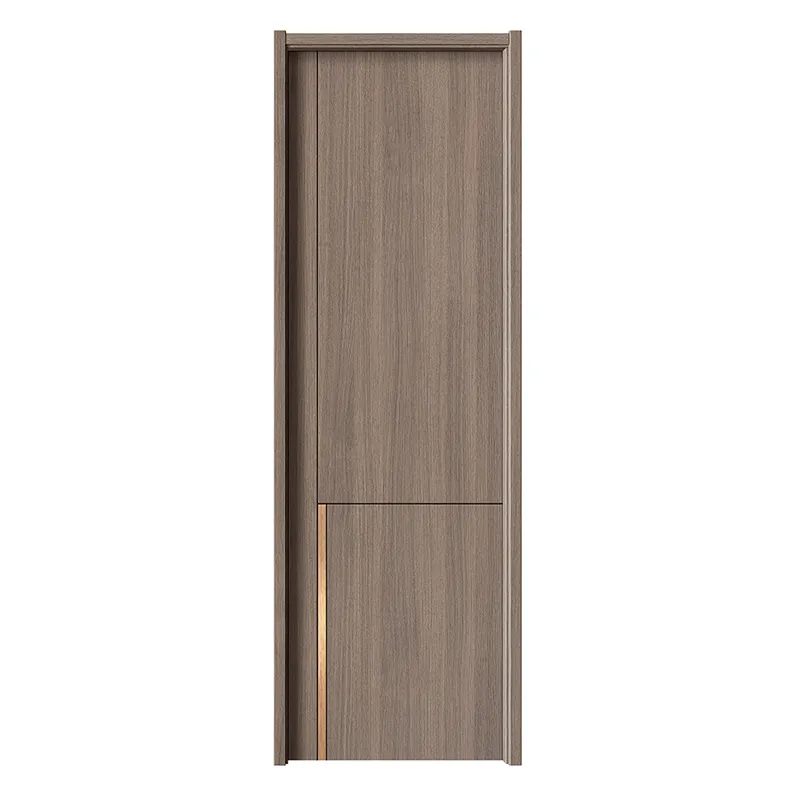 YST-1003 Door Oak gray