




Modern wooden doors
When you hear “modern wooden doors?”, the first thing that comes to mind for many is a cold, ultra-smooth wood-look laminate or featureless panel. And this is the main misconception. In fact, modernity here is not about imitation, but about the manufacturability of processing the wood itself, about engineering solutions that remove old “sores”. massive canvases: warping, heaviness, capriciousness to the microclimate. For a long time I thought that progress had gone into glass and metal, until I started working with products where wood is a living, but absolutely predictable material. Here, for example, is what you should look at first.
What really lies behind the ?modern? design?
Design is not only an external picture. Take, for example, minimalist models. The client sees a smooth, almost seamless surface made of solid oak. And the first thought: “boring and simple?”. But this simplicity is deceptive. To achieve such a plane, without the risk of subsequent deformation, not a solid block is used, but an engineered board - lamellas glued at different angles. This relieves the internal tension of the wood. Previously, we tried to work with solid solids for such projects - the percentage of warping defects was indecently high, especially when shipped to regions with a continental climate. I had to relearn and look for suppliers who understand this physics. I'm looking at the catalog nowAnhui Wantai Woodworking Co.,Ltd— in their section of modern solutions I see this very engineering design at its core. Not every manufacturer writes about this directly, but if you dig into the specifications, it is often there.
Another point is the profile and vestibule. A modern wooden door is no longer just a “slab in a frame”. Hidden hinge systems, magnetic or multi-point locks, built-in perimeter seals - all this requires milling with millimeter precision. I remember how at one site they brought beautiful walnut canvases, but the milling for the hinges was done “by eye”. The result is misalignment, incomplete fit, and draft. I had to remove it and modify it in the workshop. Now I always require technical sheets for processing edges and ends. It is an integrated approach to design, where design is inseparable from engineering, that distinguishes a product that just sits in the doorway from a product that works. On the websiteanhuiwantai.ruIn the description of the company’s philosophy, I see a similar idea: “build a business on precision?”. These are not empty words - without this there is nothing to do in the modern segment.
And of course, coatings. Oil, wax, matte varnishes with a “natural touch” effect. - this is a trend. The gloss is dead. But here lies the catch: this coating is less mechanically resistant than good old polyurethane. The client has to honestly say: beauty and tactility require care. They brought us a batch of doors finished in oil with white pigmentation - it looked amazing. But in a high-traffic facility, after just six months, abrasions appeared on the handles and lower part down to the base. Not a defect, but a feature of the material. Now we always offer an alternative for commercial spaces - more durable varnishes with the same visual effect, but different chemistry.
Raw materials: breed is not everything
Everyone talks about oak, ash, walnut. But quality begins with humidity and harvesting season. Can I buy an “elite” one? oak, but if it was dried in violation of the technology, after a season in an apartment with panoramic glazing, the door can turn into a propeller. We had a sad experience with one batch of interior doors made from so-called kiln-dried beech. Everything seems to be in accordance with GOST. But after installation in a new building with the heating on, several of the panels developed hairline cracks along the fibers. The manufacturer blamed the climate - they say the change is too sharp. To some extent yes, but good engineered wood should compensate for this. Now, when choosing a supplier, the first thing we are interested in is the logistics and storage conditions of raw materials in their warehouse. I see thatAnhui Wantai Woodworking Co.,Ltdin its description, it focuses on the selection of raw materials and process control - this is correct and, alas, not the most common emphasis in mass offerings on the market.
Another layer is the use of alternative but stable rocks. For example, acclimatized American walnut or heat-treated pine. The last one is an interesting story. Heat treatment deprives wood of its hygroscopicity; it almost does not react to humidity. We tried installing such doors in bathrooms and dressing rooms. The result over several years is a five-star geometry stability. But there is a nuance: the color becomes very uniform and dark, and the structure becomes a little fragile. Not suitable for all interiors. But as a technical solution for difficult areas, it is an excellent option. This is the very practical nature that must be combined with aesthetics, as stated in the mission of many companies operating on the international market.
And of course, glued panels. Many clients wince at the word “glued” when imagining chipboard. But a high-quality panel made from solid wood spliced along the length and width is often a more reliable basis for painting or veneering than a solid solid wood. It is devoid of internal tensions. The key word is “quality”. Here it all comes down to the glue (must be environmentally friendly, moisture resistant) and the pressure during gluing. There was a case when at a facility, when the off-season temperature changed, a door made of such a shield emitted a series of quiet clicks - these were the gluing points working due to residual stress. The manufacturer admitted a flaw in the pressing technology. A trifle, but for an expensive object it is critical.
Fittings and hidden systems: where mistakes are most often made
The most common mistake is saving on fittings for heavy wooden panels. You put standard hinges on a door made of solid ash, and after six months they begin to sag and the door catches on the floor. We need reinforced ones, with a bearing, and not two, but at least three, even for interior rooms. Now I always insist on this. Or hidden hinges - beautiful, but require perfectly calibrated installation. One of our installers, an experienced guy, messed up the markings for such a system. As a result, I had to cut out part of the box and install a plug - a nightmare. Now we always make templates for complex systems.
Magnetic locks and closers. The trend is for smooth and silent closing. But a magnet at the end of the blade means additional drilling and weakening of the structure. If the magnet is too strong, children or elderly people may have difficulty opening the door. You need to select according to the weight of the canvas, with a margin, but without fanaticism. I saw a successful solution in one series, where the magnet was built not into the end, but into the threshold, and the counter part was built into the bottom of the canvas. Aesthetic and functional.
Concealed installation systems. We are talking about doors where, after installation, neither the frame nor the hinges are visible. Looks like magic. But behind this magic is a steel frame that is mounted into the opening before the plaster. We once took on such a project without the proper experience. They did not take into account the shrinkage of the new building. A year later, a barely noticeable but unfortunate crack appeared between the canvas and the wall. I had to dismantle part of the wall decoration. Expensive and annoying. Now, for such solutions, we always provide compensation gaps and work only with proven systems, where all components have been thought through.
Installation: theory and harsh practice of the object
You can buy the perfect door and ruin it with installation. The first rule: the door must acclimatize at the site for at least 48 hours, unpacked, in the room where it will be installed. This is constantly neglected. They brought it, unpacked it and immediately into the doorway. And then they are surprised that a month later she was “sick.” It is especially critical for objects with a rough finish, where humidity is high.
The second is preparing the opening. It must be vertical, horizontal and the same width throughout its entire height. This is rare in panel houses. Polyurethane foam is often used as a panacea for all cracks. But foam is not a structural material; it shrinks and breaks down over time. It only fixes and seals. The main load should go to the anchor connections of the box to the wall. I once saw how the ?masters? They installed a heavy oak entrance group only on foam. Six months later, the door became warped due to wind load.
And third - gaps. Between the canvas and the box, between the box and the wall. A gap of 3-4 mm around the perimeter of the canvas is not a disadvantage, but a necessity for air movement and compensation for microdeformations. Many clients want it “together”, thinking that this is better. We have to explain that this is the path to chafing and problems with opening. Here again we recall the principle of accuracy, which is declared by serious manufacturers. Without precise installation, even the most technologically advanced door will not reveal its potential.
Bottom line: where is the market for modern wooden doors heading?
To summarize, a modern wooden door is a symbiosis of traditional material and digital production. What comes to the fore is not the exclusivity of the breed, but the stability of the design, the environmental friendliness of all components (adhesives, varnishes) and intelligent integration into a smart home - hidden sensors, control using a smartphone. But this is the next level.
Now the main challenge is to convey to the end buyer that he is not paying for a piece of wood, but for a complex product in which design, engineering and materials work as one. How, for example, does the companyAnhui Wantai Woodworking Co.,Ltd, positioning its products for the global residential and commercial space market. Their approach, described as a combination of aesthetics and practicality, is the formula for modernity.
For me personally, an indicator of quality is when, a year or two after installation, you arrive at the site, and the door operates as silently and smoothly as on the day of installation, and its appearance only emphasizes the patina of time, and not wear. And when the client, pointing at it, says not “I bought an oak door?”, but “I have an excellent door?”. That's when everything was done correctly.
Correspondingproducts
Related Products
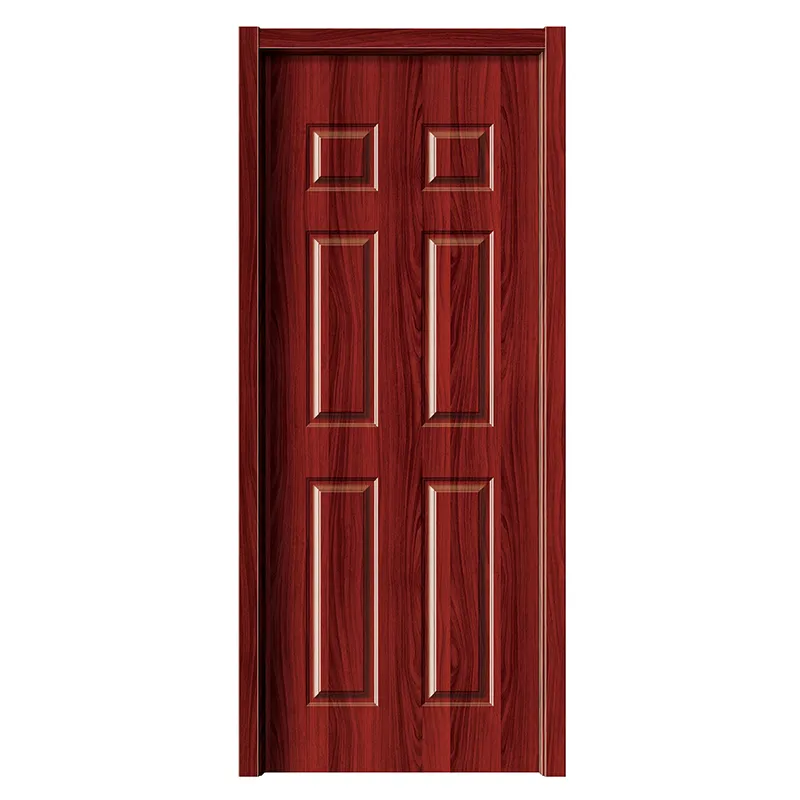

Best Sellingproducts
Best Selling Products-
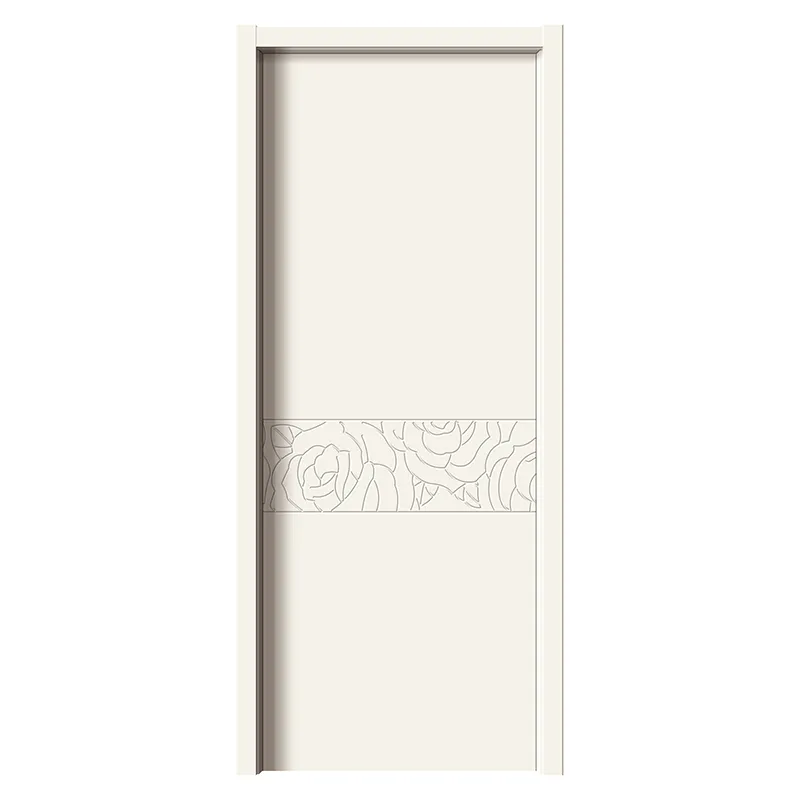 YST-238 Door White ivory
 -
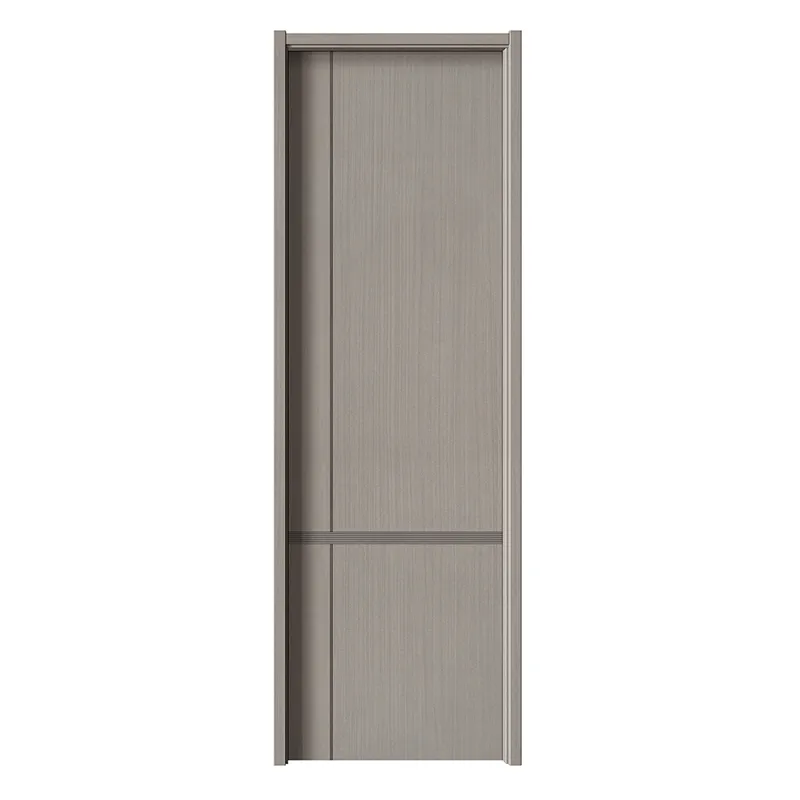 YST-1013 Door Cloud Walnut 1
 -
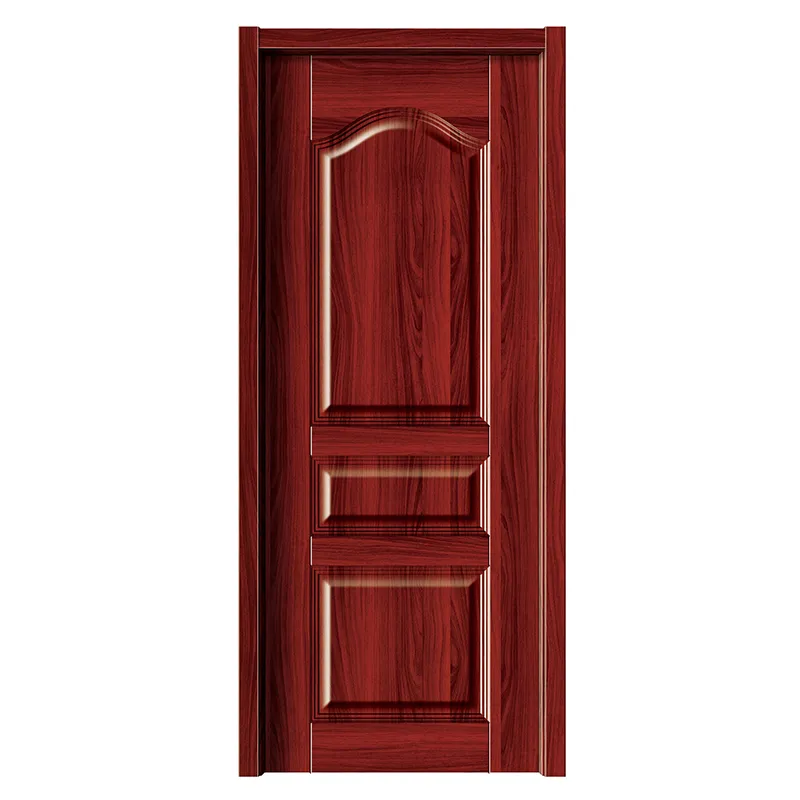 YST-203 Door Red team
 -
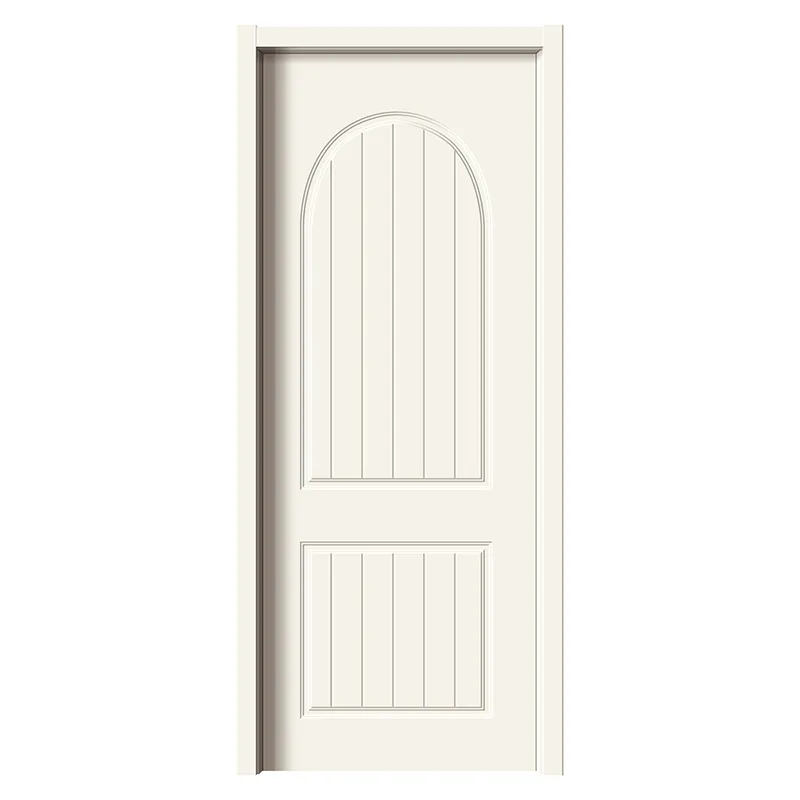 YST-236 Door White ivory
 -
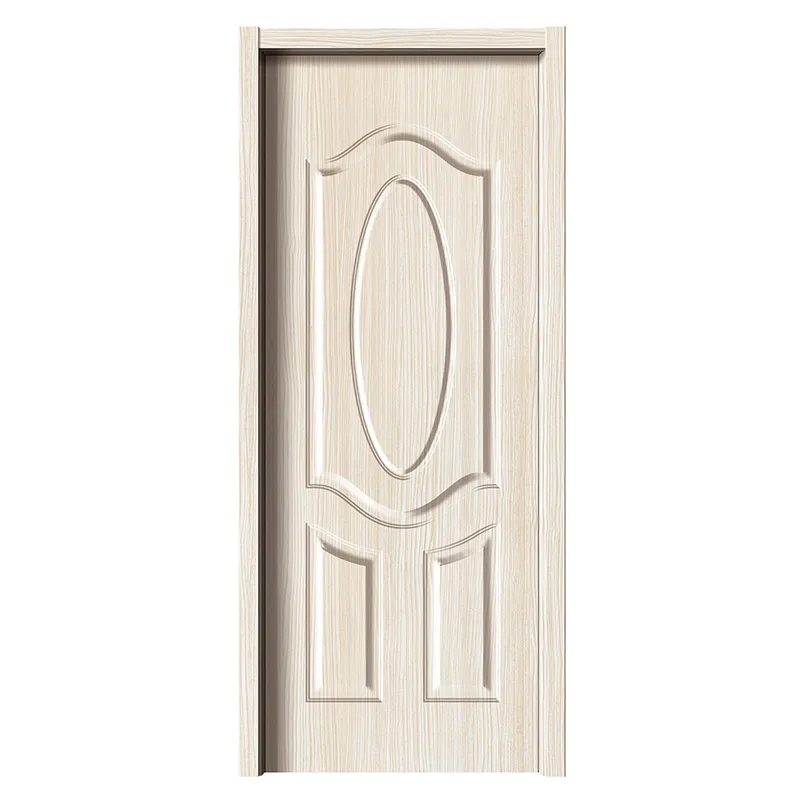 YST-216 Door White Maple
 -
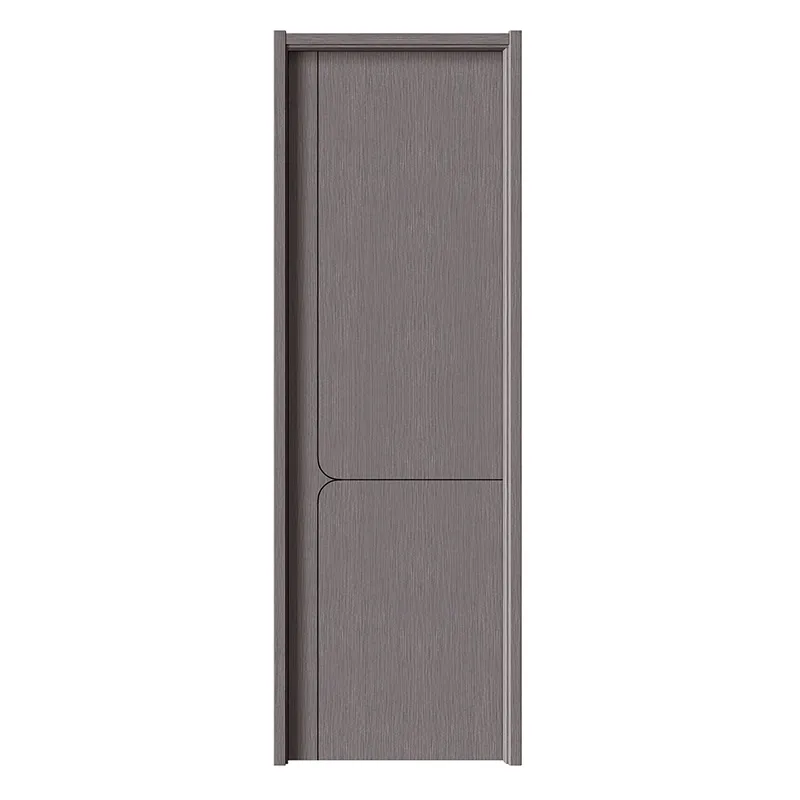 YST-1001 Door Chiaroscuro tree 2
 -
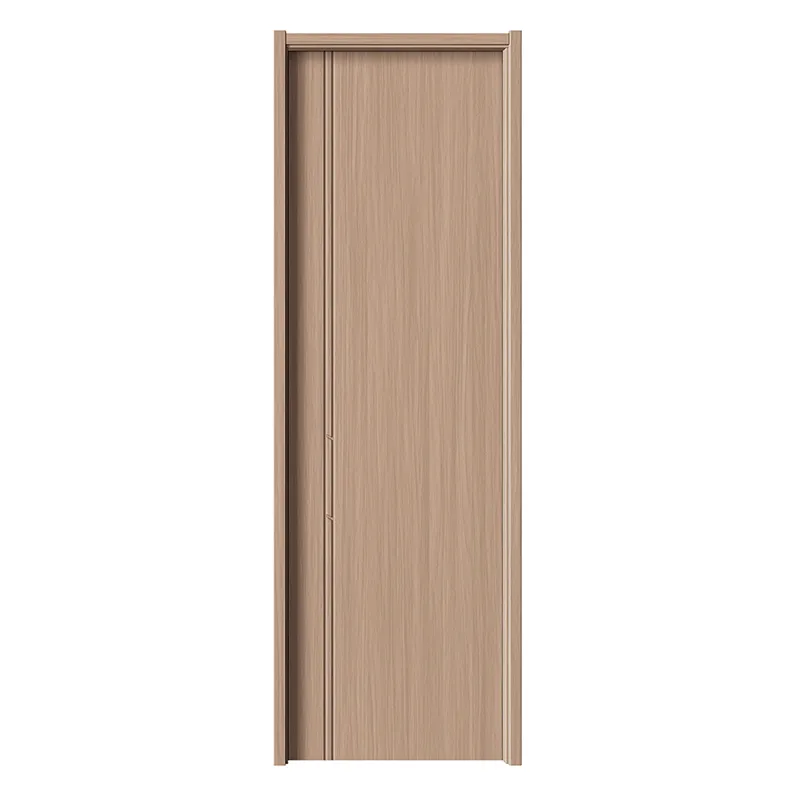 YST-1009 Door Translucent light shade 1
 -
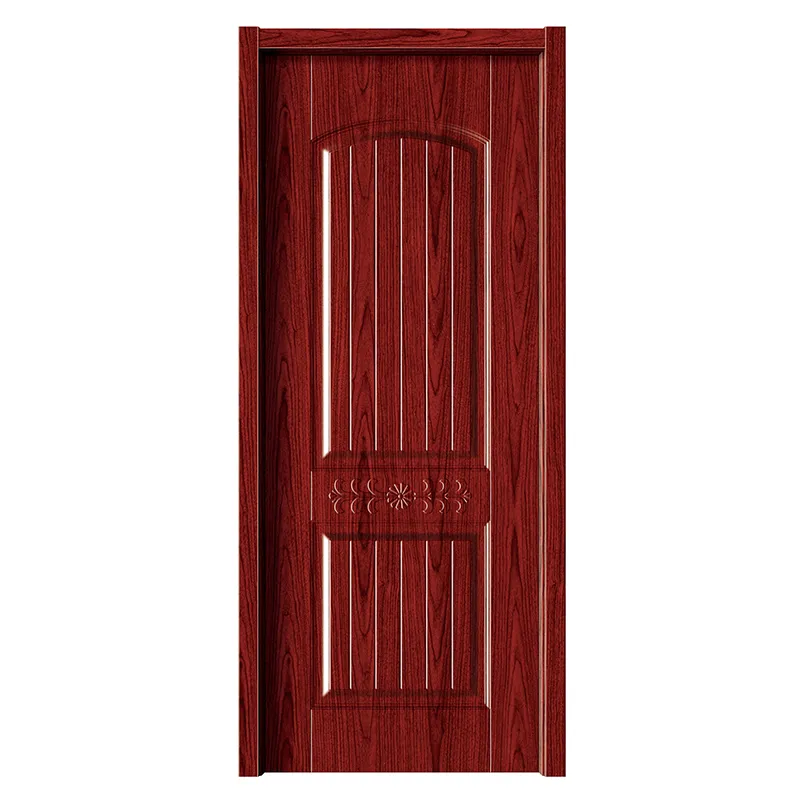 YST-233 Door Mahogany
 -
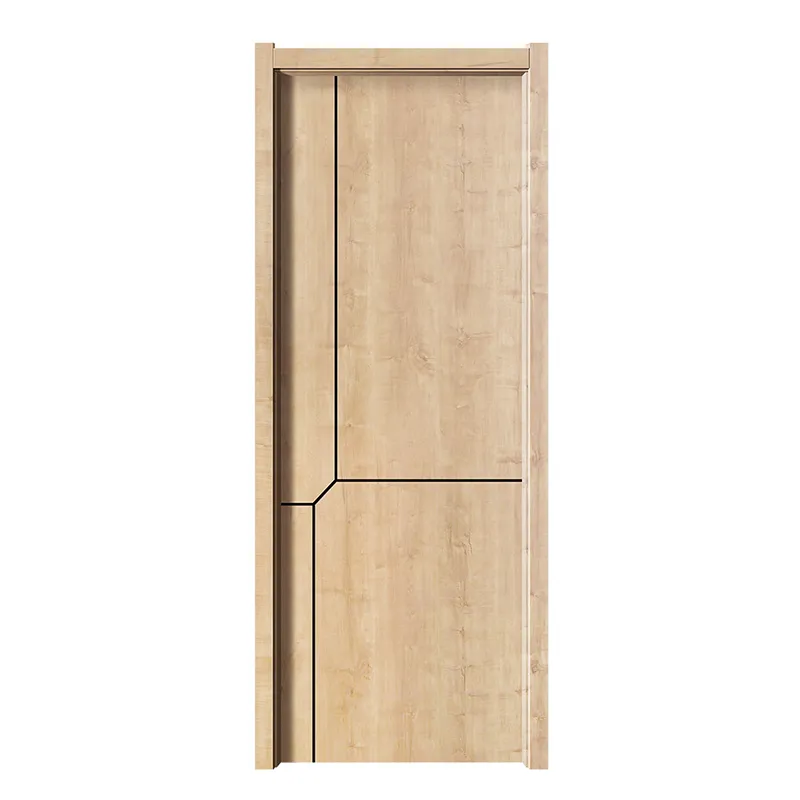 YST-WPC1 Door
 -
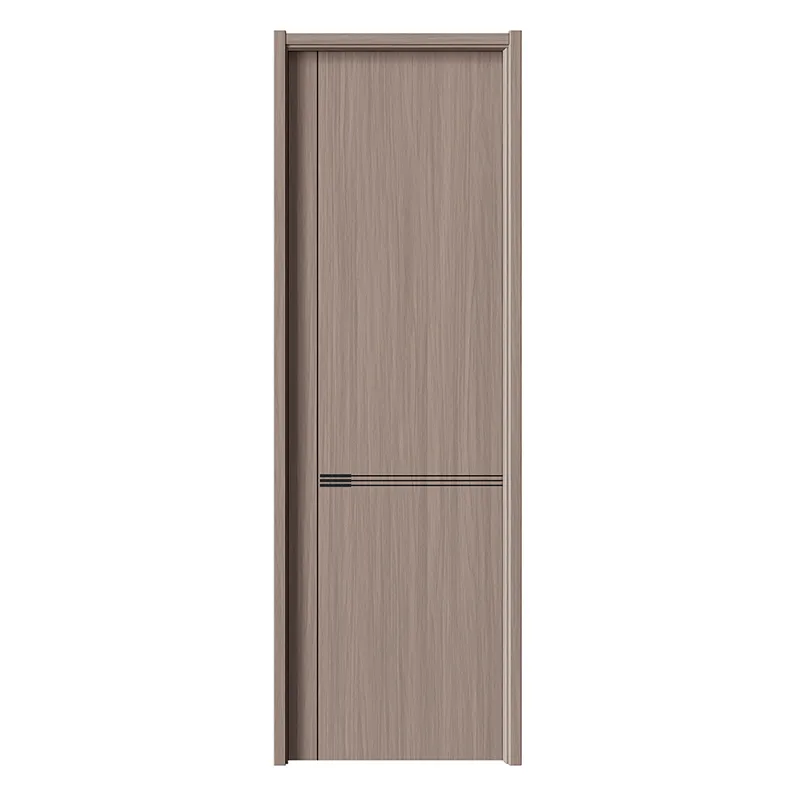 YST-1039 Door Translucent light shadow 3
 -
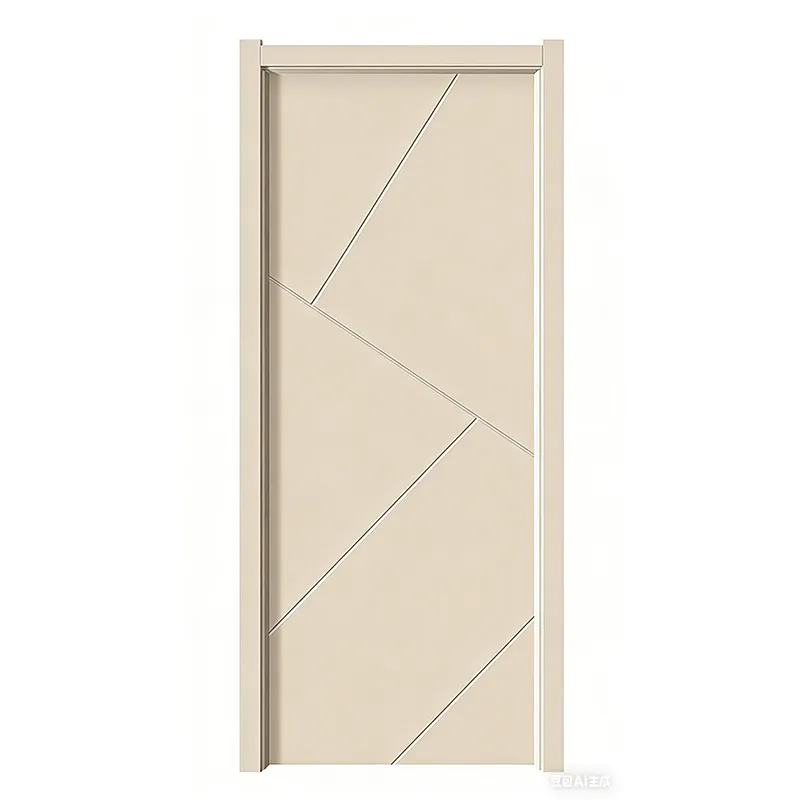 YST-WPC3 Door
 -
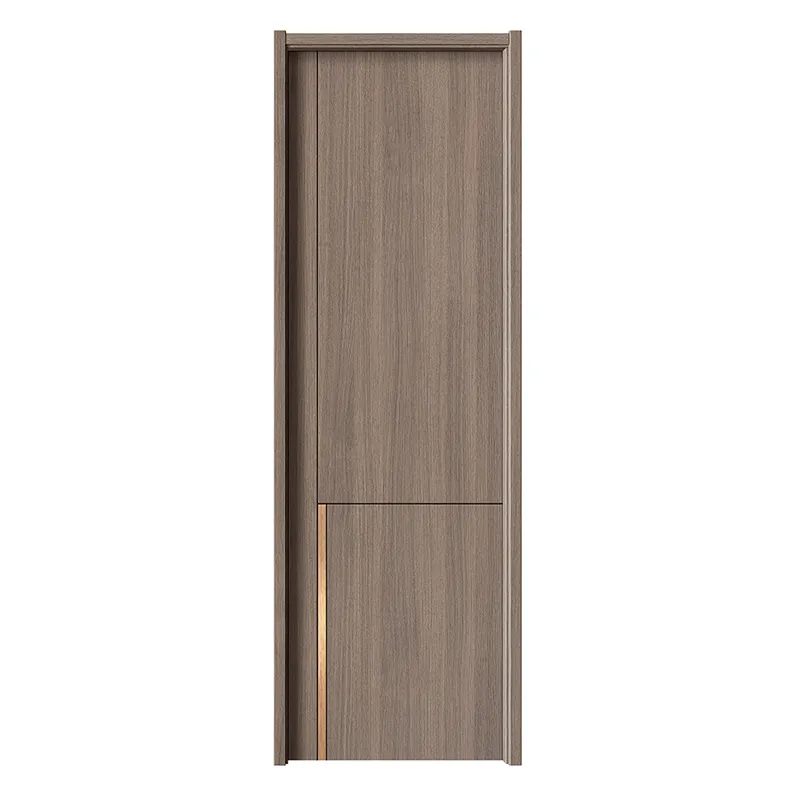 YST-1003 Door Oak gray