




Single-leaf plastic door
When they say “plastic single door”, many immediately imagine a standard block for a balcony or exit to the garden. But this is just the tip of the iceberg. It is often overlooked that even in this seemingly simple category there are a lot of nuances that determine whether the door will just stand there or actually work for many years. The term itself “unicuspid” creates the illusion of simplicity, but this is where the main pitfalls lie - from the choice of profile and reinforcement to installation in an imperfect opening.
Profile and fittings: where you definitely shouldn’t save money
The main misconception is to think that all PVC profiles for doors are the same. In fact, forsingle doorThe class of the profile in terms of wall thickness is critical. For intensive use (going outside, frequent opening), you need a profile of at least 70-75 mm with a three- or even five-chamber structure. I have seen cases where they installed a lightweight 60mm profile at the entrance to the boiler room from the street - after a season and a half it failed and cracks appeared. The reinforcement must be closed, steel at least 1.5 mm. Saving here is a direct path to drafts and deformations.
Fittings are the ?nervous system? doors. The hinges should be adjustable, on at least three axes, and better yet, hidden when it comes to design. A lock or multi-point system is a different story. For streetplastic doorsThe need for at least basic class anti-burglary fittings is often underestimated. I remember an object where the customer saved money by installing a simple handle with a latch on the door to the utility room with access to the yard - it was opened with a pry bar in a minute. Since then I have always insisted on a minimum of 4 trunnions and a steel crossbar.
Another practical point is the threshold. A solid, high threshold retains heat better and protects from water, but this is inconvenient if people constantly walk through the door. An automatic lowering threshold (climate valve) is a great solution, but it requires fine tuning and adds to the cost. Often installers save time by not adjusting its clamping density, and in winter it gets cold from there. Whether this is necessary in a particular case is a question that should be discussed with the client on shore.
Double-glazed windows and filling: not only about light
Bsingle leaf plastic doorThe glass area is often significant, so a double-glazed window acts as a large cold bridge if it is not selected correctly. For most Russian regions, the minimum is a double-glazed window (formula). But if the door faces the north side or onto a noisy street, it is worth considering the option of triplex or multifunctional glass. Yes, it’s more expensive, but noise insulation and energy efficiency increase significantly.
It happens that clients ask for frosted or tinted glass for privacy. It is important to warn here: some tints, especially film ones, can create thermal stress in the double-glazed window when exposed to strong sun heating, which leads to the risk of cracks. It is better to immediately order glass with an internal matte film or satin finish - it is more reliable, although not cheap.
An alternative to glass is a sandwich panel. It is often placed at the bottom of the door leaf to enhance rigidity and insulation. But you need to look at the quality of the filler. Cheap polystyrene foam can shrink over time and a void will appear. Polyurethane filler is denser and more stable. At one of the facilities, it was necessary to redo the door just because of a ringing sound at the bottom - it turned out that the panel had sagged. inside.
Editing: theory and harsh reality
The most perfect door will cost a penny if installed poorly. A perfect opening is rare. Most often we are dealing with skewed concrete blocks or “walking” ones. geometry in wooden houses. Rigid fixation with anchors through the frame is standard, but it is important not to overtighten so as not to deform the profile. The gaps are foamed, but not everyone remembers that polyurethane foam without protection from ultraviolet radiation and moisture on the street side will collapse in a couple of years. A waterproofing tape and a vapor-permeable one on the inside is definitely needed.
A common mistake is installing a door without taking into account seasonal expansion of PVC. In the summer, in the heat, the profile expands. If you place the door close to the slopes without a technological gap, it may get jammed, the fittings will begin to work with force, or even break completely. We had to cut out the slopes after installation to give the door “breathe”. Now I always leave a passport gap, even if the opening seems perfect.
And about the tides. It would seem like a small thing. But if you install the ebb and flow incorrectly with a slope away from the house, water will flow under the frame. And in winter - ice, which will lift the door and break the pressure. I recommend that you always make the flashing wider, extending under the facade finishing, and attach it not to the profile, but to the mounting beam or directly to the wall, so that vibrations from the slam of the door do not loosen the fasteners.
When plastic is not a panacea: limits of application
Plastic doors are good for most typical situations: balconies, terraces, exits to the garden. But there are times when it is worth considering an alternative. For example, in commercial premises with high traffic (office centers, cafes) even reinforcedplastic doormay not withstand the load on the hinges and closer. Here you already need an aluminum profile or combined solutions.
Another point is design. Modern plastic can imitate the texture of wood, but it is still an imitation. If the project requires status, natural materials and special aesthetics, a plastic door, even the most expensive one, may look alien. Companies that rely on wood work in such niches. Here, for example,Anhui Wantai Woodworking Co.,Ltd(their website ishttps://www.anhuiwantai.ru). They supply wooden doors to the international market, where both design and practical characteristics are important. They have their own production base, a development team, and they work on the principle of “building a business on precision, winning with quality.” For premium commercial projects or private homes where natural wood is desired, such solutions are a more appropriate choice. Plastic is more often about functionality, energy saving and affordable price.
Also, you should not install a standard plastic door in unheated rooms such as cold warehouses. Sudden temperature changes can cause seals to lose elasticity, and fittings (especially locks) can freeze. For such conditions there are special “cold” ones. or, conversely, “warm?” series with other sealing materials.
Manufacturer selection and practical advice
There are hundreds of offers on the market. How not to get lost? The first thing is not to chase the lowest price. Cheap profiles are often made from recycled materials; they are less resistant to ultraviolet radiation and may turn yellow. It is worth asking the supplier for certificates for the profile system (Rehau, Veka, KBE, Gealan - proven brands) and fittings (Roto, Siegenia-Aubi, Maco).
The second is to look at finished objects or at least samples. Pay attention to the quality of the welds on the frame and sash - they should be smooth, without sag. Check the movement of the fittings on the demonstration stand. If the door is already at the site, talk to the foreman - installers usually know which models are least capricious. after installation.
And last, but most importantly, first: clearly define the task. What is the door for? How often will it be used? What are the main threats: cold, noise, burglary, moisture? Answers to these questions will narrow your search and help facilitate the dialogue with the supplier. Sometimes it’s better to pay extra for an option (for example, the same climate valve or anti-burglary pins) than to redo the entire structure later. As practice shows, it is on the little things that people most often save, and then these same little things cost many times more.
Correspondingproducts
Related Products

Best Sellingproducts
Best Selling Products-
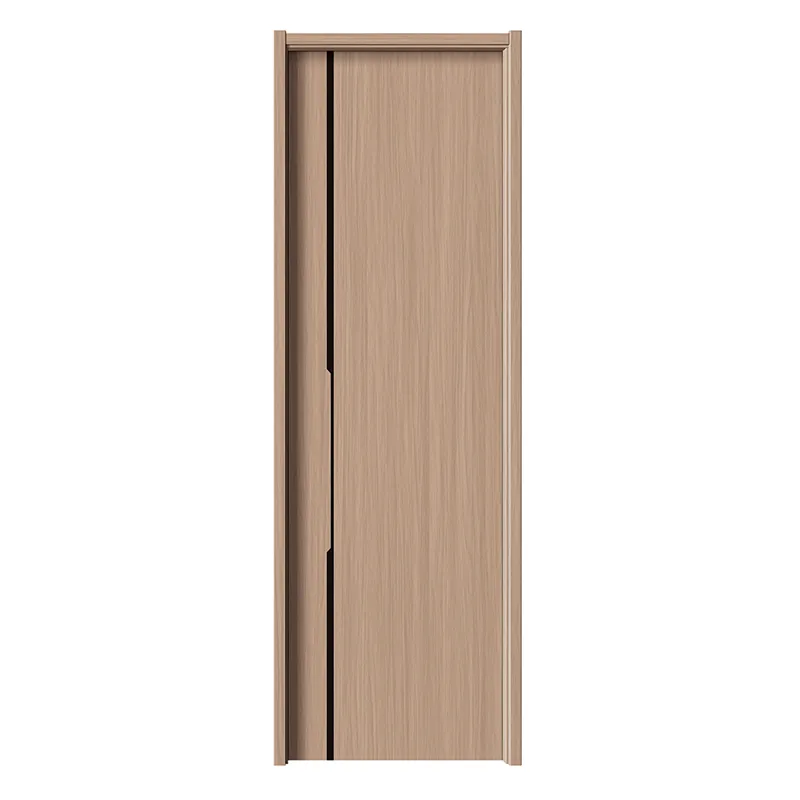 YST-1029 Door Translucent light shade 1
 -
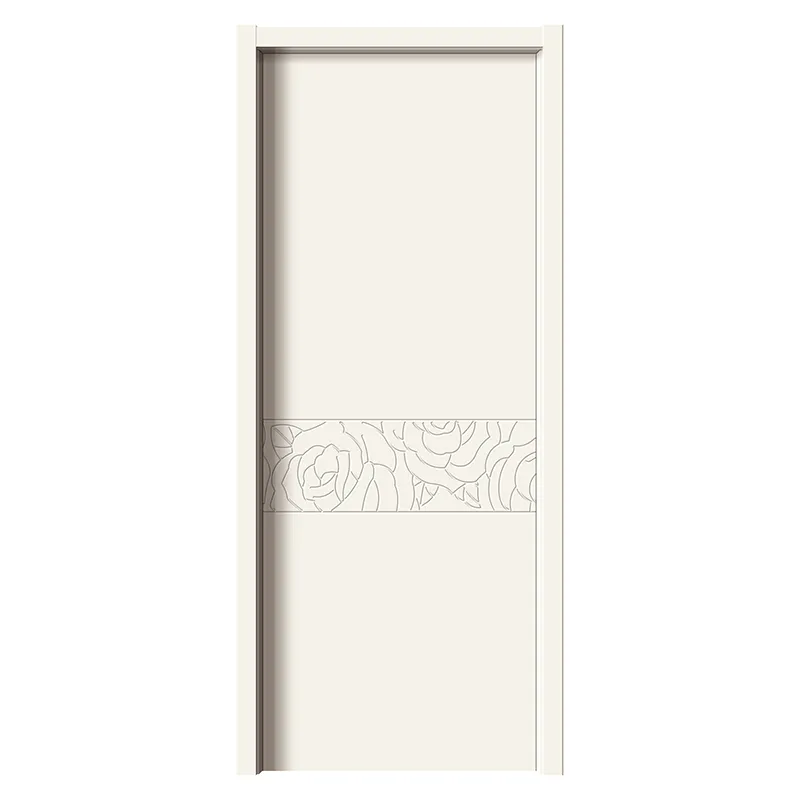 YST-238 Door White ivory
 -
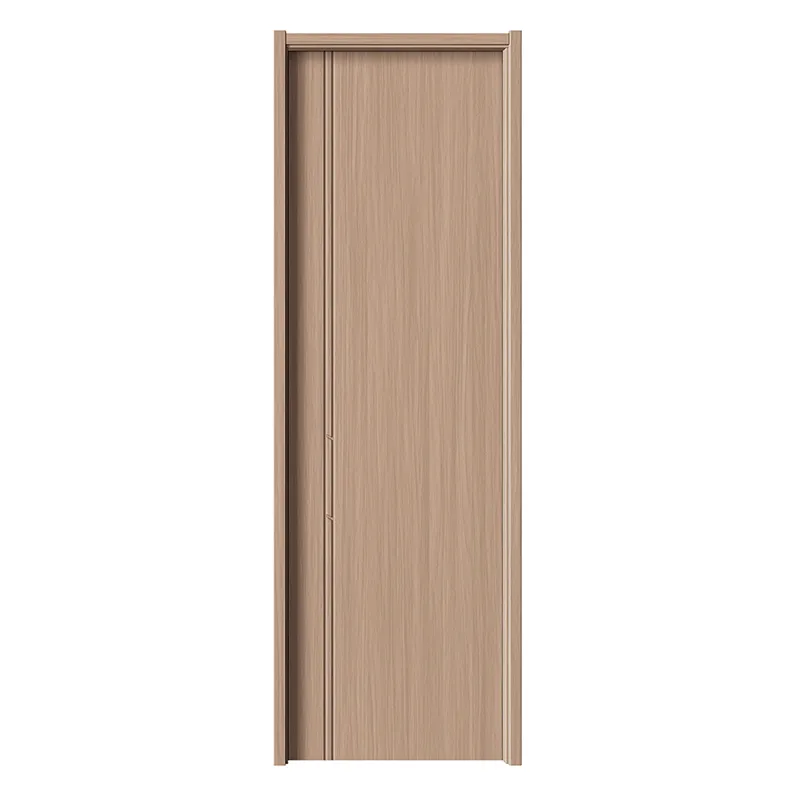 YST-1009 Door Translucent light shade 1
 -
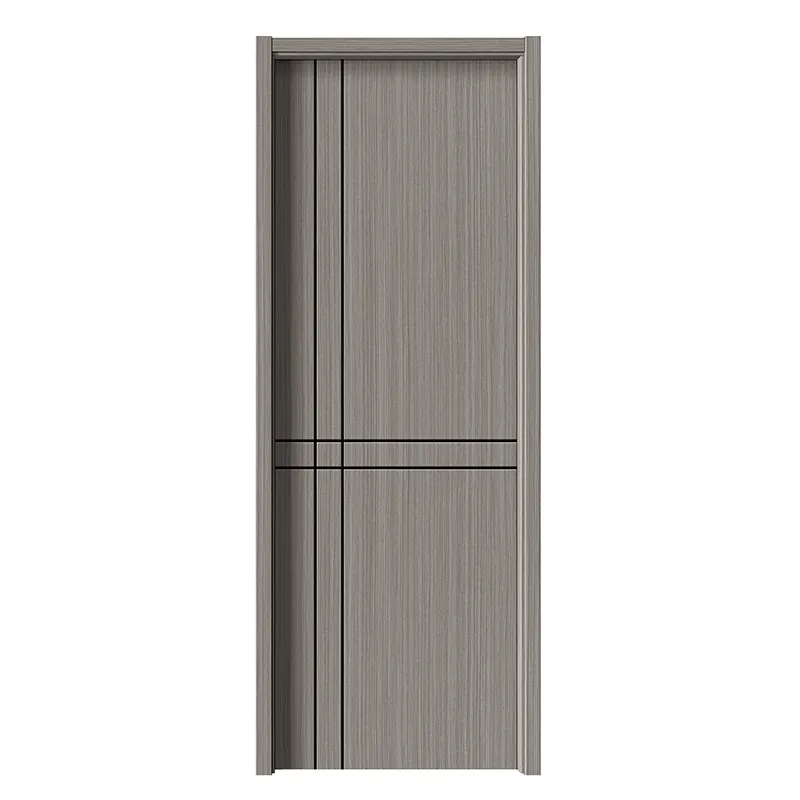 YST-1004 Door Technotree 2
 -
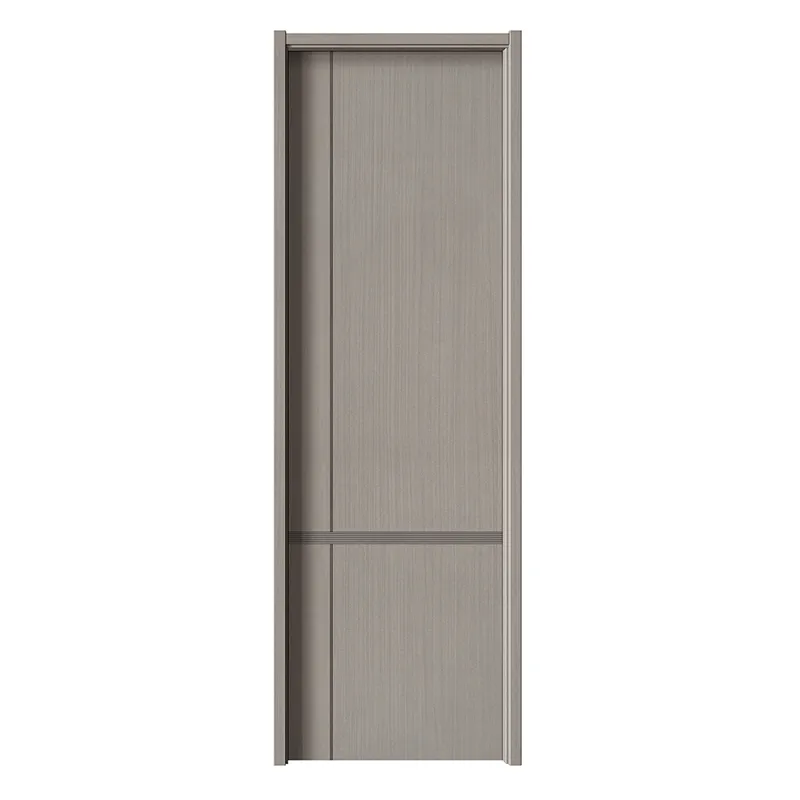 YST-1013 Door Cloud Walnut 1
 -
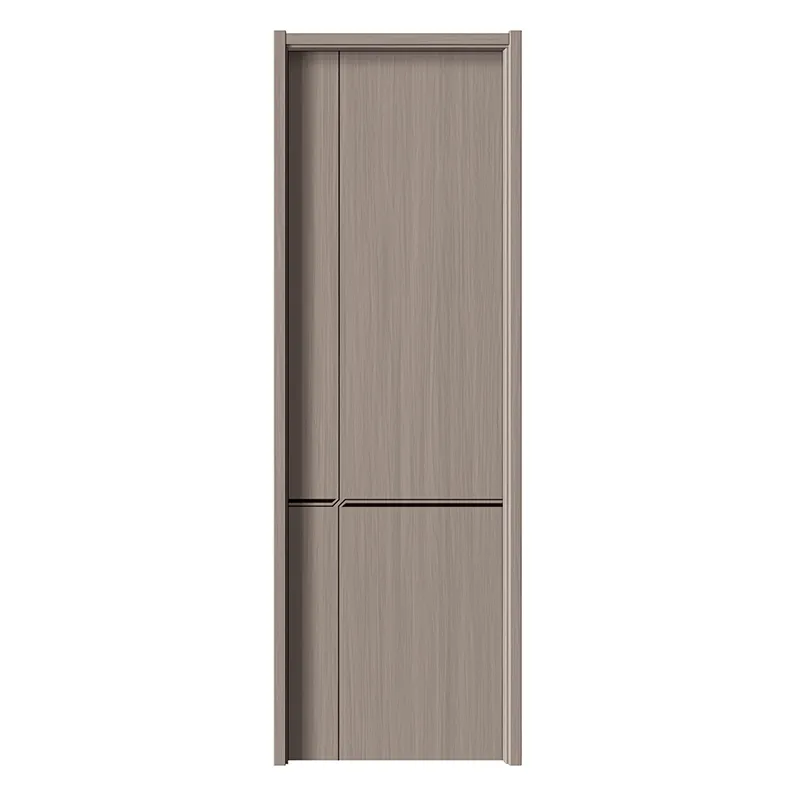 YST-1010 Door Translucent light shadow 3
 -
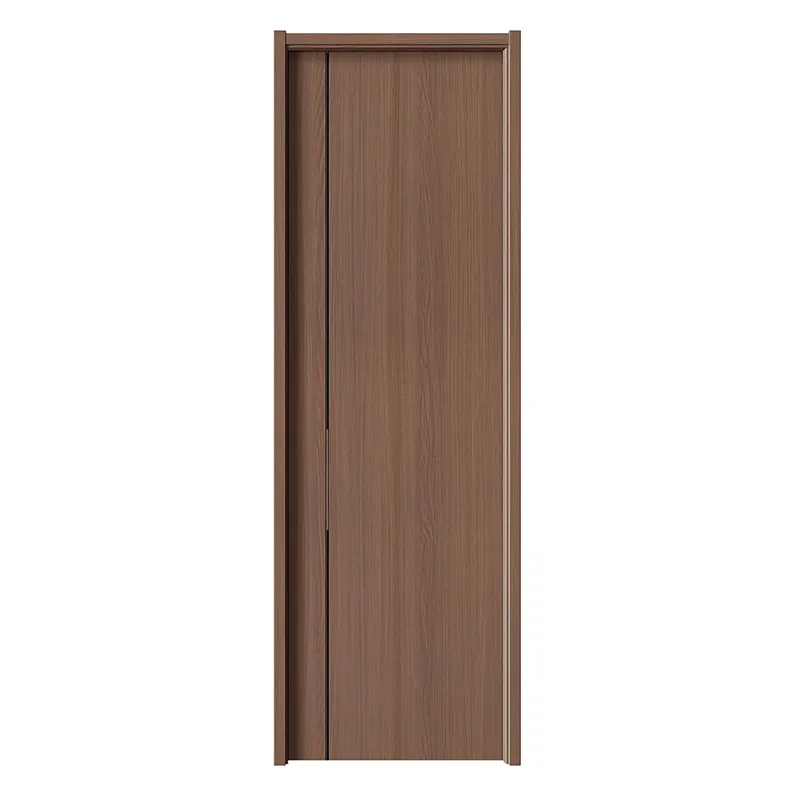 YST-1043 Door Techno-walnut 3
 -
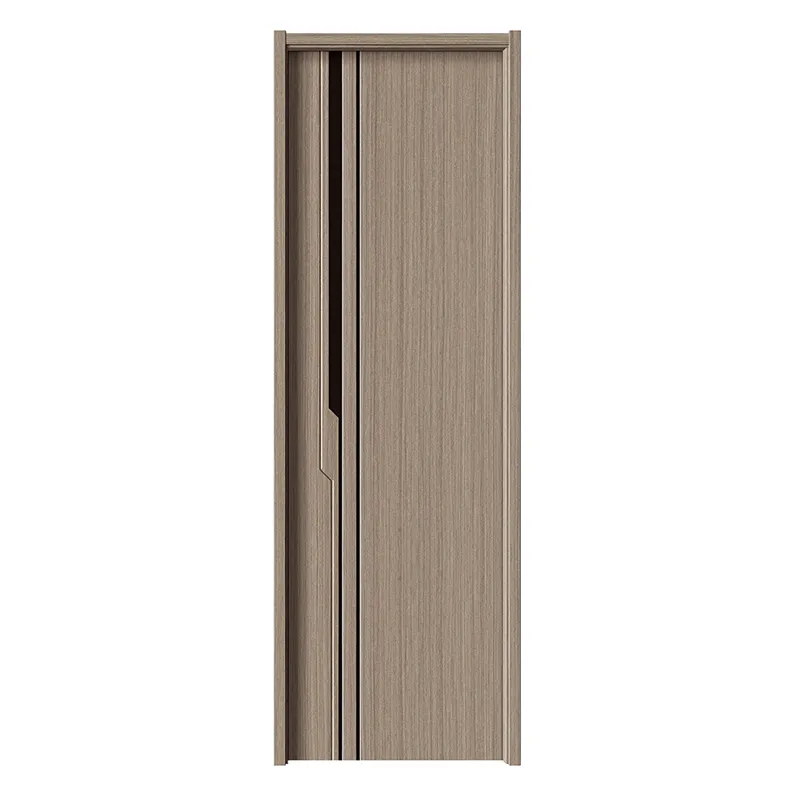 YST-1018 Technowood Door 1
 -
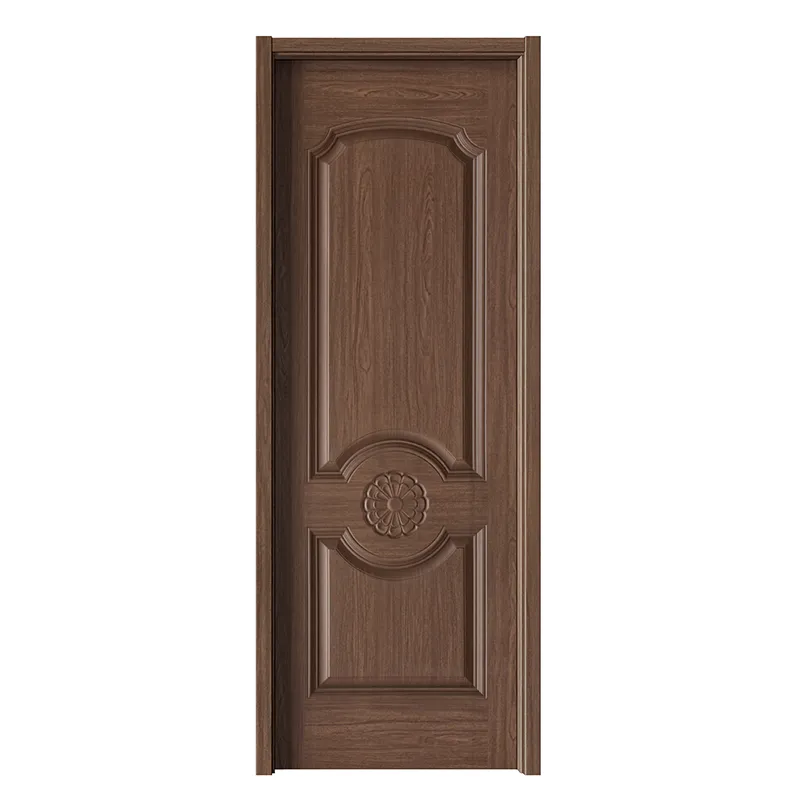 YST-212 Door North American Oak 2
 -
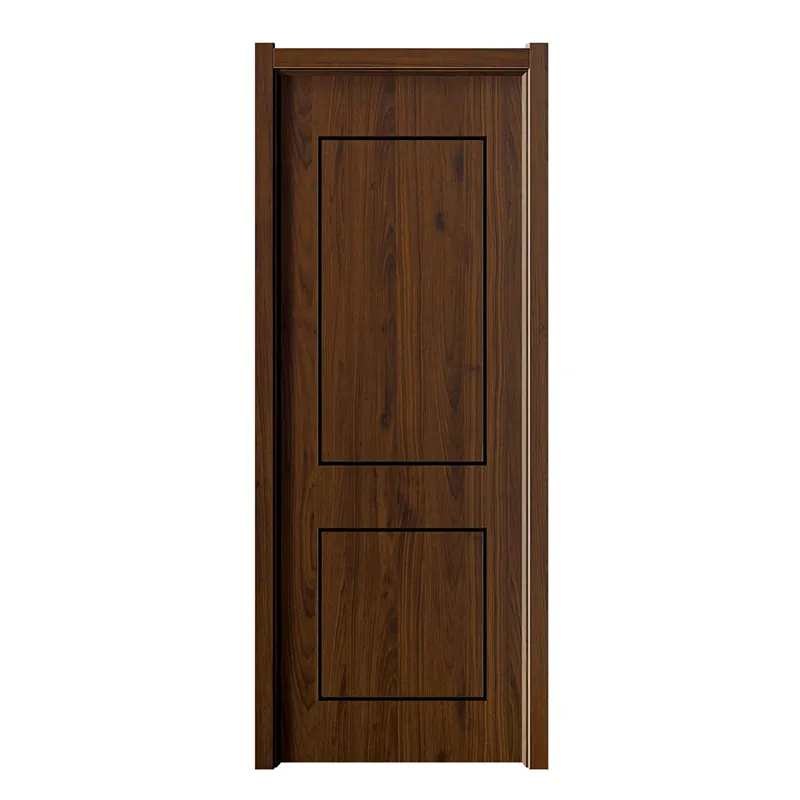 YST-WPC2 Door
 -
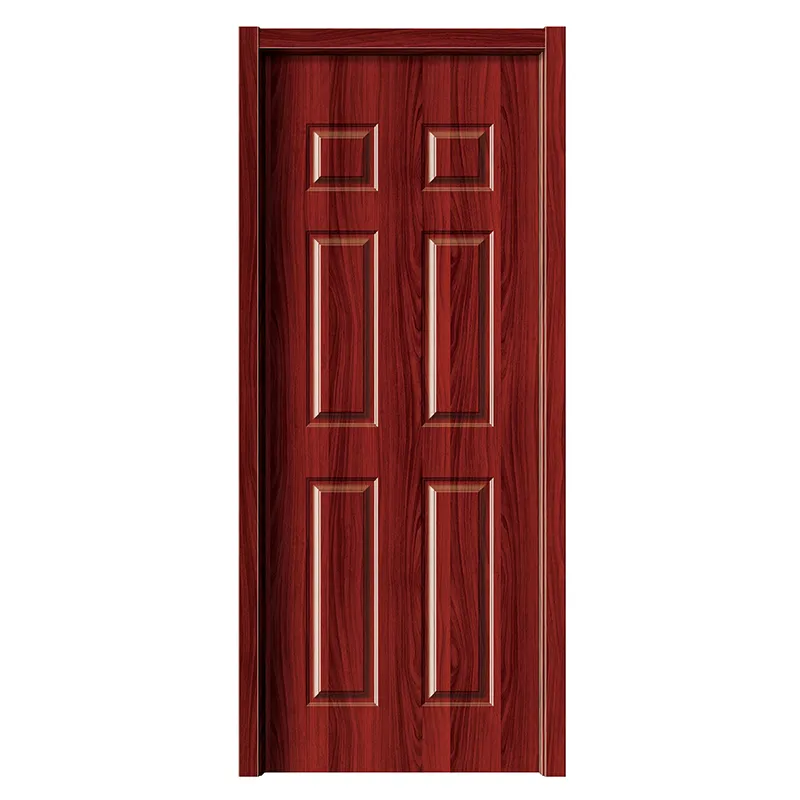 YST-201 Door Red team
 -
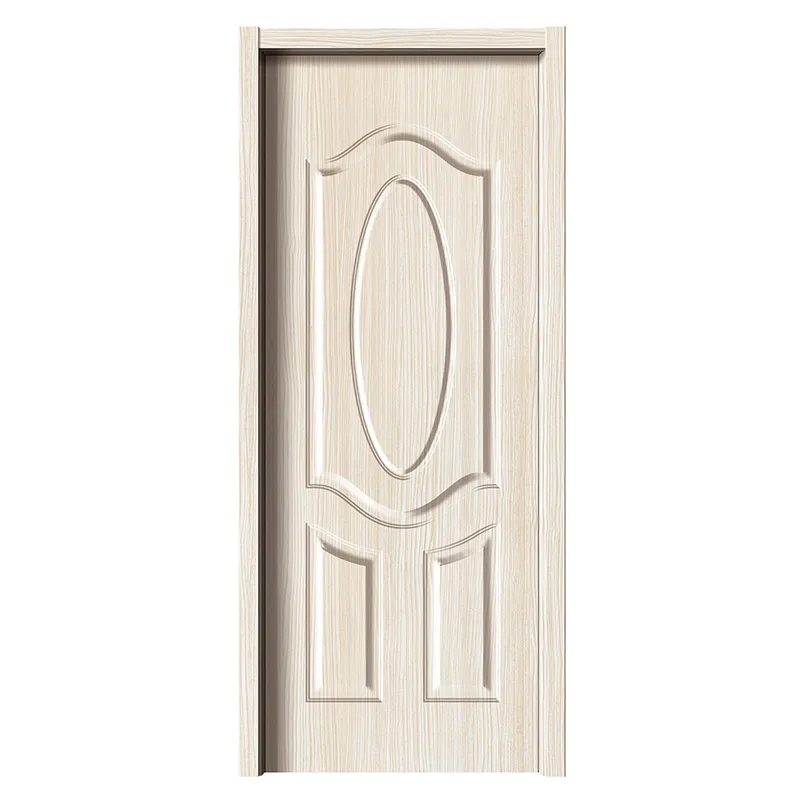 YST-216 Door White Maple