




Moisture resistant wooden door
When you hear “moisture-resistant wooden door?”, the first thing that comes to mind is probably something completely waterproof, like plastic. But this is the main misconception. Wood is a living material, it breathes and reacts to its environment. Fully “waterproof” this does not happen here, we are always talking about the degree of resistance to moisture, about protection from deformation and rotting in specific conditions. Many manufacturers play on this uncertainty, promising a “miracle door”. for any bathhouse or damp basement. In reality, it all comes down to design, processing and, what is often overlooked, correct installation.
The core of the issue: rock, glue, impregnation
If you take an array, then everything is relatively predictable. Larch, teak, merbau are classics for wet rooms. But the price... Therefore, more often we deal with glued panels or frame structures. And this is where the fun begins.Moisture resistance70% is determined by glue. Ordinary PVA, even carpentry grade, can “float” over time under conditions of constant changes in humidity. Melamine or polyurethane compounds are needed. I saw doors from one regional factory, which after six months in the bathroom began to delaminate precisely because of savings on the adhesive system.
Impregnations are a different story. Deep vacuum impregnation with antiseptics is a must have. But often the antiseptic is applied only superficially, for odor and marking. It is difficult to check, but you can look at the cut end - if the inner layers are light and do not smell of chemicals, it means that the impregnation is not through. Such a door will not last long in the dressing room.
And varnishing. Polyurethane or acrylic two-component varnishes with a UV filter create a really dense, elastic film. But it is not eternal. In areas of the vestibule where there is friction, and especially at the bottom, where condensation can accumulate, the coating wears out over time. Therefore, it is important that the base of the wood itself is protected. Some colleagues fromAnhui Wantai Woodworking Co.,Ltd(their website ishttps://www.anhuiwantai.ru) they once noted in a conversation that for their lines going to countries with a humid climate, they do double protection: first impregnation, then multi-layer varnishing with intermediate sanding. This is logical, although labor-intensive.
Design: where are the weak points?
The biggest problem is not the canvas, but the box. Often it is assembled from the same material as the door, but is mounted directly into the opening without proper clearance and waterproofing. Moisture from concrete or brick rises through capillaries into the wood, and the bottom of the box turns black. A waterproofing gasket and a gap of at least 10 mm for ventilation are required. Out of inexperience, I once installed an expensive panel door in the bathroom, making a connection close to the tile using silicone. A year later the bottom of the box had to be changed.
Glass inserts. If they exist, then the junction of glass and wood is a critical point. There should be a thick layer of silicone sealant, elastic and sanitary. Rigid sealants, when vibrated, will open a microcrack, and water will flow inside.
Geometry of the canvas.Moisture resistant wooden doorshould either be made of laminated board (where multi-directional fibers compensate for stress), or have a relief paneled structure, which leads less. A massive solid door, even made of larch, is likely to warp in a Russian bathhouse if it is not made using a special technology with compensation grooves on the back side.
Installation and operation: theory vs. reality
Instructions are often written for ideal conditions. ?The room must be dry, with a temperature of +20°C?. And at the site - fresh screed, plaster, humidity above 80%. You can't install the door, but the deadline is running out. They bet. And then they wonder why it jammed after a month. For really wet rooms, I would advise installing the door at the very end of the renovation, when ventilation and heating are already running.
Gaps. On the top and sides - 3-4 mm, on the bottom - in bathrooms and baths it is better to do more, 12-15 mm, even if it does not look so aesthetically pleasing. This is for ventilation and in case of slight swelling. Can be closed with a removable threshold.
Care. It is often forgotten that any coating needs to be updated periodically. Every few years it is worth checking the condition of the varnish on the ends and bottom, especially if the door is in the bathroom. Light sanding and applying a new layer of protective compound will extend its life for years.
Cases and failures: someone else's experience
I had a project - a private sauna. The customer insisted on a massive oak door with matte varnish, it was beautiful. It was not possible to persuade him to accept technical solutions, such as enhanced impregnation and a large gap at the bottom. Six months later I got a call: the door won’t close, a dark stripe has appeared at the bottom. I had to remove, dry, remove the swollen varnish, re-impregnate and re-varnish. Conclusion: even for an expensive array, the basic rules for wet areas cannot be ignored.
Here is a positive example from the practice of colleagues. One hotel on the coast needed doors to rooms with high humidity. They used not a solid mass, but an engineered board - a base made of moisture-resistant MDVP, lined with teak veneer. Frame structure with honeycomb core. Plus, the box was assembled with a groove for a silicone seal along the entire perimeter of the rebate. Three years later - no complaints. This is to the question that modern composite materials are sometimes more reliable than traditional ones.
If you look at companies that seriously work on exports, for example, the sameAnhui Wantai Woodworking Co.,Ltd, then this systematicity is visible in their approach. They don't just sell a "wet room door", but in their philosophy (https://www.anhuiwantai.ru) focus on precision and quality control at all stages - from raw materials to packaging. For a global market where the product falls into different climatic zones, this is not a whim, but a necessity. Their team of designers and technologists, judging by the description, understands that aesthetics must be inextricable from practical characteristics.
Final Considerations: What to Look for When Choosing
So, to summarize. Don't be fooled by big names. Ask for specifics: 1) What type of wood or shield design? 2) What moisture resistance class of the glue was used? (Must be specified, for example, D4). 3) By what method and what composition was the antiseptic impregnation carried out? 4) What topcoat, how many layers? 5) Are there any recommendations for installation clearances for wet areas?
If the seller can answer this clearly, that’s good. It is better if there are cross-sectional samples to see the structure. And, of course, a guarantee that applies specifically to conditions of high humidity, and not to “normal operation.”
Moisture resistant wooden dooris always a compromise between the beauty of natural wood and the harsh reality of the environment. There is no ideal, but there are competent engineering solutions that allow this product to serve for a long time and without problems. The main thing is to understand these decisions and not skimp on key components. In the end, remodeling will always cost more.
Correspondingproducts
Related Products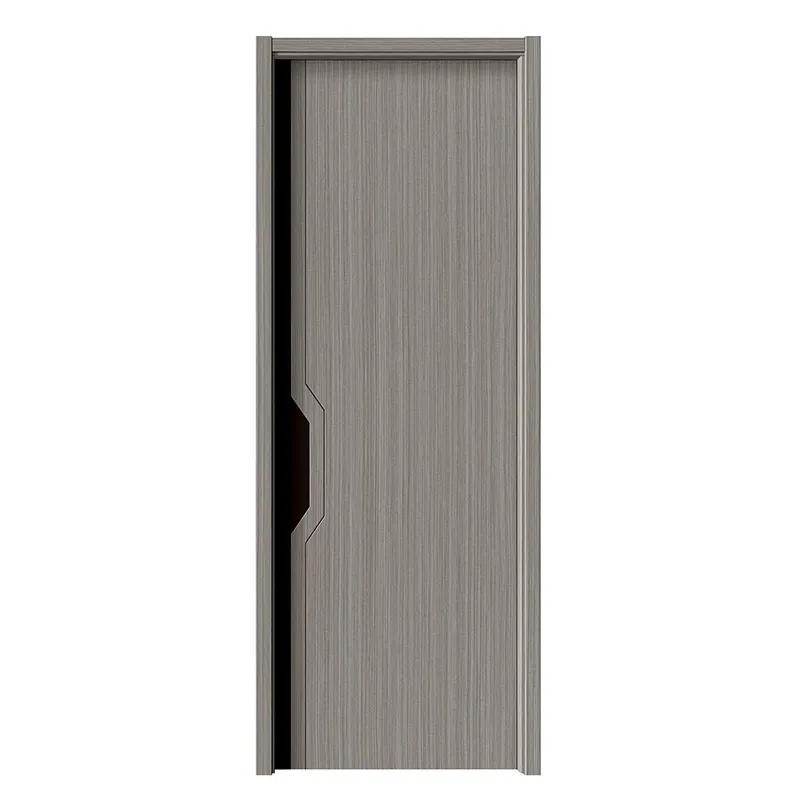
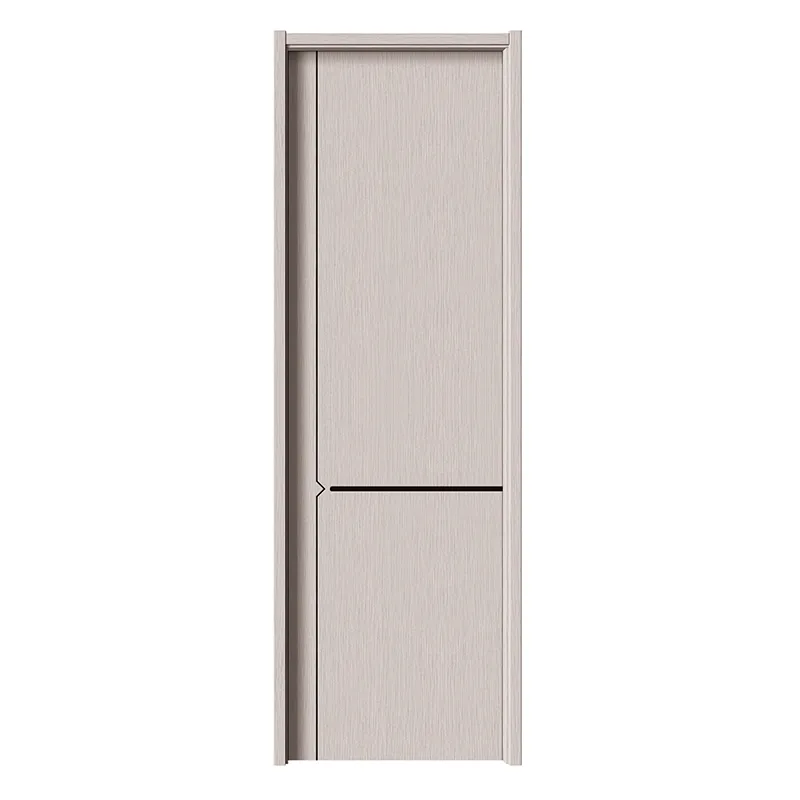
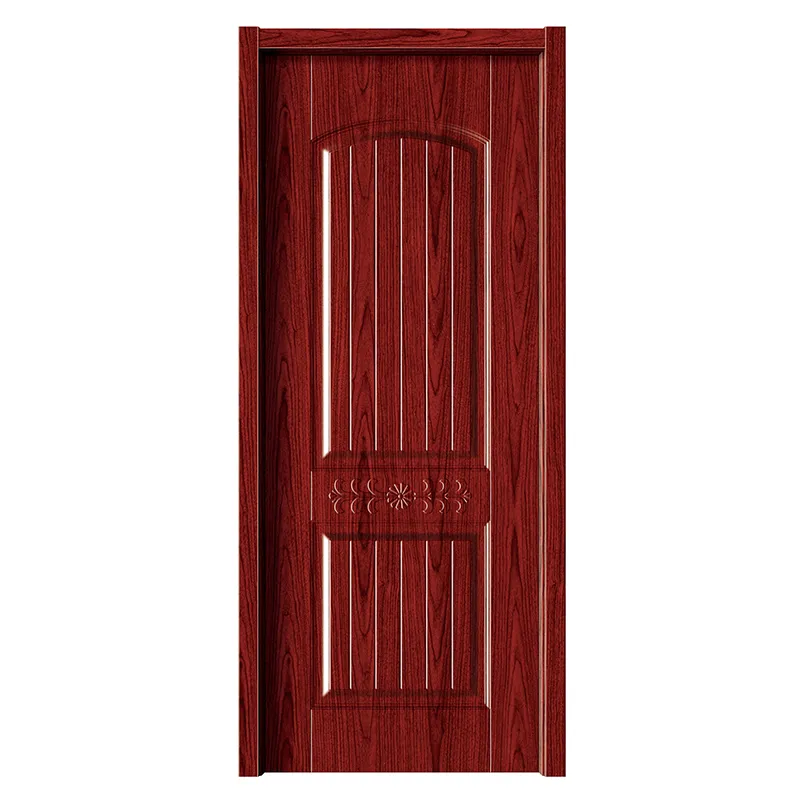

Best Sellingproducts
Best Selling Products-
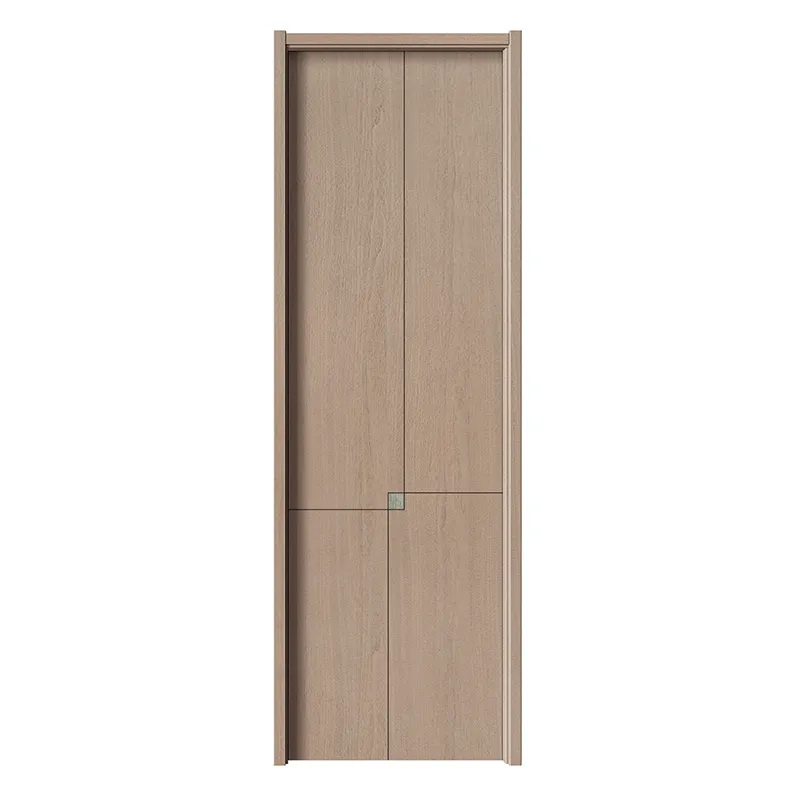 YST-1008 Door Natural walnut 2
 -
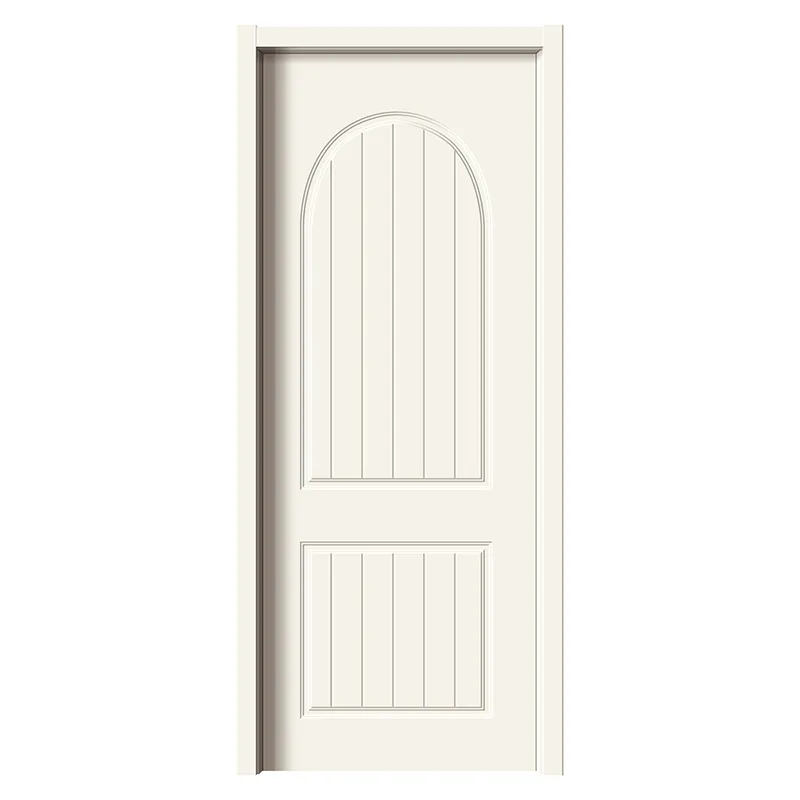 YST-236 Door White ivory
 -
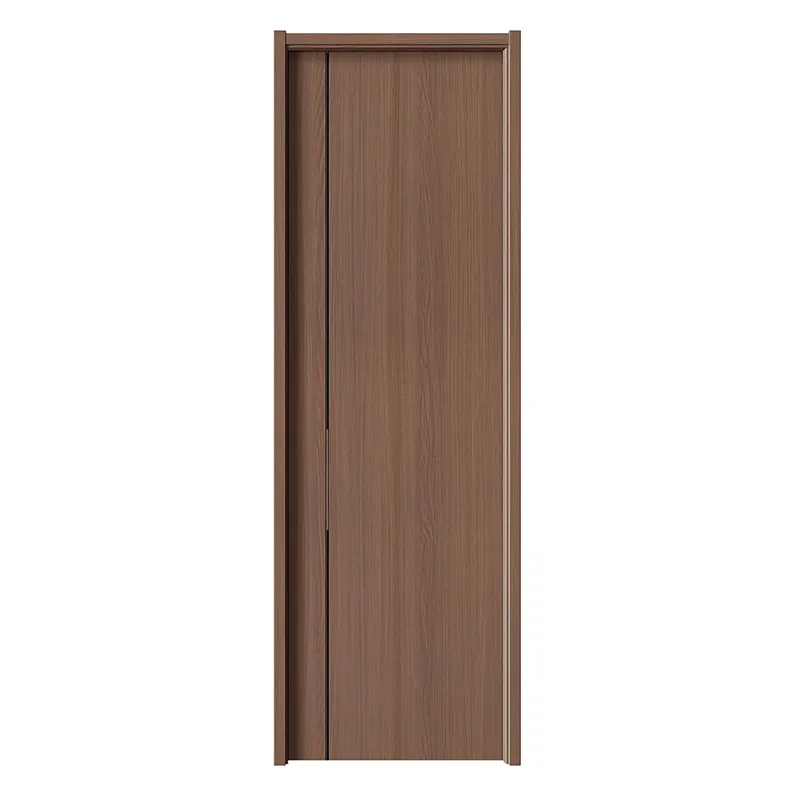 YST-1043 Door Techno-walnut 3
 -
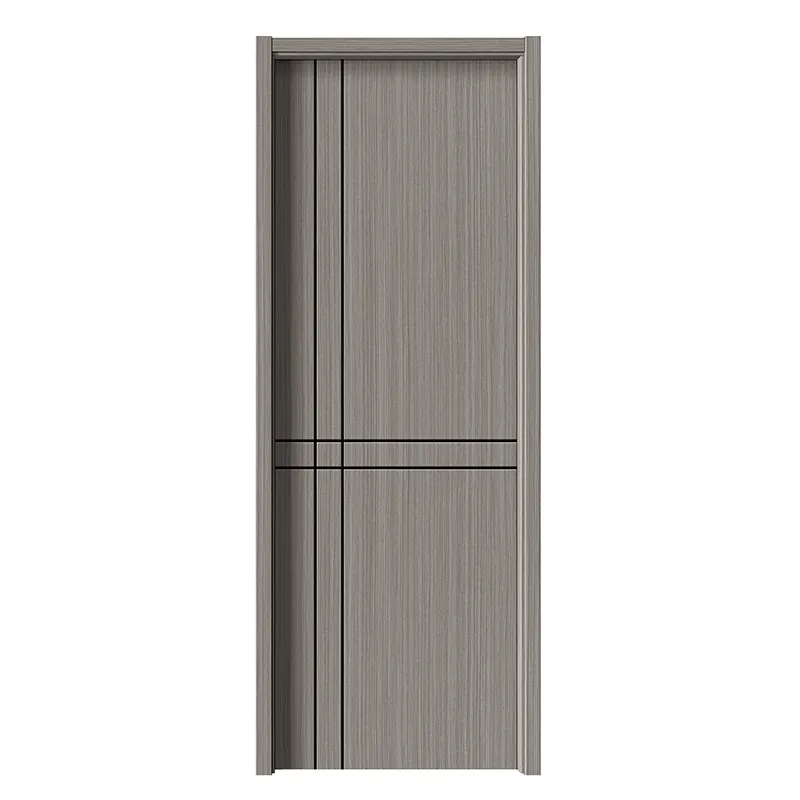 YST-1004 Door Technotree 2
 -
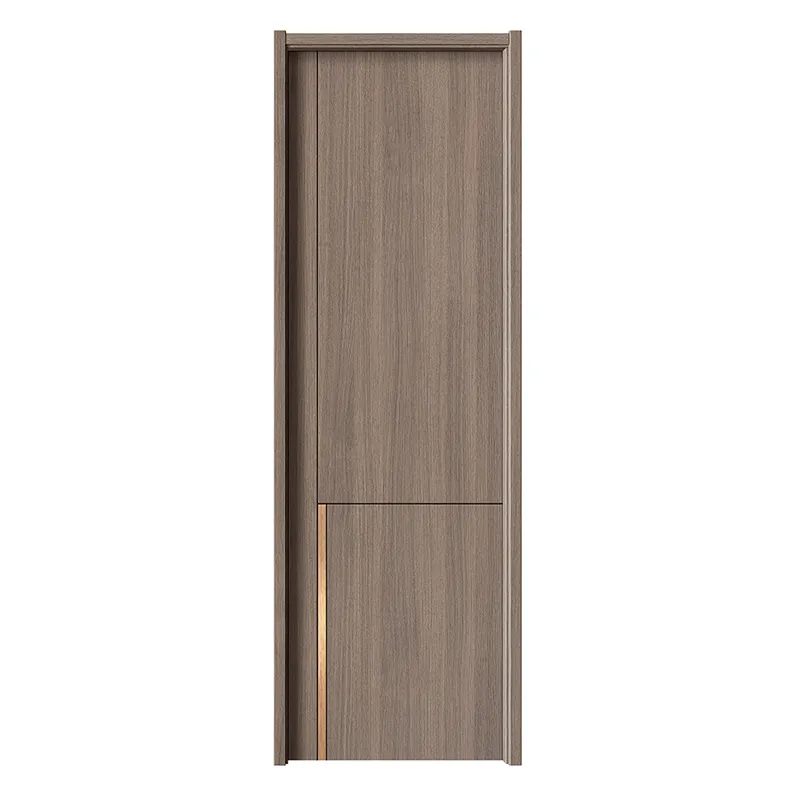 YST-1003 Door Oak gray
 -
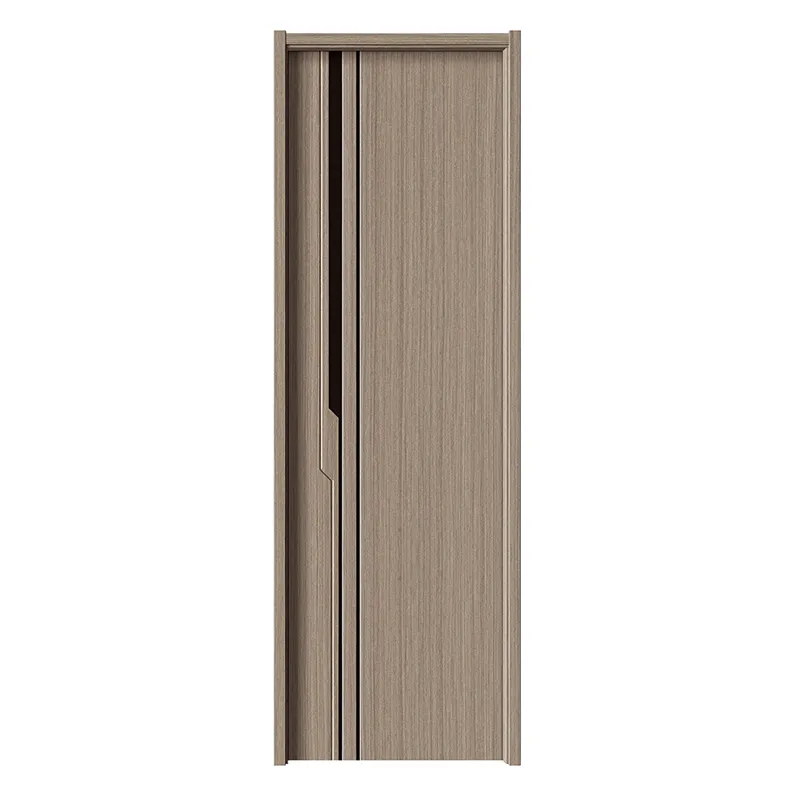 YST-1018 Technowood Door 1
 -
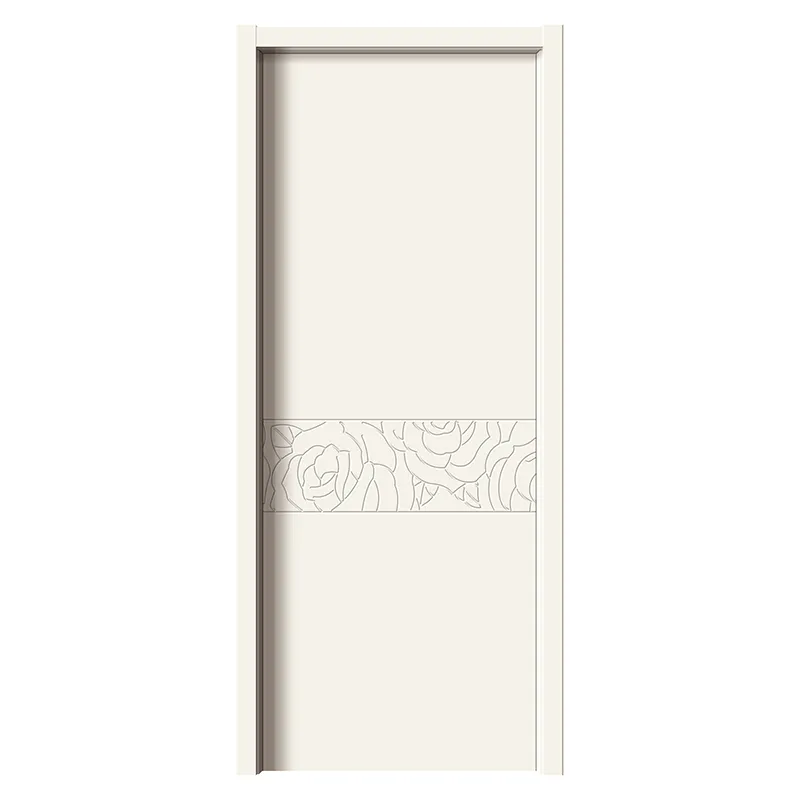 YST-238 Door White ivory
 -
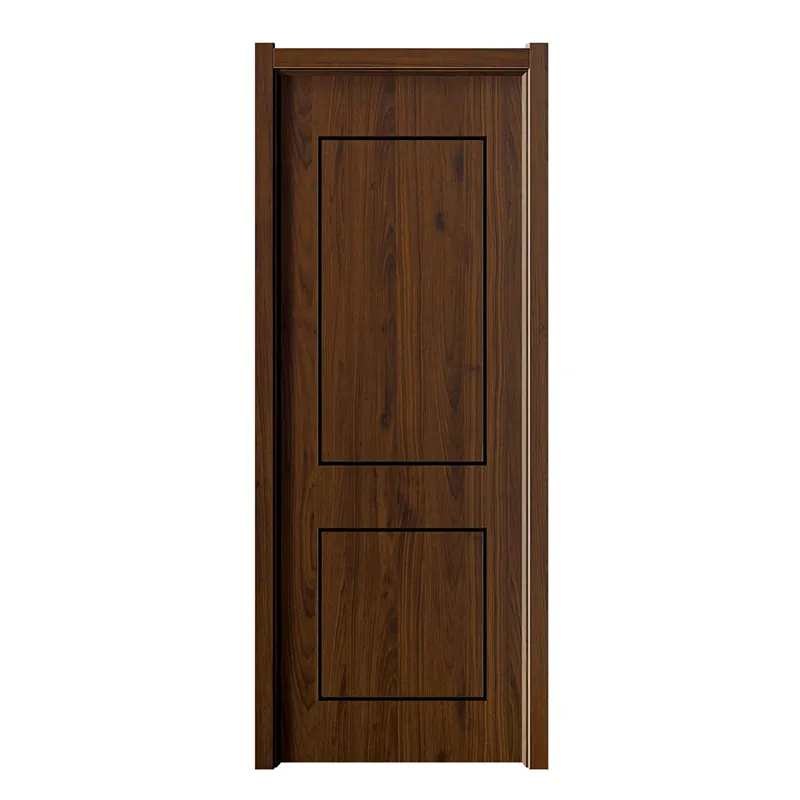 YST-WPC2 Door
 -
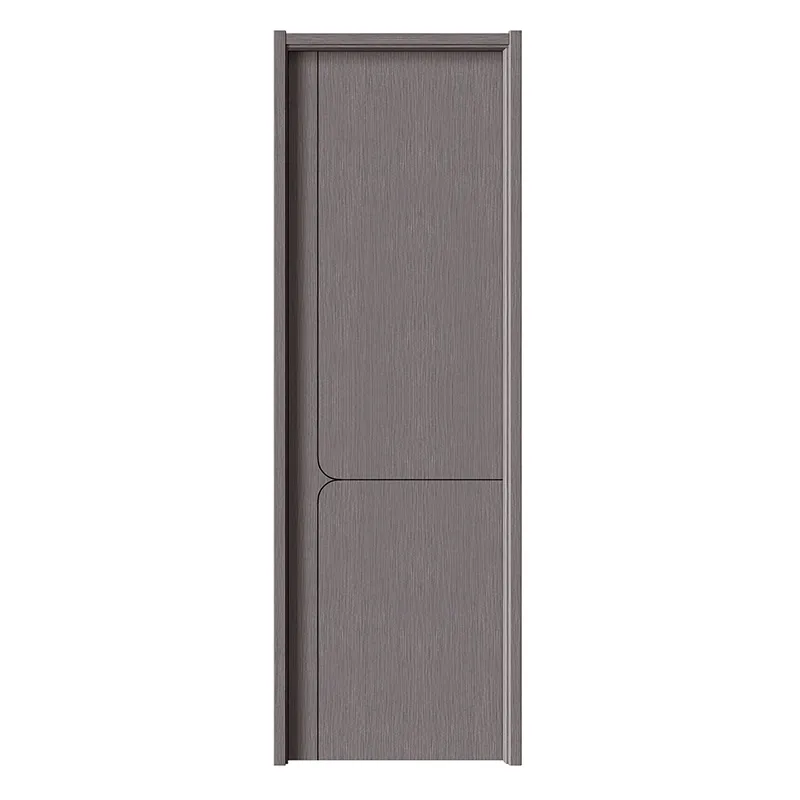 YST-1001 Door Chiaroscuro tree 2
 -
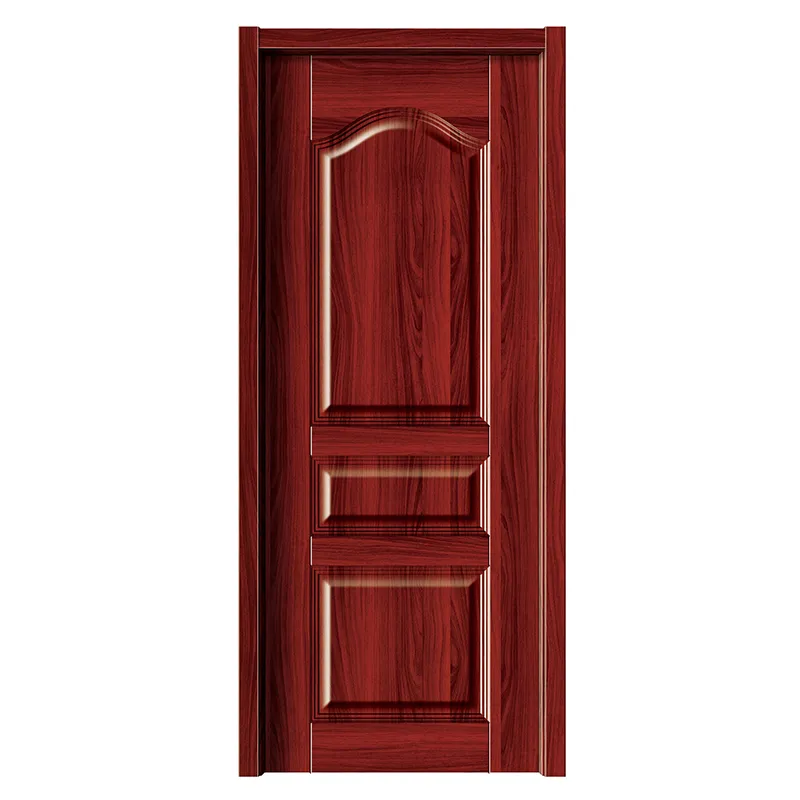 YST-203 Door Red team
 -
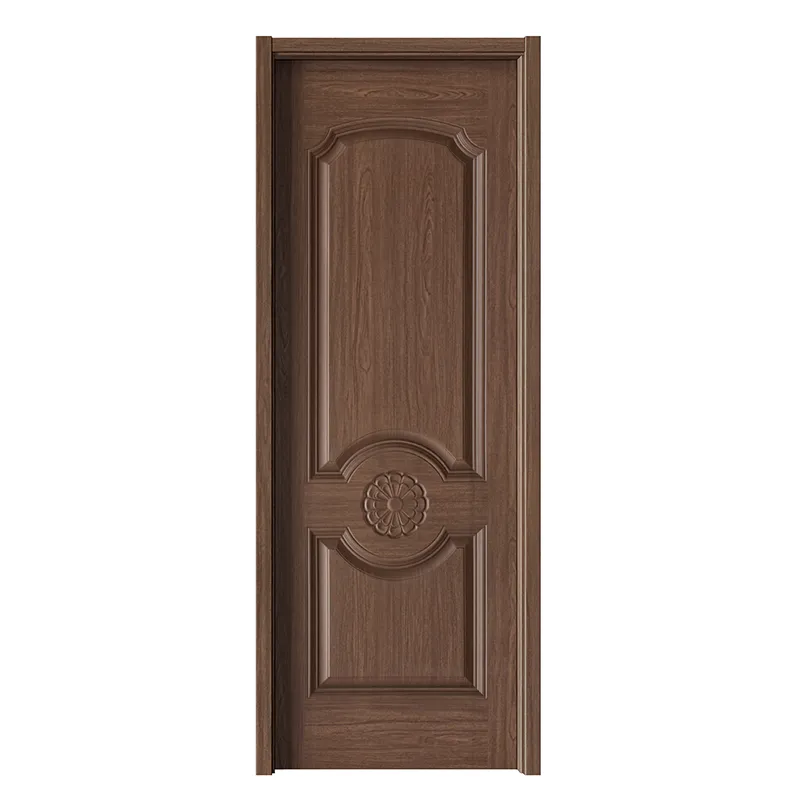 YST-212 Door North American Oak 2
 -
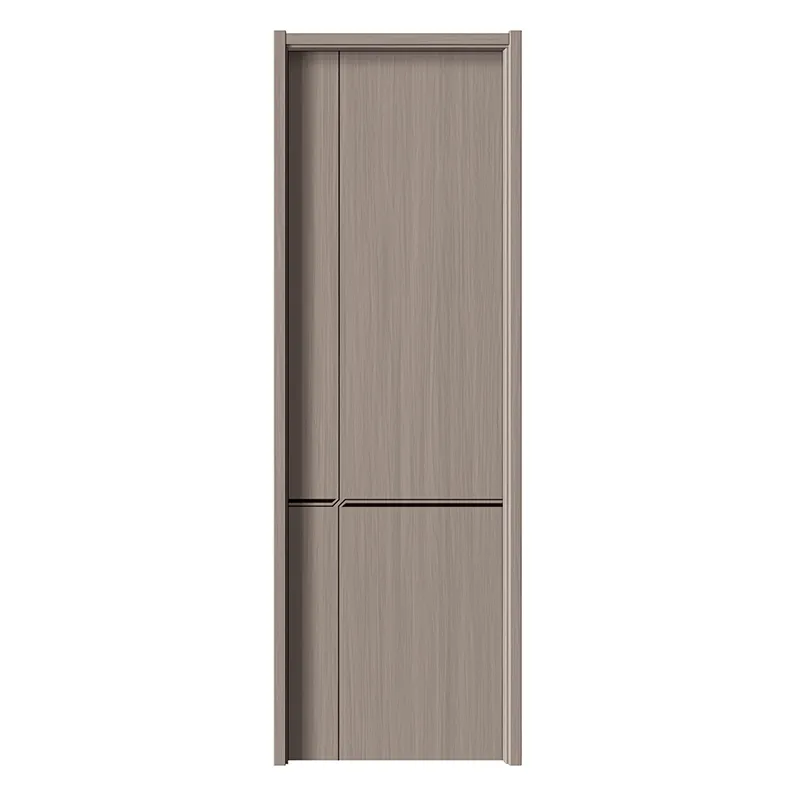 YST-1010 Door Translucent light shadow 3