




Hidden chrome door
When you hear “hidden chrome door,” the first thing that comes to mind is something from futuristic concepts, glossy pictures where the door literally disappears into the wall, leaving only a thin chrome line. In reality, in real projects, especially in the commercial segment, everything is different. Often customers, having seen enough of magazines, demand just such an “invisible” one. effect with a metallic accent, but they do not fully understand what nuances of installation and operation this is associated with. The term itself has already become a kind of fashionable marker, but behind it lies a whole layer of technical solutions, from the choice of loops to the processing of ends. And here, by the way, many mistakenly believe that the main thing is the mechanism itself, and the canvas is a secondary matter. Experience shows that it is the quality of the door leaf, its stability and the accuracy of the geometry that determine whether the same “hiddenness” will be achieved. or there will be a noticeable gap that even the most beautiful chrome profile cannot save.
What really lies behind the “invisibility”?
Marketing aside, thenhidden door chrome- this is, in fact, a hidden installation system, where the hinges and often the narthex are masked. The chrome element - usually a thin trim, frame or handle - serves as a visual accent and at the same time a functional part with which the door is opened. The main difficulty you encounter on site is preparing the opening. The walls must be perfectly laid out, otherwise all the distortions will be clearly visible. I have seen more than once how teams of plasterers leave a “standard” one for installation. tolerance, and then installers are forced to compensate for this with adjustments, which negates the entire seamless effect.
The second point is the choice of the canvas itself. For truly hidden installation, you need a door with so-called rolled ends or with special milling for hidden hinges. The canvas must be incredibly stable, not “lead” from changes in humidity. Here I often remember productsAnhui Wantai Woodworking Co.,Ltd. Not for advertising sake, but as an example. At one of the sites they installed a solid model made of engineered wood, just for hidden installation with a chrome-plated mortise handle-rail. The customer initially had doubts, but after a year and a half of operation in a room with an unstable microclimate, the door did not change its geometry, and the gap around the perimeter remained uniform at 2 mm, as intended. This is an indicator of the quality of material preparation. On their websitehttps://www.anhuiwantai.ruit is clear that the company places emphasis on control of production processes, and in this case these are not empty words.
And the third, often overlooked aspect is the finishing. The chrome element must be seamlessly integrated into the canvas or trim. If this is an overlay, then you need a perfectly even base layer underneath. On one of our early projects, we used a finished door with a chrome edge already applied, but during transportation a microscopic dent appeared on the corner. It was impossible to eliminate it on the spot; the entire canvas had to be changed. Since then, for critical projects, we prefer options where the finishing accent is installed on site by specialists, which gives a chance to correct minor mistakes.
Practical pitfalls and how to avoid them
One of the main pitfalls is acoustics and thermal insulation. A truly hidden door, especially if it fits into a wall, often loses these parameters. A standard box with extensions and platbands creates an additional buffer. In hidden systems, seals have to be built into the end of the canvas or into the recessed part of the wall, and their service life is shorter. There was a case in an office project: doors to meeting rooms, beautiful, almost invisible, withchromenew edging, but after six months they began to let in sound. The reason is that the sealing circuit has worn out from frequent use, and replacing it without partial dismantling turned out to be very difficult. We had to develop non-standard maintenance.
Another practical problem is cost and logistics. High-quality hidden systems, especially with premium metal elements, are always a custom order with a long production time. You can't just come to the store and buy. Here it is important to properly build communication with the manufacturer and clearly convey the technical specifications. In the company descriptionAnhui Wantai Woodworking Co.,Ltdit is indicated that they work for the international market, and this is exactly the case when you need a supplier who understands the specifics of the project business. Their approach is to “build a business on precision?” - this is exactly what is required for such complex products ashidden door. The slightest inaccuracy in the drawing - and the part will not fall into place.
And of course, editing. It cannot be trusted by ordinary installers. We need specialists who have worked specifically with hidden systems. They should have a special tool for adjustment, an understanding of how to align the hinge axes in the thickness of the wall or canvas. We once tried to save money and gave the installation to a trusted team, but they had no experience working with chrome hidden profiles. As a result, the coating was scratched during installation, and I had to order a new set of fittings from Europe and wait a month. The project stopped. It was an expensive lesson.
Chrome as a design element, not just a coating
Often customers ask for “chrome”, meaning simply a shiny silver color. But in a professional environmentchrome- this is first of all a type of finishing coating, which can be different: glossy, matte, satin. The gloss, of course, looks impressive in the picture, but in practice it is an eternal collection of fingerprints and dust. For heavily used doors in commercial spaces, I would recommend a matte or satin finish. It is more practical and gives a more discreet, expensive look.
In addition, the design element itself may vary. It doesn't have to be a frame. This could be a hidden handle-groove made of chromed metal, or a thin decorative insert around the perimeter, visually separating the door from the wall. In one of our latest projects for a boutique, we used just this technique: an absolutely white matte canvas from floor to ceiling, and only a thin (about 5 mm) line of matte chrome along the entire perimeter, protruding 2 mm. The effect was stunning - the door was readable, but not dominant. By the way, the canvas was also selected with high stability so that the gap was the same everywhere.
It is also important to understand that the chrome element is a point of attention. If it is installed crookedly or has defects, this will be more noticeable than the imperfect painting of the canvas itself. Therefore, quality control at the acceptance of such products should be as strict as possible. It is necessary to check not only the geometry, but also the quality of the galvanic coating - the absence of microcavities, uniformity of tone.
Integration into modern interior styles
Hidden chrome door- this is not a universal solution. It fits perfectly into minimalism, high-tech, and some contemporary trends. But, for example, the loft or Scandinavian style in its pure form may not be suitable - it will look foreign. Here we need either hybrid solutions, for example, a panel made of natural veneered wood with hidden hinges and a chrome-plated minimalist handle, or a rejection of chrome in favor of other materials.
In practice we often combine. Let's say in a residential project, in one room (office, dressing room) we make a completely hidden door with a chrome accent to create a clean, high-tech look, and in other rooms we use more traditional models. This allows you to diversify the space and not go beyond the budget, since hidden systems are still more expensive. Companies that likeAnhui Wantai Woodworking Co.,Ltd, offer a diverse range, from classic to ultra-modern models, win here. You can work with one supplier for the entire project, simplifying logistics and warranty issues.
An interesting trend in recent years is the use of hidden doors not only as a functional element, but also as part of an art object. For example, a door that completely merges with the wall, on which a fresco or complex decorative plaster is made, and it opens by touching an inconspicuous chrome point. Such decisions require the highest level of coordination between decorators, painters and door makers. A mistake at any stage is fatal.
Looking Ahead and Final Thoughts
Technologies do not stand still. Systems with magnetic flaps are appearing, which provide an even tighter fit, or with built-in lighting along the same chrome contour. But the basis, as before, is the quality of the “iron”, that is, the door leaf and frame itself. Without this, no innovation will make the door truly hidden and durable.
To sum it up, I want to say that working withhidden chrome dooris always a challenge. This is a project within a project. It requires careful planning, choosing reliable manufacturing partners who understand the essence of the task (this is where their motto “win with quality” comes in handy), and attracting highly qualified installers. This is not a story you can skimp on.
If everything is done correctly, the result is worth all the effort and expense. The door ceases to be just an opening in the wall, but becomes an element of architecture and design that works for the overall concept of space. And then this onechrome- not just a shiny strip, but a finishing touch that emphasizes the thoughtfulness of the entire interior. The main thing is not to chase a picture from a magazine, but to delve deeply into the technology and implement it with an understanding of all the pitfalls.
Correspondingproducts
Related Products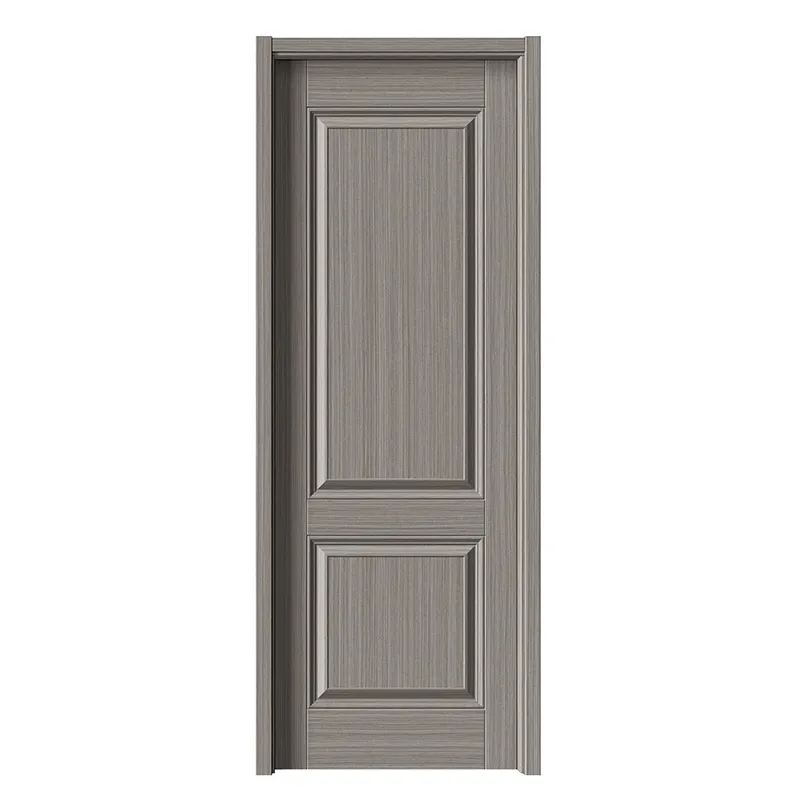
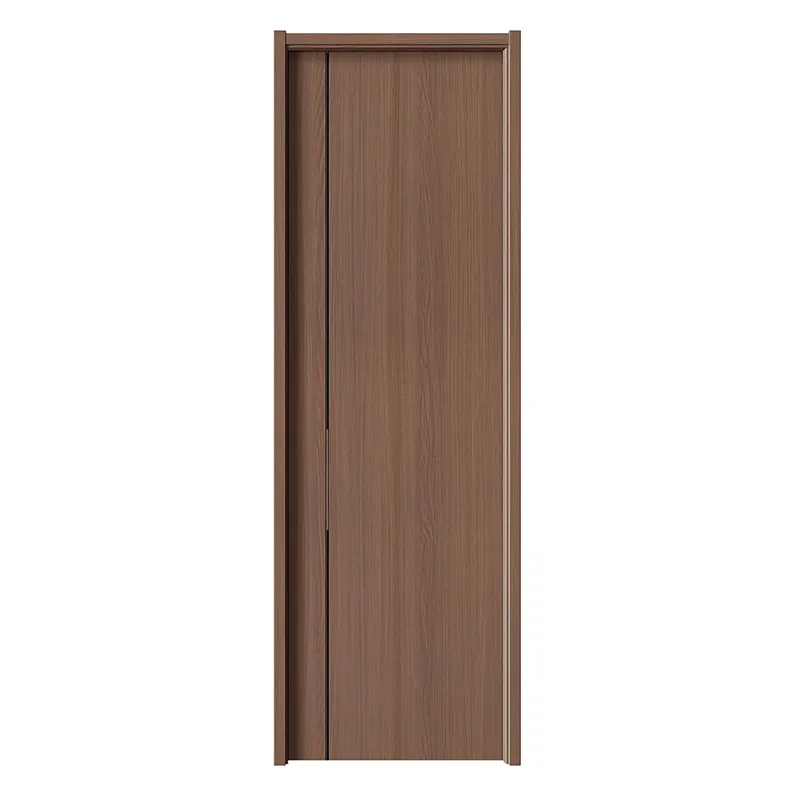
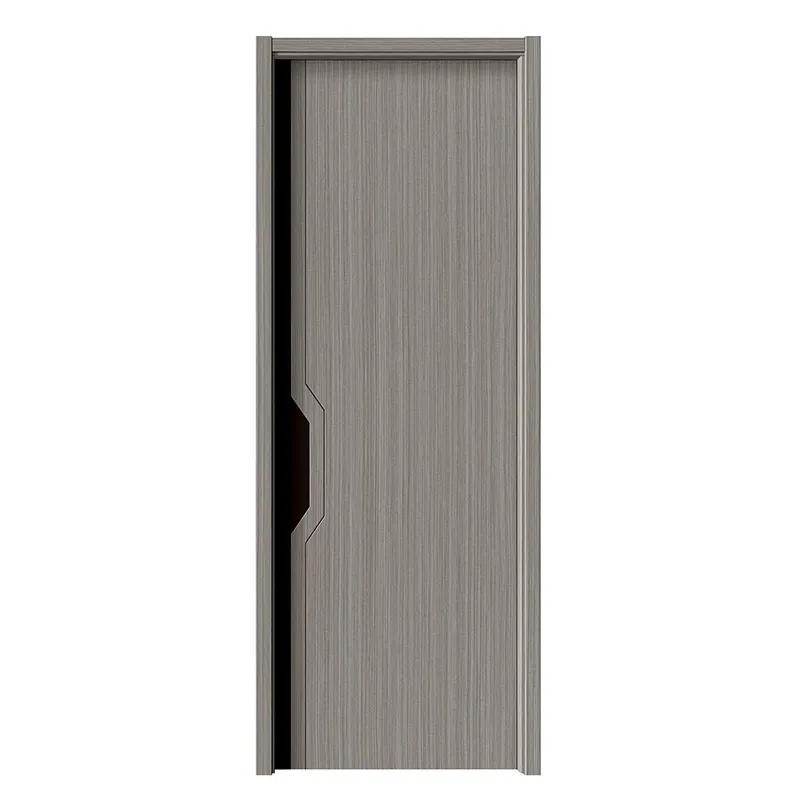
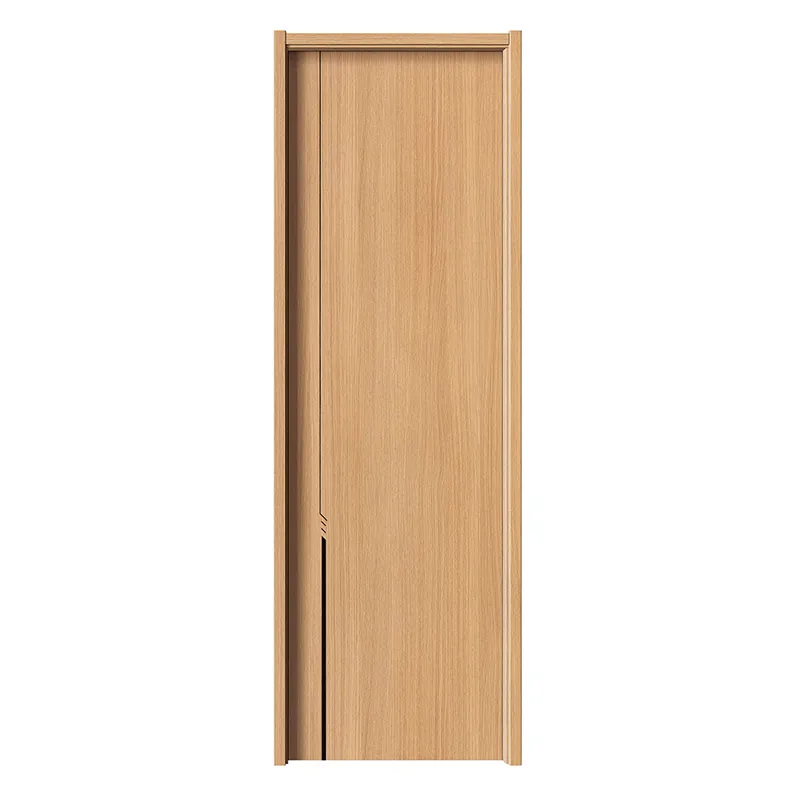

Best Sellingproducts
Best Selling Products-
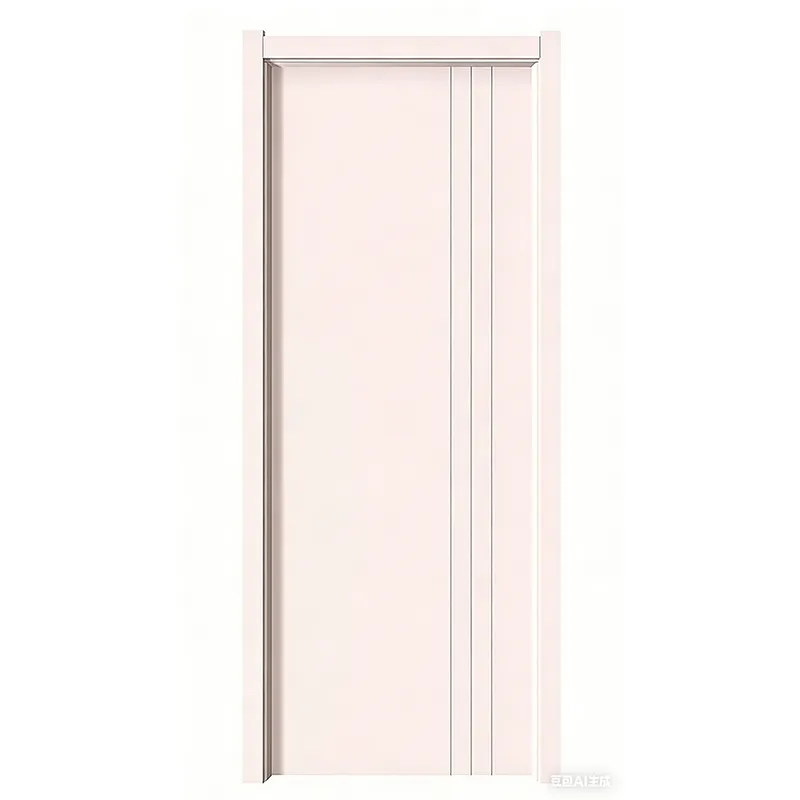 YST-WPC4 Door
 -
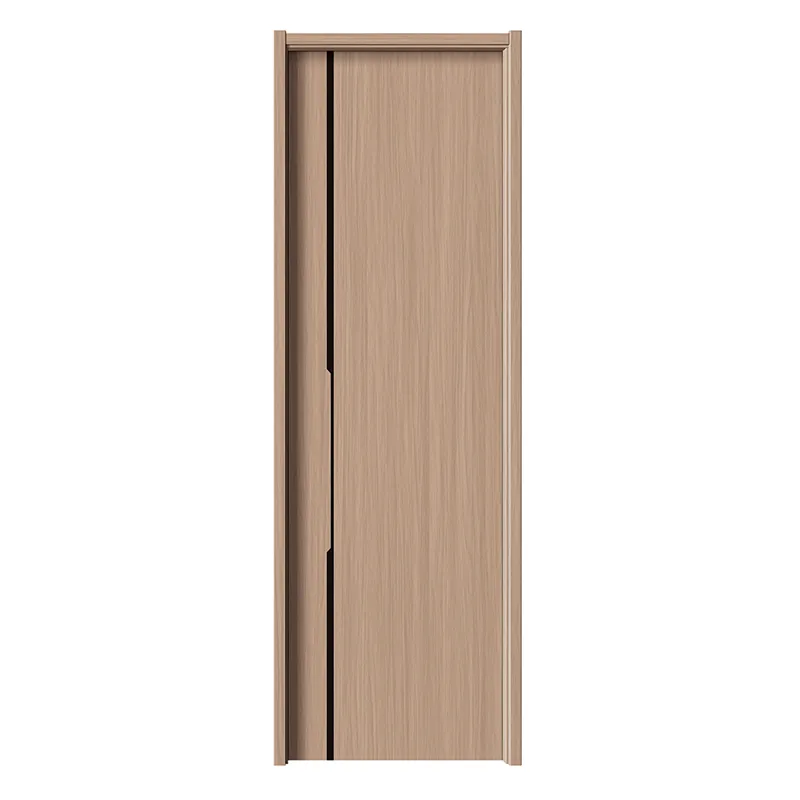 YST-1029 Door Translucent light shade 1
 -
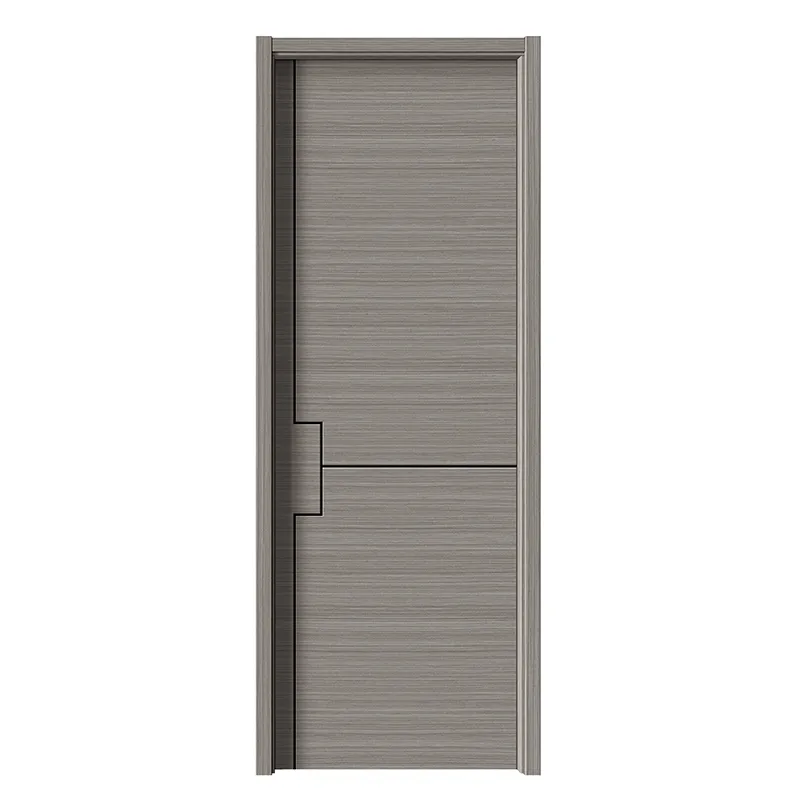 YST-1005 Technotree Door 2
 -
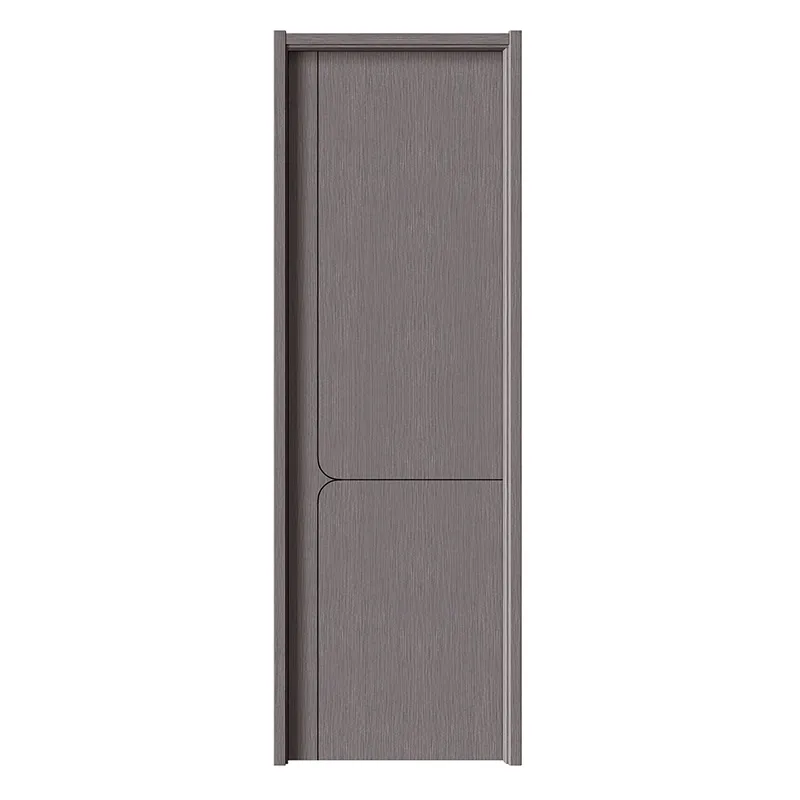 YST-1001 Door Chiaroscuro tree 2
 -
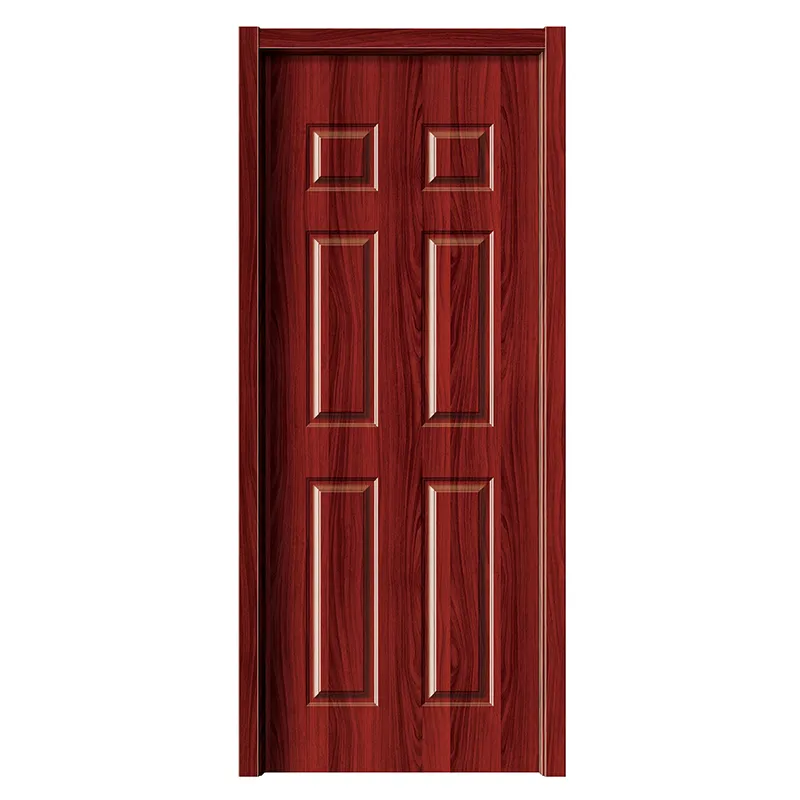 YST-201 Door Red team
 -
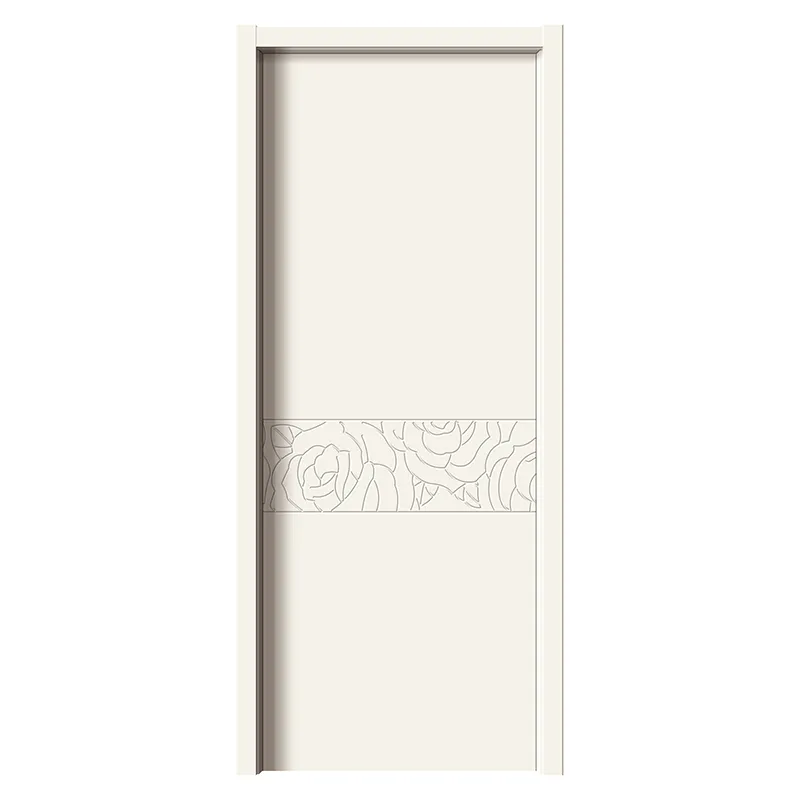 YST-238 Door White ivory
 -
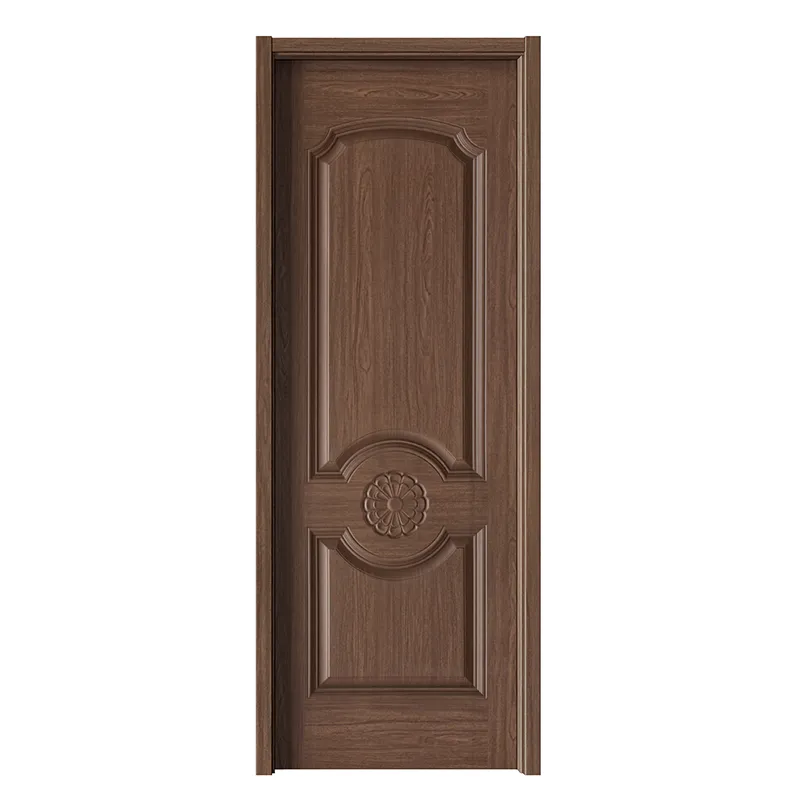 YST-212 Door North American Oak 2
 -
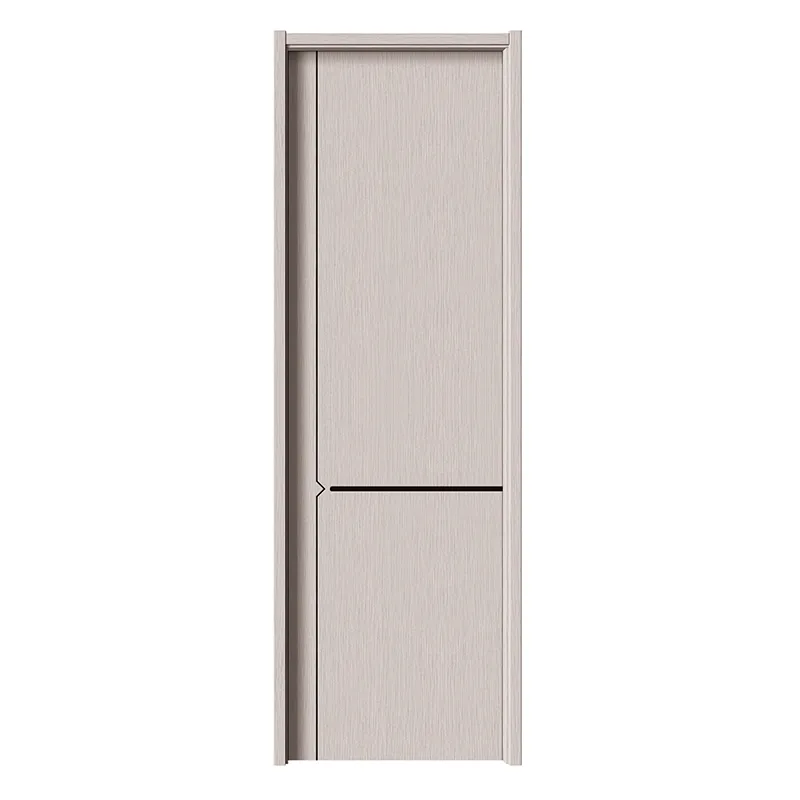 YST-1024 Door Chiaroscuro wood 1
 -
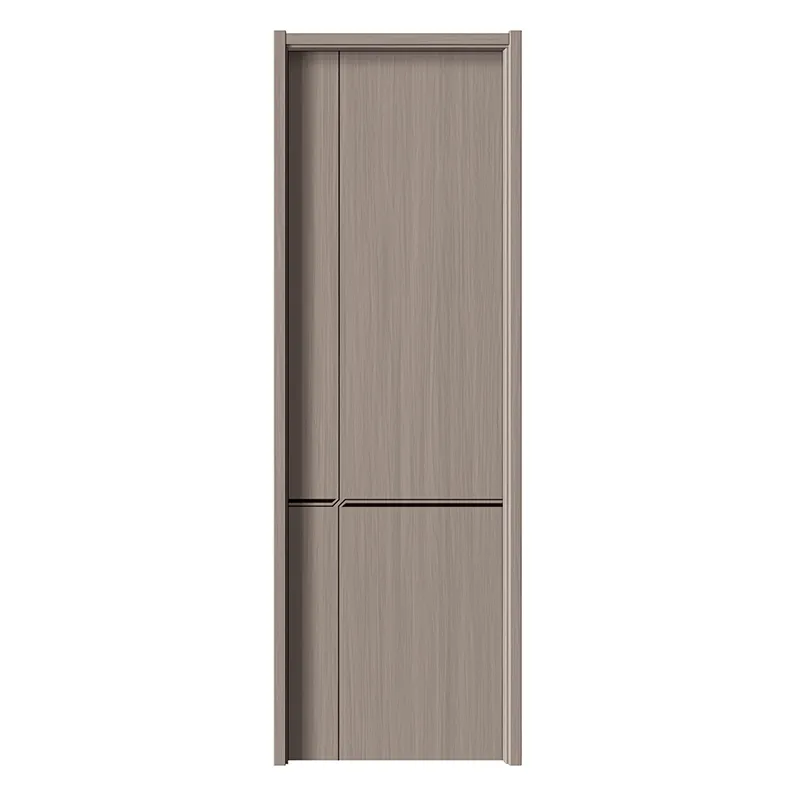 YST-1010 Door Translucent light shadow 3
 -
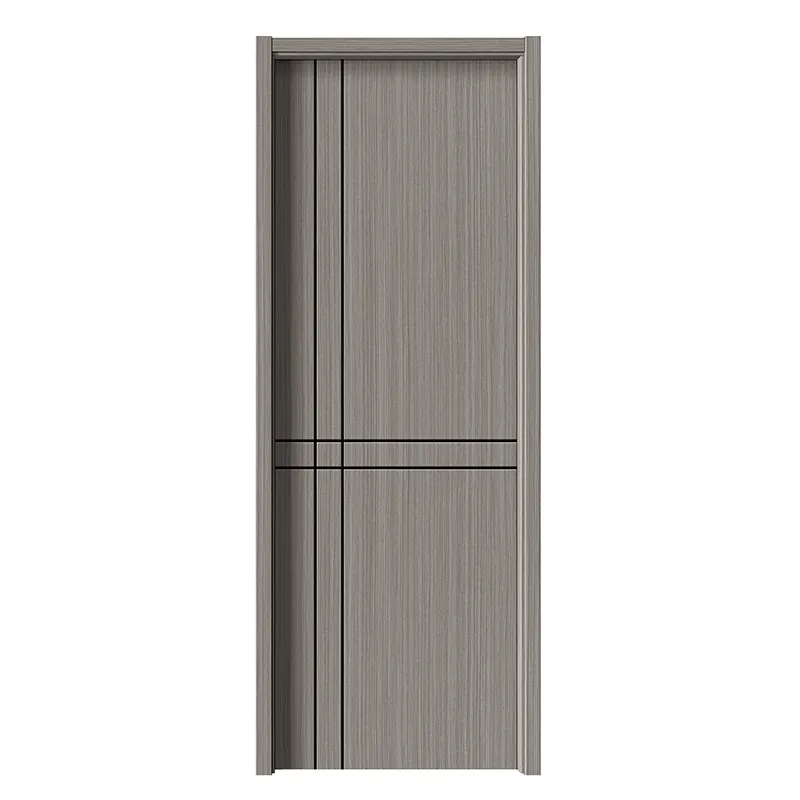 YST-1004 Door Technotree 2
 -
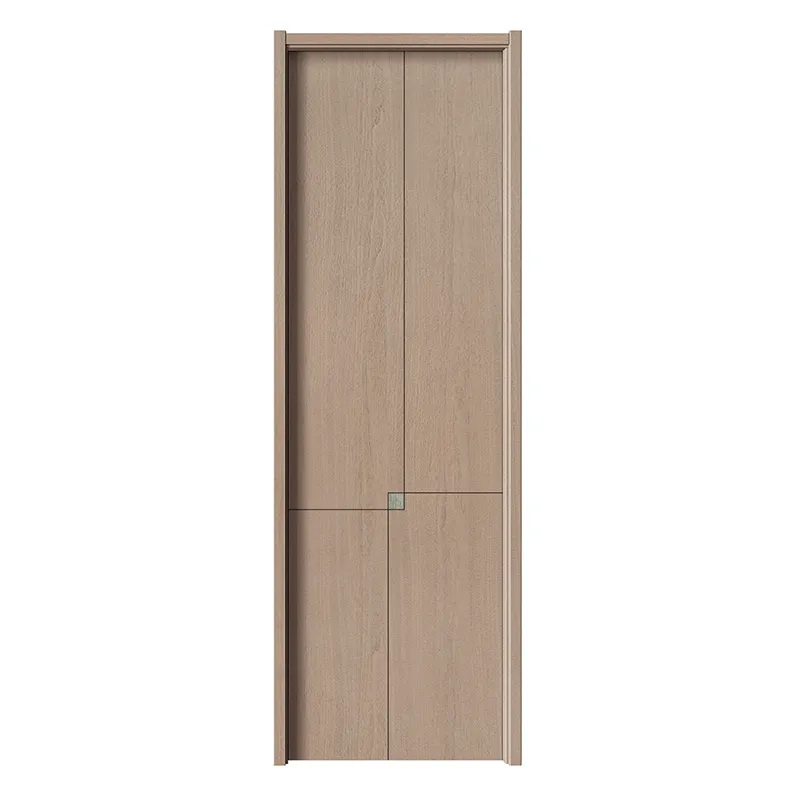 YST-1008 Door Natural walnut 2
 -
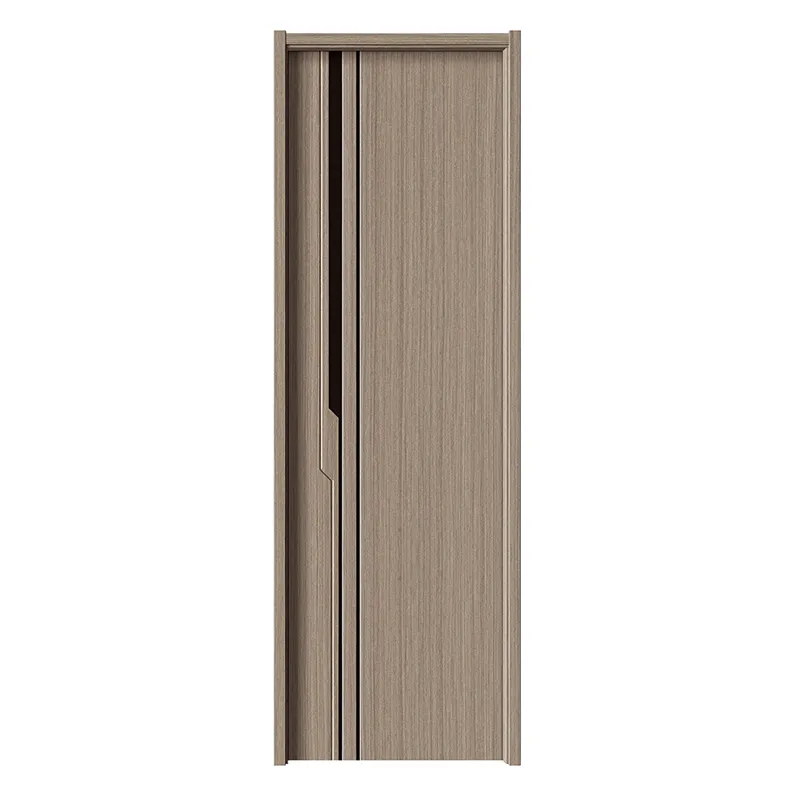 YST-1018 Technowood Door 1