




Modern minimalist solid wood door
When people think of a modern, minimalist solid wood door, many people immediately think of a cold, almost sterile slab. This is perhaps the most common myth. In fact, true minimalism in wood is not about the absence of character, but about its purest expression. The whole point here is in the texture, in the cut, in how the rock behaves after processing. I have seen many times how customers, enchanted by a picture from a magazine, asked to make “just a smooth surface, without anything?”, and then, having seen the samples, they began to peer into the lines of annual rings and ask about the difference between a radial and tangential cut. This is the moment of transition from the abstract? I want minimalism? to a specific one? I want this warmth of oak with a barely noticeable groove? and there is a starting point for work.
What's behind the ?smooth façade?
Technically, achieving a perfectly flat surface on an array is a non-trivial task. Wood is a living material, it breathes and moves. You can, of course, take a finely porous species like maple or ash, but even they require masterly drying. Insufficient chamber drying - and after a season, shadows from internal stress will appear on the canvas, which should have been a flawless plane. This is not a marriage, this is physics. Therefore, when a company seemsAnhui Wantai Woodworking Co.,Ltddeclares strict control at all stages, from raw materials to finish, this is not marketing water. This is a necessity. Their websiteanhuiwantai.rurightly focuses on precision and quality as the basis of business. In minimalism there is no place to hide flaws behind carvings or moldings.
Another practical nuance is the processing of edges and joints. A classic paneled door forgives small gaps; they are covered up. The modern minimalist model often uses the principle of a hidden porch or seamless connection of elements. This requires precision milling. I remember one project where we made solid wood doors with hidden hinges and a magnetic door. The aesthetics were impeccable, but during installation it turned out that the wall had a difference of a couple of millimeters. And this door, unlike the usual one, did not “eat up” this difference, but emphasized it. I had to level the slopes. The experience is expensive, but instructive: minimalism begins not with the door, but with the opening.
And about coatings. Matte varnish or oil? This is not just a matter of tactile sensations. A matte finish hides micro-scratches better, but can be visually dusty. texture. Oil, especially white or with a gray pigment, which is so popular in Scandinavian interiors, penetrates deeper, emphasizes the design, but requires more careful care. For commercial spaces, which he also talks aboutAnhui Wantai Woodworking Co.,Ltdin its positioning, this is a critical choice. In a residential building, the door is used several times a day, in an office or cafe - hundreds. The wear resistance of the finish becomes a key parameter.
Breed as the basis of design
A dilemma often arises here: oak or walnut? Oak is stronger, more stable, but its rough texture can conflict with the idea of “smoothness”. Modern methods of grinding and brushing make it possible to remove soft fibers, leaving a relief of hard ones, creating that very expressive, but discreet surface. This is no longer just a door, but an art object. Walnut is more noble, its pattern is sinuous and decorative. But it is softer and more capricious in processing. For true minimalism, where the emphasis is on form rather than decoration, I often lean towards oak or even denser exotic woods if the budget allows.
An interesting trend in recent years is the use of local, less popular breeds in the premium segment. Not only oak and ash, but also, say, elm or elm. Their texture is unpredictable, which adds uniqueness to each product. This is a risk for the manufacturer as it is more difficult to guarantee batch consistency, but this is what is valued in custom projects. Looking at the range of international suppliers, it is clear that the market is moving towards custom solutions. The company's emphasis on combining aesthetic design and practical performance hits exactly this point.
But with pine or spruce for modern minimalism you need to be careful. Soft wood, pronounced texture. You can make a good door out of it, but it will always be “rustic”, warm, cozy. This may not be suitable for high-tech or strict industrial. Although there are successful examples when pine is intensively tinted in dark colors, almost hiding the pattern, leaving only a slight texture. It turns out to be an interesting and budget option. But this is no longer about the array in its classical understanding of beauty.
Fittings: invisible mechanics
This is the heart of any door, and especially in a minimalist one. The hinges should either be completely hidden, or, conversely, become a laconic design accent - a thin rectangular plate made of blackened steel. Handles are often recessed profiled grooves (pull handle) or simple levers. Here lies the trap: the simpler the shape, the higher the requirements for ergonomics. The angle of the lever, the depth of the groove for the fingers - all this is calculated so that the hand finds them intuitively. You can’t just take a beautiful sample and screw it on. We once installed polished chrome handles on a dark oak door. Looked great in the catalogue. In reality, each fingerprint was like a beacon. I had to change it to a matte finish.
Locks and closers. Commercial projects often require the integration of an electromechanical lock or access control system. In a 40-50 mm thick solid wood canvas, for this purpose it is necessary to provide seats at the design stage, to calculate the balance so that heavy electronics do not distort the structure. The experienced development team that the company mentions is irreplaceable here. This is not assembly from a template, but engineering work.
Magnetic flaps are a must-have for a seamless fit. But they are also different. A simple magnetic seal around the perimeter can, over time, leave a mark on the varnish at the point of contact. More advanced systems with adjustable force and hidden installation solve this problem, but increase the cost of the product. The client needs to explain this difference, otherwise he will only see the final price and be surprised.
Montage: Where theory meets reality
You can make the perfect door, but ruin everything with the installation. The opening must be perfectly aligned vertically and horizontally. For heavy massive canvases this is critical. I always insist on reinforced steel frames or, at a minimum, a frame made of laminated veneer lumber of the same type as the door, so that the expansion coefficients match. Different materials in one unit are a guarantee of problems in a year or two.
Gaps. In the classics, 2-3 mm is acceptable. In modern minimalism, they strive for 1-2 mm, or even less. This is beautiful, but requires an ideal floor (so that the bottom of the door does not catch when opening) and a stable microclimate in the room. Sudden changes in humidity - and the array will “play”, increasing by those very millimeters that are not enough. This is especially true for new houses or when installed before finishing work, when the apartment is still humid. You need to either wait for the walls to dry completely, or immediately create slightly larger technological gaps, which may slightly disrupt the visual purity of the lines. To steam or not is a matter of agreement with the customer.
And lastly, protection during repairs. A smooth surface coated with expensive oil is very easy to scratch. It must be covered with thick cardboard or special film until the last moment, and the installers must be given strict instructions. It's a small thing, but it's the little things that make up a reputation. When a company strives to meet the diverse needs of global customers, as stated onanhuiwantai.ru, she must think not only about production, but also about how her product will survive to final acceptance at a facility thousands of miles away.
Bottom line: minimalism as the highest complexity
Bottom line, a modern minimalist solid wood door is not a simplification. This is a complication. The visual image is simplified, but the process of its creation becomes much more complicated, from choosing a defect-free lamella to fine-tuning hidden fittings. This is a product that exposes any compromise in quality. It cannot be “made cheaper” while maintaining the essence. Either it will be a high-quality product, where every detail is thought out, or it will just be a flat wooden slab with all the ensuing problems.
Therefore, when you choose this kind of product, you should look not at the beautiful renderings in the catalog, but at the technological map, at the guarantees, at examples of implemented objects in a similar style. Look for a manufacturer who understands that his task is not to sell a door, but to provide an impeccable result in the client’s interior. The ability to provide solutions to the international market that combine design and practice is precisely about such a deep understanding of the subject.
In the end, a good door in the style of modern minimalism made of solid wood is the one that you stop noticing. She doesn't scream or try to be the boss in the room. It just works perfectly, creating the right background and feeling. And when you achieve this effect, you understand that all the difficulties - from drying the wood to adjusting the hinge - were not in vain. This is professional satisfaction.
Correspondingproducts
Related Products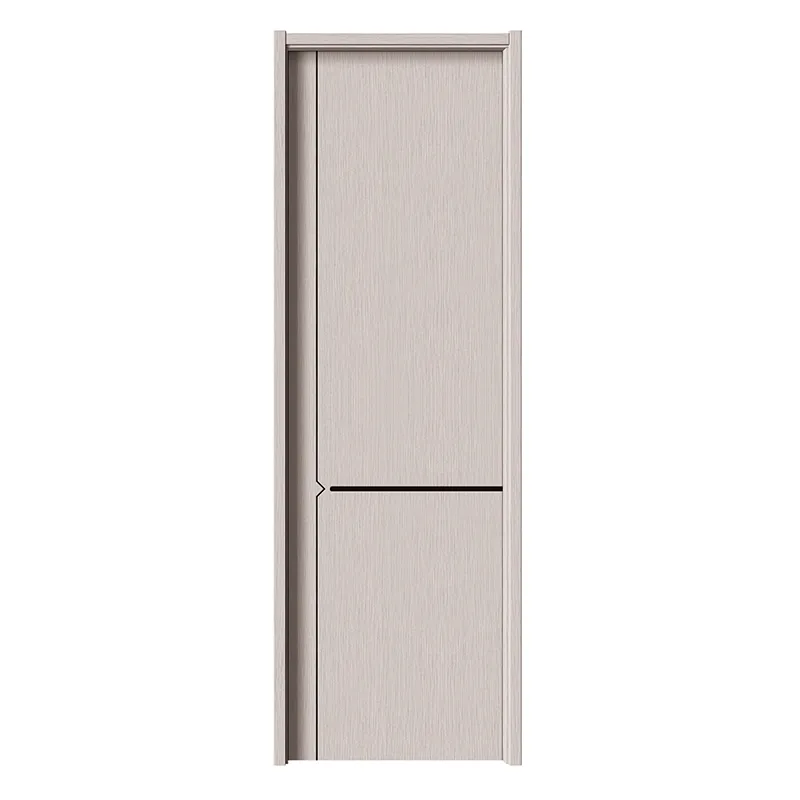
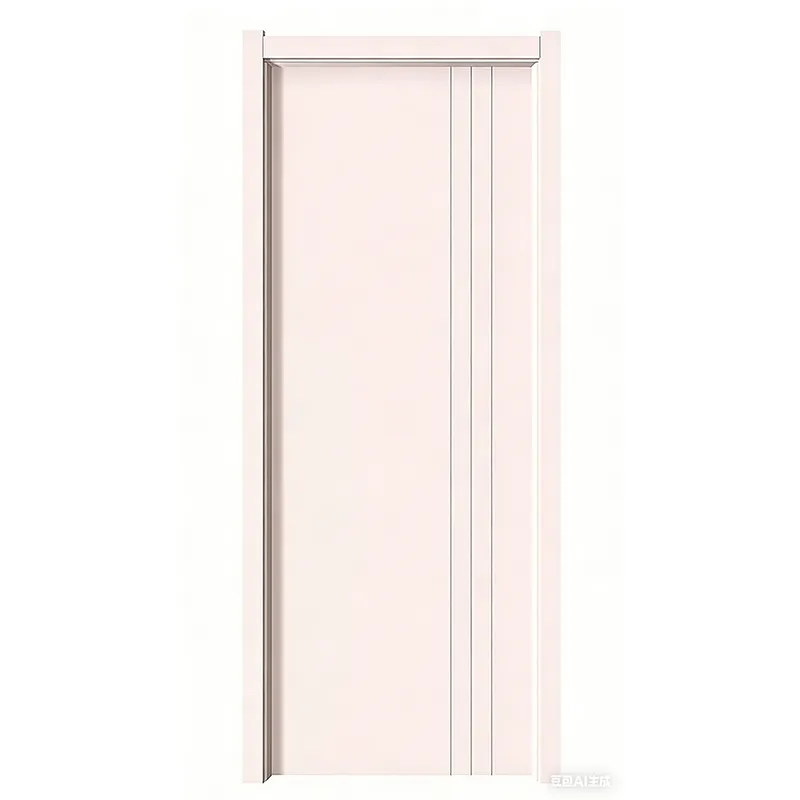
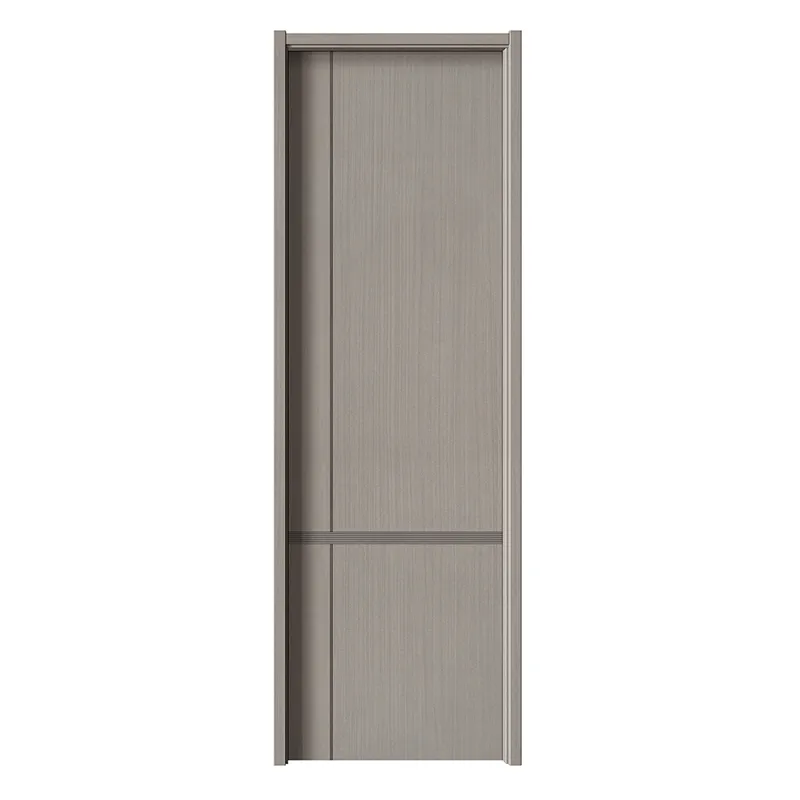
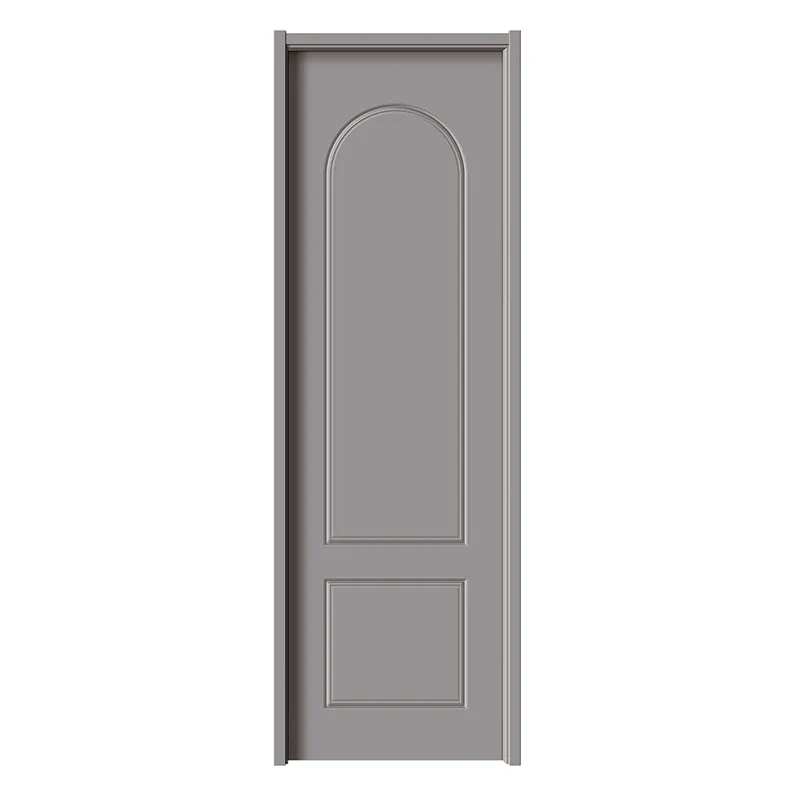
Best Sellingproducts
Best Selling Products-
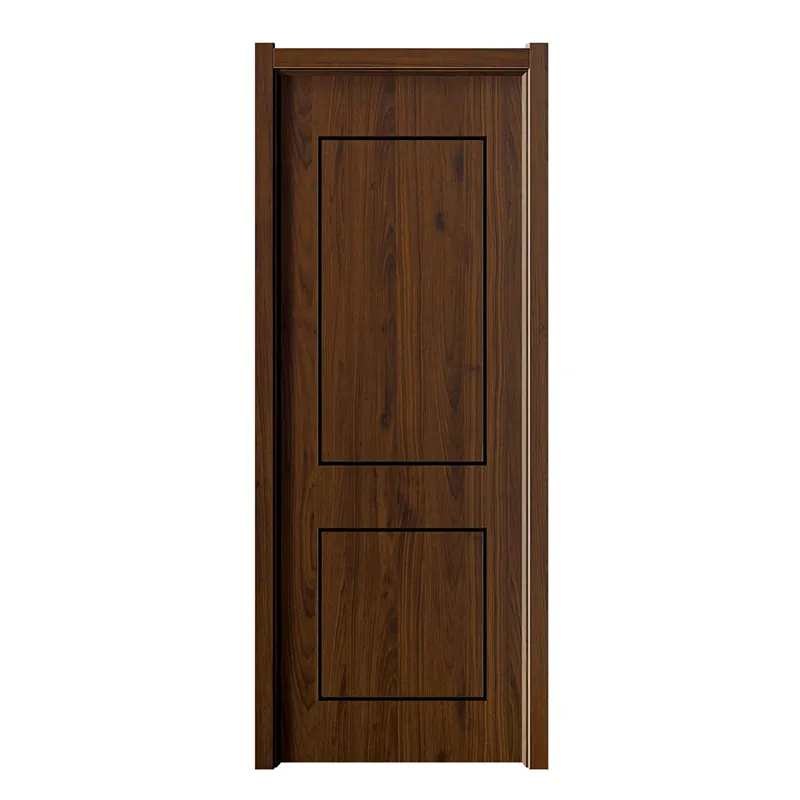 YST-WPC2 Door
 -
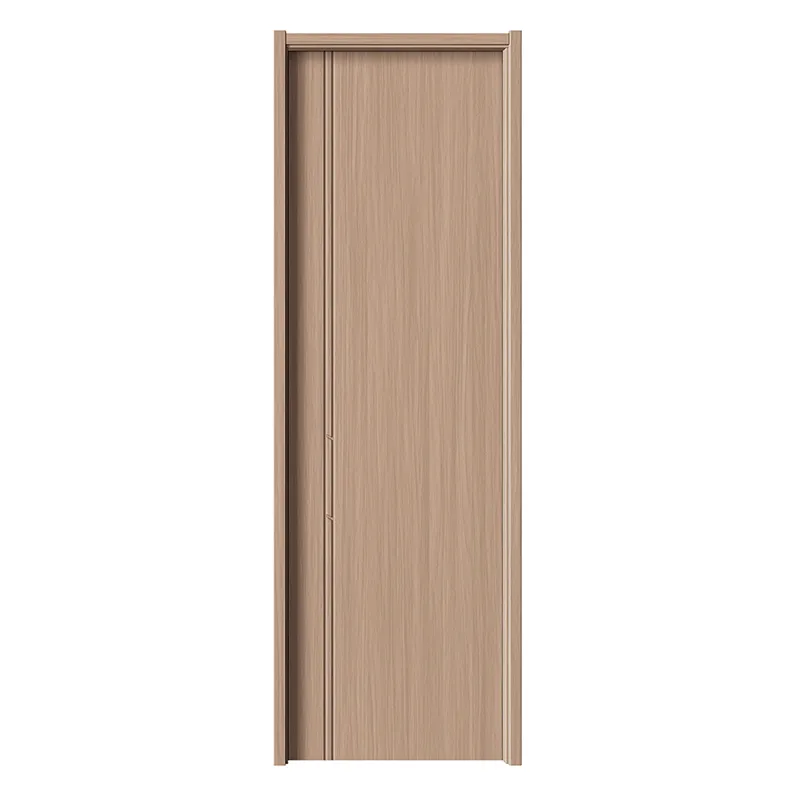 YST-1009 Door Translucent light shade 1
 -
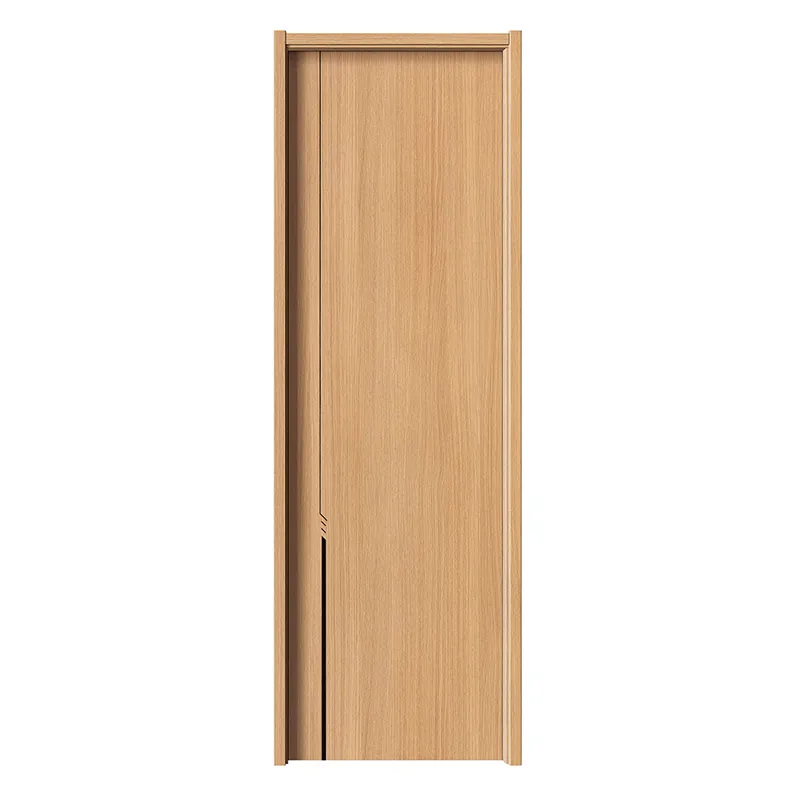 YST-1041 Door Oak Shutter
 -
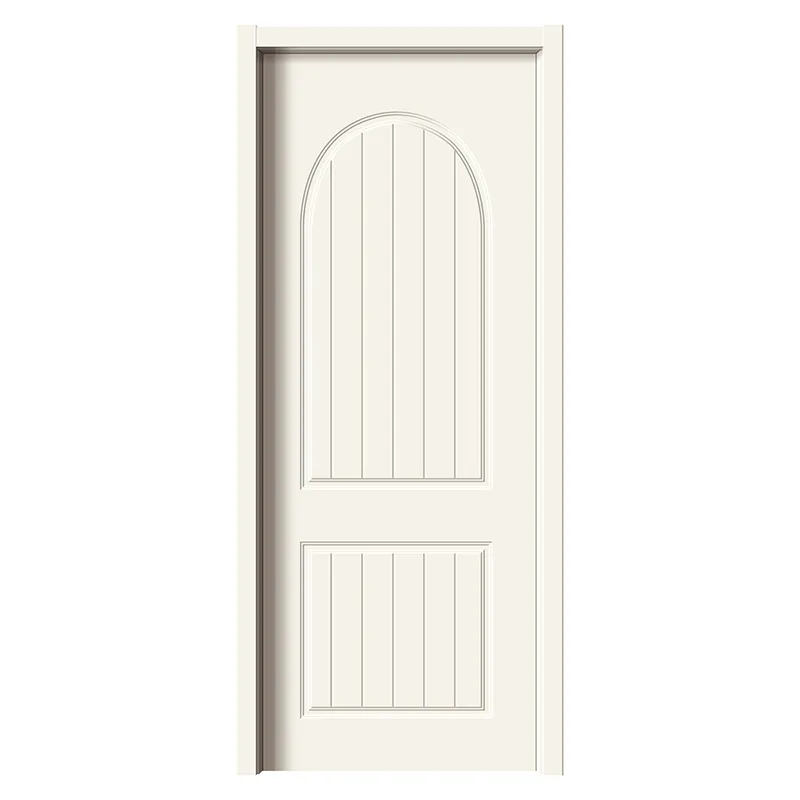 YST-236 Door White ivory
 -
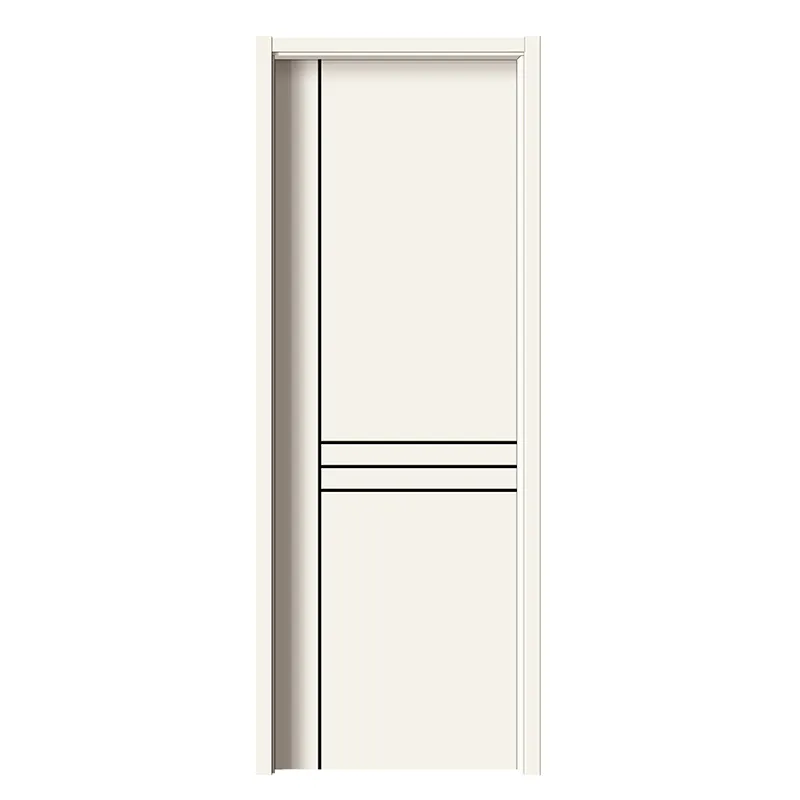 YST-220 Door Warm white
 -
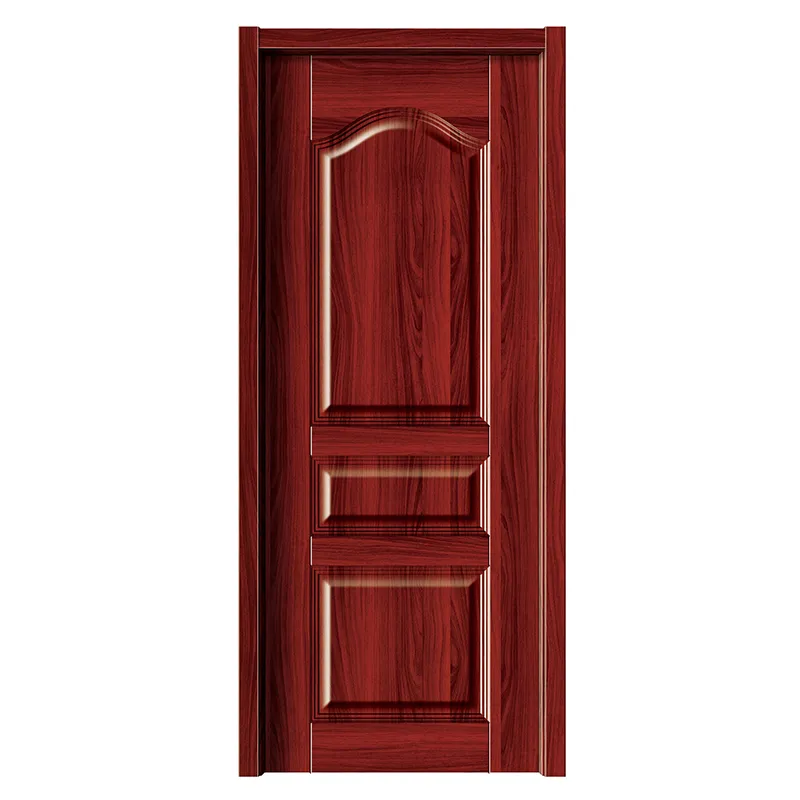 YST-203 Door Red team
 -
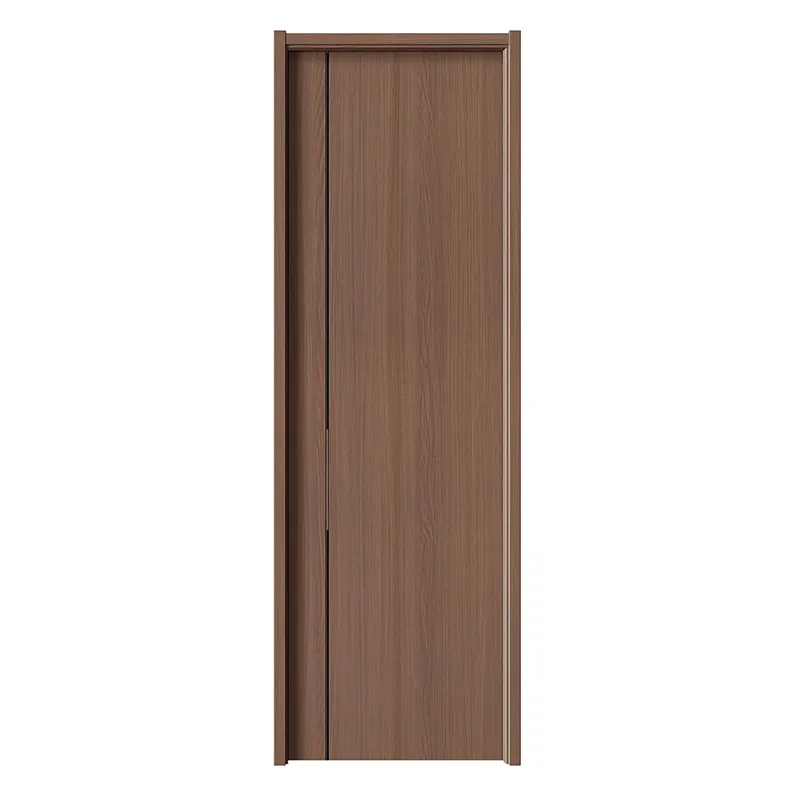 YST-1043 Door Techno-walnut 3
 -
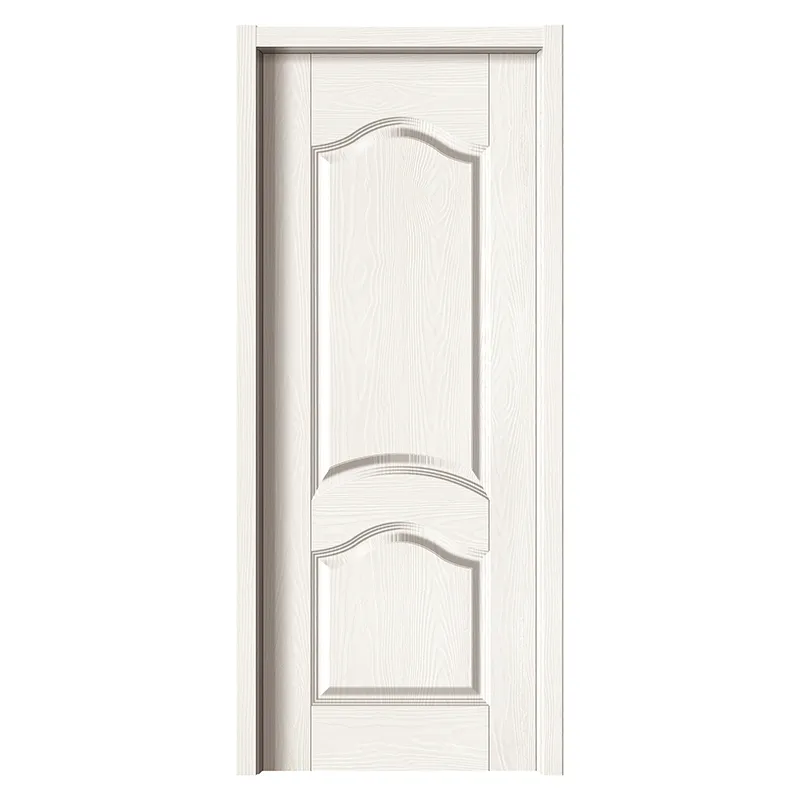 YST-224 Door Warm white with relief
 -
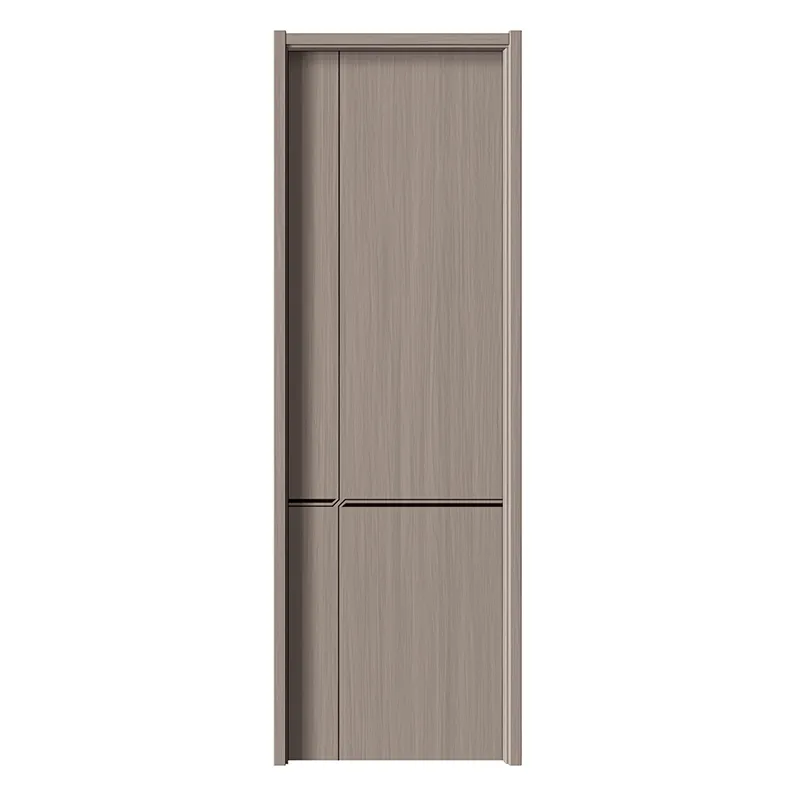 YST-1010 Door Translucent light shadow 3
 -
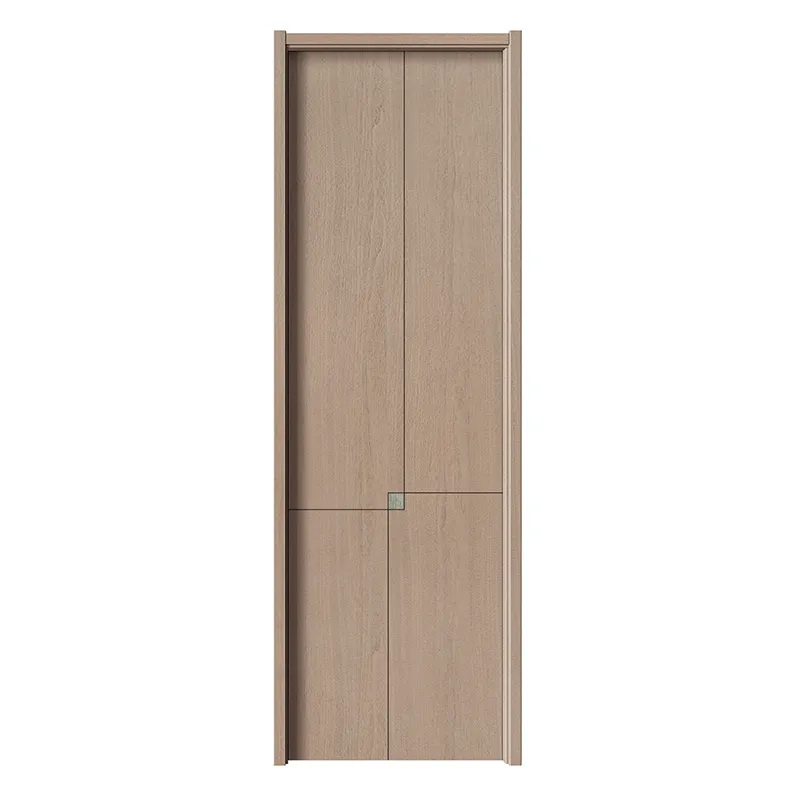 YST-1008 Door Natural walnut 2
 -
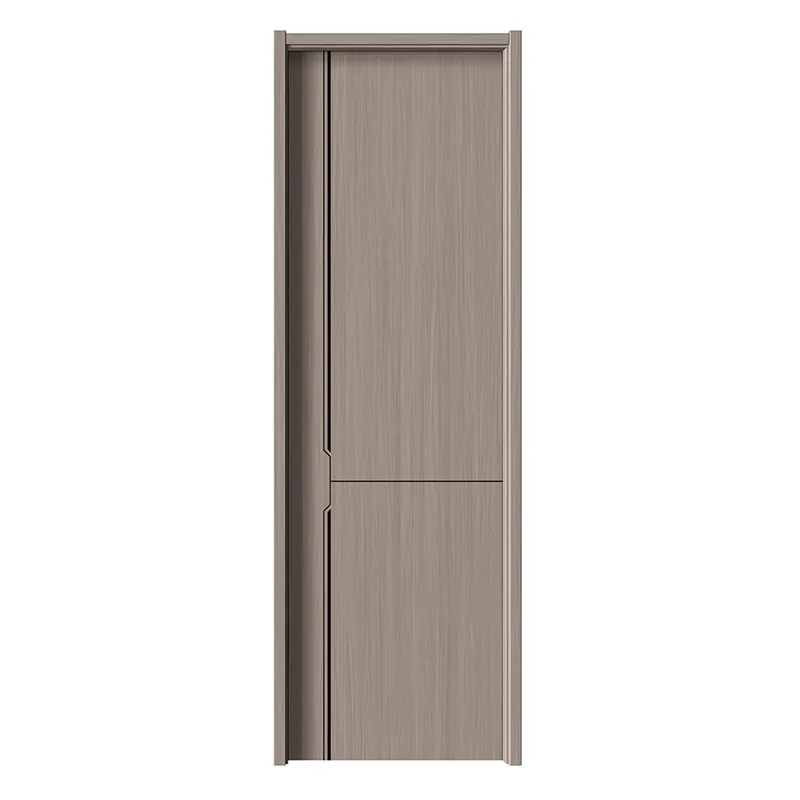 YST-1011 Door Translucent light shadow 3
 -
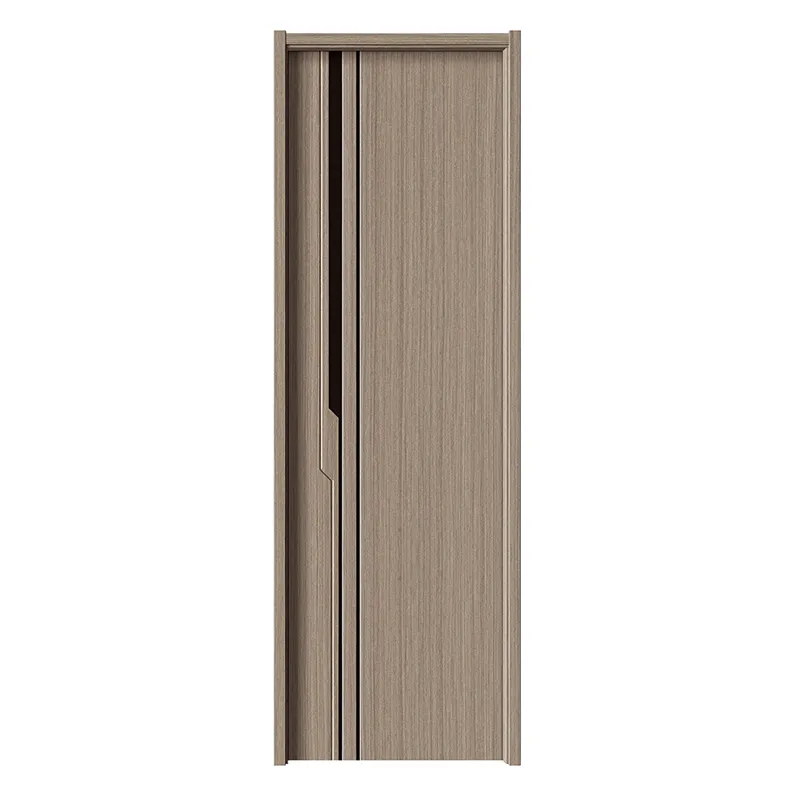 YST-1018 Technowood Door 1